It's 6:10 p.m. The ballroom doors open in twenty minutes. Banquet staff is setting water, the kitchen is pushing the first plated course, and then the undercounter ice machine stops producing. Or the combi oven throws an error. Or the patio misting system leaks onto a guest walkway right before cocktail hour. In hospitality, equipment failure never happens at a convenient time.
That's why an equipment maintenance schedule matters so much in restaurants, hotels, resorts, catering operations, and event venues. You're not just protecting machinery. You're protecting service flow, food safety, guest comfort, and the kind of experience that shows up later in reviews, repeat bookings, and referrals.
Why Your Hospitality Business Needs a Maintenance Schedule
A maintenance schedule feels easy to postpone when the team is short-staffed and service is busy. The trap is that reactive work always looks faster in the moment. It only feels cheaper until a key asset fails in the middle of service.
In hospitality, the damage goes beyond repair labor. A failed reach-in cooler can put product at risk. An HVAC outage can turn a wedding reception into a complaint spiral. A dishwasher breakdown can slow turnover enough to back up an entire outlet. Guests don't separate the equipment problem from the brand. They just remember that the event felt chaotic.
Downtime is a business issue
The financial case for proactive scheduling is blunt. A single hour of equipment downtime costs businesses an average of $260,000, and unexpected downtime results in a $50 billion annual loss for industrial manufacturers according to Forbes Tech Council's breakdown of downtime costs. Hospitality operations won't mirror manufacturing line for line, but the lesson applies cleanly. Lost service time gets expensive fast.
The same source makes the deferred-maintenance trade-off even clearer. For every $1 in deferred maintenance, businesses can expect to pay $4 in future capital renewal costs. That's the part many operators learn the hard way. Skipping a planned fix rarely removes the cost. It usually shifts it to a worse day, a bigger invoice, and a more public failure.
Practical rule: If a piece of equipment touches guest comfort, food holding, sanitation, or event execution, treat its maintenance as business continuity, not back-of-house admin.
Reputation is on the line every shift
Hospitality has a narrower margin for visible failure than most industries. Guests see the dining room temperature. They notice a buffet line with flies. They notice a patio heater that won't light, a coffee station that's down, or a restroom hand dryer that's out of order during a conference.
A good maintenance schedule gives managers control in three areas that matter every day:
- Service reliability keeps events and meal periods moving without last-minute improvisation.
- Brand protection reduces the kinds of visible failures that lead to poor reviews and awkward guest conversations.
- Cost control helps you choose planned work over emergency callouts and rushed parts orders.
Hospitality teams that care about product reliability in guest-facing operations usually outperform teams that rely on memory, sticky notes, and whoever happens to notice a problem first.
A schedule doesn't eliminate every breakdown. What it does is cut down surprises, create accountability, and move the operation from firefighting to control.
Create Your Master Equipment Inventory
Most maintenance programs fall apart before they start because the asset list is incomplete. A vague spreadsheet with “kitchen oven,” “freezer,” and “AC” isn't enough. You need a working inventory that tells your team exactly what you own, where it sits, how critical it is, and what information supports it.

Build the list like an operator, not an accountant
Start with every asset that can disrupt service, safety, sanitation, or compliance if it fails. In a hotel or event venue, that includes more than kitchen equipment.
Your master inventory should include:
- Asset identity with make, model, serial number, asset tag, and exact location.
- Ownership details like purchase date, installer, warranty status, and service vendor.
- Reference materials including the manual, cleaning instructions, replacement part numbers, and shutoff procedures.
- Operational notes such as seasonal use, known weak points, and whether the unit is a primary or backup asset.
For hospitality teams building out their broader equipment list, a practical reference like this catering equipment checklist helps catch the mobile, event-specific items people often miss.
Rank assets by criticality
Not every asset deserves the same maintenance intensity. A decorative water feature isn't in the same class as a walk-in freezer. A backup banquet coffee brewer isn't in the same class as the only dishmachine serving a ballroom event.
That's where criticality analysis matters. MaintainX's guidance on preventive maintenance scheduling notes that assets should be ranked using production impact, safety risks, and compliance needs, with high-priority assets getting preventive maintenance first and lower-priority items moved to reactive programs where appropriate.
In hospitality terms, that usually looks like this:
| Criticality level | Hospitality examples | Maintenance approach |
|---|---|---|
| High | Walk-in coolers, primary ovens, main HVAC, dishmachines, ice machines | Preventive schedule first |
| Medium | Backup prep equipment, guest area refrigeration, patio heaters, bar blenders | Scheduled checks based on usage |
| Low | Decorative features, low-use warming units, duplicate small appliances | Reactive or light scheduled review |
A maintenance schedule works best when it reflects operational reality. Protect the assets that can stop service, create a safety issue, or put guest experience in the spotlight.
Keep the inventory alive
The inventory isn't a one-time project. Update it every time you buy, replace, relocate, or retire equipment. Add service notes after each repair. Mark assets that repeatedly fail during peak periods.
That history becomes valuable quickly. When a fryer starts cycling poorly every Friday night or a rooftop unit struggles during wedding season, you won't be guessing. You'll have a record.
Define Maintenance Tasks and Frequencies
Once the inventory is built, the next step is turning each asset into a repeatable task list. When developing these task lists, organizations frequently either overcomplicate things or remain too vague. “Check ice machine weekly” isn't a maintenance task. “Inspect water line, verify bin cleanliness, check operating temperature, and confirm drain flow” is.
The strongest equipment maintenance schedule starts with manufacturer guidance, then adjusts for how the asset is used in your operation.
Use a five-step framework
A practical structure comes from Fleetio's preventive maintenance methodology, which highlights five core actions: set intervals based on usage, conduct routine inspections, monitor status, keep detailed records, and calculate total cost of ownership. According to that same guidance, a consistent five-step preventive approach can reduce unexpected equipment failures by 70% and extend asset life by 24% to 36%.
That same source also points to a common mistake. Teams that fail to adjust intervals based on environment or usage can end up with 30% higher parts inventory costs. That matters in hospitality because a fryer in a high-volume hotel kitchen doesn't age like the same model in a low-volume café.
Start with simple frequencies
For most hospitality operations, these buckets work well:
- Daily tasks cover visual checks, basic cleaning, simple function tests, and anything tied to food safety or guest visibility.
- Weekly tasks handle light preventive work such as filter checks, lubrication where appropriate, drain inspection, or a deeper clean.
- Monthly tasks focus on wear patterns, calibration checks, airflow or temperature verification, and parts that tend to drift over time.
- Quarterly and annual tasks are better for specialist service, major inspection, and anything tied directly to compliance or manufacturer-required servicing.
Prospyr Medical's maintenance scheduling guidance is useful here because it reinforces the need to break schedules into daily, weekly, monthly, quarterly, and annual intervals aligned with manufacturer instructions.
A practical example with a table fly fan
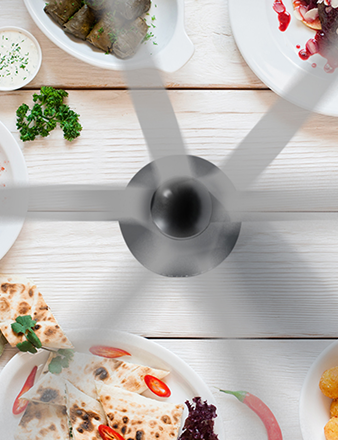
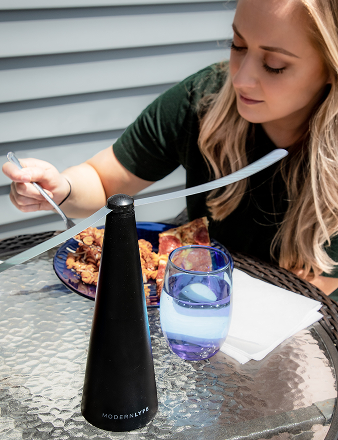
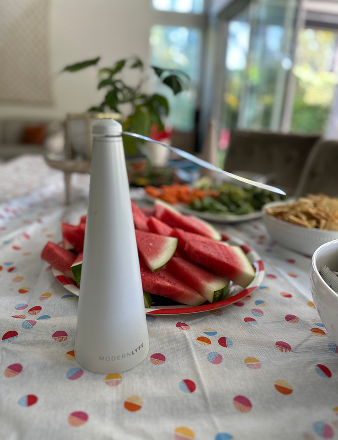
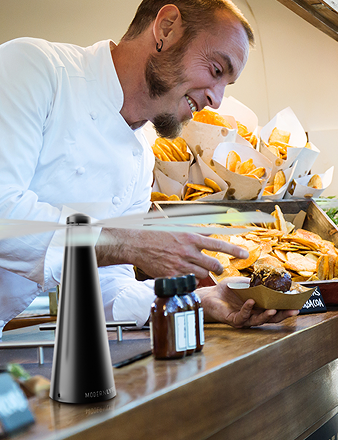
Small guest-facing equipment deserves a schedule too. A table fly fan used on buffet lines, patios, outdoor brunches, and catered events may not look mission-critical on paper, but when it fails, food presentation and guest comfort can suffer fast.
A simple schedule for that kind of unit might look like this:
- Daily wipe exterior surfaces, confirm blades or repellent elements are clean, test operation before setup, and check battery or power status.
- Weekly inspect for loose housing, dust buildup, or reduced airflow, and verify switches or controls still respond properly.
- Monthly review wear, check storage practices, and log any decline in run time or stability so you catch replacement needs before an event.
If you're doing the same kind of structured review for air systems, practical service references on preventive commercial HVAC maintenance can help managers align guest comfort equipment with a proper preventive rhythm.
Sample Maintenance Schedule for Hospitality Equipment
| Equipment | Daily Task | Weekly Task | Monthly Task |
|---|---|---|---|
| Ice machine | Check ice quality, wipe exterior, confirm bin closes properly | Inspect water line area, clean visible residue, verify drain flow | Deep clean per manufacturer guidance, inspect inlet components |
| Deep fryer | Verify temperature recovery, filter oil area, inspect for leaks | Clean surrounding surfaces and check baskets, handles, and controls | Inspect cords or gas connection area, review performance notes |
| Coffee maker | Run cleaning cycle as required, check brew quality | Inspect seals, spray heads, and warming surfaces | Descale if needed, review consistency and hold temperature |
| Dishmachine | Check final rinse result, inspect arms and screens | Clean filters and inspect chemical feed lines | Verify wash performance and service records |
| Table fly fan | Test operation, wipe surfaces, confirm placement stability | Inspect controls and remove dust buildup | Review run time, storage condition, and wear notes |
Short tasks done on time beat perfect plans that nobody follows.
Select Your Scheduling and Tracking Tools
A maintenance plan that lives on one manager's desk won't survive a busy weekend. The tool matters because it decides whether tasks get remembered, assigned, completed, and recorded.

Low-cost tools versus dedicated systems
Small operations can absolutely start with simple tools. A shared spreadsheet, recurring calendar tasks, and a cloud folder for manuals can be enough if the equipment count is modest and the same few people handle maintenance.
That setup usually works best for a café, food truck, or single banquet kitchen with a limited asset list and short reporting needs.
A dedicated CMMS or EAM platform becomes more useful when you have:
- Multiple departments such as kitchen, engineering, housekeeping support, and events.
- Several locations with assets spread across properties or outlets.
- Recurring compliance needs that require a service record, signoff trail, or vendor history.
- High staff turnover where task memory can't stay inside one person's head.
What digital tracking changes
Digital tracking isn't just an admin convenience. It changes how quickly you can spot trends, prove work was completed, and decide whether an asset is worth keeping.
The U.S. Department of Energy notes that predictive maintenance strategies can increase equipment uptime by 10% to 20%, reduce unplanned downtime by 50%, and save up to 40% over purely reactive maintenance. Hospitality operations won't use every predictive tool an industrial plant does, but the principle still applies. Better data supports better timing.
That can be as simple as logging repeated cooler temperature drift, recurring dishwasher faults, or generator test results in one system instead of scattering them across texts and paper checklists.
For operators who want a broader framework on how teams optimize industrial operation and maintenance, it's useful to look at how structured records support asset decisions over time.
Choose based on complexity, not hype
A good rule is to match the tool to the operation.
| Tool type | Best fit | Main strength | Main limitation |
|---|---|---|---|
| Shared calendar | Small venue or café | Fast to set up | Weak history and reporting |
| Spreadsheet | Single-site operator with disciplined managers | Flexible categories | Easy to miss updates |
| Work order app or light CMMS | Restaurant group or event company | Better assignment and records | Requires process discipline |
| Full CMMS or EAM | Hotel, resort, or multi-site business | Strong visibility and service history | More setup and training |
Don't buy software to feel organized. Buy it when you need repeatability, visibility, and cleaner decisions on repair versus replacement.
Implement the Schedule and Manage Your Team
A maintenance schedule fails or succeeds in the handoff. You can build excellent checklists and still get poor results if nobody knows who owns the task, when it happens, or what gets done when service is in full swing.
The rollout should start with clarity, not ambition. Assign work by role, not by vague team responsibility.

Put names, shifts, and timing on every task
In hospitality, some maintenance belongs to engineering, some to kitchen leadership, some to stewarding, and some to outlet managers. Daily checks on a coffee station might belong to opening staff. Monthly inspection of a walk-in door seal might belong to engineering. Vendor service on fire suppression or specialist HVAC should already be booked into the calendar with enough lead time to avoid conflict.
Maintenance scheduling best practices from Sockeye point to two execution rules that matter in the field: schedule work close to 100% of available labor and confirm parts, tools, and other resources before the job is scheduled. That matters because 60% of maintenance delays stem from resource shortages.
In practical terms, don't assign a fryer PM on Thursday if the filter kit hasn't arrived, the oil disposal setup isn't ready, and the kitchen is preparing for a sold-out Friday.
Train for observation, not just repair
Most hospitality teams aren't full of technicians, but nearly every team member can help spot early warning signs. That's especially true in guest-facing areas.
Train staff to report things like:
- Performance drift such as slower cooling, longer heat-up time, or reduced airflow.
- Visible wear including cracked seals, frayed cords, wobble, leaks, or corrosion.
- Operating changes like odd sounds, irregular cycling, or inconsistent output.
A line cook may notice a hot holding cabinet struggling before engineering sees it. A banquet captain may catch a noisy portable fan before a guest does. Build that reporting habit early.
This short video captures the process mindset well:
Communicate around operations
Poor communication is where good maintenance plans create service disruption. Sockeye's guidance also notes that clear communication can reduce emergency repair costs by 50% by minimizing operational conflicts.
That means maintenance activity should be visible to everyone it affects:
- Kitchen leadership needs to know when equipment will be offline.
- Events teams need to know if ballroom HVAC, portable bars, or ice capacity will be affected.
- Front office or guest services should know when work might create noise or temporary inconvenience.
- Purchasing or stores should know what consumables and parts must be available in advance.
Schedule maintenance the same way you schedule service. Confirm timing, confirm resources, and confirm who's responsible before the day starts.
The best rollout I've seen in hotel operations was simple. Weekly review, one week ahead. Task owner named. Time window agreed. Parts checked. Ops informed. That's not glamorous, but it works.
Measure Success and Troubleshoot Your Maintenance Plan
A maintenance schedule isn't finished when the calendar is built. It earns its keep when you review what happened, where the plan slipped, and which assets keep draining time.
Track a small set of useful indicators
Hospitality teams don't need a giant dashboard to improve. A short scorecard is enough if it reflects real operating pain.
Use measures like:
- Mean time between failures for critical assets such as the primary combi oven, ice machine, or ballroom HVAC unit.
- Mean time to repair for recurring failures that disrupt service.
- Schedule compliance to see whether preventive work is happening when planned.
- Guest-impact signals such as repeated complaints about room temperature, buffet conditions, restroom functionality, or event setup delays.
- Repair history by asset so you can spot when a machine is becoming more trouble than it's worth.
If your logs are messy, use a practical set of troubleshooting guides and standard reporting templates so the team records issues the same way each time.
Fix the common breakdowns in the process
Most maintenance plans don't fail because the idea is bad. They fail because execution drifts.
If tasks keep getting missed, look at the workflow before you blame the team. Daily checks may be assigned to the wrong shift. Weekly tasks may be scheduled during peak prep. Vendor visits may be landing on event turnover days.
Use a simple troubleshooting approach:
| Problem | Likely cause | Practical fix |
|---|---|---|
| Tasks are repeatedly late | Timing doesn't match service flow | Move tasks to a quieter shift or protected time block |
| The same equipment keeps failing | Frequency is too light or the root cause isn't solved | Review asset history and tighten the interval |
| Staff skip checklists | The checklist is too long or vague | Shorten it and make each action observable |
| Seasonal equipment underperforms | The schedule ignores weather or demand swings | Add pre-season and post-season service steps |
| Repair costs keep stacking | The asset is aging poorly | Compare repair history with replacement planning |
If the plan keeps breaking in the same place, change the process, not just the reminder.
Good maintenance managers review trends, trim unnecessary work, and add attention where the operation keeps getting hit. That's how an equipment maintenance schedule becomes useful instead of ceremonial.
Modern Lyfe helps restaurants, hotels, caterers, and event hosts protect food presentation and guest comfort with stylish fly fans built for real service environments. If you want a practical way to support cleaner buffet lines, outdoor receptions, and pest-free dining setups, explore MODERN LYFE.