A Friday wedding reception is underway. The ballroom is full, the buffet line is open, and staff are moving fast. Then a key piece of equipment stops working. Maybe it's a portable warmer that won't hold temperature, a card terminal that drops connection, or a coffee unit that dies just as the post-dinner rush starts. In hospitality, that kind of failure never stays “technical” for long. It becomes a service problem, a labor problem, and then a guest-experience problem.
That's why product reliability matters so much. Not as an engineering buzzword, but as a buying standard that protects revenue, staff time, and your reputation. A product can look good in a showroom and still be a bad operational fit if it can't keep performing under heat, repetition, transport, cleaning, and peak-hour pressure.
Hospitality buyers often focus first on purchase price. That's understandable. But the sticker price is only the opening number. The key question is what that product costs you across its working life when you factor in downtime, emergency fixes, replacement cycles, and guest complaints.
The True Cost of Equipment Downtime
A lot of hotel managers learn this lesson the hard way. The equipment that causes the most pain usually isn't the most expensive unit in the building. It's the one that fails at the worst moment.
Think about a breakfast service where the coffee machine is out, or an outdoor banquet where the cordless table equipment loses charge halfway through service. Staff start improvising. One employee runs to another floor. A supervisor gets pulled off guest-facing work. The line grows. Guests wait longer. Someone posts about it before your team has even stabilized the situation.
That's the hidden side of product reliability. It isn't just “does the item function?” It's whether it keeps doing its job long enough, under the conditions you operate in, to support smooth service. In hospitality, that means reliability shows up directly in labor usage, service recovery, and the consistency guests feel.
Downtime spreads fast
One failed unit can trigger a chain reaction:
- Service slows down: Staff create workarounds, often manually.
- Labor costs rise: Supervisors and maintenance teams get pulled into urgent fixes.
- Revenue gets exposed: Delayed turnover, interrupted events, and guest dissatisfaction all create financial pressure.
- Your brand takes the hit: Guests rarely describe the root cause as “equipment reliability.” They describe poor service.
A smart buyer looks beyond the invoice and asks how a product supports daily flow. That's the same mindset behind strong operational efficiency in hospitality. Reliable equipment protects that flow. Unreliable equipment breaks it at exactly the point where guests can see it.
A cheap unit that fails during peak service is usually the most expensive unit you own.
Hospitality remembers the failure, not the savings
Procurement teams sometimes celebrate saving money upfront. Operations teams live with the consequences afterward. That tension is common in hotels, restaurants, and catering businesses.
The better approach is simple. Buy with total cost of ownership in mind. If a product can't survive your real environment, the lower purchase price won't matter for long.
Why Reliability Is Non-Negotiable in Hospitality
Hospitality equipment doesn't operate in a calm lab. It runs in kitchens with heat and grease, loading docks with vibration, patios with humidity, event spaces with transport wear, and guest areas where appearance matters as much as function.
That's why weak equipment tends to fail faster in hospitality than in lighter-duty settings. For products used in real environments, operating conditions have to be treated as first-class variables. Performance can degrade differently under temperature, humidity, vibration, and duty-cycle variation, so looking only at aggregate uptime can hide the underlying failure mechanism and its cause, as noted by the University of Tennessee reliability guidance.

The cost isn't limited to repair bills
When a POS system crashes during dinner rush, the repair invoice is only one piece of the story. You also have slower table turns, stressed staff, delayed checks, and frustrated guests. If a walk-in freezer fails overnight, the issue extends beyond the machine itself. You're suddenly dealing with product loss, emergency calls, menu disruption, and a manager starting the day in crisis mode.
In hotels, failures also hit perception hard because the guest sees the service breakdown in real time. An out-of-order coffee station in the lobby, a dead patio heating unit, or a malfunctioning room amenity creates a visible gap between what the brand promises and what the guest experiences.
Hospitality conditions punish weak design
Consumer-grade products often look attractive because they're cheaper and easier to source. But hospitality use is harsher. Equipment gets switched on and off repeatedly, moved often, cleaned aggressively, and expected to perform for long stretches without fuss.
Here's where buyers need to get blunt:
- Heat exposure matters: Back-of-house and outdoor settings stress electronics and plastics.
- Humidity matters: Steam, dish areas, and climate shifts can affect seals, boards, and connectors.
- Duty cycle matters: A product used occasionally at home may not tolerate repeated service-hour use.
- Handling matters: Portable units get bumped, stacked, transported, and plugged in by different staff every day.
If you wouldn't trust it in a busy prep kitchen, don't assume it belongs in banquet operations just because it looks polished.
Reliability protects both safety and service
Some categories carry extra risk. Gas equipment, boilers, and heating systems need both competent service and proper compliance oversight. If your team manages heating assets or guest-facing hot water systems, this practical guide to Gas Safe boiler engineers is a useful reference for understanding who should handle that work and why credentials matter.
Reliable equipment doesn't eliminate every failure. That's not realistic. What it does is reduce avoidable disruption and make failures more predictable, more manageable, and less visible to the guest. In hospitality, that's not a technical nice-to-have. It's part of protecting the brand.
Core Concepts and Metrics Explained

A hotel manager does not need an engineering degree to buy more reliably. They need a working grasp of a few terms so they can tell the difference between a useful metric and a sales number that looks good on a spec sheet.
Reliability, in practical terms, means a piece of equipment keeps doing its job for a defined period in the conditions in which it operates. That last part matters. A unit that performs well in a lab or a low-use setting may behave very differently in a busy breakfast service, a banquet turnaround, or a steamy dish area. For hospitality buyers, the question is never just "Will it work?" The better question is "How often will it fail here, what will each failure cost, and how predictable is that cost over the life of the asset?"
The bathtub curve in plain English
The NIST Engineering Statistics Handbook explains why many products follow a pattern often called the bathtub curve. Failure rates tend to be higher early on, then level out for a long operating period, then rise again as parts wear down.
Consider a commercial dishwasher to see those phases in day-to-day operations:
| Phase | What it looks like in operations | What it usually means |
|---|---|---|
| Early failure | It breaks soon after installation | Setup issue, manufacturing defect, or installation error |
| Useful life | It runs steadily with occasional random issues | Normal operating period |
| Wearout | Failures become more frequent over time | Parts are aging and degradation is catching up |
That distinction helps with budgeting and decision-making. A machine that fails in week two points to commissioning, installation, or defect issues. A machine that starts failing repeatedly after years of service raises a different question: is another repair cheaper than the labor disruption, guest impact, and replacement risk that come with keeping old equipment in service?
MTBF and MTTF without the jargon
Two terms show up often in vendor conversations: MTBF and MTTF.
- MTBF, or mean time between failures, applies to repairable equipment. It is the average operating time between one failure and the next.
- MTTF, or mean time to failure, is used for equipment or components that are typically replaced rather than repaired.
Those numbers only matter if they connect to the way your property runs. A front-desk printer with a decent MTBF on paper can still be expensive if every jam happens during check-in peaks. A holding cabinet with a strong MTTF may still be a poor buy if replacement parts are slow and every outage forces staff into manual workarounds.
For a hotel manager, the translation is simple. Ask how many breakfasts, banquet functions, check-ins, room turns, or service hours the unit usually completes before a failure interrupts operations. If you want a plain walkthrough of the calculation, this article on determining equipment MTBF is a helpful primer.
Metrics only help if they match your use
A reliability figure without context has limited value. Duty cycle, cleaning chemicals, heat, humidity, transport, and operator turnover all affect how a unit performs over time. A portable induction unit used across events does not live the same life as one that stays in a single pantry.
Total cost of ownership becomes more useful than a single headline metric. A lower-priced unit with weaker field reliability can erase its purchase-price advantage quickly through overtime, comped guest experiences, urgent service calls, and early replacement. A more dependable unit may cost more upfront and still be the cheaper decision over three to five years.
Teams managing multiple assets should track reliability alongside broader performance metrics for operations. Once failure rates are tied to labor hours, service interruptions, and replacement timing, reliability stops being an abstract engineering term and becomes a buying and budgeting tool.
How to Evaluate Reliability Before You Buy
Most product pages tell you what a unit does. Fewer tell you how well it keeps doing it after repeated use, transport, charging, cleaning, and storage. That's where buyers need to lead the conversation.
Treat the sales process like an interview. If the vendor can't answer practical reliability questions clearly, that's useful information on its own.

Questions worth asking every vendor
Start with the build itself:
- What is this product designed for? Ask whether it's intended for commercial, hospitality, event, or residential use.
- Which components fail most often? A serious vendor should know common weak points.
- What testing has been done? You're listening for specifics about environmental, vibration, shock, or repeated-use testing.
- What field data do you track? Returns, warranty claims, and issue logs tell a more honest story than brochures.
- How are repairs handled? Fast parts access often matters more than a long warranty statement.
Then move into ownership questions:
- What routine maintenance is required?
- Which parts are considered consumable or wear items?
- How easy is cleaning without damaging the product?
- Can my in-house team do basic upkeep, or is specialist service required?
A vendor who answers these directly is usually easier to work with after the purchase too.
Watch the battery and charging system
Battery-powered equipment needs extra scrutiny. A missed reliability angle in many hospitality purchases is battery burden. Lithium-ion batteries age materially faster in hot conditions and when kept at a high state of charge, which is especially relevant for hospitality equipment used outdoors or near kitchens, as discussed in this battery aging and reliability reference.
Ask vendors:
- How should the battery be stored between events?
- What happens to runtime after repeated charge cycles?
- Is the charger proprietary, and how easy is it to replace?
- Does heat exposure change charging or runtime behavior?
For categories like table fans, portable lights, and cordless service tools, those questions matter as much as the motor or housing.
Ask for proof, not adjectives
Marketing language is cheap. “Durable,” “commercial-inspired,” and “heavy duty” don't mean much without supporting detail.
Use this short filter:
| Vendor statement | Better follow-up question |
|---|---|
| Built for tough environments | Which environments were tested? |
| Long-lasting battery | Under what use pattern and storage conditions? |
| Reliable performance | What failure or return data supports that claim? |
| Low maintenance | What maintenance tasks are still required? |
If you're comparing small hospitality-use devices, review the manufacturer's documentation, not just the product listing. For example, a technical specifications sheet can tell you more about expected use and service checks than a polished product description ever will.
Smart Maintenance and Warranty Strategies
Buying reliable equipment is only half the job. Ownership habits decide whether that reliability holds up in real service.
A lot of operators still run equipment until it fails. That approach feels efficient because it avoids planned maintenance time. In practice, it pushes disruption into the most expensive moments, when the machine is needed, staff are busy, and the guest is close enough to notice.

Run to failure versus planned care
Take a hotel HVAC unit as an example.
With a run-to-failure mindset, the team waits until comfort complaints pile up or a unit stops performing. Then maintenance scrambles, parts may not be on hand, and management deals with room issues while repairs are underway.
With a scheduled maintenance approach, filters, coils, connections, and performance checks happen routinely. That doesn't eliminate every breakdown, but it catches preventable issues before they turn into service failures.
Here's the operational difference:
- Run to failure: Less routine effort, more emergency pressure
- Preventive maintenance: More planning, fewer surprises
- Run to failure: Higher chance of peak-period disruption
- Preventive maintenance: Better control over labor and parts scheduling
If you need a plain-language overview, SaberTask's guide to preventive maintenance is a useful starting point.
Operational rule: If the equipment touches guest comfort, food safety, or event continuity, don't manage it as a run-to-failure asset.
What to put in a simple maintenance plan
Most hospitality teams don't need a complicated system. They need a disciplined one.
A workable plan usually includes:
- Asset list: Record the units that can disrupt service if they fail.
- Service rhythm: Match checks to actual use intensity, not generic calendar habits.
- Cleaning standards: Many failures start with blocked airflow, residue buildup, or poor storage.
- Basic logs: Note repeat issues, replaced parts, and recurring causes.
- Assigned ownership: Someone specific needs to be responsible, even if several people help.
NIST's broader reliability coverage includes data collection, repair-rate modeling, and parameter estimation. On the ground, the practical lesson is straightforward. Track what fails, when it fails, and under what conditions, then use that pattern to adjust maintenance and replacement timing.
A quick visual refresher can help teams align on the difference between reactive and planned care:
Read the warranty like an operator
A long warranty can still be a weak warranty. Duration matters, but so do the conditions.
Check these points before you buy:
- Response expectations: How quickly can service happen?
- Parts access: Are common replacement parts available, or special-order only?
- Exclusions: Outdoor use, battery degradation, transport damage, and improper cleaning often sit in the fine print.
- Labor coverage: Some warranties cover the part but leave you paying for service time.
- Proof requirements: If you need maintenance records to make a claim, build that habit early.
The best warranty is the one your team can use without a fight.
Putting It All Together A Catering Example
A catering manager is comparing two portable food warmers for wedding and corporate events. One model is cheaper upfront. The other costs more, but the vendor gives clearer answers about field use, maintenance, and support.
On paper, the cheaper unit looks attractive. In actual catering operations, the decision gets more serious. These warmers will be loaded into vans, unpacked by different crews, used indoors and outdoors, wiped down fast, stored between events, and expected to work without drama in front of clients.
How the decision changes when reliability leads
The manager starts with the service risk, not the sticker price.
If a warmer fails during cocktail hour or buffet service, the immediate problem isn't the machine. It's food presentation, staff scrambling, possible delays, and a client who now has doubts about the whole operation. That shifts the buying question from “Which one is cheaper?” to “Which one is less likely to create an expensive service incident?”
So the manager asks each vendor:
- What operating conditions were considered during testing?
- Which parts usually wear first?
- Are replacement components easy to source?
- What does the warranty exclude?
- How should the units be stored between events?
One vendor gives polished marketing language. The other gives practical guidance about cleaning, charging, storage, and common service items. That difference matters.
The better choice isn't always the lower bid
The manager also looks at battery-related risk because these warmers may sit in hot prep areas and outdoor tents. A cordless product that performs well in mild conditions can become a headache when charging practices are sloppy and storage gets hot.
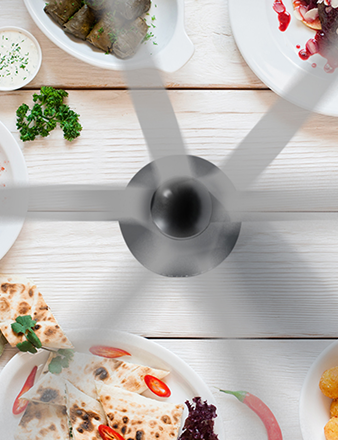
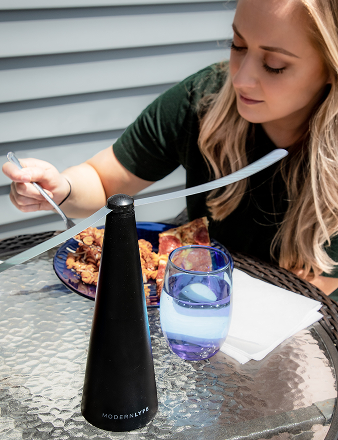
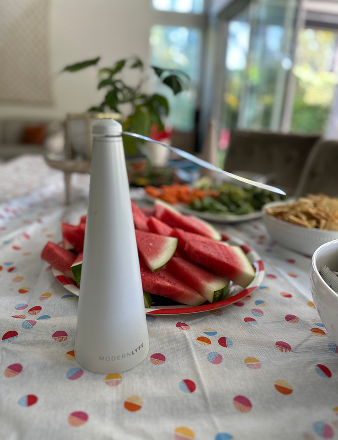
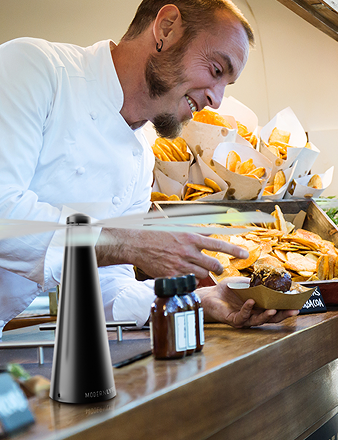
One option in adjacent hospitality categories is to favor products with documented operating guidance and clear support channels. For example, if a buyer were evaluating compact battery-powered table equipment, a product like the MODERN LYFE fly fan would be more usefully judged by its fit for repeated event use, charging routine, and service documentation than by looks alone.
The catering manager makes the same kind of judgment here. The higher-priced warmer wins because the support structure is better, the ownership requirements are clearer, and the failure risk appears easier to manage.
Buy the unit your team can keep in service, not the unit that only looks good on a quote sheet.
What this example gets right
The manager didn't try to predict everything. They did something better. They matched the purchase to the operating reality.
That means:
- Looking at downtime as a business cost
- Testing vendor credibility with specific questions
- Treating transport and environment as reliability factors
- Reading warranty terms as service documents, not marketing copy
That's what good product reliability buying looks like in hospitality. Calm decisions before the purchase. Fewer ugly surprises after it.
Frequently Asked Questions
How is product reliability different for software and hardware
For software, reliability shows up at the front desk and in back-office workflows. The PMS freezes during check-in. A payment fails. Room status stops syncing. An update breaks a feature the staff used yesterday. Those failures create queue backups, refunds, manual workarounds, and frustrated guests.
Hardware failures are usually easier to see and harder to ignore. A unit overheats on a busy shift. A battery will not hold charge. A connector loosens after repeated transport. A latch, seal, or switch wears out under daily use.
The buying questions should match the failure type. For software, ask how the vendor handles outages, updates, support response, and data recovery during service disruption. For hardware, ask what parts wear first, how the unit handles heat and cleaning, how repairs are done, and how long a failed unit stays out of service.
What's a good way to define reliability in simple terms
Reliability means a product keeps doing its job for the expected period, in the conditions you run.
That last part matters more than many buyers realize. A countertop unit tested in a calm showroom is not being judged under banquet load, patio heat, repeated cleaning, and constant handling by multiple shifts. In hospitality, reliability is never abstract. It is tied to your operation.
A simple test helps. If the product fails, can service continue without lost revenue, guest frustration, or staff overtime? If the answer is no, reliability deserves the same scrutiny as price.
Should I trust MTBF on a spec sheet
Use MTBF as a screening number, not a buying decision on its own.
A metric is only useful if the vendor can explain how it was calculated and whether the test conditions resemble your property. Ask what counted as a failure, whether the item is meant to be repaired or replaced, and what environment the test assumed. If the explanation gets vague, the number has limited value.
A hotel manager does not need a lecture in engineering terms. You need to know whether the unit will survive your service pattern and what failure will cost when occupancy is high.
What are red flags when buying used equipment
Used equipment can save money upfront, but it often shifts risk into labor, parts, and guest-facing disruption.
Look closely at the stress points. Hinges, cords, seals, latches, wheels, handles, and connectors usually reveal the true age of the unit faster than the exterior finish does. Missing service records are another warning sign because you are buying blind on maintenance history.
Two more issues matter a lot in hospitality. First, confirm there is still a parts path. A cheap unit that cannot be repaired becomes dead stock the first time it fails. Second, check for signs of poor storage or cleaning. Corrosion, residue, warped material, and heat damage usually mean the equipment had a hard life.
If the seller cannot explain where it was used and how it was maintained, price that uncertainty into the deal.
How much should warranty length influence my decision
Warranty length matters less than warranty usability.
Read the terms like an operations document, not a marketing promise. Check exclusions, labor coverage, battery treatment, commercial-use limits, shipping responsibility, and expected turnaround time. A two-year warranty that requires slow approval and expensive freight can be worth less than a shorter one with fast service and clear parts support.
For hospitality buyers, the key question is simple. How quickly can this item get back into service, and who pays for the interruption along the way?
How should I track reliability after purchase
Keep a basic failure log. Record the date, the problem, the location, the conditions, and what it took to get the unit running again. Include whether the equipment was used outdoors, near heat, moved between events, or stored for long periods.
Also track the business effect. Note lost service time, staff overtime, temporary replacements, comped items, or guest complaints tied to the failure. That turns reliability from a vague impression into a total cost of ownership record.
After a few months, patterns usually appear. That history gives your next buying decision far more value than any sales sheet.
If you're evaluating tabletop equipment for restaurants, hotels, patios, or events, MODERN LYFE offers battery-operated fly fans designed for dining and service environments, along with product details, support resources, and warranty registration to help buyers assess fit before and after purchase.