Juggling spreadsheets, chasing RSVPs across email threads, and confirming menu counts from three different versions of the same document still describes how a lot of hospitality teams run events. It works until it doesn't. One missed allergy note, one unpaid balance buried in an inbox, or one check-in bottleneck at the door is enough to turn a polished event into a stressful service recovery exercise.
That's why event management tools matter now more than they used to. This isn't a niche software category anymore. The global event management software market was estimated at USD 8.40 billion in 2024 and is projected to reach USD 17.33 billion by 2030, with a 13.2% CAGR from 2025 to 2030, according to Grand View Research's event management software market report. For hotels, restaurants, and caterers, that growth reflects something practical. Buyers now expect registration, check-in, communications, reporting, and post-event data to live in one operating layer.
This list is built for hospitality workflows, not generic conference planning. The focus is simple. Which tools help you run a VIP dinner cleanly, sell seats to a tasting without friction, manage a ballroom event without door chaos, or support a multi-property event program without rebuilding the process every time.
If you're still weighing whether a paid platform is necessary, it also helps to review some free event management tools before you commit. But if your events affect guest experience, staffing, revenue, and repeat business, free usually stops being enough pretty quickly.
Enterprise Suites for Large-Scale Hospitality Programs
1. Cvent

Cvent is the platform I'd put in front of a hotel group, resort brand, or large catering operation that manages complex events across multiple venues. It's not the easiest tool on this list, but it handles the complexities that smaller systems often struggle with. Registration, event websites, communications, on-site check-in, badging, session management, exhibitor workflows, and venue sourcing all sit under one roof.
For hospitality teams, the venue sourcing side is a real differentiator. If your sales and operations teams regularly move between internal spaces and outside venues, Cvent helps centralize that process instead of forcing people to juggle separate sourcing tools and event records.
Where Cvent fits best
Cvent works best when the event program itself is bigger than any single event. Think annual banquet calendars, corporate meetings across properties, association events with room blocks, or catering companies managing repeat formats with different clients.
Use it when you need structure more than speed.
- Best use case: Multi-day conferences, hotel ballroom programs, citywide events, and high-volume venue sourcing
- Operational strength: On-site workflows, session management, and admin controls across departments
- Main trade-off: Small teams can feel buried by setup options and approvals
Practical rule: If you need a system your sales team, event ops team, and on-site staff can all use without exporting data back and forth, Cvent earns its place.
It's also a solid match for teams that already run from formal process documents. If your team relies on a planning framework like an event coordinator checklist template, Cvent usually supports that discipline well.
What doesn't work as well? One-off restaurant events, simple ticketed dinners, or lean teams that need to launch in a day. Cvent is powerful, but it expects commitment.
2. Eventbrite

Eventbrite is the easiest recommendation on this list for public-facing hospitality events. If you're running tastings, brunch series, chef collaborations, holiday workshops, food truck pop-ups, winery dinners, or community classes, Eventbrite gets you live fast. That matters when the event itself is simple and your revenue depends on filling seats quickly.
Its biggest advantage isn't sophistication. It's momentum. You can build an event page, configure tickets, publish promo codes, and start taking registrations without asking IT, ops, or finance for a full implementation cycle.
Why restaurants and smaller venues like it
Eventbrite works when discoverability matters as much as registration. For consumer events, that's a real benefit. A restaurant testing a paid pasta-making class doesn't always need enterprise controls. It needs a clean page, working checkout, and a platform guests already trust.
The downside shows up as your events become more operationally demanding.
- Good fit: Public classes, pop-ups, tastings, seasonal ticketed experiences
- Less ideal: Complex seating logic, sponsor-heavy events, multi-property standardization
- Watch closely: Fees, branding limits, and the handoff from online registration to on-site hospitality execution
A lot of teams outgrow Eventbrite not because it fails, but because they start asking harder questions. Can it handle VIP pathways? Can banquet staff see service notes cleanly? Can finance track changes without manual reconciliation? That's where more specialized event management tools start to win.
For straightforward public events, though, Eventbrite is still one of the fastest ways to stop selling tickets through DMs, email, and spreadsheets.
3. Bizzabo
Bizzabo is built for teams running a portfolio, not just a single event. That distinction matters. If you're a hospitality group managing recurring client conferences, branded dinner series, trade-facing events, and annual flagship programs, Bizzabo gives you a cleaner way to standardize how those events are built and measured.
Its strength is cohesion. Registration, websites, communications, mobile experience, on-site badging, sponsor tools, and reporting work together in a way that feels designed for repeat use.
Best for repeatable event programs
Bizzabo makes sense when your team has already learned that inconsistent process is expensive. One property shouldn't be building pages one way, another shouldering check-in manually, and a third tracking sponsors in spreadsheets. Bizzabo helps create a repeatable operating model.
That's especially useful when your events sit between marketing and hospitality. A resort hosting recurring executive retreats, for example, may need guest communications, on-site flow, and sponsor visibility to run through one system instead of separate tools.
Good software doesn't just reduce clicks. It reduces handoff errors between the people selling the event and the people delivering it.
The trade-off is straightforward. Bizzabo isn't optimized for one-off, low-complexity events. Teams get the most value when they use it across a full event calendar. If you host occasional private dinners or small workshops, it can feel like more platform than you need.
For larger hospitality programs, that depth is the point. It gives planners and operators one shared system instead of a patchwork.
4. Webex Events

Webex Events is a strong choice when hybrid matters and your organization already trusts Cisco infrastructure. In hospitality, this usually shows up in corporate properties, convention hotels, and organizations that host both in-person and digitally extended experiences.
The platform covers registration, ticketing, mobile apps, engagement features, on-site check-in, badging, and exhibitor support. Where it stands out is governance. If IT, compliance, or enterprise procurement has a heavy say in your software stack, Webex Events tends to get a more serious look than lighter self-serve tools.
A practical fit for hybrid operations
Hybrid event coverage often gets reduced to feature lists. Live streaming, polls, breakout rooms, check-in, access control, attendance tracking. The harder question is whether those pieces create a usable workflow. That gap is exactly why hybrid-event and analytics stack integration remains an underserved buying issue, as discussed in EventsAir's look at event tech innovations.
For a hotel or conference venue, Webex Events can work well when the meeting experience extends beyond the room. General sessions may stream to remote stakeholders while in-person guests still need smooth arrivals, app-based agendas, and controlled access.
- Strong fit: Corporate meetings, hybrid conferences, IT-governed environments
- Why buyers choose it: Security, reliability, and one vendor relationship for collaboration-heavy organizations
- Where it can feel heavy: Smaller restaurants, independent caterers, and simple social events
If your venue team is already thinking about network and access workflows, it's also worth understanding how teams integrate Meraki with Webex. That kind of systems thinking matters more in enterprise hospitality than many planners expect.
5. Stova

Stova suits operations that need an end-to-end platform with room for enterprise complexity. It's a practical option for conference-style programs, especially when registration, mobile app needs, exhibitor management, on-site services, and travel or housing workflows all need to coexist.
That matters in hospitality because some events don't stop at the ballroom door. The guest journey may include room blocks, transport timing, VIP handling, speaker logistics, and sponsor deliverables. A simpler tool may sell tickets just fine but still leave your ops team stitching together the actual event.
Where Stova earns its keep
Stova works best in programs where multiple moving parts must stay connected. Convention hotels, large off-site tented receptions, and enterprise client events all fit that pattern.
If your team regularly builds around temporary venues or expanded footprint setups, planning discipline matters just as much as software. Resources like this guide to planning events with a 10 x 30 tent are useful because they force the same operational thinking Stova supports inside the platform.
What I like about Stova is its seriousness about event operations. What I don't like is the ramp-up. It usually needs onboarding time, and that's a real consideration if your team is small or changes frequently.
For complex hospitality events, the software should mirror the event. If the event has housing, travel, sponsor obligations, and timed access, the platform can't just be a ticket form with a prettier logo.
Mid-Market Platforms for Growing Event Programs
6. Whova
Whova has built a strong reputation around attendee engagement, and that shows most clearly in the mobile app experience. If your hospitality event behaves more like a conference, trade show, summit, or association gathering than a straightforward dinner or social event, Whova becomes much more attractive.
Its agenda tools, announcements, networking features, Q&A, polling, sponsor visibility, and exhibitor support help create activity before, during, and after the event. That's useful when guest participation is part of the value proposition, not just attendance.
Best when engagement matters more than formality
Hotels hosting conferences often run into a familiar problem. The venue is polished, the F&B is strong, and the room set is correct, but guests still feel disconnected from the program. Whova helps close that gap by making agendas, updates, networking, and sponsor discovery easier to access in one place.
The trade-off is format. Whova shines in structured conference environments. It's less compelling for a private wedding dinner, a straightforward banquet, or a high-touch restaurant experience where the guest journey is intentionally simple.
A useful way to think about it is this:
- Use Whova for: Conferences, trade shows, association meetings, sponsor-driven gatherings
- Skip it for: Minimalist events where an app would add friction instead of value
- Question to ask: Will guests benefit from active in-event interaction, or do they just need clean arrival and seating?
For hospitality teams that sell sponsorships or exhibitor packages, Whova can be easier to justify than tools that focus mostly on registration.
7. Splash

Splash is one of the better options for branded guest experiences. It's especially useful for VIP dinners, media events, launch parties, roadshows, and hospitality programs where the event itself reflects the brand. In those cases, design control isn't cosmetic. It shapes response rates, guest expectations, and perceived quality before anyone arrives.
Splash handles branded event pages, forms, guest list management, check-in, email campaigns, and reporting. It feels closer to an event marketing platform than a classic event ops platform, and that's exactly why many brand-led teams like it.
Strong for polished invitation-driven events
If a luxury restaurant group is hosting an invite-only tasting for press and partners, Splash makes sense. If a hotel brand runs repeated VIP dinners in multiple cities, Splash also makes sense. The templates help teams keep the experience consistent without recreating every invitation flow from scratch.
That repeatability is valuable for agencies and planners managing premium client events, including social segments like weddings. Teams collecting inspiration and planning support may also find these wedding planner resources useful alongside a platform like Splash.
What it doesn't do best is heavy trade show logistics or highly operational conference complexity. Splash is strongest when guest experience, brand consistency, and communication quality lead the buying decision.
A beautiful invitation flow won't fix weak on-site execution. But for premium hospitality events, weak invitation flow can lower turnout before operations even gets a chance to perform.
8. Accelevents

Accelevents lands in a practical sweet spot. It offers all-in-one event management capabilities without feeling as enterprise-heavy as some larger platforms. For mid-market hospitality teams that need registration, websites, payments, check-in, badging, exhibitor tools, and portfolio reporting, that balance is appealing.
I like Accelevents for teams that want clearer packaging and stronger operational readiness than self-serve ticketing tools usually offer. It's a good fit for banquet venues expanding into conferences, catering companies adding sponsor-backed events, or hospitality groups trying to standardize across a growing schedule.
Why it works for operations-focused teams
One of the biggest headaches in event software selection is paying for a broad suite but still discovering hidden transaction layers, support gaps, or surprise add-ons. Accelevents is often considered by teams that want more transparent planning around implementation and support.
That said, you should still evaluate feature depth against your exact event mix. Virtual functionality may not matter to a restaurant running wine dinners, but it matters a lot to a conference hotel with hybrid client expectations.
The broader category is moving in this direction. A separate industry forecast estimates the event management software market at USD 15.5 billion in 2024, with growth to USD 34.7 billion by 2029 at a 17.4% CAGR, while North America is expected to hold the largest market share in 2024 and Asia Pacific is projected to grow at the highest CAGR, according to the MarketsandMarkets event management software forecast. That kind of expansion usually rewards tools that can support both operational execution and business reporting.
Self-Service Tools for Simple Ticketing and Lean Teams
9. Eventzilla

Eventzilla is a smart option for teams that want to stay lean. It's cost-conscious, modular, and self-serve. For restaurants, caterers, community venues, and independent planners running workshops, tastings, classes, or small paid gatherings, that approach can be exactly right.
The appeal is simple. You don't need to buy a giant platform to handle an event that basically needs registration, promo codes, payment collection, and a workable check-in path.
Where Eventzilla makes sense
Eventzilla is strongest when overhead matters. If you host occasional revenue-generating events and don't want a big annual software commitment, its modular structure is easier to justify.
It also helps teams avoid a common trap. Buying advanced event management tools before the event program is advanced enough to use them well.
- Use it for: Workshops, classes, tasting events, smaller community or consumer experiences
- Useful feature approach: Add what you need instead of paying for everything upfront
- Limit to understand: Branding depth and enterprise controls are lighter than full suites
This is also where buyers should look beyond registration and ask a more grounded finance question. Can the platform help protect margin? Independent practitioner commentary has pointed out that many event tools still miss practical budgeting and cash-flow capabilities such as cost and revenue tracking, quote changes, supplier updates, and event-level margin visibility in the Hello Endless discussion on event management software gaps. Eventzilla isn't alone there. It's a category-wide issue.
10. Zoho Backstage
Zoho Backstage is the most logical choice on this list for teams already working inside the Zoho ecosystem. If your CRM, marketing, automations, or internal workflows already run through Zoho, Backstage can reduce friction by keeping event data close to the rest of your operation.
For hospitality teams, that's more important than it sounds. Event leads, guest communications, approvals, follow-up campaigns, and repeat-booking workflows often break when event software lives too far away from sales and marketing systems.
Best for ecosystem-driven buyers
Zoho Backstage offers registration, ticketing, event websites, agenda and session management, check-in, badging, sponsor support, and app connectivity. It's a practical fit for venues or catering groups that don't need a consumer marketplace but do need connected internal operations.
This category is also clearly shifting toward cloud-first software. The event management software market is estimated at USD 7.2 billion in 2025 and projected to reach USD 14.7 billion by 2034 at a 7.9% CAGR, with software accounting for 62.4% of revenue and cloud deployment exceeding 70% of new enterprise implementations, according to the IMARC event management software market analysis. That trend supports tools like Zoho Backstage, which align well with subscription-based, integrated operational stacks.
The trade-off is straightforward. Zoho Backstage is stronger as an ecosystem tool than as a discovery engine. If you need public marketplace exposure, Eventbrite may do more. If you need deep enterprise event sourcing and multi-department controls, Cvent may do more. But for connected internal workflows, Zoho Backstage is easy to shortlist.
Top 10 Event Management Tools Comparison
| Product | Core features | UX/Quality ★ | Value & Pricing 💰 | Target audience 👥 | Standout ✨ / 🏆 |
|---|---|---|---|---|---|
| Cvent | Registration, on-site check‑in/badging, exhibitor portals, venue sourcing | ★★★★★ | 💰 Quote-based, premium | 👥 Hotels, resorts, large caterers, enterprise events | ✨ Cvent Supplier Network venue marketplace; 🏆 deep feature set |
| Eventbrite | DIY ticketing, event pages, basic email, Organizer app | ★★★★ | 💰 Per-ticket fees; fast to launch | 👥 Public events, classes, festivals, restaurants | ✨ Marketplace reach for discoverability |
| Bizzabo | Registration, websites, native apps, on-site badging, analytics | ★★★★ | 💰 Annual/quote-based (best for portfolios) | 👥 Mid-market & enterprise running many events | ✨ Cohesive event experience OS |
| Webex Events | Registration, mobile app, on-site workflows, exhibitor tools | ★★★★★ | 💰 Contact sales; enterprise pricing | 👥 Organizations standardized on Cisco/Webex | ✨ Enterprise-grade security & scalability; 🏆 Cisco-backed |
| Stova | Registration, mobile apps, on-site, housing/travel workflows | ★★★★ | 💰 Sales-quoted; enterprise onboarding | 👥 Conference-style enterprise programs | ✨ Consolidation of legacy leaders; flexible on-site tooling |
| Whova | Mobile app, agendas, networking/matchmaking, sponsor tools | ★★★★ | 💰 Custom-quoted; add-ons for features | 👥 Associations, conferences, trade shows | ✨ Highly rated attendee app; 🏆 strong engagement features |
| Splash | Branded pages, guest lists, check-in, ticketing (Stripe) | ★★★★ | 💰 Tiered via sales; varies by tier | 👥 Marketing teams, agencies, VIP hospitality | ✨ Design & template control for polished brand events |
| Accelevents | Registration, websites, kiosk check-in, exhibitor tools, 24/7 support | ★★★★ | 💰 Transparent US pricing; single & unlimited options | 👥 Mid-market events needing clear plans & on-site ops | ✨ No platform transaction fees; 🏆 24/7 live support |
| Eventzilla | Event pages, ticketing, widgets, modular add-ons | ★★★ | ★★★ | 💰 Pay-per-registration; low per‑registrant fees | 👥 Small hosts, classes, restaurants, community events |
| Zoho Backstage | Registration, agenda/session management, check-in, exhibitor tools | ★★★★ | 💰 Commission-free ticketing on paid plans; flexible | 👥 Teams using Zoho CRM/marketing | ✨ Tight Zoho ecosystem integration; 🏆 strong value for Zoho users |
From Software to Service Your Event Action Plan
Picking software is only the beginning. Implementation is the part that changes event performance. A tool can promise polished registration pages, real-time check-in, and better reporting, but if your team hasn't agreed on goals, service flow, and who owns what, the software just hides the same confusion behind a nicer interface.
Start with clear goals. Decide whether the event is meant to drive ticket revenue, strengthen client relationships, support sponsorship, improve banquet efficiency, or create repeat business. If you skip that step, you'll end up shopping by feature list, and feature lists are where a lot of hospitality buyers waste time.
Then identify the few functions that are essential. For one team, that's badge printing and session attendance. For another, it's waitlists, private invitations, and payment collection. For a caterer, it may be whether the platform supports a smooth guest list handoff to floor staff. For a hotel, it may be whether event data can flow into the CRM without manual export work.
Run a pilot before you standardize anything. A smaller event reveals more than a polished demo ever will. You'll quickly see whether the check-in process is intuitive, whether the reporting reflects operational reality, and whether the team can use the platform under time pressure.
Software selection should never be separated from service design. In hospitality, the guest experience is the test.
Train staff specifically on arrival and on-site workflows. Don't stop at admin setup. The banquet captain, front desk support team, and event check-in staff need to understand what the system is doing and what to do when it doesn't. Every event platform looks clean in a dashboard. Its effectiveness is proven when guests arrive early, names are misspelled, dietary requests changed overnight, and someone needs access immediately.
Review feedback after each event and adjust. That includes internal debriefs, not just attendee comments. Ask the people who handled registration issues, guest arrival, and service timing where the software helped and where it slowed them down.
It's also worth keeping one broader industry shift in mind. In the AI-in-event-management segment, roughly 70% of event planners are already using AI, with tools cutting planning costs by up to 30%, improving attendee satisfaction by 20% through personalization, and cloud-based deployments holding 69.1% of that segment, according to the Market.us AI in event management analysis. That doesn't mean every hospitality team needs an AI-heavy stack right now. It does mean automation, personalization, and real-time workflow support are moving into the mainstream.
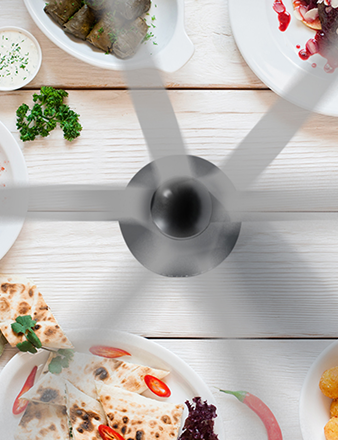
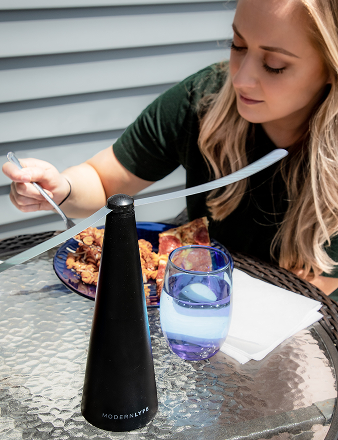
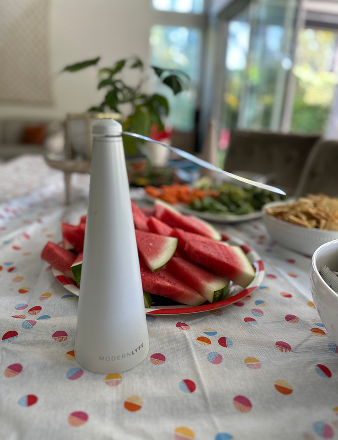
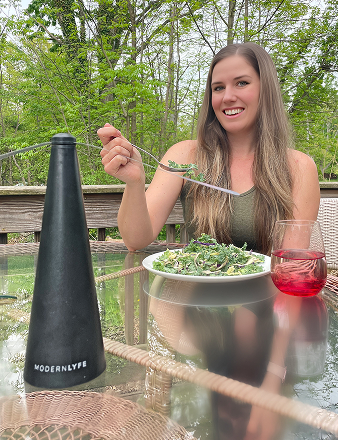
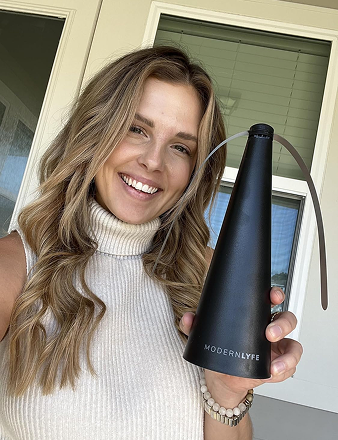
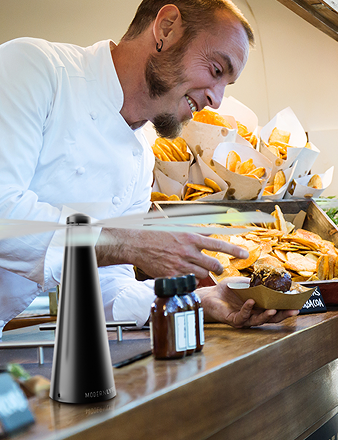
Finally, remember that technology supports the guest experience. It doesn't replace it. A clean check-in process won't save poor food presentation. A polished app won't fix buffet hygiene. For outdoor receptions, patio dining, and open-air banquet service, simple physical details still matter. Quiet, well-designed fly fans from MODERN LYFE can help protect food, keep service areas more comfortable, and preserve the look of the setup without adding visual clutter. Pair that kind of practical on-site thinking with a disciplined software rollout, and you'll get much better results than software alone can deliver. If you're building the financial side of that rollout, this Eventoly event budget guide is a useful place to start.
If you want the service side of your events to look as polished as your software stack, explore MODERN LYFE for quiet, design-forward fly fans that help protect food and improve guest comfort at buffets, outdoor receptions, restaurant patios, and catered events. It's a simple upgrade that solves a very visible hospitality problem.