A fly lands on the rim of a water glass, circles a plated appetizer, then cuts across the buffet just as guests start filming the setup. The room can still look beautiful. The service team can still be sharp. But in that moment, the guest experience drops from polished to careless.
That's why pest control in hospitality can't sit in the maintenance bucket alone. In restaurants, hotels, weddings, patios, food truck lots, and catered receptions, pests test your standards in public. Guests don't separate “operations” from “brand.” They judge the whole experience at once.
The businesses that handle this well don't wait for a complaint and then call someone to spray. They build a system. They use expert guidance, define high-risk service zones, and add tools that function unobtrusively in the background without ruining the look of the space.
The High Stakes of a Single Fly
A single fly rarely stays a single fly in the guest's mind. It becomes a story about sanitation, attention to detail, and whether your team is in control.
That's what makes this issue so frustrating for operators. You can manage staffing, rentals, food timing, floral design, and floor flow with precision, then lose the room because insects show up where guests are looking hardest. Dessert displays. Open hors d'oeuvres. Patio cocktails. Buffet chafers. Host stands near open doors.
Where standard advice falls short
A lot of outdoor hospitality guidance still centers on weather, seating, ventilation, and general hygiene. That matters, but it leaves a real gap. Guidance on outdoor gatherings often misses insect-control tactics right at the point of service, such as buffets, dessert tables, and open-air receptions, even though outdoor dining is now a permanent fixture and pests directly affect food safety and guest experience, according to this outdoor gathering guidance.
That gap creates a problem for managers trying to protect both aesthetics and sanitation. Sprays can be a poor fit near guests. Sticky traps look cheap. Large barriers can fight your layout. Doing nothing is worse.
Practical rule: If guests can see the food, insects can damage the brand.
The smarter move is to combine strategy with discreet tools. In some situations, that starts with a consultant or technician who understands hospitality conditions, not just household infestations. If you're dealing with recurring issues and need local on-site help, a review of professional fly control services can help you compare what real intervention should look like beyond a quick treatment visit.
What operators usually underestimate
Teams frequently respond too late. They act when flies are already visible during service, not when when conditions start attracting them.
Common triggers include:
- Open food hold time: The longer food sits exposed, the more vulnerable the station becomes.
- Airflow dead spots: Corners, buffet ends, and sheltered patio edges often underperform.
- Door traffic: Staff entrances, patio access points, and bar service windows keep resetting the problem.
- Good looks, bad protection: Beautiful setups often remove lids, covers, and physical barriers without replacing them with anything functional.
The embarrassment factor is real. So is the reputational cost. Guests may forgive a weather shift. They're far less forgiving when they think food and service areas aren't protected.
What Expert Guidance Really Means for Your Business
Expert guidance isn't a nicer phrase for “hire a pest guy.” It means using a professional process addressing the whole problem from first observation to verified result.
The strongest definition comes from the American Statistical Association. Its ethical guidelines define professional practice across the full data lifecycle, including designing data collection, processing, analysis, interpretation, and deployment in practice, which is why hospitality managers should expect pest guidance to cover assessment, action, and verification rather than a single treatment or a vague recommendation in the ASA ethical guidelines.

The difference between a vendor and a partner
Think about the gap between a line cook and a head chef. One can execute a task. The other controls timing, consistency, station design, and final presentation.
Pest management works the same way. A reactive vendor shows up after a complaint. A real advisor asks sharper questions.
- Where is the problem happening? Not just “outside,” but specifically at the raw bar, patio corner, brunch buffet, host stand, or dish return.
- When does it happen? During prep, during service, after sunset, after doors stay open, or only during certain event formats.
- What conditions make it worse? Food exposure, standing liquids, layout changes, floral waste, airflow interruption, or traffic patterns.
- How will success be checked? Through visible reduction in guest-facing incidents, cleaner service execution, and station-by-station verification.
What good guidance looks like in practice
Strong guidance has four parts.
First, someone inspects the operation as it runs, not as it looks on a quiet weekday walkthrough.
Second, they translate observations into a plan your staff can use. That often overlaps with broader hygiene workflows, especially in food handling environments. If your team needs that operational foundation tightened up too, this guide to food service hygiene standards is a useful companion.
Third, they specify tools and placement in plain language.
Fourth, they verify whether the plan works during real service, then adjust it.
Good advice in hospitality is usable advice. If your staff can't follow it during a busy shift, it isn't guidance. It's theory.
The standard to expect
Ask for more than “we'll take care of it.” Ask for a documented approach that connects site conditions, service style, equipment choices, staff actions, and follow-up.
That's what expert guidance means in business terms. It reduces guesswork, protects the guest-facing environment, and gives management something better than crossed fingers before a big service.
Key Moments to Call in a Professional
Most operators wait until the issue becomes visible enough to embarrass them. That's late.
You need outside help earlier, when the pattern starts affecting confidence, consistency, or planning. Not every pest issue requires a major intervention, but several situations should push you past DIY thinking.
Clear trigger points
- You're launching patio season or an outdoor event series. New service areas create new exposure points. What worked indoors usually won't translate neatly to open-air food stations, bar satellites, or walk-up service.
- You've redesigned the room. Open kitchens, garage doors, market-style displays, communal tables, and dessert activations can all change airflow and exposure.
- The problem keeps returning in small ways. No crisis. No swarm. Just enough recurring activity that staff stay alert and guests occasionally notice. That kind of low-grade issue is where brand damage starts.
- A guest mentioned insects once. One comment is enough. In hospitality, one visible pest incident can outweigh a lot of otherwise strong service.
- Your team is improvising. If hosts are swatting near the entrance, servers are moving plates around to “safer” spots, or managers are inventing workarounds on the fly, the system already needs work.
The business risk behind each one
Some risks are operational. Others are reputational.
A recurring patio issue can shorten dwell time and change how comfortable guests feel ordering food outside. A buffet problem can make event clients question whether you can execute premium service. A food truck or festival issue can overwhelm staff because the team is managing volume and insect pressure at the same time.
The right time to seek expert guidance is when your team starts adapting around the problem instead of solving it.
A simple decision test
Bring in a professional when any of these are true:
- The issue appears in guest view
- Your current fix depends on staff memory
- The setup changes by event, weather, or zone
- You can't explain why one area performs better than another
If you checked even one of those, you don't need another generic treatment. You need a plan built for service conditions.
How to Choose the Right Pest Management Partner
Price matters. It's just not the first screen.
A low quote can still be expensive if the provider gives you broad recommendations, no service-zone logic, and nothing your team can execute consistently. Hospitality operators need a partner who understands that a patio cocktail rail, a wedding dessert table, and a kitchen back door are three different operating environments.

The first thing to ask for
Ask to see the documentation they give clients.
That sounds basic, but it tells you a lot. Best-practice technical guidance stresses structured, audience-specific instructions that explain the “why” behind the “how,” which makes client-facing documentation a strong test of professionalism and lowers the risk of misuse or implementation failure, as outlined in this guide to effective technical documentation.
If the provider can't show clear instructions, they probably can't support repeatable execution across shifts, events, or multiple locations.
Questions that reveal real expertise
Don't ask only what they treat. Ask how they think.
- How would you handle our patio differently from our indoor buffet line?
- What conditions would you inspect during live service, not just during a site visit?
- How do you recommend staff verify that a setup is working?
- What should be done by management, what should be done by staff, and what should stay with your team?
- What equipment or non-chemical controls fit guest-facing areas without hurting presentation?
- How do you document placement, cleaning, charging, maintenance, and troubleshooting?
A serious partner will answer with workflows, not slogans.
What weak answers sound like
Be careful when you hear any of these:
- “We use the same approach everywhere.” That usually means poor fit.
- “We'll know once we spray.” That's reactive thinking.
- “Your staff can just keep an eye on it.” That's not a system.
- “It should be fine.” “Should” isn't a control plan.
A short visual primer can help you think through what a more disciplined evaluation process looks like.
What a strong partner delivers
The best partners leave you with something your team can run.
That usually includes:
- Site-specific instructions: What goes where, under what conditions
- Shift-ready guidance: What opening staff, service staff, and closers each need to do
- Troubleshooting logic: What to check first if activity returns
- Communication clarity: Plain language, not technical fog
If the provider can explain their plan to a GM, an event captain, and a banquet setup crew without changing the core logic, you're looking at someone who understands operations instead of just treatment.
Building Your Integrated Pest Management Plan
An effective pest plan doesn't start with chemicals. It starts with mapping risk.
Hospitality teams get in trouble when they treat the whole venue like one environment. It isn't. The bar rail, buffet edge, shaded patio corner, prep pass, and dessert station each attract insects differently and each needs its own response. Modern operational guidance emphasizes defining targets by spatial resolution and separating areas that are not comparable, which translates well to pest control by setting zone-specific coverage targets and checking them at the smallest practical scale, as described in this technical guidance on spatial prioritization.

Build the plan by zone
Start with a floor plan or event diagram. Mark every place where food, drink, waste, standing moisture, or door traffic creates exposure.
Then classify each zone by service reality, not by room name.
- Guest-facing food zones such as buffet lines, dessert tables, charcuterie displays, and patio dining tables
- Transition zones such as host stands, service doors, pass-through windows, and bar pickup points
- Support zones such as bussing areas, waste staging spots, dish returns, and prep-adjacent openings
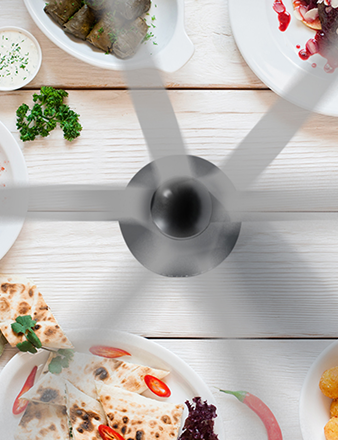
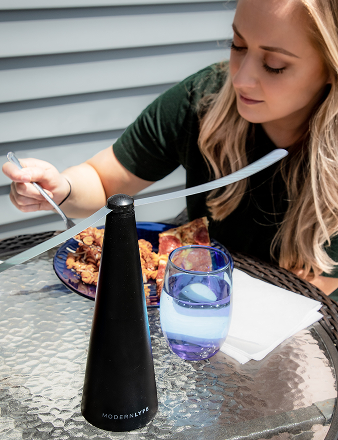
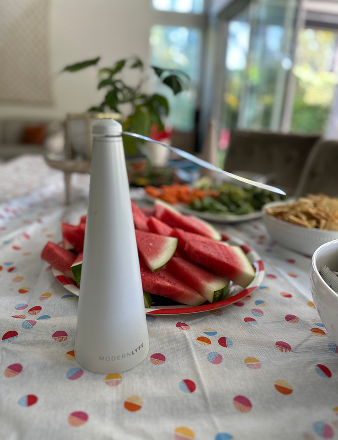
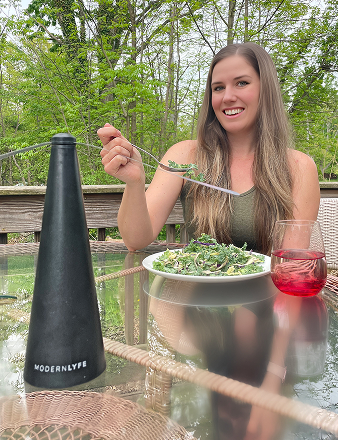
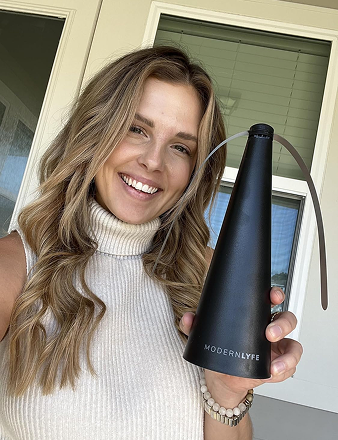
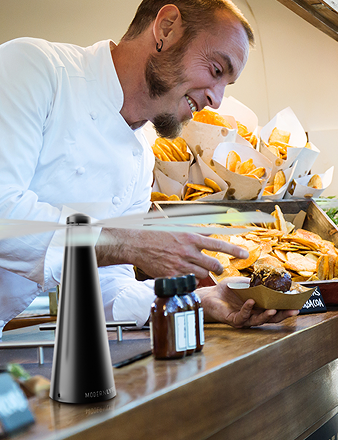
Once you map those areas, assign a control method to each. That could include sanitation timing, lid use, staff checks, airflow management, screen improvements, and discreet table-safe tools. For example, MODERN LYFE battery-operated fly fans can fit into guest-facing service zones where operators want a non-invasive barrier around open food or dining surfaces without changing the look of the setup.
For a broader noncommercial checklist, some managers also borrow ideas from essential home pest prevention strategies because the fundamentals around entry points, screening, and environment control often carry over well to smaller venues and private events.
Put operations before products
The plan should answer five practical questions:
- What are we protecting? A buffet line, a plated dessert station, a patio two-top, a garnish station.
- When is the zone vulnerable? During setup, during active service, during turnover, or during breakdown.
- What control belongs there? Physical barrier, airflow tool, sanitation step, placement rule, or technician follow-up.
- Who owns it? Banquet team, restaurant manager, service staff, event captain, or outside provider.
- How do we verify it? Visual check, staff log, pre-service walkthrough, or post-event review.
If you want a deeper framework for the broader methodology, this overview of integrated pest management is a strong starting point.
Small coverage gaps cause big visible failures. Most operators don't lose control everywhere. They lose it at the edges.
Sample SOP for daily execution
Below is a simple operating table for a guest-facing fly fan routine. Adjust the timings and ownership to match your shift structure.
| Time | Action Item | Location | Verification Check | Assigned To |
|---|---|---|---|---|
| Pre-opening | Inspect units for cleanliness and charge status | All planned service zones | Units are clean, powered, and placed for service | Opening manager |
| Pre-service setup | Position fans at exposed food and dining points | Buffet line, dessert table, patio tables, host stand | Placement matches zone plan and doesn't obstruct guests | Setup team |
| Service start | Confirm active operation during first guest wave | High-risk guest-facing areas | Airflow is active and units remain stable in place | Floor supervisor |
| Mid-service | Recheck zones with highest exposure | Buffet edges, corners, open-air stations | No coverage gaps caused by moved décor or traffic | Event captain |
| Closing | Remove, wipe down, recharge, and log issues | Storage and service areas | Units cleaned, stored correctly, and any problems recorded | Closing staff |
Make the plan usable
The best SOP is short enough to survive a busy shift. If your checklist needs a meeting to understand it, it's too long.
Use plain labels. Keep placement consistent. Train staff on what “good” looks like in each zone. Then check performance during real service, not just in the quiet hour before doors open.
The ROI of Flawless Guest Experiences
The return on pest control isn't just fewer insects. It's fewer guest doubts.
That matters because guests rarely describe a bad experience in technical terms. They won't say your controls lacked zone specificity. They'll say the patio felt buggy, the buffet looked exposed, or they didn't want to linger over dessert. Those comments hit revenue indirectly through shortened stays, weaker reviews, and lower confidence in the venue.
What to measure
If you want to assess return properly, ask for context, not isolated snapshots. UK government guidance on writing about statistics says professionals should put numbers in context, avoid isolated comparisons, mention limitations, and explain circumstances that may affect interpretation, which is a strong standard for evaluating pest program ROI in this guidance on writing about statistics.
That means your pest partner shouldn't report a single before-and-after observation and call it success. They should help you compare conditions across service types, seasons, weather patterns, and layout changes.
Track outcomes such as:
- Guest-facing incidents: How often staff or managers notice visible fly activity in public areas
- Service disruption: Whether teams need to move food, reset stations, or improvise during service
- Review sentiment: Whether guests mention cleanliness, comfort, patio enjoyment, or atmosphere
- Waste exposure: Whether open food stations need to be pulled, covered, or refreshed earlier than planned
- Event confidence: Whether planners and managers can run outdoor or display-heavy service without anxiety
Why context changes decisions
A bad reading taken on one unusually difficult day can lead to overreaction. A good reading from one protected zone can create false confidence.
You need the whole picture. Was the issue tied to a specific event format? Did it show up only on the buffet perimeter? Did a patio improvement help dining tables but not the bar pickup area? Those distinctions affect where you spend money next.
A smart operator doesn't ask, "Did we see fewer flies?" The better question is, "Did guests experience the room the way we intended?"
Reputation is part of the return
Pest management and reputation management are connected. If your team is also tightening public feedback response, resources on managing online reviews for restaurants can help you spot whether guest language around cleanliness, comfort, and atmosphere is shifting after operational changes.
That's the ROI lens that matters. Not a generic promise of improvement. Clearer service, calmer staff, cleaner presentation, and a guest experience that stays intact from first drink to final plate.
Modern Lyfe in Action Case Studies
The difference between a workable plan and a polished one usually shows up in service. These examples reflect how expert guidance plays out when managers think in zones, not in blanket fixes.

The boutique hotel wedding
An outdoor wedding reception looked flawless on paper. Long banquet tables, cocktail hour on the lawn, and an open dessert display under soft lighting.
The actual risk sat in three places: passed sweets waiting on trays, the cake table, and the buffet edge closest to the garden. Instead of treating the whole lawn as one problem, the planner and operations lead broke the setup into those exposure zones. Quiet fan-based protection fit the visible food stations without changing the design language of the event.
Guests saw the décor, not the control method. That's the goal.
The farm-to-table bistro patio
A small bistro had a patio that worked beautifully in shoulder season and became inconsistent in warmer weather. Not every table had an issue. The trouble appeared at perimeter seating near planters and at a service corner where drinks waited briefly before runners picked them up.
The fix wasn't “more pest control” in general. It was better placement, cleaner ownership, and station-specific protection. For operators comparing setups for open-air dining, this guide to fly fans for restaurants is useful because it focuses on table and service-area application rather than generic pest advice.
The high-volume food truck festival
Festival service is rough on any control plan because the environment changes by the hour. Wind shifts. Queues move. Vendors restock in public view. Open condiments and garnish areas get exposed repeatedly.
The teams that perform best in those settings usually keep the plan simple. Protect the highest-risk food contact zones. Recheck during active rushes. Use tools that don't add noise, clutter, or setup drag. When operators do that consistently, managers stop chasing flies and get back to moving lines and serving guests.
If you're trying to protect patios, buffet lines, wedding tables, or open-air food service without compromising presentation, MODERN LYFE offers battery-operated fly fan solutions designed for exactly those guest-facing environments.