A fly lands on a guest's plate during a busy patio service. The server apologizes, replaces the dish, and moves on, but the incident has already changed the table's impression of the restaurant. At a wedding reception, the same problem can spread across a buffet line, a terrace, or an outdoor bar before the event team has time to react.
Effective fly control for outdoor dining starts before guests arrive. Sanitation matters, but it isn't enough on its own. Operators also need to remove breeding and feeding sources, manage waste, monitor activity, and use airflow where it can protect guest-facing areas without damaging the atmosphere.
Why Fly Control Matters in Outdoor Dining
Outdoor dining creates more exposure than an enclosed dining room. Food aromas, waste containers, drains, landscaping, wind, and open service points all interact around the same tables. A patio can look clean and still experience sustained fly pressure if a dumpster, grease area, recycling station, or damp perimeter sits nearby.
Field data demonstrates why occasional swatting isn't a sufficient operating plan. One study of outdoor food processing areas reported fly densities ranging from 8 to 18 flies, a level that indicates sustained pressure rather than isolated sightings. Restaurant-focused pest-control reporting describes flies as capable of carrying more than 100 pathogens, while large-fly control programs in quick-service restaurants recorded a 44% increase in fly catches in untreated control restaurants during the first week, compared with 8% in treated locations, followed later by a 49% average decrease in treated restaurants by the third week. These figures are reported in the published study and restaurant pest-control analysis.
The practical lesson is simple. Fly control belongs in the same operational conversation as cleaning, waste handling, food protection, and service recovery. Guests may not know your control protocol, but they notice exposed waste, insects around food, dirty table edges, and staff members repeatedly chasing pests.
Replace nuisance control with integrated management
A trap, zapper, spray, or fan can help in the right location. None of them compensates for a leaking garbage container or food residue under a buffet table. Integrated pest management combines source removal, exclusion, monitoring, and carefully placed control tools so each measure supports the others.
Monitoring gives managers a better basis for decisions. Staff can note where flies appear, whether activity increases near a drain or waste point, and whether a particular table cluster needs more airflow. Trap counts and routine observations are more useful than waiting for a guest complaint.
Practical rule: Treat every recurring fly sighting as information about a source, route, or service weakness.
This mindset also helps event planners choose venues more intelligently. A wedding location with outdoor catering may offer a beautiful terrace, but the team should ask where food preparation, waste storage, buffet service, and guest seating will sit in relation to one another. Couples and planners comparing options can use this guidance when they find a wedding venue that allows outside catering, then assess whether the venue's layout supports practical pest control.
The right objective isn't to promise that an outdoor space will contain no insects. The objective is to keep fly pressure away from food and guests, identify problems early, and give staff a clear response that protects comfort and confidence.
Preparing Your Site for Effective Fly Control
Site preparation determines whether your later controls will work. A fan placed beside a dirty bus tub may move air, but it won't remove the attraction. A trap positioned beside a guest table may catch flies while also drawing attention to the problem. Start by ranking sources according to how close they are to food and seating.
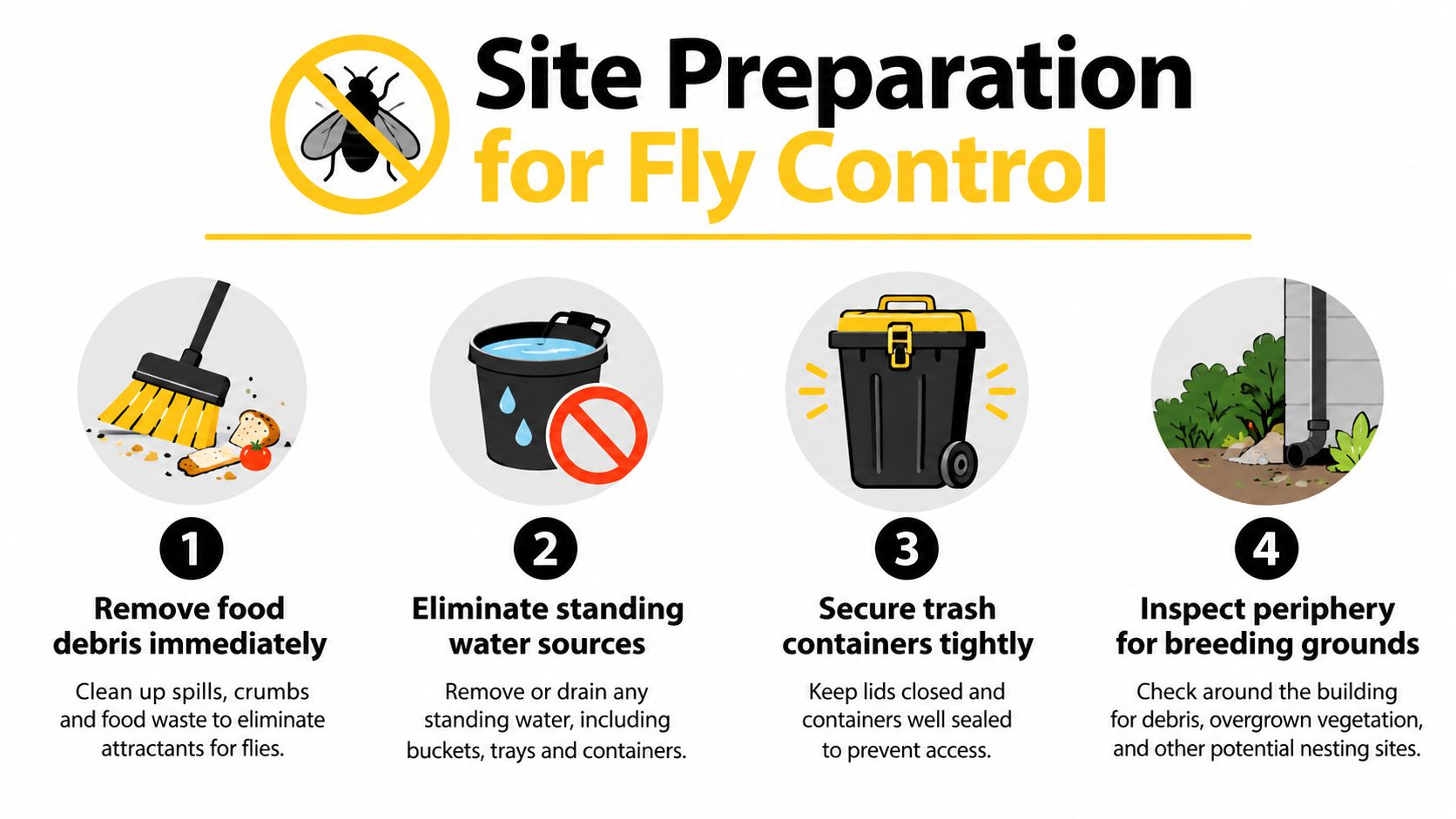
The first priority is visible food residue. Remove scraps, wipe spills immediately, clear crumbs from beneath tables, and keep service counters free of drips. Outdoor tables, chairs, floors, buffet stands, and bar ledges should enter every shift with a defined cleaning responsibility rather than relying on whoever notices the mess.
The second priority is waste. Purdue guidance recommends garbage cans with tight-fitting lids, along with regular emptying and cleaning. Commercial restaurant guidance recommends locating dumpsters about 100 feet from food-concession areas when possible, as explained in Purdue's extension guidance for fly management. If the physical layout prevents that distance, improve the separation you can control with sealed lids, clean container exteriors, closed service doors, and a waste route that avoids guest traffic.
Prioritize the sources staff can actually change
A patio-heavy site with limited labor shouldn't begin with a long list of every possible pest measure. Rank the work by impact and proximity.
- Dumpsters and trash receptacles: Seal lids, remove overflow, clean residue from handles and sides, and keep the area from becoming a secondary food source.
- Recycling stations: Rinse or remove containers with beverage and food residue, then keep the station away from seating and service paths.
- Grease pits and drains: Inspect for organic buildup and moisture, especially near outdoor bars, kitchens, and wash-down areas.
- Patio waste: Sweep beneath chairs, clear dropped food, and check corners where wind collects napkins and scraps.
- Standing water and damp landscaping: Correct drainage issues and avoid creating persistently wet areas during routine maintenance.
Source removal often produces a better starting point than adding a repellent. A commercial integrated pest management case reported an 80% fly reduction in three days after targeting trash receptacles, as described in restaurant IPM guidance from PCT Online. That result doesn't mean every site will see the same outcome, but it reinforces the priority: inspect the attractant before buying another device.
Use a short site walk before service. One employee checks food and drink residue, another checks waste and drains, and a manager confirms that traps or baits are positioned downwind and away from guest sight. For operators planning a patio or event layout, the outdoor event setup guidance can help organize tables, buffet points, service routes, and equipment before the first guest arrives.
Using Battery-Operated Table Fans Strategically
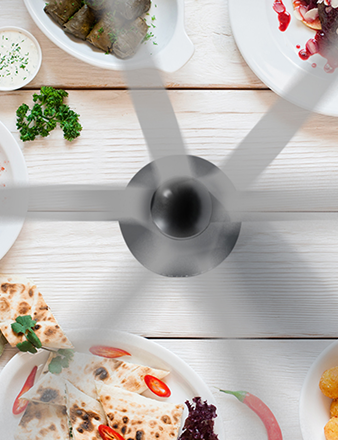
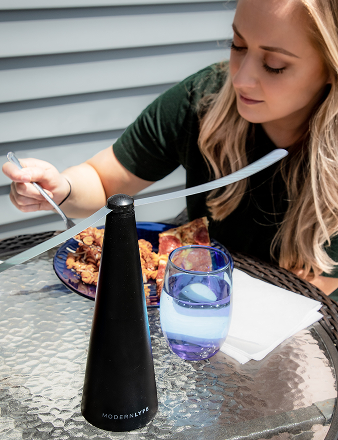
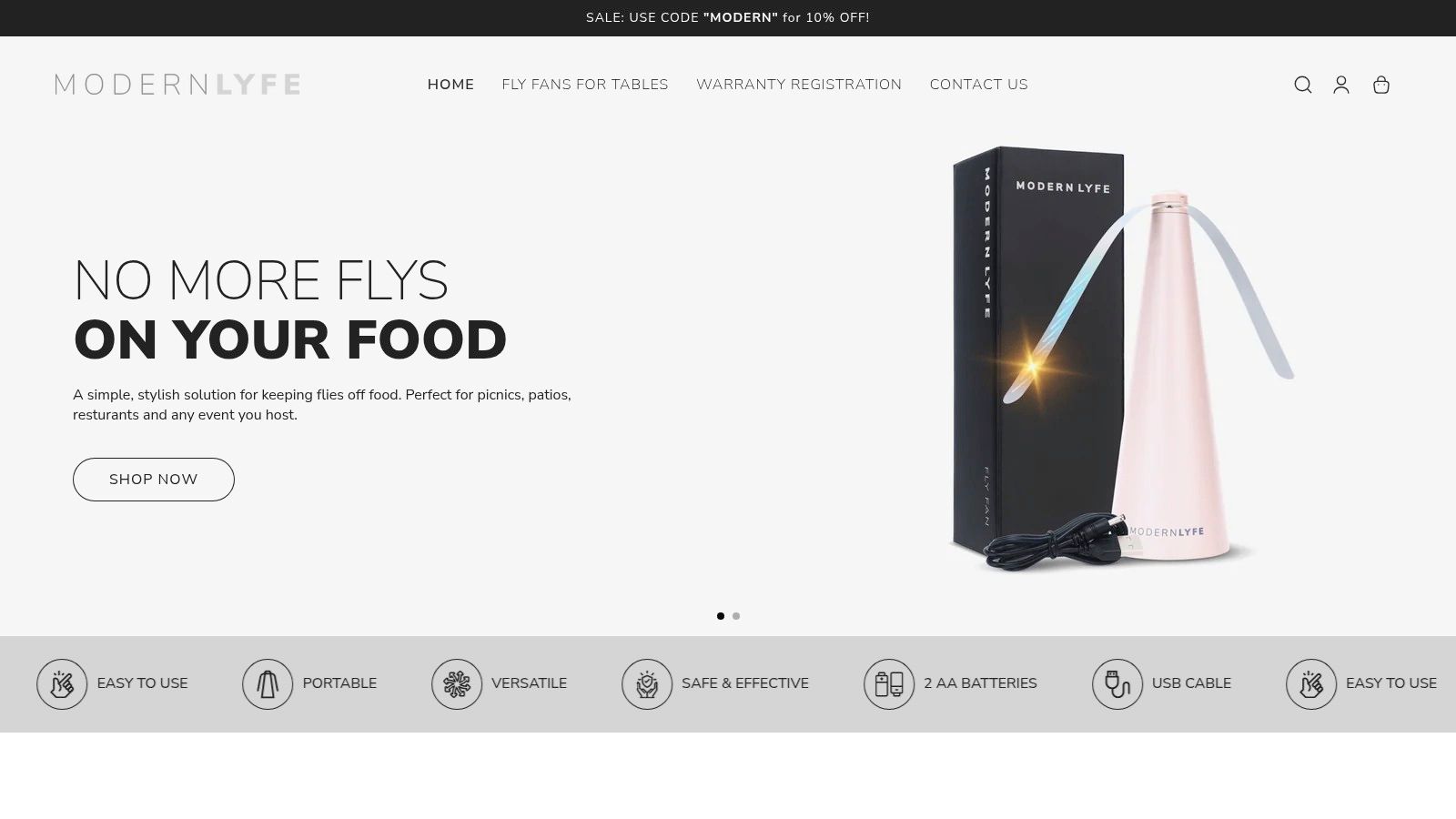
A patio can be clean and still lose the fly battle when air sits still around uncovered food. Airflow gives staff a guest-visible control that supports sanitation without placing chemical odors or a conspicuous killing device beside diners. A quiet table fan creates movement across food and seating, making it harder for flies to settle comfortably.
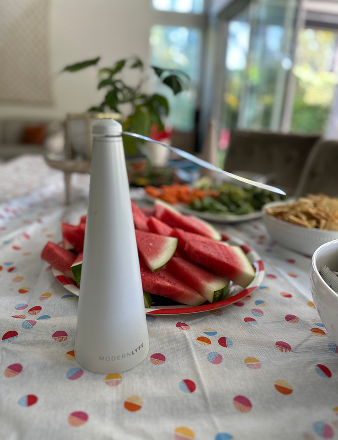
Start with the setting and the staff available to reposition equipment. Placement matters more than just switching a fan on. Aim airflow across the table surface, rather than directly at a guest's face. At a buffet, direct the current across the exposed food line and toward an open route away from diners. At a wedding reception, position fans so they protect food and seating without blocking conversation, centerpieces, place settings, or service access.
Use the prevailing wind as the starting point. If air usually approaches from one side, position fans to reinforce that direction instead of fighting it. Corners behind screens, partitions, planters, or stacked furniture often have weaker movement, giving flies places to settle. The goal is overlapping coverage around food, not several isolated devices aimed randomly across the patio.
Match airflow to the setting
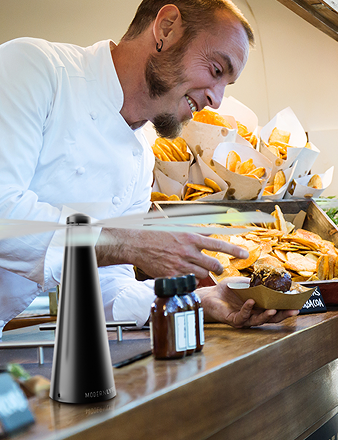
A restaurant patio usually needs compact fans at high-risk tables, bar ledges, and buffet or pickup points. Keep cords and controls out of walkways, and choose equipment that fits the restaurant's décor. Staff can check these locations during normal table rounds, which makes the setup practical when no one is assigned to monitor fans continuously.
Wedding receptions require a different priority. Protect the buffet, cake table, and food service stations first. Discreet equipment is easier to accept near formal décor than a conspicuous trap beside a centerpiece, but fan placement still must leave room for staff to serve and guests to move.
Hotel terraces often benefit from combining airflow with screens or air curtains at doors and service openings, particularly where indoor and outdoor traffic overlaps. For casual barbecues, place fans near uncovered food and drinks, then move them as the serving area changes. Flexible coverage matters more than permanent installation in that setting.
Screens can preserve ventilation while reducing direct fly access. Air curtains can help at doorways and pass-through points. Neither replaces sanitation or source removal. Guidance on airflow-based fly control supports integrated control, while offering limited practical measurement for dining layouts, wind direction, placement, and guest-facing appearance.
Battery operation creates an operational trade-off. Staff need a charging routine, spare power planning, and a quick check before service. A fan that stops during the busiest part of a reception leaves a coverage gap, so include it in the setup checklist rather than treating it as décor. Review battery-operated table fan options against table size, noise expectations, airflow direction, and the service pattern.
Use airflow to protect the guest zone, not to push flies toward another table. Pair it with sealed waste, clean surfaces, and discreet monitoring tools, then adjust placement when staff notice activity or guest discomfort.
Setting Up and Maintaining Your Fly Control System
Fly control breaks down when routine tasks belong to everyone and therefore to no one. The opening manager assumes the closing team inspected the patio. The closing team assumes event staff dealt with waste. Assign each task to a named role, with one manager responsible for confirming completion before the first seating or reception.
During service, servers should check tables and floors. Porters or utility staff should handle waste, drains, and wash-down areas. The manager checks fan placement, screen condition, trap position, and activity notes. This division keeps sanitation and airflow work visible without making servers responsible for every control measure.
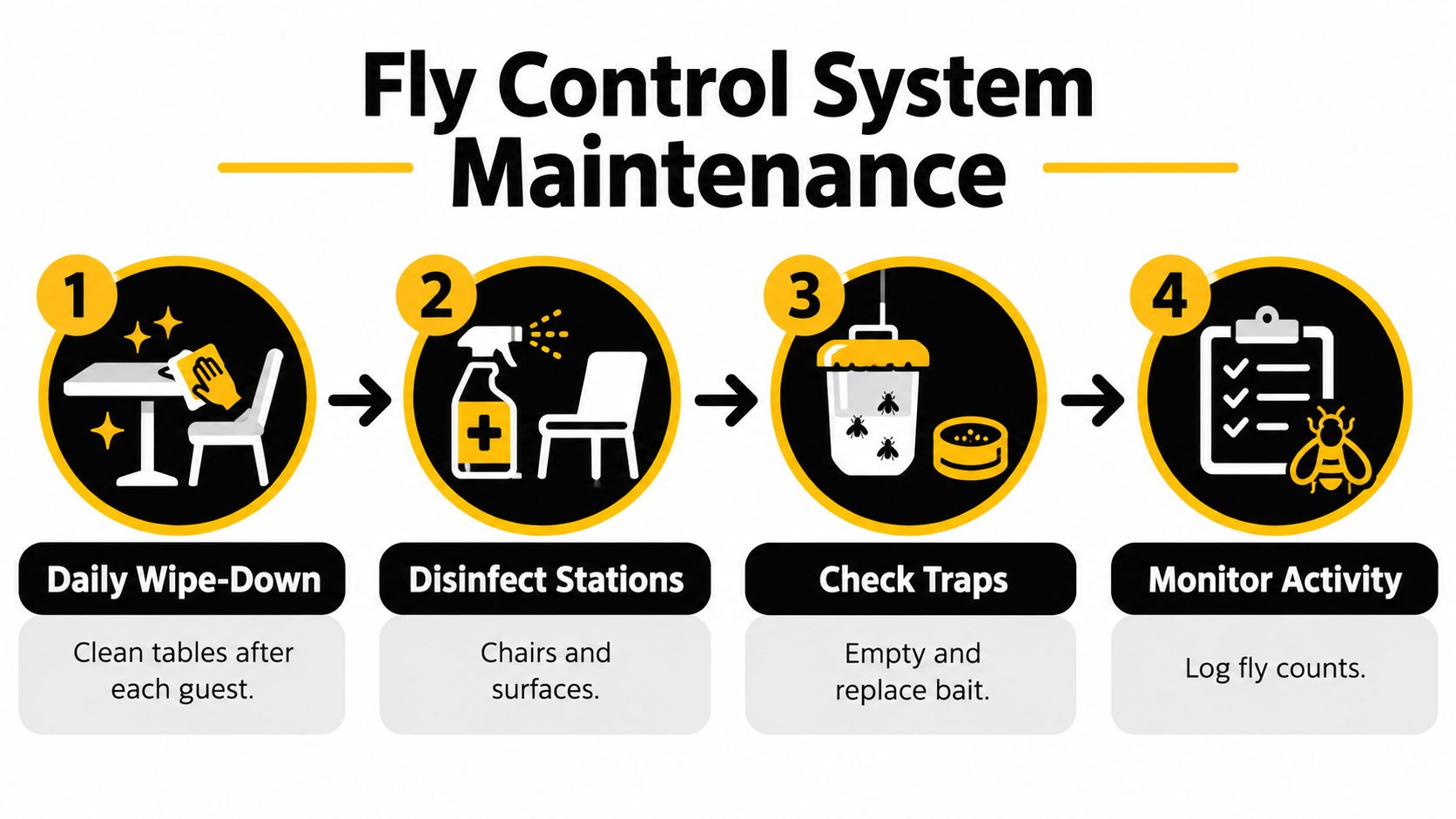
Clean outdoor dining areas every day. Wipe spills as soon as they occur, and disinfect or wipe tables and chairs after service. Food residue attracts flies, which can carry microorganisms such as E. coli and Salmonella from waste to food-contact areas, according to QSR Magazine's guidance on keeping flies away from restaurants.
Make the inspection part of service
A pre-service walk should take place before guests arrive. Check beneath tables, around chair legs, under buffet equipment, beside outdoor bars, and along service corners. Confirm that waste lids and liners are secure, container exteriors are clean, recycling areas are orderly, and the route to the dumpster is clear.
Airflow deserves its own check because it is the most guest-visible complement to sanitation. Test each fan, verify its battery charge, and make sure screens or air curtains are unobstructed. Position airflow to protect occupied tables and food service zones, while placing traps and baits downwind or outside the guest's direct view. Record activity by location and pattern, rather than relying on memory.
Schedule a full deep clean at least every two weeks. Include patio edges, drains, furniture undersides, service corners, and waste areas that routine wiping misses. Avoid overwatering planted areas. The resulting moisture can create breeding conditions for small flies such as fungus gnats and midges, as noted in Orkin Canada's outdoor dining pest-control guide.
When activity rises, inspect the nearest likely source before increasing fan speed or adding traps. If a battery is fading, recharge or replace it before service, and keep controls accessible without requiring staff to reach across guests. If a trap is full, replace it according to the product requirements and check whether its position intercepts flies or draws them toward diners.
Managers should review activity notes whenever the patio layout or menu changes. Pre-shift reminders and location-specific training turn fly control into ordinary work instead of an emergency response.
Handling Guest-Facing Fly Control Concerns
At a terrace wedding reception, a guest spots a fly beside the dessert table. The coordinator removes the affected item, apologizes briefly, provides a clean replacement, and offers a seat with better airflow. She does not blame the outdoor setting or point out a trap nearby.
That sequence protects both food safety and the guest's experience. Staff need clear authority before service begins: one person can replace food, another can move a table or adjust a fan, and the event lead handles complaints that require escalation. A shared response prevents conflicting explanations.

Quiet, well-positioned equipment usually supports guest comfort. A loud fan, exposed dead insects, a full trap, or a chemical smell beside a meal creates a different impression. Airflow should protect tables and exposed food without blowing napkins, disturbing conversation, or making service awkward. For a small patio, one spare battery-operated fan may solve a localized complaint. At a wedding reception, coverage around the buffet and dessert service deserves priority because guests gather there and staff may have less freedom to rearrange furniture.
Use the setting to decide what staff keep ready:
- Buffet and dessert tables: Combine suitable food covers with airflow across the guest approach. Keep monitoring devices outside direct view.
- High-traffic tables: Hold a spare fan for a complaint, a seating change, or shifting wind.
- Bar and beverage stations: Wipe spills promptly, cover waste, and keep containers separated from seating.
- Terrace entrances: Add screens or air curtains only where they fit the building and event design.
Waste placement affects confidence as well as fly activity. Restaurants are advised to keep dumpsters, trash receptacles, and other waste containers as far from outdoor dining spaces as possible, with lids tightly sealed. Covered outdoor bins reduce odors and exposed waste that attract flying pests, according to the Texas guidance for fly control in restaurants.pdf).
Give staff a short script: “I'm sorry about that. I'll replace the item and move you to a more comfortable table.” The employee then alerts the manager, who checks the nearby area and adjusts coverage. Promise prompt service and a practical remedy, not a fly-free outdoor event.
Building an Integrated Fly Control Plan
The best plan depends on the setting, the source, and the labor available. A patio beside a kitchen needs tighter waste and drain control. A buffet line needs protected food and cross-flow management. A casual barbecue needs flexible equipment that can follow the food as guests move.
Use this priority order:
- Remove the attraction first. Clear food residue, spills, waste overflow, damp organic matter, and neglected drains.
- Protect the guest zone. Add airflow across tables, buffet lines, and exposed food, while using screens or air curtains at access points where appropriate.
- Monitor discreetly. Place traps or baits downwind and away from diners, then record where activity occurs.
- Adjust by evidence. Move equipment or change cleaning assignments when activity clusters around a new source.
Staff constraints should determine the first investment. If labor is limited, focus on sealed waste, immediate spill response, and airflow at the most exposed food point. If the venue has frequent weddings or buffet service, build a portable fan and screen setup into the event kit. If a patio has recurring activity near drains, grease areas, or dumpsters, prioritize inspection and source correction before purchasing more guest-facing devices.
This is the operating principle behind integrated pest management: no single device carries the program. Sanitation reduces attraction, source removal reduces pressure, airflow protects guests, and monitoring shows whether the plan is working.
For outdoor dining, the strongest system is the one staff can repeat during a busy shift. Put responsibilities on the opening and closing checklists, train employees to report locations rather than vague complaints, and review the setup whenever tables, food stations, or waste routes change.
MODERN LYFE offers quiet, battery-operated fly fans designed for tables, buffet lines, outdoor receptions, and casual barbecues, helping create airflow around food and guests without taking over the setting. Visit MODERN LYFE to review the available options and choose a guest-facing airflow solution that fits your dining or event layout.