A food service checklist isn't just an opening chore. It's a repeatable control system that turns food-safety rules, equipment readiness, guest flow, staffing, and pest prevention into tasks someone can complete, verify, and correct before service begins. Modern hygiene frameworks formalized controls across the entire food flow, including approved sourcing, FIFO rotation, temperature control, cross-contamination prevention, cleaning, storage, display, service, and transportation. The food hygiene framework overview illustrates why the checklist format became so useful: it translates broad compliance duties into auditable actions.
Use the eight operating contexts below as station-level templates. Assign an owner, set a completion time, record exceptions, and make the person responsible for each checkpoint clear. A restaurant manager may own the kitchen opening card, while a catering lead owns transport and venue setup. A host may only need a short printed card, but the same logic still applies.
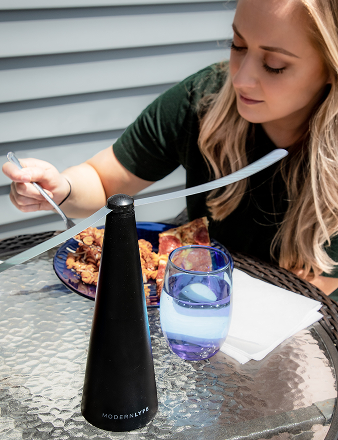
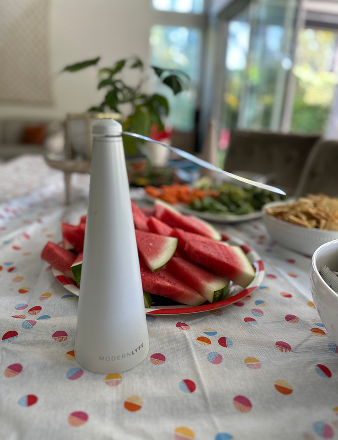
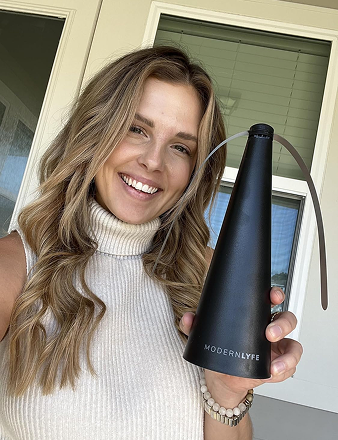
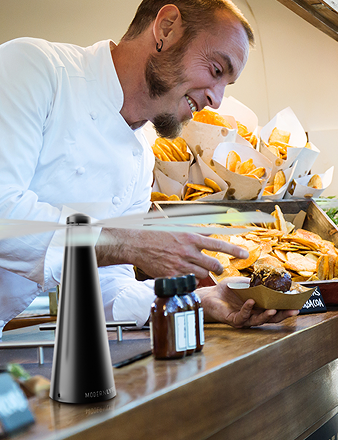
The strongest routine connects pre-shift readiness with temperature monitoring, equipment and inventory control, protected service, staffing, cleanup, and seasonal prevention. A Modern Lyfe fly fan can be evaluated as one practical layer for buffets, outdoor dining, and event setups. It isn't a substitute for sanitation, covered food, temperature control, or approved food-safety procedures. Use this practical risk control checklist mindset across every service environment.
1. Daily Pre-Service Food Safety Checklist
A food-safety failure often starts before the first order. Complete the pre-service walkthrough before guests arrive, then record what was checked and what changed. Begin with the food path: review receiving records, date marks, FIFO rotation, storage separation, handwashing supplies, sanitizer setup, and food-contact surfaces. Move deliveries promptly into suitable storage, keep products off the floor, maintain safe holding temperatures, and prevent cross-contamination during preparation and service, following the food service hygiene reference.
Record actual temperature readings instead of accepting verbal confirmation. Verify refrigeration at or below 41°F (5°C), hot holding at or above 135°F (57°C), chlorine sanitizer at 50 to 100 ppm, quaternary ammonia sanitizer at 200 to 400 ppm, and dishwasher final rinse temperature at or above 160°F, using the restaurant food safety checklist thresholds. Keep calibrated thermometers at the stations where staff take readings.
Assign each station before the walkthrough
Use a laminated station card or digital form listing the owner, completion time, exception, and corrective action. A 15-minute buffer before arrival gives staff time to replace a failed thermometer, replenish sanitizer, reposition a protective device, or isolate food from a malfunctioning unit.
- Kitchen lead: Verify temperatures, date marks, storage order, and corrective actions.
- Sanitation lead: Check food-contact surfaces, sinks, sanitizer concentration, and clean utensils.
- Equipment lead: Test refrigeration, hot holding, dishwashing, ventilation, and protective equipment.
- Front-of-house lead: Confirm tables, menus, payment terminals, service utensils, and guest-facing stations.
Responsibility must match the operation. A dining room may assign one manager to the opening card, while a caterer may use station captains across several setup points. Each unchecked item needs a named owner, and each failed check needs a decision, such as repair, replacement, isolation, or service delay.
Train staff with the food safety danger zone guide, then require readings and corrective actions on the shift record.

2. Outdoor Event Pest Prevention Checklist
Outdoor service requires a site plan, not just a kitchen checklist. Before event day, walk the venue and mark refuse areas, standing water, insect-attracting lights, nearby vegetation, exposed preparation points, guest routes, and prevailing airflow. Record these findings on a station-level setup sheet so the catering captain, venue coordinator, or host knows which risks belong to whom. The outdoor event setup guide can help connect equipment placement with the wider service plan.
Set the food path before placing tables. Keep food covered until service, use clean utensils, remove spills promptly, and position waste containers away from preparation and serving areas. Limit the time trays remain exposed, especially at garden receptions, farmers markets, poolside brunches, and backyard gatherings where wind, heat, and insects can change conditions quickly.
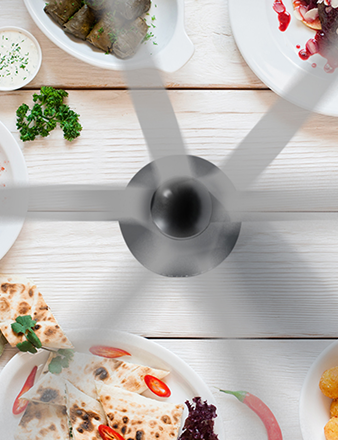
Where open food is exposed, place fly fans 2 to 3 feet above food surfaces. Set them at buffet entry points, replenishment zones, or exposed service edges. Aim the airflow to form a barrier without blowing directly across uncovered food, scattering napkins, shifting labels, or disturbing garnishes. The person responsible for each station should confirm the placement during setup and recheck it if wind or guest movement changes.
Use this station card:
- Site scout: Mark pest hotspots, waste locations, standing water, and exposed food paths.
- Equipment owner: Test each fan, confirm stability, inspect cables or stands, and check battery condition.
- Service lead: Verify covers, utensils, labels, and food protection before guests arrive.
- Venue or host contact: Approve table positions and keep cords, stands, and batteries clear of walkways.
- Cleanup lead: Remove spills and waste during service, then inspect the area after breakdown.
Test every unit before guests are seated. Battery-operated fans suit locations with limited power, but larger or multi-station events need charged backups. If airflow becomes disruptive, the service lead should reposition the unit or strengthen physical protection with covers, rather than directing air across uncovered food.
Schedule staff checks throughout service. Include temperature observation, cover condition, utensil replacement, waste removal, and a final post-event inspection. Earlier daytime service may reduce insect activity in some settings, but timing does not replace covers, sanitation, or active supervision.
Practical rule: Protect the food first, then use airflow, timing, clean equipment, and assigned staff checks to maintain that protection.
3. Restaurant Buffet and Self-Service Station Checklist
A buffet stays safe only when ownership continues through breakdown. Assign one buffet attendant to check covers, sneeze guards, utensils, labels, spills, tray levels, and holding conditions while guests serve themselves. Give that person authority to pause a dish, replace equipment, or call for a supervisor when protection fails.
Set the line for controlled movement. Keep hot and cold foods in suitable holding equipment, place utensils where guests do not reach across neighboring dishes, and make labels readable from the approach. Use this buffet table setup guide to match menu flow with replenishment routes and guest traffic.

Protect open food without disrupting service
Position fly fans at line entry points or other high-traffic areas where open food is exposed. Mount or place each unit above the food surface, outside guest reach, and aimed across the approach rather than directly into uncovered dishes. Use gentle airflow that does not move labels, napkins, or lightweight food components. Check the placement after restocking or crowd changes.
Sticky traps can monitor pest activity near the station, but they do not replace covers, cleaning, or a pest-control response. Keep them away from food and guest contact.
Temperature checks belong in the station routine. Cold holding should remain at or below 41°F (5°C), while hot holding should remain at or above 135°F (57°C), according to the CMS kitchen observation checklist. Record readings at intervals required by local rules and operating procedures. If a tray leaves its required range, replace it, correct the condition promptly where permitted, or discard it.
- Use smaller serving dishes: Replenish more often so less food remains exposed.
- Refresh protection: Clean sneeze guards and replace contaminated utensils during service.
- Control labels: Remove any dish with a missing, incorrect, or unclear allergen label until verified.
- Watch guest handling: Correct dropped utensils and spills immediately.
- Explain the setup: A brief, friendly explanation makes protective equipment feel deliberate rather than alarming.
Indian and Asian buffet restaurants, hotel breakfast lines, casino dining rooms, Brazilian steakhouses, and casual dining operations share the same requirement: monitor exposed food from setup through cleanup. End with a station check covering waste, spills, equipment condition, remaining food, and documentation.
4. Food Truck and Mobile Vendor Compliance Checklist
A mobile vendor has limited storage, counter space, and recovery options when setup fails. Build the checklist around the full service cycle: arrival, workspace security, utility checks, food and equipment control, service, cleanup, documentation, and breakdown.
At each location, start with a morning inspection before exposing food. Confirm cold and hot holding, handwashing, sanitizer, utensils, waste containers, labels, and thermometers. Keep permits and inspection records in a designated folder, accessible without searching personal bags or vehicle compartments. The manager owns location-specific requirements, including equipment, permits, and wastewater controls.
Make portability part of food protection
Battery-operated fly fans work well at market stalls, food trucks, and temporary service points where mains power is unreliable. Place them beside exposed cooking or serving areas, aimed across the food protection zone rather than directly into food. Secure each unit so wind, vibration, or guest contact cannot move it into a walking or preparation path. If open food is exposed, use enough airflow to cover the service edge without blowing dust, napkins, or debris toward the product. Record the placement on the station card, and assign the shift lead to reposition the fan when wind or guest movement changes.
Store fans, spare batteries, chargers, and protective covers in one marked compartment. This speeds setup and prevents a missing accessory from becoming a service delay.
Handwashing still requires soap and water for at least 20 seconds after high-risk contacts. Treat the handwashing point, sanitizer, and clean utensils as operating controls, not items to check once and forget. Record temperature readings and corrective actions according to local rules and operating procedures.
Use station-level cards to keep responsibilities clear:
- Secure the workspace: Stabilize the vehicle, stall, tables, equipment, and protective devices.
- Verify utilities: Test batteries, power packs, solar chargers, or approved connections before service.
- Control inventory: Keep reserve food covered in suitable containers and replenish in manageable amounts.
- Protect service: Keep fans, utensils, labels, and guest access under active observation.
- Close the unit: Clean surfaces, remove waste, secure food, and record equipment faults before departure.
A taco vendor at a street fair needs different prompts from an ice cream cart at an outdoor venue. Keep the master checklist broad, then print short cards for each vehicle and service style.

5. Hotel and Resort Event Coordination Checklist
A hotel or resort event succeeds when every department owns a defined handoff. A ballroom buffet, pool deck reception, beach service, garden cocktail hour, and guest-room delivery route require different controls for food protection, staffing, equipment, waste, and weather.
Use the event brief as a control document. During a walkthrough 24 hours before service, event services, culinary, stewarding, engineering, housekeeping, and front-of-house leaders should confirm the menu, guest count, service style, weather response, power access, furniture, waste route, food transport path, and checkpoint owners. Record venue-specific decisions rather than forcing every department to interpret a generic page.
Outdoor setup needs a named decision-maker. Pre-position fly fans near exposed food, outside guest reach, with stable bases and safe cable routing. Place them to move air across the food boundary without blowing directly into guests, lightweight tableware, or open containers. Identify who can reposition each fan if wind, crowd flow, or table layout changes.
Set the handoffs before guests arrive
Assign one pest prevention lead for each event or event cluster. This person coordinates fan placement, covers, waste separation, venue checks, and immediate responses when a station becomes exposed. The role supports, rather than replaces, culinary management and sanitation responsibility.
Keep escalation instructions visible at each station. A server who finds a missing buffet label should know whether to pause service, contact the chef, or replace the card. A banquet captain who sees a fan blocking a guest route should be authorized to move it and report the change.
- Kitchen manager: Preparation, transport temperatures, allergen information, and corrective action.
- Banquet captain: Service flow, replenishment, utensils, labels, and guest-facing checks.
- Engineering lead: Power, ventilation, equipment operation, and cable safety.
- Pest prevention lead: Protective device placement, monitoring, and escalation.
- Event coordinator: Timeline, department handoffs, and client communication.
After setup and breakdown, record what changed with notes or photographs. A beach reception may require different fan placement from a garden cocktail hour, while a ballroom buffet may need no outdoor controls. Preserve those lessons in the venue's station cards so the next team can repeat effective arrangements without treating them as fixed rules.
6. Home Entertaining and Backyard Gathering Checklist
A home gathering needs a host-friendly routine, not a commercial kitchen form. Start indoors where preparation is cleaner and easier to control, then move dishes outside shortly before serving. Keep premade platters covered until guests are ready, and assign one person to watch exposed food rather than expecting the host to manage every detail.
Set up the space around movement. Place drinks, coolers, and ice away from the food table so guests do not crowd the serving area. Keep waste bins away from seating and dining, close their lids, and clean spills as soon as they appear. For deck parties, pool gatherings, garden dinners, and barbecues, check the route between cooking, serving, seating, and waste before guests arrive.
Use a station card, not a long form
Print one page and place copies at the kitchen, serving table, and cleanup area. Each card can follow the service cycle:
- Kitchen: Wash hands, clean surfaces, check ingredients, and keep raw food separate from ready-to-eat food.
- Serving table: Confirm cold foods remain cold, hot foods remain hot, utensils are clean, and covers stay on platters until service.
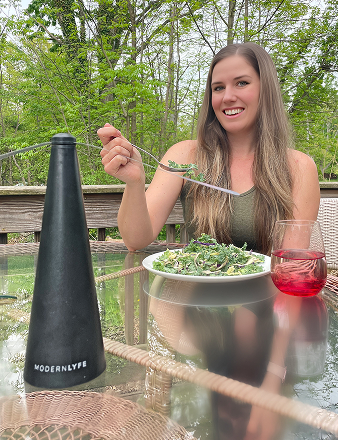
- Fly-fan position: Place battery-operated fly fans beside or above exposed food, outside guest reach, with a stable base. Aim airflow across the food boundary, not into faces or directly at lightweight napkins and tableware. Keep cords and devices away from wet areas.
- Guest service: Replace dropped utensils, remove empty dishes, wipe spills, and keep trash away from food. The food monitor should pause or cover a station if protection fails.
- Cleanup: Refrigerate suitable leftovers promptly, discard food that could not remain protected, and wash and sanitize serving equipment.
Leave the fans running while food is exposed and until guests settle. Recheck their position if wind, furniture, or guest traffic changes. Fire pits, grills, lighting, and outdoor furniture can alter safe movement, so review R.E. and Sons Landscaping resource with the food plan when cooking is near seating. This format stays short enough for a host to use during service while assigning each checkpoint to a clear place and person.
7. Catering Operation Master Checklist
A catering master checklist must track the job from production kitchen through loading, transport, venue setup, service, and return. Assign ownership before equipment leaves the kitchen. The chef handles preparation and food records, the logistics lead controls transport and inventory, and the event captain manages setup and the service handoff.
Use the event timeline to organize checks. Before loading, confirm containers, labels, insulated carriers, thermometers, serving utensils, allergen information, cleaning supplies, waste bags, power sources, table protection, and backup equipment. At the vehicle, match the packed inventory to the service plan. At the venue, verify that each item reaches the correct station and that temperature, covering, and cleanliness requirements remain clear when equipment changes hands.
Build venue variations into the master
Keep shared controls consistent, then attach a venue card. A corporate meeting may need a compact indoor drop-off. A wedding may involve a kitchen, ballroom, outdoor cocktail area, and late-night station. Healthcare or institutional work may require tighter traceability and clearer communication between production and service teams. Record access limits, power availability, weather exposure, guest flow, waste routes, and equipment locations.
Assign the work by checkpoint:
- Load-out lead: Counts equipment, checks batteries and chargers, and signs the vehicle inventory.
- Production lead: Confirms preparation, labels, allergen details, temperatures, and protective containers.
- Venue lead: Checks tables, covers, utensils, signage, waste routes, and food protection.
- Service lead: Briefs staff, monitors replenishment, answers guest questions, and records exceptions.
- Return lead: Reconciles equipment, separates damaged items, and confirms cleaning requirements.
Plan fly-fan placement during load-out. Pack units where the setup team can reach them, protect them from damage, and position them beside or above exposed food, outside guest reach, with airflow across the food boundary rather than toward faces or lightweight tableware. Keep cords and devices away from wet areas. Photograph finished stations so the next team can reproduce safe placement. Waterproof laminated cards suit outdoor work, while digital records capture timestamps, photographs, and corrective actions.
Hold a pre-service briefing to confirm responsibilities and unresolved risks. After service, review failures while details remain fresh. A catering process flow checklist should lead to corrective action, training, and better preparation, not just sit as a completed form.
8. Seasonal Pest Prevention and Deep Cleaning Checklist
Seasonal readiness starts before demand and pest activity expose weak points. Restaurants reopening patios, hotels preparing outdoor events, caterers expanding fly-fan inventory, and venues returning after closure should schedule a documented inspection instead of switching equipment on after a quick dusting.
Organize the review by operating context. Facilities lead examines doors, screens, service openings, wall and floor penetrations, waste areas, drains, storage zones, and outdoor lighting. Equipment lead checks refrigeration seals, ventilation, dishwashing systems, fans, stands, cables, batteries, and chargers. A professional pest-control contractor may find conditions staff overlook, while the manager remains responsible for records, owners, and follow-up.
Deep cleaning should produce evidence
Schedule cleaning during a naturally slow period. Photograph damage, residue, gaps, worn seals, and equipment conditions. Record what was cleaned, repaired, replaced, or deferred, then order parts and supplies before peak service.
- Test protection equipment: Run every fly fan, replace batteries where needed, and confirm units can be placed beside or above exposed food, outside guest reach, with airflow across the food boundary. Keep cords and devices away from wet areas.
- Clean concealed zones: Address spaces under equipment, storage corners, waste areas, vents, and hard-to-reach food-contact surfaces.
- Check the full service cycle: Confirm pre-shift opening checks, food protection, inventory control, staffing assignments, serving safeguards, and closing tasks are reflected in station-level templates.
- Brief and document: Explain seasonal rule changes and reporting procedures. Waterproof laminated cards suit outdoor stations; digital records capture timestamps, photographs, and corrective actions.
- Close the loop: Add repairs, contractor findings, equipment changes, and new vulnerability points to the facility plan. Assign each correction an owner and review date.
Spring patio preparation may prioritize outdoor food protection and waste movement. Winter closure may require equipment preservation, deep cleaning, sealed storage, and a reopening inspection. Seasonal prevention works when maintenance, sanitation, inventory, staffing, service protection, and cleanup are reviewed together. Keep the completed record so the next team can prepare without relying on memory.
8-Point Food Service Checklist Comparison
| Checklist | Implementation Complexity 🔄 | Resource Requirements ⚡ | Expected Outcomes ⭐ | Ideal Use Cases 📊 | Key Advantages & Tips 💡 |
|---|---|---|---|---|---|
| Daily Pre-Service Food Safety Checklist | 🔄🔄 Medium, staff training & routine checks | ⚡⚡ Medium, staff time, monitoring tools | ⭐⭐⭐⭐ High, reduces illness risk & compliance issues | Restaurants, hotel F&B, catering kitchens (pre-service) | Compliance and consistency; assign station owners and use digital logs. |
| Outdoor Event Pest Prevention Checklist | 🔄🔄🔄 High, multi-layer coordination and setup | ⚡⚡⚡ High, equipment, staging, weather contingencies | ⭐⭐⭐⭐ High when planned, protects displays & guests | Weddings, festivals, outdoor buffets, markets | Protects guest experience; scout venue 48h and place fly fans 2–3 ft above food. |
| Restaurant Buffet and Self-Service Station Checklist | 🔄🔄🔄 High, constant monitoring during service | ⚡⚡⚡ Medium-High, staff, sneeze guards, active deterrents | ⭐⭐⭐⭐ High, continuous protection, fewer complaints | Hotel buffets, large restaurants, salad bars | Continuous contamination control; rotate food every 2–3 hrs and position fans at entry points. |
| Food Truck and Mobile Vendor Compliance Checklist | 🔄🔄 Medium, compact workflows, rapid setup | ⚡⚡ Medium, portable fans, battery power, storage | ⭐⭐⭐ Effective with correct gear, maintains quality on the move | Food trucks, market stalls, street vendors, festivals | Portable compliance; use battery-operated fans and secure mounts. |
| Hotel and Resort Event Coordination Checklist | 🔄🔄🔄 High, multi-venue timelines and teams | ⚡⚡⚡ Very High, staffing, equipment across locations | ⭐⭐⭐⭐ Very high, protects reputation and guest satisfaction | Multi-venue events, resorts, large weddings, conferences | Ensures consistent execution; create venue-specific sub-checklists and assign a pest-prevention lead. |
| Home Entertaining and Backyard Gathering Checklist | 🔄 Low, simple steps for hosts | ⚡ Low, battery fans, basic covers, minimal tools | ⭐⭐⭐ Good, improves safety and guest comfort | Backyard BBQs, small parties, casual outdoor gatherings | Approachable and affordable; prepare food indoors and use battery fans at tables. |
| Catering Operation Master Checklist | 🔄🔄🔄 Very High, complex logistics & standardization | ⚡⚡⚡ High, transport systems, staff briefings, site gear | ⭐⭐⭐⭐ Very high, standardizes quality across events | Full-service caterers, corporate catering, large weddings | Scales operations reliably; assign checklist ownership and use laminated field cards. |
| Seasonal Pest Prevention and Deep Cleaning Checklist | 🔄🔄🔄 High, facility closures and detailed inspections | ⚡⚡⚡ High, contractors, downtime, replacement parts | ⭐⭐⭐⭐ High, prevents seasonal surges and extends equipment life | Seasonal prep for restaurants, hotels, caterers, seasonal venues | Preventive longevity; schedule during slow periods, test/replace fly fan batteries and document findings. |
Turn the Checklist Into a Repeatable Shift System
A checklist only improves service when it changes what people do. Assign an owner to every checkpoint, give that person a realistic completion time, and define what happens when the answer is no. “Temperature checked” is incomplete if nobody records the reading, identifies the unit, or decides what to do when the result falls outside the required range.
Start with station cards. A kitchen card can cover receiving, storage, preparation, cooking, cooling, sanitation, and equipment. A buffet card can cover labels, covers, utensils, temperature readings, replenishment, spills, and pest protection. A mobile vendor card can focus on power, portability, documentation, setup, service, and breakdown. Print waterproof copies for field use or digitize them for timestamps, photographs, and manager review.
Food safety checklists become more useful when they include corrective action. One ServSafe evaluation checklist treats every “No” response as an operational gap and asks whether the operation has training for new and current employees, tools to identify training needs, and records that prove completion. That model supports a practical rule: don't just mark a failure. Record the person responsible, the immediate correction, and the follow-up needed to prevent recurrence. See the ServSafe evaluation checklist for that active managerial control approach.
Review patterns, not just completed forms
Managers should review exceptions after service while the conditions are still clear. Look for repeated refrigeration faults, missing labels, late setup, empty sanitizer stations, misplaced fans, poor waste positioning, or unclear handoffs. A food-safety culture assessment can also use multiple domains, including leadership, employee knowledge, communication, observed practices, systems and resources, continuous improvement, and maturity. One template organizes these into 35 inspection items across 7 sections, showing how a checklist can measure the operating system, not only individual cleaning tasks. See the food-safety culture assessment template.
Adapt the master checklist to your menu, venue, staffing model, service style, equipment, and local requirements. A hotel needs department handoffs. A food truck needs portability and power controls. A home host needs a short card that can be used without interrupting the party. A caterer needs transport, inventory, venue, and return controls.
Link the full cycle together:
- Before service: Verify food, staff, equipment, supplies, labels, and protective measures.
- During service: Monitor temperatures, food exposure, utensils, guest flow, replenishment, and pest conditions.
- After service: Clean and sanitize, secure food, remove waste, reconcile equipment, and record exceptions.
- Before the next season: Deep-clean, repair, test, document, and retrain.
Test every piece of equipment before guests arrive, including any Modern Lyfe fly fans used in the setup. Layer that equipment with covered food, clean surfaces, correct temperatures, trained staff, waste control, and approved pest-management practices. For managers refining schedules and ownership, a restaurant labor cost management template can help connect checklist assignments with the shift plan.
A dependable routine doesn't depend on one person remembering every detail. It makes the safe action visible, assigns responsibility, creates evidence, and gives the next shift a clear starting point.
MODERN LYFE offers battery-operated fly fans for restaurant buffets, hotel events, catering stations, food trucks, and backyard gatherings. Visit MODERN LYFE to evaluate a practical fly-protection layer for your dining setup and pair it with the sanitation, food-covering, temperature-control, and pest-prevention practices in this checklist.