By 2011, food trucks were the fastest-growing sector of the restaurant industry, and the Institute for Justice found that each additional truck in a county lined up with about three additional restaurants, not a drop in restaurant numbers. Mobile kitchens joined festivals, office districts, markets, and catering. They didn't replace the dining room. They still have to pass the same food-safety rules, inside a vehicle that moves every day.
That's why a household cooler and a folding table won't carry a 2026 service. Food truck supplies have to work as one system: temperature, sanitation, and fly control, bought together. I would rather delay a second griddle than open without a readable thermometer, a real hand sink, and a way to keep flies off the window.
Food Truck Supplies Checklist at a Glance
Walk the build with one list, not twelve browser tabs. Mark what the fabricator already bolted in, then buy only the gaps.
| Supply Category | Core Items | Why It Matters |
|---|---|---|
| Cooking equipment | Flat-top griddle, gas or induction ranges, convection or microwave oven, hood with fire suppression | The menu defines this; gas cookers also drive fuel costs |
| Cold storage | Under-counter or upright commercial refrigerator, freezer, ±3°F thermometer | Keeps time/temperature-control-for-safety food at 41°F or below |
| Hot holding | Steam tables, warming drawers, soup wells, heat lamps | Holds cooked food at 135°F or above until it is sold |
| Prep and storage | NSF cutting boards, food pans, sealed ingredient containers, date labels, shelving | Prevents cross-contamination and speeds ticket times |
| Handwashing and sanitation | Dedicated handwash sink, soap, paper towels, sanitizer buckets, test strips | Required by the Food Code and checked first in inspections |
| Warewashing | Three-compartment sink or approved low-temp dish machine, drying racks | Cleans and sanitizes utensils and pans on board |
| Water and wastewater | Potable water tank, labeled food-grade fill hose, wastewater tank at least 15% larger than the supply tank | Keeps potable and waste streams separate and legal |
| Power and fuel | Generator or shore power, propane tanks, gauges, surge protection, fire extinguisher | Runs refrigeration and cooking safely at any site |
| Serviceware and packaging | Disposable containers, wraps, napkins, bags, gloves, utensil sleeves | Speeds outdoor service and protects food past the window |
| Fly and pest control | Sealed waste bins, food covers and sneeze guards, non-chemical fly fans, monitoring | Protects open food without contaminating it |
| Cleaning and waste | Food-safe sanitizer, degreaser, mops, trash and grease containers | Keeps an 84-square-foot kitchen inspection-clean |
| POS and signage | Mobile POS, menu boards, permit holder, A-frame sign | Takes payment and communicates at the curb |
Three buying tiers
Day-one compliance is the gear that gets the permit: cold storage, hot holding, the hand sink, warewashing, water tanks, hood suppression, and a readable thermometer. Workflow gear shortens the line once you're legal: sealed pans, packaging, gloves, and a mobile POS that still takes cards when the park Wi-Fi dies. Scale-up gear waits for revenue: a second prep surface, backup power, stronger fly control, and curb signage.
Take the same categories to every supplier so quotes cover identical lines. A cheap range that needs a larger hood isn't a savings. Cold-holding numbers, the sanitation walk, the fly layer most lists skip, and a phased buy plan sit behind this table.
Why Mobile Kitchens Need Different Supplies
A restaurant checklist can specify a reach-in that will not clear a truck door or a prep table that blocks the service pass. In a compact kitchen, every item competes for space, and equipment must stay secure while the truck moves.
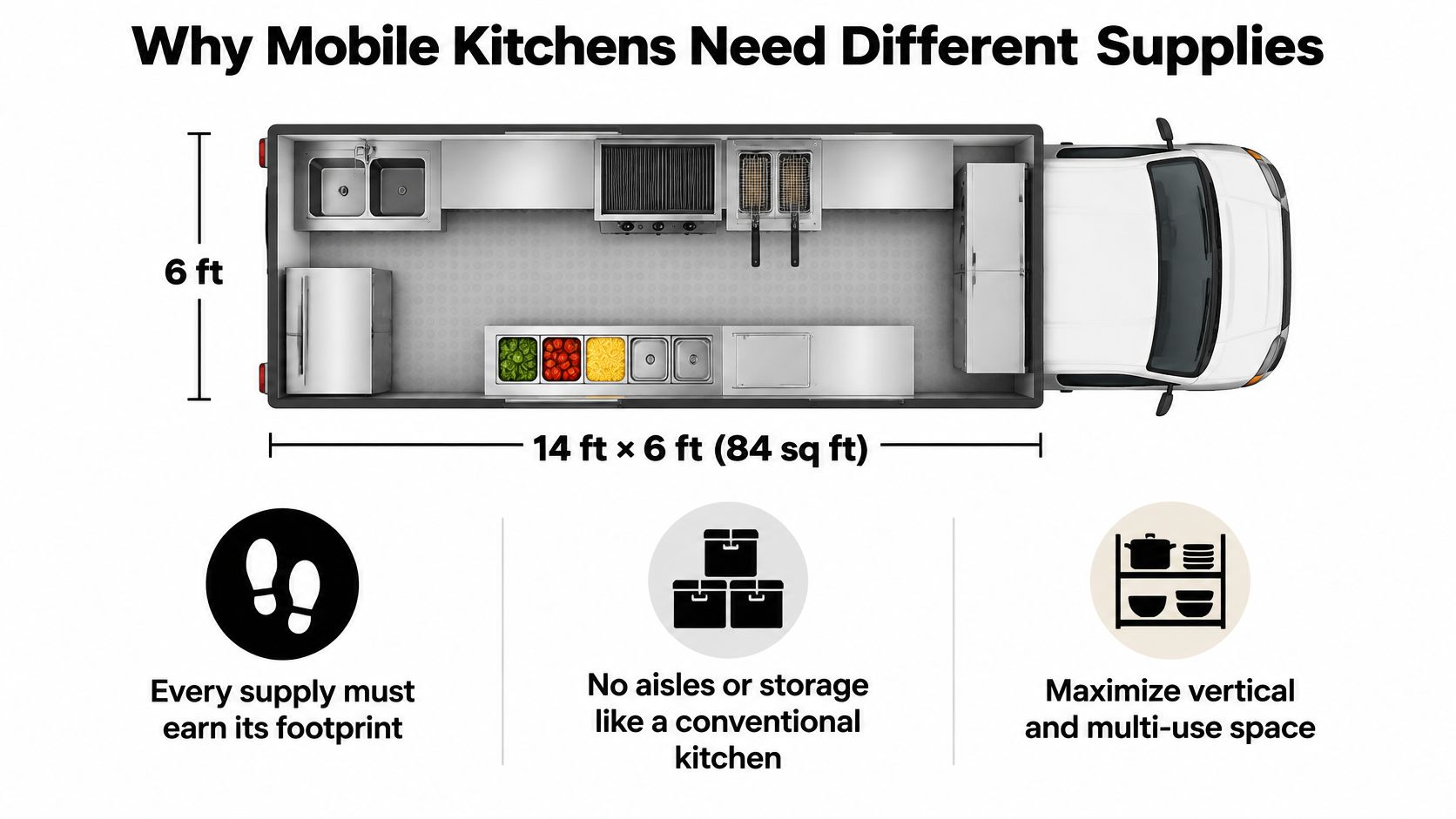
A University of North Carolina analysis of food trucks in the Triangle puts the average kitchen at about 14 feet by 6 feet, or 84 square feet. It also identifies food as usually the largest operating cost, followed closely by fuel, particularly for trucks with gas cookers.
Practical rule: If a supply doesn't earn its footprint, it doesn't ride.
Choose equipment that fits the space and supports safe service. Under-counter refrigeration and stackable pans preserve room to work. A griddle that can finish tortillas may take up less space than two separate appliances, while latches, lids, and tiedowns help keep supplies contained in transit.
Menus, sites, and weather can change from week to week. Modular, durable, easy-to-clean gear is easier to adapt than fixed, single-purpose equipment. Build each supply choice around the system it serves: temperature control must keep food within safe limits, sanitation gear must support clean handling, and fly control must protect exposed food.
Temperature Control Supplies That Pass Inspection
Buy to the benchmark, not to the box photo. A unit that "feels cold" still fails if the food doesn't.
| Benchmark | Requirement | What to Buy or Do |
|---|---|---|
| Cold holding | 41°F (5°C) or below | Commercial refrigerator with real pull-down capacity; pre-chill food and avoid tight packing |
| Hot holding | 135°F or above per the FDA Food Code; NYC vendor rules say 140°F | Steam table, warming drawer or soup well sized for the peak menu |
| Thermometer accuracy | Numerically scaled, accurate to ±3°F | Probe thermometer plus cabinet-air thermometer staff can actually read |
| Check frequency | At least every 2 hours during service | Laminated temperature log by each unit, initialed at every check |
| Cold excursion limit | No more than 30 minutes above 41°F after filling or servicing | Limit door openings; keep backups pre-chilled |
| Hot excursion limit | No more than 120 minutes below 135°F | Batch cook and hold with a backup heat source |
The FDA Food Code uses 41°F as the cold benchmark and 135°F as the hot benchmark, and it illustrates tight windows when equipment slips: no more than 30 minutes above 41°F for refrigerated vending equipment after filling or servicing, and no more than 120 minutes below 135°F for hot-holding vending equipment. Those windows are why a truck needs holding equipment, not just transport coolers. The Virginia Department of Health mobile-food guidance requires cold-holding equipment that maintains 41°F or below and a thermometer accurate to ±3°F.
What to specify on the quote
Trucks punish cold storage harder than a dining-room line. Doors open constantly, the cabinet sits next to the griddle, and the afternoon sun loads the skin of the vehicle. A thermostat sticker can read fine while the air around the pans is already warm. Hang a numerically scaled thermometer where staff see cabinet air, not just the dial.
Size the refrigerator for the peak load, pre-chill product before it goes in, and don't pack shelves tight. Air has to move. Log temperatures at setup and mid-service. If a cold unit climbs, you don't have half a shift to "see if it comes back." The cold side of the food safety danger zone is not a place to store a backup pan "just for the rush."
A laminated log by each unit, checked and initialed on a timer, is both a habit and the paper an inspector asks to see.
For hot holding, match the well or drawer to what you sell. A soup well that can't recover after three ladles is the wrong tool, even if it was on sale. Batch smaller, and keep a backup heat source so one failed circuit doesn't dump the whole menu.
Sanitation, Water and Handwashing Supplies
Inspectors start with hands, then water, then whether the equipment can be cleaned. Stock in that order.
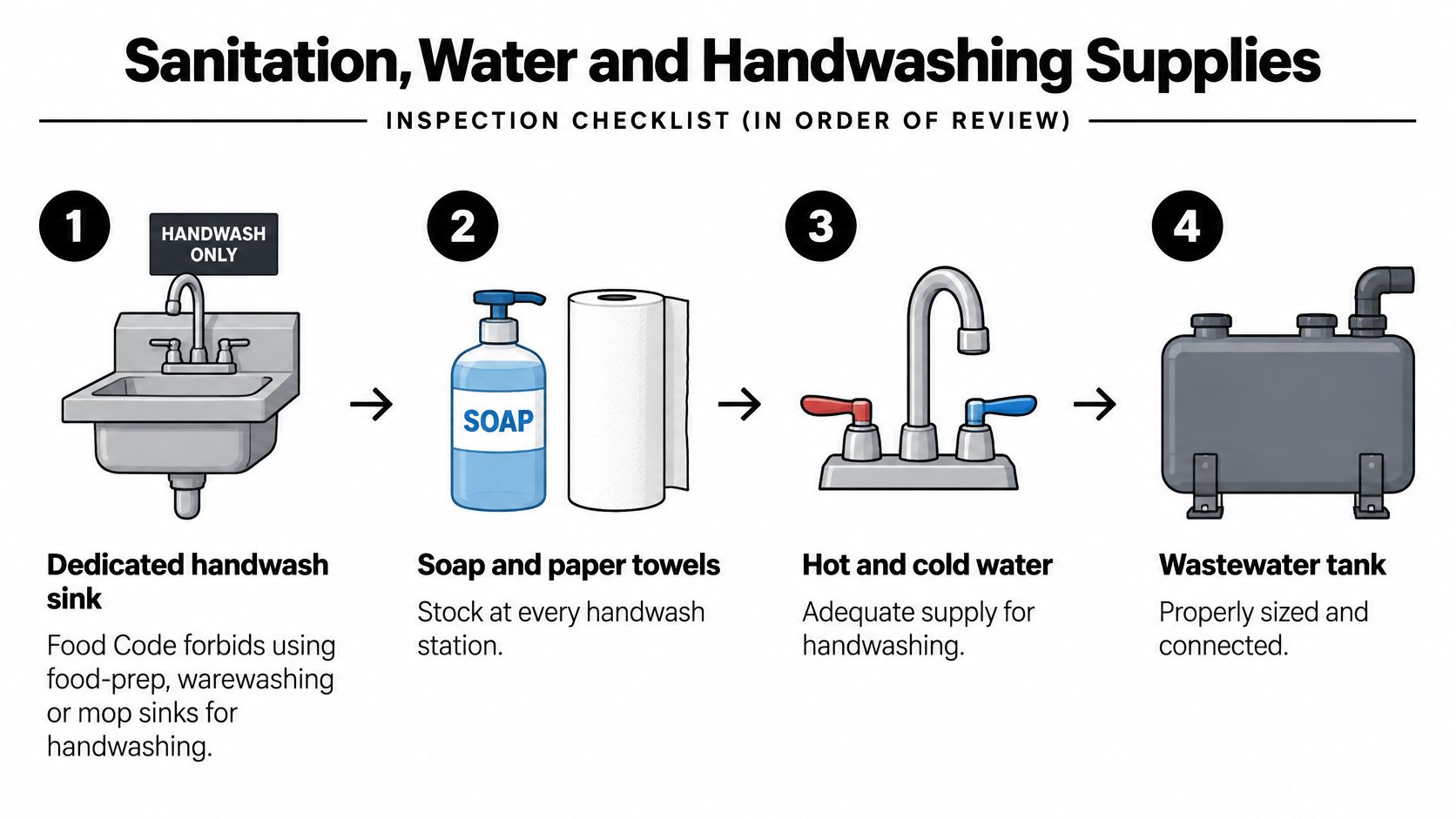
Hands first
The FDA Food Code requires food employees to wash in a designated handwashing sink or an approved automatic facility. They may not use a food-preparation sink, warewashing sink, service sink, or mop-water basin. The sink stays open for employees and isn't a dump for tongs.
Mount soap and paper towels at the sink, not across the cook line. A hands-free faucet or a single-use towel setup keeps the handle from becoming the dirtiest spot on the truck. If staff have to sidestep a trash can to reach it, they'll skip washes during a rush. That's the violation, not a missing brand of soap.
The same discipline shows up in food service hygiene standards: separate dirty work from clean work, and don't let one sink do both jobs.
Water as two systems
Potable water and wastewater don't share a tank, a hose, or a cap. Use a food-grade fill hose, labeled so nobody grabs the wastewater hose at the commissary. Indiana's retail food rule sets a clear size: a permanently installed waste-retention tank must be at least 15% larger than the water-supply tank. That buffer is what keeps grey water off the curb when the hand sink and the three-compartment sink both run through lunch.
Surfaces and chemicals
Specify equipment to sanitation standards, not to a showroom finish. NSF/ANSI 59 covers mobile food carts. NSF/ANSI 2 covers food-contact work surfaces, counters, sinks, and shelves. NSF/ANSI 7 covers commercial refrigerators and freezers. Compliant builds cut harborage points and shouldn't leach chemicals into food. In practice that means smooth, corrosion-resistant, nonabsorbent surfaces, sealed seams, and parts you can clean without dragging a refrigerator out of the truck. Certified gear often shortens plan review because those standards are what regulators already use.
Finish with consumables you can prove: food-contact sanitizer, test strips, a degreaser for the hood filters, and a one-page cleaning schedule taped where the cook looks. Cross-contamination habits from a home kitchen still matter on a truck, and these kitchen hygiene tips for home cooks are a useful refresher for new hires who have never worked a line.
Fly Control That Protects Open Food
Most supply lists stop at refrigeration and servingware. They skip the open window. Condiment stations and a sidewalk queue put food where flies, dust, and hands all meet. "Spray it" risks contamination. "Shut every door" kills airflow and cooks the crew. Neither is a service plan.
New York City mobile-vendor rules say vendors must protect food from flying insects, birds, animals, dust, and people, check hot and cold food at least every two hours, hold cold food below 41°F, and hold hot food above 140°F. International food-hygiene guidance pushes sanitation, inspection, monitoring, sealed access, and pest-proof storage, and it warns that pest treatment must not compromise food safety. A good supply is easy to clean, out of the walkway, and compatible with those temperature checks. Deeper fly control for restaurants starts from the same idea: barriers before chemicals.
| Method | Best For | Watch Out For |
|---|---|---|
| Sealed ingredient and waste containers | Bulk storage, prep and trash during service | Label and date contents; clean rims and lids daily |
| Covered displays and sneeze guards | Customer-facing counters, buffet and condiment stations | Must not block staff movement or temperature checks |
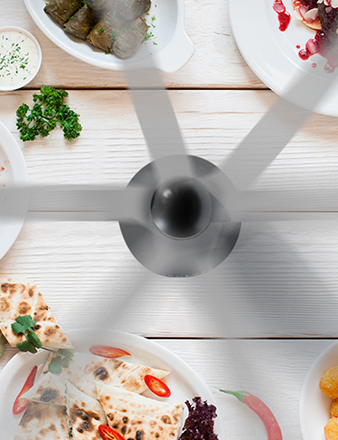
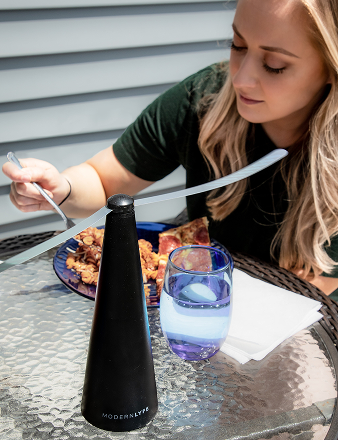
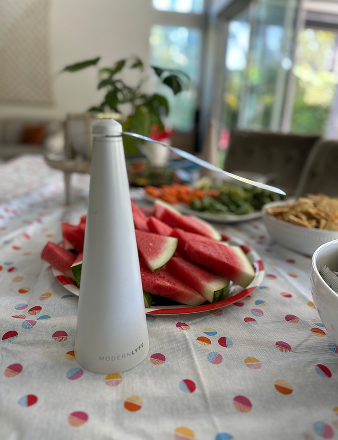
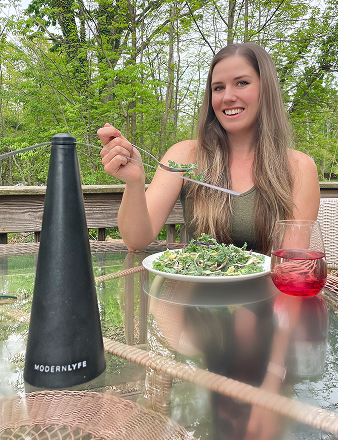
| Non-chemical fly fans (airflow barriers) | Open counters, pickup windows, outdoor queues and markets | Need charged batteries or outlet access; keep units clean and out of food-contact zones |
| Site placement and screens | Festivals, markets and fixed vending spots | Shade refrigeration intakes; screen vents without choking airflow |
| Waste-removal timing | Every service | Empty lidded bins before flies find them; keep bins off the service side |
| Pesticides and sprays | Last resort in non-food areas only | Never near food, utensils, equipment or packaging; contamination and inspection risk |
Where each layer fails
Sealed pans win in the lowboy and lose the moment a lid stays off "for speed." Covers and sneeze guards work at a condiment rail and fail when they block a probe or a reach. Airflow fans help at a pickup window only if the battery is charged and the unit isn't sitting in the food. Screens help at a market booth and fail if they starve the refrigerator intake. Waste timing is free and still gets skipped: a full bin on the service side recruits flies faster than any fan can push them off.
Physical barriers and airflow first. Chemicals last, and never on food, utensils, linens, or packaging.
Employees shouldn't be the ones fogging the cabin between tickets. If a device needs power you don't have, or it sits where grease will ruin it by Friday, it isn't a control. It's clutter.
How to Prioritize Supplies on a Tight Budget
Don't fund the truck in one purchase order. Fund the permit, then the line speed, then the extras.
The stations that get checked first are usually the ones operators underbuy.
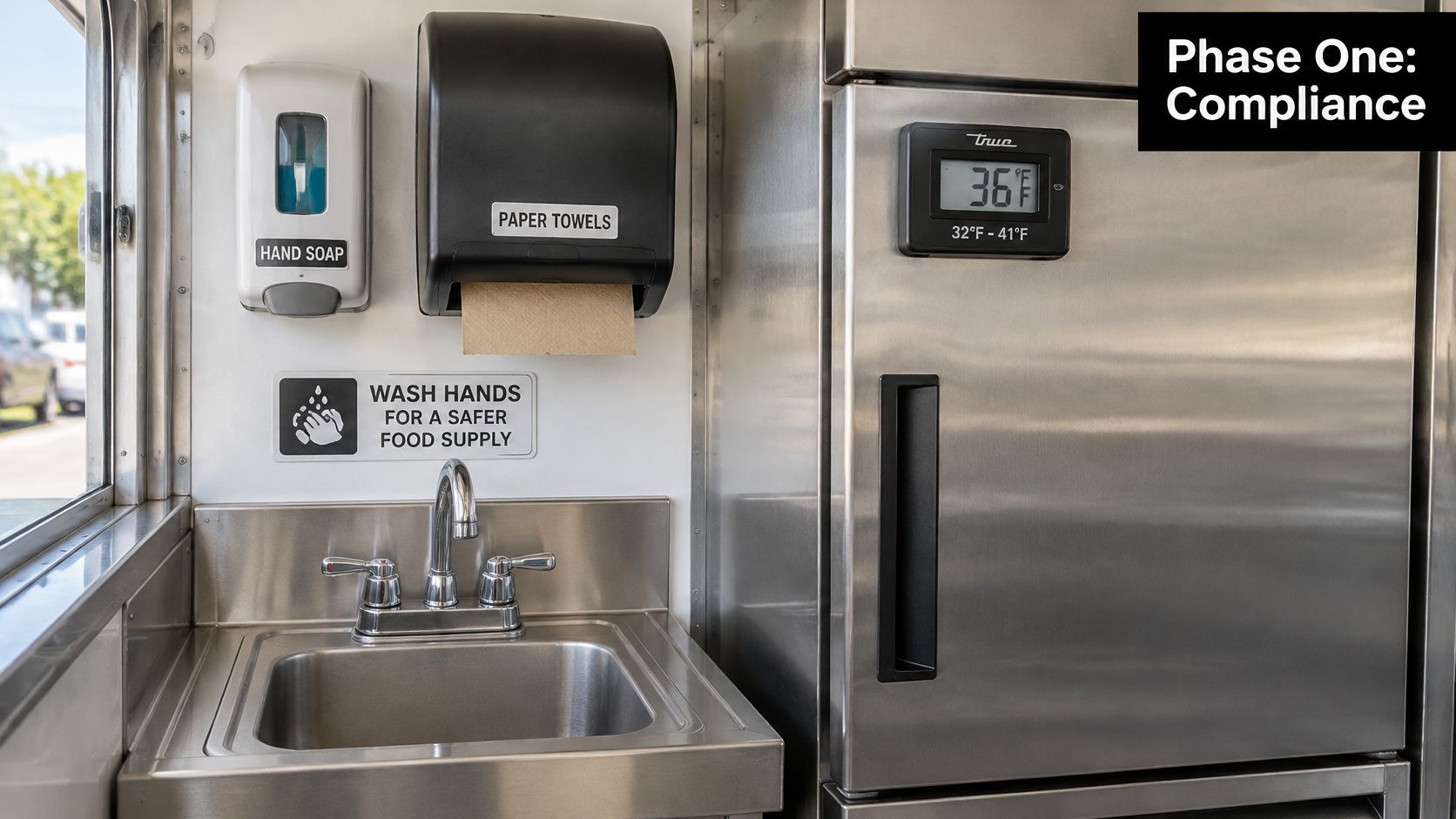
Phase one, compliance
Nothing else opens the window. Buy the handwash station, commercial refrigeration with a ±3°F thermometer, hot holding, fire suppression on the hood, and separate potable and wastewater tanks. If the quote forces a choice between a logo wrap and a working hand sink, the sink wins.
Phase two, workflow
Once you can legally cook, spend on ticket time. Sealed prep containers, a three-compartment setup or an approved low-temp machine, packaging that survives a walk across a lot, and a mobile POS with offline card mode. A line that stalls for cash-only is a supply failure.
Phase three, resilience
After revenue shows up, add backup power, better fly control, curb signage, and a second prep surface. Not before.
Gas, induction, and used cold boxes
A gas cooker is often cheaper to run and simpler at a site with no shore power. It also adds tank handling, leak checks, and more load on the hood. Induction costs more up front and needs real electrical capacity, but it cuts open flame and cabin heat. I would pick gas when the menu is high-BTU and the generator is already sized, and induction when the cabin is tiny and the menu is griddle-light.
Certified used refrigeration can free cash for sanitizer, test strips, and pans. Skip used gear you can't confirm is cleanable and still pulls down under load. A dead compressor is not a bargain.
Match the cooking line to the menu before anything else. A griddle-range combo beats two single-purpose boxes in a cabin this small. Size the hood and suppression to the equipment that is installed, not to a future fryer you might add.
A coffee trailer can run a smaller electrical package, but milk and dairy alternatives need obsessive cold holding. A taco truck should spend first on ventilation and grease management, because the fire risk and the cleaning load both live on that line. Every month, fund food first, fuel second, and never let cleaning chemicals or packaging hit zero before the weekend.
If you want a walk-through of how a compact line gets laid out before the first ticket, this build video is a useful companion to the phase list.
Stock the Truck Before Opening Day
Opening day fails in boring ways: a thermometer still in the box, a hand sink blocked by a case of gloves, flies on the salsa because the only "control" was a can of spray under the driver's seat. The list only works if it's on the truck, in the right place, before the first customer.
- Walk with the master checklist and mark each line built-in or still to buy. Don't trust the build packet. Open the cabinets.
- Prove the temperatures before the first service. Cold holding and hot holding get checked with a ±3°F thermometer, and the readings go on the log, not in someone's head.
- Set the hand sink and the waste station so staff reach them without crossing the cook line. If the path crosses raw chicken, redraw it.
- Put non-chemical fly control at every exposed point: the counter, the condiment station, and the pickup window. Airflow barriers cut flying-insect exposure without spray residue. They still need charged batteries or an outlet, and they stay out of food-contact zones.
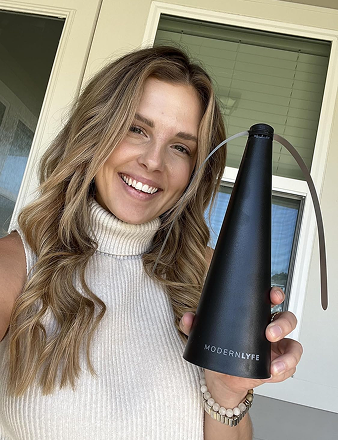
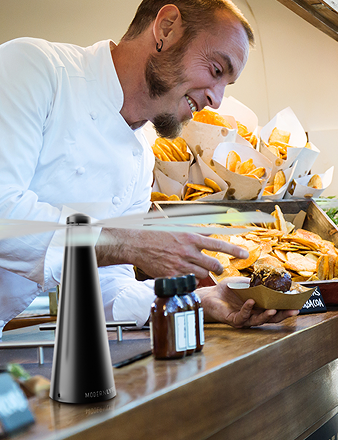
Modern Lyfe's fly fans are one option to test against that list, not a default purchase. They're rechargeable, meant for outdoor tables, patios, parties, food trucks, and al fresco cafes, and they're built to keep flies and pests off food indoors or out. Compare them with the other layers before you buy: cleanable housing, power the truck can supply, and a spot that doesn't block a temperature check. After you open, recheck supplies weekly, restock chemicals and packaging before the weekend rush, and keep the temperature log running at every service.
MODERN LYFE makes rechargeable fly fans for food-truck windows, patio tables, and other open-air service where you can't spray around food. If flies at the pickup window are the gap in your supply list, compare a quiet airflow barrier with the covers and sealed bins you already use. Visit MODERN LYFE to see the fans, and subscribe to the newsletter for a VIP discount of 10% off an order.