Forget swatting and spraying. To eliminate fruit flies for good, you need to stop reacting and start creating an environment where they can't survive. This means getting proactive, targeting their breeding grounds, and shutting down every entry point. This isn't just about killing pests—it's about protecting your food, your reputation, and your health inspection scores.
Why a Modern Approach to Fruit Fly Control Is Non-Negotiable
Let's be blunt: fruit flies are a direct threat to your business. They're not a minor annoyance. A single fly landing in a customer's wine can destroy a five-star review, and a swarm is a clear signal to health inspectors that your sanitation is failing. The challenges faced by the service industry are tough enough without adding a preventable pest problem to the list. Ignoring them isn't an option.
The risks are real and directly impact your bottom line.
- Reputation Damage: In the age of Yelp and Google Reviews, one photo of a fly on a plate can cause lasting harm.
- Inventory Loss: Fruit flies turn fresh produce into a rotten, unsellable mess, throwing your money directly in the trash.
- Health Code Violations: An infestation is a major red flag during a health inspection, leading to fines, closures, and a public relations nightmare.
This isn't just a local issue; it's a global crisis. In 2023-2024, the United States faced its worst fruit fly outbreak in 70 years, forcing the USDA to allocate $103.5 million for an emergency response. These pests cause over $2 billion in losses annually in Africa alone, a stark reminder of how fast a small problem can escalate.

Adopt an Integrated Pest Management Framework
So, what's the solution? A smarter, more strategic approach called Integrated Pest Management (IPM). Forget reactive chemical sprays; IPM is about long-term prevention using a combination of tactics. Instead of waiting for an infestation, you build a defense system to stop it before it starts. You can dive deeper into the core principles in our guide on what Integrated Pest Management is.
Here’s a quick overview of what an integrated plan looks like. Think of it as your game plan for keeping your business fly-free.
Your Integrated Fruit Fly Control Blueprint
| Strategy Component | Primary Goal | Key Actions |
|---|---|---|
| Sanitation & Source Removal | Eliminate breeding grounds. | Daily cleaning of drains, mats, and garbage areas; proper food storage. |
| Exclusion & Barriers | Block entry points. | Sealing cracks, installing door sweeps, using air curtains and fly fans. |
| Monitoring & Trapping | Assess and reduce the population. | Strategic placement of traps to gauge activity and capture adult flies. |
| Targeted Treatments | Eliminate remaining pests. | Using bio-drain cleaners and, only if necessary, targeted chemical use. |
This blueprint is the foundation of a modern, effective pest control program.
An IPM program is your roadmap to sustainable pest control. It’s a commonsense approach that puts non-chemical solutions first, making your establishment safer for everyone while being far more successful at getting rid of pests for good.
This guide will walk you through each of these pillars, giving you a clear, actionable plan to turn your space from a fruit fly paradise into a place they can't survive.
Sanitation: Your First Line of Defense
If you're only swatting the flies you see, you're losing. The real fight isn't with adult flies; it's with the hidden breeding grounds where they lay their eggs. A single female can lay up to 500 eggs in her two-week lifespan. That’s why a small problem can explode into an infestation almost overnight.
Your sanitation plan has to be aggressive and relentless. It’s not just wiping counters. It’s about getting into every forgotten nook and cranny where moisture and grime create the perfect nursery for pests.
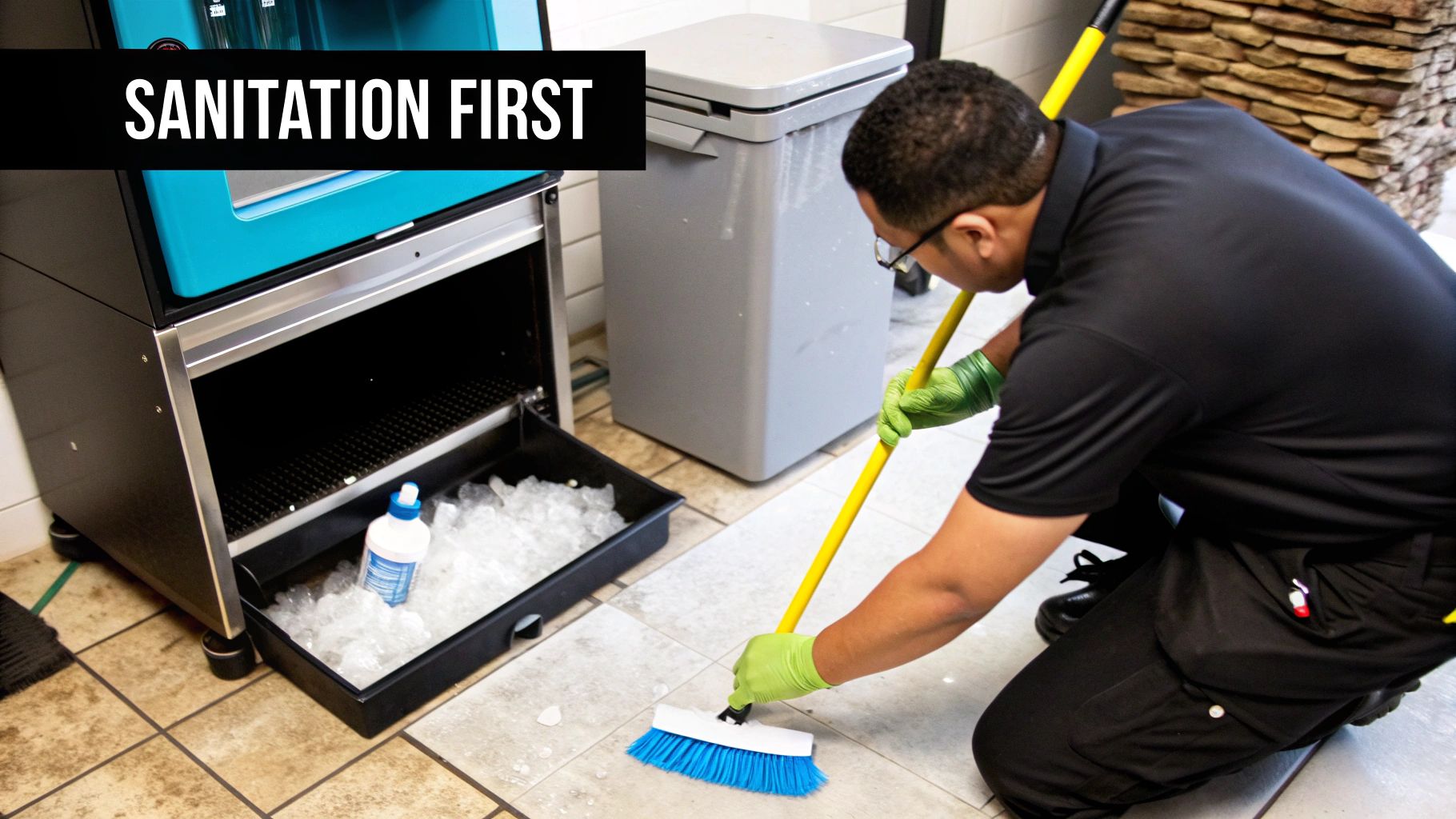
Uncover Their Hidden Breeding Hotspots
Fruit flies don’t need much. A sticky film inside a soda gun holster, sludge at the bottom of a recycling bin, or gunk under a bar mat is a five-star resort for them. Your cleaning protocols have to hit these specific spots.
To ensure nothing is missed, build your routine from a resource like an ultimate restaurant kitchen cleaning checklist. It helps cover all bases, from daily tasks to the deep weekly cleanings that break the fruit fly life cycle.
I once worked with a hotel manager who was losing his mind over a fruit fly problem. The source wasn't the kitchen—it was a perpetually damp mop head stored in a closet. That sour, fermenting organic matter was breeding thousands of flies.
The Daily Sanitation Hit List
Consistency is non-negotiable. These tasks must happen every single day, especially during closing.
- Drains: Use a stiff brush and an enzyme-based cleaner on all floor and sink drains. These products eat the organic biofilm where flies lay eggs. Bleach only sanitizes the surface and won't solve the problem.
- Beverage Stations: Disassemble and thoroughly clean soda gun nozzles and holsters. Wipe every drip tray and ensure drain lines are clear.
- Bar Mats: Wash daily in hot, soapy water and hang them to dry completely overnight. A damp mat is a welcome mat for fruit flies.
- Trash & Recycling: At the end of the night, every bin must be emptied, the bag tied securely, and removed from the building. Rinse the bins to get rid of any spills.
Weekly and Monthly Deep Cleaning
Daily cleaning handles immediate threats, but you need to go deeper to eliminate long-term risks. Your weekly and monthly tasks should focus on hard-to-reach areas.
Expert Tip: To find the source, think like a fruit fly. Ask: where can moisture and organic gunk sit undisturbed for a week? That’s your target. Focus your efforts under and behind heavy equipment where spills and condensation collect.
Here’s a simple schedule to follow:
- Every Week: Pull out movable equipment like ice machines and fridges to clean the floors and walls behind and underneath them. Check and clean refrigerator drip pans and gaskets.
- Every Month: Conduct a full inspection of storage areas. Rotate stock using the FIFO (First-In, First-Out) method and immediately discard any produce that looks slightly over-ripe or damaged.
The impact of sanitation is massive. Australia's horticulture industry sees the fruit fly as its biggest threat, capable of wiping out 70% of productivity. Yet, a study in Indonesia showed a comprehensive management plan, with sanitation at its core, reduced fruit fly populations to almost zero in just six months.
A consistent, detail-oriented sanitation strategy is your most powerful weapon. When you eliminate their ability to breed, you stop reacting to flies and start proactively preventing them. For even more strategies, dive into our guide on how to prevent fruit flies in your establishment.
Exclusion and Monitoring: Your Proactive Defense
Sanitation is a huge step, but if you stop there, you’ll always be playing defense. To get ahead of fruit flies, you must shift from cleaning up to actively blocking them from getting in and spotting them the second they do. This is about building a fortress and setting up an early-warning system.
The goal is to make your establishment a no-fly zone. This means fortifying every possible entry point, no matter how small. Your building's exterior is your first security perimeter.
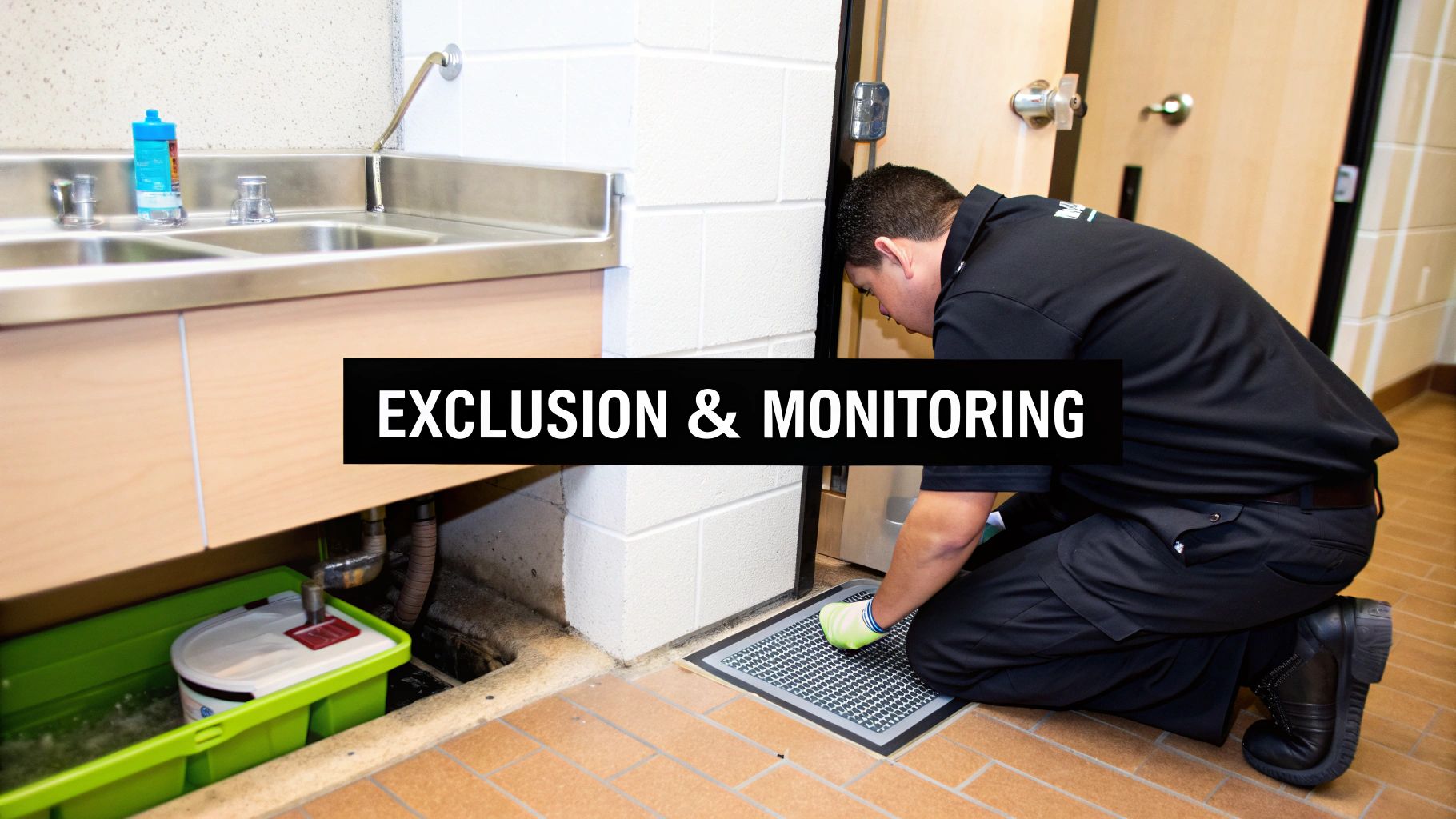
Sealing Your Perimeter
Fruit flies can slip through the tiniest gaps. The only way to stop them is to conduct a thorough building inspection and lock it down.
Start with the obvious weak points, then dig deeper.
- Doors and Windows: Every exterior door needs a tight seal. Install door sweeps to close the gap at the bottom. Any window that opens must have a fine-mesh screen with no rips or holes.
- Structural Gaps: Get granular. Inspect walls, floors, and ceilings for cracks. Pay special attention to where utility lines enter the building and seal them with caulk or expanding foam.
- Air Curtains: For high-traffic entrances, an air curtain is a smart investment. It creates an invisible barrier of fast-moving air that physically blocks flying insects.
Don't forget that your defense plan needs to cover what you bring in. Every case of fresh produce is a potential Trojan horse. Train your receiving team to inspect every delivery and reject any shipments with overripe, damaged, or suspicious produce.
One of the most overlooked entry points is the supply chain. By establishing strict receiving protocols, you stop infestations before they start inside your facility.
Proactive Monitoring: Early Detection Is Key
With your perimeter secure, set up your surveillance network. This isn’t about trapping every fly; it’s about gathering intelligence. A few strategically placed traps act as sentinels, tipping you off to a problem long before your customers—or a health inspector—notice.
Place monitoring traps in known hotspots where moisture and organic matter accumulate.
- Behind the bar, near liquor pour spouts and soda guns.
- Near sink and floor drains.
- Around trash and recycling bins.
- In dry storage areas where produce is kept.
Check these traps every couple of days and keep a simple log. A sudden spike in the trap behind the bar? It's a clear signal to deep clean the drip trays. High numbers near the dish pit? That’s your cue to thoroughly clean the floor drain. This data empowers you to find and eliminate breeding sites with surgical precision.
Know Your Enemy
Accurate identification is critical. Not every tiny flying bug is a fruit fly, and misidentification leads to ineffective treatments.
Drain flies, for instance, look like tiny, fuzzy moths and hang out near unused drains. Phorid flies have a humpbacked appearance and scurry erratically before flying; they breed in hard-to-reach gunk. Each pest requires a unique battle plan.
This diligence is more important than ever. With global supply chains, new threats are emerging. Exotic fruit flies are some of the world's most destructive agricultural pests, with some species capable of infesting over 400 different plants. The Oriental fruit fly has caused widespread damage in Asia and Africa and now presents a high invasion risk to Europe. Learn more about how these pests are tracked in this comprehensive study on exotic fruit fly surveillance.
Step 3: Strategic Traps and Physical Barriers
Your monitoring has confirmed a fruit fly problem and you know where they hang out. Now it's time to go on the offensive. We're moving from watching them to actively removing them from your space.
This is where you bring in a smart combination of traps to reduce the adult population and physical barriers to protect your food and guests. The real goal isn't just catching flies; it's creating "no-fly zones" where they simply can't cause trouble.
The key is using the right tool for the job. What works in a busy kitchen is out of place in your dining room. Think strategically.
Choosing the Right Trap for the Job
Not all fruit fly traps are created equal. They work differently, look different, and have vastly different levels of effectiveness. Picking the right one for each area is the difference between a frustrating battle and a quick victory.
-
DIY Vinegar Traps: These are great for your home kitchen. A little apple cider vinegar and soap can catch a few stragglers. But in a professional setting, they lack the horsepower and look unprofessional.
-
Commercial Sticky Traps: These are your go-to for public areas. Disguised as discreet plugs or decorative objects, they use a subtle attractant to lure flies onto a hidden sticky surface. They're silent, odorless, and perfect for dining rooms and bars.
-
UV Light Traps: These are the workhorses for back-of-house areas. They use ultraviolet light that flying insects find irresistible. Modern versions use glue boards instead of zappers, which is far more sanitary.
The most common mistake is buying one type of trap for everywhere. A smarter approach is to layer your defenses. Use discreet sticky traps where customers are and heavy-duty UV traps in the kitchen, storage rooms, and near loading docks to create a comprehensive shield.
To dig deeper into specific models, our guide on the best fly traps for fruit flies breaks down which commercial products deliver results.
Before you decide, here's how the options stack up.
Choosing Your Fruit Fly Control Tools
Here’s a quick comparison to help you match the right tool to the right environment, whether you're dealing with a few flies in a dining area or an infestation in the kitchen.
| Control Method | Best For | Pros | Cons |
|---|---|---|---|
| Modern Lyfe Fly Fans | Buffet lines, outdoor patios, host stations, catering events | Chemical-free, silent, stylish, protects a wide area, safe around food | Requires a power source (battery or outlet), doesn't kill flies |
| Commercial Sticky Traps | Dining rooms, bars, lobbies, front-of-house areas | Discreet, silent, odorless, aesthetically pleasing | Covers a smaller area, requires regular replacement of sticky pads |
| UV Light Traps | Kitchens, dishwashing areas, storage rooms, loading docks | Highly effective, covers a large area, low maintenance | Can be bulky, not suitable for customer-facing areas |
| DIY Vinegar Traps | Home use, light monitoring in non-critical areas | Inexpensive, easy to make | Low capacity, unattractive, not professional-grade |
The most resilient defense plans use a combination of these tools. You might have a UV trap in the prep area, sticky traps near the bar, and a fly fan protecting the Sunday brunch buffet.
A Modern Physical Barrier: The Fly Fan
Traps reduce the number of flies, but they don't actively protect the food on a buffet or a customer's plate. For that, you need a barrier. What if you could keep them from ever landing in the first place?
This is exactly where the Modern Lyfe fly fan shines.
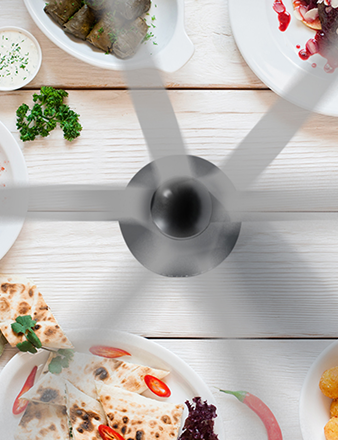
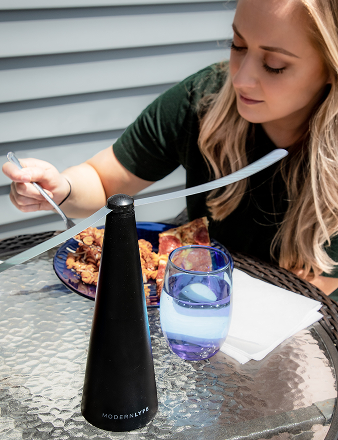
These are sleek, quiet, portable devices engineered to create a gentle pocket of air. While you'll barely notice the airflow, it creates an invisible wall that tiny insects like fruit flies can't penetrate. Their fragile wings can't handle the turbulence, so they're forced to stay away.
Imagine setting up a beautiful dessert display for a wedding. The last thing you want is a swarm of fruit flies ruining the view. By placing a few of these elegant fly fans around the table, you create a chemical-free shield that keeps the food pristine and your event memorable for the right reasons.
The Right Tool for Every Scenario
The versatility of these fly fans makes them essential for anyone in hospitality or events.
-
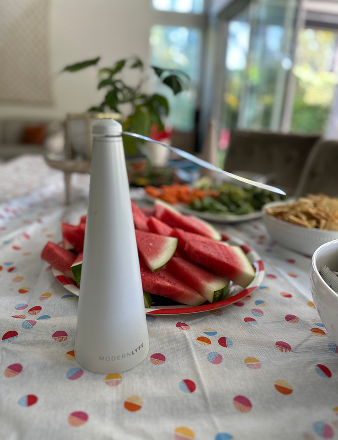
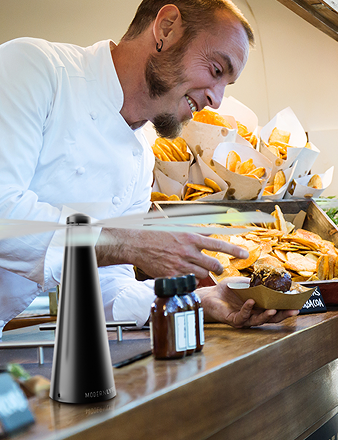
Catered Events & Buffets: Set them at the ends of buffet lines to guard everything from salads to the carving station. Their minimalist design blends right in.
-
Outdoor Patios & Dining: A fan on each table is a game-changer. It keeps flies out of guests' food and wine without the distracting noise or smell of citronella candles.
-
Home Barbecues: Hosting a get-together? One of these on the main food table protects your burgers and potato salad from uninvited pests. It’s a simple touch that makes a huge difference.
This is modern pest control. It's about being proactive, not just reactive. When you combine strategically placed traps to thin the herd with physical barriers like fly fans to protect critical spots, you're building a robust, multi-layered defense system that puts hygiene, aesthetics, and the guest experience first.
Building a Sustainable Long-Term Prevention Plan
Winning the battle against fruit flies is one thing; keeping them gone for good is another. To win the war, you have to shift from frantically fixing an active problem to building a sustainable, long-term prevention strategy. It's about turning new cleaning habits into an automatic part of your team's daily routine.
A consistent plan is the only way to make your establishment a permanent no-fly zone.
Start by creating a clear timeline. You don't have to tackle everything at once. A phased approach lets your staff master one step before moving to the next, which is far more effective than an overwhelming to-do list.
This timeline provides a great visual for breaking down the core phases of a solid fruit fly control program.
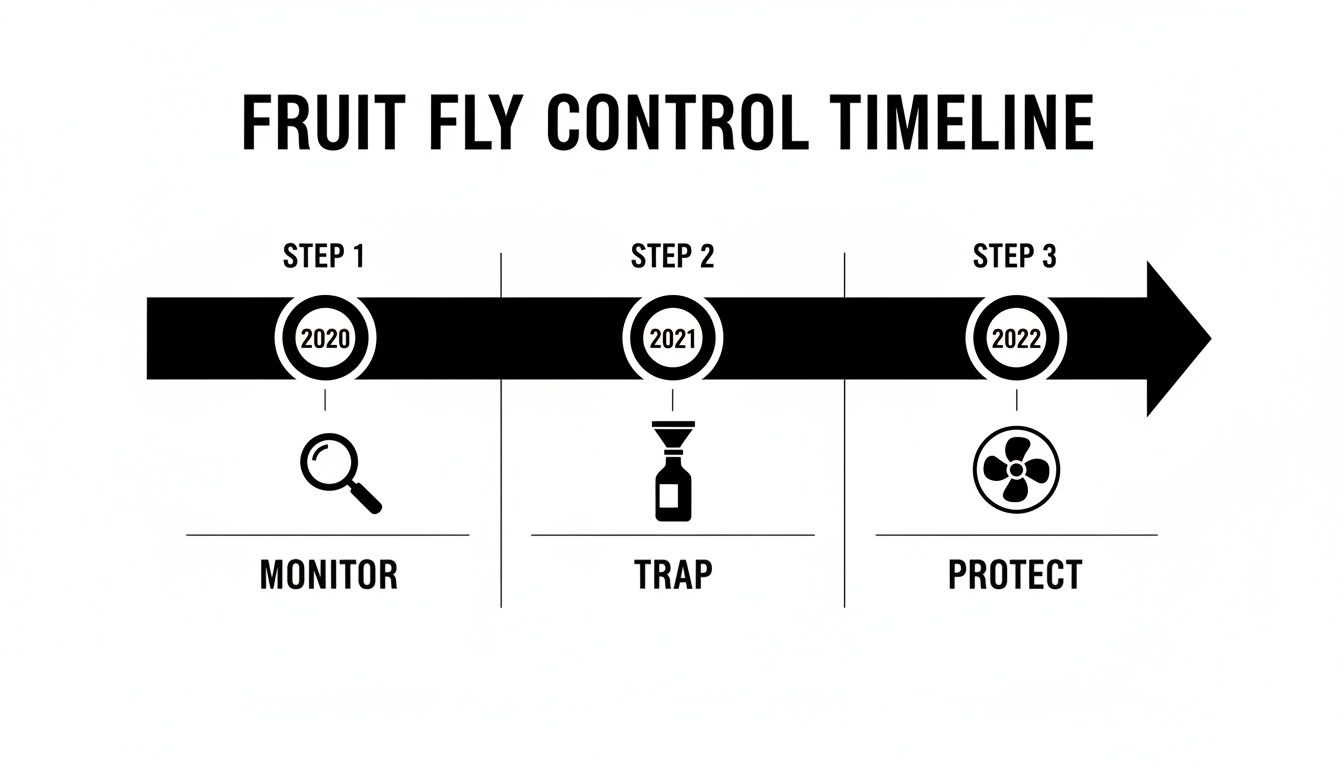
As you can see, the process moves logically. You start with detection, move to active trapping, and finally, build up a proactive defense. It’s all about creating layers of protection.
Secure Team Buy-In and Accountability
Your prevention plan is only as strong as the people carrying it out. Getting your team on board isn't just about handing them a checklist. It’s about explaining the 'why' behind every task.
Connect the dots for them. That meticulous drain cleaning isn't just a chore—it’s what prevents a bad Yelp review that could tank their tips. That extra minute spent inspecting a produce delivery protects the restaurant’s inventory, its bottom line, and ultimately, everyone's job security.
When your staff understands how sanitation directly protects the restaurant's reputation and profitability, their perspective changes. Tasks stop being obligations and start being essential contributions to a shared success. That's how you build a culture of ownership.
Next, establish clear accountability. Create and post checklists for daily, weekly, and monthly cleaning protocols. Assign specific people to specific jobs, and have a manager sign off on deep-cleaning tasks. This simple system turns abstract goals into concrete, trackable actions.
Calculate the Return on Investment (ROI)
Investing in the right tools, training, and time for fruit fly control isn't an expense—it's one of the smartest investments you can make. The upfront costs are tiny compared to the catastrophic price of a failed health inspection or a trashed online reputation.
Consider the potential losses from a single, out-of-control infestation:
- Failed Health Inspection: This can mean hefty fines, mandatory closures, and a public notice on your front door—thousands in lost revenue and remediation costs.
- Negative Online Reviews: It only takes one viral photo of a fly on a customer's plate to scare away hundreds of future diners. The damage can last for years.
- Spoiled Inventory: Fruit flies ruin expensive produce, spoil liquor at the bar, and contaminate other ingredients, leading to direct financial losses.
Framed that way, the cost of an enzyme drain cleaner, a few smart traps, or a set of Modern Lyfe fly fans is a brilliant business decision. This proactive spending is your insurance policy against much bigger, reputation-destroying financial hits. It protects your brand and secures your long-term profitability.
Common Questions About Fruit Fly Control
Even with the best plan, you might run into tricky situations. Here are answers to the most common questions to help you solve problems quickly.
Why Do I Have Fruit Flies When There’s No Fruit Out?
This one stumps many people. You’ve put away all the produce, but the flies remain. The truth is, fruit flies are attracted to any fermenting organic goo, which can lurk in surprising places.
If you still see them, play detective. The source is almost always something you've overlooked.
Common culprits include:
- Damp Cleaning Gear: A sour-smelling mop or a wet rag left in a bucket is a five-star hotel for fruit flies.
- Recycling Bins: A tiny bit of leftover soda, beer, or wine residue at the bottom of a can is more than enough to attract them.
- Dirty Drains: The slimy organic film that builds up inside sink and floor drains is one of their all-time favorite places to lay eggs.
Do DIY Vinegar Traps Actually Work?
They do, but it’s crucial to understand their role. A small dish of apple cider vinegar with a drop of dish soap is a fantastic tool for monitoring a problem or catching the last few stragglers. Think of it as your canary in a coal mine.
But for a full-blown infestation in a restaurant or to protect a large catering spread, they don't have enough horsepower. Use them to gauge your problem, but don't expect them to solve it. Real control comes from aggressive sanitation and professional-grade tools.
How Can I Keep Fruit Flies Away From an Outdoor Event?
Outdoor events present a whole new challenge. Your best bet is a proactive defense. The goal is to make it physically impossible for flies to land on your food and drinks. Keep catering trays and drink pitchers covered when not being actively served.
For outdoor dining, the most reliable, chemical-free defense is a physical barrier. A gentle, constant airflow is all it takes to make it impossible for tiny flies to land, keeping your food safe without any sprays or smells.
This is where stylish, quiet fly fans come in. Placing them strategically over buffet tables and drink stations creates that protective bubble of air. And don't forget the basics: ensure trash cans have tight lids and are emptied often, well away from your guests.
Ready to create a definitive no-fly zone at your next event? Discover how MODERN LYFE fly fans provide silent, chemical-free protection for any dining setup. Explore the solution on the Modern Lyfe website.