Ever feel like you're losing the war against those tiny flies in your kitchen? You're not alone. Most people grab a swatter or a dish of vinegar, but these tactics are like trimming weeds—they never touch the root of the problem.
This is why most DIY fruit fly efforts fail: they focus on the symptom, not the source.
Why a Reactive Approach Fails
Fruit flies have a shockingly fast life cycle. A single female can lay up to 100 eggs a day, which mature into adults in about a week. So for every fly you swat, dozens more are developing in a hidden, damp spot nearby.
Trapping the adults you see is like bailing water from a leaky boat without plugging the hole. You might clear the air for a moment, but a new generation is always ready to launch. For homeowners, it’s frustrating. For a business, it’s a threat to your reputation.
The real culprits—the breeding grounds—are almost always places we overlook:
- Grime in Drains: The slimy film inside your floor and sink drains is a five-star hotel for fruit fly larvae.
- Hidden Spills: A forgotten splash of soda under the fridge or beer in a bar's drip tray is a perfect sugary feast.
- Damp Mops & Sponges: A mop head left in a bucket or a wet sponge by the sink can become a nursery overnight.
- Recycling Bins: Even tiny amounts of residue in unrinsed cans and bottles are a powerful magnet.
The issue isn't the flies you see. It's the small sanitation breakdown they represent. Find and fix that gap to gain lasting control and stop the next infestation before it starts.
Switch to a Proactive Strategy
Instead of constantly playing defense, think like a pest control pro. Shift your mindset from reaction to prevention. A smart, systematic approach combines multiple tactics to break the fruit fly life cycle at every stage.
This multi-layered defense is the core of Integrated Pest Management (IPM). To dive deeper into this professional method, our guide on what Integrated Pest Management is and how it works is a great place to start.
By focusing on sanitation first, then using targeted controls, you move from constant battle to easy, sustainable maintenance.
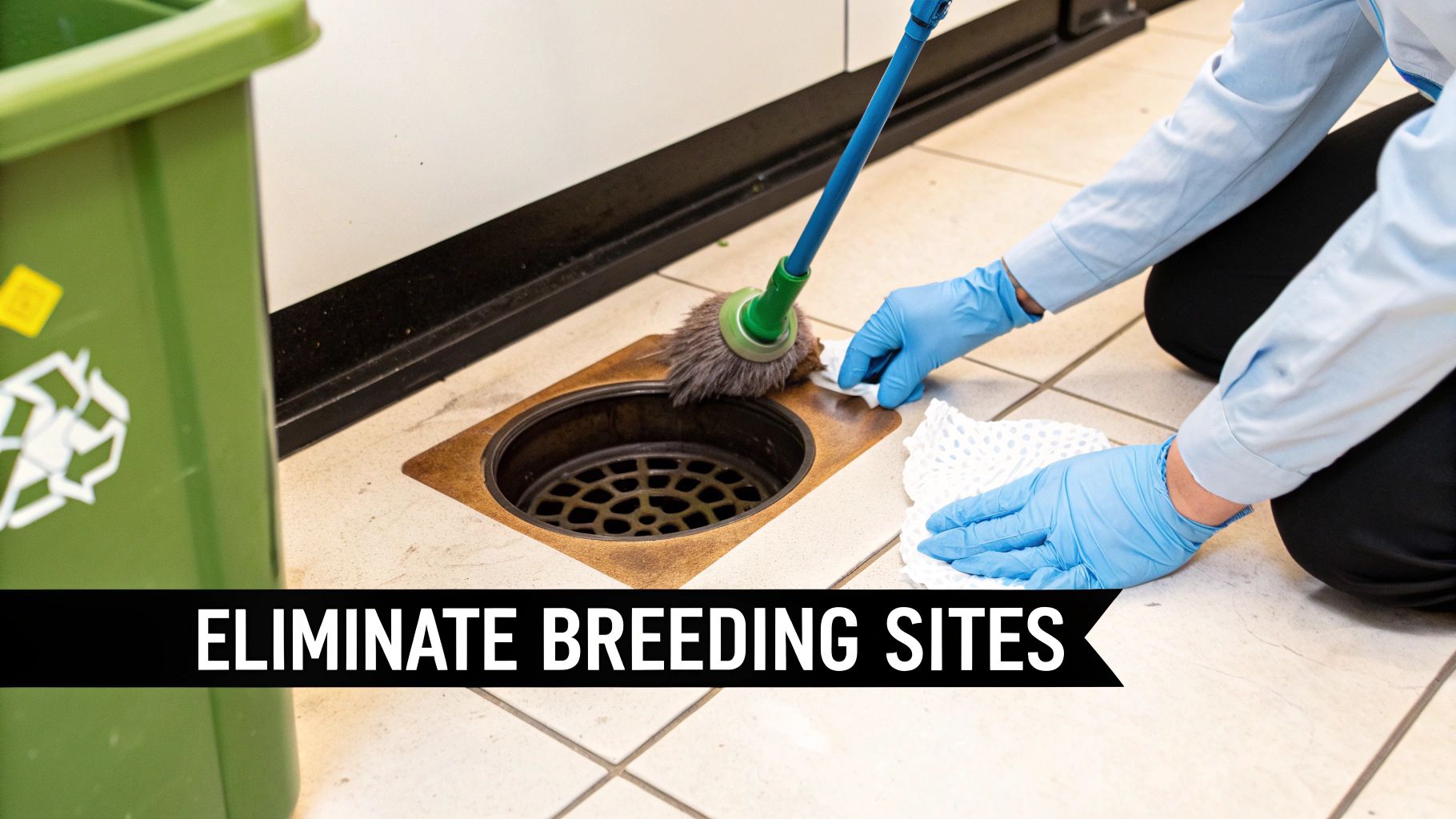
Your First Move: Eliminate Breeding Grounds
To get a handle on fruit flies, you have to think like a detective. The adult flies buzzing around are just the symptom. The real problem—the source—is hidden. Winning isn't about swatting the flies you see; it’s about wiping out their nurseries before the next generation hatches.
A single female fruit fly lays hundreds of eggs in her short life, always seeking moist, fermenting organic matter. That means one tiny spill or a bit of gunk in a drain can quickly become the epicenter of an invasion. Your mission is to find and destroy these breeding grounds.
The Source Elimination Checklist
Forget just glancing at the fruit bowl. Fruit fly breeding sites are tucked away in overlooked spots where moisture and organic gunk collect. A thorough inspection is non-negotiable—it's everything.
Grab a flashlight and check these hotspots:
- Floor and Sink Drains: The slimy organic film, or biofilm, inside pipes is a five-star hotel for fruit fly larvae, providing a constant source of food and moisture.
- Garbage Disposals: Tiny bits of food get trapped under the splash guard and on the blades, creating a perfect nursery.
- Recycling and Trash Bins: Sticky residue from unrinsed soda, beer, or wine bottles is a powerful magnet. The gunk at the bottom of the bin is an even bigger problem.
- Damp Cleaning Tools: A sour-smelling sponge, a mop head left in a bucket, or a forgotten wet rag is decaying—and it can become a breeding ground overnight.
- Under and Behind Equipment: Check condensation pans under refrigerators and ice machines. Look for old spills under counters, behind appliances, or in floor cracks.
- Bar Area Specifics: In businesses, soda gun holsters, beer tap drip trays, and sticky bar mats are notorious for collecting the sugary liquids that fruit flies love.
Knowing what attracts these pests is half the battle. Our article on what attracts fruit flies offers insights to sharpen your detective skills: https://modernlyfe.com/blogs/articles/attracting-fruit-flies.
Cleaning Protocols That Actually Work
Once you’ve identified potential breeding sites, it's time for aggressive sanitation. This is more than a quick wipe-down. You must physically remove the organic material their larvae feed on.
Hot, soapy water is a great start for surfaces and bins. But for tough jobs like drains and persistent slime, you need specialized methods.
Real-World Scenario: A busy bar battled a relentless fruit fly problem despite daily cleaning. After weeks of frustration, an inspection uncovered the source: the soda gun holster. The nozzle was cleaned nightly, but the holster itself was rarely scrubbed. A thick, sugary sludge had built up inside—a perfect, hidden breeding ground.
This is a classic example of why a detailed approach is critical. Your cleaning plan must be as systematic as your inspection.
Choosing Your Cleaning Agent
Different problems require different tools. Here’s how to tackle the most common trouble spots with solutions that work.
| Problem Area | Recommended Solution | How It Works |
|---|---|---|
| Drains & Disposals | Enzymatic Drain Cleaner | Uses beneficial bacteria and enzymes to digest organic slime and grease, completely removing breeding material. It’s far more effective than bleach, which just skims the surface. |
| Surfaces & Bins | Vinegar & Water Solution | A 50/50 mix of white vinegar and water cuts through sticky residues. The acidity breaks down grime and makes surfaces less attractive to flies. |
| Stubborn Buildup | Baking Soda & Vinegar | For a powerful drain scrub, pour a half cup of baking soda down, followed by a half cup of white vinegar. Let it fizz for 15-20 minutes, then flush with boiling water. |
Since fruit flies need decaying organic matter, one of the most powerful preventative steps is simply having less of it around. By mastering food waste reduction strategies, you remove the very foundation their populations need to survive, setting you up for long-term success.
Choosing the Right Traps for Fast Results
Once you've cleaned the breeding grounds, it's time to deal with the adult flies still buzzing around. Sanitation is your long-term victory, but traps give you the instant gratification of seeing the numbers drop. It’s time to mop up the remaining party crashers.
The good news is you don't need a complex battle plan. Some of the most effective tools are already in your kitchen, while commercial options offer a polished solution for businesses.
The Classic DIY Apple Cider Vinegar Trap
There's a reason this trap is a legend: it works. Fruit flies are hardwired to seek the smell of fermentation, which signals food and a place to lay eggs. Apple cider vinegar (ACV) mimics that scent perfectly.
Here's how to make one:
- Pour an inch of apple cider vinegar into a small jar or bowl.
- Add one drop of dish soap. This is the secret ingredient. The soap breaks the vinegar's surface tension, so when flies land to drink, they sink and drown instead of flying away.
- Place the trap where you see the most activity—near the fruit bowl, sink, or trash can. You'll see results within hours.
This simple, non-toxic trap uses a pest's biology against it. You're creating an irresistible lure that exploits their natural instincts, leading them directly to their demise.
For a detailed walkthrough and more DIY trapping ideas, our guide on the best fly trap for fruit flies offers additional useful tips.
Selecting Commercial Traps for Business Settings
A DIY trap is great for your kitchen, but a restaurant, bar, or hotel needs something more robust and discreet. The goal is to eliminate flies without customers knowing there was ever a problem.
Here’s a quick rundown of your options:
| Trap Type | Best For | Pros | Cons |
|---|---|---|---|
| Sticky Traps | Back-of-house, near drains, under bars | Discreet, non-toxic, great for monitoring the problem's severity. | Can look messy in customer view; less effective when full. |
| UV Light Traps | Kitchens, storage areas (away from food prep) | Attracts a wide variety of flying insects, works 24/7. | Less effective in bright areas, can be bulky, might zap beneficial insects. |
| Baited Traps | Anywhere, front or back of house | Often designed to blend in, uses powerful commercial lures. | Bait needs regular replacement, can be more expensive long-term. |
Placement is everything. A sticky trap hidden under the bar is perfect for catching flies drawn to spills. A UV light trap is better for a dry storage room where it won't compete with other lights.
A Note on Pesticides in Commercial Kitchens
When an infestation is severe, pesticides might seem like an option—but they should always be a last resort. If you go this route, only a food-safe, non-residual insecticide applied as a crack-and-crevice treatment by a licensed professional is acceptable. This isn't a "spray and pray" job. It's a precise strike in places where flies hide, far from any food-contact surfaces.
This targeted approach mirrors what pros do on a massive scale. Agricultural scientists use tools like Male Annihilation Traps (MAT), which combine a potent male attractant with a small amount of insecticide. This protects an estimated $11.7 billion in US agricultural commodities without blanketing fields in chemicals. These groundbreaking USDA techniques and their impact prove that smart control is always targeted control, whether you're protecting an orchard or a five-star kitchen.
Creating a Permanently Fly-Free Space
Getting rid of fruit flies for good isn't about a single frantic cleaning spree. It’s about building smart habits and consistent routines. While traps and deep cleans solve the immediate problem, true prevention stops the fight from ever starting again.
The strategy is simple: make your space completely unwelcoming to pests. This boils down to two core ideas: unwavering sanitation and physical exclusion. By weaving simple daily, weekly, and monthly tasks into your routine, you eliminate everything fruit flies need to survive.
Smart Routines Are Your Best Defense
Your first line of defense is a realistic cleaning schedule. This isn't about adding hours to your day; it’s about small, consistent efforts that pay off big. You're creating an environment where fruit flies can't get a foothold.
Key habits to focus on:
- Manage Produce Wisely: The moment fruits like bananas, tomatoes, or avocados get too ripe on the counter, they become a magnet. Use them, move them to the fridge, or toss them before they become a beacon.
- Take Out the Trash (Properly): Use trash cans with tight-fitting lids and empty them daily, especially if they contain food waste. Routinely wash out the bin itself to remove the sticky gunk at the bottom.
- Keep Drains Clean: Once a week, use an enzymatic drain cleaner or a baking soda and vinegar mix. This destroys the organic biofilm inside pipes, eliminating a primary breeding ground.
The goal is to break the fruit fly life cycle. A fly that finds no fermenting food and no moist slime to lay eggs in will have to move on. Consistency is your most powerful weapon.
The Power of Physical Barriers
Beyond cleaning, you can physically block flies from reaching the good stuff. This strategy, called exclusion, is a highly effective, non-chemical layer of defense. It's all about creating barriers they can't cross.
Start with a quick walk-around. Are your window and door screens in good shape, with no rips? Seal any small cracks or gaps around pipes, vents, and the foundation where insects could sneak in.
One of the most powerful exclusion tools is air itself. Fruit flies are weak fliers. A gentle, steady air current makes it nearly impossible for them to navigate or land. This simple principle is the secret behind using fans for targeted protection.
This visual shows the typical escalation of control methods, from DIY solutions to professional tools, depending on the severity of the infestation.
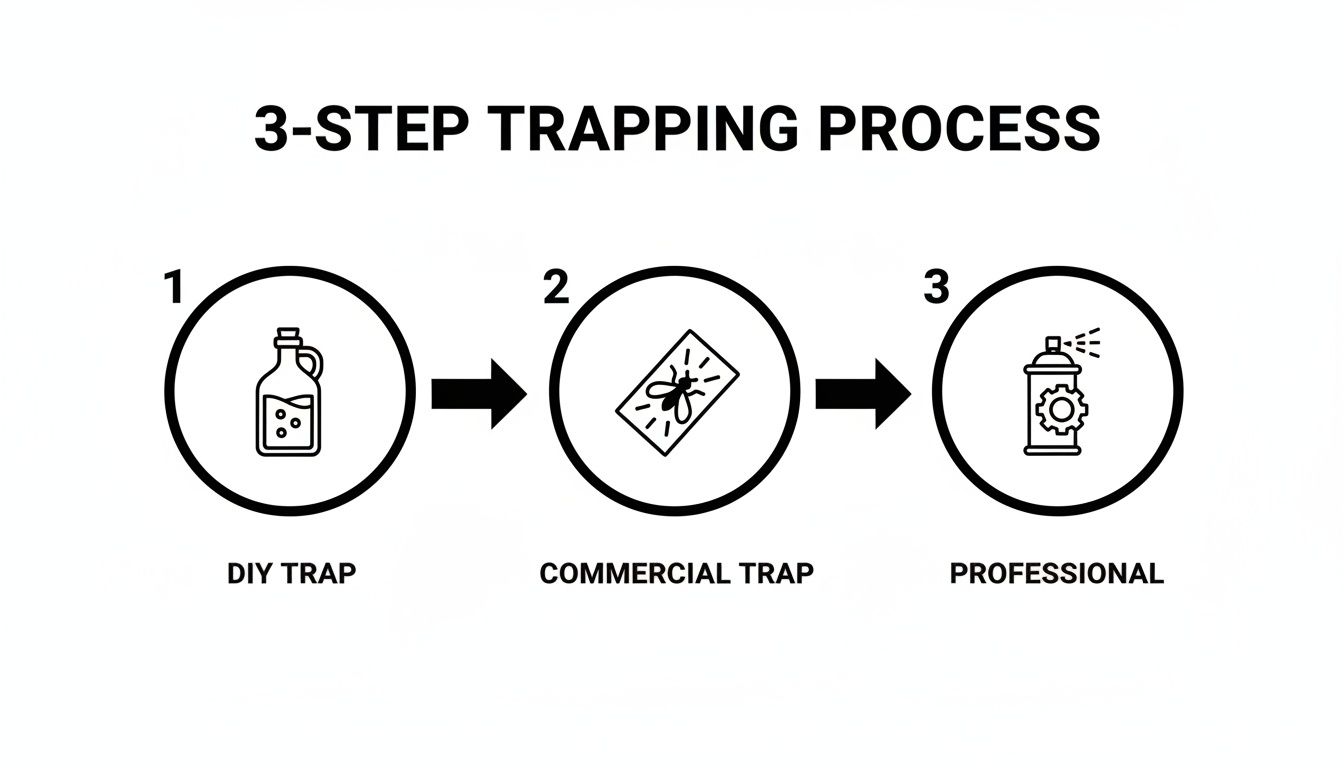
It’s a great illustration of how your tactics should adapt to the scale of the problem.
To make these routines easier, here is a simple checklist based on Integrated Pest Management (IPM) principles.
Integrated Pest Management (IPM) Checklist For Fruit Fly Prevention
This checklist breaks down preventative tasks into a manageable schedule, helping you stay ahead of potential problems.
| Frequency | Task | Why It Matters | Recommended Tools |
|---|---|---|---|
| Daily | Wipe down counters and food prep areas | Removes spills and crumbs that attract flies. | Microfiber cloth, food-safe cleaner |
| Daily | Empty all trash cans, especially those with food waste. | Eliminates a primary food source and potential breeding site. | Trash cans with lids, durable trash bags |
| Daily | Inspect produce for signs of over-ripening or decay. | Catches attractants before flies find them. | Your eyes! |
| Weekly | Clean the inside of trash and recycling bins. | Removes sticky residue and slime where flies can lay eggs. | Scrub brush, hot soapy water or disinfectant |
| Weekly | Treat drains with an enzymatic cleaner or DIY solution. | Breaks down organic buildup inside pipes, a hidden breeding ground. | Enzymatic drain cleaner, baking soda/vinegar |
| Weekly | Check for and clean up spills under appliances. | Addresses forgotten messes that can ferment and attract pests. | Mop, all-purpose cleaner |
| Monthly | Inspect screens on windows and doors for rips or holes. | Seals entry points and prevents flies from getting inside in the first place. | Screen patch kit, weather stripping |
| Monthly | Deep clean floor drains, bar mats, and beverage stations. | A more thorough cleaning to remove long-term buildup in commercial settings. | High-pressure hose, stiff-bristled brushes |
| Monthly | Check for and seal cracks around pipes, vents, and wiring. | Closes off less-obvious entry points for all kinds of pests. | Caulk, expanding foam sealant |
Following a simple schedule like this turns pest control from a reaction into a routine.
Modern Lyfe Fans: An Elegant, Proactive Barrier
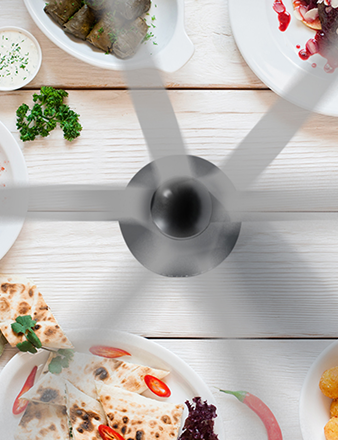
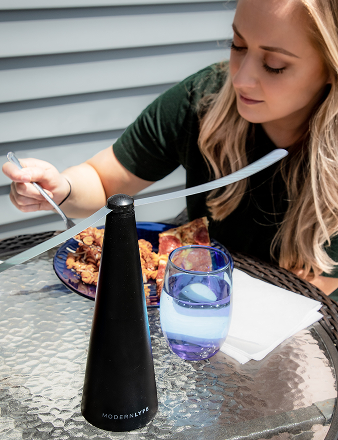
This is where Modern Lyfe fly fans become a key part of your pest management plan. By creating a gentle, localized air current, these fans establish a protected zone over dining tables, patios, or buffets. The constant airflow is a nightmare for a fruit fly, creating an invisible, chemical-free shield over your food.
Instead of swatting flies after they've crashed the party, the fans prevent them from ever landing. It’s exclusion at its most elegant—protecting your food and guests without chemicals, smells, or noise. For a restaurant with an outdoor terrace or a home hosting a barbecue, this is a game-changer.
The idea of using natural and physical barriers isn't new. In agriculture, a 30-year review of biocontrol studies found these methods had the highest success rates against 55 species of fruit flies. This strategy helped protect the $11.7 billion US fruit export market in 2022, proving that physical controls often outperform chemical ones.
Creating a Fly-Free Zone With Modern Solutions
Once you’ve cleaned breeding spots and set traps, the next step is proactive defense. This is where you shift from reacting to a problem to creating an environment where fruit flies can't gain a foothold. You're making your space a no-fly zone before they arrive.
A modern physical barrier can completely change your game. Instead of just cleaning and trapping, you're creating an invisible shield that protects your food and guests in real-time. This is a lifesaver for outdoor patios or events where you can't control the entire environment.

Putting a Great Idea Into Practice
Imagine a high-end wedding with a buffet on a sunny lawn. Or a restaurant's packed patio during happy hour. In those situations, a few sticky traps won't cut it, and spraying chemicals near food and people is a hard no. You need something effective that fits the scene.
This is exactly the niche Modern Lyfe fly fans were designed for. They are a practical tool for maintaining hygiene and keeping guests happy.
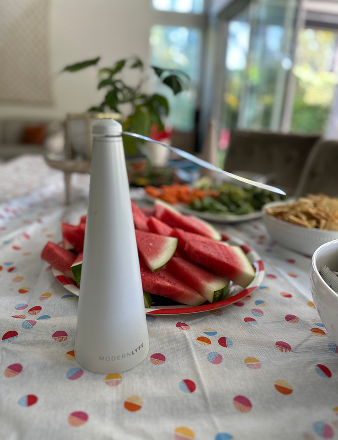
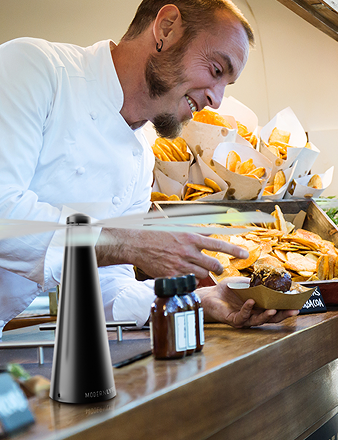
- For Catered Events: A few sleek, battery-powered fans along the buffet table are a game-changer. Their blades create a gentle breeze that weak fliers like fruit flies can't navigate, preventing them from landing on the food.
- For Restaurant Patios: A single fan in the middle of an outdoor table creates a personal fly-free bubble for your guests, so they can enjoy their meal without the "patio swat."
- For Home Barbecues: Set up fans near the grill and serving table to keep your burgers, salads, and desserts protected while you host.
The real goal is to integrate pest control so seamlessly that no one notices it. They just have a pleasant, pest-free experience.
The Features That Actually Matter
The magic of these fly fans is their design—they blend in while providing powerful protection. Their modern look fits with your table decor instead of screaming "pest control."
They run quietly on batteries, so there are no distracting motors or cords to trip over. That portability is huge for pop-up events, food trucks, or backyard parties where outlets are scarce.
By creating a gentle air current, these fans act as a proactive barrier. They don't just trap a few stragglers; they create an entire zone where flies can't go, preserving your food and your guests' experience.
This move toward smarter, non-chemical solutions is a growing trend. The global fruit fly control market was valued at USD 0.52 billion in 2024 and is projected to hit USD 0.78 billion by 2033. This growth is driven by massive demand for chemical-free methods in homes and businesses.
A Key Piece of Your Pest Control Puzzle
The best fruit fly control plans are layered. You start with aggressive sanitation to eliminate breeding sites, use targeted traps for existing adults, and finally, add a proactive physical barrier to protect sensitive areas.
Modern Lyfe fly fans provide that critical final layer. Using them sends a clear message: you take hygiene, food safety, and guest comfort seriously. By adding this simple, modern tool to your strategy, you can stop fighting flies and start effortlessly keeping them away for good.
Common Questions About Fruit Fly Control
Even with a solid plan, questions will come up. Getting straight answers can mean the difference between winning the war and fighting an endless battle. Here, we tackle the most common questions with a focus on sanitation and exclusion.
How Long Does It Take to Get Rid of Fruit Flies?
The timeline depends entirely on you. It all hinges on how thoroughly you find and eliminate their breeding grounds.
Once you’ve cut off every source, the adult flies you see will die off naturally in about eight to ten days. That's their entire adult lifespan.
So, if you've cleaned everything and still see new flies a week later, you missed a spot. It’s time to play detective again. Check under the fridge, deep in the pantry, and especially inside your drains.
Key Takeaway: You can't just wait them out. The existing adults will disappear in about a week, but only if you've destroyed every place where new flies can hatch.
Can Fruit Flies Come From the Drains?
Yes, absolutely. Drains are one of the most common—and sneakiest—breeding sites. To be clear, they aren't coming up from the sewer. They are breeding in the slimy organic film, called biofilm, that coats the inside of your pipes.
That gunk is a five-star hotel for fruit flies, providing the perfect moist, food-rich environment to lay eggs. Pouring bleach down the drain won't solve it; it won't physically remove the slime they live in.
To properly clean your drains:
- Scrub it out. Use a stiff, long-handled pipe brush to physically break up the biofilm.
- Bring in the enzymes. Follow up with a microbial or enzyme-based drain cleaner, which contains bacteria that digest the remaining organic goo.
- Flush it clean. Finish with boiling water to wash away all the dislodged gunk.
Why Do My Fruit Fly Traps Seem Ineffective?
If your apple cider vinegar traps are empty, it’s usually for one of two reasons. First, did you add a drop of dish soap? It's crucial. Without it, flies can land on the vinegar, drink, and fly off. The soap breaks the surface tension, so they sink.
Second, your trap might be competing with a much better food source nearby, like overripe bananas or a sticky spill. Flies will always choose the real feast over the trap.
Remember, traps are for catching stragglers. They are a tool, not a total solution.
Will Fruit Flies Go Away on Their Own?
No. A fruit fly problem will never solve itself; it will only get worse. Their life cycle is incredibly fast—from egg to adult in as little as a week. A few flies can become a swarm of hundreds before you know it.
A single female can lay up to 100 eggs per day. Unless you remove their food and breeding sites, their population will explode. Ignoring them means a much bigger fight later.
Are Fruit Flies a Sign of a Dirty House?
"Dirty" is a harsh word, but fruit flies are a definite sign of a sanitation gap somewhere. It doesn't mean your entire home is a mess. It just points to a specific spot of decaying organic matter that needs attention.
It could be something surprisingly small:
- A single potato that rolled into a dark corner of the pantry.
- A bit of spilled milk under the refrigerator.
- A damp sponge left in the sink.
- Sticky residue at the bottom of a recycling bin.
Finding the source isn't a judgment on your cleaning habits—it's about being a good detective. Think of it as a chance to fine-tune your routine and prevent the problem from returning.
Ready to add a modern, chemical-free layer of protection to your space? MODERN LYFE fly fans create an elegant and effective barrier that keeps flies from ever landing on your food. Perfect for patios, buffets, and backyard barbecues, they are the final piece in a truly comprehensive pest control strategy.