A fruit fly light is a pest control device that uses a specific ultraviolet (UV) wavelength to attract fruit flies and other flying insects. Once lured in, pests are trapped on a hidden glue board or an electric grid. It’s a low-maintenance way to manage pests, but its success depends entirely on placement and environment.
The Uninvited Guest at Your Restaurant
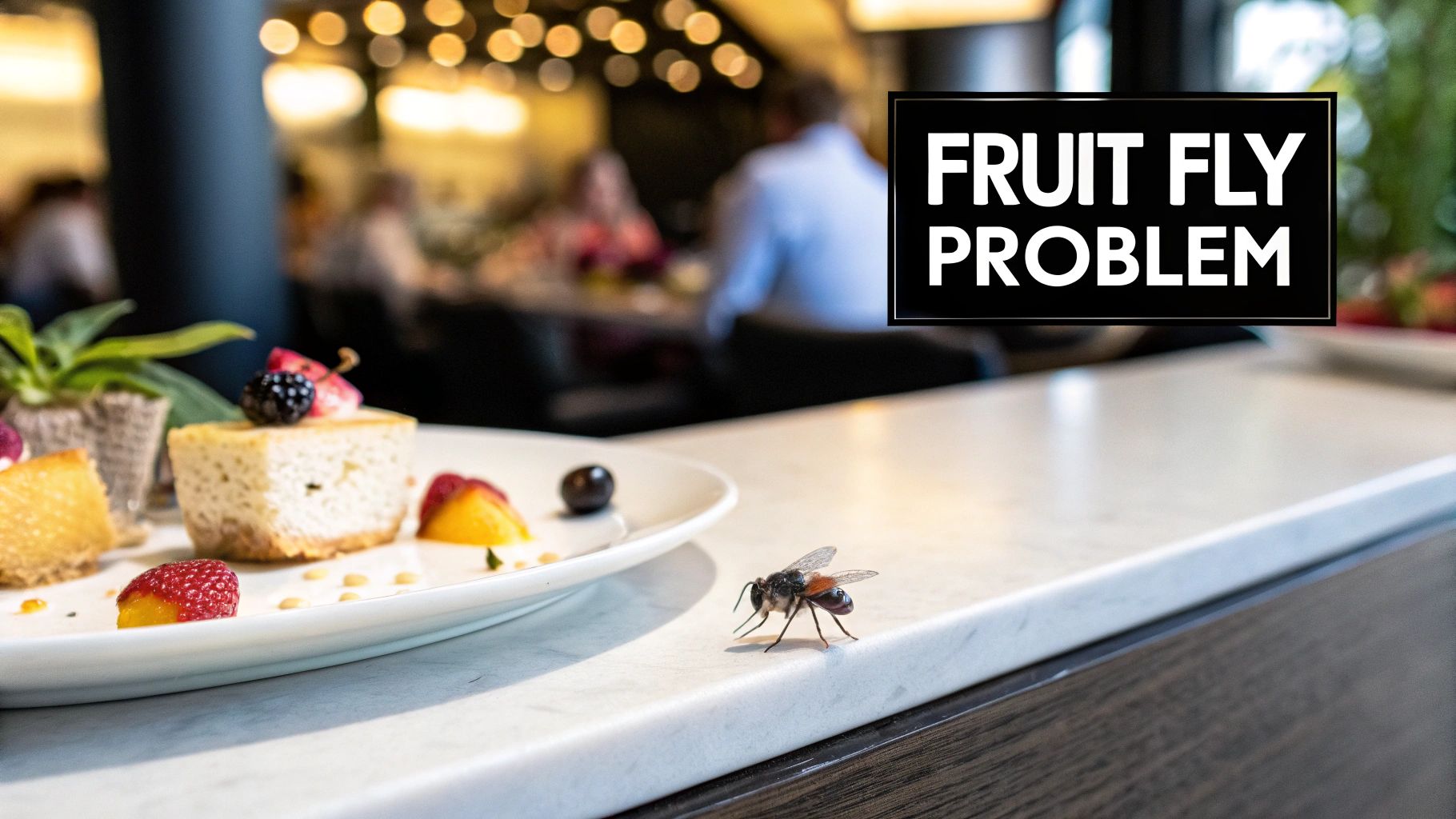
You've perfected the atmosphere in your restaurant or event space—ideal lighting, beautiful table settings, and incredible food. The last thing you need are fruit flies ruining the guest experience. For anyone in hospitality, this isn't just an annoyance; it’s a direct threat to your reputation.
These pests have a talent for showing up at the worst times, turning a great meal into a frustrating one. They swarm salads, dive into wine glasses, and crawl over buffets. Even a few flies can make a guest question the cleanliness of your entire establishment, regardless of how spotless your kitchen is.
Understanding the Attraction
So, why do these insects crash your party? It comes down to a hardwired instinct. Fruit flies are not only drawn to the smell of ripe fruit or spilled wine, but they are also intensely attracted to light. It's a survival strategy that helps them find food and avoid danger.
This natural pull is why they gather in dining areas, especially in the evening. They see your restaurant’s warm, inviting glow as a beacon for a feast. This behavior is exactly what a fruit fly light trap is designed to exploit.
This instinct is called phototaxis—the automatic movement of an organism toward a light source. For fruit flies, it's an irresistible force that guides them.
The Science Behind the Swarm
This isn't random behavior; it's a highly evolved mechanism. Imagine setting up an outdoor buffet for a wedding, only to have fruit flies descend on the fruit platters. Their attraction to light is a key part of their invasion plan, drawing them into well-lit spaces like moths to a flame.
This phototactic drive causes fruit flies, including invasive species like the Mediterranean fruit fly (Ceratitis capitata), to use light sources to navigate toward their next meal. You can find more insights about this behavior and the pests it affects.
Once you understand this instinct, it’s clear why wiping down counters isn’t enough to solve a fruit fly problem. Their attraction to light means they will always be drawn to your most visible areas. The question is, how do you turn their greatest strength into their biggest weakness?
How Fruit Fly Light Traps Lure Pests In
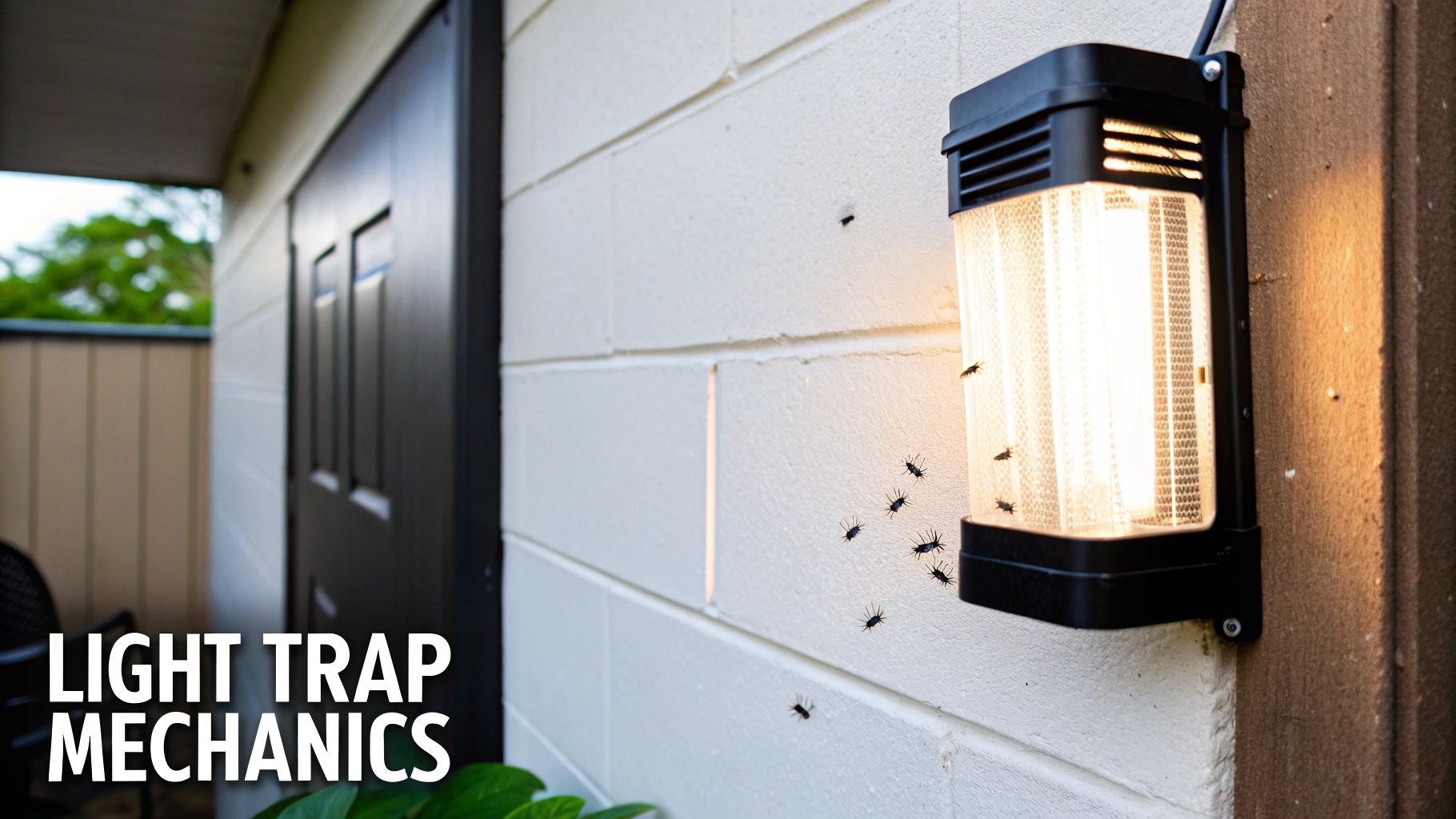
A fruit fly light trap turns a pest's biology against it. These devices exploit a fly’s natural attraction to light, turning a navigational tool into a fatal lure. They draw them in with the promise of a destination that leads straight to capture.
At the heart of every fruit fly light is a UV bulb engineered to emit a specific wavelength, usually in the 365-395 nanometer range. To fruit flies, gnats, and house flies, this spectrum is an irresistible beacon, pulling them in from across a room.
The Two-Step Capture Process
Attracting the flies is just step one. Once the UV light draws them close, the trap needs a way to eliminate them. Most commercial light traps use one of two methods, and understanding the difference helps you choose the right one for your business.
The two main designs are:
- Glue Board Traps: These use a sticky adhesive card hidden near the light. Flies investigate the UV glow and get permanently stuck. It’s a silent, discreet method that keeps pests out of sight.
- Electric Grid Traps: Commonly known as "bug zappers," these have an electrified grid around the bulb. When a fly touches the grid, it's instantly electrocuted, often with a loud "zap."
It’s a two-part system: attraction followed by elimination. The UV light is the invitation, and the glue board or electric grid is the final stop.
Components of a Standard Fruit Fly Light Trap
To understand these devices, let's break down the essential parts. Each component plays a specific role in the trap's success.
| Component | Primary Function | How It Works for Pest Control |
|---|---|---|
| UV Bulb | Attraction | Emits a specific light wavelength (365-395 nm) highly attractive to fruit flies, drawing them toward the trap. |
| Housing/Enclosure | Concealment & Safety | Hides the capture mechanism, often designed to look like a decorative sconce, and protects internal components. |
| Capture Mechanism | Elimination | This is either a glue board (sticky card) or an electric grid that traps or electrocutes flies lured by the light. |
| Ballast/Power Supply | Power Regulation | Provides the correct voltage to operate the UV bulb safely and consistently, ensuring the light remains effective. |
These parts work together to create a quiet, continuous pest control solution that runs in the background.
It's All About Strategic Attraction
A typical bug zapper on a back porch draws in every moth and mosquito—but it also brings them right next to the people it's meant to protect. A modern fruit fly light trap uses the same principle but applies it with more finesse indoors.
By using a specific light spectrum, these traps become more appealing to flies than ambient light from lamps or windows. This ensures pests head for the trap, not your customers' food. To get more technical, you can learn how ultraviolet light traps are optimized for different pests. The goal is to create one powerful beacon that intercepts flies before they become a nuisance.
The Hard Truth About Light Trap Effectiveness
Do these lights solve a gnat problem in a restaurant kitchen or at an outdoor wedding? The honest answer is: it's complicated. These devices are great at attracting and trapping flies, but their real-world effectiveness depends entirely on where and why you use them.
Think of a light trap as a specialist tool, not a magic bullet. It excels in controlled environments where it's the most alluring light source. But in bright, busy, open spaces, its performance drops. The key is understanding its strengths and its limitations.
Where Light Traps Succeed
A fruit fly light is at its best when it doesn't have to compete for attention. It works well in specific situations:
- Quiet, Dark Corners: In back hallways, storage rooms, or employee areas, a light trap becomes an irresistible beacon, capturing pests before they reach guest-facing areas.
- Overnight Control: When your restaurant is closed and the main lights are off, a well-placed trap becomes the only light source, effectively eliminating stragglers from the day.
- Targeted Interception: Placing a trap near an entry point, like a back delivery door, can catch pests right as they enter.
Where They Fall Short
Unfortunately, the places you need fly control most are often where these traps are least effective. Their entire strategy is based on attraction, which becomes a liability in busy areas with food.
Placing a fruit fly light next to a buffet line actively pulls flies toward the food you want to protect. The same problem occurs in brightly lit kitchens or on sunny patios. The trap's UV light can't compete with the sun or powerful overhead lighting, making it almost invisible to pests.
This isn't just a local issue; it's a global problem. Light-attracted fruit flies are a massive threat to agriculture, causing billions in losses annually. A 2023 outbreak in the Dominican Republic escalated partly because flies were drawn to lit packing areas, requiring a massive response to control. You can read more about the global battle against fruit flies on drkilligans.com.
The takeaway: a fruit fly light is a tool for monitoring and reducing pest populations in non-critical areas. It is not a shield for active food service zones.
Ultimately, light traps are great for confirming if you have a fly problem by showing evidence on a glue board. They catch stragglers and help reduce numbers, but they rarely solve an active infestation where it matters most—in front of your customers. For that, you need a different strategy.
A Smarter Strategy: Prevention Over Capture
Light traps catch flies that are already inside. It's a reactive game. A more effective strategy is to shift the goal from capture to prevention.
A fruit fly light is a reactive tool. It invites pests into a specific area, hoping to trap them before they cause a problem.
The problem is, this strategy has built-in risks. You're luring unsanitary insects closer to the environment you want to protect. A glue board covered in dead flies is unappealing, and electric zappers can scatter insect parts into the air—neither of which belongs in a dining room.
From Luring to Repelling
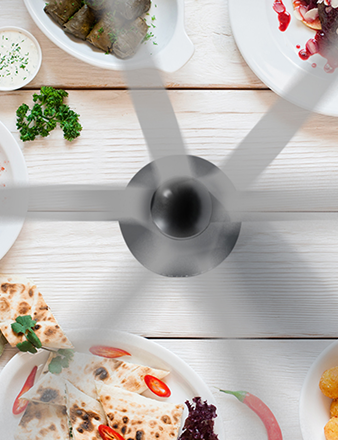
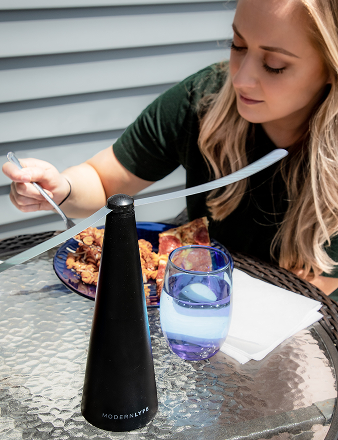
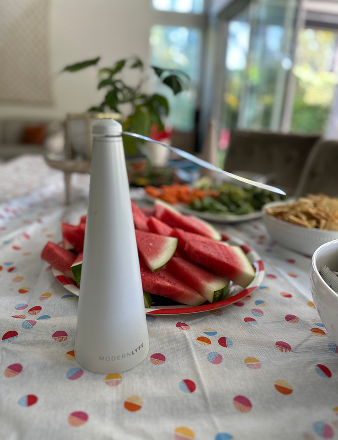
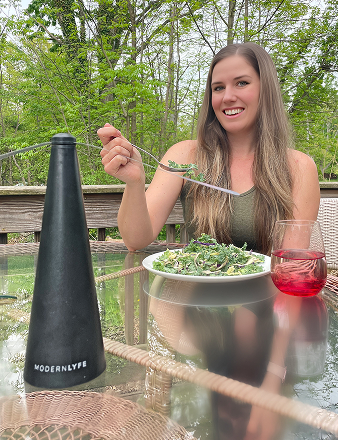
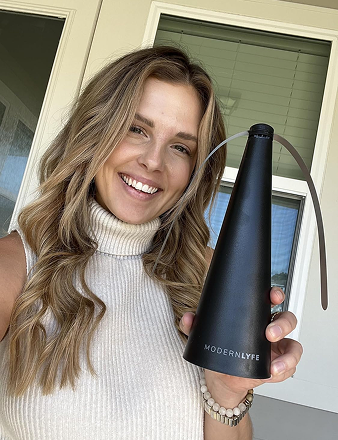
Now, imagine an invisible barrier that flies can't cross. That's the idea behind airflow solutions like the Modern Lyfe fly fan. These devices don't use light or chemical baits. Instead, they produce a gentle, consistent air current that disrupts a fly’s ability to navigate.
To a tiny fruit fly, this soft breeze feels like a hurricane, making it impossible to land on or even approach the protected area. The result is a proactive shield that keeps flies away from food and guests from the start.
The philosophy is reversed: Don't invite pests to a trap near your food; create an environment where they physically can't reach it.
This chart shows where a traditional fruit fly light trap should—and should not—be used.
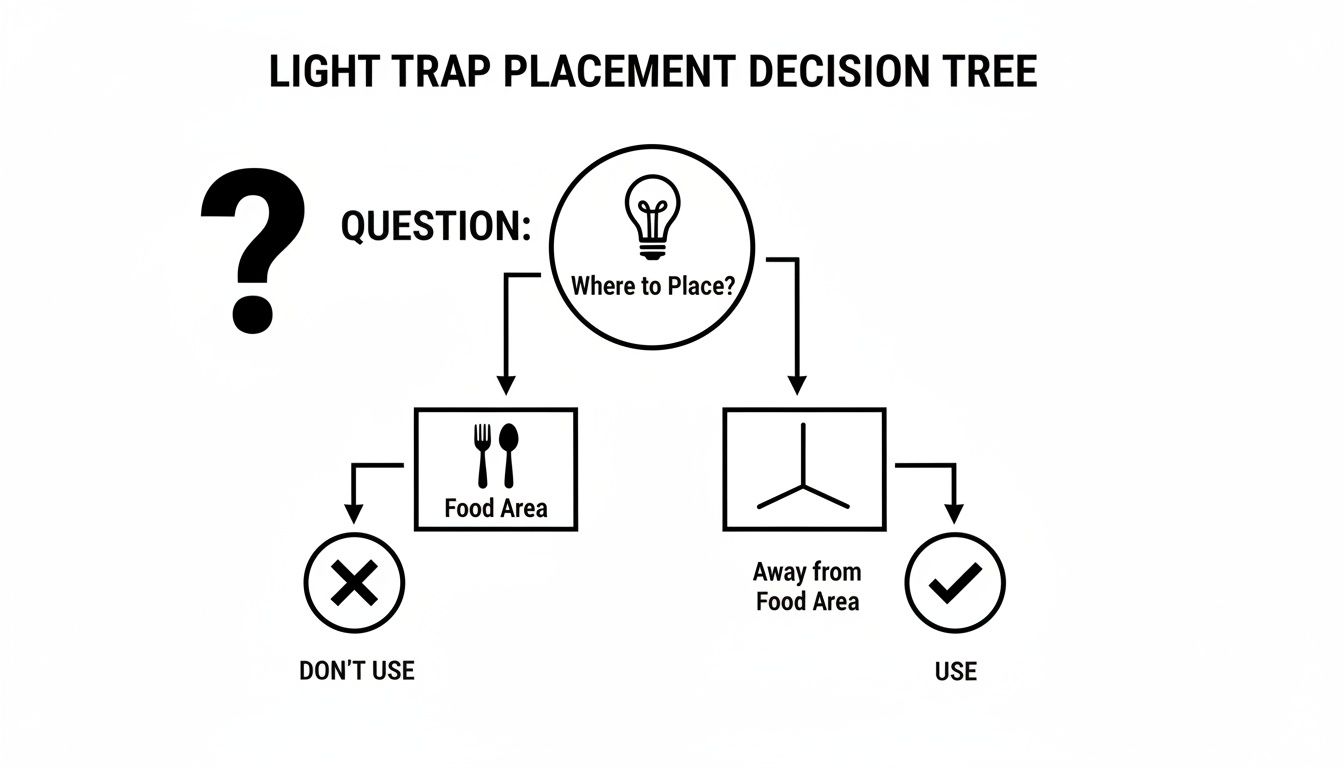
The message is clear: even proponents of light traps advise keeping them far from food. That alone highlights the fundamental flaw in using them in active service areas.
The Clear Advantage of Airflow
For buffets, host stands, outdoor patios, or catering events, the benefits of prevention are obvious. In these settings, aesthetics, hygiene, and guest comfort are paramount.
Consider these examples:
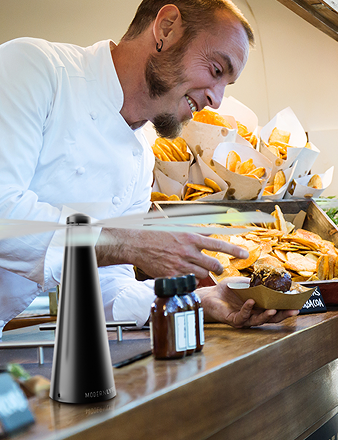
- Outdoor Wedding Buffet: A line of Modern Lyfe fly fans can create an air shield over the entire food spread. A light trap would just pull more bugs from the surrounding area toward the buffet.
- Restaurant Host Stand: A discreet fan keeps the entryway fly-free without the unappetizing sight of a glue trap full of dead insects.
- Patio Dining: Battery-powered fans are perfect for individual tables, protecting each guest's meal without noise, smells, or chemicals.
To see how these two approaches stack up, let's compare them.
Comparing Light Traps to Modern Lyfe Fly Fans
Here's a head-to-head comparison based on what matters most in hospitality.
| Feature | Fruit Fly Light Traps | Modern Lyfe Fly Fans |
|---|---|---|
| Method | Reactive: Lures flies with UV light and traps them. | Proactive: Repels flies with a gentle air current. |
| Aesthetics | Can be unsightly with visible trapped insects. | Sleek, modern design that blends into decor. |
| Hygiene | Dead insects are visible; zappers can create airborne particles. | No dead insects, no chemicals, no contaminants. |
| Placement | Must be placed away from food and high-traffic areas. | Can be placed directly on tables, buffets, and host stands. |
| Noise Level | Silent (glue boards) or may produce a "zapping" sound. | Whisper-quiet operation. |
| Effectiveness | Captures only flies attracted to the light. | Creates a protective barrier against all approaching flies. |
| Best For | Back-of-house areas, storage rooms, away from guests. | Front-of-house, buffets, patios, catering, any guest-facing area. |
The choice depends on the job. While light traps can be part of a larger pest control plan, fan-based repellents offer a more elegant and effective solution for protecting the guest experience.
Traps have their place, but a smart strategy focuses on prevention. A comprehensive approach includes understanding various methods, like strategies to eliminate elusive indoor pests like no-see-ums by sealing entry points and maintaining sanitation. This holistic thinking is the key to a pest-free operation.
Using Light Traps The Right Way
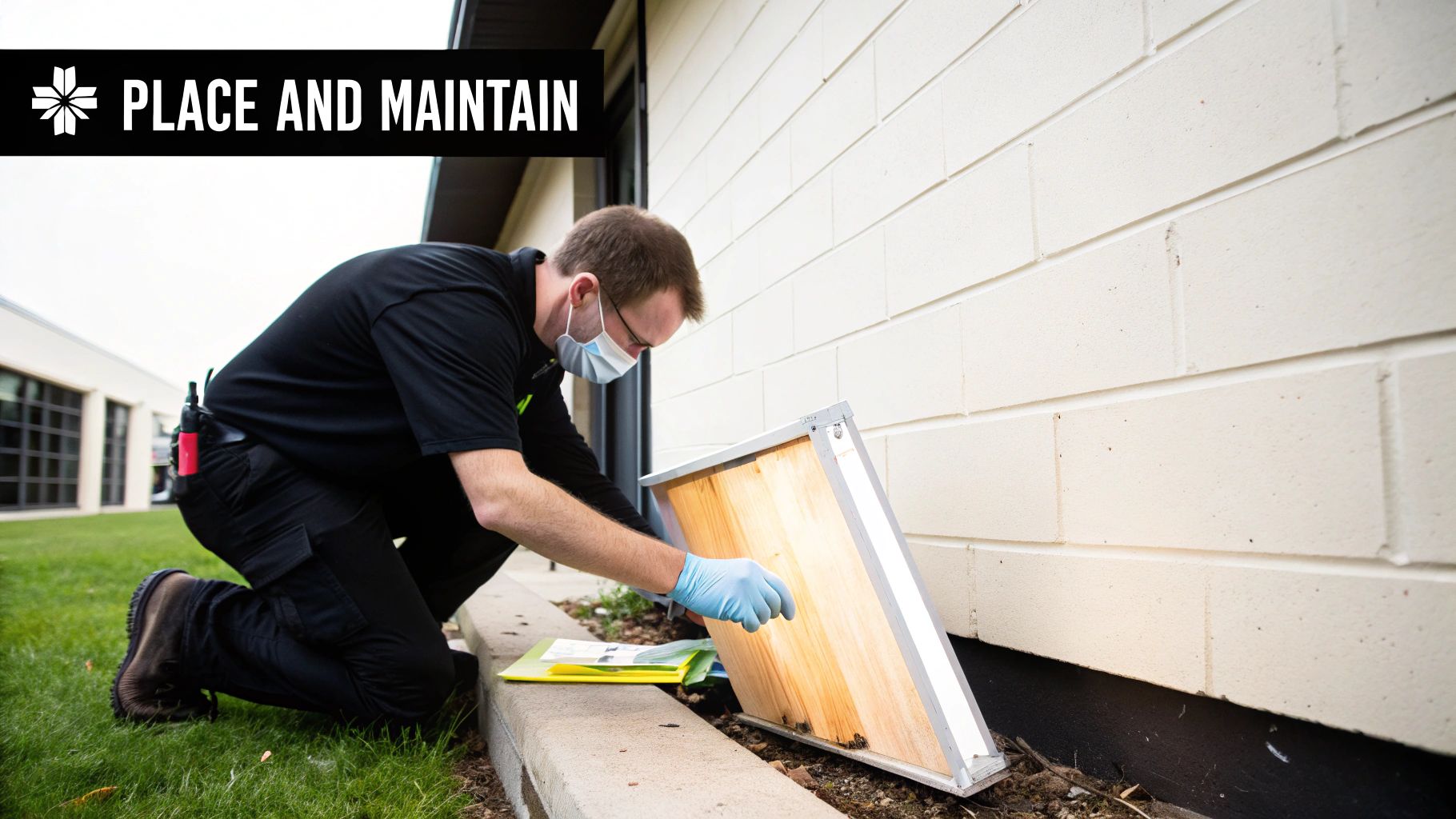
A fruit fly light can be part of a pest control plan, but it's not a magic bullet. To get real results and avoid making things worse, you have to use it correctly.
Placement is everything. The trap’s UV light needs to be the most tempting beacon in the area. That means placing it far from competing light sources like windows, open doorways, or bright overhead lights. Most importantly, keep it well away from food prep or dining areas. You want to lure pests away from food, not toward it.
Maintenance and Guest Experience
These traps require consistent upkeep. A glue board covered in dead insects is not only unhygienic but also a major turn-off for customers. It can quickly become an eyesore that undermines the clean, professional image you want to project.
A light trap is only as good as its upkeep. Plan to inspect and replace glue boards every 30-60 days, or more often in busy areas, to keep them hygienic and effective.
Consider the direct impact on guests. Electric grid models that "zap" can be jarring in a quiet dining room. Even silent glue traps are a problem if they’re in a customer's line of sight—no one wants to see a bug graveyard while they eat. The goal is to solve a pest problem discreetly, not create a new, unappetizing distraction. For more placement strategies, see our guide on choosing the right fruit fly trap for restaurants.
The financial side is also significant. Fruit fly infestations cause billions in agricultural losses annually, often because produce is exposed to light during shipping. You can learn more about the global impact of these pests and their attraction to light. When managing these devices for temporary setups, you might even consider resources like event lighting rentals.
All this management highlights a key point: while light traps have their place, they demand significant effort. For front-of-house areas where guest experience is paramount, simpler and cleaner alternatives are often the more practical choice.
The Modern Choice for Flawless Guest Experiences
After breaking down the science behind the fruit fly light, a clear picture emerges. While these traps have a place in a larger pest control plan, they are fundamentally reactive. They work by luring pests in—a strategy that doesn’t make sense for the very places you need to protect most, like dining tables, buffet spreads, and outdoor patios.
Relying on light traps in customer-facing areas means you're always playing catch-up. You're waiting for flies to arrive and hoping the trap snags them before a guest notices. This approach introduces risks, from the unpleasant sight of a glue board covered in dead insects to the startling zap of an electric zapper. For today's hospitality standards, that's not good enough.
The Best Alternative is Prevention
The modern approach flips the script. Instead of capturing pests after they arrive, it’s about preventing them from ever becoming a problem. This is where fly fans from Modern Lyfe shine, offering a proactive shield that creates a flawless guest experience.
Rather than using light to draw flies closer to food, these fans create a gentle, continuous column of air. To a tiny fruit fly, this breeze feels like a hurricane, making it physically impossible to land or even get near the protected area.
This shift in strategy delivers real-world benefits that solve the problems of light traps:
- Proactive Food Protection: The fan creates an invisible barrier, keeping food clean from the start. No waiting, no hoping.
- Silent and Elegant Operation: With whisper-quiet motors and a sleek design, they blend into your decor without distracting from the ambiance.
- Ultimate Flexibility: They're battery-powered, so you can place them anywhere—on a buffet line, next to a host stand, or on individual tables for indoor and outdoor events.
Protecting Your Brand and Your Guests
In hospitality, perception is everything. A single fly can shatter a guest's impression of your cleanliness. By choosing a solution that stops the problem before it starts, you send a powerful message about your commitment to quality.
Modern Lyfe fly fans are more than a pest control tool. They’re an investment in your brand's reputation and a guarantee that every guest enjoys an impeccable experience.
Don't wait for pests to crash the party. Elevate your service and protect your hard-earned reputation by choosing a modern, elegant, and effective solution.
Common Questions, Answered
When looking into commercial pest control, questions come up. Let's tackle the most common ones about fruit fly lights to clarify what works in a professional setting.
Are Fruit Fly Light Traps Sanitary to Use Near Food?
The honest answer is no. A fruit fly light works by attracting insects, so placing one near a buffet or dining table is like sending an invitation to every pest in the area to gather near the food.
It gets worse with "zapper" style traps. When a bug hits the electric grid, it can create "fly-spatter"—tiny insect parts scattered into the air. That's a serious hygiene red flag for any food service operation. This is where fly fans shine, as they keep bugs away without any contact or chemicals.
Where Is the Best Place to Put a Light Trap?
For a light trap to work, it needs to be the most attractive light source around. You can't just stick it anywhere.
Here are the ground rules for placement:
- Keep Your Distance: Place traps 15-25 feet away from any area where food is prepared or served.
- Avoid Competition: Keep them far from windows, open doors, and bright overhead lights, which diminish the UV bulb's effectiveness.
- Find a Quiet Spot: The best locations are often out of sight—back hallways, storage rooms, or near a delivery entrance to catch pests on their way in.
This placement challenge is why light traps don't work for protecting a specific table or food station. They're built for general, background control, not frontline defense.
Can I Use a Light Trap and a Fly Fan Together?
Using a light trap and a fly fan in the same space is counterproductive. It’s like hitting the gas and the brake at the same time.
A fly fan is designed to repel pests with an air barrier. A light trap is designed to attract them. Putting an attractant next to a repellent creates a confusing setup that neutralizes the effectiveness of both. In any active food service area, a strategy focused on prevention is always the best choice.
Your reputation is on the line, and a great guest experience is non-negotiable. Modern Lyfe fly fans provide a sophisticated, proactive solution that keeps your food and your customers completely pest-free. Discover the modern way to handle pest prevention at https://modernlyfe.com.