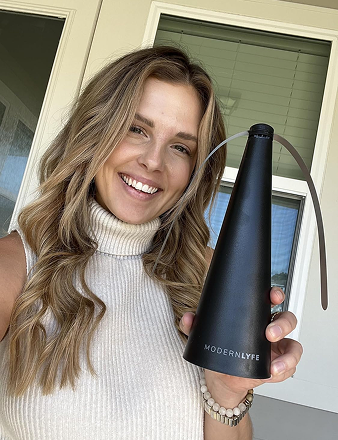
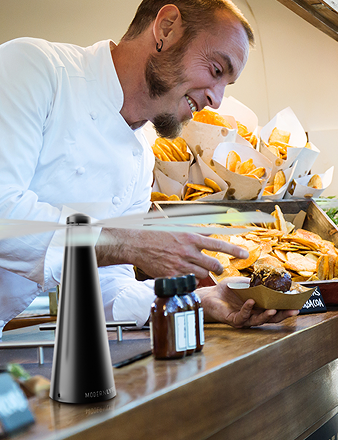
A fruit fly light trap is a device that uses ultraviolet (UV) light to attract flies and a glue board or electric grid to capture them. They work 24/7 without chemical sprays, making them a common sight in restaurants, cafes, and other commercial settings.
How Fruit Fly Light Traps Work
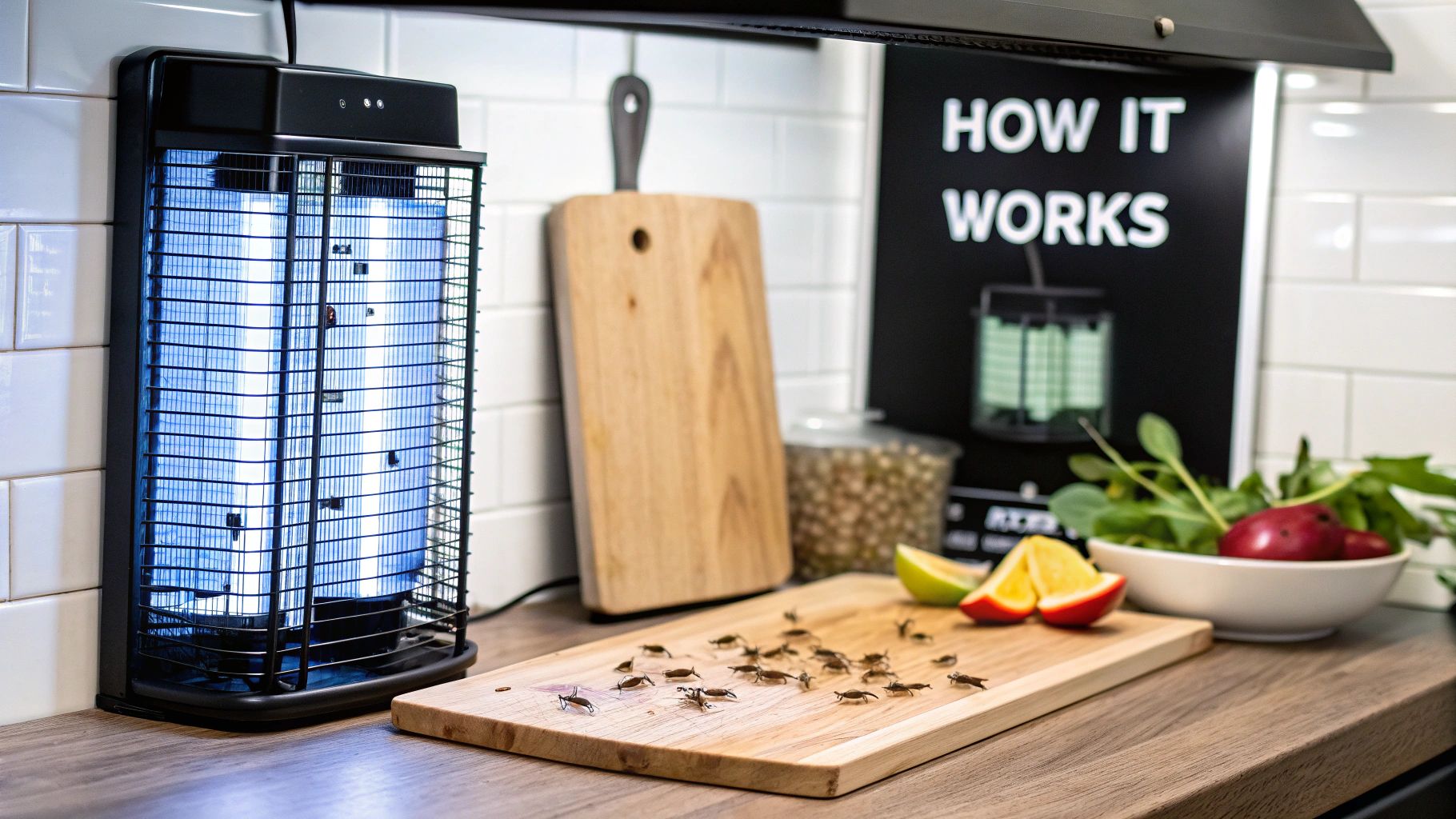
Fruit fly light traps operate on a biological principle called phototaxis—the natural movement of an organism toward or away from a light source. For pests like fruit flies, specific wavelengths of UV light are an irresistible beacon.
The trap leverages this instinct in a simple two-step process: attract and capture. First, a specialized bulb emits UV light, typically in the 365-395 nanometer range, which is highly visible to flies but mostly invisible to humans. Drawn by the glow, the flies head directly toward the device. Once they arrive, a capture mechanism takes over.
The Two Main Capture Methods
After luring a fly in, the trap must neutralize it. Commercial environments primarily use one of two trap designs.
- Glue Board Traps: These traps are silent and discreet. Attracted by the UV light, flies land on a sticky adhesive board hidden inside the unit and are permanently trapped. This method contains the dead insects, keeping them out of sight.
- Electric Zapper Traps: These traps feature an electrified grid surrounding the light source. When a fly contacts the grid, it completes an electrical circuit and is zapped. While effective, the "zap" can be loud and may scatter insect fragments, making it unsuitable for food preparation areas.
For any business, choosing between a glue board and a zapper is a critical hygiene decision. Silent glue traps are the standard for kitchens and dining areas to eliminate the risk of contamination.
Understanding these fundamentals is the first step toward building an effective pest control strategy. While light traps are a powerful solution, it's important to know how they fit into a larger plan. Learn about all available tools in our guide to the different types of fly traps for commercial spaces to make the best choice for your business.
Do Fruit Fly Light Traps Actually Work? A Reality Check
A fruit fly light trap seems like a perfect set-it-and-forget-it solution, but its effectiveness depends on the environment. In a busy restaurant kitchen or a bright dining area, competing elements can significantly reduce its performance.
The primary challenge is competing light sources. A trap's UV bulb must outshine sunlight from windows and bright overhead lighting. If the trap isn't the most dominant light source in its immediate area, flies will ignore it, especially during the day.
Furthermore, not all fly species are equally attracted to light. A quality UV trap is highly effective against common house flies and fruit flies (Drosophila melanogaster), but other species may not be as drawn to UV light, meaning the trap may not solve your entire pest problem.
Safety First: Zappers vs. Glue Boards in Your Restaurant
When serving food, safety is non-negotiable. This is where the two main types of light traps—zappers and glue boards—differ dramatically.
- Electric Zappers: The audible crackle of a zapper signals a problem: the "scatter effect." The high-voltage grid causes insects to explode, launching tiny, pathogen-covered fragments into the air. This is an unacceptable risk near food prep stations or customer dining areas.
- Glue Board Traps: This is a much safer and cleaner method. Flies are attracted to the light and captured whole on a hidden adhesive board. The insect is fully contained, eliminating the risk of airborne contamination.
The crucial difference is containment. A glue board trap secures what it catches, preventing the secondary contamination that can lead to health code violations for any food service business.
The Hidden Costs You Need to Know
The initial purchase price is only part of the total cost. To maintain a light trap's effectiveness, you must account for the ongoing expenses of maintenance and supplies.
Recurring costs are a significant part of ownership. UV bulbs lose their attractive power over time—even while they still appear to be working—and require annual replacement. Glue boards need to be changed every 30-60 days, or more frequently in areas with high fly activity.
The good news is that technology is making these traps more cost-effective. UV light traps are the fastest-growing segment of the fly trap market, with a projected 13.8% compound annual growth rate through 2030. This growth is driven by new LED technology that reduces electricity consumption by up to 60% and extends bulb life to three years or more. These advancements are making light traps a more competitive option for businesses. You can read more about the evolving fly trap market to understand the drivers of these changes.
Optimizing Placement and Maintenance in Your Business
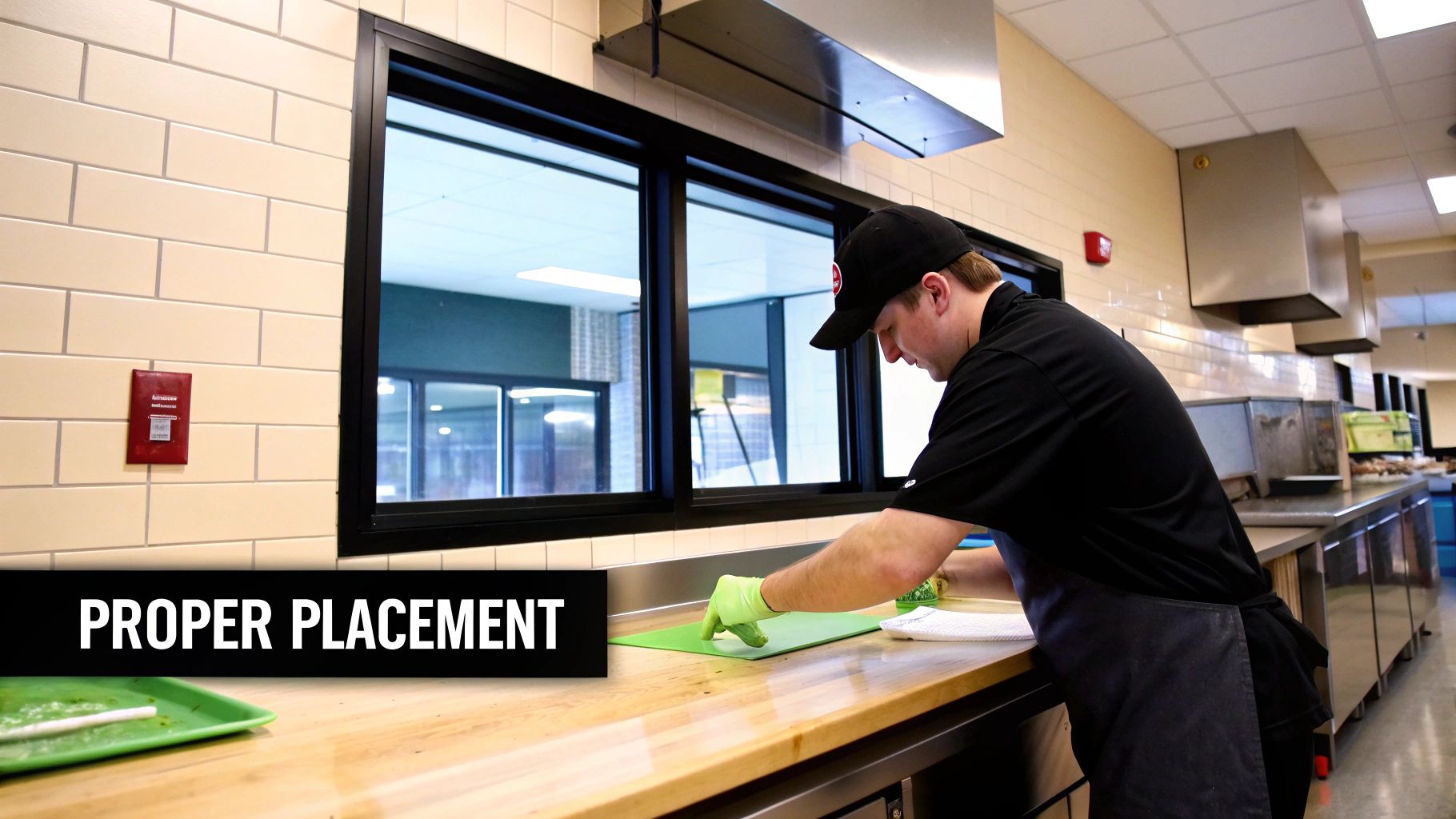
Owning a fruit fly light trap isn't enough; proper placement and maintenance are essential. A poorly placed trap is useless, while a neglected one can become a hygiene risk. The goal is to intercept flies before they become a problem, not attract them to sensitive areas.
A common mistake is placing traps next to doors, windows, or directly under bright lights. For a trap to be effective, its UV light must be the most appealing light source in the area. If it competes with sunlight or strong kitchen fluorescents, flies will ignore it.
For best results, think like a fly.
- Height Matters: Mount traps 4 to 6 feet from the floor to align with the typical flight paths of fruit flies and other small pests.
- Avoid High-Traffic Areas: Keep traps away from drafts created by air vents or fans. Flies avoid turbulence, and strong air currents can prevent them from getting close enough to be captured.
- Target Entry Points (Smartly): Place units near entry points like receiving doors, but on an interior wall rather than the doorframe itself to avoid luring pests inside from outdoors.
This quick reference guide will help you position your light traps for maximum effectiveness.
Light Trap Placement Dos and Don'ts
| Do | Don't |
|---|---|
| Place traps between 4-6 feet from the floor. | Install traps directly over food prep surfaces. |
| Mount on interior walls near potential entry points. | Position them next to windows or open doors. |
| Choose areas with low or indirect ambient light. | Place them in direct airflow from fans or HVAC vents. |
| Install them in fly "highways" like hallways. | Forget to check them regularly. |
Following these guidelines ensures your traps work for you, not against you.
Creating a Bulletproof Maintenance Schedule
Consistent maintenance integrates your light trap into your overall sanitation program. Treat it like any other item on a preventive maintenance checklist. A full trap is not only unsightly but also a significant health hazard.
A simple, repeatable schedule is essential to prevent the trap from becoming a breeding ground or source of contamination.
A well-maintained light trap is a silent guardian of your establishment's hygiene. A neglected one is a billboard for pests, displaying captured insects and losing its power to attract new ones.
Your routine has two primary tasks. First, check glue boards weekly and replace them at least every 30-60 days, or sooner if they are full. Always maintain a stock of quality fruit fly trap refills so you are never caught unprepared.
Second, address the UV bulbs. Their UV-A output degrades over time, making them less attractive to flies, even if they still appear functional. Industry best practice is to replace UV bulbs annually to maintain peak performance.
Navigating Health Codes and Hygiene Standards
Flies in your establishment are a direct path to a failed health inspection. The presence of fruit flies is an immediate red flag for inspectors, suggesting underlying sanitation problems and a clear risk of foodborne illness. A single fly can transmit pathogens like Salmonella and E. coli.
Health departments have specific regulations for pest control. A fruit fly light trap is not just a convenience; it is a required component of your food safety program. Regulators expect proactive, intelligent solutions that do not introduce new hazards.
This is a global concern. The worldwide fly trap market is projected to reach USD 427.89 million by 2025, driven largely by stricter hygiene standards in restaurants and hotels.
Meeting Health Inspector Expectations
Health inspectors are trained to identify potential hazards, and your fly control methods are a top priority. Their primary concern is that your trap could contaminate the food it is meant to protect.
If you use a trap near food prep areas, serving lines, or storage, it must have two key features:
- Shatter-Proof Bulbs: UV bulbs must have a protective coating or shield. A broken bulb cannot be allowed to contaminate food surfaces with glass shards.
- Non-Zapping Systems: Classic bug zappers are prohibited in food service areas. The "zap" causes flies to explode, scattering insect parts and germs.
The gold standard for health code compliance in food service is a glue board trap. These devices capture insects whole and contain them discreetly, eliminating the risk of airborne contaminants and satisfying inspector requirements for safe pest control.
Failure to comply can lead to serious consequences. Many common restaurant health code violations are directly linked to inadequate pest control and can result in significant fines or even a temporary shutdown.
From Compliance to Customer Confidence
Ultimately, effective pest control is about more than passing inspections; it's about protecting your reputation. A clean, fly-free environment demonstrates a commitment to your customers' health and safety.
A well-maintained and compliant pest control system signals a well-run establishment. For a deeper look at inspector priorities, this guide to mastering health inspections and food safety is an excellent resource. This dedication to cleanliness builds trust and fosters customer loyalty.
A Modern Approach to Fly Control
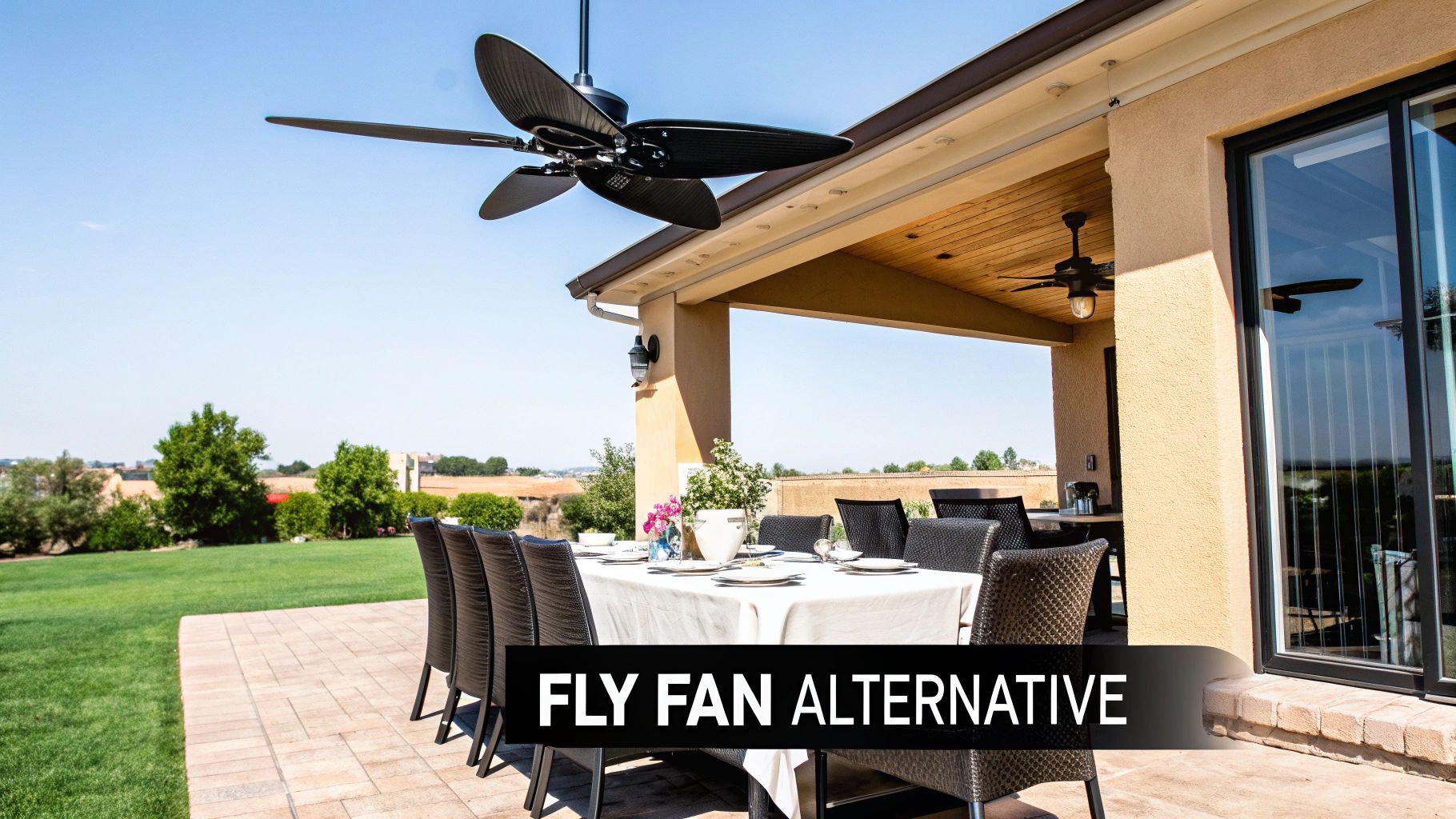
A fruit fly light trap is an effective tool for capturing pests that have already entered your establishment. It is a solid defensive measure, but it is fundamentally reactive—it addresses a problem that already exists.
Modern fly control has evolved from passive trapping to active prevention. Instead of waiting for a fly to approach a trap, you can create a protected zone where they cannot fly. This proactive approach is a game-changer for front-of-house areas, where the customer experience is paramount.
The Simple Power of Air Movement
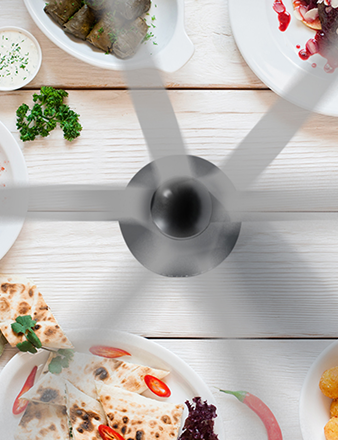
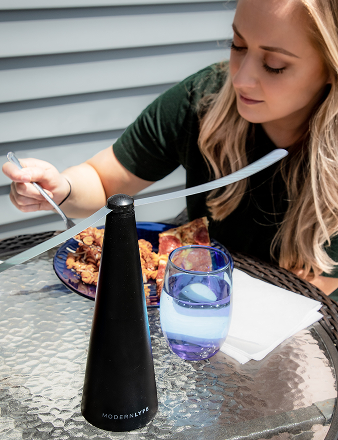
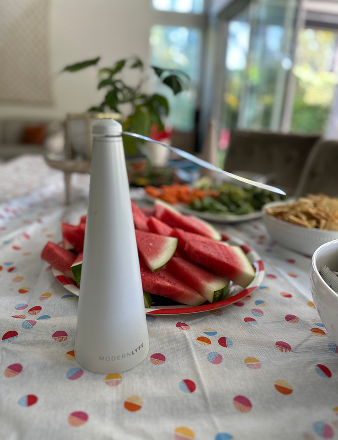
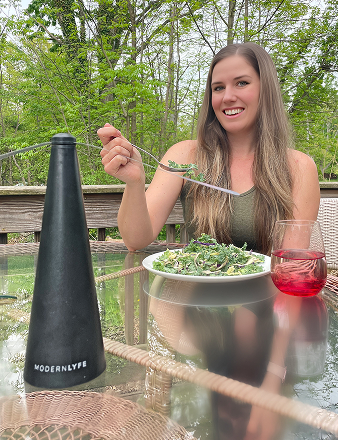
Imagine an invisible shield protecting your dining tables and buffet lines. That is the principle behind specialized fly fans. These devices are engineered to produce a gentle, consistent air current that makes it impossible for flies to land.
Flies are poor fliers; their small bodies and large wings make them highly susceptible to air movement. A soft but steady breeze is enough to disrupt their flight path, forcing them to go elsewhere. This creates a fly-free zone without chemicals, zapping sounds, or visible traps.
The best fly control isn't about catching insects—it's about creating an environment where they can't function. Air barriers turn your dining areas into no-fly zones, shifting your strategy from reaction to prevention.
This preventive method provides a seamless, sophisticated solution that protects your patrons' experience without them even noticing.
Why Fly Fans Are Perfect for Guest-Facing Areas
A fruit fly light trap is best suited for back-of-house areas like kitchens, prep stations, and storage rooms. In your dining room, patio, or at a catered event, your priorities are different. Here, aesthetics, quiet operation, and ambiance are critical.
Fly fans are designed specifically for these environments. They offer several key advantages:
- Discreet and Silent: Unlike the hum or zap of a light trap, fly fans operate virtually silently, preserving the atmosphere you've worked to create.
- Aesthetic Designs: Modern fly fans are sleek and unobtrusive. They are designed to complement your decor, not detract from it, avoiding the institutional look of typical pest control equipment.
- Better Guest Comfort: The gentle airflow not only deters flies but can also provide a subtle cooling effect for guests, enhancing their comfort.
This approach prioritizes the guest experience, ensuring that customers notice your food and service, not a pest problem. It is a clean, modern, and respectful way to manage pest control where it matters most.
Choosing the Right Fly Solution for Your Space
Selecting the right fly control system requires a zone-based approach. The needs of a back-of-house kitchen are entirely different from those of a front-of-house dining patio. The goal is to match the tool to the environment to ensure both hygiene and a positive guest experience.
For non-public areas—kitchens, dishwashing stations, and storage rooms—the focus is on effectiveness and compliance. In these spaces, a fruit fly light trap with a glue board system is a powerful and appropriate tool. It works quietly in the background to capture pests and help you meet health code requirements.
The equation changes in guest-facing areas. Your dining room, bar, or outdoor seating area is a curated space. The last thing you want is a visible trap disrupting the ambiance.
Front-of-House vs. Back-of-House Strategy
In front-of-house zones, the strategy must shift from trapping to prevention. This is where modern fly fans, like those from Modern Lyfe, excel. They create a gentle but effective air barrier that prevents insects from landing on tables or bothering guests. It is a discreet, silent, and more elegant solution that prioritizes customer comfort.
The smartest fly control strategy uses different tools for different jobs. Reserve the fruit fly light trap for non-public work areas and deploy modern fly fans to protect your guest experience where it matters most.
This targeted approach ensures every part of your business is protected appropriately. A light trap handles the heavy lifting in the kitchen, while fly fans maintain a pristine, pest-free environment for your customers.
Fly Control Comparison Fruit Fly Light Trap vs. Modern Lyfe Fly Fan
This comparison can help you decide which tool is best for each area of your business.
| Feature | Fruit Fly Light Trap | Modern Lyfe Fly Fan |
|---|---|---|
| Primary Function | Attracts & captures existing flies. | Repels & prevents flies from landing. |
| Ideal Location | Back-of-House (Kitchens, Storage) | Front-of-House (Dining, Patios, Events) |
| Aesthetics | Utilitarian and functional. | Sleek, modern, and discreet. |
| Guest Impact | None (when hidden); negative if visible. | Positive (silent, adds gentle airflow). |
| Maintenance | Regular glue board/bulb replacement. | Minimal; occasional wipe-down. |
By thinking in terms of zones—back-of-house versus front-of-house—you can build a fly control system that is both highly effective and completely invisible to your guests.
Common Questions Answered
If you are still evaluating your options, here are answers to some of the most common questions about fruit fly light traps.
How Quickly Do Light Traps Start Working?
A quality light trap begins working immediately, attracting and capturing flies within hours. Most users see a significant reduction in the fly population within 48 hours.
However, in cases of a severe infestation, it may take several days to gain full control as new flies emerge.
Can I Use the Same Trap in the Kitchen and Dining Room?
While you technically can, it is not the best strategy. A fruit fly light trap is an excellent tool for back-of-house areas like kitchens, where the primary goal is containment.
In the dining room, the guest experience is the top priority. A more discreet and proactive solution, like a fly fan, is a better choice for maintaining a welcoming atmosphere. This decision guide clarifies the ideal placement.
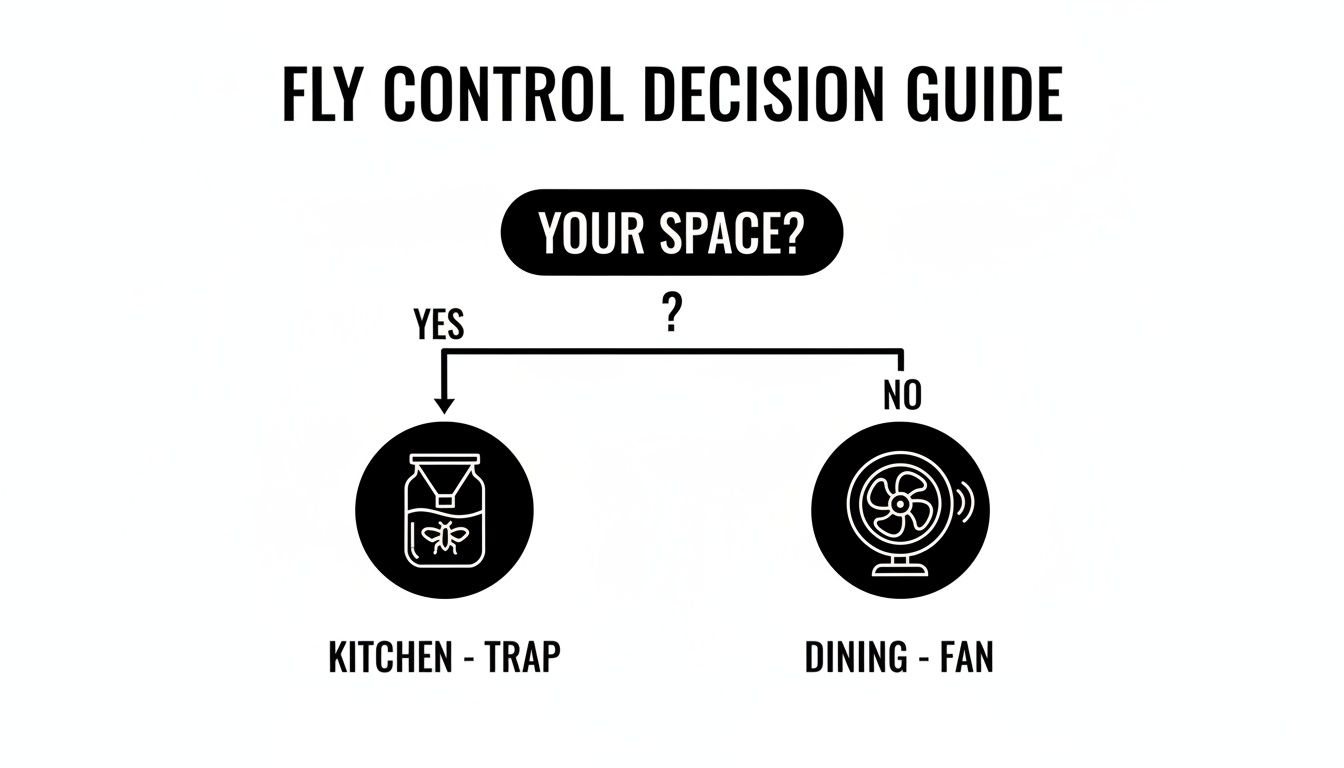
The key takeaway is to match the solution to the space. This approach protects both your hygiene standards and your customer's dining experience.
Do These Traps Attract Other Bugs Besides Fruit Flies?
Yes. The UV light that is highly attractive to fruit flies also attracts other phototactic pests, such as moths and gnats.
This can be beneficial, turning the trap into an all-purpose insect control device for non-public areas. However, if fruit flies are your exclusive target, be aware that you will likely capture other insects as well.
Ready to protect your guest experience with a modern, elegant solution? The MODERN LYFE fly fan creates a pest-free zone without noise, odors, or unsightly traps. Discover the Modern Lyfe difference and give your customers the comfort they deserve.