Let's get one thing straight: you can't swat your way out of a fruit fly problem. Real prevention means creating an environment where they simply can't survive. It's a game of aggressive sanitation, smart storage, and physically blocking them from their next meal. This is how you win the battle before it starts.
Why Proactive Fruit Fly Prevention is Non-Negotiable
A few fruit flies are more than just an annoyance—they're a bright red flag for poor hygiene. To a guest, a single fly can ruin their entire experience. For you, it’s a sign that a much bigger problem is brewing out of sight.
Consider this: a single female fruit fly can lay up to 500 eggs in her short life. If you wait until you see a swarm, you're already behind. A proactive strategy is the only one that works. It’s about shifting from reactive control (setting traps) to preventative denial, cutting off the two things they need: a food source and a place to breed.
The Foundation of a Fly-Free Zone
An effective plan isn't complicated, but it requires consistency. It boils down to a few core concepts that make your space completely inhospitable to pests.
-
Aggressive Sanitation: This is more than a quick wipe-down. It means deep cleaning drains, scrubbing under equipment, and eliminating the slimy organic film where fruit flies lay eggs.
-
Smart Storage: How you manage food and drinks is everything. Use covers for liquor bottle spouts, immediately refrigerate ripe produce, and seal everything in airtight containers.
-
Active Exclusion: This is your physical defense line. Use airflow from fans and other barriers to make it impossible for flies to land on or near food. They're weak fliers, and a little air movement goes a long way.
The best pest management is always preventative, not reactive. When you focus on eliminating their breeding grounds through sanitation and smart protocols, you're treating the cause of the infestation, not just the symptom. To go deeper, you can explore the principles of integrated pest management in our detailed guide.
To get you started, here’s a quick-reference checklist for the most common hotspots in homes and commercial kitchens. Consistently keeping these areas clean builds a strong foundation for a fruit fly-free environment.
Fruit Fly Hotspot Prevention Checklist
This table breaks down common breeding grounds and gives you a clear, actionable step for each. Hit these spots consistently and you'll see a dramatic difference.
| Hotspot Area | Primary Attraction | Key Prevention Action |
|---|---|---|
| Drains and Disposals | Organic buildup and sludge | Regularly treat with an enzymatic drain cleaner |
| Bar and Soda Stations | Spilled sugary liquids and residue | Wipe down all surfaces and nozzles nightly |
| Trash and Recycling Bins | Fermenting waste and moisture | Use lidded cans and empty them daily, at minimum |
| Unrefrigerated Produce | Overripe fruit and vegetables | Store ripe items in the fridge or airtight containers |
| Damp Mops and Sponges | Lingering moisture and bacteria | Ensure all cleaning tools are dried completely after use |
By making these actions part of your daily and weekly routines, you stop fruit flies from ever having a chance to establish themselves. It’s all about denying them the opportunity.
Your First Line of Defense is Deep Sanitation
Let’s be clear: the war against fruit flies is won or lost on sanitation. This isn't about a quick wipe-down at the end of the night. It’s a relentless, systematic approach that makes your space utterly inhospitable to these pests.
The secret isn’t a magic spray—it's unwavering consistency. I've seen a single spilled drink or a damp spot under a bar mat become a full-blown nursery in less than 48 hours. A non-negotiable, proactive cleaning plan is your most powerful weapon.
Think Like a Fly: Target the Grime They Love
To stop them, you have to get into their mindset. Fruit flies aren't laying eggs on your gleaming countertops. They're searching for the dark, damp, forgotten corners where organic gunk collects. An effective plan means dissecting your space—whether it’s a high-volume restaurant or your own kitchen—and zeroing in on these high-risk zones.
From my experience, these are the places you absolutely have to hit:
- Floor Drains and Sink Drains: The slimy, organic film (biofilm) inside the pipes is the number one breeding ground. No question.
- Underneath Bar Mats and Appliances: Spills and moisture get trapped here, creating a perfect, undisturbed breeding paradise.
- Soda Guns and Beverage Stations: The sticky, sugary residue from the smallest drips is a five-star meal for fruit flies.
- Grout Lines and Baseboard Crevices: Organic debris gets packed into tiny cracks, providing more than enough to support a population.
This visual guide breaks down the core elements of prevention, starting with sanitation.

As you can see, sanitation is the foundation. From there, you layer on proper storage and physical barriers to create a defense they can't breach.
A Cleaning Schedule That Actually Works
A solid cleaning protocol is a schedule with assigned tasks broken down by daily, weekly, and monthly duties. This ensures nothing gets overlooked long enough to become a problem. Here’s a playbook, modeled on what the best foodservice operations do, that you can adapt for your space.
The Daily Non-Negotiables
- Wipe down all surfaces that touch food or drinks. Pay special attention to soda gun holsters and drip trays.
- Clean spills the moment they happen. Use a proper cleaner to eliminate all sugary residue.
- Empty every trash and recycling bin. Ensure they're clean and dry inside, with no leftover gunk.
- Flush sink drains with hot water for at least a minute at the end of the day to clear fresh debris.
Weekly Deep-Cleaning Missions
- Pull up all floor mats and scrub underneath them with a deck brush and a good degreaser.
- Thoroughly clean and sanitize ice bins and the components of your ice machine.
- Move any movable equipment to clean behind and under it, hunting for spilled syrups and old food particles.
- Treat every drain with an enzymatic drain cleaner.
An enzymatic cleaner is your secret weapon for drains. Unlike bleach, which just sterilizes the surface for a moment, these cleaners use beneficial bacteria to eat the organic sludge that lines your pipes. It doesn't just clean the drain; it eliminates the entire breeding ground.
This is a game-changer. Bleach is a temporary fix that can damage plumbing. Enzymatic cleaners solve the problem at its root.
Get Your Team (or Family) on Board
In a business, your staff is the front line. A great fruit fly program depends on every person knowing their role. Don't just hand them a checklist; make training an ongoing, hands-on conversation.
Show your team what a drain coated in biofilm looks like. Have them take apart a soda station to understand why cleaning every nozzle matters. When they get the "why"—that they are actively stopping an infestation before it starts—they become partners in the process. If a sudden swarm appears, it's also helpful to pinpoint the source by learning more about what is attracting fruit flies to your specific environment.
The same logic applies at home. Make sure everyone knows why rinsing recyclables, wiping up crumbs, and not leaving damp sponges in the sink is a big deal. It’s about building shared habits that make your home a fly-free zone.
Ultimately, rigorous sanitation isn't just about being clean. It's about taking control. When you systematically remove every food source and breeding site, you leave them with nowhere to go. That’s the most effective prevention there is.
Implement Smart Storage and Waste Protocols
A spotless kitchen is a great start, but it won't win the war against fruit flies. If you leave out a buffet, they'll show up. Winning this fight means combining aggressive cleaning with smart, consistent rules for how you store food and handle trash.
Think like a fruit fly: they are hardwired to find fermenting organic matter to eat and lay eggs in. A single ripe banana on the counter or a sticky residue in a recycling bin is a five-star resort for them. Airtight discipline is your best weapon.

Lock Down Your Food and Beverages
Your immediate goal is to make every crumb and drop of liquid completely inaccessible. This is about creating a fortress that pests can't breach.
For homeowners, this battle often starts with the fruit bowl. That beautiful display can turn into a breeding ground the moment produce hits peak ripeness.
- Refrigerate Ripe Produce: As soon as bananas get speckled or peaches become fragrant, get them in the fridge. The cold halts the fermentation process that attracts fruit flies.
- Use Airtight Containers: For items like tomatoes or onions, use containers with secure lids or store them in a closed pantry. Even a simple mesh food cover is a game-changer.
In a commercial setting, the stakes are higher. Bars and restaurants are a fruit fly’s paradise.
The most common mistake in bars is leaving liquor bottles with pour spouts open overnight. One night is all it takes for a problem to start. Covering every spout and sealing every juice container has to be a non-negotiable part of your closing checklist.
This simple, two-minute habit pays huge dividends by cutting off the sweet aromas that draw flies in.
Overhaul Your Waste Management
Your garbage can is either a sealed vault or a fruit fly nursery. There's no in-between. Getting waste management right is one of the most critical moves you can make.
The strategy is simple: deny access and get waste out before it ferments. This takes discipline with both your bins and your schedule.
Choose the Right Bin If you take away one thing, let it be this: your trash and compost bins must have a tight-fitting lid. Open-top bins are a massive liability. A good lid traps odors in and keeps pests out.
Liner Discipline is Key Always use a liner and change it often. If a bag tears and leaks, you've created a foul, soupy mess that’s a perfect breeding habitat. Make it a rule to wipe out the inside of the can every time you change the bag.
The Problem with Recycling Bins
Don’t let your recycling habits create a pest problem. The tiny bit of sugary film in a soda can or the last drops of wine in a bottle is more than enough to attract and feed a fruit fly population.
Your recycling bin needs the same strict treatment as your trash:
- Rinse everything: A quick swirl of water removes the residue.
- Use a lidded bin: Keep it covered.
- Empty it frequently: Don’t let cans and bottles pile up, especially when it’s warm.
Beyond just getting rid of waste, a bulletproof system involves looking at how much you're producing in the first place. For any business, this can have a real impact on your bottom line. You can dive deeper into this by mastering food waste reduction strategies.
Create an Unforgiving Removal Schedule
How often you take out the trash and recycling matters. The fruit fly life cycle—from egg to adult—speeds up dramatically in heat. A cycle that takes two weeks in cool weather can shrink to just a few days during a summer heatwave.
Once the temperature gets above 70°F (21°C), any trash containing food waste needs to go out daily. For a busy restaurant or bar, this might even mean clearing it multiple times a day.
By putting these smart storage and waste protocols into action, you systematically take away every reason for a fruit fly to be in your space. Combined with rigorous sanitation, you create a powerful defense that leaves them with nothing to work with.
Go on the Offensive With Airflow and Barriers
Once you’ve nailed sanitation, it’s time to go on the offensive. A clean space is your baseline defense, but to truly shut down a fruit fly problem, you need to create an environment where they simply can't operate. This means actively defending your food and guests.
Your two best weapons are physical barriers and targeted airflow. Fruit flies are terrible fliers. Even a gentle breeze feels like a hurricane to them, making it impossible to land. We can use this weakness to our advantage.

Put Airflow to Work: Smart Fan Placement
Moving air is a game-changer. You don't need a wind tunnel; a subtle, steady current is all it takes to throw a fruit fly off course. The key is placing fans strategically to protect your most vulnerable spots.
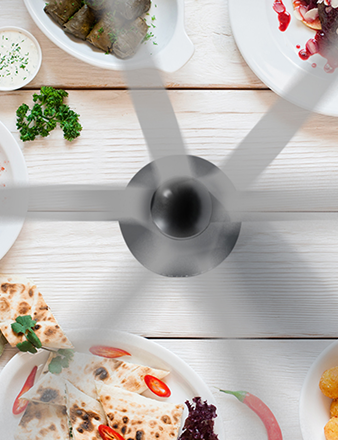
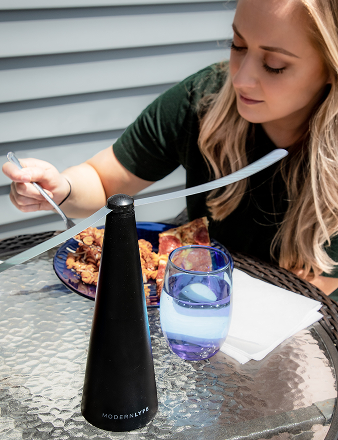
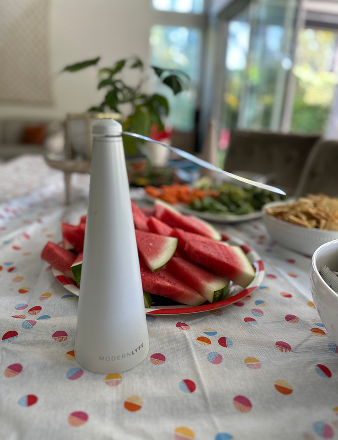
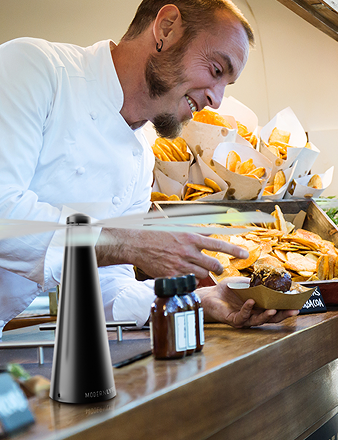
Purpose-built tools like tabletop fly fans from Modern Lyfe really shine here. They're designed to be quiet and unobtrusive, so you can create a protective air zone without blowing napkins everywhere.
Here’s how to use them effectively:
- For Buffets and Spreads: Place a fan at each end of a buffet line. This creates a gentle "air curtain" over the food, forming an invisible shield.
- At Dining Tables: Whether it’s a restaurant patio or a backyard barbecue, a single fan in the middle of the table keeps the entire space clear.
- In Kitchen Prep Zones: Position a small fan near your garnish station or where you prep fruit to stop flies from landing on ingredients.
A key takeaway: Be proactive. Turn the fans on before you bring the food out. By establishing protective airflow ahead of time, you ensure flies never get a chance to land.
For high-traffic commercial doorways, consider installing air curtains. These create a more powerful, invisible barrier that stops pests from entering.
Simple Physical Barriers That Get the Job Done
While airflow is your active weapon, don't forget simple, static barriers. Think of them as reinforcing your defenses.
Make sure these essentials are in place:
- Fine-Mesh Screens: This is non-negotiable for windows and doors. Check them regularly for tiny rips or gaps.
- Food Covers: For anything left on a counter, a simple mesh or solid food cover works perfectly.
- Lidded Bins: We’ve said it before, but it’s the most critical physical barrier. All trash, recycling, and compost bins need tight-fitting lids.
The idea of using a fan to deter flies might sound too simple, but its impact is undeniable. You can see for yourself do fly fans work in our detailed analysis. When you combine these airflow tactics with solid physical barriers, you're not just cleaning up after fruit flies—you're building a fortress against them.
How to Monitor Your Defenses and Adapt on the Fly
Once you’ve put in the work on sanitation, storage, and airflow, your job shifts to intelligence gathering. This is your early-warning system, crucial for stopping a small problem from turning into a full-blown infestation.
Trapping isn’t just about killing the few flies that sneak past your defenses. It’s a powerful diagnostic tool. You can buy commercial traps, but for pure monitoring, a simple homemade version is often better. You can set out several at once to quickly find where the flies are coming from.
A Go-To DIY Trap for Pinpointing Hotspots
Forget complicated recipes. The most reliable DIY trap uses the fermenting scent of apple cider vinegar to lure flies in and a drop of dish soap to break the water’s surface tension so they can't escape.
Here’s what you’ll need:
- A small bowl, jar, or ramekin
- Apple cider vinegar (the unfiltered, cloudy kind works best)
- A few drops of liquid dish soap
Pour about an inch of apple cider vinegar into your container. Add a couple of drops of dish soap, but don't stir. Place the uncovered bowl in any area you suspect might have activity.
That’s it. It’s cheap, takes 30 seconds to make, and is incredibly effective for figuring out where your problem is starting.
Where You Place Traps is Everything
Placement is more important than the recipe. Your goal is to triangulate the source. Don't just stick one on the counter. Deploy them strategically, like a network of tiny spies.
Set traps near potential breeding grounds:
- By sinks and floor drains to see if they're coming from the plumbing.
- Next to trash cans and recycling bins to check if your waste routine needs tightening.
- Near the bar’s soda gun or your home’s coffee maker to spot sugary residue.
- Close to where you store produce on the counter or in the pantry.
Check your traps daily. If you're catching a dozen flies near the ice machine drain but only one by the fruit bowl, that's not a coincidence—it's a clue. It’s telling you to investigate that drain line for organic slime buildup. This is how you stop guessing and start knowing.
The number of flies you catch is your feedback. If traps stay empty, your prevention plan is working. If one trap suddenly fills up, you’ve just found your next target for a deep clean.
Adjusting Your Strategy With the Seasons
Fruit fly activity explodes with heat and humidity. Their life cycle, which can take two weeks in cool weather, shrinks to just 7-8 days when temperatures rise. This means your prevention efforts have to get more aggressive in late summer and early fall.
What worked in May won't be enough in August. During these high-risk months, be extra vigilant.
Seasonal Adjustments for High-Pressure Months:
- Waste Removal: If you take out the trash daily, start doing it twice a day.
- Drain Cleaning: Move from weekly enzymatic treatments to twice-weekly to prevent biofilm from getting a foothold.
- Surface Cleaning: Double down on wiping up spills and sticky residue, especially in bar areas and on prep counters.
This ramp-up costs little compared to a full-on eradication effort. The United States runs Fruit Fly Exclusion and Detection Programs (FFED) that use over 160,000 traps to monitor for potential outbreaks. California alone spends around $16 million annually on its preventative program—a fraction of what an infestation would cost. You can read more about how the nation fights these pests on Dr. Killigan's blog.
Think of your seasonal adjustments the same way: spend a little on prevention now to avoid spending a lot on a cure later. Constant monitoring and adapting isn’t a sign of failure; it’s the hallmark of a smart, winning strategy.
Your Questions on Fruit Fly Prevention Answered
Even the best plans run into snags. When you're dealing with something as persistent as fruit flies, questions pop up. Let's tackle some of the most common ones.
Why do I have fruit flies in a spotless kitchen?
It's frustrating: a kitchen that looks perfectly clean is still buzzing with fruit flies. The problem isn't the visible surfaces—it’s the hidden spots where they breed.
Think like a fruit fly. They’re looking for dark, damp places with fermenting gunk.
Common culprits include:
- Slimy organic film building up inside a slow-running drain.
- A damp mop head or sponge stashed away under a sink.
- Sticky residue at the bottom of a recycling bin from old wine, beer, or soda.
- A single, rogue potato or onion that rolled under a cabinet months ago.
All it takes is one overripe piece of produce or a little residue to kickstart a new generation. Broaden your definition of "clean" to include hunting down and eliminating these hidden moisture and food sources.
What is the best way to use a fly fan?
Think of a fly fan, like those from Modern Lyfe, as a bouncer for your buffet table. Its job is to create an invisible barrier before pests crash the party. It's a proactive tool, not a reactive one.
The trick is using them to generate a consistent, gentle "air curtain" over your food. For a long buffet, place one fan at each end. For a standard dining table, one fan in the center is perfect.
The most important thing is to turn the fans on before the food comes out. This establishes protective airflow from the get-go, so flies are repelled from the start. Their quiet operation protects your food without interrupting a single conversation.
Are DIY traps as good as commercial ones?
Both DIY and commercial traps have their place, but they serve different purposes.
A simple DIY trap—a small bowl of apple cider vinegar with a drop of dish soap—is a diagnostic tool. It’s not about catching every fly; it’s about gathering intelligence. Placing a few around your space quickly shows you where flies are congregating, pointing you to the breeding source.
Commercial traps often use more powerful attractants and are better for knocking down a large adult population quickly. But here’s the bottom line: no trap, DIY or commercial, will ever solve an infestation on its own. Traps only catch adults. The only long-term solution is to eliminate their breeding grounds through sanitation. Use traps to monitor and reduce the population, not as your entire strategy.
Ready to stop swatting and start preventing? Create a comfortable, fly-free zone for your guests and family with Modern Lyfe. Our stylish and effective fly fans are the perfect, elegant defense for any table. Visit us today to find the right fan for your space.