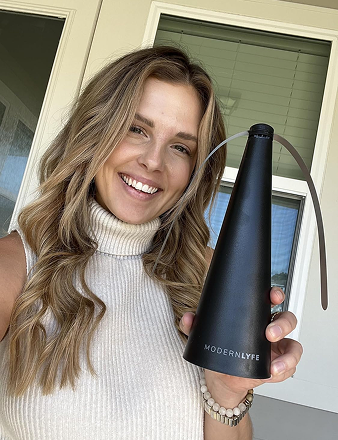
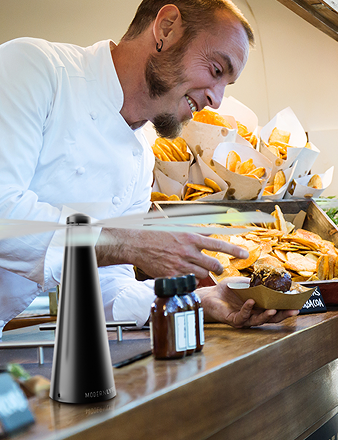
Dealing with fruit flies? The market is flooded with options, from sticky traps and sprays to advanced airflow fans. The key is finding the right tool for the job, especially in a professional setting where performance, safety, and guest perception are non-negotiable.
Protecting Your Reputation from a Tiny Threat

Think about the perfect guest experience you work so hard to create: impeccable service, a carefully crafted menu, flawless ambiance. Now, imagine a single fruit fly buzzing a customer's wine glass, undoing all that effort. It seems small, but that tiny pest is a huge threat to your reputation.
For anyone in hospitality—restaurants, caterers, event planners—fruit flies are more than an annoyance. They scream "unclean" to customers. They can spoil expensive ingredients, ruin a meal, and spark a wave of one-star reviews that can damage your business for years.
The Business Case for Proactive Control
This is why choosing high-quality fruit fly products isn't just another cleaning task; it’s a core part of protecting your brand. The problem is so common and the stakes so high that a massive industry has grown around it.
The global fruit fly control market was valued at USD 1.23 billion in 2024 and is projected to reach USD 1.85 billion by 2033. This growth is driven by the demand for fresh, healthy food in commercial spaces where pristine hygiene is non-negotiable. You can explore the full fruit fly control market report for more details.
The numbers are clear. As customer expectations for quality and cleanliness rise, so does the pressure to manage pests effectively. Ignoring a fruit fly problem is a gamble that can cost you thousands in lost inventory and lasting damage to your reputation.
More Than Just a Nuisance
A fruit fly problem introduces real operational and financial risks that go far beyond a single complaint. Here's what’s really at stake:
- Damaged Guest Experience: Flies buzzing around a table instantly cheapen the entire experience, shattering the premium atmosphere you've built.
- Food Contamination and Waste: Fruit flies carry and transfer pathogens. Their presence can mean throwing out perfectly good produce, bar fruit, and prepared dishes, hitting your bottom line directly.
- Negative Online Reviews: In today's world, one customer's photo of a fly on their plate can go viral. A bad review on Yelp, Google, or TripAdvisor can steer hundreds of potential diners away.
- Perceived Lack of Cleanliness: It doesn’t matter if your kitchen is spotless. If fruit flies are visible in your dining area, guests will assume the whole place is dirty. That perception erodes trust instantly.
Modern fruit fly products are built to tackle these challenges head-on. By moving past temporary fixes and adopting a smart, strategic approach, you can protect your revenue, elevate your service, and ensure your brand remains a symbol of quality.
When you're fighting fruit flies, not all fruit fly products are created equal, especially in a professional setting where guest experience and food safety are everything. Understanding how each solution works—and where it falls short—is key to building a strategy that actually protects your brand.
Let's break down the options, from the old-school fixes to the modern standard for hospitality. You'll see why some methods belong in the past.
Fruit Fly Traps: Sticky and Lure-Based
Traps are often the first line of defense. Most use a sweet or fermented liquid to lure flies into a container they can’t escape. Others use simple sticky surfaces, sometimes paired with a light or scent.
The idea is simple: lure them in and don't let them out. They work quietly in the background, chipping away at the local fly population.
Pros and Cons of Traps While common, traps have major downsides that make them a poor choice for most professional environments.
- Pro: Non-Toxic: Most traps use food-safe lures or basic sticky paper, making them a safe option for back-of-house areas like kitchens and storage rooms.
- Con: Limited Range: A single trap only works in a small radius. To cover an entire dining room or buffet, you’d need a messy and unprofessional number of them.
- Con: Ongoing Maintenance: Traps are not "set it and forget it." They need constant checks and replacement. A trap full of dead flies is disgusting, and liquid lures dry out quickly.
- Con: Ineffective for Swarms: A trap might catch a few stragglers, but it gets overwhelmed by even a mild infestation. It just can't keep up.
Traps can play a small role in a larger pest control plan, but they are never the whole answer for guest-facing spaces. For a deeper look, check our guide on choosing a fruit fly trap for restaurants.
Insecticide Sprays
Need flies gone now? It's tempting to grab a chemical spray. These aerosols kill flies on contact, delivering an instant result.
But that quick fix comes at a steep price, especially near food. The risks often outweigh the short-term benefit.
A major problem with insecticide sprays is aerosol drift. Tiny chemical droplets can float through the air and land on food, countertops, and plates, creating a direct and unacceptable chemical hazard in food service.
Plus, the chemical smell instantly signals a pest problem to guests, ruining the atmosphere you've worked hard to create.
Bug Zappers
We’ve all seen them. Bug zappers use a UV light to attract flying insects to an electrified grid, killing them with a loud "ZAP!" They do kill bugs, which is why they're a common fixture in outdoor areas or loading docks.
The problem is, how they kill them is their biggest flaw for any area where guests or food are present.
Why Zappers Don't Belong in Dining Areas
- Disruptive Noise: That constant, startling "zap" is the enemy of a peaceful atmosphere. It’s loud, unpleasant, and the opposite of a premium experience.
- Unsanitary Particles: When a bug hits the grid, it often explodes, sending a fine mist of insect parts into the air. Studies confirm these pathogen-carrying fragments can travel several feet, easily contaminating food and surfaces. It’s a health hazard in plain sight.
Airflow Solutions: The Modern Approach
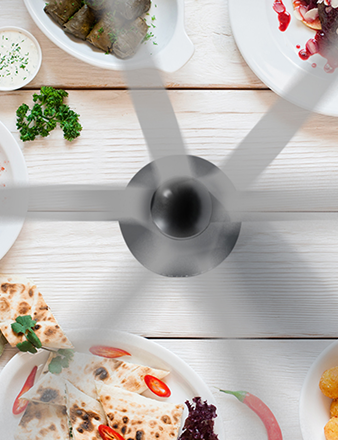
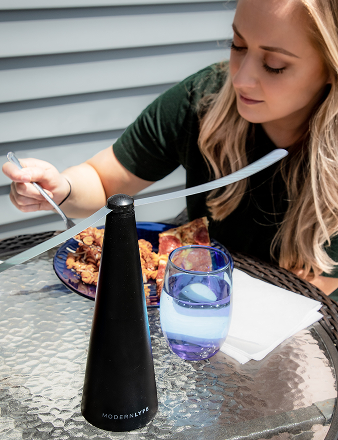
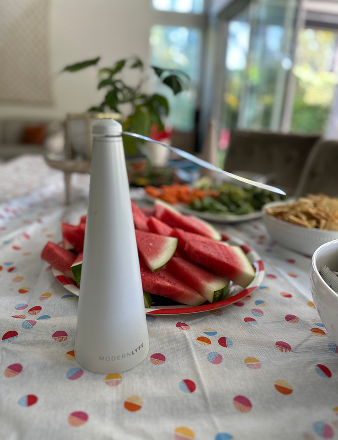
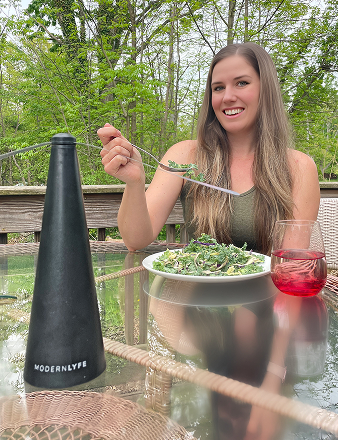
The smartest fruit fly solutions don't use traps, chemicals, or zaps. Instead, they use a simple but powerful force: air. Sleek, quiet fly fans create a steady, gentle airflow, forming an invisible barrier over tables and buffets.
This constant breeze makes it impossible for fruit flies to land. As weak fliers, they simply can't navigate the air currents. It’s like creating a "no-fly zone" without anyone noticing.
This modern method is all about prevention. It protects your food and guest experience without noise, mess, or chemicals. Your guests will never even know a pest control measure is at work.
Choosing the Right Product for Your Venue
If you're in hospitality, you know finding the right fruit fly solution isn't about grabbing the first thing you see. It's a strategic decision that has to align with your venue's standards, operational flow, and guest experience.
As a manager, event planner, or caterer, you need a smart way to filter the options. You have to look past the simple question of "Does it kill flies?" and consider how a product impacts your entire operation, from food safety to brand reputation.
This decision tree cuts right to the chase, focusing on the most critical factor: are the flies near your food?

As you can see, the moment food enters the picture, preventative tools like fly fans become the go-to solution. This highlights why you can't just use the same product everywhere; the environment dictates the right tool for the job.
Efficacy and Food Safety
Let’s get to the non-negotiables: efficacy and food safety. Efficacy is simple: does it get rid of the flies? Food safety asks a more important question: can you use it without putting your food and guests at risk?
A chemical spray might seem effective, killing flies instantly. But its aerosol drift makes it a non-starter near a prep station or buffet. A cheap sticky trap is food-safe, but its efficacy is so low it barely makes a dent in a real infestation. You need a solution that delivers on both.
Guest Experience and Ambiance
The products you use become part of your venue’s atmosphere. An ideal solution works silently and invisibly. Loud zaps from a bug zapper or the ugly sight of a trap full of dead flies can instantly shatter the ambiance.
An effective pest control solution in a hospitality setting is one guests never see, hear, or smell. It should protect the environment without ever becoming part of the experience itself.
Ask yourself if a product will blend in or create visual noise. A sleek, modern fly fan can complement a high-end setup, while a dangling fly paper strip just looks cheap and unsanitary.
Operational Demands and ROI
Finally, get practical. How much time and effort will this solution demand from your staff? A liquid trap that needs daily refilling is another task on an already-long checklist. These operational demands are a hidden cost that hurts efficiency.
This all boils down to the true Return on Investment (ROI). Your ROI isn't just the initial price. It’s the total value you get from preventing food waste, protecting your brand from bad reviews, and saving on labor. A cheap product that fails and needs constant babysitting offers a terrible return.
To help you weigh your options, here’s a quick comparison of how common fruit fly products perform in a professional setting.
Fruit Fly Product Comparison for Hospitality Settings
| Product Type | Efficacy | Food Safety | Guest Experience | Maintenance | Best For |
|---|---|---|---|---|---|
| Airflow Fans | High (Prevents landing) | Excellent (Chemical-free) | Excellent (Silent, discreet) | Very Low (Battery change) | Buffet lines, dining tables, outdoor events |
| Liquid Traps | Low (Catches, doesn't prevent) | Good (Non-toxic lures) | Poor (Unsightly, can smell) | High (Frequent refills) | Back-of-house, kitchens, storage areas |
| Sticky Traps | Very Low (Limited range) | Good (No chemicals) | Very Poor (Visibly gross) | High (Constant replacement) | Non-guest areas, monitoring tool only |
| Bug Zappers | Medium (Kills on contact) | Very Poor (Spreads particles) | Very Poor (Loud, disruptive) | Medium (Grid cleaning) | Loading docks, far from food/guests |
| Sprays | High (Instant kill) | Very Poor (Chemical hazard) | Very Poor (Odor, guest alarm) | High (Requires reapplication) | Emergency use in empty, closed-off areas |
As the table shows, for guest-facing areas with food, airflow fans are the only solution that checks all the boxes. They provide high efficacy and top-tier safety without disrupting the guest experience or draining your team's time, making them the smartest investment.
Why Modern Fly Fans Are the Professional's Choice

When you compare all the options, it’s clear why hospitality pros are turning to modern fly fans. They represent a smarter approach to pest control, directly addressing the biggest flaws of traps, sprays, and zappers.
Instead of waiting for flies to become a problem, these fans stop them cold. They create a constant, gentle air current that weak fliers like fruit flies can't push through. Think of it as an invisible, silent forcefield protecting your food and drinks. It’s a simple concept with incredibly effective results.
This proactive method is a world away from a sticky trap full of dead insects or a zapper that punctuates the evening with a startling crackle. Fly fans work quietly in the background, protecting the guest experience without ever becoming part of it.
Silent Operation and Guest Comfort
In hospitality, atmosphere is everything. The last thing you want is for your pest control to be a distraction. Bug zappers are loud and jarring, and a trap covered in dead flies is enough to kill anyone's appetite. This is where fly fans truly shine.
The ultimate solution is both highly effective and completely invisible to the guest. Fly fans achieve this by blending seamlessly into the environment, protecting the space without drawing attention.
They are engineered for discretion, with whisper-quiet motors and soft, flexible blades. The focus stays right where it should be: on the food, the music, and the conversation. That silent, reliable operation is why they’ve become the go-to for upscale restaurants, outdoor weddings, and high-stakes catered events.
Chemical-Free Safety and Aesthetics
With today's health-conscious guests, chemical-free solutions are a requirement, not a bonus. Fly fans are 100% chemical-free, making them the safest option for use directly over food stations and bars. There’s no risk of spray drifting onto a guest's plate or toxic lures sitting next to your garnishes.
This demand for cleaner, safer spaces is having a huge impact. While fruit flies seem minor, their effect on businesses is helping drive the pest control industry toward an estimated USD 5,500 million by 2025. Much of that growth comes from consumer demand for hygiene and pesticide-free food—a critical concern for anyone managing a buffet. You can explore more data shaping the fruit fly control market.
On top of that, these fans are designed to look good. Their sleek, minimalist profiles complement modern decor, not clash with it. They are sophisticated tools that enhance your setup, proving that effective fruit fly products don't have to be an eyesore. To see how these devices can integrate into your operations, check out our guide to commercial fly fans.
Implementing a Winning Fly Control Strategy

So, you've invested in solid fruit fly products. Great start. But if you think scattering a few traps and fans around will end your fly problem for good, you're in for a frustrating season. Real, lasting control comes from a smart strategy, not wishful thinking.
Think of your venue like a castle. You wouldn't just post one guard at the main gate. You'd have defenders on the walls, patrols in the courtyards, and guards at every weak point. It's the same with fly control. An effective plan means creating layers of defense that protect every corner of your business, from kitchen drains to the best table in the house.
A Blueprint for Smart Product Placement
The secret is putting the right tool in the right place. Each product has a job, and using it correctly is the difference between a temporary fix and a permanent solution.
-
Fly Fans are Your Front Line: Place fly fans directly over any area with food. For a buffet, use one every 4-6 feet to create an overlapping air barrier that flies can't penetrate. For individual tables, one fan in the center is usually all you need to keep meals and drinks protected.
-
Traps are Your Backup: In non-guest areas—like kitchens and prep stations—use non-toxic sticky or liquid traps. Set them up near sinks, floor drains, and food storage to intercept any stragglers.
-
Zappers Belong Far Away: This is non-negotiable. Never use bug zappers where food is served or guests are present. They're noisy, disruptive, and can spray insect particles. Their only place is outdoors, near loading docks or dumpsters—well away from customers.
Go Beyond Products with Integrated Pest Management
The best in the business use a philosophy called Integrated Pest Management (IPM). It's a common-sense approach that shifts the focus from just killing pests to preventing them in the first place.
This mindset is catching on. The demand for effective pest solutions is pushing the fruit fly control market from an estimated USD 0.52 billion in 2024 to a projected USD 0.78 billion by 2033. A big driver is a global shift towards safer, sustainable practices. In 2023 alone, over 70 new green pest control policies were introduced, with 45 countries adopting IPM to cut down on harsh chemicals. This is where discreet, non-toxic solutions like fly fans really shine.
An IPM approach treats the cause, not the symptom. By removing food, water, and shelter for pests, you make your venue inhospitable to them, drastically reducing your reliance on reactive measures.
Getting started with IPM means weaving simple habits into your team's daily routine. It's a holistic view combining sanitation, maintenance, and smart product use. For instance, your strategy must account for the hygiene of all your equipment, including any catering equipment for hire you might use. Learn how to create an Integrated Pest Management plan in our complete guide.
Key IPM habits include:
- Carefully managing ripened produce and bar garnishes.
- Regularly cleaning drains, sinks, and garbage disposals.
- Wiping up spills immediately.
- Using sealed containers for trash and compost.
When you combine these daily routines with smart product placement, you’re not just fighting flies—you’re building a fortress they can’t breach.
Calculating the ROI of Modern Pest Solutions
It's easy to see fruit fly products as just another expense. To get a real handle on pests, you need to shift your thinking. This isn't about spending money; it's a strategic investment in your business's health and reputation.
While a modern solution like a fly fan might have a higher upfront cost than a pack of sticky traps, its real value is in the long-term return. When you do the math, you see just how much a persistent fly problem is quietly costing you.
The Tangible Returns of an Effective Strategy
A smart pest control investment pays for itself in ways that show up directly on your bottom line. These are real, measurable gains that protect what you've built.
Here's the breakdown of returns:
-
Reduced Food Spoilage and Waste: Think about how fast a fruit fly can ruin expensive bar garnishes, a tray of desserts, or a cheese board. By creating an invisible barrier with fly fans, you stop that contamination before it happens. The savings on food waste alone can add up to thousands a year.
-
Prevention of Negative Reviews: Your online reputation is gold. With 94% of diners checking online reviews, you can't afford a misstep. One customer's photo of a fly can spark a one-star review that scares away hundreds of potential guests. Effective fly control is an investment in a five-star reputation.
-
Increased Guest Satisfaction and Loyalty: A clean, comfortable setting is the backbone of a great experience. When guests can relax without swatting at pests, their satisfaction skyrockets. Happy guests come back, and more importantly, they become your best advertising.
-
Improved Operational Efficiency: How much time do your people spend setting traps, spraying chemicals, or apologizing to customers? A set-and-forget solution like a fly fan gives that time back, letting them focus on great service instead of pest patrol.
Framing the Purchase as a Strategic Upgrade
Think of it this way: would you run a professional kitchen with a cheap, dull knife? Of course not. You’d invest in a high-quality chef’s knife because it’s safer, more effective, and more efficient.
The same logic applies to your fruit fly products. Upgrading to a modern fly fan isn’t just buying another gadget; it's a deliberate move to protect your assets, elevate your standards, and run a better business.
The cost of a single bad incident—a failed health inspection, a viral one-star review, or a rejected catering order—can easily eclipse the cost of outfitting your venue with a professional fly control system. The ROI isn’t just what you save; it’s the disasters you prevent.
By 2026, venues still using outdated pest control will be noticeably behind. Customer expectations for hygiene are only getting higher. Proactive, non-chemical solutions will be the new standard. Investing now puts you ahead of the game and shows you’re a leader in quality.
A Few Common Questions
When you're managing a busy restaurant, catering an event, or running a hotel, you need practical answers. Let's tackle some common questions about keeping fruit flies away from the guest experience.
How Many Fly Fans Do I Need For My Buffet?
The rule of thumb is one fly fan for every 4-6 feet of buffet line. This spacing lets the gentle air currents overlap, creating a continuous, invisible barrier that small insects can't fly through.
For a standard 8-foot rectangular table, two fans provide perfect end-to-end coverage. For smaller, individual dining tables, a single fan in the center is usually all you need to create that "no-fly zone."
Are Modern Fly Fans Noisy Enough To Disturb Guests?
Not at all. This is a huge reason they are so popular in hospitality. High-quality fly fans are engineered to be whisper-quiet, producing a sound that blends into the background noise of a restaurant or event.
You get all the protection without the annoying ZAP! of an old-school bug zapper. Your guests can focus on the food, conversation, and atmosphere—not your pest control.
The most effective strategy is a layered defense. Use fly fans as your primary, guest-facing solution and supplement with other fruit fly products like non-toxic traps in back-of-house areas. This Integrated Pest Management (IPM) approach provides comprehensive, facility-wide protection.
Should I Use Fly Fans Along With Other Fruit Fly Products?
Absolutely. Think of it as a one-two punch. Your fly fans are the front line of defense, silently and safely protecting food and guest-facing areas.
Then, in your back-of-house areas—kitchens, prep stations, storage rooms, or near drains—use non-toxic fruit fly traps to catch any stragglers at the source. This multi-layered approach creates a robust system that keeps your entire operation clean.
Are Battery-Powered Fans Reliable For Long Events?
Yes, professional-grade models are built for endurance. They are designed for long events like wedding receptions and conferences, with most providing hours of continuous power on a single set of batteries.
Pro tip: for any event running more than a few hours, have a spare set of batteries ready for each fan. It’s a small step that guarantees flawless protection from the first appetizer to the last dance.
Elevate your guest experience with a solution that's as elegant as it is effective. The Modern Lyfe fly fan provides silent, chemical-free protection that blends seamlessly into any decor, ensuring your food and ambiance remain the center of attention. Protect your tables today at modernlyfe.com.