A patio can look perfect at 5 p.m. Clean tables. Fresh cushions. Candles ready. Then the guests sit down, food hits the table, and the insects show up before the server returns with water.
That's the moment when outdoor insect control stops being a maintenance issue and becomes a guest experience problem. For restaurants, hotels, caterers, and homeowners who host often, insect control outdoor isn't about spraying more. It's about using the right method for the right pest, in the right part of the space, without creating a bigger problem for food service, staff, or guests.
Most bad results come from the same mistake. People treat every outdoor insect issue like a perimeter issue. They spray edges, scatter granules, and hope the problem fades. That can help with some crawling pests. It doesn't solve everything, and it often misses the one pest guests notice first.
Build Your Outdoor Pest Control Blueprint
Outdoor spaces fail when pest control starts too late. If the first decision is which spray to buy, you're already behind. The stronger approach is a site plan built around assessment, environmental change, targeted action, and follow-up.
The market is moving in that direction. The global insect pest control market is projected to reach USD 20.43 billion by 2032, up from USD 12.98 billion in 2022 according to Spherical Insights. That projected growth reflects a simple reality. Outdoor dining, events, and shared spaces need more reliable control methods than a one-size-fits-all spray routine.

Start with a site read
Walk the property like an operator, not a shopper. Look for where insects breed, where they feed, and where they collide with guests.
Check these zones first:
- Water-holding spots: gutters, planters, drains, birdbaths, low spots in pavement, and unused containers
- Food pressure points: bar stations, bussing areas, trash lids, buffet tables, condiment stations
- Shelter and travel lanes: dense shrubs against buildings, fence lines, cracks around doors, dark corners near lighting
- Guest exposure areas: host stands, lounge seating, pool decks, ceremony spaces, and patio rail seating
A practical integrated pest management mindset helps here because it pushes you to identify the pest first, then choose the least disruptive fix that is effective. If you want a second plain-English overview of the same operating logic, this guide on what integrated pest management means in practice is useful for teams building a repeatable routine.
Practical rule: Don't ask, “How do I kill bugs outside?” Ask, “Which insects are creating the guest problem, and what conditions are supporting them?”
Build the plan in the right order
The order matters because the cheapest fixes are usually environmental.
- Remove what attracts or breeds pests first. Standing water, exposed food residue, and overflowing trash do more to fuel problems than is commonly acknowledged.
- Use barriers and mechanical controls second. Screens, fans, covers, traps, and exclusion tools reduce contact before chemicals ever enter the picture.
- Reserve treatments for targeted use. Apply products where they interrupt a known life stage or a confirmed activity zone.
- Monitor what changes. If pressure shifts from one corner of the property to another, the plan has to shift too.
What a modern blueprint avoids
A weak plan relies on broad perimeter spraying and little else. That approach can waste labor, leave gaps around food service zones, and create false confidence. A better plan treats the outdoor area like a living operation with changing conditions.
Use this quick framework:
| Focus area | What to check | What usually works |
|---|---|---|
| Breeding | Water, debris, organic buildup | Cleanup, drainage, larval control |
| Access | Doors, screens, canopy gaps | Repair, seal, block |
| Landing zones | Food tables, bars, buffet lines | Air movement, covers, table-level deterrence |
| Monitoring | Repeating hot spots | Traps, staff logs, routine inspection |
That's the blueprint. Everything else is execution.
Eliminate Pest Havens Through Habitat Modification
A patio can look polished at 4:30 and still become a pest problem by first seating. The usual reason is not a missing spray treatment. It is a set of small habitat issues that keep feeding activity near guests. Wet organic debris around the trash pad. Dense plantings that stay damp until noon. A service sink area that never fully dries.

Habitat modification matters because it removes the conditions insects use every day, not just the insects you happen to hit during treatment. It also fixes a common blind spot in hospitality. Standard perimeter pest control can reduce some crawling pressure around the edges, but it does very little for flies hovering over drinks, buffets, and tabletops. Flies follow moisture, sugar, protein residue, and sheltered landing zones close to people. If those conditions stay in place, guest complaints stay in place.
Remove water and damp shelter first
Mosquitoes need standing water to develop, and extension guidance from the University of Minnesota Extension on managing mosquitoes recommends draining water from containers and maintaining gutters, birdbaths, and similar holding areas as a core control step. That principle applies beyond mosquitoes. Wet pockets also support the organic buildup that draws flies.
Walk the property after rain or irrigation, not just during a daytime inspection when surfaces look dry. Check the areas operators miss most often:
- gutters above patios and entry points
- planter saucers, decorative pots, and unused containers
- hose bibs, mop areas, and low spots near drains
- birdbaths, fountain rims, and irrigation overspray around seating
- wood piles, stump edges, and shaded corners that stay wet for days
One bucket behind a storage shed can keep mosquito pressure active. One damp trash enclosure can keep fly activity anchored near service paths.
Old wood can be part of the same problem. Stumps, root decay, and wet mulch lines trap moisture and create cover for insects. If a leftover stump is holding water and decay near guest areas, local budgeting references such as this guide to tree stump removal cost in Peoria can help owners decide whether removal belongs in the maintenance plan.
Clean for residue, not appearance
A surface can look clean and still feed pests. Flies do not need a major sanitation failure. They need syrup around a drink station, fermenting liquid in a dumpster lip, or food soil under a host stand where bussing traffic passes every hour.
I advise teams to assign cleaning by hotspot and residue type. That gets better results than broad instructions like "clean the patio."
For example:
- wipe sugar and alcohol residue from rails, ledges, and portable bars
- scrub trash can rims, handles, and the concrete around the enclosure
- empty bus tubs before peak fly periods, not when the shift ends
- rinse and dry mats, floor drains, and service counters where organic film builds up
That last part matters. Drying is often the missing step.
Here's a quick visual walkthrough of habitat-focused prevention in action:
Trim and space plantings with guest areas in mind
Landscaping should frame the patio, not protect pests. Shrubs packed tight to walls, overwatered beds near seating, and ground cover that holds food debris all create resting zones a few feet from guests. That is especially important with flies. They do not care about your perimeter line if the better resting spot is under a damp hedge beside table 12.
Keep plantings thinned, raised off the ground where possible, and separated from walls and seating edges enough to improve airflow and visibility for staff. For temporary dining setups, event patios, or seasonal service expansions, adding a screened 10x10 canopy for outdoor dining or prep zones can reduce food exposure while the surrounding habitat work catches up.
Herbs and ornamental choices can support the space, but planting alone will not solve an active fly problem. Good design helps only when it is paired with drainage, cleanup, and air movement at table level. That trade-off gets missed all the time. Attractive landscaping improves the setting. Overgrown, wet landscaping gives insects a place to stage right next to guests.
Use Smart Monitoring and Physical Barriers
You can't manage what you don't identify. A lot of outdoor spaces stay stuck because teams jump from complaint to treatment without tracking where the activity starts, when it spikes, or which insect is responsible.
That's where monitoring and physical barriers earn their place. They're simple, visible, and practical. They also keep you from overusing chemistry where direct exclusion would do the job faster.
Use traps and observations to gather useful intel
Physical pest control methods, including barriers and traps, are among the oldest and most practical options because they let you directly remove or block pests without immediate reliance on chemicals, as described by FieldRoutes.
What matters is using those tools for information, not just reaction.
Try this field routine:
- Place glueboards in sheltered non-food zones: near service doors, waste enclosures, and wall edges where insect traffic concentrates
- Log activity by location: patio corner, bar rail, host stand, garden edge, dumpster gate
- Watch timing: after irrigation, near sunset, during food service, or after trash pickup delays
- Check species pattern: crawling insects at the perimeter require a different response than flying pests over food
A trap with no notes is just a disposable item. A trap with a location and date becomes a management tool.
Block access where insects intersect with people
Physical exclusion doesn't have to be complicated. Repair torn screens. Add fitted lids to bins. Keep service doors from standing open during prep. Use food covers where exposure is high.
For home entertaining and smaller hospitality setups, screened structures can reduce pressure at the point of use. If you're evaluating a temporary covered setup, this guide to a 10 x 10 screened canopy is a practical reference for creating a dining or prep zone that limits insect access without changing the whole yard.
Here's where barriers usually pay off fastest:
| Area | Barrier | Why it works |
|---|---|---|
| Windows and doors | Tight screens and repaired seals | Stops entry before indoor spillover starts |
| Garden beds | Floating row covers | Protects plants without broad spraying |
| Buffet or prep tables | Covers and guarded service layout | Reduces direct access to food |
| Small infestations on plants | Strong water spray or manual removal | Knocks pests off quickly and directly |
Keep the tools matched to the scale
Not every issue deserves a service call or a treatment cycle. Aphids on ornamentals may need a strong stream of water. A few flies at a backyard grill may call for physical deterrence near food. A spike in insect activity around a rear gate may mean the trash handling routine broke down.
The best monitoring systems are boring. They produce the same small checks every week, and they stop small problems from becoming visible guest complaints.
That consistency is what separates stable outdoor operations from constant catch-up.
Select the Right Treatment Method
Treatment selection should follow the pest, the location, and the guest impact. A wet corner that breeds mosquitoes needs one response. A patio where flies keep landing on drinks needs another. Using the same product logic for both is how operators spend money and keep the complaint.
The expensive mistake in insect control outdoor is treating symptoms in the wrong place. I see it often in hospitality settings. Teams spray a perimeter for a problem that is sitting over a drain, a trash pad, a planter saucer, or the tables themselves.
Compare the main options by use case
The EPA recommends an integrated sequence that starts with habitat reduction and barriers, then adds larval or adult control as conditions justify through its mosquito control framework. That order matters in the field because it cuts waste, limits drift concerns, and keeps stronger interventions for situations that warrant them.
| Treatment type | Best use | Strength | Limitation |
|---|---|---|---|
| Biological larvicides such as Bacillus thuringiensis israelensis | Standing water with mosquito development | Stops mosquitoes before they emerge into guest areas | Does nothing for flies working food, beverage, or waste zones |
| Natural repellents such as essential oil sprays | Light personal use or short-duration backyard setups | Simple spot application with lower residue concerns | Performance drops fast in wind, heat, and high-pressure conditions |
| Adulticides | Confirmed adult mosquito pressure across a broader exterior area | Useful when adult mosquito activity is established | Timing, drift, reentry, and non-target exposure need careful control |
| Mechanical deterrents | Dining tables, buffet lines, bars, and service stations | Works at the point where guests notice the problem | Placement matters, and poor positioning weakens results |
Target the pressure point
Broad treatment has a role, but only when the pest pressure is broad. If activity starts after rain, inspect for breeding water and treat that source. If the issue stays in shrub beds or ornamentals, use plant-safe targeted methods there. If complaints show up only where food and drinks are present, choose table-level control instead of defaulting to another perimeter application.
That distinction matters most with flies.
Standard exterior programs are usually built around edges, entry points, and resting sites. Flies around hospitality service behave differently. They key in on food, sugar, protein, fermentation, moisture, and waste handling inside the guest zone. A fence-line spray can be technically correct and still leave the patio experience unchanged.
Match the method to service conditions
Restaurants, event venues, and catered patios have tighter constraints than a typical backyard. Staff need to work around guests, plates, glassware, linens, and open food. Strong odors, visible residues, and mist drifting across occupied seating create a service problem even if the product is labeled correctly for outdoor use.
That is why non-chemical control deserves a serious look before another spray cycle. In fly-heavy service areas, airflow-based deterrence often fits operations better because it protects the table, not just the property line. For operators comparing practical table-zone options, this guide to non-toxic fly control is a useful reference.
Layout affects treatment choice too. Seating density, buffet placement, trash flow, and bar location all change where insects concentrate. Teams planning a new service area can use tools like ai outdoor patio design to test layouts that reduce stagnant corners and keep food service farther from known pressure points.
Use one simple test before approving any method. If it does not improve the guest-facing zone where complaints happen, it is the wrong treatment for that job.
Win the War on Flies at Patios and Events
Outdoor dining complaints often get treated like a mosquito problem or a perimeter problem. In many hospitality spaces, they're neither. They're a fly problem, and that requires a different response.
Verified industry data states that 68% of outdoor dining complaints are due to flies, yet conventional pest control guides rarely mention air-movement solutions, even though they disrupt fly behavior more effectively than chemical barriers, according to Zoecon's discussion of outdoor pest control blind spots.
That lines up with what operators see in real service. Guests don't complain that the perimeter was untreated. They complain when flies circle cocktails, land on appetizer boards, or hover over buffet food.
Why perimeter treatments miss the main issue
Standard perimeter pest control is built around edges. It targets where crawling pests travel and where some insects rest or enter. Flies behave differently around food service. They're drawn to odor, moisture, and exposed food, and they move through the guest zone itself.
That's why a sprayed border can leave table service unchanged.
Common misses include:
- Treating the fence line while flies land at the bar
- Using general outdoor sprays near seating without solving food-area pressure
- Relying on bug zappers that don't protect the table where guests are eating
- Ignoring airflow as a control method
If flies are landing where food is served, the solution has to work at the table, buffet, or host stand. A perimeter-only plan won't do that.
Use behavioral disruption where flies actually land
Flies avoid unstable air currents. In practical terms, that means controlled air movement around food and dining surfaces can interrupt landing behavior without introducing sprays into the service area.

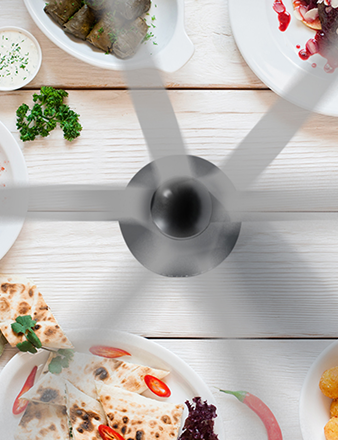
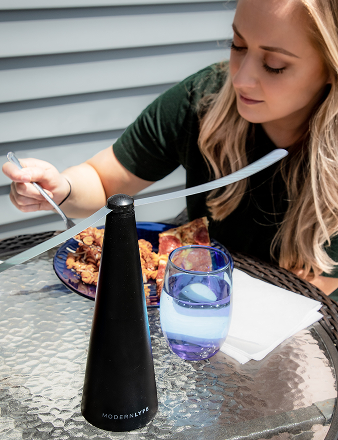
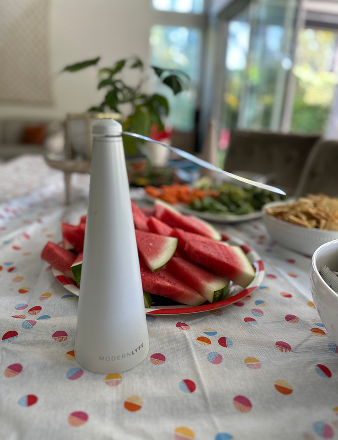
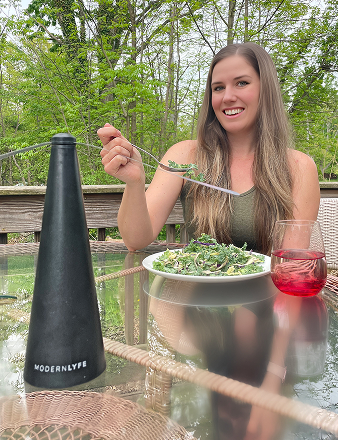
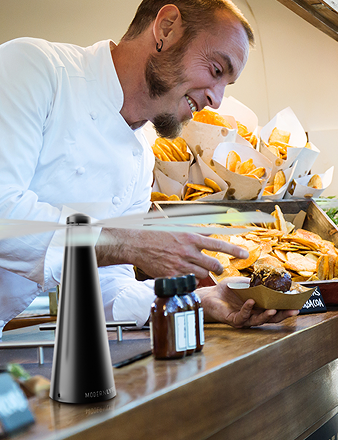
Battery-operated fly fans fit that need because they create localized movement exactly where food sits. They make sense on buffet lines, communal dining tables, patio host stands, beverage stations, and catered service points. One market option is MODERN LYFE, which offers table fly fans designed for dining and event setups using a quiet, battery-powered format that suits food presentation without adding chemical exposure.
Placement matters more than brand language. Put air-movement devices where flies try to land, not in random corners.
Design the patio around pest pressure
A lot of operators separate layout from insect control, and that's a mistake. Table spacing, trash placement, buffet orientation, and planting density all affect fly activity. If you're planning a new setup or reworking a stubborn patio, tools for AI outdoor patio design can help visualize traffic flow, dining layout, and service placement before you commit to a configuration that creates pest pressure near guests.
Use a fly-control layout checklist:
- Protect exposed food first: buffet tables, grazing stations, dessert displays
- Cover waiting zones: host stands and check-in tables often attract stationary guest attention
- Separate waste from seating: don't let trash lids become the nearest scent source to the patio
- Create air movement at guest level: not just overhead, and not only at the perimeter
For hospitality teams, this is the pivot that changes outcomes. Treat flies as a behavioral problem, not a generic outdoor bug problem.
Your Year-Round Outdoor Insect Control Calendar
Outdoor insect control works best when it becomes routine. Not dramatic. Not seasonal panic. Just a repeating schedule that keeps the property from sliding back into attractive conditions for pests.
The simplest calendar is usually the one people follow, so keep it tied to weather, cleanup, and guest use patterns.

Spring resets the site
Spring is inspection season. Water starts collecting again, screens show winter wear, and service patios reopen.
Use spring for:
- Drainage checks: clear gutters, empty containers, inspect low spots after rain
- Barrier repairs: patch screens, tighten seals, replace broken bin lids
- Vegetation management: trim growth back from walls and seating edges
Summer protects the guest experience
Summer is when problems become visible. Food service is active, waste volume goes up, and guests stay outside longer.
Run a tighter schedule for:
- Sanitation cadence: wipe service residue fast and empty outdoor waste before it overflows
- Monitoring: check recurring hot spots and adjust tools based on actual activity
- Fly-specific control: keep table-level deterrence ready for patios, buffets, and events
Summer success usually comes from small daily actions, not one big monthly treatment.
Fall removes shelter and leftovers
Fall cleanup affects the next active period more than many teams think. Organic buildup, neglected décor, and end-of-season clutter give pests places to hide.
Focus on:
- Removing debris: clear out unused containers, broken planters, and damp storage items
- Cleaning food zones thoroughly: especially bars, condiment stations, and event storage carts
- Reviewing the season: note where complaints clustered so next year's setup improves
Winter is planning season
Winter is quieter, which makes it the right time to fix process issues instead of chasing activity.
Use winter to:
- Audit equipment: replace damaged screens, covers, traps, and batteries
- Update staff routines: turn vague cleaning language into zone-based checklists
- Rework layout decisions: adjust spring patio plans based on where pests affected guests last season
A calendar like this saves labor because it prevents emergency responses. It also keeps the outdoor area aligned with the way guests use it, which is the point of the entire effort.
If your outdoor space needs a table-level solution for fly pressure around food and guests, MODERN LYFE offers battery-operated fly fans designed for patios, buffets, events, and home gatherings. They fit the kind of non-chemical, guest-conscious control strategy that works especially well where standard perimeter treatments fall short.