You wipe the counter, toss the overripe limes, polish the bar top, and ten minutes later the flies are back. They hover over the fruit bowl at home, circle the garnish station in a restaurant, and make a catered dessert display look neglected even when everything else is dialed in.
That's why fruit flies frustrate people so much. The problem feels small until it starts affecting how a kitchen looks, how clean a bar appears, and how confident guests feel around food. In a home, it's annoying. In a business, it reads as poor control.
Natural catch fruit fly traps can solve a big part of that problem. The trick is using the right trap for the setting, placing it where flies travel, and knowing when trapping isn't enough on its own.
The Uninvited Guests Ruining Your Space
A fruit fly problem usually starts with something ordinary. A bowl of bananas on the island. A wine drip behind the speed rail. A compost caddy that got emptied late. Then the room changes. Guests notice movement first, then they notice where the movement is happening.
In homes, the damage is mostly visual and psychological. You stop leaving produce out. You start checking every glass before you pour. In restaurants, bakeries, and event spaces, the impact is more significant. Flies around a pastry case or buffet line can undo a lot of hard work because customers judge cleanliness fast.
Why this gets out of hand so quickly
Fruit flies don't need much to stick around. A little fermentation, a little moisture, one missed cleaning detail, and they've got what they want. The biggest mistake I see is treating them like a one-surface problem. People swat what they can see and ignore what's feeding them.
That's where natural catch fruit fly traps earn their place. They're practical because they don't rely on spray near food, and they fit both home and commercial use when you choose the right style. A simple DIY jar can help in a kitchen. A sealed commercial trap makes more sense on a bar back, in a bakery prep zone, or anywhere guests can see.
Practical rule: If customers can see the trap, presentation matters almost as much as capture rate.
For businesses dealing with recurring fly pressure, broader sanitation and exclusion matter too. If you're in the region and need a solid local reference point, Pest control for flies in NW Indiana gives useful context on why fly issues tend to persist around food service operations.
What actually helps
The fix is usually a combination of three things:
- Attract the adults: Use traps that pull active flies away from food and prep surfaces.
- Cut off breeding spots: Clean drains, wipe syrup spills, rotate produce, and empty wet waste fast.
- Match the trap to the setting: A mason jar might be fine beside a home fruit bowl. It's not what you want next to a catered display.
That's the difference between random effort and control. You don't need gimmicks. You need a trap that works, placement that makes sense, and habits that stop the next wave from replacing the one you caught.
Three Proven DIY Fruit Fly Trap Recipes
Homemade traps still work. They're cheap, quick, and useful when you need something tonight instead of after a supply order arrives. But not all DIY setups perform the same, and details matter more than people think.

Mason jar with paper cone
This is the DIY version I trust most when a kitchen has a real swarm instead of a few random stragglers. In DIY testing, a Mason Jar with a Paper Cone trap captured 25 times more flies than a simple vinegar bowl, and adding dish soap to the vinegar can increase drowning rates by up to 40% because it breaks surface tension, according to The Art of Doing Stuff fruit fly trap test.
What you need is basic:
- Mason jar: Clear sides help you see activity and know when it's working.
- Stiff paper cone: The funnel shape matters. Flies get in through the small opening and struggle to find their way back out.
- Vinegar bait: Fermentation scent is what draws them.
- Optional dish soap: A few drops help keep trapped flies from floating and escaping.
The setup has to be clean. Roll the paper into a cone with a small opening at the bottom, staple it so it holds shape, and rest it over the jar so the tip doesn't touch the liquid. If the cone touches the bait, entry tends to drop. If the cone is loose, flies find side gaps and the trap loses its advantage.
This approach is especially good if you're trying to learn what bait works best in your room. If you want more ideas on bait options and how scent changes performance, this breakdown of bait for a fruit fly trap is useful.
Apple cider vinegar and dish soap jar
This is the workhorse trap for a home kitchen. It's less engineered than the cone method, but it's fast and usually good enough for a light to moderate issue.
Use a small jar or cup, add apple cider vinegar, then a few drops of dish soap. Some people cover the top and puncture it. Others leave it open. The key isn't the container style as much as the bait strength and the soap.
Independent DIY testing ranked the apple cider vinegar and dish soap jar method highly for effectiveness, showing that a simple non-chemical setup can perform well in a real kitchen, as noted by The Kitchn's fruit fly trap comparison.
What makes this trap fail?
- Weak bait: Water with a little sweetness won't compete with ripe produce or a sticky drain.
- Bad location: If the trap is across the room from the activity, it becomes décor.
- Old mixture: Once the liquid gets diluted, dirty, or stale, performance drops.
Keep this one for apartments, home bars, and guest bathrooms where a few flies show up near empties or fruit. It's less suited to front-of-house use where appearance matters.
A quick visual helps if you want to see a simple version in action.
Red wine and fruit bait trap
This is the lazy but effective option when you've got leftover wine, soft fruit, and no patience for fancy assembly. A little red wine in a glass or jar, paired with a scrap of overripe fruit nearby or inside the container, creates a strong fermentation signal.
I like this setup in staff areas, garage prep spaces, or after parties when the goal is fast cleanup control rather than polished presentation. It works because it smells like exactly what fruit flies are already seeking out.
A few things improve your odds:
- Use real fermentation scent: Wine beats plain water every time.
- Choose a narrow opening: A bottle, jar, or glass with a constrained top gives flies fewer exit cues.
- Don't overfill: Too much liquid makes the trap messy and easier to knock over.
Where DIY traps shine and where they don't
DIY traps are best when the infestation is visible, localized, and you can refresh them regularly. They're also useful as test traps. If one bait draws heavy activity near a sink, produce rack, or recycling area, you've learned where the main pressure is.
They're weaker when looks matter, when staff forget maintenance, or when the room has too many competing attractants. In those cases, homemade traps can become one more item to clean instead of a reliable control tool.
Comparing Trap Effectiveness for Home and Business
The 4 p.m. rush is starting, the bar fruit is cut, and a few fruit flies are already circling the garnish tray. At home, that is annoying. In a restaurant, bakery, or catered setup, it is a service problem, a sanitation problem, and a staff distraction all at once.

What works well at home
Home kitchens give you room to improvise. A jar trap can sit near the fruit bowl, a cone trap can stay on a pantry shelf, and nobody cares if it looks homemade for a few days. In that setting, the main question is simple. Does it catch enough flies to calm the problem down?
Usually, yes, if the issue is small and you keep up with it.
| Setting | Best fit | Main trade-off |
|---|---|---|
| Kitchen counter | Vinegar and soap jar | Needs regular refreshing |
| Pantry or produce area | Mason jar with paper cone | Bulkier than a simple cup |
| After a party | Wine bait trap | Less polished appearance |
That flexibility is a key advantage at home. You can test one bait, move it tomorrow, and swap containers without worrying about guest perception or health inspection optics.
Why commercial spaces need a different standard
Commercial spaces operate under tighter rules. Traps have to control flies without looking sloppy, interfering with prep, or adding one more messy item for staff to manage during service.
That changes what counts as effective.
A DIY trap may catch flies in a back prep sink area where staff can monitor it closely. The same trap looks careless near a register, pastry case, coffee station, brunch buffet, or event bar. In customer-facing spaces, presentation matters almost as much as catch rate. In production areas, consistency matters more than cleverness.
The National Restaurant Association notes in its food safety guidance that pest activity in food facilities must be addressed through active prevention and control measures that support sanitation standards, not just quick fixes that look improvised in service areas, as explained in its restaurant pest control and food safety guidance.
Side by side decision points
Operators usually choose between DIY and commercial traps based on four things:
- Labor: Homemade traps need frequent checking, dumping, and refilling. That is manageable at home. In a busy bakery or bar, missed maintenance turns a trap into clutter.
- Appearance: A mason jar with bait is acceptable in a private kitchen. It does not belong beside plated desserts or guest-facing beverage service.
- Placement: Commercial traps are easier to position in tight, visible areas where counter space is limited and every item has to look intentional.
- Material and handling: Sealed, purpose-built traps reduce spills and make routine cleaning easier around food contact zones.
There is also a scale issue. One trap in an apartment may be enough. In a restaurant, flies often spread between drains, produce storage, recycling, syrup stations, and bar mats. That is why I use DIY traps as spot tools and commercial traps as part of a repeatable operating system.
For teams comparing options beyond jars and cups, this guide to choosing a liquid fly trap for kitchens and food-service spaces helps frame the difference between casual control and trap setups built for daily use.
The practical rule is straightforward. Use DIY traps where speed and cost matter most. Use commercial traps where visibility, consistency, and sanitation standards carry more weight.
Strategic Placement and Maintenance for Maximum Control
A strong trap in the wrong spot won't do much. Fruit flies don't move randomly. They follow scent, moisture, ripening sugar, and sheltered air. If you place traps where people notice them instead of where flies travel, you'll think the trap failed when the placement failed.
Think like a fruit fly
USDA trapping guidance says fruit fly traps should be placed in open shade within a tree canopy, avoiding blocked entrances and direct stress from harsh conditions. Adapted indoors, that means placing traps where there's some airflow but not direct drafts, such as near a fruit bowl but not under a fan, based on USDA fruit fly detection trapping guidelines.
That principle holds up in kitchens and service spaces. Flies need to find the trap entrance. If moving air blows scent away or the opening is obstructed, performance drops.
Best placement by environment
In a home kitchen, put traps near the problem but not buried behind clutter.
- Near produce: Set the trap beside the fruit bowl or onion basket, not on the opposite counter.
- By the sink zone: If flies appear at dusk around the drain, place the trap nearby but away from splashing water.
- Close to recycling: Cans and bottles with residue are often stronger attractants than fresh fruit.
In a restaurant or bakery, placement should support control without disrupting appearance.
- Under bar counters: Good for syrup spills, citrus scraps, and drain activity.
- Near bus stations or dish return zones: Useful where cups, garnishes, and wet waste collect.
- Behind display lines: Keep traps close enough to intercept activity without putting them in a guest's eye line.
Maintenance that keeps traps from turning useless
DIY traps need routine attention. Refresh bait when the smell weakens, the liquid gets cloudy, or the surface loads up with debris. In busy spaces, that can happen fast. A forgotten DIY trap doesn't just stop helping. It starts looking like one more sanitation miss.
Commercial traps are simpler, but they still need a schedule. Natural Catch products are designed for replacement on a monthly cycle if fly activity persists. That makes them easier to assign to a recurring opening or closing task.
A simple working routine looks like this:
- Inspect daily: Check where activity is highest.
- Move with the problem: If the swarm shifts from produce to drains, shift the trap too.
- Replace on schedule: Don't wait until the trap is obviously spent.
- Clear competing attractants: Empty trash, wipe residue, and remove overripe produce before expecting the trap to carry the whole load.
Placement should feel boring and deliberate. The best trap locations are usually the least glamorous spots in the room.
Troubleshooting When Traps Are Not Enough
If you've set traps, caught plenty of flies, and still see a steady stream every day, the trap probably isn't the problem. It's just proving there's a breeding source you haven't removed.

Hidden sources that keep infestations alive
Up to 40% of persistent fruit fly infestations originate from hidden sources that traps alone cannot fix, such as plumbing drains or potted plant soil, according to the discussion summarized from this Reddit thread on persistent fruit fly infestations. That same source also highlights a common problem: people often assume they have fruit flies when they're dealing with fungus gnats.
That distinction matters. If the insects are breeding in plant soil, a fruit fly trap may catch some adults but won't solve the source. If the issue is a dirty sink overflow, countertop traps can't reach the origin point.
A practical checklist for stubborn outbreaks
Start with the places people ignore because they look clean from the outside:
- Drain interiors: Not just the visible opening. Check the slime inside.
- Sink overflows: These can hold moisture and residue without obvious odor.
- Under appliances: Especially where juice, syrup, or produce bits disappear.
- Plant trays and potting soil: Common when people confuse fungus gnats for fruit flies.
- Bottle return and recycling zones: Dried residue can keep feeding adults.
Then look at identification. Fruit flies are usually drawn to fermenting food and drink. Fungus gnats are more tied to damp soil. If your traps near produce do little, but insects hover around houseplants, you may be solving the wrong problem.
When to stop blaming the trap
A lot of people replace bait again and again when what they really need is sanitation and source treatment. The trap is doing its job if it catches flies. What it can't do is clean a drain line, dry soaked soil, or remove old organic residue behind equipment.
Persistent catch counts usually mean you've got active breeding somewhere nearby.
The fastest way forward is to inspect with purpose. Follow the moisture, follow the odor, and question your ID before buying more traps. Most long-running infestations survive because the source stays hidden, not because the trap design is useless.
Building a Complete Pest-Free Environment
Saturday dinner service is packed, the bar printer will not stop, and a few fruit flies start circling the garnish tray. At that point, nobody cares whether the trap looked clever on the counter. They care whether the room still feels clean and whether the flies stay away from food, guests, and health inspectors.
A pest-free space comes from layers that work together: sanitation, trapping, and exclusion. In a home kitchen, a jar trap and better produce storage may be enough. In a restaurant, bakery, or catered event setup, traffic, moisture, and constant food handling create more pressure, so the system has to be tighter.
Start with sanitation standards that hold up during busy hours, not just at closing. Drains need regular cleaning on schedule. Bar mats, syrup rails, faucet bases, bussing stations, recycling bins, and floor-wall joints need attention because that is where residue survives. Produce should be rotated fast, damaged fruit should leave the area immediately, and wet towels or mop heads should not sit overnight.
Traps still matter, but their job is control and monitoring. DIY traps are fine for light activity in a home or back office. In higher-volume food spaces, commercial traps usually give steadier catch rates, cleaner presentation, and easier replacement schedules. They help reduce the adult population, but they do not fix a drain line, a sticky soda gun station, or a forgotten bottle return bin.
Air movement and exclusion finish the job. Flies settle where air is still, food is exposed, and entry points stay open. Screens, door sweeps, tight-fitting trash lids, and disciplined door use cut down the number getting inside in the first place. This guide to bug proofing your house is a helpful reference for thinking through openings, screens, and perimeter weak spots.
For operators who want a bigger-picture system, integrated pest management for food and service environments lays out the approach well. The basic idea is practical. Remove breeding conditions, monitor activity, block access, and use products as support instead of treating them like the whole plan.

The spaces that stay under control are run with routines people can follow during service. Wipe the residue. Empty the waste. Replace traps on schedule. Keep air moving near exposed food. That is how you keep fruit flies from turning a small nuisance into a front-of-house problem.
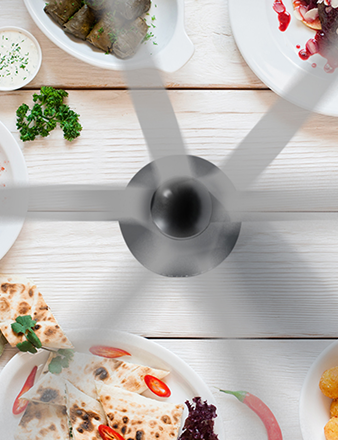
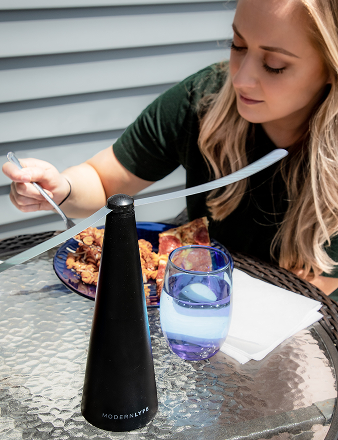
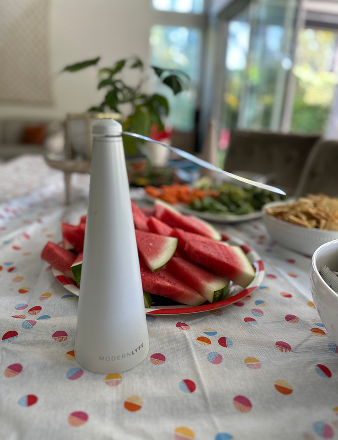
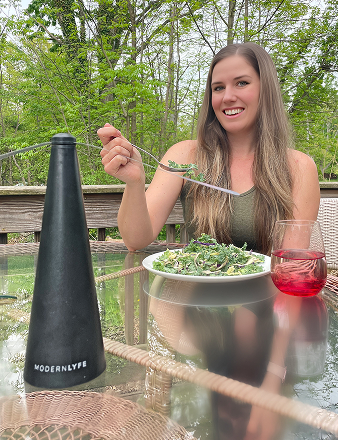
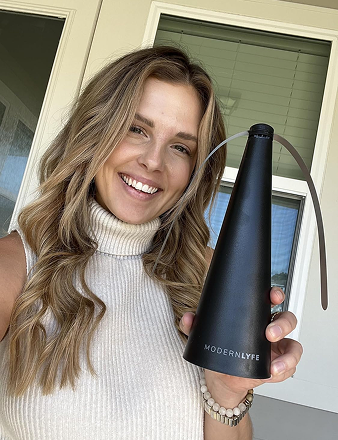
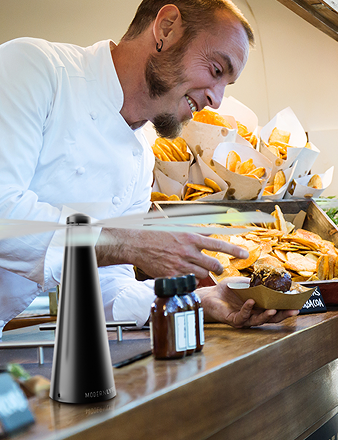
MODERN LYFE offers a smart final layer for that deterrence side of the equation. If you want a cleaner-looking way to protect buffet lines, restaurant tables, catering setups, and home gatherings from flying pests, explore MODERN LYFE and its quiet, design-forward fly fans built for food-friendly spaces.