The strongest networking possibilities don't end with a stack of business cards. They create a product demonstration, a referral, a bundled service, or a repeat introduction to someone with buying authority. LinkedIn reported that almost 80% of professionals considered networking important to career success, while 70% were hired by a company where they already had a connection. LinkedIn's global survey shows why relationships remain a serious business channel, not a social extra.
For hospitality businesses, the best opportunities run in priority order from high-intent conversations to scalable advocacy: trade shows, LinkedIn outreach, channel partnerships, direct sales, referrals, local groups, virtual workshops, email, thought leadership, and social communities. Judge each relationship by fit, access, effort, follow-up potential, and measurable business outcome. A busy event isn't automatically valuable if it produces no qualified conversation or next meeting.
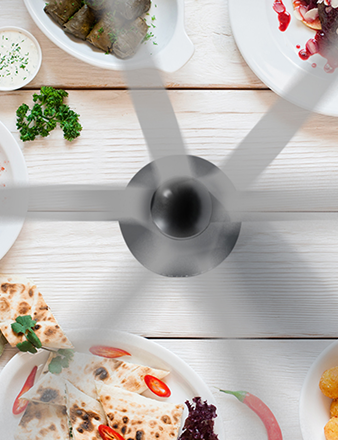
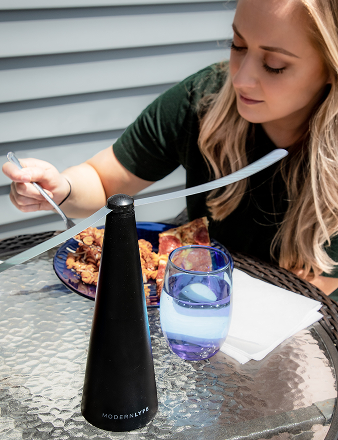
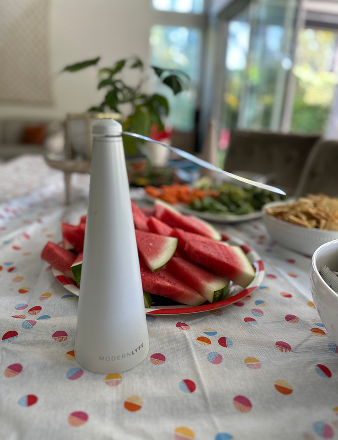
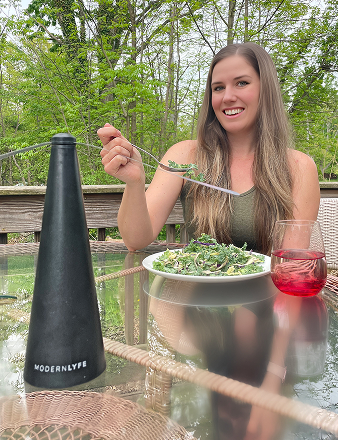
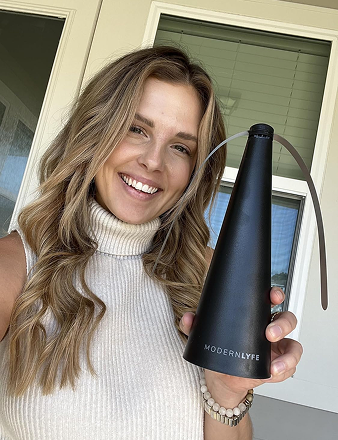
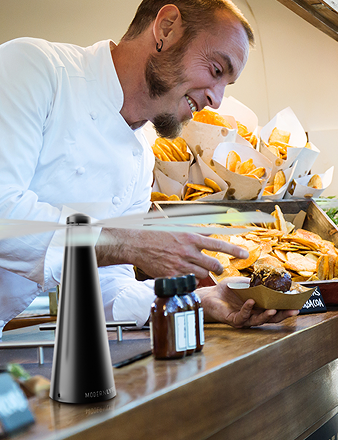
Modern Lyfe is a relevant example for discussions about outdoor dining, buffet presentation, guest comfort, and fly protection. Its fly fans can give restaurant owners, caterers, hotel teams, and event planners a practical demonstration topic that connects hospitality presentation with food-safety awareness. For operators also evaluating the best loyalty solution for restaurants, the same principle applies: choose partnerships that lead to repeat customer contact, not one-off attention.
1. Industry Trade Shows and Hospitality Expos
Trade shows compress a large hospitality market into one place. Restaurant owners, hotel managers, caterers, venue operators, and event planners arrive with active problems, supplier questions, and purchasing plans. That makes events such as the National Restaurant Association Show, the International Hotel, Motel and Restaurant Show, a Wedding and Event Planners Expo, or a Catering Industry Suppliers Expo useful for direct conversations.
Face-to-face events still matter. A 2026 networking summary reported that 60% of business events in 2024 were in person, compared with 35% fully virtual, while a hospitality industry summary said 83% of organizers viewed face-to-face conferences as the most favorable networking environment. The event networking data supports a practical decision: use trade shows when buyers need to see, touch, or compare a solution before they trust it.
Turn booth traffic into qualified opportunities
Don't treat the booth as a display shelf. Build an interactive demonstration area with working fly fans, a clear explanation of placement, and a short conversation path for indoor buffets, outdoor receptions, patios, and catered gatherings. Prepare one-page product specifications for fast handouts, then use QR codes to send visitors to deeper product information.
- Reserve early: Book booth space early enough to pursue a visible location.
- Demonstrate a real use case: Show how a fan fits beside a buffet, table, or outdoor service area.
- Capture buying context: Record business type, event season, decision role, and the problem discussed.
- Schedule before departure: Ask qualified visitors to choose a follow-up time before they leave.
Use outdoor vendor booth ideas to make the setup more useful and less cluttered. A qualified conversation should produce a next action, such as an on-site demonstration, product review, or introduction to an operations decision-maker.

A short product demonstration can create more commercial value than a long general conversation because it gives the prospect something specific to evaluate.
2. LinkedIn Professional Networking
LinkedIn works best when you use it as a research and conversation channel, not a catalogue. Restaurant owners, hospitality technology managers, event coordinators, hotel operators, and catering leaders already discuss staffing, service flow, outdoor dining, and venue operations there. Your job is to join those conversations with useful observations before asking for time.
Create a company page that shows product demonstrations, installation details, and hospitality applications. Participate in communities such as the Hospitality Technology Managers LinkedIn Group, Event Planners and Coordinators Network, or Restaurant Operations Leaders Forum. Use Sales Navigator to narrow outreach by role, business type, location, and shared connections.
Write messages that earn a reply
Avoid “I'd love to connect” without context. Mention a shared audience or operational issue, then offer a small next step.
Connection message: Hi Maria, I work with hospitality teams managing outdoor dining and buffet service. I noticed your venue hosts seasonal receptions. Would it be useful if I shared a short guide to reducing fly disruption around guest-facing food areas?
After acceptance, don't send a full pitch immediately. Comment on relevant posts, share a concise demonstration video, and ask whether the issue affects their operation. Track connection acceptance, reply rate, qualified conversations, demonstrations booked, and introductions generated. A connection deserves more effort when the person has buying influence, a relevant operating problem, and a clear next step.

3. Strategic Partnerships and Channel Relationships
A strong channel partner already has the trust and access you need. Event planning agencies, catering companies, restaurant supply distributors, venue management companies, commercial kitchen equipment providers, and hospitality consultants regularly influence purchasing decisions. They can recommend a Modern Lyfe fly fan when their clients plan outdoor receptions, buffet lines, markets, or food-service upgrades.
The best partnership proposal answers one question quickly: why should this partner introduce you instead of ignoring you? Offer a clear client benefit, simple sales materials, product training, responsive support, and a transparent commercial arrangement. A distributor might value an easy-to-explain add-on for hospitality accounts. An event planner might value a way to address guest comfort without changing the visual design of a venue.
Build a partner operating system
Start with a small group of relevant partners rather than approaching every supplier in the market. Give each partner a short product briefing, demonstration script, application photos, objection responses, and a direct contact for support. Create tiered incentives based on volume only if the economics remain clear and compliant with the partner's policies.
Measure partner-sourced opportunities separately from direct leads. Track introductions received, opportunities accepted, demonstrations booked, conversion rate, repeat referrals, and revenue by partner. If a partner sends names but no qualified context, improve the handoff process. If a partner consistently identifies the right venues and decision-makers, invest in joint content, co-hosted demonstrations, or regional events.
A useful outreach message is direct:
“Your clients already ask about outdoor dining and event service. We provide a practical fly-protection option that can be demonstrated at the venue. Could we review your typical client setup and identify where a referral would fit?”
4. Direct Sales and Cold Calling Campaigns
Direct outreach is the fastest route to a defined account list, but only when the research is specific. A restaurant owner with a covered patio needs a different conversation from a hotel event manager who runs outdoor receptions. A caterer serving buffets may care about transport, placement, and setup speed. A food truck operator may care about compact use around service areas.
Build a prospect list around observable triggers: a new patio, an upcoming event season, a venue expansion, outdoor catering, or a public concern about guest comfort. Review the business website, menu, event calendar, and contact role before calling. Then use a short opening that names the relevance.
“Hi James, I'm calling because your venue promotes outdoor receptions. We work with hospitality teams that want a discreet way to reduce fly disruption around food and guests. Would a brief on-site demonstration be useful before your next busy event period?”
Offer a demonstration or consultation rather than forcing a purchase decision on the first call. Log every interaction in a CRM, including the problem discussed, decision-maker status, timing, objection, and agreed next step. Call during the prospect's operating rhythm, not during the busiest service window.
Score the opportunity, not the enthusiasm
A friendly conversation isn't enough. Prioritize prospects that have clear fit, access to the decision-maker, a defined use case, and willingness to schedule a next action. Measure qualified conversations, response rate, meetings booked, demonstrations completed, proposal requests, conversion rate, acquisition cost, and revenue by source.

5. Referral Programs and Customer Advocacy
Referrals work because hospitality professionals trust people who understand service pressure. A restaurant owner can explain the practical value of a fly fan to another owner more credibly than a generic advertisement. A caterer can describe placement at a real buffet. An event planner can explain how guest comfort fits the wider presentation.
Make the referral process quick. Give customers a short referral form, a copyable message, and a simple explanation of who benefits. An existing customer might send:
“Hi Alex, we used Modern Lyfe fly fans for guest-facing food service and thought of your outdoor events. They may be worth reviewing for your next reception. I can connect you with the team.”
Rewards can include a discount on a future order, account credit, early product access, or recognition at a customer event. Keep the incentive structure easy to understand, and confirm the terms before promoting it. The Priority Partners Program launch illustrates the broader partnership principle: advocacy needs a defined program, not an informal request to “send anyone interested.”
Track advocacy quality
Measure referred leads by source customer, business type, decision role, response time, demonstration rate, conversion rate, and revenue. Don't reward raw names alone. Reward qualified introductions that include permission to contact and enough context to begin a useful conversation.
Thank advocates promptly. Share approved talking points, product images, and a short explanation of common use cases. Recognize customers who make valuable introductions, but avoid turning every interaction into a promotion. The strongest advocates stay credible because they share an experience, not a scripted endorsement.
6. Industry-Specific Meetups and Local Networking Groups
Local groups produce fewer anonymous contacts and more repeated exposure. Restaurant Association chapters, Chamber of Commerce events, regional Event Planners Association groups, and hotel and hospitality manager associations bring together people who understand the same labor, service, venue, and guest-experience pressures.
Attend consistently. One appearance may create recognition, but repeated participation gives members a reason to remember you. Volunteer to speak about fly prevention, food hygiene, outdoor service planning, or buffet presentation. Bring a compact demonstration unit or product sample when the format allows it, and explain the operational use without dominating the meeting.
Use the room as a listening channel
Ask members what happens when outdoor food remains exposed, how teams handle guest complaints, and which parts of event setup create friction. Take notes on the language they use. Those phrases can improve your sales messages, email subjects, webinar titles, and product explanations.
Follow up individually within 48 hours, as a practical operating standard for keeping the conversation fresh. Offer a group resource or member benefit only when it helps the audience. A useful follow-up might say:
“Good meeting you at the hospitality group today. You mentioned that your market stall setup changes each weekend. I've included a practical farmers market booth setup reference. If fly protection is still an issue, would you like to review a suitable placement?”
Track attendance, meaningful conversations, follow-up replies, demonstrations, referrals, and opportunities sourced from the group.
7. Webinar Series and Virtual Workshops
Virtual networking removes travel and scheduling friction, especially for restaurant managers, caterers, and event coordinators spread across different markets. A webinar should teach something useful first, then create a clear reason for attendees to continue the conversation.
Possible topics include Food Safety Compliance and Fly Prevention, Maximizing Outdoor Event Success, Restaurant Managers Share Their Biggest Challenges, and Product Installation and Maintenance Best Practices. Use a short presentation, a live demonstration, audience questions, polls, and chat prompts. Keep the session focused and make the next action obvious.
A 2024 NIH/PMC study reported usefulness scores of 4.20 for virtual events versus 3.31 for in-person events, while forming professional relationships scored 3.91 versus 3.23, with both differences statistically significant. The study's findings support virtual-first sessions when the goal is relationship initiation and perceived usefulness.
Design the follow-up before the broadcast
Promote through email, social media, partners, and industry groups. Send registrants a useful preparation note, then follow up with the recording, key resources, and an invitation to a demonstration within 48 hours. Segment attendees by questions asked, poll responses, business type, and requested information.
Use a live product demonstration when possible. Attendees should see placement around a buffet, table, or outdoor service area rather than hearing only a feature list. A related resource on event management tools can extend the conversation for planners who need broader operational support.
8. Email Marketing and Newsletter Campaigns
Email becomes valuable after you earn permission and capture context. A list containing restaurant owners, hotel event coordinators, caterers, and market vendors is too broad for one generic campaign. Segment by business type, operating environment, event season, and the question each contact asked.
A restaurant operator might receive guidance on patio dining and buffet service. A wedding planner might receive event setup ideas and a demonstration invitation. A caterer might receive transport, placement, and maintenance information. Each email should connect one problem to one useful action.
Build a short conversion path
Use a welcome series that introduces the product category, explains relevant applications, and invites the reader to choose a demonstration or resource. Follow with monthly food-safety and event logistics content, then seasonal messages for outdoor event planning. Use clear subject lines such as “A practical way to protect outdoor buffet service” rather than vague promotional language.
Include customer testimonials only when you have permission and accurate wording. Don't invent success metrics. Track delivery, opens, clicks, replies, demonstration requests, conversions, unsubscribes, acquisition cost, and revenue by segment.
A strong email asks for a small commitment:
“Are flies affecting your outdoor service setup this season? Reply with a photo of the area, and we'll suggest a practical placement for review.”
Use QR codes in printed handouts, event signage, and follow-up materials to connect offline conversations with permission-based email journeys. Keep the destination specific, not a generic homepage.
9. Content Marketing and Thought Leadership
Content creates networking possibilities before a salesperson enters the conversation. A venue manager searching for outdoor food-safety guidance may discover an article. A caterer watching an installation tutorial may recognize a setup problem. A planner reading about fly prevention may share the resource with a client or supplier.
Focus on specific questions. Build content around Food Safety in Outdoor Events, The Hidden Costs of Fly-Related Food Waste, Setting Up Modern Lyfe Fans at Your Event, and Pest Prevention in Commercial Kitchens. Explain what teams can do, where products fit, and which operating decisions require more attention.
The food-safety issue is concrete. Bromley Council guidance says flies can contaminate food, equipment, and work surfaces, and advises keeping uncovered food exposed for as short a time as possible or using lids and net protectors. Food Safety magazine explains that flies feed by sucking liquids from soft food and can transfer bacteria, fungi, and viruses between surfaces.
Turn readers into conversations
Use before-and-after visuals only when they accurately represent the setup. Add a clear invitation to request a demonstration, send a venue question, or download an event planning resource. Promote each article through LinkedIn, email, relevant groups, and social channels.
Update older content when operational guidance, product details, or event practices change. Measure qualified organic conversations, resource downloads, replies, demonstrations, partner mentions, assisted conversions, and revenue by content source. Thought leadership earns its place when readers take a commercial next step.
10. Social Media Engagement and Community Building
Social media is a relationship channel when people can see the work behind the product and receive useful answers. Instagram can show outdoor event setups and buffet placement. Facebook can feature customer stories from caterers and restaurants. TikTok can document product development and practical hospitality problems. YouTube can host full demonstrations and installation guides.
Publish consistent, high-quality visual content three to four times weekly as an operating target, and respond to comments and messages within 24 hours. Consumer Reports recommends placing simple pesticide-free fly or yellowjacket traps at property edges at least a week before an outdoor event. That advice can support broader content about outdoor dining preparation, while Modern Lyfe content can show how a fly fan fits into a guest-facing setup.
Build participation, not just reach
Ask restaurant teams to share their patio layouts. Invite planners to submit outdoor service questions. Post a short video comparing placement options, then answer comments with practical details. Partner with hospitality micro-influencers for product reviews only when they can demonstrate the product in a relevant setting and disclose the relationship clearly.
Track meaningful signals: qualified direct messages, saved resources, demonstration requests, referral mentions, response rate, conversions, acquisition cost, and revenue by platform. Follower growth matters less than whether the audience includes people who can buy, recommend, or introduce the solution.
10 Networking Strategies Comparison
| Channel / Method | Complexity 🔄 | Resources & Speed ⚡ | Expected Outcomes 📊 | Ideal Use Cases 💡 | Key Advantages ⭐ |
|---|---|---|---|---|---|
| Industry Trade Shows and Hospitality Expos | High, logistics, staffing, booth setup | High cost and lead time; concentrated, immediate exposure at events | Strong brand visibility and qualified lead volume; requires follow-up | Product launches, live demos to multiple decision‑makers | Real‑time demonstrations and direct access to buyers |
| LinkedIn Professional Networking | Medium, content strategy and consistent engagement | Low‑medium cost; scalable outreach; ongoing cadence | Trackable engagement and steady pipeline growth over time | Targeted B2B prospecting and thought leadership | Precise targeting of professionals and measurable metrics |
| Strategic Partnerships and Channel Relationships | Medium‑High, partner selection, contracts, enablement | Moderate initial investment; slower ramp; high leverage when live | Exponential reach via partner networks and reduced CAC | Distributor/reseller channels, bundled solutions, large accounts | Trusted third‑party recommendations and built‑in customer access |
| Direct Sales and Cold Calling Campaigns | Medium, requires skilled reps and processes | High time and personnel cost; fast feedback but hard to scale | High conversion per contact; strong relationship outcomes | High‑value contracts, enterprise or venue placements | Personalized outreach with immediate objection handling |
| Referral Programs and Customer Advocacy | Low‑Medium, program design and tracking | Low ongoing cost; builds momentum over time | Very high conversion rates and low acquisition cost | Leveraging satisfied customers to drive inbound referrals | Trust‑driven growth and high retention from advocates |
| Industry‑Specific Meetups and Local Networking Groups | Low, informal participation and occasional presentations | Low cost; local reach; regular cadence builds recognition | Deeper relationships with modest lead volume over time | Local market penetration and community‑focused outreach | Repeat interactions and gradual credibility building |
| Webinar Series and Virtual Workshops | Medium, content, platform setup, engagement tools | Moderate cost; scalable; recordings extend value | Qualified leads, thought leadership, measurable engagement | Educational demos, product training, geographically dispersed audiences | Scalable education with direct lead capture and follow‑ups |
| Email Marketing and Newsletter Campaigns | Low‑Medium, segmentation, copywriting, automation | Low cost; highly scalable; requires list maintenance | Consistent touchpoints, measurable metrics, steady conversions | Nurture sequences, seasonal promotions, content distribution | High ROI potential with personalization and automation |
| Content Marketing and Thought Leadership | Medium‑High, creation, SEO, distribution | Moderate ongoing investment; slow to realize SEO results | Organic traffic and long‑term authority; assists sales funnel | Top‑of‑funnel education, SEO lead capture, credibility building | Lasting brand value and searchable resources for prospects |
| Social Media Engagement and Community Building | Medium, content cadence and community management | Low to moderate cost; fast engagement; variable ROI | Increased brand awareness, engagement, and potential viral reach | Visual demos, customer stories, building online community | Authentic interactions and low barrier to audience growth |
Build the Relationship Engine That Fits Your Team
Don't attempt all ten networking possibilities at once. Choose one high-intent channel, one repeatable relationship channel, and one scalable follow-up system. For many hospitality businesses, that could mean a trade show for demonstrations, a local group or LinkedIn for ongoing conversations, and email for structured follow-up. A smaller team may choose direct outreach, partner referrals, and a simple CRM instead.
Define the audience before choosing the channel. Restaurant owners and managers may respond to operational demonstrations. Hotel and resort event coordinators may need venue-specific examples. Caterers and wedding planners may value portable setup guidance. Homeowners hosting outdoor gatherings may need simple product education. Food truck operators and outdoor market vendors may respond to compact placement advice and fast support.
Track the pipeline from first contact to commercial result:
- Qualified conversations: Count only discussions with a relevant business problem and a plausible decision path.
- Response rate: Compare replies by channel, audience, and message.
- Demonstrations booked: Separate scheduled demonstrations from vague expressions of interest.
- Referrals: Record who introduced the opportunity and whether the lead was qualified.
- Partner-sourced opportunities: Measure introductions, conversion rate, and revenue by partner.
- Conversion rate: Define the conversion event before collecting the data.
- Acquisition cost: Include event fees, outreach time, content production, incentives, and follow-up labor.
- Revenue by source: Attribute sales consistently so you can protect the channels that produce results.
Use a basic score for each relationship: fit, access, effort, follow-up potential, and business outcome. A contact with excellent fit but no access to the decision-maker may need nurturing. A partner with strong access but poor follow-through needs a better handoff process. A customer advocate who provides qualified introductions deserves more attention than a large audience that never engages.
Review results before expanding. If trade show conversations produce demonstrations but email follow-up fails, fix the follow-up rather than abandoning the event. If LinkedIn produces replies but no meetings, rewrite the offer and reduce the requested commitment. If a local group generates referrals, invest in a useful talk or member resource.
Make the next step concrete today. Select one audience, write a short message that names its hospitality problem, offer a useful demonstration or resource, schedule the follow-up, and record the outcome. Use QR codes on event materials or printed resources to make the transition from in-person conversation to digital follow-up easy. Modern Lyfe can fit naturally into this process when the conversation involves outdoor dining, buffet presentation, guest comfort, or practical fly protection, but the relationship should always lead the product pitch.
MODERN LYFE offers quiet, battery-operated fly fans for restaurants, hotels, caterers, events, outdoor markets, and home gatherings. Visit MODERN LYFE to review a practical fly-protection option and turn hospitality conversations into useful demonstrations for the right partners.