You arrive at the venue with hot food, chilled desserts, folding tables, serviceware, and a crew ready to work. Then the wind shifts, the generator struggles, flies gather around the buffet, and someone realizes the cold holding unit has been sitting in direct sun. Outdoor catering supplies aren't just equipment for cooking and serving. They form a temporary foodservice system that must control temperature, contamination, power, movement, and presentation at the same time.
Demand reflects that broader operational challenge. The global patio and outdoor cooking equipment market was valued at $20.68 billion in 2025 and is projected to reach $34.41 billion by 2034, with a projected 5.8% CAGR, according to Dataintelo's patio and outdoor cooking equipment market report. Restaurants, hotels, catering, and event venues represented $4.90 billion in revenue within that market, while the commercial segment grew 7.4% annually from 2023 to 2025 as hospitality operators invested in permanent outdoor dining infrastructure. That growth makes one point clear: professional outdoor service needs more than attractive tables and a few chafers.
Why Outdoor Catering Is a Technical Challenge
The failure usually begins without warning. A tray of chicken sits uncovered while staff unload the next course, a guest lifts a lid and leaves it open, or a dessert table remains in shade without active cooling. By the time someone notices, insects have reached the food, temperatures have drifted, and the crew is trying to fix a safety problem in front of guests.
Treat the site as a mobile kitchen, not as an indoor kitchen with the walls removed. Wind can move covers, heat can accelerate temperature changes, rain can compromise packaging, and uneven ground can destabilize tables. The equipment must keep food protected while staff can still replenish, serve, clean, and move without crossing unsafe paths.
Build around the hazards
Start with the menu and service style, then work backward into the loadout. A buffet needs dependable hot and cold holding, protected display, refill space, and a waste route. A plated meal needs clean staging surfaces and a fast handoff from insulated carriers to servers. A live-cooking station adds fuel, ventilation, heat management, and guest separation.
The core equipment categories are straightforward:
- Transport: Insulated carriers, lidded food pans, durable trays, and bus boxes.
- Holding: Chafers, coolers, ice beds, refrigerated units, and insulated beverage dispensers.
- Protection: Lids, screened prep areas, covered storage, and physical insect barriers.
- Utilities: Generators, approved cables, fuel planning, battery equipment, and lighting.
- Sanitation: Handwashing equipment, food-safe sanitizer, wiping cloths, refuse containers, and spare gloves.
A setup works when each item solves a specific operational problem. A decorative cover that doesn't control temperature is presentation, not food safety. A powerful generator placed beside a guest walkway creates a traffic and noise problem. A large service table without a clean landing surface forces staff to put food-contact items wherever space appears.
Practical rule: Choose outdoor catering supplies by asking what could fail at the venue, then pack the item that prevents that failure.
Control the environment deliberately
The safest teams reduce exposure time, protect food from insects and weather, and keep replacement stock close enough to replenish quickly. They also plan the breakdown before service begins. Leftovers, dirty equipment, and rubbish need separate routes, or the closing operation will pull contamination back toward clean food and equipment.
The wider outdoor serveware category was estimated at $5.13 billion in 2022 and $5.35 billion in 2023, with a projection of $7.86 billion by 2032 at a 4.37% CAGR, according to Market Research Future's outdoor serveware market report. Serveware matters, but the professional priority remains control. The most polished buffet still fails if the team can't maintain safe conditions behind the display.
Mastering Temperature Control and Power Needs
Temperature control is where outdoor service becomes measurable. Shade, tent walls, and attractive covers can slow environmental exposure, but they don't replace active hot or cold holding. Perishable food must stay out of the danger zone through transport, staging, display, and replenishment.
The FDA states that perishable food shouldn't remain between 40°F and 140°F for more than 2 hours, or more than 1 hour when outdoor temperatures exceed 90°F. The same FDA food safety guidance says hot food should be held at or above 140°F. For an outdoor operation, that means the clock starts before the first guest reaches the line, not when the buffet officially opens.
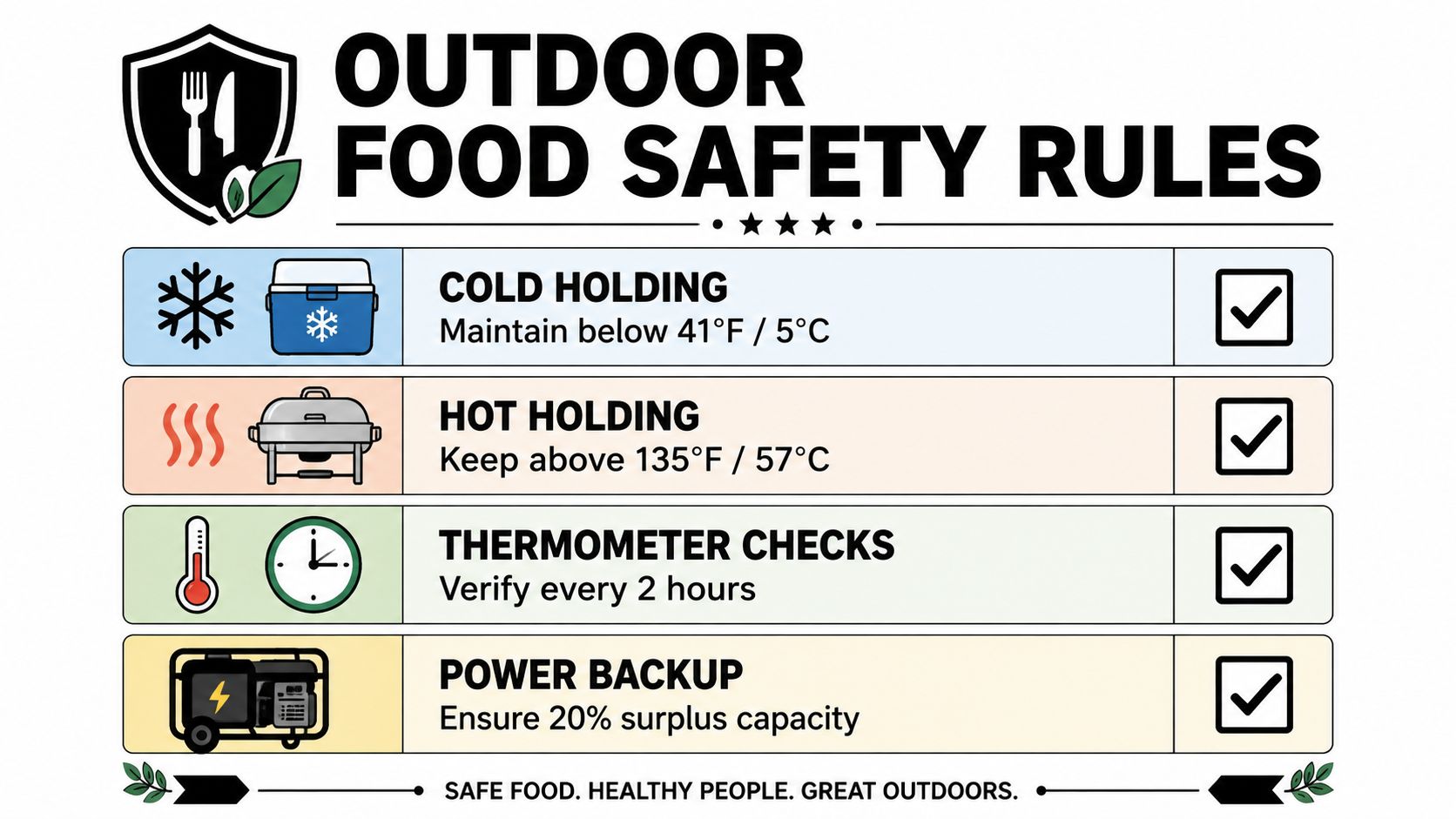
A practical field benchmark often used in outdoor service is cold holding at or below 41°F and hot holding at or above 135°F, with calibrated thermometer checks throughout service. Local rules can be stricter, so the venue's jurisdiction must decide the final operating standard. For example, UK CIEH guidance calls for higher-risk foods to be transported, stored, and displayed at 8°C or below, ideally between 1°C and 5°C, and says hot food held for more than 2 hours should remain above 63°C. CIEH national guidance for outdoor and mobile catering provides the relevant UK framework.
Match equipment to the temperature task
Cold holding needs more than a cooler full of loose ice. Use sealed containers, drainable ice beds, refrigerated units, or coolers positioned near the serving area. Keep raw ingredients separate from ready-to-eat food, and don't open the main reserve cooler every time the line needs a refill. A smaller service cooler protects the main stock by reducing repeated warm-air exposure.
Hot holding works best when the food reaches the unit already hot. Chafing dishes, slow cookers, preheated grills, and insulated carriers can support the line, but they can't rescue food that arrived below the safe holding temperature. USDA cookout guidance specifically recommends chafing dishes, slow cookers, or a preheated grill for hot foods, and ice or a cooler near the service area for cold dishes.
Check the thickest or coolest part of the food with a calibrated thermometer. Record readings as part of the service routine, not as an emergency response after a tray has been sitting on the line.
Plan power before loading the van
List every powered item, identify whether it runs continuously or intermittently, and confirm the venue's available supply. Refrigeration, induction equipment, warming units, beverage systems, lighting, and insect barriers may all compete for capacity. Battery-operated equipment can reduce generator demand, but you still need a charging and replacement plan for a long service.
Generators should sit away from guest traffic, food preparation, and enclosed spaces. Protect cables from water and foot traffic, and keep fuel handling separate from food operations. If the event includes outdoor heating for staff or guests, guidance on Premier Marquee Hire outdoor heating can help with the separate considerations around comfort, placement, and event infrastructure.
The operational sequence is simple: cover food, minimize exposure, hold it actively, and replenish in smaller cycles. Food-safety guidance warns against relying on ambient shade or decorative covers without temperature control, because uncovered food can face both insect contamination and time-temperature abuse. For a concise explanation of the risk, use this food safety danger zone guide.
Integrating Insect Barriers for Safety and Style
Flies aren't merely an unpleasant sight beside the buffet. They can move between refuse, contaminated surfaces, and exposed food. Outdoor service guidance identifies insects as a contamination risk and recommends keeping food covered, controlling waste, and using barriers or fans alongside refrigeration and good hygiene. Protectivity's food safety guidance for heatwaves makes that combined approach clear.
That changes the equipment list. A fly barrier belongs beside lids, food pans, chafers, and coolers, not on a last-minute housekeeping list. Chemical sprays have no place around exposed food or food-contact surfaces. Physical barriers are easier to control because they protect a defined service area without adding residue or an airborne chemical hazard.
Protect the line without making it look industrial
A guest shouldn't have to choose between a clean buffet and an attractive one. Place fans at the edges of the service zone, where they can create a moving-air barrier without blowing directly across open food. Keep the airflow away from napkins, lightweight garnish, and flame-based equipment. Test placement before guests arrive, because the right position depends on the table height, wind direction, tent openings, and queue pattern.
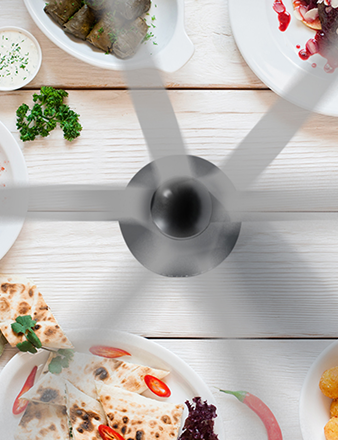
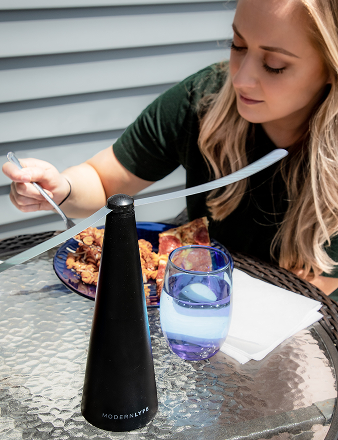
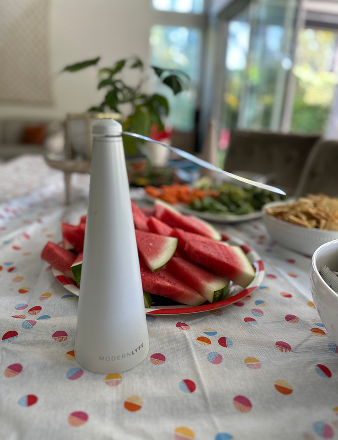
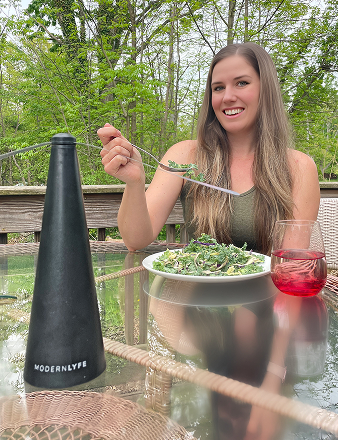
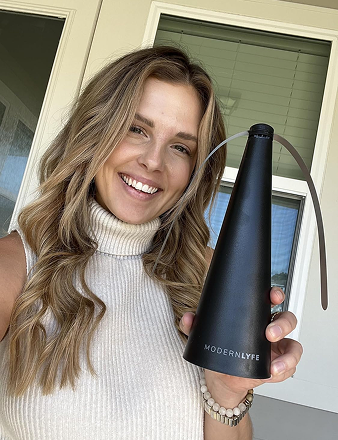
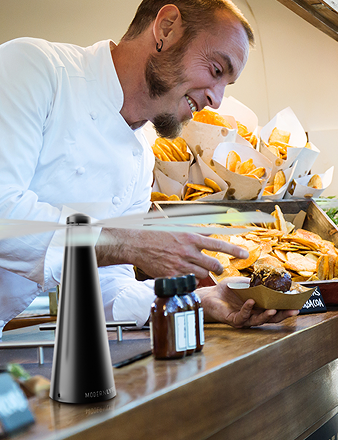
Battery-operated fly fans can work well where generator power is limited or where cable runs would create a trip hazard. A quiet, compact unit can sit near a buffet or serving station and remain visually unobtrusive. The product category is particularly useful for restaurants, hotels, caterers, and homeowners who need insect protection without turning a formal outdoor reception into a visibly industrial worksite.
Combine barriers with discipline
Fans don't replace covers, sanitation, or waste control. Keep reserve food sealed, clean spills immediately, remove dirty plates from the guest-facing area, and position refuse containers away from preparation and display. If a bin fills, the team should have a replacement route that doesn't pass through the clean staging zone.
Outdoor event guidance also recommends screening stalls at the sides and back where possible, keeping food and equipment covered, and maintaining clean refuse areas. It notes that tented structures can't be fully proofed against flying insects, so the sensible response is layered protection: screened preparation, sealed storage, covered food, airflow barriers, and fast waste removal.
Use this fly control guide for outdoor dining when deciding how to position barriers around a buffet. The goal isn't to create an invisible bubble. It's to reduce the routes insects use to reach food while keeping the service line easy for staff and guests to move through.
Planning Your Service Layout and Sanitation Zones
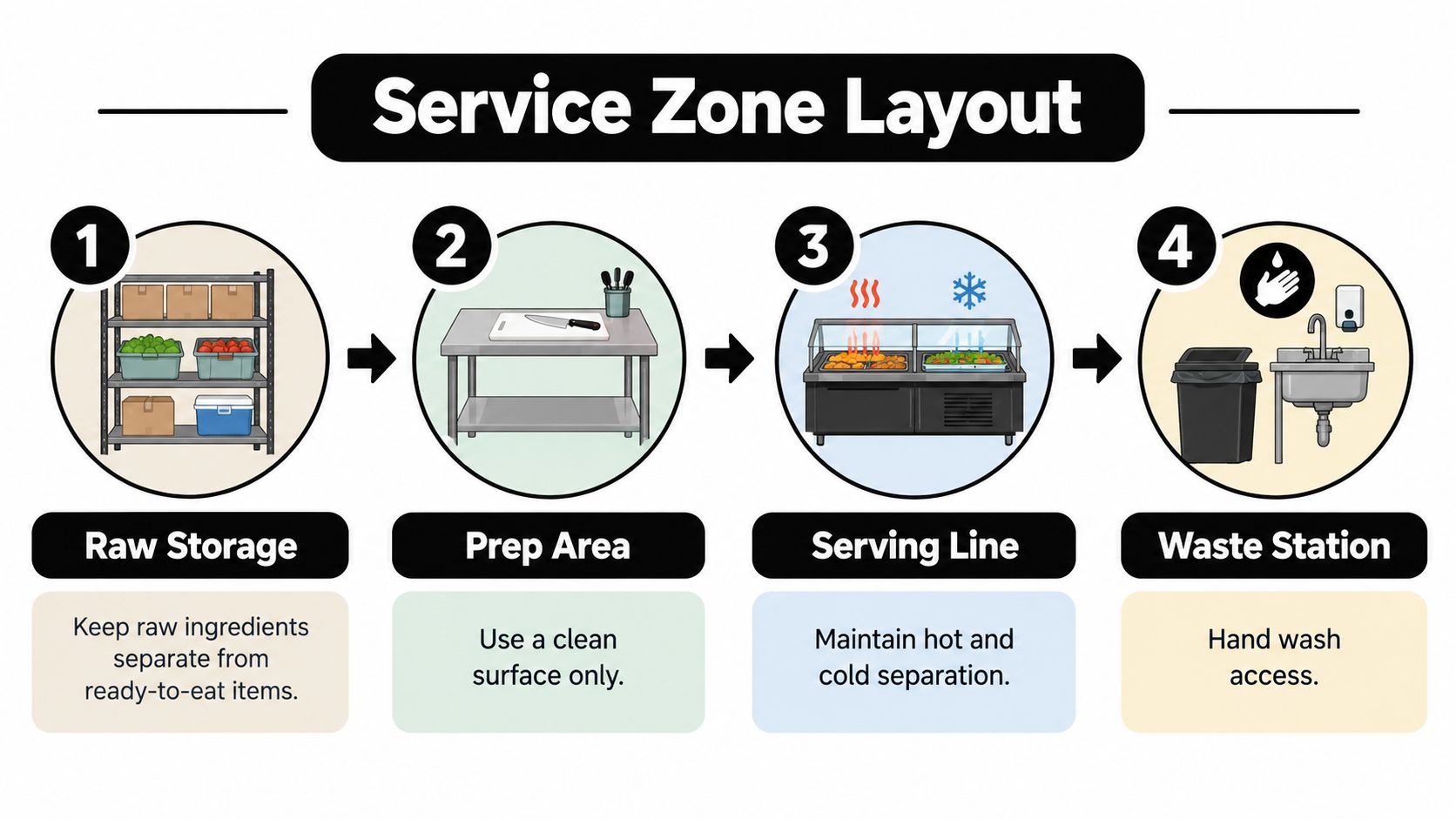
A strong outdoor layout lets clean food move forward while dirty equipment and rubbish move away. Draw the site before unloading. Mark the raw storage point, preparation surface, service line, handwashing station, reserve stock, and waste station. If staff have to improvise these zones after guests arrive, the line will develop unsafe shortcuts.
Use a one-way working pattern
Raw storage belongs at the back of the operation, protected from sun, rain, and public access. Keep raw ingredients physically separate from ready-to-eat food, and use lidded containers that can be identified without repeated opening.
Preparation needs a stable, clean surface with room for utensils, containers, and waste collection. Don't use the guest-facing serving table as a cutting or assembly surface. That creates unnecessary traffic and increases the chance that serviceware, packaging, and raw ingredients will meet.
Keep service and sanitation within reach
The serving line should separate hot and cold food physically, with lids or covers available for every exposed dish. Put reserve trays beneath or immediately behind the line, not across a guest path. Smaller, frequent replenishments are safer and look cleaner than a single overloaded display that sits open for long periods.
Handwashing becomes mandatory whenever staff prepare, cook, reheat, portion, or serve food at a special event under Region of Waterloo food safety requirements. Those rules require cold items at 4°C or below, hot items at 60°C or above, and a handwashing station for on-site food preparation and service. The station should be accessible to staff without forcing them to cross the raw storage area.
Place the waste station downwind and away from food preparation where the site allows. Use sealed or pest-resistant containers, keep refuse off the ground, and remove accumulating waste before it attracts insects. After service, disinfect equipment and food-contact surfaces before packing them, because outdoor dust and residue can become a contamination problem inside storage cases.
Selecting Supplies for Different Event Scenarios
The right equipment stack depends on the site, menu, service style, and utility access. A backyard barbecue with a short guest flow doesn't need the same infrastructure as a formal reception or a public event with continuous replenishment. Buying the largest possible setup often creates transport problems, while packing too lightly leaves the crew without safe holding or clean staging.
A small backyard gathering
For a compact event, prioritize portability and control. A reliable stack might include insulated carriers, a dedicated cooler for perishables, lidded serving dishes, one stable folding table, a handwashing unit, covered waste containers, and a battery-operated insect barrier. If the menu is simple and most food is served in short waves, you may not need extensive powered cooking equipment.
The trade-off is capacity. Small coolers and lightweight tables are easy to move, but they offer less reserve space and may need closer monitoring. Keep backup food sealed and replenish the line in modest amounts rather than displaying everything at once.
A mid-sized reception with limited power
Planning usually breaks down at this point. The event is too demanding for picnic equipment but doesn't justify recreating a commercial kitchen outdoors. Use insulated food pan carriers, separate hot and cold holding, a generator sized for the actual connected load, battery equipment for low-draw items, and clearly defined reserve stock.
Portable grills, folding tables, generators, and refrigerated units have become increasingly common parts of event planning, while demand for portable outdoor catering equipment peaks during summer, according to Accio's catering industry trend outlook. The practical lesson is to build a contingency plan for heat, power loss, and equipment constraints before the truck leaves.
If the venue provides space but not equipment, clarify whether you're arranging a staffed service or bringing in equipment only. A concise dry hire definition helps separate equipment rental from a package that includes catering staff and operations.
A formal wedding or corporate reception
Presentation matters more here, but safety still decides the structure. Use matching insulated carriers, clean service tables, concealed reserve stock, coordinated lids, protected beverage stations, and discreet insect barriers. Keep the service line visually simple by moving replenishment and waste activity behind it.
A generator may provide dependable capacity, but it also brings fuel, noise, cable, and placement concerns. Battery-operated fans and low-draw equipment can remove some cable runs, while active refrigeration still needs a dependable power source or a carefully managed cold-holding alternative. Before ordering, compare the menu's holding demands against the site's actual utility access.
For a practical stock review, use this catering equipment checklist, then remove anything that doesn't support the chosen service pattern. The best outdoor catering supplies are the ones your crew can deploy, monitor, clean, and pack without confusion.
Finalizing Your Setup and Closing Procedures
Service isn't finished when the last guest takes a plate. The closing sequence protects leftover food, prevents pest attraction, and determines whether equipment is ready for the next job.
Start by separating food that can be safely retained from food that has exceeded the permitted exposure or holding conditions. Don't combine partially used trays with untouched reserve stock. Label retained items with the relevant preparation or service information, cool or chill them using an appropriate process, and discard anything whose time or temperature history is uncertain.
Then work from clean zones toward dirty zones:
- Secure food first. Cover, label, and move retained items into appropriate chilled or hot-holding equipment without leaving them on the open table.
- Clear guest-facing serviceware. Remove utensils, lids, and containers before they collect more dust, insects, or spills.
- Clean food-contact surfaces. Wash, rinse, and sanitize tables, pans, handles, dispensers, and thermometer probes according to the products and equipment instructions.
- Control waste. Seal rubbish, remove liquid waste, and leave the service area free of food scraps that attract insects overnight.
- Inspect powered equipment. Shut down generators and appliances safely, allow hot equipment to cool, and check cables and battery compartments for damage or moisture.
- Pack dry and protected. Store clean equipment separately from dirty items, keep cases closed, and don't put damp cloths or wet pans into sealed containers.
Outdoor food and equipment guidance emphasizes pest-proof containers, covered food, clean refuse areas, and disinfection after use. Those controls matter during breakdown because exposed leftovers and dirty equipment can attract insects just as quickly as an active buffet.
Before leaving, walk the site with the same discipline used during setup. Check under tables, behind service stations, around the generator, and near the waste area. A clean close protects the venue relationship, extends equipment life, and makes the next load-in faster.
For outdoor caterers, restaurants, hotels, and hosts who want discreet insect protection at buffet lines and serving stations, MODERN LYFE offers battery-operated fly fans designed for practical placement around dining setups. Visit MODERN LYFE to review options that support cleaner outdoor service without adding bulky equipment to the guest-facing layout.