The buffet is set, the grill is hot, and guests are arriving. Then the practical problems start: the only handwashing station is across the lawn, the cooler sits in direct sun, uncovered food attracts flies, and staff aren't sure when each tray left refrigeration. Outdoor events combine heat, sunlight, wind, insects, limited water, and extended serving times, so isolated precautions aren't enough.
A reliable plan connects setup, temperature control, food separation, hand hygiene, pest control, monitoring, compliance, and cleanup. The FDA and USDA 2-hour rule gives operators a clear baseline. Perishable food shouldn't remain in the 40°F to 140°F danger zone for more than 2 hours, or 1 hour when outdoor temperatures exceed 90°F, as explained in the FDA outdoor food safety guidance. USDA summer cookout guidance also recommends keeping hot food at 140°F or above and cold food at 40°F or below.
This workflow gives you eight practical outdoor food safety tips, from positioning coolers and food covers to assigning staff checks and closing down the site. Use it while you plan your backyard celebration, prepare a catered reception, operate a food truck, or manage an outdoor buffet.
1. Maintain Proper Food Temperature Control
Temperature control begins during setup, before food reaches the serving table. Keep cold foods at 40°F or below and hot foods at 140°F or above, the thresholds repeated in USDA summer cookout guidance. Direct sunlight, outdoor heat, and frequent container openings can move food out of range quickly, so position coolers and hot-holding equipment in shade where possible.
Choose insulated coolers with enough ice or ice packs for the full load. Use heated containers, chafing dishes, or other equipment that can hold hot food at the required temperature. A rolling cooler with a temperature display lets a catering team find problems before service. At a hotel outdoor reception, staff may need to check warming trays at the buffet, not only in the kitchen.
Practical rule: Measure the food itself, not the surrounding air. A warm afternoon cannot show whether the center of a roast, tray, or salad remains within range.
Pack a digital thermometer in every event kit. Staff must know how to calibrate, sanitize, and use it, not just where it is stored. A U.S. survey reported ownership at 67% in 2016, while 42% correctly followed the recommendation to use a thermometer when cooking meat and poultry, according to the FDA survey record indexed by PubMed.
Check temperatures at setup, during service, and whenever a cooler or hot-holding unit is opened repeatedly. Record the readings and assign one person to act on them. If food drifts into the food safety danger zone guidance, replace it, reheat it when appropriate, or discard it according to the service plan. Store raw proteins below ready-to-eat foods, and send smaller quantities to the table more often.

2. Protect Food from Insect Contamination
An outdoor buffet needs a pest-control plan, not just a food cover. Flies are drawn to food odors, moisture, spills, waste, and organic matter. Once they reach an uncovered tray, the problem is no longer limited to guest comfort. The insect has made contact with a food-contact environment that staff can't reliably inspect.
Start with physical protection. Use mesh domes, fitted lids, display covers, or mesh tents over hors d'oeuvres, cut fruit, salads, sandwiches, and desserts. Keep serving containers closed between guest access, and replace utensils when they fall onto a table or ground.
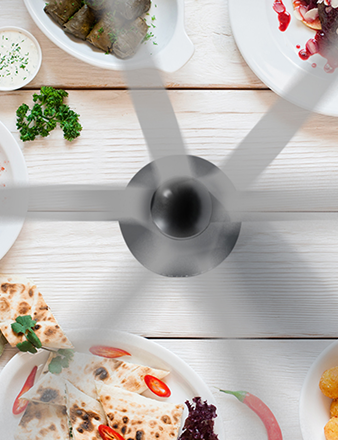
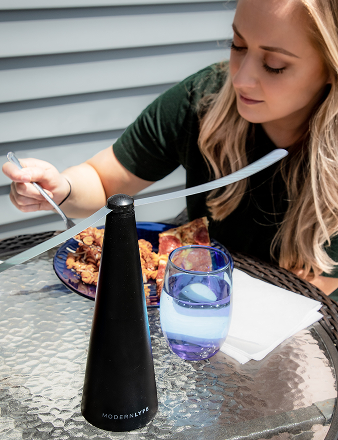
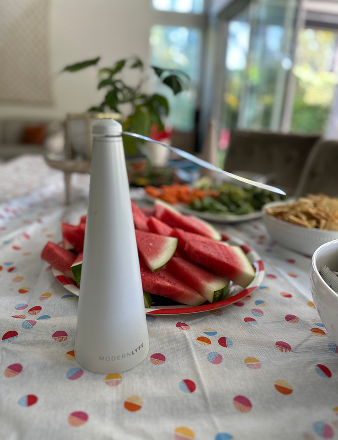
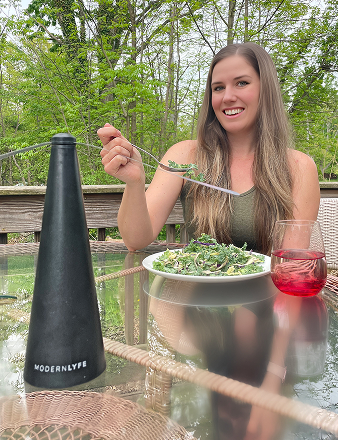
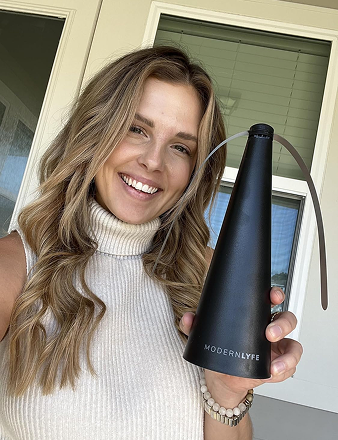
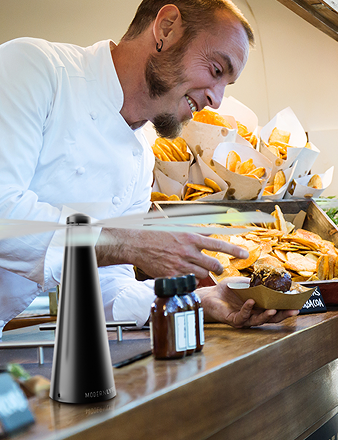
Fans can support that barrier when positioned correctly. A small, discreet fan aimed across the buffet can make the approach less attractive to flies, but it shouldn't blow dust, napkins, smoke, or debris directly onto food. Place it so airflow moves across the front or side of the station, while covers remain the primary protection. Guidance on keeping flies away from outdoor food offers additional placement considerations.
Build a pest-control zone
Keep sealed trash and compost containers away from preparation and serving tables. Clean spills immediately, move the buffet away from landscaping and standing water, and consider the day's insect activity when choosing service times. A fan at the main food table can complement covers, while separate airflow near seating areas can reduce pressure around guests without turning the dining zone into a wind tunnel.
Independent outdoor food-safety guidance recommends keeping waste away from food, cleaning spills promptly, and using a small fan to direct flies toward another zone. Food-industry guidance also identifies air curtains and 16-mesh screens as physical controls that can exclude or redirect insects, as summarized by outdoor fly-control guidance.
For stinging insects, coordinate food placement and waste control with professional bee removal advice.

3. Practice Proper Hand Hygiene and Food Handler Protocols
During a busy outdoor event, a worker may touch a phone, cooler handle, face, hair, raw ingredients, utensils, and payment device within minutes. A handwashing station placed far from the work area encourages shortcuts and slows service.
Set up a portable station beside food preparation and service areas. Stock it with potable water, soap, and paper towels, then check those supplies before guests arrive and throughout service. Hand sanitizer helps when a sink is temporarily out of reach, but it does not replace washing visibly dirty hands or hands that handled raw food. Place sanitizer at buffet entrances and staff stations to support the handwashing system.
Brief every food handler before service starts. Demonstrate washing with soap and water for at least 20 seconds, changing gloves between tasks, and washing again after touching a phone, face, hair, restroom fixtures, waste, or raw protein. Gloves limit direct contact only when used correctly. The same pair can transfer contamination from one task to another, so replace gloves when they are torn, dirty, or moving between tasks.
Keep the procedure visible at the station, and use the hygiene and food-safety compliance guidance to reinforce staff expectations.
Assign hygiene responsibility
Give one person responsibility for checking soap, water, and towels during service. Assign another worker to monitor the food line and replace dropped or contaminated utensils. At a wedding, include both duties in the coordinator's staff briefing. At a food festival, each vendor should bring its own handwashing supplies instead of relying on a distant shared facility.
Availability does not guarantee use. Supplies belong where the work occurs, and a named worker should confirm them at set points during the event. Record checks on the service sheet if the operation uses one, so a missing towel or empty water container gets corrected before it interrupts food handling.

4. Prevent Cross-Contamination Through Proper Food Separation
A successful cooking station can still become unsafe if raw chicken, cooked burgers, salad, and serving utensils share the same surface. Cross-contamination happens when organisms from raw food move to ready-to-eat food through hands, boards, knives, trays, gloves, or cooler packaging.
Design the station before unloading supplies. Give raw preparation its own table, cutting board, knife, and waste container. Keep cooked food and garnishes on a separate table, and use dedicated tongs or spoons for each finished dish. If space is limited, schedule raw preparation first, clean and sanitize the surface, then move to ready-to-eat work.
Color coding can make the system easier to follow. One operation might use red for raw meat, yellow for poultry, and green for vegetables. The exact colors matter less than consistency. Label boards and utensils, explain the system in the staff briefing, and keep the tools together so workers don't need to improvise.
Raw proteins belong at the bottom of the cooler. Ready-to-eat foods belong above them, protected from leaks and drips.
Separate coolers are useful when the event allows them. A raw-protein cooler can stay closed near the grill, while a ready-to-eat cooler supports the buffet. A beverage cooler should remain separate from food storage because guests and staff open it frequently, increasing handling and temperature fluctuation.
Staff should change gloves between raw and cooked tasks, wash hands, and sanitize surfaces before the next food type arrives. A food truck can mark prep zones with tape. A caterer can assign one worker to grill transfer and another to salad and garnish service. A backyard host can do the same by settling the grill menu in advance; working from a fixed set of recipes, such as the steaks, ribs, seafood and sides in the Fire & Smoke grilling cookbook, makes it clear before guests arrive which boards, tongs and trays each dish needs on the raw and cooked sides. These small layout choices reduce dependence on memory during a rush.
5. Store Food Safely and Manage Coolers Effectively
Cooler management is a logistics problem as much as a refrigeration problem. A cooler that's packed incorrectly forces staff to search through food, leaves the lid open, and exposes ingredients to warm air. A cooler that's placed in the sun loses ice faster and creates avoidable pressure on the service team.
Choose a well-insulated cooler suited to the event's volume, pre-chill it before loading, and use block ice when longer cooling is needed. Pack food in sealed containers, place raw proteins at the bottom, and keep ready-to-eat items above them. Keep the cooler in shade, and cover it with a clean insulating layer if that doesn't block ventilation or create a trip hazard.
Separate access by purpose
Use one cooler for food and another for beverages whenever possible. The drink cooler will open frequently, while the food cooler should remain closed except when staff retrieve ingredients. This separation also helps prevent food packaging or raw juices from contacting ice intended for drinks.
Layering helps staff see the system at a glance. Put ice below the food, arrange containers so labels face upward, then add ice around and above the containers. Keep a dedicated scoop for loose ice, and don't allow hands or used cups into the ice supply.

Check and record cooler temperatures during the event. Bring additional ice, backup containers, and a second thermometer so one equipment failure doesn't become a food-safety failure. Staff should know which foods must be discarded if the cooler warms beyond the safe range or if time in the danger zone can't be verified.
A visual demonstration can help teams understand how cooler organization affects access, drainage, and holding conditions.
Don't place coolers beneath dripping trees, beside the grill, or in guest traffic. The best location is shaded, stable, easy for staff to reach, and separate from the buffet queue.
6. Maintain Clean Food Preparation and Serving Surfaces
Outdoor surfaces collect dust, leaves, grease, splash, and insects. A table can look clean while carrying residue from an earlier task, especially after raw meat preparation or grill service. Treat every food-contact surface as an active control point.
Clean tables, cutting boards, knives, trays, tongs, and serving spoons before preparation begins. Use hot soapy water to remove soil, then apply an appropriate sanitizer according to its label instructions. Allow the required contact time, and keep cleaning products in sealed, clearly identified containers away from ingredients and guest access.
Keep sanitation continuous
Don't wait until the end of the event. Wipe spills as soon as they occur, replace serving utensils when they fall or become visibly soiled, and sanitize high-touch equipment such as cooler handles and shared tools. A dedicated utility worker can circulate through a large catered event, while a food truck team can assign the person away from the register to maintain the prep surface.
- Before preparation: Clean and sanitize all food-contact areas before ingredients arrive.
- Between food types: Reset the surface after raw proteins, produce, and ready-to-eat foods use the same area.
- During service: Watch for spills, dropped utensils, windblown debris, and condensation around cold dishes.
- At close: Separate dirty equipment from clean equipment and transport both in covered containers.
Cover sanitized tables with clean cloths or food-safe barriers until use. Disposable serving utensils can reduce washing demands, but they still need replacement when contaminated or dropped. A written cleaning schedule gives staff a clear trigger for action, rather than leaving sanitation to whoever notices a problem first.
7. Know and Follow Local Health Codes and Regulations
Outdoor food service doesn't operate under one universal rulebook. Requirements can vary by jurisdiction and may address permits, approved preparation locations, water supply, waste handling, food transport, equipment, employee training, and the kinds of food allowed at a temporary event.
Contact the local health department before finalizing the layout. Ask specifically about temporary food permits, handwashing requirements, cold and hot holding equipment, wastewater disposal, allergen controls, and inspection timing. A restaurant expanding onto a patio may face different requirements from a caterer serving at a private property or a food truck entering a festival.
Put compliance into the event file
Maintain a current event folder, whether digital or printed. Include permits, certifications, vendor contacts, equipment checks, site maps, and any written guidance received from the health department. Keep copies accessible during service, not locked in an office or left with a remote administrator.
A multi-location caterer should maintain a compliance calendar for each jurisdiction. Rules may differ between cities, counties, and event venues, so copying last year's setup can create a gap. Ask the authority having jurisdiction to review unusual situations, such as a temporary grill near guest seating, outdoor dishwashing, or food transported between facilities.
Staff also need location-specific training. The briefing should identify where records are kept, who speaks with an inspector, which foods require special handling, and what happens if equipment fails. Documentation won't make an unsafe setup acceptable, but it helps the team prove that responsibilities, controls, and corrective actions are defined.
8. Implement Time and Temperature Monitoring Systems
A thermometer reading without a time record tells only part of the story. A tray may be at an acceptable temperature when checked, but staff still need to know when it left refrigeration or heat. Outdoor service becomes more reliable when each food has an owner, a starting time, a current reading, and a clear discard decision.
Use calibrated digital thermometers and check the thickest part of cooked meat from the side, following USDA guidance on measuring meat temperature. Sanitize the probe between foods, and keep a backup instrument on site. For holding, record temperatures at regular service intervals and note corrective action when a dish falls outside the required range.
The FDA Food Code sets a two-stage cooling framework for cooked time and temperature control for safety foods. Food should cool from 135°F to 70°F within 2 hours, then from 70°F to 41°F or lower within the next 4 hours, for a maximum of 6 hours total, according to FDA Food Code materials. Use shallow pans, smaller portions, ice baths, or other approved methods that help large batches cool quickly.
Make decisions before food becomes a debate
Record when food leaves a cooler, oven, grill, or warming unit. Use timers, alarms, color-coded labels, and a simple log that staff can complete without leaving the station. The FDA and USDA outdoor rule limits perishable food in the danger zone to 2 hours, or 1 hour above 90°F, as described in CDC prevention guidance.
The discard decision should never depend on whether food smells acceptable. If staff can't verify time or temperature, escalate to the supervisor and follow the event's written discard policy. A clear log also helps the next shift understand what has been checked, what needs attention, and which food must not return to service.
Use environmentally responsible service planning where possible, including the Nothing's ban-of-plastics resource, while keeping food protection and safe utensil replacement as the priority.
8-Point Outdoor Food Safety Comparison
| Item | 🔄 Implementation complexity | ⚡ Resource requirements | 📊 Expected outcomes | 💡 Ideal use cases | ⭐ Key advantages |
|---|---|---|---|---|---|
| Maintain Proper Food Temperature Control | Medium, equipment + routine checks | Insulated coolers, warmers, thermometers, power/fuel | Significantly reduces bacterial growth; preserves quality | Buffets, catering, food trucks, food transport | Prevents illness; extends shelf life; builds confidence |
| Protect Food from Insect Contamination | Low–Medium, deploy barriers and monitoring | Mesh covers, fly fans, screens, placement planning | Fewer insects on food; lower contamination risk | Outdoor buffets, markets, patios, weddings | Non‑chemical options; improves presentation and comfort |
| Practice Proper Hand Hygiene and Food Handler Protocols | Low, policy, training, enforcement | Hand‑washing stations or sanitizer, staffing training | Reduces multiple transmission vectors; cost‑effective | All outdoor events, vendor booths, temporary kitchens | High impact for low cost; immediately implementable |
| Prevent Cross-Contamination Through Proper Food Separation | Medium, workflow changes and discipline | Color‑coded boards/utensils, separate prep areas, training | Major reduction in cross‑contamination incidents | Catering prep, food trucks, multi‑dish service lines | Simple systems with high effectiveness; low recurring cost |
| Store Food Safely and Manage Coolers Effectively | Medium, planning and ongoing maintenance | High‑quality coolers, block ice, thermometer monitoring | Extends safe serving window; maintains cold chain | Remote/long events, camping, backup storage for vendors | Portable, reusable solution that preserves temps |
| Maintain Clean Food Preparation and Serving Surfaces | Low–Medium, frequent cleaning schedule | Cleaning supplies, sanitizers, water access | Lowers surface‑borne contamination; improves hygiene | All prep and service areas at outdoor events | Prevents multiple contamination sources; improves presentation |
| Know and Follow Local Health Codes and Regulations | High, variable rules, permits, documentation | Time, permits, staff training, record keeping | Legal compliance; reduced regulatory risk | Businesses, large events, multi‑jurisdiction operations | Ensures lawful operation; access to official guidance |
| Implement Time and Temperature Monitoring Systems | Medium, equipment + logging discipline | Calibrated thermometers, timers, logs, alert systems | Objective data for corrective action; compliance records | Buffets, long services, catering, regulated operations | Reduces guesswork; enables fast corrective action and documentation |
Turn the Checklist Into Consistent Outdoor Service
Outdoor food safety works best as a sequence of checkpoints rather than a collection of reminders. Before service, walk the site with the person responsible for operations. Verify permits and certifications, place the handwashing station where staff can use it, organize coolers with raw proteins below ready-to-eat foods, and confirm that food covers, fans, thermometers, sanitizer, towels, ice, and backup supplies are present.
Assign responsibilities before guests arrive. One person should own temperature records, another should monitor handwashing and utensils, and another should manage waste, spills, and pest pressure. Staff should know who can remove a dish from service, where replacement food is stored, and how to respond when a cooler, warmer, fan, or handwashing station fails.
During service, use the layout as a control system. Keep the buffet shaded and away from landscaping or standing water. Use covers over exposed food and discreet fan-based fly protection where airflow won't blow debris onto the table. Keep trash sealed and distant, clean spills immediately, and limit the time food remains in the danger zone. The CDC guidance for safely serving food states that perishable food left out for 2 hours or more should be discarded, with the threshold reduced to 1 hour above 90°F.
Temperature records should support decisions, not become paperwork completed after the fact. Check hot and cold holding, log the time food enters service, and replace or discard items when staff can't confirm safe control. If a cooked batch needs cooling, use the FDA's staged cooling limits and equipment designed for rapid heat removal.
Breakdown needs the same discipline as setup. Separate raw and ready-to-eat equipment, place dirty utensils in covered containers, discard food that exceeded the applicable time limit, and clean and sanitize tables before packing them. Empty waste before it attracts insects, remove standing water where practical, and inspect coolers for leaks or damaged seals.
Finally, adjust the plan for conditions. Heat may require shorter service runs, more ice, and earlier replacement. Cold weather may affect hot holding and fuel performance. Wind changes the position of covers, napkins, and fans. Peak insect activity may require moving the buffet, strengthening physical covers, or assigning a dedicated pest-control check. MODERN LYFE fly fans can be one component of that broader plan when their placement supports, rather than replaces, covers, sanitation, waste control, and temperature management.
MODERN LYFE offers battery-operated fly fans designed for placement around buffet lines, restaurant patios, catered receptions, barbecues, and other dining setups. Visit MODERN LYFE to review discreet fly-protection options and build them into your next outdoor food-service plan.