You're two hours from service, the patio is booked out, and the forecast just flipped. Your buffet is planned, your staff are briefed, and suddenly every decision depends on one thing you treated as an afterthought. Your outdoor party tent. Get it right and the event runs. Get it wrong and you're moving food, chasing shade, and apologizing to guests. Decide this week, properly.
Why the Right Tent Changes the Whole Event
You know this scene. Guests are squinting at their tables, a server is trying to keep salads cold in direct sun, and a gust lifts one corner of a lightweight canopy just enough to make everyone look up. Nothing has failed yet. That's the problem. You're now managing the tent instead of managing the event.
An outdoor party tent isn't shade on sticks. It's a temporary venue. It sets where people sit, where servers walk, where food can safely sit, and where water goes when it rains. Choose it by photo alone and those decisions get made for you, badly, on the day.
What a Tent Actually Controls
First, it controls flow. Center poles dictate table placement. Low edges cut off service aisles. A footprint that's too tight turns a bar queue into a blocked exit. Second, it controls comfort. Roof material, height, and sidewalls decide heat, glare, and airflow more than any fan you add later.
Third, and most ignored, it controls food safety. An open-sided tent on a breezy lawn next to bins and vegetation is a very different food environment from a screened, cleanable structure with covered dishes and a planned waste route. Same menu. Completely different risk.
Treat the tent as the building. If you wouldn't accept the layout, exits, or food storage in a dining room, don't accept it under canvas.
This isn't a niche purchase anymore. Tents were the largest product category in the temporary event structures market in 2025, with 32.5% of revenue, about $4.16 billion, according to Dataintelo's temporary event structures market analysis. That scale tells you operators now build events around shelter choice, not around hoping for weather.
Make three calls early and the rest gets easier. Pick the structure for your surface, size it for furniture and service, not heads alone, and plan the food zone as a system. Do that and the tent disappears from your worries. That's the point.
Matching Tent Types to the Way You Actually Host
Start with your surface and your service style. Not the prettiest photo in a rental catalog. The structure has to fit the ground, the guest count, and how food moves.
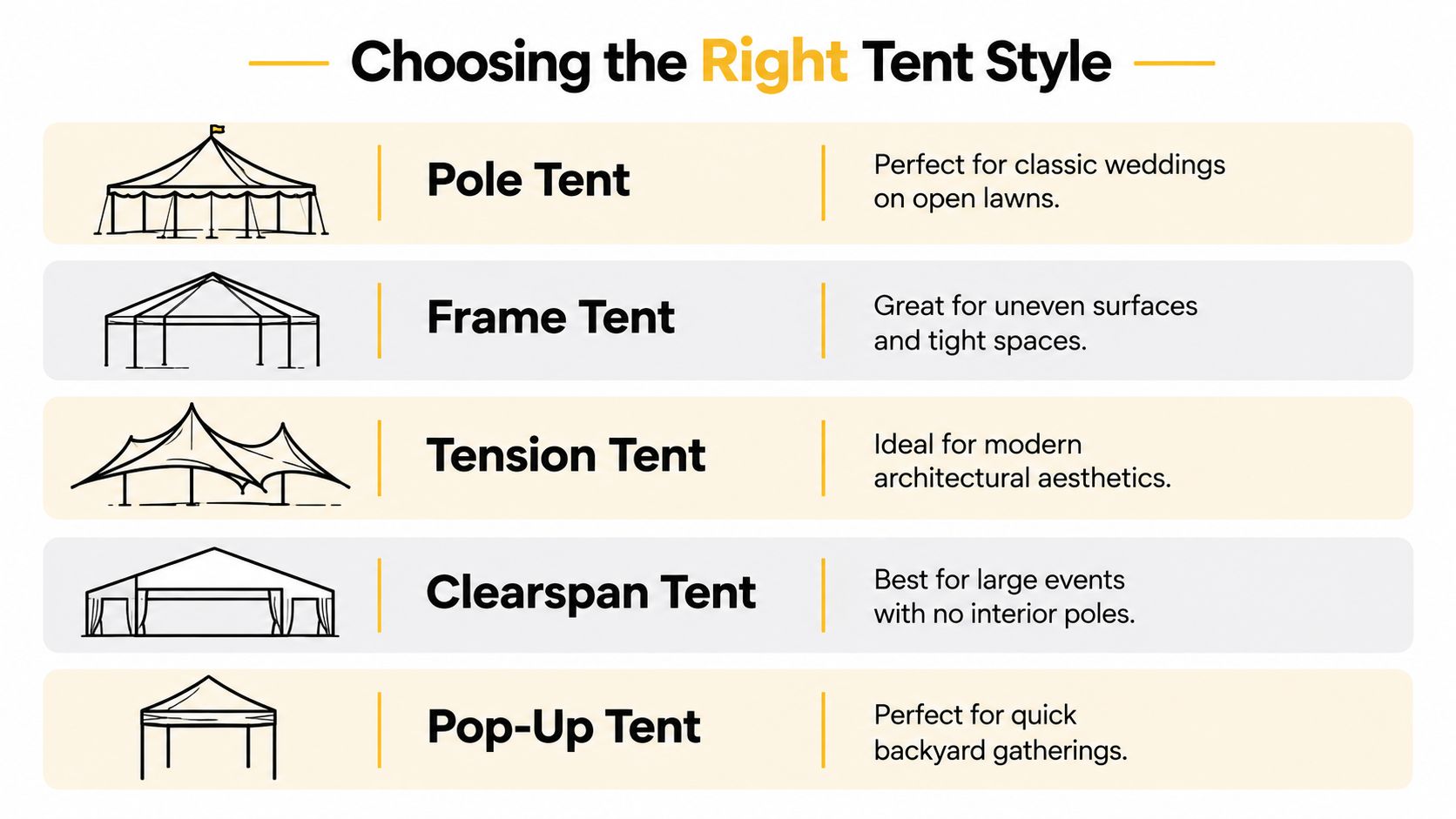
Pole tents are the classic wedding look. High peaks, sweeping fabric, real presence on an open lawn. They need staking and extra room for guy lines, and those center poles will interrupt sightlines and dance floors. Use one when you've got grass, space, and a formal seated layout that can work around poles. Don't force one onto a tight restaurant patio.
A frame tent is your workhorse. It has no center poles, sits on grass or hard surfaces with proper ballast, and gives caterers a clean rectangle to work in. For hotels, restaurants, and planners squeezing service into courtyards or terraces, this is usually the right answer.
The Other Three, Honestly Assessed
Tension tents sell the sculptural, upscale look. They're strong for brand events and modern weddings when you want architecture, not just cover. Budget and professional installation follow that look, so don't pick one for a simple buffet lunch.
Clearspan structures are the heavy-duty option. Wide open interiors, engineered frames, better for large exhibitions, hospitality halls, and long installations. If you're feeding a crowd for days, not hours, that is where you should be looking.
Pop-up canopies have a place. Backyard barbecues, market stalls, food truck shade. Fast, cheap, portable. They're not a wedding venue and they're not a storm plan. Stop asking them to be.
There's a reason frame and clearspan designs now dominate commercial work. Marquees evolved from trade and military shelters, and the late 20th century move to lightweight aluminum frames cut transport and installation demands, as traced in Gala Tent's history of marquee development. Lighter frames made tents larger, modular, and faster to configure.
Pick by constraint. Grass and drama, pole. Hard surface and catering flow, frame. Scale and duration, clearspan. Quick and casual, pop-up.
Sizing the Tent to Guests, Furniture, and Flow
Most sizing mistakes are simple. You count guests, order that footprint, then discover there's nowhere for the buffet, the bar, or a server to pass with a tray. Count zones, not just heads.
Use a working rule, then add the furniture. For a seated dinner, plan roughly 10 to 12 square feet per guest. For a standing reception, roughly 6 to 8 square feet per guest works if people can circulate. Then add separate space for every station you expect staff and guests to use at the same time.
Tent Sizing by Event Type
| Event Type | Sq Ft per Guest | Add for Buffet/Bar | Add for Stage/Dance Floor |
|---|---|---|---|
| Seated dinner | 10 to 12 | Dedicated station zone plus queue space | Separate floor area, not taken from seating |
| Standing reception | 6 to 8 | Bar frontage plus back-of-house access | Open central area if dancing is planned |
| Buffet service | 10 to 12 seated | Double-sided line plus staff aisle behind | Keep entertainment clear of food queue |
| Ceremony rows | Less than dining | Usually none inside | Aisle and front focal space required |
Run a quick example. A seated group needs its base dining area first. Add a buffet line guests can approach without crossing the kitchen path, add bar space that doesn't spill into exits, then add service aisles. If your total lands between two tent sizes, round up. Extra space reads as comfort. Too little reads as chaos and creates safety problems.
Don't ignore height and slope. Low eaves steal usable perimeter space, because nobody wants to sit where rain drips or fabric hangs close. Tall center height helps heat rise and lighting work, but only if tables aren't pushed under the lowest edges.
Finally, measure the outside footprint. Stakes, guy lines, and ballast need room beyond the roofline, and delivery access matters. Walk the site with a tape, mark doors, drains, slopes, and kitchen doors, then size the tent. A tent that fits on paper but blocks your service door doesn't fit.
Materials and Weatherproofing That Hold Up in Real Conditions
Fabric choice determines how your tent behaves at hour three, not how it looks at setup. Ask what it's made from, how it cleans, and what its documented flame performance is. If a vendor can't answer, find another vendor.
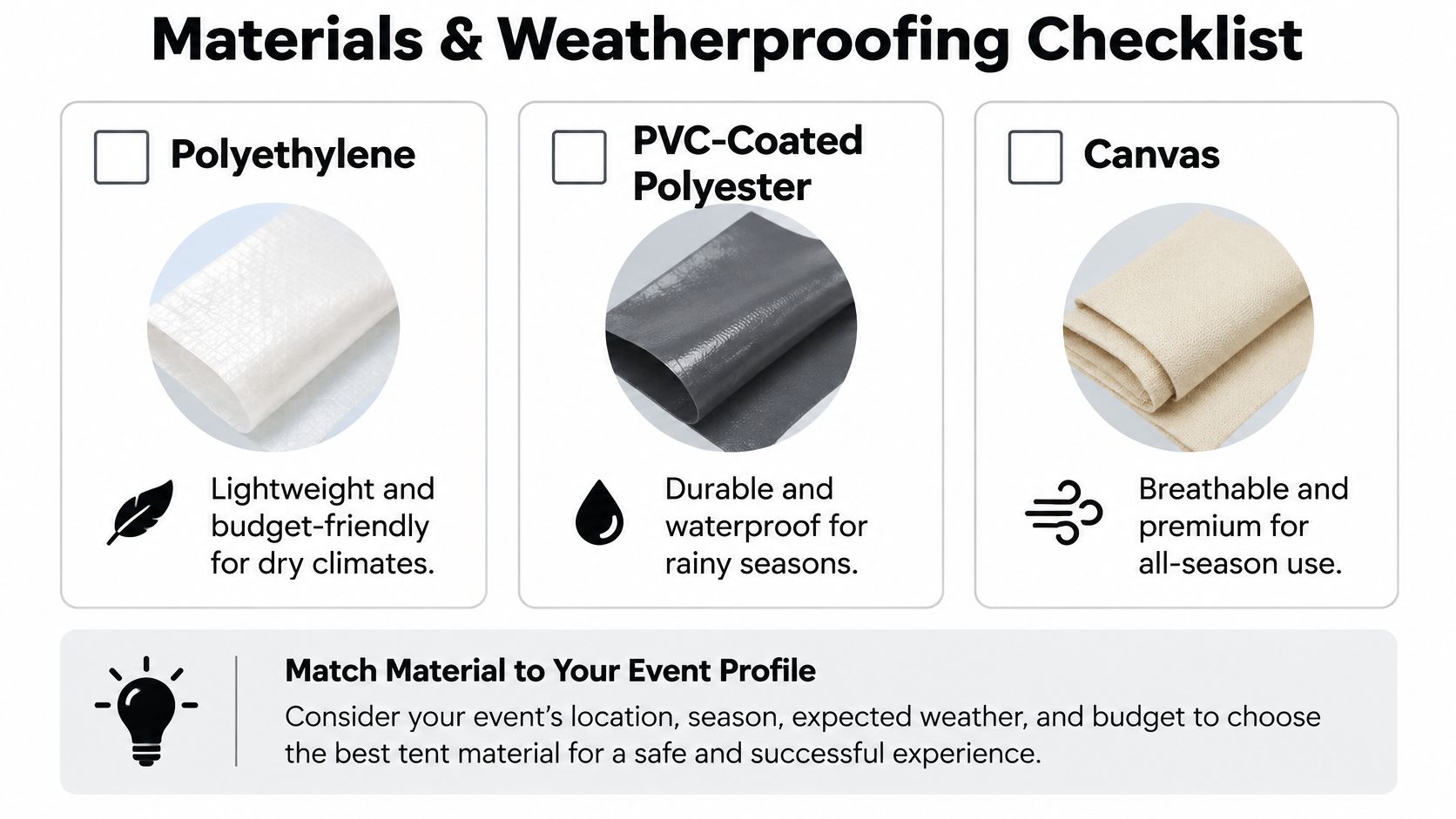
Polyethylene is lightweight and budget friendly. It's fine for short, dry, casual use. It's not my pick for a paid wedding or a restaurant service where a tear or leak becomes your refund problem.
PVC-coated polyester is the commercial standard for a reason. It's durable, waterproof, cleanable, and holds up to repeated installs. For caterers and venues working through a rainy season, this is the practical choice.
Canvas breathes and looks premium. It suits upscale, longer events where heat buildup matters and presentation is part of the price. It also needs proper care and drying, so don't buy it if your storage is damp and your crew is rushed.
Wind and Fire Matter More Than Fabric Weight
A heavy roof on a poorly anchored frame is still a sail. Sidewalls increase wind load, and gusts create uplift even when average wind feels manageable. Wind management is a primary engineering control, and University of Texas hospitality tent guidance requires removal of tents and canopies when winds are expected to reach 25 mph or more. That's an operational trigger for that guidance, not a universal rating for your tent. Use your manufacturer's limit, monitor on site, and act before you hit it.
On fire, demand documentation. Commercial tents should use fabric and décor with verified flame-propagation performance, typically through NFPA 701 testing or an accepted equivalent. Adding enclosed walls, lighting, heaters, or cooking nearby raises the stakes, so your paperwork needs to rise with it.
Ask every vendor five questions. What's the fabric, what's the flame certificate, what's the wind limit, what's the anchoring method for my surface, and how is it cleaned between events? Write the answers down.
Permits, Anchoring, and the Safety Rules Most Hosts Miss
Do this work before delivery day. A tent crew standing on your patio is the wrong moment to learn you need approval or can't stake into the surface.
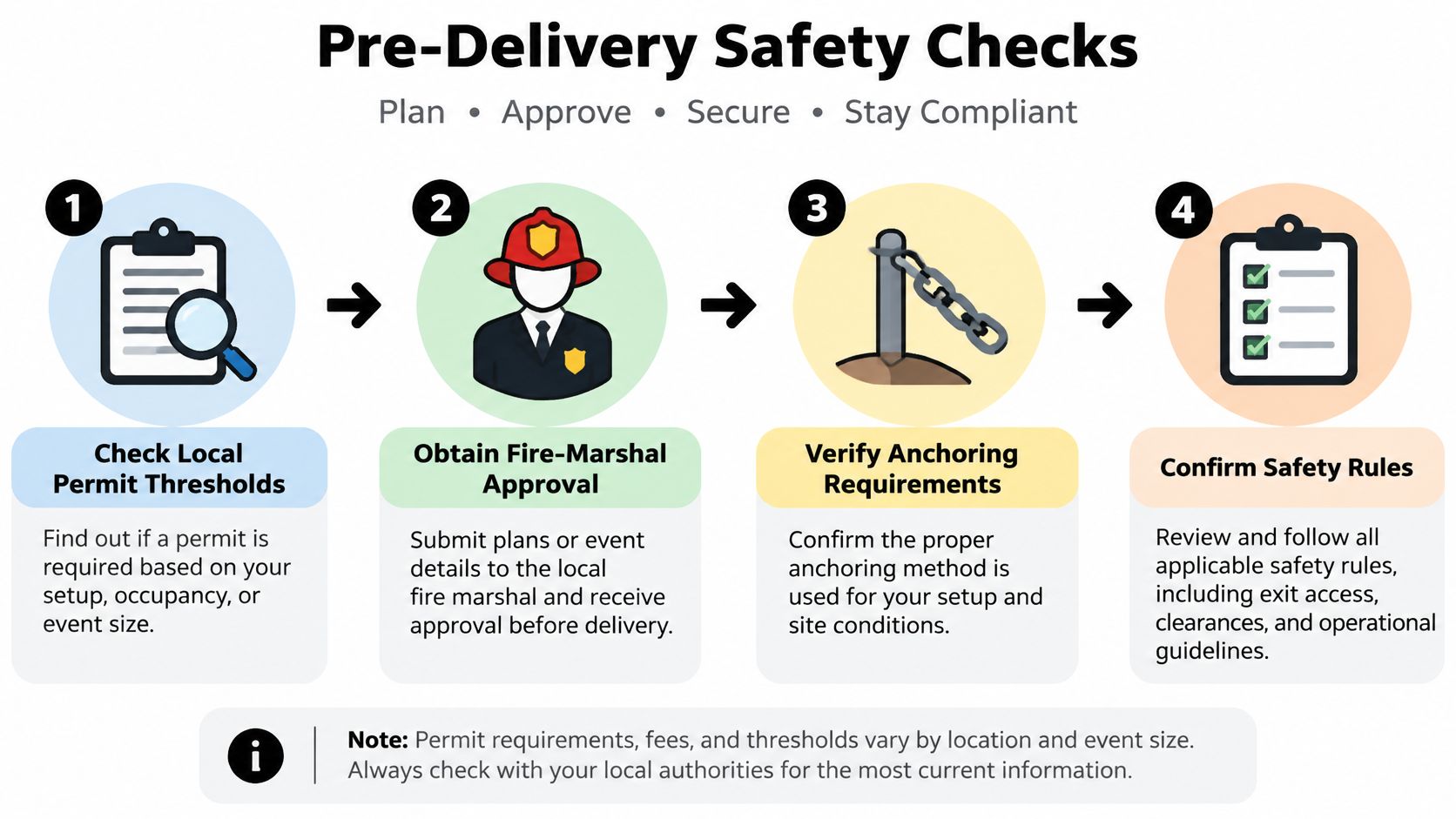
Your Pre-Delivery Sequence
- Check permit thresholds first: Confirm with your local authority what size, duration, and occupancy trigger a temporary structure permit.
- Get fire approval where required: Larger or enclosed tents, cooking, heating, and décor can bring the fire marshal into the process.
- Lock the anchoring plan: Match stakes or ballast to grass, asphalt, or concrete, and locate underground utilities before anyone drives a stake.
- Write the weather trigger: Name who monitors forecasts, who checks conditions on site, and who has authority to stop service or dismantle.
Lightning is unavoidable. A tent is not shelter from it. NOAA's lightning safety guidance states a tent offers no protection, and directs people to a substantial enclosed building or enclosed metal-topped vehicle, waiting 30 minutes after the last thunder before returning. Identify that building before guests arrive and tell staff the route.
Operational rule: If thunder is heard, move people to real shelter. Don't wait for rain to prove the point.
Guest management is part of safety, too. For private parties with alcohol service, RSA and guard ratio guidance is worth reviewing alongside your venue rules so staffing matches the crowd you're hosting. If you're covering a smaller patio rather than a full event lawn, compare your footprint against a 10 by 20 shade canopy layout before you assume a full frame tent is necessary.
Hand this checklist to your rental company and venue together. One conversation, documented, beats three assumptions.
Renting Versus Buying and What the Numbers Say
Renting versus buying isn't a philosophy debate. It's frequency, storage, and crew. Answer those plainly and the decision makes itself.
Rent when your calendar is unpredictable. You get delivery, installation, anchoring expertise, cleaning, and teardown without tying up capital or warehouse space. For a wedding planner doing varied footprints on varied sites, renting also lets you match structure to site instead of forcing your owned tent onto every job.
Buy when the same tent goes up on the same footprint week after week. A restaurant extending its dining room onto a terrace all season, or a hotel running a standard garden reception layout, can justify ownership. But only if you've got dry storage, transport, a trained crew, inspection habits, and a replacement plan for damaged fabric.
The Hybrid Most Smart Operators Use
Own the workhorse you use constantly. Rent the specialty structure you need twice a year. That keeps your common setup fast and consistent, while clearspan halls, clear tops, or oversized wedding structures stay someone else's storage and maintenance problem.
Don't price ownership by purchase price alone. Add storage, cleaning, repairs, ballast, transport, crew time, insurance, and the event you lose when a part is missing. Don't price rental by the canopy line alone either. Confirm delivery windows, setup surface, sidewalls, anchoring, permits support, and weather-day policies are in writing.
Rent while demand is uncertain. Buy when setup becomes routine. Never buy to save money on an event you only run occasionally.
The rental market is mature and competitive, so make use of that advantage. Get competing quotes with identical specifications, flame documentation, anchoring method, and installation timing. The cheapest quote that excludes ballast or teardown isn't cheaper. It's incomplete.
Designing the Food Zone Inside the Tent
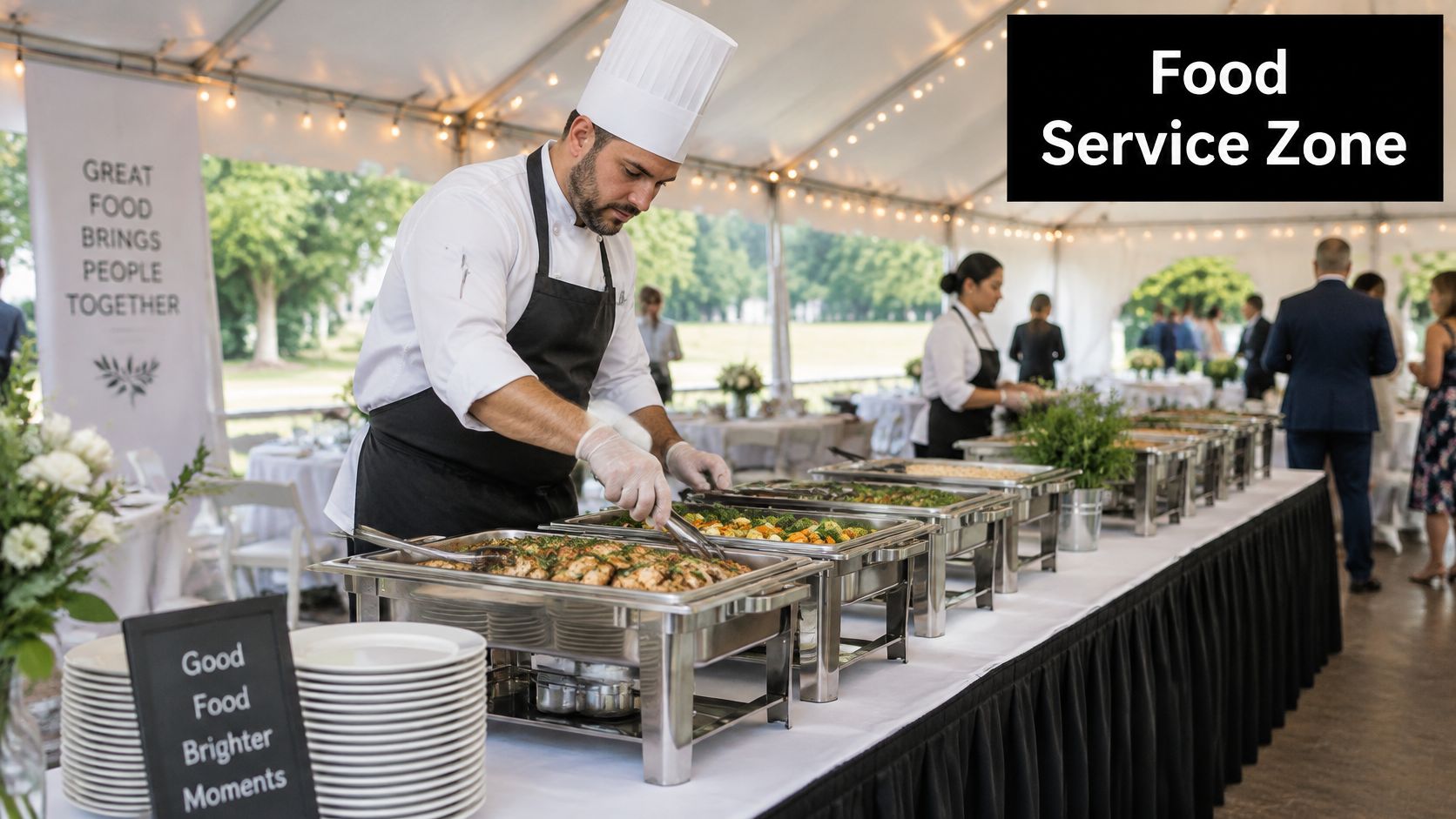
Your tent can keep rain off the buffet and still fail food safety. Flies, dust, waste, and time don't care that you rented a nice roof. Design the food zone as a complete hygiene system.
Start with placement. Put food away from bins, standing water, dense vegetation, and guest toilet routes, consistent with Toronto's special event food location guidance. Keep waste in pest-proof, tightly covered containers and move it away from service, not behind the buffet where it's convenient for staff and perfect for flies.
Screens, Covers, and Time Limits
Open sides help airflow and guest comfort. They also invite insects. The FDA Food Code for temporary food establishments requires openings without doors to be protected with 16 mesh per inch screens or properly designed air curtains. An open canopy alone may not meet that objective for food preparation, so check your local regulator before you design around open sides.
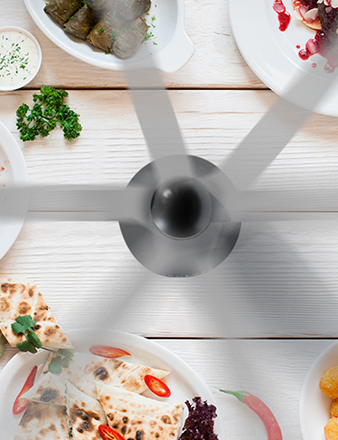
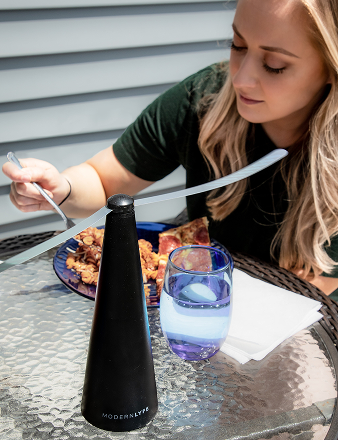
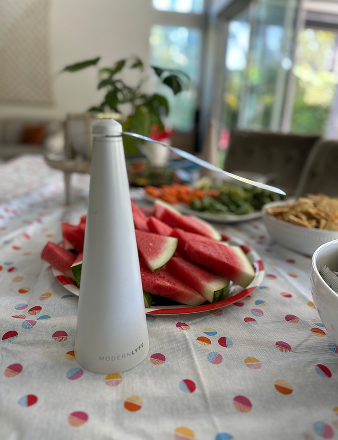
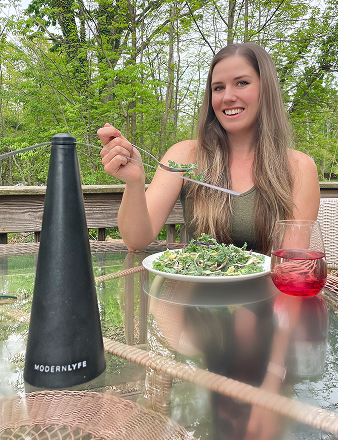
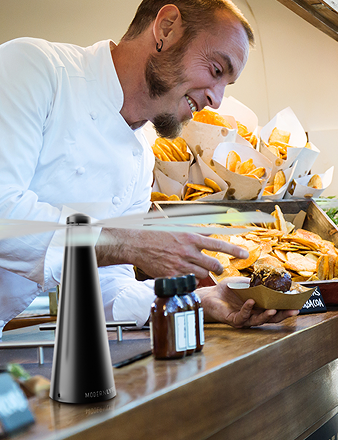
Where screens would kill airflow at guest tables, layer your controls. Cover dishes, clean and sanitize surfaces often, keep a staffed handwashing station stocked, and use fly fans on buffet lines and dining tables as an active measure where food sits exposed during service. For layout inspiration that keeps stations separated, review these outdoor buffet table ideas and adapt the spacing to your service flow. Clear printed station labels help guests move quickly, and services such as The Print Warehouse Ltd menu printing can keep allergen and dish information legible outdoors.
Watch the clock as hard as you watch the flies. Perishable food needs temperature control and a discard deadline, so assign one person to monitor serving duration instead of trusting appearance or smell.
The short video below is useful for visualizing buffet spacing and staff movement before you finalize your own sketch.
Sketch it on paper. Buffet, handwash, waste, staff entry, guest queue. If those lines cross, redesign before event day.
Your Pre-Event Checklist and Common Questions
Print this. Use it in the final 48 hours, when small misses become expensive.
One Page Operations Check
- Site confirmed: Surface, slope, drainage, utilities, delivery access, and real lightning shelter identified.
- Size confirmed: Guests, tables, buffet, bar, stage, service aisles, and outside anchoring footprint all measured.
- Structure confirmed: Tent type, fabric, flame documentation, sidewalls, flooring, and cleaning standard agreed in writing.
- Safety confirmed: Permit, fire approval, anchoring or ballast plan, wind monitor, and removal trigger assigned to named people.
- Food zone confirmed: Screens or other insect controls, covered dishes, handwash station, waste route, and temperature checks planned.
Rain is forecast the morning of. What now? Close the weather side, protect flooring and waste areas, move vulnerable food preparation indoors if you can, and brief staff on the suspension trigger. Don't wait for guests to arrive before deciding.
Are clear-top tents worth it? They look exceptional for evening weddings. In strong daytime sun they can build heat and glare over food and guests, even though clear-top designs with black trim were a prominent 2025 wedding style noted in Catersource wedding trend reporting. Pick them for timing and climate, not photos alone.
Can cooking happen under the tent? Don't assume so. Outdoor cooking producing sparks or grease should be separated from the tent by at least 20 feet under Frederick County tent fire guidance, and your local code may differ. Confirm extinguishers, ventilation, and fire approval before placing any equipment.
For a broader run sheet that ties shelter to staffing and guest flow, use this outdoor event planning guide alongside the checklist above. Then stop tweaking and brief your team.
Protect the food you've worked hard to serve with MODERN LYFE's quiet, battery-operated fly fans, designed for buffet lines, restaurant patios, wedding receptions, and backyard tables under any outdoor party tent. Visit MODERN LYFE to choose a sleek, low-maintenance setup that keeps flies off dishes and lets your guests focus on the event, not the insects.