The dining room is full, the buffet is open, and a small gap under the back door is doing more damage than it appears. Add a damp drain area, an uncovered tray, or a leaking dumpster, and flies have several reasons to move toward food and guests. By the time someone reports a sighting, the visible insect may be only the symptom of a wider sanitation, moisture, or access problem.
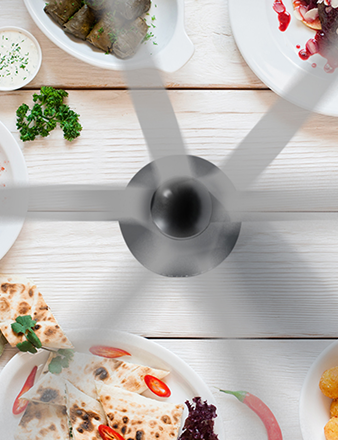
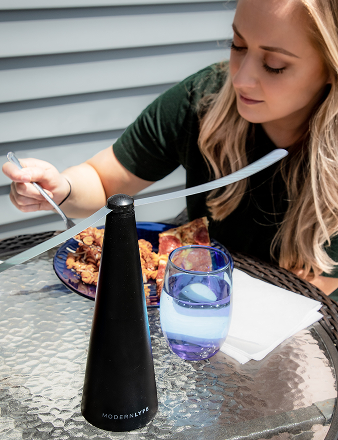
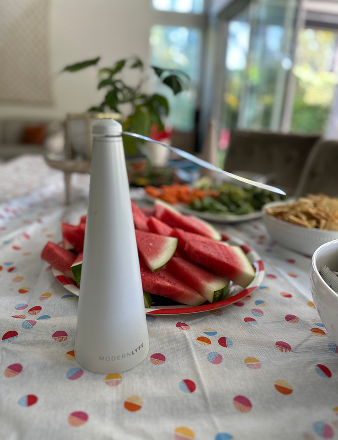
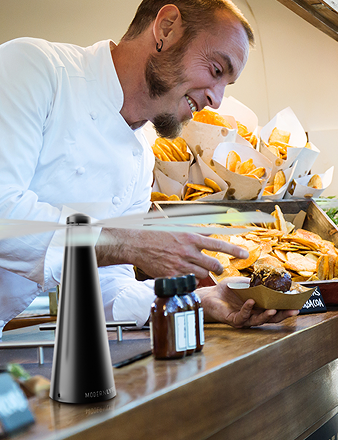
A useful restaurant pest control checklist works as a layered operating system. Staff remove attractants, maintenance teams block entry, managers inspect high-risk zones, and every finding becomes a documented action. Mechanical protection, including Modern Lyfe fly fans at tables, buffet lines, outdoor receptions, and other appropriate food-service points, adds another barrier without replacing the controls underneath it.
The cadence matters. Daily checks catch spills, waste, moisture, and activity during service. Weekly inspections test traps, bait stations, drains, storage, and structural weak points. Monthly reviews address deep cleaning and trend analysis, while quarterly and seasonal checks prepare the building and temporary event areas for changing pest pressure.
1. Exterior Perimeter and Entry Point Sealing
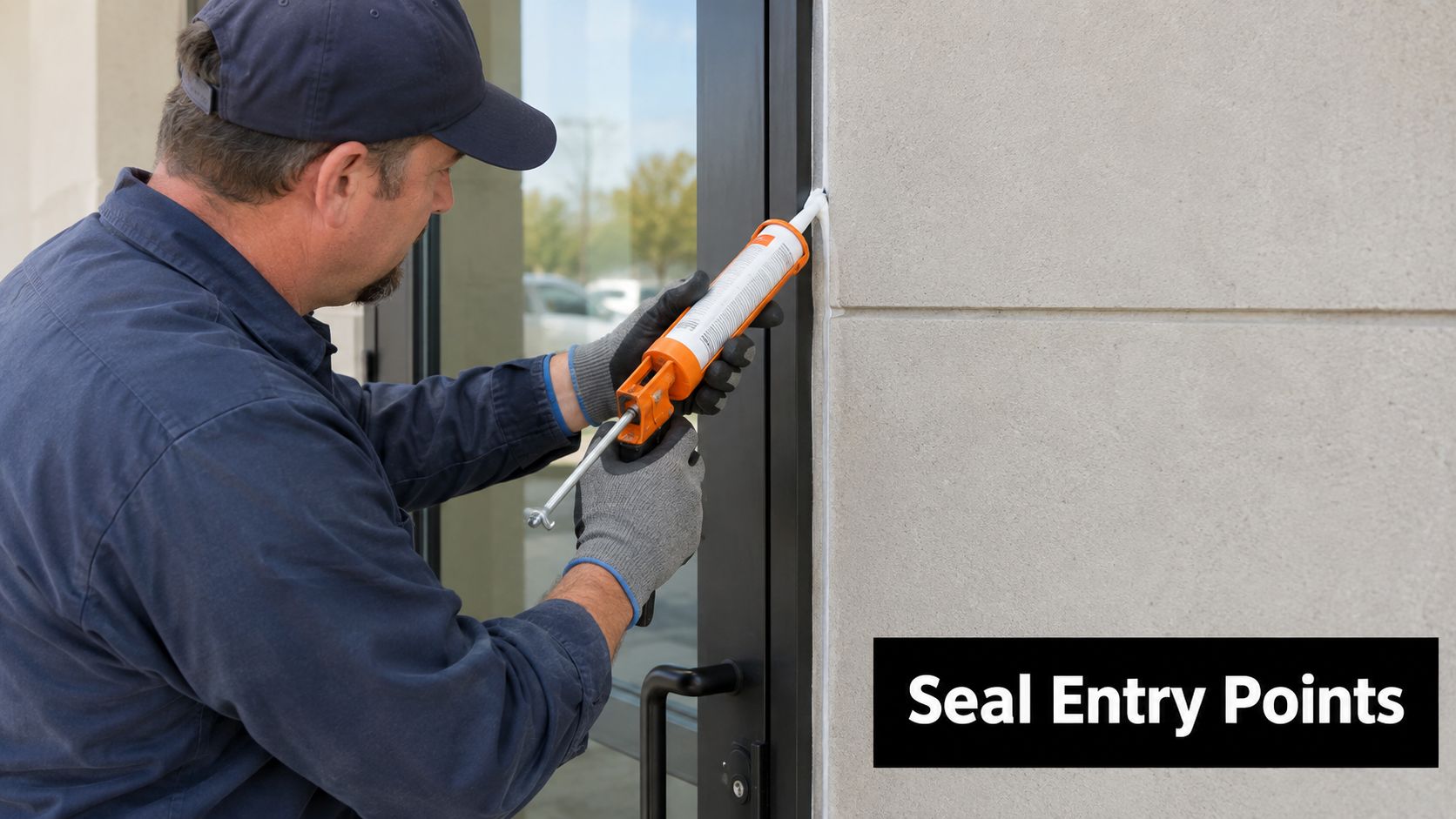
A pest program starts outside the kitchen. Walk the entire building perimeter and inspect exterior walls, foundations, doors, windows, utility penetrations, loading dock interfaces, and event access points. Use a flashlight at dawn or after closing, when fine cracks, daylight around doors, and damaged seals are easier to spot.
Repair work should be specific. Seal cracks with an appropriate caulk, replace worn weather stripping, fit door sweeps, and correct loose window screens. A door that closes but leaves a visible path beneath it remains an entry risk. The same applies to a service hatch that staff prop open throughout a reception.
Practical rule: Seal the building before adding another treatment. A recurring gap can undermine otherwise careful sanitation and monitoring.
A fine-dining restaurant might schedule a quarterly perimeter audit, while a hotel banquet team can inspect loading docks before an outdoor event. Catering operators should also assess temporary venues, because a clean food setup can still sit beside open wall joints, poorly sealed doors, or unmanaged waste areas.
Record each repair with the location, date, person responsible, and a photo before and after the work. This creates useful evidence for internal review and helps maintenance teams distinguish a completed repair from an unresolved observation. Coordinate physical sealing with restaurant door fly fan placement so entry points receive both structural and mechanical protection during service.
2. Food Storage and Waste Management Protocol
Food and waste routines determine whether a restaurant offers pests a dependable food source. Store dry goods in sealed containers, keep ingredients protected during preparation and service, and maintain clean, temperature-controlled storage. Staff should close lids after every use, not only at the end of a shift.
Waste needs its own operating discipline. Assign a receiving and waste area, keep bags and containers away from food preparation wherever the layout allows, and inspect dumpster surrounds for leaks, spilled material, and standing water. If a garbage disposal or sink connection is failing, prompt garbage disposal repair in San Antonio can support the broader moisture and waste-control plan.
Use a short handover checklist at service close:
- Protect ingredients: Cover buffet food, close containers, and return exposed items to approved storage.
- Secure waste: Close every lid, remove full bags, and clean residue from container rims.
- Check storage: Look for damaged packaging, food debris, and signs of activity around shelves and corners.
- Review outdoor waste: Inspect the dumpster area for leaks, wet cardboard, or fermenting material.
Color-coded containers can reduce handling errors in busy kitchens, while airtight containers help catering teams protect food during transport and buffet setup. During periods of heavier pest pressure, managers may need more frequent waste removal. Pair the routine with restaurant food waste reduction practices, and use fly fans at buffet and serving stations as a guest-facing barrier while the underlying attractants remain controlled.

3. Kitchen Deep Cleaning and Sanitation Schedule
Routine wiping won't reach the spaces where grease, crumbs, and organic residue collect. Build a cleaning map that names the backs and undersides of cooking equipment, floor-wall junctions, shelving supports, ceiling corners, service counters, drain covers, and waste-handling surfaces. The person completing the task should sign off on the actual zone, not just mark “kitchen cleaned.”
A widely used food-safety template separates work into daily, weekly, and monthly tasks. Daily checks include floors, storage areas, equipment, garbage, and standing water. Weekly work includes inspecting or replacing traps and bait stations. Monthly deep cleaning reaches floors, drains, vents, and hood systems, as documented in the food-safety pest control checklist template.
The trade-off is operational disruption. Nightly deep equipment cleaning protects the next service but requires staffing and planning. A convention center may schedule a larger clean between major events, while a catering venue can pre-clean outdoor serving areas before setup rather than trying to correct residue with guests present.
Use enzyme-based or microbial drain treatments only as part of a suitable cleaning plan, and confirm that products and methods fit the facility's food-safety procedures. Staff should report dead insects, larvae, droppings, unusual odors, or repeated activity instead of treating those signs as a cleaning failure alone.
The checklist should capture the date, inspector's name, comments, and corrective action. That turns a cleaning list into an auditable record and gives a pest-control provider useful context during a site visit.
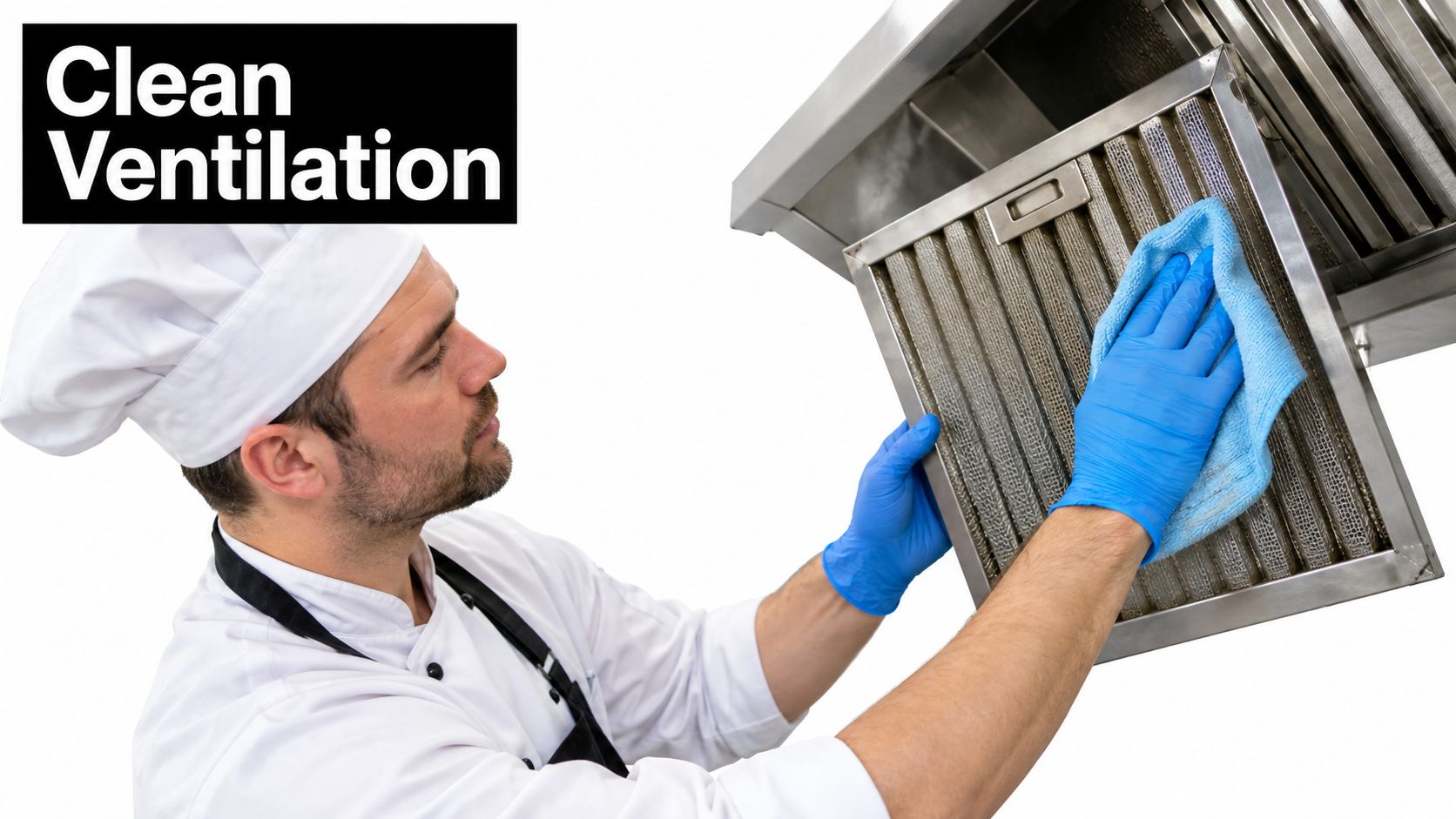
A cleaned area still needs to stay protected during service. Position mechanical fly fans where they support the food-service layout, and use eco-friendly pest control inspection images as visual references when training staff to recognize activity.
4. Drain and Moisture Point Inspection
Moisture creates a different kind of pest risk from an open food container. Inspect floor drains, mop sinks, condensation lines, under-sink cabinets, ice-machine drainage, dishwashing areas, and the space behind fixed equipment. Look for standing water, slow flow, damaged covers, wet insulation, leaks, and organic residue.
Drain flies and other small flies often indicate a drain or moisture problem rather than a simple front-of-house nuisance. A food-safety resource recommends checking for signs at least once every two weeks and specifically identifies rodent droppings, gnawed packages, grease marks, and fly larvae near drains as evidence worth recording. Use the food-business pest prevention guide to support staff training around these observations.
Daily checks suit busy kitchens and banquet facilities. A hotel with extensive event service may assign drain monitoring to the closing team, while a food truck can flush and inspect compact drainage points before and after service. Outdoor venues need the same discipline around temporary sinks, beverage stations, ice handling, and ground-level water collection.
Watch the hidden side of moisture: A dry floor doesn't prove that the plumbing is sound. Check behind equipment and beneath sinks, where small leaks can persist without reaching the main walkway.
Use screens or grates to catch debris, keep mop buckets empty and dry when they aren't in use, and correct poor drainage rather than repeatedly treating the symptom. Bioseal or microbial products may support an established maintenance plan, but they won't fix a broken pipe or a drain that stays obstructed.
During service, place Modern Lyfe fly fans near appropriate moisture-prone zones without obstructing staff movement or cleaning access. The fan helps protect the immediate service area, while drying, cleaning, repair, and monitoring address the source.
5. Ventilation and Air Quality Maintenance
Hoods, filters, intake vents, exhaust points, and duct interfaces affect both cleanliness and pest access. Grease and organic buildup can create harborage, while missing screens and poorly sealed penetrations can open a route into the building. Include ventilation in the restaurant pest control checklist instead of leaving it solely to a specialist contractor.
Start with visible conditions. Check whether filters are saturated, whether vents carry unusual odors, and whether grease is collecting around seams or access panels. Inspect exterior screens and confirm that openings are protected with suitable mesh. The operational advice to use 16x25 mesh screens on exterior vents should be tied to the site's construction, airflow, and maintenance requirements, not applied without checking fit and local standards.
A restaurant group may use a monthly maintenance calendar, while a large hotel can audit ventilation before major events. Professional hood cleaning should be coordinated with kitchen operations, fire-safety requirements, and the facility's documented maintenance schedule. Relevant fire-safety rules for kitchen vents should remain part of that coordination, because pest prevention can't justify a shortcut in fire protection.
Airflow is a layout issue. A fly fan works best when its position supports the room's movement patterns, rather than blowing directly across food or competing with an exhaust stream.
Record filter changes, cleaning dates, defects, repair requests, and contractor reports. If an odor or activity returns after cleaning, escalate it for inspection rather than just increasing cleaning frequency. Mechanical protection can support entry points and serving areas, but it should complement sealed vents, clean filters, sound ductwork, and controlled air movement.
6. Outdoor Staging Area and Loading Dock Assessment
Receiving areas connect the controlled interior to an uncontrolled exterior. Inspect the loading dock, delivery doors, pallet zones, receiving tables, dumpster route, outdoor bars, and temporary event staging points before deliveries begin and again after waste leaves the site.
Receiving staff should examine incoming packaging for live insects, droppings, gnaw marks, damaged cartons, and evidence of moisture. A shipment that enters without inspection can introduce a problem into storage, so the receiver needs authority to isolate questionable goods and notify a manager. Keep a simple record of the supplier, delivery time, affected item, decision, and follow-up.
Outdoor standards should be visible and easy to enforce:
- Keep materials raised: Use a “nothing on the ground” rule for packaging, ingredients, and pallets.
- Control water: Look for leaks, blocked drains, puddles, and wet cardboard near the dock.
- Manage lighting: Yellow or amber lighting can reduce attraction compared with more insect-attractive options.
- Protect access: Keep dock doors closed when not actively receiving and maintain seals and screens.
- Clean the zone: Schedule power-washing when it won't spread residue toward food or clean storage areas.
A hotel delivery area may need a dedicated receiving protocol, while a caterer should inspect a temporary venue before bringing in food and equipment. Outdoor receptions and food trucks need portable barriers, screened service points, and a plan for waste removal that doesn't leave food residue beside the guest area.
Place Modern Lyfe fly fans at suitable dock or receiving entries when the device won't interfere with traffic, lifting, or safety controls. The fan is a supplement. It can't compensate for open waste, standing water, or a door left open throughout service.
7. Staff Training and Pest Activity Monitoring
The most useful pest report often comes from the person who notices a pattern first. A dishwasher sees recurring drain activity, a receiver spots damaged packaging, and a server notices flies returning to one buffet tray. Training should give each person a clear reporting route and enough recognition skill to describe what happened.
Use photos and short reference sheets for droppings, gnaw marks, dead insects, webbing, larvae, grease marks, and repeated fly activity. A manager's shift-start briefing can cover one high-risk zone, one sanitation reminder, and the correct response if someone finds evidence. Staff shouldn't spray, move bait stations, or discard evidence without recording the location and notifying the designated manager.
A useful sighting record includes:
- Exact location: Name the room, station, equipment base, drain, table, or exterior zone.
- Pest description: Record the suspected type and whether the insect or rodent was live or dead.
- Observed evidence: Note droppings, packaging damage, larvae, residue, or repeated activity.
- Immediate control: Record whether food was covered, isolated, discarded, cleaned, or moved.
- Escalation: Identify who was notified, when the provider was contacted, and what response followed.
- Closure: Add the corrective action, verification, and manager approval.
Independent guidance on restaurant pest-sighting logs emphasizes this level of traceability. It fills a common gap in basic checklists that say “inspect and clean” but don't show who acted, what changed, or whether the issue was closed.
Train staff to use Modern Lyfe fly fans correctly, including placement, controls, cleaning, and safe storage. Keep historical records so managers can spot recurring zones and seasonal patterns. Early reporting gives a pest professional better information and helps the restaurant respond before a minor observation becomes a service disruption.
8. Integrated Pest Management System Implementation
An effective IPM system connects every preceding task. Prevention removes food and water, exclusion blocks access, monitoring reveals activity, mechanical controls protect exposed service points, and targeted professional intervention addresses problems that site routines can't resolve. No single device or treatment should carry the entire program.
Create a master plan for the whole facility, including kitchens, dining rooms, storage, drains, roof and ventilation access, loading docks, dumpsters, outdoor bars, buffet lines, and temporary event zones. Assign an owner to each area, define the inspection cadence, and keep vendor contacts and service records with the internal logs. The integrated pest management guide provides useful context for combining these controls rather than treating them as separate purchases.
A monthly service schedule for cockroaches and mice is a useful planning benchmark in food-service operations, especially when daily sanitation and inspection routines continue between visits, as described in restaurant pest-control guidance. Frequency alone isn't enough. Monitoring results should determine where the team concentrates cleaning, repairs, inspection, and professional follow-up.
The Food and Drug Administration's Food Code states that insects, rodents, and other pests must be controlled to eliminate their presence on the premises. For rodent bait in use, FDA guidance calls for covered, tamper-resistant bait stations in retail food and food-service operations. These requirements make station placement, inspection, and records part of operational control, not an informal add-on.
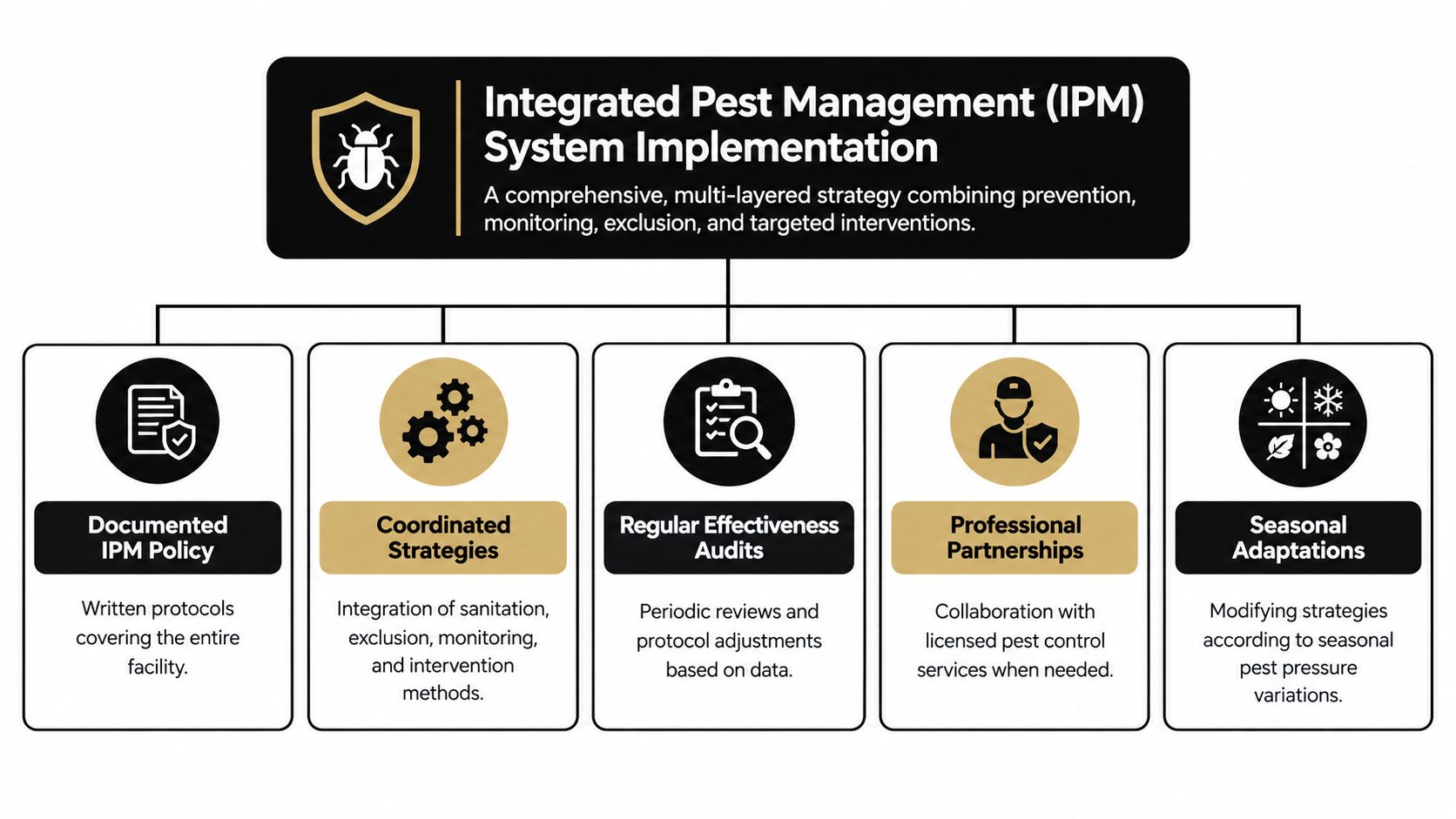
The National Pest Management Association's restaurant IPM guidance also treats prevention, monitoring, record-keeping, and communication as connected program elements. Assign a pest-management coordinator, review trends at regular management meetings, and change the plan when evidence shows that a zone remains active.
8-Point Restaurant Pest Control Checklist Comparison
| Item | 🔄 Implementation Complexity | ⚡ Resource Requirements | 📊 Expected Outcomes | 💡 Ideal Use Cases | ⭐ Key Advantages |
|---|---|---|---|---|---|
| Exterior Perimeter and Entry Point Sealing | Moderate, systematic inspections and resealing cycles | Low–Moderate: caulk, weatherstrips, labor; periodic contractor work | Reduces pest ingress and initial contamination. ⭐⭐⭐⭐ | Restaurants, hotel loading docks, catering entry points | Prevents entry at source; lowers interior control needs; improves energy efficiency |
| Food Storage and Waste Management Protocol | Moderate, procedural rollout and enforcement | Moderate: sealed containers, refrigeration, waste contracts, staff time | Eliminates primary attractants; improves food safety. ⭐⭐⭐⭐ | High-volume kitchens, food trucks, buffets, catering | Reduces spoilage; raises sanitation scores; targets pest food sources |
| Kitchen Deep Cleaning and Sanitation Schedule | High, detailed schedules, equipment move-outs, trained staff | High: labor, specialized cleaners, possible downtime | Removes breeding sites and harborage; supports compliance. ⭐⭐⭐⭐ | Fine-dining, hotels, venues with heavy use | Eliminates hidden debris; prolongs equipment life; reduces odors |
| Drain and Moisture Point Inspection | Moderate–High, regular checks and targeted treatments | Moderate: drain treatments, plumbing tools; potential repair costs | Interrupts larval cycles and reduces odors. ⭐⭐⭐⭐ | Any kitchen, especially with drains/mop sinks, food trucks | Targets larvae source; prevents blockages and plumbing emergencies |
| Ventilation and Air Quality Maintenance | Moderate, filter/duct cleaning and airflow verification | Moderate–High: filters, periodic professional duct cleaning | Improves air quality; reduces airborne attractants. ⭐⭐⭐ | Large restaurants, hotels, commercial kitchens | Prevents pest access via ducts; lowers grease-related fire risk |
| Outdoor Staging Area and Loading Dock Assessment | Moderate, frequent cleaning and barrier installation | Moderate: power-washing, waste containment, barrier hardware | Lowers external pest pressure at facility entry points. ⭐⭐⭐ | Chains, hotel receiving areas, outdoor events, food trucks | Controls gateway areas; improves receiving appearance; reduces pest pressure |
| Staff Training and Pest Activity Monitoring | Low–Moderate, training programs and reporting systems | Low: training time, materials, monitoring logs | Enables early detection and rapid response. ⭐⭐⭐⭐ | All foodservice operations; high-turnover staff environments | Builds staff responsibility; provides early warning; low cost |
| Integrated Pest Management (IPM) System Implementation | High, coordinated multi-layer strategy and audits | High: planning, multiple controls, professional partnerships | Most effective long-term, adaptive pest control. ⭐⭐⭐⭐⭐ | Large operations, compliance-driven or sustainability-focused sites | Reduces chemical reliance; flexible/adaptive; highest long-term effectiveness |
Turn the Checklist Into a Repeatable System
A checklist only protects the operation when someone owns each action. Assign daily responsibility to shift leads, weekly inspections to a manager or trained supervisor, and monthly deep-cleaning verification to the operations team. Maintenance should own structural repairs, receiving should own delivery checks, and the pest-control provider should supply service reports that explain findings, actions, recommendations, and follow-up.
Keep one accessible record set. It should include inspection logs, repair photos, device checks, vendor contact information, service dates, treatment details, pest sightings, corrective actions, verification notes, and closure approval. A form that records only “no activity” isn't enough when the team needs to explain what it inspected or prove that a previous problem was corrected.
Use the cadence consistently:
- Daily: Check floors, storage, equipment, garbage, standing water, drains, exposed food, and visible activity. Confirm that service and closing teams protect food and secure waste.
- Weekly: Inspect or replace traps and bait stations, review receiving and waste zones, check door seals, inspect high-risk storage areas, and review open corrective actions.
- Monthly: Complete deeper work on floors, drains, vents, hood systems, equipment bases, and exterior staging areas. Reconcile internal records with pest-control provider reports.
- Quarterly: Audit the building perimeter, review recurring hotspots, verify training, test device placement, and assess whether repairs remain effective.
- Seasonally: Prepare loading docks, outdoor event areas, temporary buffet layouts, waste routes, and moisture controls for changes in service conditions and pest pressure.
Restaurants and event venues should treat Modern Lyfe fly fans as mechanical protection for exposed food and guest-facing areas, not as a replacement for sanitation, exclusion, moisture control, monitoring, or professional support. Place them where food is served, including tables and buffet stations when appropriate, then confirm that they don't obstruct service, create unsafe airflow, or interfere with cleaning.
Start with a baseline walk-through. Mark every high-risk zone on a floor plan, photograph unresolved gaps and moisture points, verify device placement at tables or buffet stations, assign owners, and schedule the first documented review. That first review turns a general restaurant pest control checklist into a working operating system that staff can repeat, managers can audit, and vendors can improve.
MODERN LYFE offers battery-operated fly fans designed for restaurant tables, buffet lines, outdoor receptions, and other dining or event setups. Use them as one practical layer in a documented pest-prevention program, then visit MODERN LYFE to review options for your next service layout.