Hiring an exterminator for a monthly spray isn't the same as meeting restaurant pest control requirements. A service invoice tells an inspector that someone visited. It doesn't show whether employees checked deliveries, repaired a door gap, protected food during treatment, or followed up after finding droppings.
Build the program around observable controls and a named evidence trail. Give each task an owner, record what they found, and keep the corrective action open until someone verifies the result.
Restaurant Pest Control Requirements at a Glance
There's no single federal restaurant pest rule that automatically governs every kitchen. The FDA's 2022 Food Code establishes a model standard, but state and local authorities adopt and enforce their own applicable versions. Your inspector works from that adopted code and local amendments, not from whichever federal document you downloaded.
The model requires pest-free premises through routine inspections, responsive controls, and removal of conditions that shelter pests. It also addresses dead-pest removal and insect-device placement. These are operating responsibilities, not tasks you can hand entirely to a contractor.
Core pest control requirements and the records that prove them
Use this table as a working checklist. The records are practical evidence of performance, not a claim that every jurisdiction mandates each named form.
| Requirement | What It Requires | Evidence to Keep |
|---|---|---|
| Premises free of pests | Insects, rodents and other pests must not be present on site | Inspection findings and corrective action notes |
| Incoming food and supply checks | Deliveries inspected for pests on arrival | Receiving log |
| Routine premises inspection | Documented checks for droppings, gnawing, nests and tracks | Dated inspection log |
| Harborage removal | Gaps, clutter, damp areas and waste zones corrected | Repair and sanitation records |
| Dead or trapped pest removal | Removed often enough to prevent accumulation or decomposition | Cleaning schedule |
| Flying insect devices | Must retain insects and stay away from food, utensils and linens | Device placement check |
| Pesticide use | Applied per label and law, with no toxic residue reaching food or food-contact items | Applicator service reports |
| Rodent bait | Placed only inside covered, tamper-resistant bait stations | Station condition and placement records |
A useful record connects a finding to a finished correction. “Rear door checked” says little. “Daylight beneath rear door, maintenance assigned, sweep replaced, closing manager verified fit” gives an inspector something concrete to assess.
Practical rule: Keep evidence of the condition, the correction, and the verification together.
Protect time for those checks during busy service. If managers also cover incoming reservation calls, a resource such as Recepta.ai's 24/7 reservation call handling can help separate guest communications from scheduled floor duties. It's an operational support option, not a pest-control measure.
Pull the Food Code edition your local authority has adopted, identify its amendments, and check the applicable text against every row. Mark which records are legally required and which you'll maintain to demonstrate control.
What Inspectors Actually Cite
A citation usually starts as a condition someone can see: activity at a floor drain, rub marks along a baseboard, a delivery door that will not close, or a log that says a problem was fixed while the same gap is still there. Ecolab reported an average of 2.29 violations per routine food-service facility inspection in 2024. That average is a reminder that paperwork only helps when the physical condition and the record point to the same correction.
Pest-related inspection and industry figures
These measures describe different populations. Use the inspection average to understand findings, and use the commercial survey to understand management priorities.
| Measure | Figure | Source |
|---|---|---|
| Average violations per routine food-service inspection, 2024 | 2.29 | Ecolab |
| Decision-makers reporting a negative business effect from pests at organizations with 50 or more employees | 72% | 2025 Harris Poll commissioned by NPMA, including food-service and food-processing organizations |
| Decision-makers naming employee pest-prevention training a priority for the coming year | 35% | 2025 Harris Poll commissioned by NPMA |
Read them as workload signals. A facility can look clean at noon and still earn a citation if the evening receiving door stayed open, a sighting never reached a manager, or the service report does not show what changed after treatment. For open-air dining, the same standard applies: if patio service is permitted, define the control, name who checks it, say where it is logged, and set the trigger that pauses service when that control fails.
Turn that into shift instructions:
- Report during the same shift. Give employees a named manager to contact, including during handover.
- Check receiving and openings first. A delivery entrance left open deserves attention even when the prep line looks spotless.
- Document the response. Record the observation, the action taken, and the verification, not just that someone reported it.
Use a broader restaurant health code violations checklist alongside the pest walk. A leaking fixture, dirty equipment base, or overflowing waste container can require correction even before anyone sees a pest.
Daily Baseline Controls Every Kitchen Needs
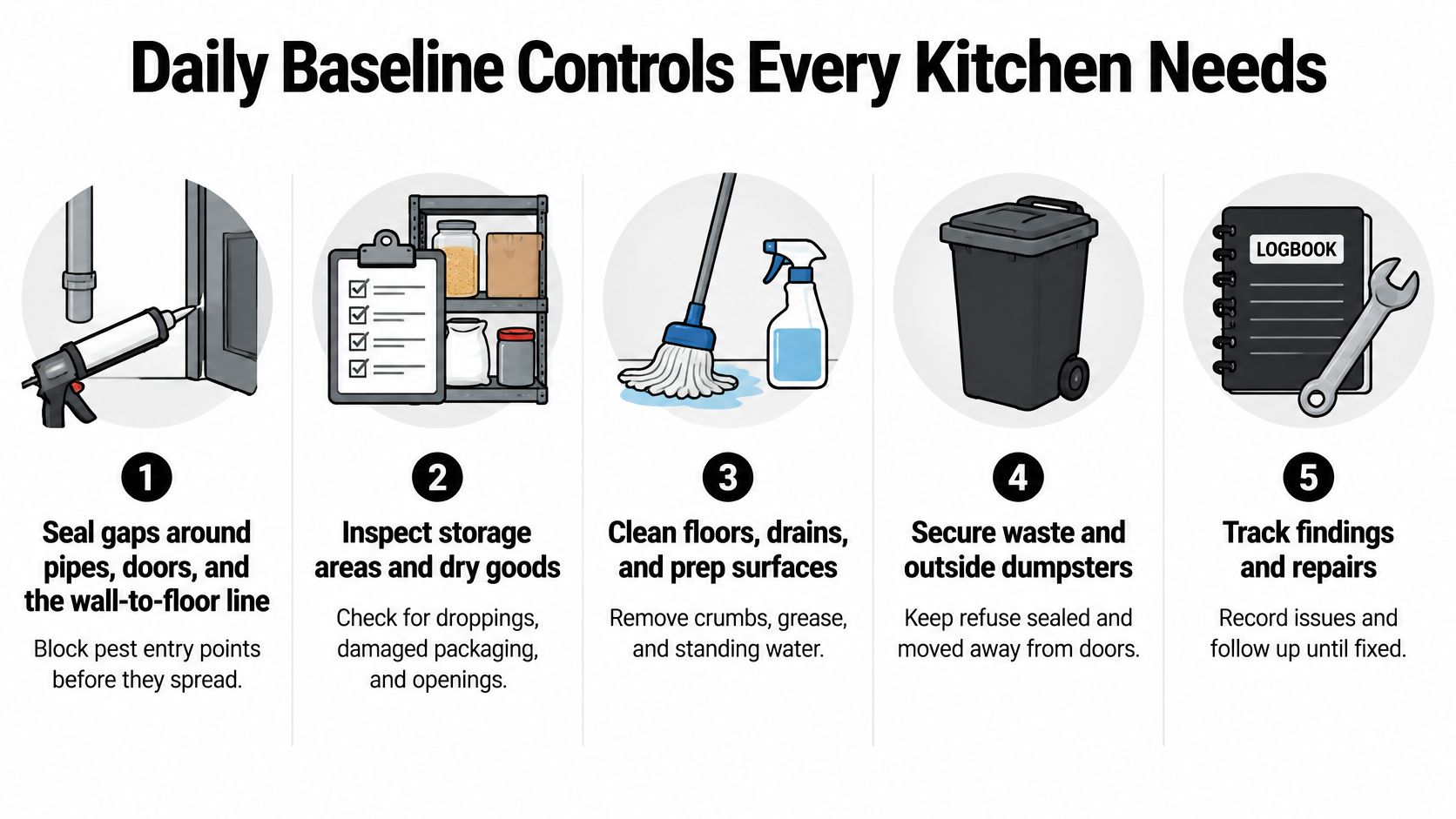
Walk the building in the order pests and supplies could enter it: outside perimeter, receiving, storage, preparation, and wash-up. Carry a flashlight and a log you can complete where you find the problem. Don't rely on remembering everything after service.
Start at the perimeter and receiving door
Look around pipe penetrations, door edges, and the wall-to-floor line. Use a flashlight to identify openings, then assign a repair suited to the surface and likely pest pressure. Smearing sealant over a loose, damaged threshold won't fix the underlying fit.
For openings that need ventilation, the World Health Organization's food-premises guidance describes 1.5-millimetre mesh, also described as 16 mesh, using copper, brass, galvanized steel, or nylon. Treat that as technical guidance, then confirm what your local authority accepts.
- Test the closure. Let the door close without helping it. Check the sweep, latch, frame, and screen edges.
- Check waste access. Close container lids and position outside refuse away from entrances where the site permits. Remove spilled waste around the containers.
- Inspect before accepting stock. Check cartons, produce crates, and returned goods for insects, droppings, damaged packaging, or nesting material. Keep suspect deliveries out of clean storage while the manager decides what to reject.
The practical question is simple: could a fly, roach, or mouse get through this today? Answer it at the actual opening, not from the office.
Follow food through storage and cleanup
In dry storage, inspect beneath shelving and behind stock rather than checking only the aisle. Look for damaged packets, hidden spills, damp cardboard, and clutter that prevents cleaning. Move stock carefully so a suspicious package doesn't scatter material across clean goods.
At the prep and wash-up areas, check beneath equipment, around floor drains, and beside grease-handling equipment. Assign drain and grease-trap cleaning through a written schedule with the appropriate tools and safe maintenance procedures. Pouring a chemical into a drain isn't a substitute for removing accessible buildup.
Name a staff contact to coordinate with the pest contractor and file routine-visit reports. Require same-shift sighting reports, including when employees find evidence without seeing a live pest.
A clean aisle doesn't prove that the space behind the equipment is clean.
Walk the route at opening and closing for a week. Record repeated defects, then change the repair priority or cleaning method instead of copying yesterday's unresolved note.
Fly Devices, Rodent Bait and Pesticide Rules
A device can catch pests and still be installed incorrectly. Effectiveness and compliant placement are separate tests, and an inspector checks both. A bait station with fresh bait still fails if the cover is missing. A fly unit that works all shift still fails if insect debris can drop onto clean utensils.
The FDA Food Code's pest-control and toxic-material provisions require rodent bait to remain inside covered, tamper-resistant stations and prohibit insect-device placement that could contaminate food or protected supplies. Check the station's construction, cover, position and condition rather than confirming only that bait exists on the property.
Placement and record rules for pest controls
| Control | Placement or Handling Rule | Records to Keep |
|---|---|---|
| Electrocution or stun fly device | Must retain insects; not above food-prep areas or where debris can fall on food, utensils, linens or single-use items | Placement diagram and cleaning log |
| Covered rodent bait station | Bait only inside a covered, tamper-resistant station, positioned to prevent access by staff, guests, children and pets | Station condition and placement map |
| Restricted-use pesticide | Applied only by a certified applicator or under direct supervision by one | Applicator license and service report |
| General pesticide treatment | Applied per label and law; no toxic residue on food, utensils, linens or single-use items | Service report listing product, area and date |
| Mesh screens on openings | Use the WHO mesh specification described in the baseline checks, subject to locally accepted requirements | Installation and inspection check |
Restricted-use pesticides require a certified applicator or direct supervision by one, while all applications must follow applicable law and label directions under the Food Code's poisonous and toxic materials provisions. A general-use label does not give an employee blanket permission to spray wherever they see an insect. Local licensing rules and the permitted application site still decide what is allowed.
Compare the whole installation
A patio fly unit mounted above a buffet sneeze guard fails the placement test when insects or fragments can fall onto exposed food or clean service items, even if the unit catches flies all shift. Moving it to a side wall away from service fixes that problem only if the unit retains insects and the new position cannot contaminate protected items.
For rodents, distinguish mechanical traps from toxic bait before anything goes on the floor. Equipment guides such as Pestless advice on setting traps from Pestless Inc. cover the main trap and station categories, which gives you a working vocabulary for placement discussions with your contractor. Whatever layout you agree on, employees need to reach every device for inspection and cleaning without dismantling it.
For flying insects, compare exclusion and device placement before choosing a chemical response. Guidance on fly spray for restaurants helps you weigh that treatment decision instead of assuming spraying is the default.
Photograph each device and bait station in its surroundings this week. Match each photograph to its map location, confirm the placement, and file the relevant service report beside it.
Open-Air and Patio Dining Rules You Must Plan For
Open-air service can be permitted when the controls are measurable and documented. Opening a frontage changes the routes pests can use, so the operating plan must address the actual layout rather than stating that staff will watch for flies.
California provides a specific example. California's AB 592 framework, effective January 1, 2026, allows certain restaurants to operate with open windows, folding doors, or nonfixed storefronts when they submit an integrated pest-management and food-safety risk-mitigation plan; it requires training at hire and annually, plus specified records retained for 12 months.
Make the plan usable during service
The plan needs a facility and operations risk assessment, preventive and responsive controls, and monitoring at a risk-appropriate frequency. It also needs records of self-closure events, certified-operator visits, and treatment details.
Turn those requirements into operating decisions:
- Map exposure points. Mark buffet lines, folding doors, service hatches, waste routes, and locations where clean utensils wait for use.
- Assign monitoring. Specify who checks each location and what operating conditions trigger an additional check.
- Give someone closure authority. Name the manager who can stop operations without waiting for an absent owner.
- Train event staff. Include temporary servers and caterers in the reporting process, not just permanent kitchen employees.
Under this California framework, observed vermin activity such as droppings or markings requires self-closure until the pests are eliminated. Don't write a softer internal threshold that lets staff continue operating while they wait for a contractor.
A patio plan isn't complete until the shift manager knows when to stop service and who can authorize the next step.
Review the risk assessment when a buffet moves, a service opening changes, or an event adds temporary food stations. A map that no longer matches the operation won't help employees make sound decisions.
Other jurisdictions may use different permissions, permit conditions, or closure requirements. Treat California as a worked example, not a universal standard, and use outdoor dining fly-control guidance to turn your approved plan into practical service routines.
Monitoring, Records and Responding When Pests Appear
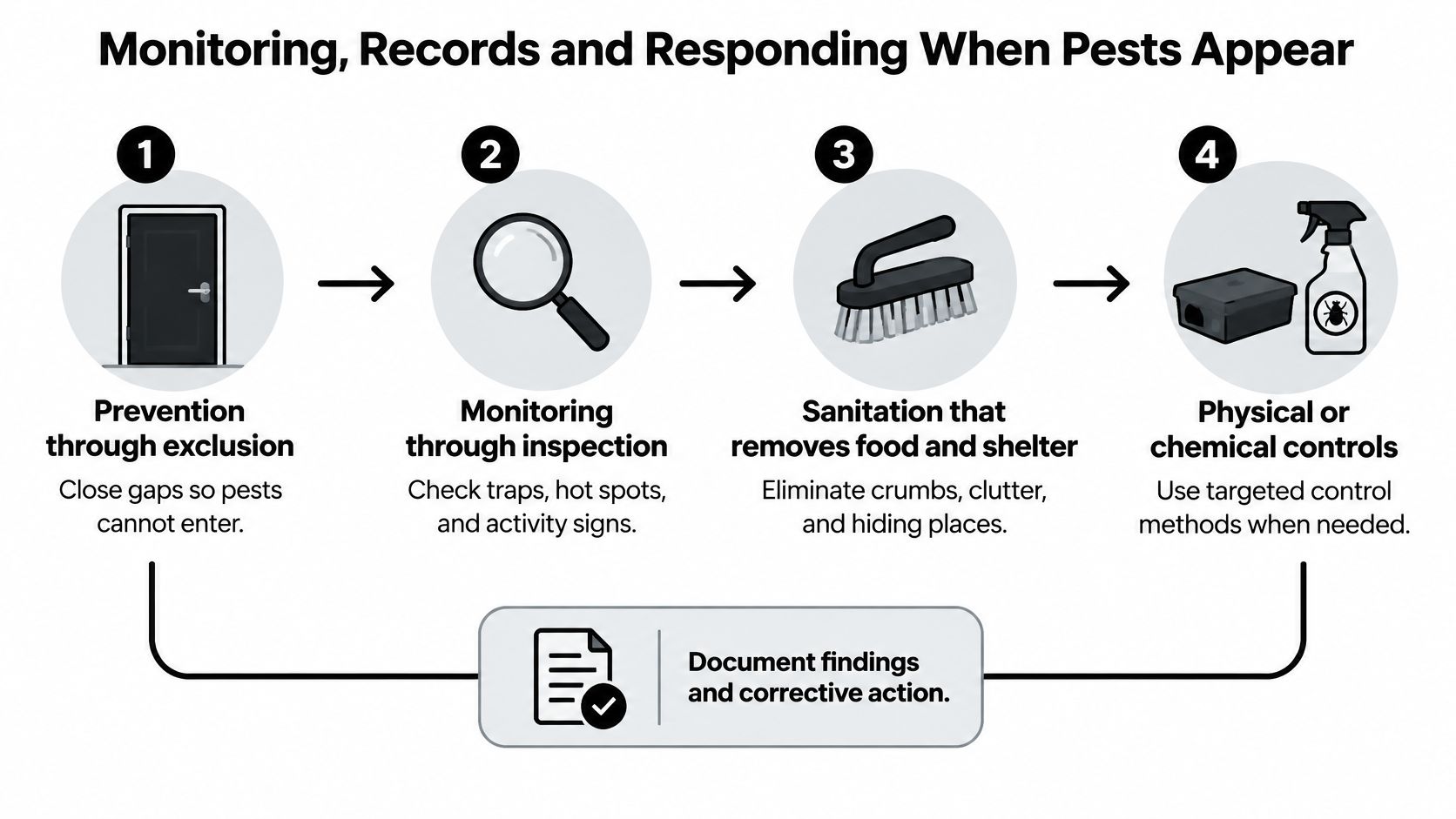
Integrated pest management, or IPM, combines exclusion, inspection, sanitation, and targeted physical or chemical intervention. The Food Code's physical-facilities provisions support this approach through routine inspection, elimination of harborage, and responsive control when pests are found. They don't establish a universal monthly spray calendar.
Set inspection frequency around the site's risks and operating conditions. A sighting, suspect delivery, new opening, or changed layout should trigger a review even if the next contractor visit is already booked.
Separate baseline work from escalation
Sealed openings, managed waste, clean drains, and receiving checks are baseline work. Traps and professional treatment are escalation tools selected for the pest and the situation. Buying additional devices won't correct a sanitation task that nobody owns.
Give employees a response sequence they can follow without improvising around exposed food:
- Stop service in the affected zone, because food shouldn't be served near active pests. Escalate to wider closure when your approved plan, local rules, or the extent of contamination requires it.
- Move food and food-contact items away from the area, because contamination can spread during cleanup. Isolate suspect items rather than carrying them into clean stock.
- Find the source and the entry point, because treating the symptom leaves the route open. Check nearby deliveries, openings, leaks, waste, and concealed spaces.
- Clean the area and remove dead or trapped pests, because accumulation can attract more pests. Use the appropriate safe cleanup procedure and restore affected food-contact surfaces before use.
- Apply an approved control per label, because off-label use creates residue and violation risk. Use an authorized applicator whenever the product or local law requires one.
- Record the date, location, action taken and responsible staff member, because inspectors assess records as evidence of your response. Add photographs or service documentation when they clarify the finding.
- Recheck within a set interval and close the record only when activity has stopped. Set that interval according to the pest, severity, treatment instructions, and contractor or authority direction.
Close the finding with evidence
Keep a master incident log with a reference to the receiving record, maintenance ticket, cleaning entry, or applicator report that supports each action. Make it accessible to the manager on duty, not locked in an owner's email account.
The common mistake is declaring the fix complete while leaving the log blank. The opposite mistake is closing a beautifully documented incident without checking the affected area again.
A fly-prevention device may support guest-area protection, but it cannot replace sanitation, structural exclusion, monitoring, or corrective-action records. Judge the program by what staff can verify.
Sort your current pest activities into prevention, monitoring, and treatment. Identify any category with no records, then assign an owner to supply the missing evidence.
Confirm Your Local Rules Before You Open
Start with the authority that will inspect your operation, not a contractor's generic package. A restaurant, mobile unit, catered event, and outdoor service area may need different approvals even when the same business operates them.
Make these decisions before service starts
- Identify the governing authority. Confirm whether the state, county, or city oversees your premises. Obtain the adopted Food Code edition and relevant local amendments.
- Ask what evidence inspectors expect. Confirm required record types, retention rules, and access arrangements. Ask how the authority handles inspections of outdoor dining and event service.
- Check the service format. Find out whether a patio, temporary buffet, food truck location, or catered event needs a separate permit, submitted plan, or approval.
- Build a site-specific plan. Name high-risk zones, inspection triggers, responsible employees, corrective actions, and record locations. Include the contractor contact and the manager who can stop service.
- Set the review point. Schedule a review and reopen the assessment when the menu, layout, or service area changes. Assign someone to replace obsolete maps and instructions.
Keep the working version short enough for a supervisor to use during a shift. Store supporting reports separately but make them easy to retrieve from the incident or device record.
Choose supplemental protection for guest areas
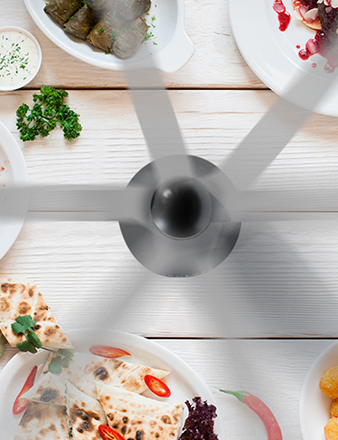
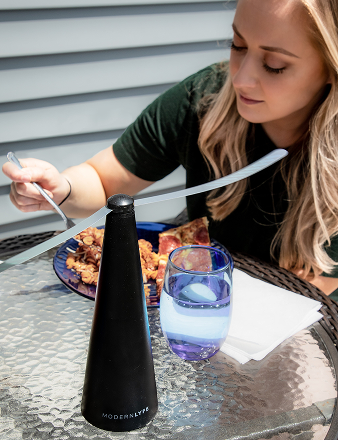
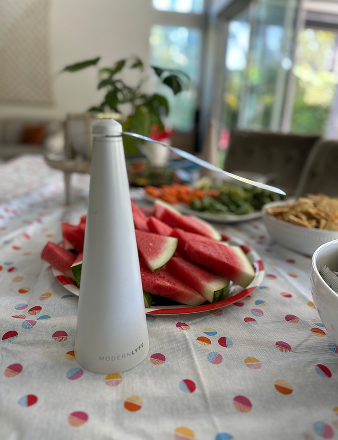
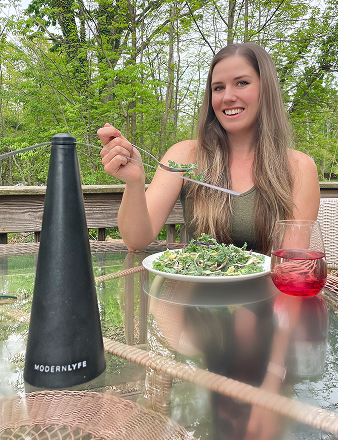
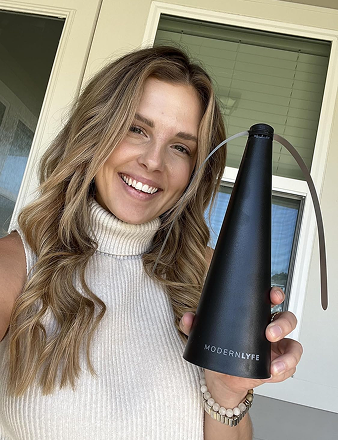
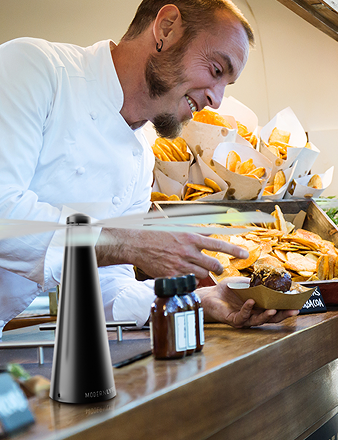
Our Fly Fan for Tables is rechargeable, works indoors and outdoors, and is designed to keep flies and pests away from food. It's intended for outdoor tables, patios, parties, food trucks, and al fresco cafes as a supplemental measure, not a replacement for sanitation, exclusion, monitoring, or records.
Don't mistake a more comfortable table for proof that the whole premises is under control. Keep guest-area measures within the approved operating plan and continue checking the routes pests use to enter.
This week, call your local authority and confirm which Food Code edition and pest-plan requirements apply to your operation. Write down the answers, the contact's name, and the changes you need to make before opening or expanding service.
MODERN LYFE offers rechargeable fly fans for indoor and outdoor dining, including patios, event tables, and food-truck service areas. Visit MODERN LYFE to explore supplemental table protection that fits alongside your documented pest-management program.