72.99% of surveyed restaurant operators planned to invest in new equipment or upgrades in 2024, according to Bar & Restaurant's industry survey. Buying restaurant supplies isn't a side task. It's an operating decision that affects food protection, staff workload, storage space and the cost of every service.
The useful question isn't which item costs less. It's which item fits the job, can be cleaned correctly and works with everything around it, from the cold well to the patio waste station.
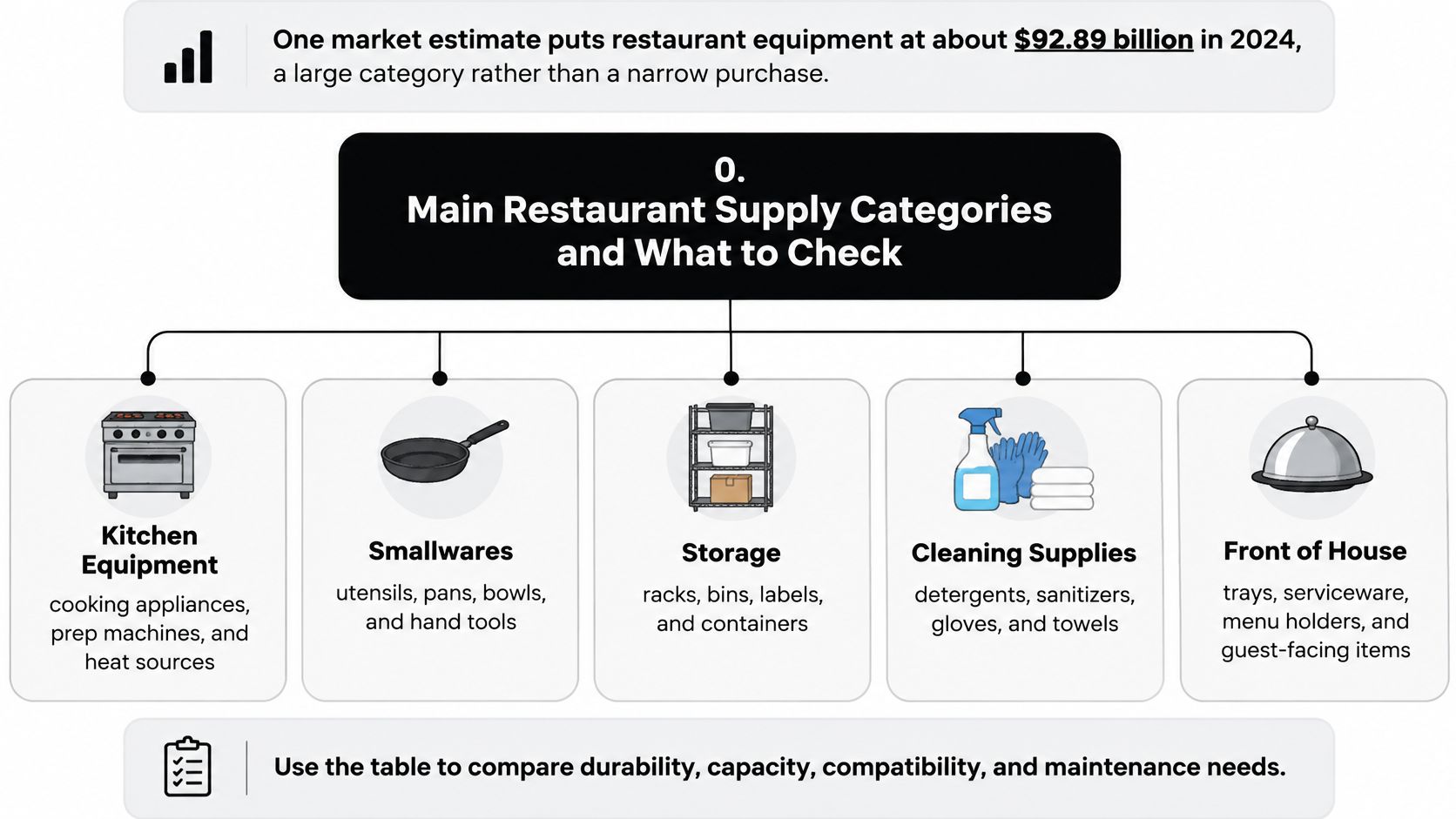
Main Restaurant Supply Categories and What to Check
One market estimate puts restaurant equipment at approximately $92.89 billion in 2024, a large category rather than a narrow purchase, according to Market Research Future. Treat that category as connected systems, not an assortment of products.
Restaurant supply categories and the spec to check first
| Category | Typical items | Spec to check first |
|---|---|---|
| Food prep and cookware | Pans, sheet pans, cutting boards, mixing bowls | Gauge, material and capacity |
| Refrigeration and cold storage | Reach-in units, prep tables, walk-in coolers, ice machines | Cubic feet, temperature range and door type |
| Cooking equipment | Ranges, fryers, ovens, griddles, steamers | Fuel type and BTU or kW output |
| Smallwares and utensils | Tongs, ladles, spatulas, portioning scoops | Heat rating and dishwasher safety |
| Storage containers and shelving | Food boxes, lidded bins, wire shelving | Load rating and food-grade material |
| Disposables and packaging | Cups, clamshells, liners, takeout bags | Grease resistance and disposal claim |
| Cleaning and sanitation | Sanitizers, dish machine chemicals, sponges | Concentration and dispensing method |
| Front-of-house serviceware | Plates, glassware, chafers, buffet risers | Breakage rating and stackability |
| Pest and food-protection supplies | Food covers, screens, fly control, sneeze guards | Mesh size, cover type and placement |
Tag the purchase before comparing products
Assign every order line a purchase tag:
- Food-contact: Items touching food or the surfaces holding it, including pans, cutting boards and container liners.
- Food-adjacent: Items in the service environment, including shelving, sneeze guards, external covers and cleaning chemicals.
- Non-food: Menus, décor and office supplies with no intended food-contact function.
These are purchasing tags, not certification classes. A cover that touches food needs a different assessment from one suspended above it. Non-food items don't need a food-contact standard merely because they're in a restaurant, but their placement mustn't obstruct cleaning or safe service.
Use this category map when assigning products to service areas.
Check the working system
Capacity means little without usable access. A refrigerator can fit the room yet prevent staff from opening its doors beside a prep bench. A scoop can deliver the right portion but fail under the dishwasher conditions your team uses.
For smaller purchases, group commercial kitchen accessories by task rather than buying isolated gadgets. Match the utensil, container, lid and storage position together.
Cleaning purchases need the same discipline. Fillaree's guide can help you evaluate bulk cleaning product ingredients before comparing refill formats. Then verify the product's intended use, surface compatibility and dispensing requirements rather than treating all bulk cleaners as interchangeable.
Materials and Hotel Pan Sizes That Affect Durability
Common restaurant supply materials and where they fit
| Material | Best use | Durability and cleaning note |
|---|---|---|
| 304 stainless steel | Wet prep areas, sinks, food-contact work surfaces | Good corrosion resistance; avoid chloride exposure and abrasive cleaning |
| 430 stainless steel | Dry-area panels, equipment exteriors, some worktables | Less corrosion-resistant than 304; keep dry and inspect exposed edges |
| Polycarbonate | Food storage containers, bins, ingredient boxes | Impact resistant; check the temperature rating before use |
| Polypropylene | Lidded containers, squeeze bottles, lids | Light and flexible; can stain, so respect the heat limit |
| Aluminum | Sheet pans and light cookware | Conducts heat well; reacts with acidic food unless appropriately anodized or coated |
| Epoxy or polymer-coated wire | Racks and shelving in cooler or dry storage | Coating can chip; replace damaged sections once bare wire shows |
Don't specify stainless steel without the grade and application. A dry-area exterior panel doesn't need the same corrosion resistance as a sink surround exposed to water and chemicals. Likewise, a clear storage box isn't automatically suitable for hot filling, microwaving or your warewashing process.
Match the pan to the service
For a hypothetical layout built around a 12 × 20-inch full-size hotel-pan footprint, compare half, third and sixth pans against the actual equipment drawings. Nominal sizes aren't a fit guarantee, especially when mixing brands, lids and adapter bars.
Choose the fraction around portion volume and replenishment, not the desire to fill the display. Smaller, shallower batches can limit how much food sits out, but pan depth alone doesn't maintain a safe temperature. The holding equipment, loading pattern and monitoring routine still have to work.
Buy the pan that supports your replenishment routine, not the largest pan that fits the opening.
Measure shelf depth, cabinet clearance, cold-well openings and hood clearance before ordering. Include handles, hinges and the space needed to lift a full pan out without tilting it.
Read past the finish
Within the same material and gauge system, a thicker sheet generally gives you more resistance to deformation, but it also adds weight. Staff lifting loaded pans may value a manageable pan more than an unnecessarily heavy one.
Request a spec sheet showing gauge or thickness, finish and weld method. Inspect rolled rims for trapped soil, welds for roughness and lids for secure seating. Confirm that the depths and rim styles across the proposed set work together, rather than assuming every nominally matching piece will nest or seal correctly.
Sanitation Standards to Check Before You Buy
A polished surface can hide an inaccessible seam. Appearance says little about whether staff can remove food residue, rinse the item and let it dry.
NSF's food-equipment standards portfolio identifies NSF/ANSI 2 as a standard covering materials, design, fabrication, construction and performance for food-handling equipment, including counters, tables, shelves, sinks and hoods. Specify the standard appropriate to the product, rather than requiring the same certification for every purchase.
The FDA Food Code also recognizes equipment certified to an appropriate American National Standard as complying with specified equipment-sanitation provisions. That's a defensible purchasing benchmark, not a blanket approval for any installation or use.
Inspect the food zone
Use this procurement checklist before authorizing payment:
- Identify every food-zone surface, including undersides, joints and removable components.
- Require smooth, readily cleanable finishes wherever food or residue can collect.
- Reject inaccessible crevices, exposed threads, unnecessary seams and hard-to-remove fasteners.
- Obtain applicable certification evidence for the exact model being purchased.
- File the manufacturer's sanitation instructions with the purchase record.
- Check for moisture traps around the proposed prep or buffet location.
Say you're comparing buffet risers. An open-bottom base with inaccessible internal ledges can collect crumbs and liquid; a sealed base with rounded corners may wipe clean quickly. But a hollow closed base with a leaking seam can be worse, so inspect the construction rather than choosing by silhouette.
Make cleaning achievable
Ask the employee responsible for closing service to assess disassembly. If cleaning requires tools that aren't available at the station, staff may leave the component assembled.
Use restaurant food-safety guidelines to connect purchasing checks with daily handling routines. Keep chemical compatibility, rinsing requirements and drying instructions accessible where the item is cleaned.
Verify certification on the product's specification sheet or certification listing, not just in marketing copy. A claim about the manufacturer doesn't necessarily establish certification for the model in your cart.
Pest Protection Supplies for Patios, Buffets and Food Trucks
Pest prevention starts at the premises, not at the table. Inspect incoming deliveries and the facility routinely, then address entry points and attractants before adding tabletop devices.
The FDA Food Code's outer-opening provisions call for protection through measures such as tight-fitting windows and self-closing doors, or, for applicable open ventilation and temporary arrangements, 16 mesh per inch screens, properly designed and installed air curtains, or another effective means. Check how your local authority applies these model provisions.
Pest entry points, required controls and supplies that fit
| Entry point or exposure | Required control | Supply that fits |
|---|---|---|
| Open windows and doors | Tight-fitting closures or self-closing doors, with protection where openings remain open | Door closers, 16 mesh screens |
| Ventilation openings on patios or trucks | Screen or properly designed air curtain where applicable | Mesh screen, air curtain |
| Buffet and open food display | Food protected during display | Sneeze guard, food covers, lidded pans |
| Outdoor table service | Food protected and spills cleared promptly | Covers, supplementary fly control, tight-lidded serving pans |
| Waste areas and grease bins | Covered, pest-proof containment and scheduled removal | Lidded bins, liners, container covers |
| Food storage at ground level | Protected storage raised off the floor and away from walls | Pest-proof containers, shelving |
| Gaps around drains and pipes | Access points sealed or appropriately covered | Suitable drain covers, sealant |
Separate food protection from property control
Keeping pests from contacting food and eliminating pests from the premises are related but different jobs. A cover protects a dish; it doesn't address a damaged door seal or residue behind a waste container.
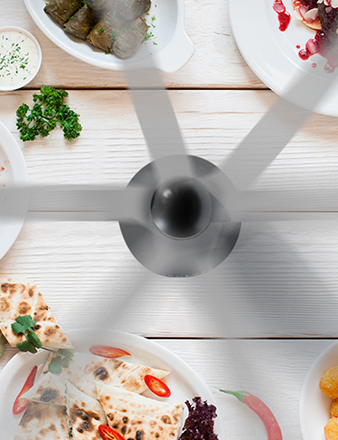
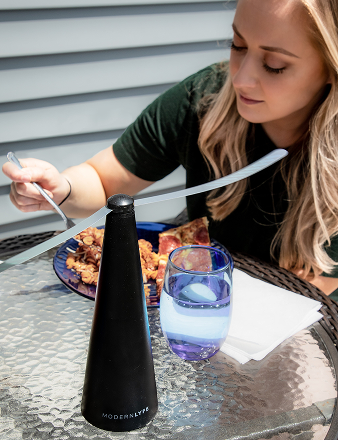
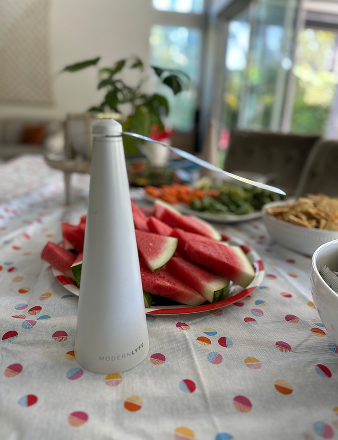
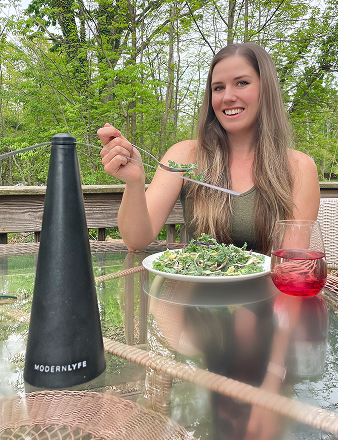
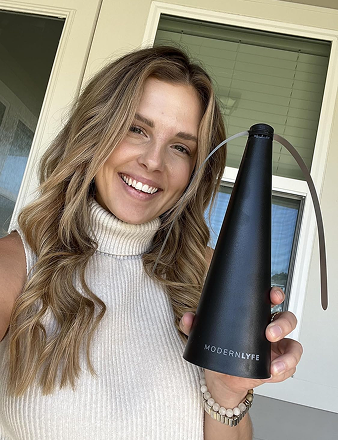
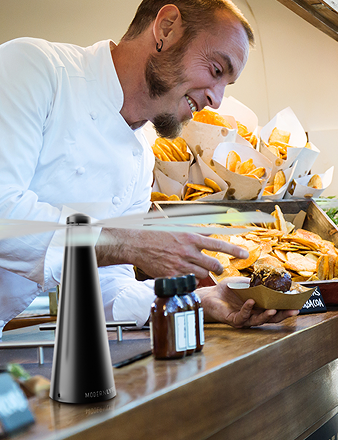
Battery-operated fly fans can provide supplementary nuisance-fly protection around buffet lines, patio tables and food-truck counters without applying chemicals there. They aren't a substitute for covers, screens, waste control or a documented pest-management program, and they don't establish compliance on their own.
Placement rule: A protective device shouldn't make staff reach across exposed food, block an exit or prevent the counter beneath it from being cleaned.
Before committing to portable equipment, test stability, sound, battery endurance and cleanability under actual service conditions. Keep moving components clear of food and utensils, and follow the manufacturer's placement instructions.
Assign the closing supervisor a restaurant pest-control checklist. The daily walk should include the perimeter, door seals, waste-container lids and any evidence of activity, with findings and corrective actions logged rather than passed along verbally.
Compliance Notes for Operators
Translate compliance into written operating rules attached to the supplies they govern. Buying a suitable item is only the beginning; staff need to know where it belongs and how it must be used.
- Treat pest control as a premises requirement. The FDA Food Code 2022 calls for establishments to be maintained free of insects, rodents and other pests, including routine inspection of incoming shipments and the facility. Connect receiving checks to storage containers, shelving and the process for isolating suspect deliveries.
- Pair exclusion with personal hygiene. The WHO Five Keys to Safer Food instruct handlers to protect kitchens and food from pests, wash hands before and during preparation and after toilet use, and clean and sanitize food-contact surfaces. Covers don't compensate for missing handwashing supplies or an incorrectly maintained sanitizer station.
- Give outdoor service its own approval check. New York City's restaurant guidance requires Dining Out NYC operators to extend their professional pest-management contract to the outdoor setup, prohibits processing or storing food, utensils and food equipment there, and specifies durable, nonabsorbent, easily cleaned floors. Don't assume an outdoor service area can function as extra prep or storage space.
- Maintain the building as well as the inventory. Put repairs, covered access points, effective doors and screens, and waste-free indoor and outdoor areas on a written maintenance schedule. Assign these tasks to a named owner so a damaged screen doesn't remain an unresolved cleaning note.
Keep different obligations separate
Before putting a new supply into service, record which operating rule it supports. Confirm current requirements with your health authority, especially before building an outdoor setup.
Keep financial compliance separate from food-safety approval. For operators working with VAT, Snyp's explanation of how VAT applies to restaurant food provides context for reviewing sales treatment without confusing tax decisions with equipment suitability.
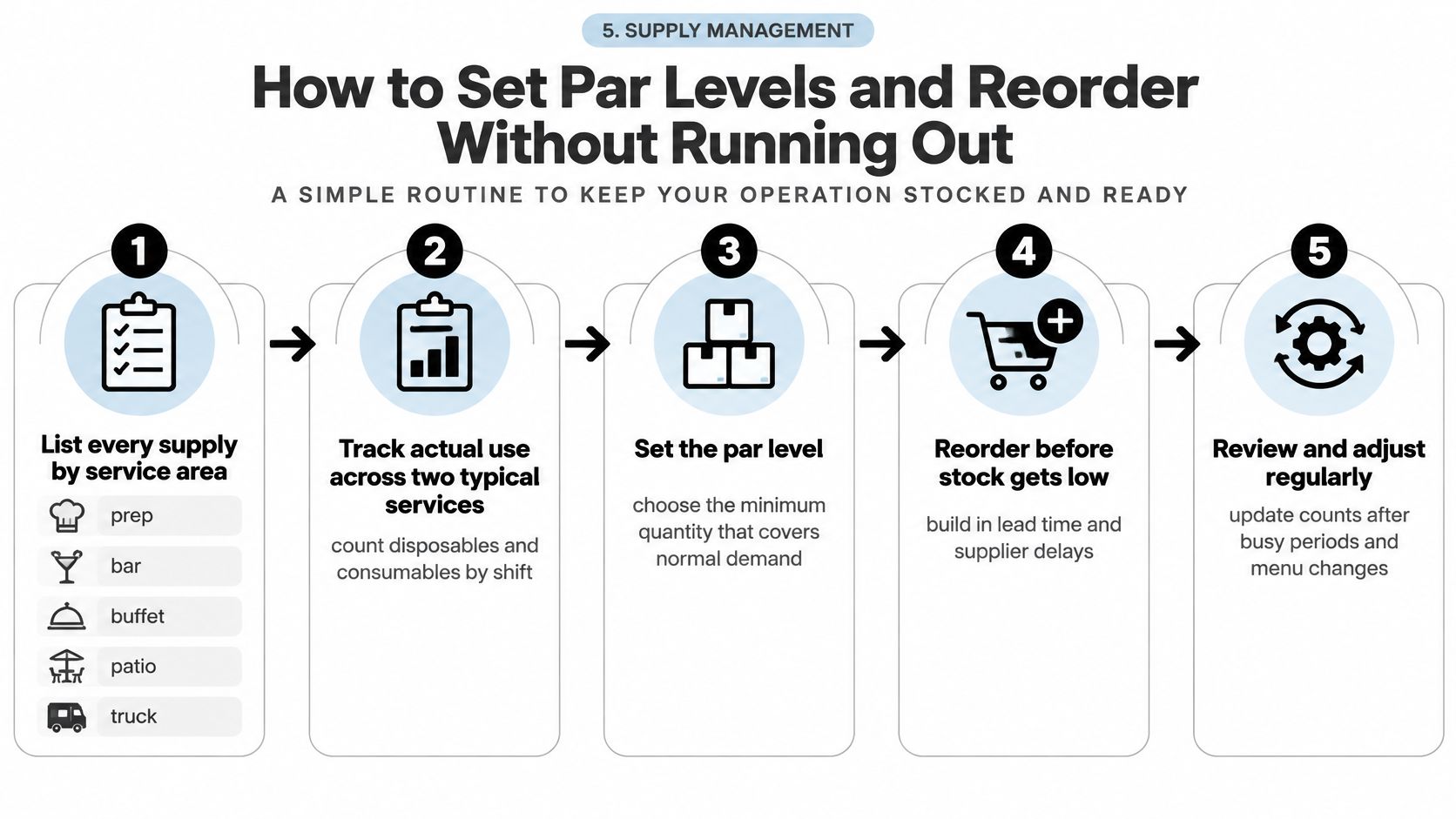
How to Set Par Levels and Reorder Without Running Out
Set inventory rules around usable stock, not unopened cases. A supply that's damaged, reserved for an event or incompatible with the current lid isn't available for tonight's service.
Use this flow as a visual reminder of the replenishment routine.
Build the replenishment routine
The quantities and timing below are illustrative starting rules, not universal inventory standards.
- List supplies by service area: prep, bar, buffet, patio and truck. Include shared stock, since outdoor bookings often draw from the same cupboard as indoor service.
- Track actual use across two typical services. Count individual consumables, not cases; confusing case quantities with units makes the forecast unusable.
- Calculate a starting par: average daily use × supplier lead time in days × 1.20, rounded up. This hypothetical model adds a 20 percent buffer, which you'll adjust to demand and delivery reliability.
- Set an early reorder trigger at par plus one day's use. Treat this as an illustrative conservative trigger, not the quantity to order.
- Assign one owner per area and maintain one shared log. Separate notebooks encourage duplicate orders and hide transfers between stations.
- Protect stored stock. The FAO and WHO general principles of food hygiene recommend pest-proof food containers, preferably raised above ground and away from walls, and covered, pest-proof refuse containers.
- Rotate first in, first out and check dates weekly. Put new deliveries behind existing usable stock rather than filling the easiest shelf space.
- Review after large events and at least quarterly. Give outdoor catering a separate par sheet to account for transport damage, weather exposure and stock held off-site.
Example par sheet: par and reorder point by area
These are hypothetical operating quantities, calculated using the example rules above.
| Area | Item | Average daily use | Lead time (days) | Par | Reorder point |
|---|---|---|---|---|---|
| Prep | Lidded deli containers, 16 oz | 20 units | 3 | 72 units | 92 units |
| Patio | Disposable napkins | 100 units | 4 | 480 units | 580 units |
| Buffet | Chafer fuel canisters | 6 units | 7 | 51 units | 57 units |
Add columns for usable on-hand stock, quantities already ordered, owner and supplier. Set a separate order-up-to target so the reorder trigger doesn't become an automatic order quantity.
For a supplementary inventory walkthrough, use the video below alongside your stock sheet.
Budgeting for Total Cost, Not Just Purchase Price
The cheapest purchase isn't necessarily the cheapest operating decision. A review of 114 restaurants across 12 countries, summarized by Fourth, found average savings of $7 for every $1 invested in kitchen food-waste reduction, a 26% reduction within one year, and investment recovery within two years for 89% of sites, with every site investing less than $20,000.
Those results cover waste-reduction programs, not a guaranteed return from any individual container or appliance. They nevertheless make a strong case for evaluating supplies by what they help staff prevent, not just what appears on the invoice.
Count the operating costs
Compare restaurant supplies using the same cost categories:
- Purchase price: Include delivery, installation and any necessary accessories.
- Expected life: Estimate service cycles or months before the item becomes unusable.
- Cleaning: Account for staff time, chemicals, water and disassembly.
- Storage footprint: Include racks, spare lids and space occupied between events.
- Waste: Record spoilage, leakage, breakage and damaged packaging.
- Training: Include the time needed to teach correct use and check execution.
Say a low-cost container repeatedly cracks at its corners. The replacement container is only part of the loss; staff also have to inspect the food, clean the spill and remove the damaged item from service. A sturdier container can justify a higher purchase price when it survives the same handling and cleaning conditions.
Budget priority: Protect food contact and temperature control first, prevent waste next, and buy decoration after the operating essentials are covered.
A sustainable label doesn't always mean lower total cost. Check whether the item needs extra sorting, washing, transport or replacement, and whether the intended disposal route exists at your venue.
Use a consistent comparison
A simple annualized screening formula is:
Annual cost = purchase price ÷ expected life in years + annual cleaning and replacement costs.
Avoid double-counting replacements already represented by the expected-life calculation. For a fuller comparison, add energy, storage, training and food-loss costs, then divide by expected uses when comparing items with different service volumes.
Cross-Checks and Pre-Order Checklist
Most supply mistakes happen between categories. A pan fits the oven but not the rack, or a portable device works at the table but has no safe storage position during transport.
Check the connected decisions
Keep these relationships visible on the order:
- Protection and waste: Covers and guards can reduce exposure-related food losses, but only when staff can use them without disrupting service.
- Certification and cleaning: An appropriate certification doesn't remove the need to follow the specified sanitation method.
- Containers and inventory: Storage capacity must accommodate the planned stock without encouraging floor-level overflow.
- Outdoor layout and operations: Flooring, waste handling and permitted food activities belong in the same written setup plan.
- Battery equipment and logistics: Plan power, between-service storage and transport before assigning equipment to an event.
Release the order only after these checks
- Confirm the category and purchase tag for each item.
- Check dimensions against cabinets, cold wells and shelving.
- Request applicable certification evidence and sanitation instructions for food-contact and food-adjacent items.
- Match material grade and gauge to the service load.
- Confirm par levels and supplier lead time.
- Compare total cost per use, not unit price alone.
- Check the connected category whenever a purchase changes another station's operation.
Preserve packaging while checking your delivery. For our returns, an item must be unused, in the same condition as received and in its original packaging; items returned more than 30 days after delivery receive only partial refunds.
For items over $75, consider trackable shipping or shipping insurance. We don't guarantee receipt of a returned item.
Audit one service area this week. Record the first supply you'd replace, the failure you're trying to prevent and the specification its replacement must meet.
MODERN LYFE offers quiet, battery-operated fly fans for restaurant tables, patios, buffets and catered events, providing supplementary protection around dining and service areas. Visit MODERN LYFE to compare options for your setup, with placement, cleaning access and event logistics in mind.