A buffet can look flawless at 5:45 p.m. Polished chafers, cut fruit trimmed tight, bar garnishes lined up, staff in position. Then one guest notices two fruit flies hovering over the sangria station, and suddenly the whole room feels less clean than it is.
That's the problem with fruit flies in hospitality. They don't need a major infestation to do damage. A few insects around a bar sink, dessert display, compost caddy, or outdoor service line can undercut guest confidence fast. In restaurants, hotels, wedding venues, and catering operations, pest control isn't just about elimination. It's about presentation, sanitation, and keeping service smooth without introducing harsh chemicals into food-adjacent spaces.
A reusable fruit fly trap earns its place because it solves a practical business problem. It gives operators a food-safe, repeatable way to intercept flies where they breed and feed. But in real service environments, traps work best when managers treat them as one tool inside a larger system, not as a magic fix.
Protecting Your Guest Experience from Fruit Flies
Fruit flies show up where hospitality teams create the most value. Fresh produce displays, cocktail prep stations, coffee counters, juice bars, brunch buffets, outdoor dessert tables. The better the food program, the more attractive the space can become to flying pests.

In my experience, guests rarely separate “a few flies” from “poor standards.” They read the scene emotionally. If fruit flies are circling lemons at the bar or landing near pastries, people don't stop to ask whether the kitchen passed its cleaning checklist that morning. They assume something is off.
Where the pressure shows up first
Front-of-house teams feel this issue before back-of-house teams talk about it. A server notices guests swatting near a wine glass. A banquet captain sees flies gather around cut melon during setup. A bartender starts covering garnishes between orders because the optics are bad.
Those moments matter because they stack up into operational friction:
- Guest confidence drops: Visible pests distract from food quality and service.
- Staff lose time: Teams improvise with napkins, lids, and last-minute cleanup instead of focusing on service.
- Brand standards slip: One weak visual can cheapen a premium event.
Practical rule: If guests can see the problem, it's already affecting the experience.
Why reusable traps fit hospitality better
A reusable fruit fly trap is a professional answer because it supports consistency. Instead of tossing single-use devices into the budget every cycle, you build a repeatable control routine around a durable tool. That matters in operations where pest pressure isn't a one-week issue. It's seasonal, recurring, and tied to food handling.
For hospitality teams, the appeal is straightforward. Reusable traps are easier to standardize across bars, prep zones, dish areas, and event staging spaces. They also look more intentional than ad hoc DIY cups sitting in guest view. Used correctly, they help protect the room, not just catch insects.
The Science Behind a Simple and Effective Tool
A good reusable fruit fly trap works like a one-way door built around smell. Fruit flies are searching for signs of fermentation, moisture, and food breakdown. The trap gives them that signal, invites entry, and then makes it hard for them to leave.
Attraction starts with the lure
The bait matters more than most operators think. Fruit flies don't respond to the trap because it's sitting on a counter. They respond because the lure mimics the odors they already chase in real life, especially fermenting fruit and food-based compounds.
Commercial products lean into that biology. Some designs use optimized bait formulas and entry structures to pull insects in faster, which is one reason performance varies so much from product to product. If you want a deeper look at bait types and how they behave in practice, this guide to fruit fly lures is a useful companion.
Entry design is not cosmetic
Many buyers focus on bait and ignore the shell. That's a mistake. The housing controls how easily flies find the opening, enter, and fail to escape.
Research-backed product data says the RESCUE! Fruit Fly Trap achieves eight times better catch rates than competitive models because of factors such as increased entry hole density and optimized attractant formulas, according to the RESCUE! product page.
That lines up with what operators see on the floor. Two traps can use “natural attractant” language and still perform very differently if one has better airflow, a stronger visual cue, or a more forgiving entry path.
The trap isn't just a container for bait. The container is part of the baiting system.
Containment closes the loop
Once flies enter, the trap has to keep them there. In simple terms, that means either drowning, exhausting, or disorienting them so they can't fly back out. A weak trap often fails at this last step. It attracts insects, then leaks performance because the internal design doesn't hold them.
Here's the practical framework hospitality teams should remember:
| Mechanism | What it does | Operational takeaway |
|---|---|---|
| Attractant | Pulls flies in using fermentation-style odors | Replace or refresh on schedule |
| Entry | Makes access easy for flies | Better design usually beats cheaper plastic |
| Containment | Prevents escape after entry | A trap that catches but doesn't hold wastes labor |
The science is simple, but the execution isn't. When a reusable fruit fly trap works well, it's because the bait, opening, and body are working together.
How to Choose the Right Reusable Trap
Choosing a reusable fruit fly trap for hospitality isn't the same as choosing one for a home kitchen. You're not just asking, “Will this catch flies?” You're asking whether it fits the room, the labor model, and the standard of presentation your guests expect.

Commercial versus DIY in a business setting
DIY traps have a place. They're cheap, quick to assemble, and useful in back-of-house testing when you need an immediate response. But they come with trade-offs. They usually look improvised, they can smell rough if neglected, and they often create inconsistency across sites or shifts.
Commercial traps cost more upfront, but they solve several operational problems at once:
- Appearance matters: A purpose-built trap is easier to hide or place discreetly.
- Refill systems are cleaner: Staff can follow one routine instead of guessing at bait recipes.
- Results are easier to evaluate: Standardized design helps you compare one area against another.
For restaurants and event teams, that usually means DIY belongs in utility spaces, while commercial units belong anywhere standards need to stay tight.
What separates a better trap from a mediocre one
Not all reusable traps deserve the same confidence. Some are basically containers with holes. Others are engineered with better entry geometry, stronger visual signaling, and more effective lure delivery.
A good buyer checklist looks like this:
- Front-of-house suitability: If guests might see it, the trap should look intentional and stay stable.
- Cleaning access: If staff need tools or too much time to rinse residue out, compliance will drop.
- Refill availability: A reusable unit without easy replenishment turns into a disposable in practice.
- Placement flexibility: The trap should work near bar mats, prep tables, produce shelving, and dish return zones.
Product fit by zone
Different spaces need different priorities. Here's a practical comparison:
| Zone | Best fit | Why |
|---|---|---|
| Bar and beverage station | Compact commercial trap | Discreet, faster to service, less visual clutter |
| Produce prep or pantry | Higher-capacity commercial trap | Handles heavier pressure and repeated maintenance |
| Dish area and waste point | Durable trap with easy rinse-out | Messier environment, more frequent servicing |
| Emergency overflow spot | DIY backup trap | Fast stopgap when staff need same-day action |
One thing worth noting once, and only once, because it matters in purchasing discussions. Product design can create a real performance gap. As noted earlier, the RESCUE! Fruit Fly Trap has been presented as achieving eight times better catch rates than competitive models on its product page because of design and attractant factors. For a manager making a buying decision, that means “reusable” alone isn't enough. You're paying for engineering, not just plastic.
Buy for labor reality, not for shelf appeal. A trap that's slightly less attractive but easier to maintain often performs better over a full service month.
Strategic Placement and Sanitation Protocols
Most trap failures aren't product failures. They're placement and maintenance failures. Staff put one trap in the wrong corner, leave it too long, and decide reusable traps don't work.

Place traps where flies live, not where managers wish they lived
Fruit flies gather around moisture, sugar, residue, and waste. In hospitality, that usually means hidden trouble spots rather than open tabletops.
Focus on these zones first:
- Bar sinks and drain boards: Syrup splash, citrus, and standing moisture make these prime sites.
- Server stations: Coffee, wine drips, and abandoned garnish containers create daily attraction points.
- Produce storage and prep areas: Overripe fruit and trim waste keep breeding cycles alive.
- Compost and refuse staging: If organics sit warm, you'll keep feeding the problem.
For catered events, also inspect staging tables, back-bar garnish buckets, and bussing points. Mobile service creates temporary hotspots that fixed restaurant routines can miss.
Build a cleaning routine that staff will actually follow
The weak point in every reusable system is upkeep. According to the product-related source provided, long-term effectiveness hinges on maintenance, because attractant can lose potency and traps can accumulate mold if not emptied weekly, potentially reducing efficacy by up to 70% as described on the Nature's Good Guys product page.
That doesn't mean reusable traps are flawed. It means they need a protocol.
A workable hospitality routine looks like this:
- Assign ownership by zone. Bar manager handles bar traps. Prep lead handles kitchen-side traps. Shared ownership usually means no ownership.
- Check on a fixed schedule. Tie inspection to opening or closing duties so it doesn't become optional.
- Empty before buildup becomes visible. Once drowned insects and residue sit too long, staff avoid the task and the trap becomes part of the sanitation issue.
- Rinse fully and avoid lingering film. Residue can alter odor and reduce performance.
Dirty traps don't just look bad. They stop behaving like fresh traps.
Support the trap with better food handling flow
Fruit fly pressure drops when temperature control and waste handling improve. For event operators, that includes keeping produce, garnishes, and backup ingredients properly chilled during setup and service. If you're managing temporary venues or off-site functions, these event cold storage solutions show the kind of refrigeration planning that helps reduce the warm, exposed food conditions fruit flies love.
A reusable fruit fly trap works best when sanitation removes the invitation and the trap handles the remainder.
Integrating Traps into a Complete Pest Management System
Trap-only thinking breaks down fast in live hospitality environments. It works reasonably well in enclosed, controlled spaces. It struggles when doors open constantly, service staff move at speed, and airflow changes by the minute.

Where traps hit their limit
A bait trap relies on scent concentration. Outdoors, or even near a breezy patio threshold, that advantage weakens. The source material provided states that traps are less effective in dynamic settings because wind disperses attractants, and it also notes that fruit fly outbreaks at outdoor events are up 25% in recent years due to climate shifts, as referenced in this YouTube comparison source.
That tracks with real service conditions. If you place a reusable fruit fly trap next to an open buffet under moving air, you may catch some flies, but you won't control landing behavior well enough on its own.
Build layers instead of relying on one device
Integrated pest management is a better framework because it treats insects as an environmental control issue, not just a capture issue. That means combining prevention, monitoring, sanitation, and physical disruption. If you want a broader overview, this article on integrated pest management gives the full operating model.
For hospitality teams, a layered setup usually includes:
- Source reduction: Remove overripe produce, standing liquids, and sugary residue quickly.
- Targeted trapping: Use reusable traps in breeding and feeding zones, mostly off the guest line of sight.
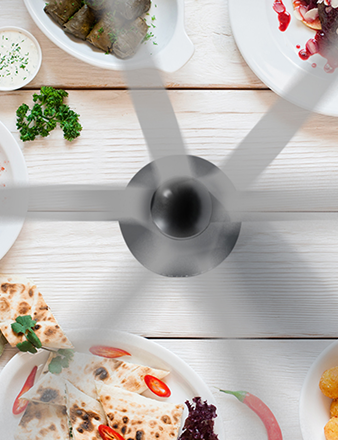
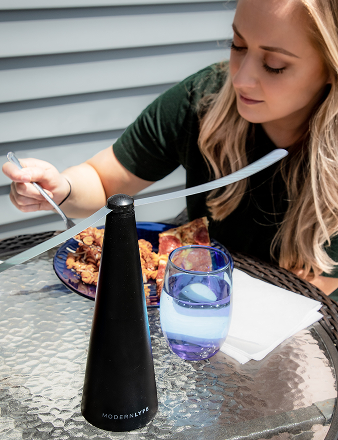
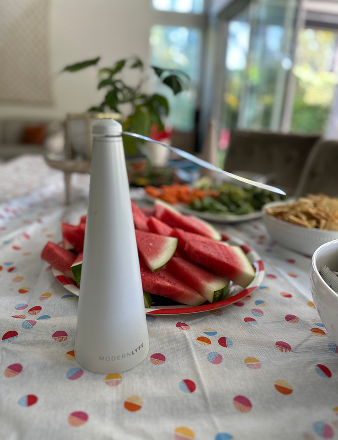
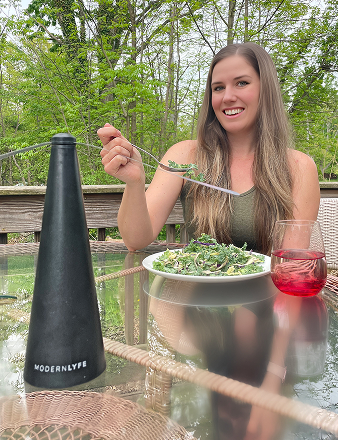
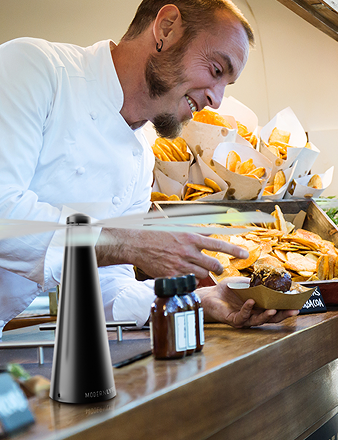
- Air movement at service points: Use quiet air-based deterrents near buffets, dessert displays, bars, and outdoor food lines to reduce landings.
- Routine monitoring: Review where activity appears by daypart and event format.
Why fans complement traps so well
A trap captures after attraction. Air movement prevents comfortable approach and landing. Those are different jobs. In a dining room, on a patio, or beside an outdoor carving station, that distinction matters.
Use traps where fruit flies originate. Use air deterrence where guests see food. That division of labor gives operators a cleaner setup and a more reliable outcome than either tool alone.
One device catches pests. A system protects the service environment.
Calculating Your ROI and Ensuring Compliance
Hospitality managers don't get credit for buying clever gadgets. They get credit for reducing recurring problems without adding labor drag or creating new risks. That's where the reusable fruit fly trap makes its strongest business case.
The cost argument is straightforward
In the verified data provided, reusable traps can reduce long-term pest control costs by 50-70% compared to disposables because they eliminate frequent repurchases, with the USDA-APHIS guidelines also serving as the cited regulatory reference in the source set through this USDA-APHIS fruit fly detection guidance.
For operators, the math is practical rather than theoretical. If you run multiple stations, replace traps regularly, and deal with seasonal spikes, disposables create a steady spend line. Reusable units shift more of that cost into maintenance and refills.
Compliance benefits go beyond pest counts
Non-chemical control matters in food service because staff are working around garnish trays, open beverages, pastry displays, and prep surfaces. A reusable fruit fly trap supports that environment without pushing teams toward harsh spray habits in visible service areas.
It also aligns with the mindset behind formal food safety systems. Managers need documented routines, repeatable checks, and visible diligence. The same source set notes that agencies such as USDA-APHIS mandate trap densities as high as 10 per square mile in high-risk areas, which shows how seriously structured monitoring is treated in professional detection programs.
What to track internally
You don't need elaborate software to justify the spend. Track:
- Trap service frequency
- Areas with repeat activity
- Guest-facing incidents
- Refill and replacement cadence
If your team is already using reusable housings, keeping a steady stock of fruit fly trap refills helps avoid the common mistake of stretching bait beyond its useful life.
ROI on a reusable fruit fly trap comes from fewer repeat purchases, fewer guest-visible issues, and a cleaner operating routine.
Practical DIY Solutions and Troubleshooting
Sometimes you need action today, not after the next supply order arrives. A DIY trap won't replace a well-designed commercial unit for long-term hospitality use, but it can help you stabilize a hotspot in back-of-house.
A simple DIY reusable setup
Use a clear deli container, an empty jar, or a squeeze bottle with the top modified for entry. The goal is simple. Hold an attractant inside, create an easy path in, and limit the path back out.
Basic setup:
- Add a small amount of fruit-based attractant or approved lure mixture to the bottom.
- Create a narrow entry point in the lid or use a funnel insert.
- Place the trap near the problem zone, not directly on guest-facing display surfaces.
- Check daily, empty before odor turns unpleasant, and wash the container thoroughly before reuse.
This kind of trap works best as a temporary response near drains, prep waste, or produce overflow. It's less suitable for bars, buffets, or event setups where appearance matters.
Troubleshooting common failures
If a reusable fruit fly trap isn't working, the cause is usually operational.
- It isn't catching anything: Move it closer to the source. If the trap is too far from drains, fruit trim, or sugary residue, flies may never choose it.
- It catches slowly: Refresh the attractant and inspect for dried residue around the opening.
- It smells worse than the problem: Empty it sooner. Reusable doesn't mean set-and-forget.
- It's visible to guests: Relocate it just off the service line and use prevention tools at the presentation point.
- Flies keep hovering around buffet food anyway: The trap may be handling background population, but it won't stop landing pressure by itself in active service areas.
When to stop troubleshooting and upgrade
If staff have to keep rebuilding DIY traps, the labor cost starts beating the savings. That's usually the signal to move to a commercial reusable fruit fly trap with a standard refill routine and cleaner presentation.
DIY is useful for testing and containment. Professional service needs repeatability.
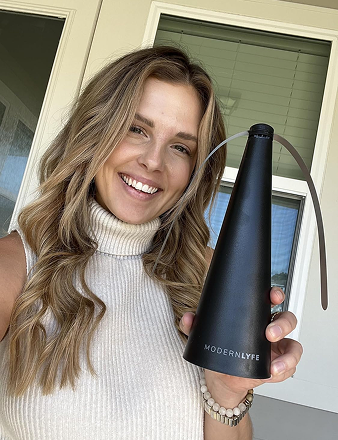
If you need a cleaner way to protect buffets, bars, patios, and event tables from flying pests, MODERN LYFE offers quiet, table-friendly fly fans built for hospitality settings where appearance matters as much as performance. They pair well with a reusable fruit fly trap strategy by helping reduce landings in the guest-facing zones traps can't fully cover on their own.