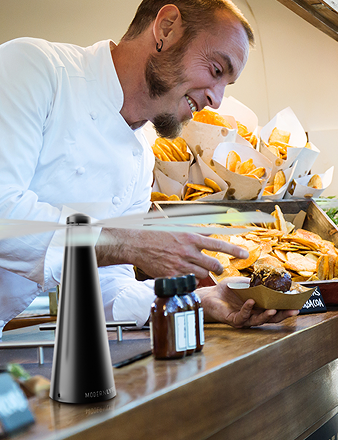
A seasonal maintenance checklist can reduce unplanned equipment downtime by 25% to 30%, according to industry preventive-maintenance guidance. That makes maintenance more than a last-minute cleanup before patio service, a wedding reception, or a busy holiday period. It's a coordinated operating routine across dining areas, outdoor setups, equipment, pest prevention, presentation, and staff readiness.
The practical rhythm is simple. Daily observations catch visible damage, unusual noise, weak airflow, moisture, or unsafe placement. Monthly inspections verify fasteners, cords, batteries, filters, and cleaning condition. Season-transition maintenance prepares equipment and service zones for the next change in weather, occupancy, and event volume. Seasonal guidance from Renue Systems Four Points reflects the same principle, prepare systems before demand exposes weaknesses.
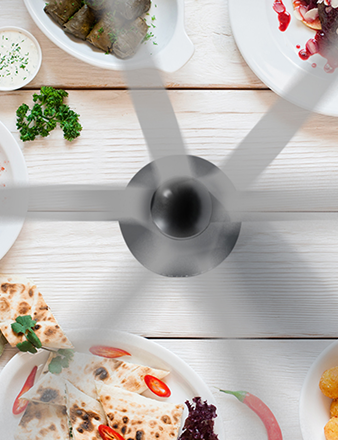
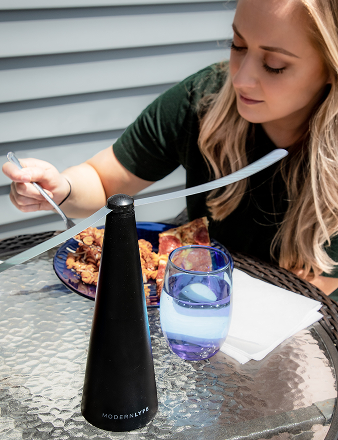
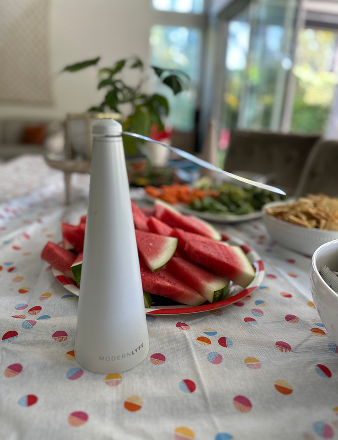
Assign each check before peak service begins, record what was found, and give every issue an owner and due date. Modern Lyfe fly fans can support fly prevention in buffet lines, patios, and event spaces, but only when they're positioned, powered, cleaned, and logged consistently. The checklist below turns that expectation into a repeatable hospitality workflow.
1. Battery System Inspection and Replacement
A fly fan that loses power during outdoor service stops being part of the guest experience and becomes another interruption for staff. Before each season, inspect every battery compartment for corrosion, leakage, residue, or other signs of degradation. Modern Lyfe fly fans depend on consistent battery performance to maintain reliable fan speed, especially when restaurants open patios or caterers move equipment between venues.
Use the battery type specified for the fan, whether that's a quality alkaline option or a compatible rechargeable system. Don't mix old and new batteries, and don't leave questionable cells in equipment that may sit unused between events. Test every unit one week before a major reception, rather than discovering a weak battery while guests are arriving.
Practical rule: A battery check is complete only when the fan runs normally, the compartment is clean, and the replacement date is recorded.
A restaurant group might schedule a fleet check before summer patio service. A wedding planner can test each fan before loading equipment for an outdoor reception. A catering company managing dozens of fans across multiple venues should maintain a simple battery log showing the unit number, battery type, replacement date, and staff initials.
Keep spare batteries with the event kit during high-season work. Rechargeable options may reduce waste and simplify recurring operations, but only if staff have a dependable charging and storage routine. For additional guidance, use this battery-life maintenance advice when creating the venue's standard operating procedure.

2. Motor and Fan Blade Cleaning
Food particles, pollen, dust, and grease build up quickly around outdoor dining and event equipment. Cleaning the motor housing and blades at season start and season end protects performance, while cleaning during active service keeps the fan presentable in front of guests. Fine-dining teams should treat visible residue as a service-quality issue, not just an equipment issue.
Start with a soft microfiber cloth and compressed air where appropriate, removing loose dust before addressing grease. Use a lightly damp cloth for residue, and avoid harsh chemicals that could damage surfaces or leave unwanted vapors near food. Disconnect power or remove batteries before cleaning, and keep moisture away from motor and electrical components.
Hotel event coordinators can schedule deep cleaning during an off-season transition. Outdoor caterers may need to clean fans between weekend events when equipment travels from one reception to another. The right frequency depends on exposure, but active-season cleaning should follow the event calendar rather than a fixed reminder that ignores actual use.
Use Modern Lyfe troubleshooting guidance when cleaning reveals unusual movement, reduced airflow, or a motor sound that wasn't present before.

A short cleaning record should identify the unit, date, condition found, method used, and any follow-up needed. That documentation helps managers distinguish normal seasonal soil from a recurring problem caused by storage, placement, or a particular service environment.
3. Structural Integrity and Stability Check
A fly fan must stay where staff place it. Inspect the base, mounting mechanism, clamps, brackets, fasteners, rubber feet, and contact surfaces before equipment enters service. This matters most in high-traffic dining areas, windy patios, uneven outdoor terrain, and buffet lines where staff and guests work close to the equipment.
Place the fan on a level surface whenever possible. Secure table clamps and mounting hardware firmly, then test stability with a gentle push from multiple angles. The test shouldn't involve force that could damage the unit, but it should reveal a loose clamp, shifting base, worn pad, or unstable table edge.
Outdoor wedding venues often face uneven ground around ceremony and reception areas. Resort restaurants may need to recheck table clamps as seasonal wind exposure changes. Catering teams should include stability verification in the pre-event walk-through, alongside buffet layout, power access, and guest circulation.
What to document during the stability check
- Mounting condition: Record whether clamps, brackets, and fasteners are tight and properly aligned.
- Surface condition: Note uneven tables, soft ground, moisture, or debris that could reduce traction.
- Contact points: Replace worn rubber feet or base pads instead of compensating with improvised materials.
- Service decision: Remove a unit from use immediately if it tips, shifts, has a cracked structural component, or can't be secured safely.
Tighten hardware monthly during peak season, and repeat the test after equipment is moved. A secure fan supports consistent fly deterrence, protects presentation, and reduces the chance that staff will need to interrupt service to reposition it.

4. Weather Sealing and Waterproofing Maintenance
Outdoor equipment needs a weather plan, not just a storage plan. Inspect seals, gaskets, drainage openings, covers, and exposed surfaces before rainy or humid periods, then repeat the inspection after significant moisture exposure. Rooftop restaurants, coastal resorts, and outdoor caterers face different conditions, but all need to prevent water from reaching motors, electrical contacts, and battery compartments.
Clear drainage holes so water can escape instead of pooling inside the fan body. Check whether gaskets remain seated and flexible, and replace damaged seals rather than relying on a loose cover. Any treatment used near dining areas should be suitable for that environment, and staff should follow the product's application and drying directions.
A coastal hotel may inspect equipment before humid summer service. A rooftop restaurant can add seal and cover checks to spring and fall transitions. A caterer preparing for a multi-day event should identify where fans will be stored during rain, rather than assuming a temporary cover will protect equipment in every condition.
For broader building-preparation context, sealing advice from The Green Advantage reinforces the value of addressing openings before weather creates a larger problem.

Keep fans indoors during the off-season in high-humidity climates, use protective covers during extended non-use, and never treat a weather-resistant design as permission to leave equipment exposed indefinitely.
5. Electrical Cord and Connection Verification
Electrical safety starts with a visual inspection. Check cords, connectors, plugs, terminals, and battery contacts before each operating season and again during active use. Look for fraying, cuts, crushed sections, discoloration, corrosion, loose connections, or signs of heat damage.
Battery-operated fans still need careful electrical handling. Inspect the battery contacts for corrosion and residue, keep equipment away from standing water, and don't operate a unit with a damaged cord or connector. Replace or repair damaged components through an appropriate service channel. Tape, improvised splices, and temporary workarounds don't belong in guest-facing food-service operations.
Build the check into existing safety rounds
Restaurant managers can add cord inspection to opening or closing checks during peak season. Event venues can include it in the electrical walk-through before a large gathering. Catering companies that move equipment between locations should record the condition before loading and after unloading, since transport can create damage that wasn't present at the previous event.
The record doesn't need to be complicated. Use the unit number, inspection date, condition, corrective action, and release status. A unit marked “hold” should stay out of service until a responsible manager confirms that the issue is resolved.
Documenting these checks also gives managers a clearer maintenance trail for warranty discussions, insurance questions, and internal accountability. This keeps a preventable equipment defect from becoming a guest or staff safety concern.
6. Noise Level and Performance Optimization
The best setting is the one that protects the dining environment while providing useful fly deterrence. A fan that's too loud can affect conversation, speeches, or fine-dining ambiance. A fan that's too weak or poorly positioned may leave gaps around food and guests.
Test each unit in its actual operating environment. A restaurant dining room has different acoustic conditions from a patio, kitchen pass, buffet line, or wedding reception. Listen for rattling, vibration, scraping, or a new motor sound, then compare the fan's operation with its normal baseline. Record the setting and location so staff can reproduce what worked.
Upscale restaurants may tune fans before the busy season to preserve a quiet atmosphere. Wedding planners should test speed and placement at each venue because walls, tents, tables, and guest layouts change airflow and sound. Hotel event coordinators managing several units can coordinate placement so one fan doesn't compensate noisily for another that's poorly positioned.
Use quiet fan technology guidance when developing a venue standard for acoustic comfort and fly prevention.
Optimize for the service zone
- Dining areas: Keep airflow effective without placing the fan where guests brush against it.
- Buffet lines: Prioritize coverage around exposed food while preserving staff access.
- Outdoor receptions: Account for wind, speeches, table placement, and guest movement.
- Kitchens and service areas: Check performance without allowing grease and residue to accumulate unchecked.
Ask staff and, where appropriate, guests whether the sound is noticeable. Feedback won't replace inspection, but it can reveal a comfort problem that a technical check misses.
7. Replacement Parts Inventory and Supply Chain
Peak-season repairs become disruptive when a simple replacement part has to be sourced after a failure. Build a seasonal inventory around the equipment in service, including blades, motors, battery compartments, seals, mounting hardware, and batteries. Record each part number and confirm compatibility before storing it.
Order replacement parts 4 to 6 weeks before peak season begins, as recommended in the operating plan for seasonal readiness. That lead time gives managers room to identify damaged equipment, resolve compatibility questions, and complete repairs before events fill the calendar.
A hotel group might maintain parts at regional locations so a property doesn't wait for routine hardware. A catering company can stock frequently used blades, seals, and motors before summer events. Restaurant groups with multiple sites should coordinate fleet-wide ordering instead of allowing each location to create a separate, inconsistent parts list.
Make inventory usable under pressure
- Label every item: Include the part number, compatible fan model, quantity, and storage location.
- Prioritize high-turnover parts: Keep more frequently needed items, such as batteries and seals, readily available.
- Rotate older stock: Use FIFO, first in, first out, so stored parts don't sit indefinitely.
- Assign ownership: Name the person responsible for counts, reordering, and emergency requests.
- Maintain a support relationship: Keep Modern Lyfe support contact details with the inventory record for ordering and compatibility help.
Don't confuse a large stockroom with readiness. An inventory is useful only when staff can find the correct part quickly and know which units it fits.
8. Performance Documentation and Service Logging
A maintenance task that isn't recorded is difficult to verify, repeat, or improve. Log each fan by an asset identifier, then record inspections, cleaning, battery changes, repairs, findings, and corrective actions. The record can live in a spreadsheet, maintenance platform, or shared digital form, provided staff can update it immediately after work is completed.
Hospitality managers should connect the log to service conditions. Note whether a fan was used at a patio, buffet, reception, kitchen, or indoor dining area. A catering company can document performance before and after each major gathering, while an event venue can share service records with clients as part of its quality-assurance process.
Record the decision, not just the task. “Cleaned” is less useful than “cleaned, no residue found, airflow normal, returned to service.”
Useful fields include:
- Asset identity: Unit number, location, model, and assigned department.
- Service details: Date, maintenance type, staff member, and parts used.
- Findings: Corrosion, noise, weak performance, instability, moisture, or visible damage.
- Corrective action: Cleaned, adjusted, repaired, replaced, or removed from service.
- Follow-up: Owner, due date, and confirmation that the issue was closed.
Review the records quarterly to identify repeated battery failures, recurring stability issues, unusual cleaning demands, or locations that expose equipment to excessive moisture. Keep digital backups, and share relevant records with Modern Lyfe support when seeking warranty or replacement guidance.
8-Point Seasonal Maintenance Checklist Comparison
| Task | Implementation (🔄) | Resources & Effort (⚡) | Expected Outcomes (📊⭐) | Ideal Use Cases (💡) |
|---|---|---|---|---|
| Battery System Inspection and Replacement | Low–Moderate 🔄, routine checks & swaps | Batteries, multimeter, spares; recurring cost ⚡ | Consistent runtime, fewer mid-event failures 📊 ⭐⭐ | Seasonal patios, catering events, battery-powered units |
| Motor and Fan Blade Cleaning | Moderate 🔄, may require partial disassembly | Cleaning materials, compressed air, trained staff ⚡ | Quieter operation, improved airflow, longer motor life 📊 ⭐⭐⭐ | Fine-dining, hotels, grease/pollen-prone outdoor spaces |
| Structural Integrity and Stability Check | Low–Moderate 🔄, inspections and tightenings | Basic tools, replacement hardware for parts ⚡ | Reduced tipping hazards, stable coverage, safety compliance 📊 ⭐⭐ | Outdoor/windy venues, high-traffic events, buffets |
| Weather Sealing and Waterproofing Maintenance | Moderate–High 🔄, specialized sealing & reapplication | Sealants/coatings, possible professional service; periodic rework ⚡ | Moisture protection, fewer weather-related failures, longer lifespan 📊 ⭐⭐ | Coastal, rooftop, humid climates, long-duration outdoor events |
| Electrical Cord and Connection Verification | Moderate 🔄, safety-focused inspections | Inspection tools, replacement cables, possible electrician ⚡ | Prevents fire/shock hazards, regulatory compliance, equipment protection 📊 ⭐⭐⭐ | Kitchens, indoor commercial venues, regulated inspections |
| Noise Level and Performance Optimization | Moderate 🔄, measurement & tuning per model | Sound meter, time for baseline/testing, model knowledge ⚡ | Balanced airflow with low noise; better guest comfort 📊 ⭐⭐ | Upscale restaurants, hotels, acoustic-sensitive events |
| Replacement Parts Inventory and Supply Chain | Moderate 🔄, planning, procurement, tracking | Capital for spares, storage, inventory system, supplier relations ⚡ | Minimized downtime, lower emergency costs, faster repairs 📊 ⭐⭐ | Multi-location groups, large hotels, event caterers |
| Performance Documentation and Service Logging | Low–Moderate 🔄, disciplined recordkeeping | Spreadsheets or CMMS, staff time for entries and reviews ⚡ | Warranty support, trend detection, compliance evidence 📊 ⭐⭐ | Chains, venues with audits, facilities tracking maintenance |
Turn Seasonal Checks Into Service Readiness
A seasonal maintenance checklist works best as a calendar, not a document that sits in a manager's inbox. At each season transition, inspect and clean equipment, review storage conditions, verify batteries and connections, and prepare outdoor service zones for the next weather pattern. Before major events, test every fan in its intended location, confirm stability, listen for unusual noise, and make sure staff know where spare batteries and replacement parts are stored.
During active service, managers should watch the conditions that change fastest. Wind can affect placement. Rain can expose weak seals. Outdoor food service can increase residue and pest pressure. High occupancy can make battery failures, noise complaints, and blocked guest circulation more visible. Daily observations should trigger a documented follow-up rather than becoming informal comments that disappear at the end of a shift.
The broader preventive-maintenance case supports this operating model. Consistent programs can save 12% to 18% in maintenance costs, according to UpKeep's preventive-maintenance checklist guidance. The value comes from making work repeatable and auditable, not from adding paperwork for its own sake. Each task should identify the asset, required tools and PPE, sequence of work, pass or fail condition, and estimated labor time.
Give staff a short readiness briefing
Train staff on safe handling, battery replacement, stability checks, weather exposure, cleaning escalation, and the conditions that require immediate removal from service. They should know not to use damaged cords, operate compromised equipment near water, or improvise repairs during guest service. They should also know who receives the escalation and where the issue gets logged.
Review records quarterly and look for patterns across locations, seasons, and event types. If a fan needs repeated repairs, won't hold a stable position, develops unusual noise, or shows weather-related damage, contact Modern Lyfe support for warranty or replacement guidance instead of allowing the issue to return to the service floor.
The operational target is simple: equipment should be ready before guests arrive, remain unobtrusive during service, and have a clear record after the event. That approach connects reliability, presentation, pest prevention, staff confidence, and guest comfort in one practical system.
MODERN LYFE offers quiet, battery-operated fly fans designed for restaurant tables, patios, buffet lines, receptions, and home gatherings, with durable construction and responsive support. Build these fans into your seasonal maintenance checklist, then visit MODERN LYFE to explore equipment that helps protect food and guest comfort without adding visual clutter.