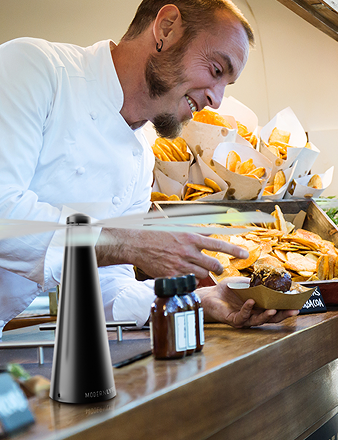
Swatting a few fruit flies is a temporary fix, not a real solution. To stop an infestation for good, you need an aggressive sanitation strategy that eliminates the hidden breeding grounds where they multiply. It's the only way to protect your business from the surprisingly big problems these tiny pests create.
The True Cost of a Tiny Nuisance
A single fruit fly landing on a customer's wine glass isn't a small problem. In a restaurant or at an event, that fly is a massive red flag. Your guest isn't thinking, "Oh, a bug." They're thinking, "Is this place clean?" That one thought can derail their entire experience.
In today's world, that bad experience doesn't just stay with them. It ends up on Yelp, Google, or Instagram. What started as a minor operational slip-up can quickly snowball into a reputation nightmare, turning potential new customers away and making regulars think twice. A pristine, inviting atmosphere isn't a luxury—it's the bare minimum.
More Than Just a Bad Review
A fruit fly problem goes way beyond a few angry customers. When a health inspector walks in, fruit flies are one of the first things they look for. A visible infestation is a clear sign that something is wrong, and it can lead to fines, a poor health grade, or even a forced shutdown. It's vital to understand the full scope of restaurant health code violations to see just how serious the regulatory risks are.
Ultimately, these flies are a symptom of a deeper issue. They thrive in the very places that are hardest to keep clean but most critical for sanitation:
- Floor drains caked with organic sludge.
- The sticky mess under bar mats.
- Soda fountain drip trays and grimy beverage lines.
- Damp mops and sponges left sitting overnight.
"Ignoring a fruit fly problem is like ignoring a small leak in a boat. At first, it seems manageable, but it inevitably leads to much bigger, more expensive problems that can sink your entire operation."
A Global Problem on a Local Scale
While it may feel like a personal battle, the fight against fruit flies is a massive global challenge. In agriculture, their economic impact is staggering. Africa loses over $2 billion annually to these pests, and California has seen losses hitting around $1 billion. When a single species can ruin hundreds of types of produce, proactive management becomes critical. You can get a sense of the scale of the problem by exploring the data behind battling fruit fly outbreaks on DrKilligans.com.
Why does this matter to your restaurant? Because the same pests causing billions in crop damage are the ones swarming your bar fruit and kitchen scraps. Stopping fruit flies isn't just another cleaning task; it's a fundamental investment in your brand's integrity and your business's future.
Finding and Fixing Hidden Breeding Grounds
If you're only swatting adult fruit flies, you're already losing the war. The real battle is won at the source—the damp, dark, and forgotten spots where they lay their eggs. To get rid of them for good, you have to think like a fruit fly and hunt down their hidden nurseries.
Most people see flies and check the fruit bowl, but in a restaurant, that's just scratching the surface. A fruit fly only needs a thin film of fermenting organic material and a little moisture to lay its eggs. Their life cycle can be as short as one week, which means a tiny spill that seeps under a bar mat can become a full-blown infestation before you even realize what's happening.
This is more than just a nuisance; it's a direct threat to your business.
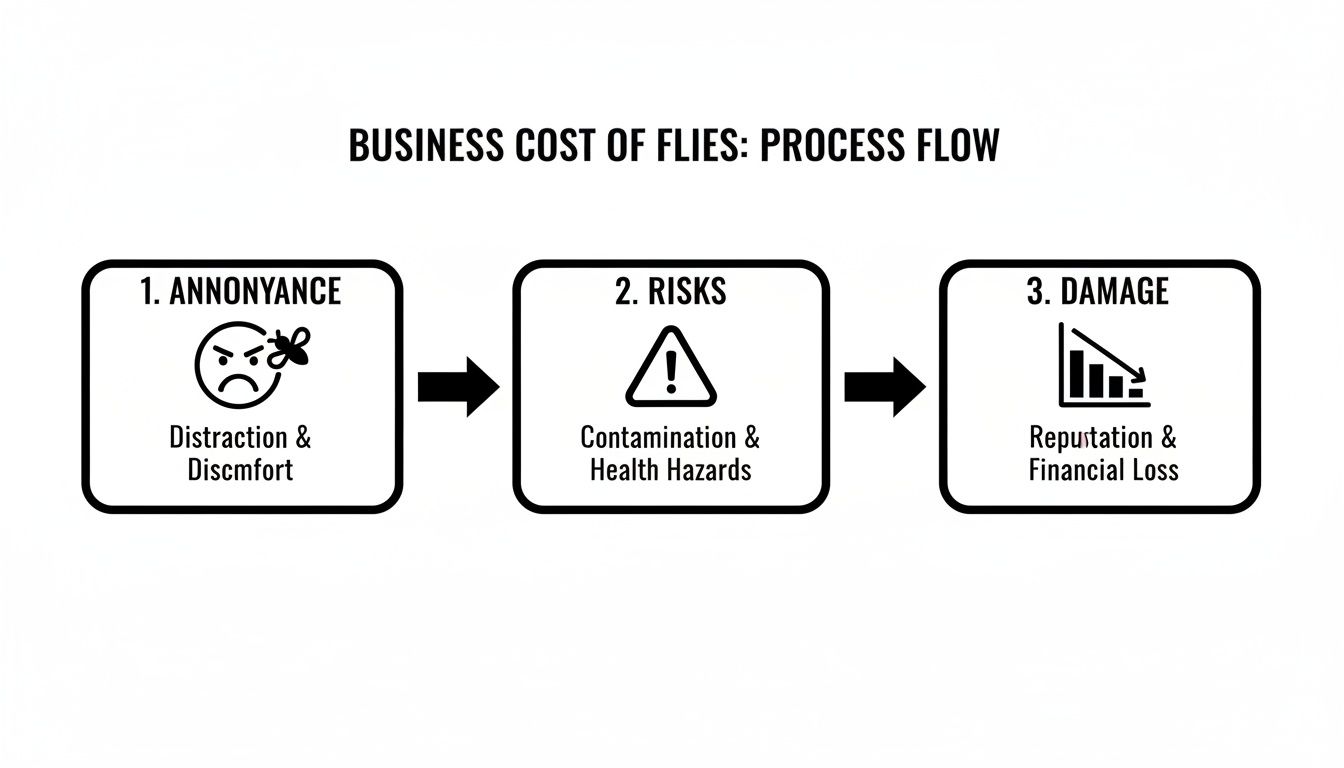
As you can see, what starts as a simple guest complaint can quickly spiral into health code violations, negative online reviews, and real damage to your bottom line.
Your Search-and-Destroy Mission
Your team needs a game plan to uncover these problem areas. This isn't just cleaning; it’s an investigation. The most common culprits are almost never in plain sight.
You have to look past the gleaming countertops and get into the nooks and crannies where moisture and grime build up. It’s a "search and destroy" mission, and your staff needs to be empowered to find and eliminate these threats before they multiply.
Here are the prime targets for your inspection:
- Floor Drains: The slimy organic film, or biofilm, lining the inside of drain pipes is a five-star resort for fruit fly larvae.
- Beverage Stations: Think soda fountain drip trays, beer tap nozzles, and the sticky holsters for soda guns. They're often overlooked and provide a constant food source.
- Under-Counter Equipment: The condensation pans under refrigerators and ice machines create the perfect warm, moist environment for breeding.
- Cleaning Tools: A damp mop head or a sour sponge left in a bucket overnight can easily host hundreds of eggs.
A huge mistake I see all the time is pouring bleach down a drain and calling it a day. Bleach flows right past the biofilm too quickly to do any real damage. You have to physically scrub the drains to break the cycle.
Building Your Sanitation Playbook
Once you’ve found the hotspots, establish a rigorous, non-negotiable sanitation schedule. This isn't about giving your team more work; it’s about working smarter and focusing on the areas that will actually stop fruit flies for good.
A great tactic is to use a microbial drain cleaner weekly. Unlike harsh chemicals, these products use beneficial bacteria that eat the organic slime, wiping out the breeding ground completely. For a bar, this also means disassembling and cleaning soda gun nozzles and beer taps every single day.
Imagine this: It’s a busy Saturday night. A bartender spills a sweet liqueur, and a little bit splashes under the bar mat. The quick wipe-down misses the sticky puddle underneath. By Monday morning, that tiny spill is a thriving nursery for the next wave of fruit flies. This is why detailed checklists are so critical—they turn vague goals into concrete, accountable actions.
Common Fruit Fly Hotspots and Sanitation Protocols
This simple checklist identifies the most common—and often missed—breeding grounds. Consistency is key. A one-time deep clean is a temporary fix; these protocols must become daily and weekly habits.
| Hotspot Location | Why It Attracts Fruit Flies | Daily/Weekly Cleaning Protocol |
|---|---|---|
| Floor Drains & Sink Drains | Organic buildup (biofilm) provides a constant food source and moist breeding ground. | Weekly: Remove cover, scrub inside with a stiff brush, and treat with a microbial drain cleaner. |
| Bar Mats & Speed Rails | Spilled sugar from drinks and mixers creates a sticky film that ferments. | Daily: Lift and wash mats with hot, soapy water. Wipe down speed rails and allow everything to air dry completely overnight. |
| Soda Fountain & Beer Taps | Dripping sugary liquids and yeast create a perfect environment for larvae. | Daily: Disassemble nozzles and soak them in sanitizer. Clean drip trays and holsters thoroughly. |
| Damp Mops & Sponges | Trapped moisture and food particles in cleaning tools can become breeding sites. | Daily: Rinse all mops and sponges thoroughly, wring them out, and hang them to air dry completely. |
By targeting these specific areas with a disciplined cleaning regimen, you shift from a reactive approach (swatting flies) to a proactive one. You’re no longer just cleaning for appearance; you’re systematically eliminating the resources fruit flies need to survive.
Smart Trapping and Removal Strategies
Once you've shut down the breeding grounds, it's time to deal with the adult fruit flies. This is the active assault phase, where smart trapping quickly knocks down the visible population while your deep cleaning efforts take effect.
This isn't just about setting out a random bowl of vinegar. It’s a tactical approach, putting the right traps in the right places to intercept flies and show immediate progress.
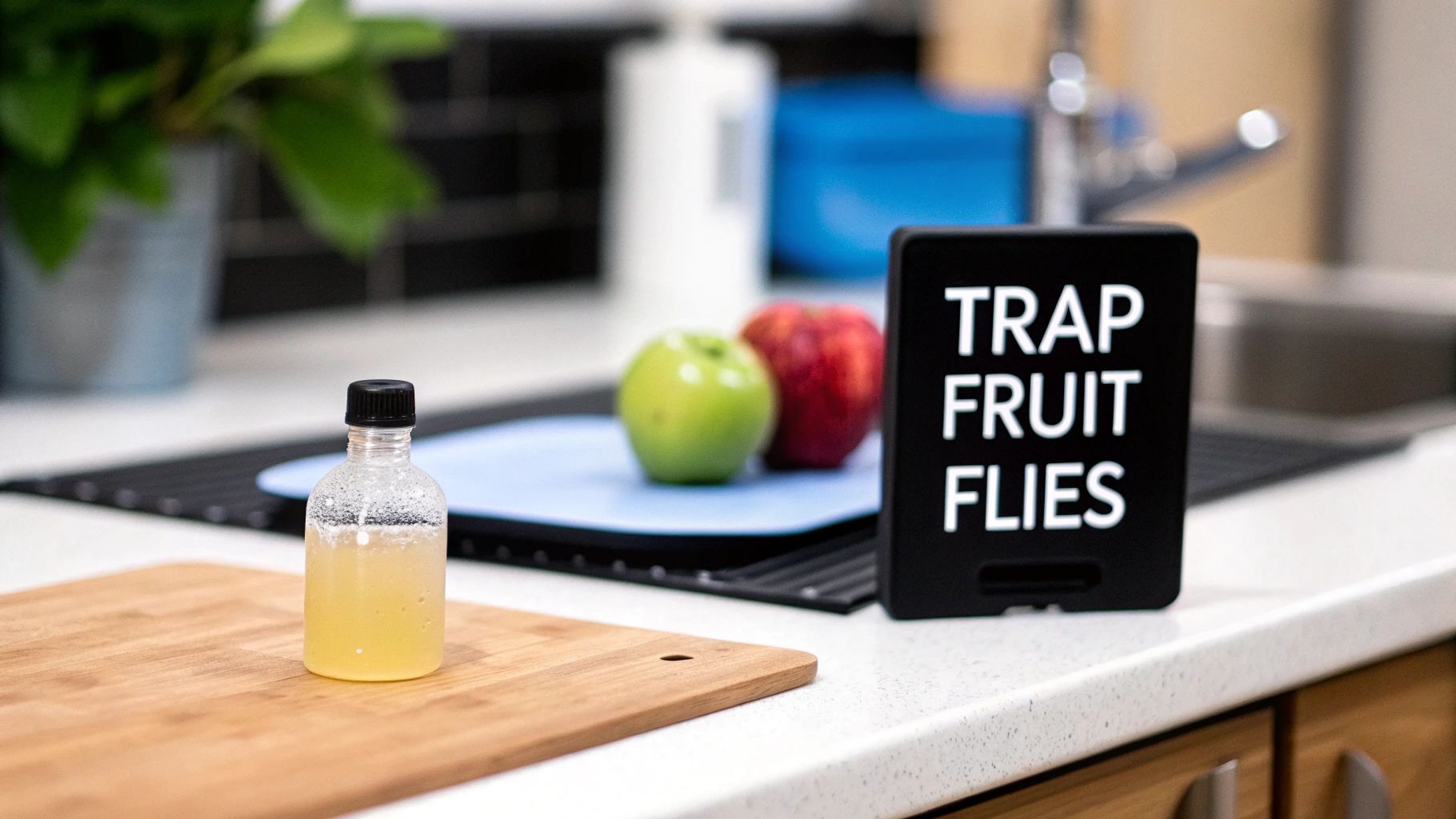
The Power of DIY Fruit Fly Traps
Before you spend a dime, some of the best tools for stopping fruit flies are already in your kitchen. These simple traps use the science of fermentation to their advantage, luring flies in with scents they can't resist.
The classic trap is still the best: apple cider vinegar (ACV). The fermented apple smell is irresistible to the common fruit fly, Drosophila melanogaster.
Here’s how to set up a simple but deadly trap:
- Pour about an inch of unfiltered apple cider vinegar into a small jar or glass.
- Add one drop of dish soap. This is the secret weapon—it breaks the surface tension of the vinegar, so when a fly lands, it sinks and drowns.
- Cover the jar with plastic wrap and secure it with a rubber band. Poke a few small holes in the top with a toothpick. Flies get in easily but can’t escape.
To make the bait even more powerful, drop in a small piece of overripe fruit, like a slice of mushy banana. That combination of scents is a one-two punch they can't ignore.
A common mistake is making the entry holes too big. You want them just large enough for a fly to crawl through—think the size of a pen tip. Any larger, and you've built them an easy escape hatch.
Choosing Effective Commercial Traps
While DIY traps are effective, commercial options offer convenience and a more professional look. When you're shopping for one, look past the slick marketing and focus on how it actually works.
Most commercial traps fall into one of three categories:
- Liquid Bait Traps: These work like DIY vinegar traps but use a proprietary, non-toxic lure. They’re often designed to be spill-proof and look better in front-of-house areas.
- Sticky Traps: These use a non-toxic glue surface, often on a yellow card, to catch flies that land. They're incredibly effective but get unsightly fast. Keep these in back-of-house areas, like near the dish pit or in storage rooms.
- UV Light Traps: Be careful here. Standard "zappers" are great for houseflies but mostly useless for fruit flies. You need models designed specifically for smaller pests, which use a different light frequency and rely on glue boards instead of zapping.
If you want to dig deeper, we put together a guide on picking the best fruit fly trap for restaurants that matches your specific needs.
Strategic Placement for Maximum Impact
Trap placement is everything. A great trap in the wrong spot won't do much good. Scattering them randomly is a waste of time. You need to think like a fly.
The goal is to place traps in high-traffic fly zones while keeping them discreet and out of your guests' line of sight. Never place them directly over food prep areas.
Here’s a quick checklist for placing your traps:
- Near Drains: Put traps on the floor next to floor drains in the kitchen and behind the bar.
- At the Bar: Tuck them discreetly under the bar counter, near garnish stations and soda guns.
- Waste and Recycling: A trap right next to each trash can and recycling bin is a must.
- Receiving Docks: Catch them at the door. A few traps near the back entrance can intercept flies hitching a ride on deliveries.
- Dry Storage: Don't forget where you store produce like onions and potatoes; they can be a hidden hotspot.
By combining powerful traps with smart placement, you create a defensive net that starts clearing the air immediately. That visible reduction in flies is a huge morale booster for your team and ensures your guests have the great experience they came for.
Creating a Fly-Free Zone with Modern Tech
Cleaning eliminates their food source, and traps handle the adults. Those are the essential one-two punch for an existing problem. But the real win is getting ahead of them—creating a protective barrier that keeps them away from food and guests entirely. This is where modern tools like exclusion fans are a game-changer.

Instead of constantly battling an infestation, you can build a fly-free zone that makes your space a no-go area for these weak pests.
The Science of Airflow Defense
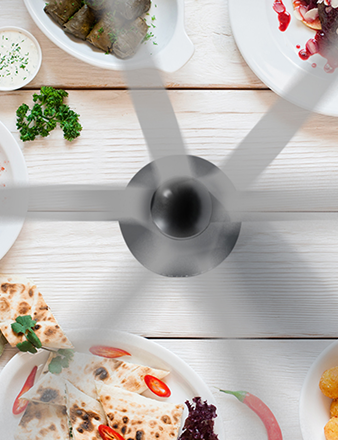
Fruit flies are terrible fliers. Their tiny bodies and flimsy wings mean even a gentle breeze can send them tumbling. An exclusion fan uses this weakness against them, generating a soft, continuous flow of air that acts as an invisible shield over a specific area.
This isn't about blasting your food displays with a hurricane. A well-designed fly fan creates just enough air movement to make it almost impossible for a fruit fly to navigate and land. The constant current physically pushes them away.
Additionally, many modern fly fans have soft, reflective blades. The spinning motion and reflected light act as a powerful visual deterrent, confusing and scaring flies away before they even get close. It's a simple, brilliant, and chemical-free barrier.
Strategic Deployment in Real-World Scenarios
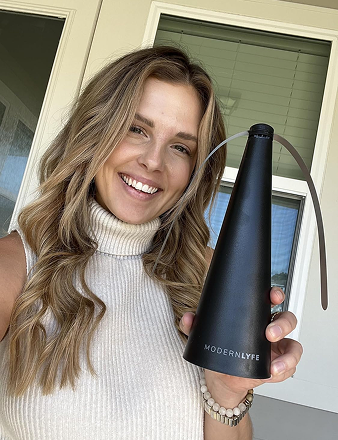
The secret to making exclusion fans work is placement. Modern, battery-powered fly fans are sleek, quiet, and portable, making them a perfect fit for any hospitality setting without disrupting the atmosphere.
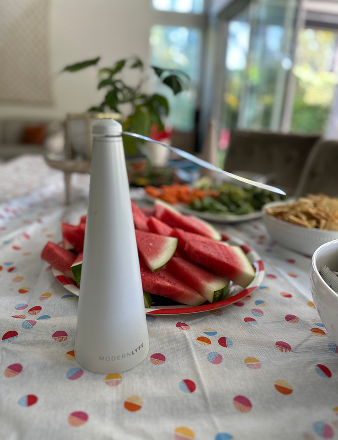
Imagine a high-end wedding with an outdoor dessert buffet. A couple of quiet fans placed at either end of the table create an invisible force field over the cakes and pastries. Guests can serve themselves without swatting at pests, protecting both food safety and the event’s elegant atmosphere.
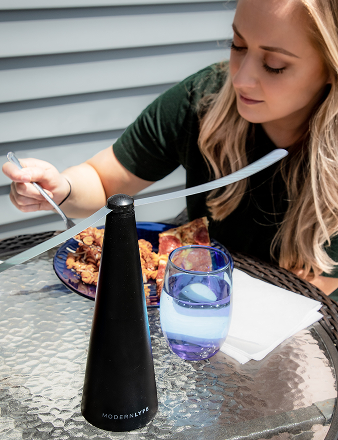
Or think about a restaurant’s busy patio on a summer evening. A small, stylish fan on each table does more than keep flies off the food; it elevates the guest experience. It’s a small touch that shows you care about comfort and cleanliness, and patrons notice.
"The moment we placed fans on our buffet lines, guest complaints about flies dropped to zero. It’s a silent, elegant solution that works instantly and lets the quality of our food speak for itself."
Integrating Fly Fans Into Your Operation
Making exclusion fans a standard part of your setup is easy. Since they're battery-operated, you don't have to worry about cords or complex installations. This flexibility lets you adapt on the fly, whether you're setting up for a formal indoor gala or a casual backyard barbecue.
Here are a few practical places to put them to work:
- Catering Displays: Place fans directly on buffet tables, carving stations, and dessert bars.
- Dining Tables: For any outdoor or patio dining, a single fan per table is usually all it takes.
- Hostess Stands & Bar Tops: A fan near the entrance or at the bar can stop flies from gathering where guests are coming and going.
These devices are an investment in your ambiance and food safety. You can explore a variety of designs and learn more about choosing the best commercial fly fans to fit your specific needs.
Beyond Fruit Flies: A Broader Impact
While we're focused on fruit flies, the benefits of these fans don't stop there. They work just as well on other flying pests. Houseflies, gnats, and even wasps are all deterred by the same air currents and visual tricks. This makes fly fans a versatile, all-in-one solution for creating a more pleasant dining environment.
Unlike loud bug zappers or smelly chemical sprays, fly fans are silent and odorless. They blend into the background, doing their job without anyone noticing. That subtlety is crucial in our industry, where a calm and inviting atmosphere is just as important as the food on the plate.
By adopting this modern approach, you’re shifting from a defensive game of cleaning and trapping to an offensive strategy of exclusion. You’re not just dealing with a pest problem—you’re stopping it before it starts.
Building Your Long-Term Prevention Plan
Getting rid of the fruit flies you see is just the first battle. The real win is making sure they never come back. This means building a prevention plan that becomes second nature to your team—part of the daily rhythm of your business, not just a frantic reaction to a swarm.
This proactive approach shifts your focus from cleanup to control. It's about setting up unbreakable routines and fortifying your space so flies don't even see it as an option. A consistent defense is the only way to protect your reputation.
Turn Your Team into a Prevention Squad
Your staff is your best line of defense. A well-trained team can spot the signs of a brewing problem long before it becomes an infestation. Good training isn't just about showing someone how to wipe down a counter; it's about explaining why it matters.
When your bartender understands that a few drops of spilled juice under a bar mat can become a nursery for hundreds of flies in just a week, they look at sanitation in a whole new light. They become partners in pest control.
Make sure your training hits these key points:
- Inspect Every Delivery: Train receiving staff to be ruthless inspectors. They need to check all incoming produce for over-ripeness, bruising, or existing fly activity. Give them the authority to reject a shipment if it's not perfect.
- Know the Hotspots: Teach everyone to recognize the usual suspects: damp mop heads, sticky soda fountain trays, and gunk in floor drains.
- Act Immediately: Create a simple rule: if you see a spill, you clean it. No matter how small.
Create Ironclad Sanitation Checklists
What gets written down gets done. Simple, clear checklists for daily and weekly cleaning tasks are the backbone of any solid prevention strategy. They turn vague goals into concrete, accountable actions.
I’ve worked with hundreds of venues, and the most successful ones treat their sanitation checklists with the same seriousness as their financial reports. Consistency isn’t just a good idea; it’s everything.
Your checklists should be targeted and easy to scan. A daily list can focus on high-risk areas like the bar and kitchen line, while a weekly list can cover deeper cleaning jobs. As you build your plan, don't forget the power of natural cleaning solutions. For example, there are many uncommon cleaning uses of vinegar that can help you maintain a spotless, fly-free environment without harsh chemicals.
Fortify Your Physical Barriers
Even the cleanest restaurant can have a fruit fly problem if they simply wander in from outside. Maintaining your building’s physical defenses is a crucial, often overlooked, part of keeping fruit flies out.
Think of your building as a fortress. Every crack, torn screen, or gap under a door is a potential entry point. Walk the perimeter and interior regularly, looking for and sealing these vulnerabilities. Pay close attention to door sweeps and window screens to ensure they create a tight seal. An air curtain over a busy entrance can also be a game-changer, creating an invisible wall of air that flying pests can't get through.
Constant Monitoring is the Final Piece
A prevention plan isn't something you set and forget. It's a living system that needs constant attention. Keep a close watch on the situation with daily visual checks and a few strategically placed monitoring traps.
If you suddenly see more flies in a trap near the service station, that's your cue. It’s a red flag telling you to investigate that specific area for a new spill or a missed cleaning task.
This continuous cycle of training, cleaning, sealing, and monitoring creates a truly resilient, fly-free space. It’s not about one heroic deep clean; it’s about the small, consistent actions your team takes every single day that add up to a powerful, long-term defense.
Your Top Questions About Stopping Fruit Flies, Answered
Even with the best game plan, questions pop up. When you're dealing with a pest as stubborn as the fruit fly, you have to stay sharp. Let's tackle some of the most common questions from hospitality professionals.
Why Did Fruit Flies Suddenly Show Up in My Clean Restaurant?
This one is frustrating. You’ve scrubbed everything, yet suddenly, you've got fruit flies. The hard truth is that even the most pristine venues are at risk. A single piece of overripe fruit from your morning produce delivery can be a Trojan horse, carrying eggs that kickstart an infestation.
They're also masters at sneaking in from outside. The smell from a dumpster, a sticky spot under a bar mat, or a damp floor drain is an open invitation. Since their life cycle is lightning-fast—about one week from egg to adult—a small oversight can explode into a visible problem overnight. This is why your defense must be constant, not just when things look dirty.
Do Fly Fans Actually Work on Something as Small as a Fruit Fly?
Yes, they do. In fact, they're one of the most effective non-chemical tools you can use. The reason why comes down to simple physics: fruit flies are terrible fliers.
A quality fly fan generates a gentle, continuous air current that acts like an invisible force field. For a weak flier like a fruit fly, navigating this breeze to land on food is nearly impossible. Think of it like trying to land a tiny paper airplane in a wind tunnel.
The spinning, reflective blades add another layer of defense. This constant motion creates a visual disturbance that confuses and repels flies, keeping them from even attempting to get close. It's an active, silent, and elegant solution for protecting food.
Can I Actually Get Rid of Fruit Flies for Good?
"Permanent" is a tricky word. A better goal is continuous, unwavering control. Fruit flies are everywhere outside and can be brought in daily on new shipments or through an open door. The real objective is to make your space so unwelcoming that they can't establish a foothold.
Long-term success isn't about finding a magic bullet; it's about weaving a system of control into your daily operations until it becomes second nature.
This system has three core parts:
- Airtight Sanitation: This means hunting down and eliminating every possible breeding ground, from drains and beverage towers to forgotten mop buckets.
- Smart Trapping: Using well-placed traps not just to kill, but to monitor population levels and pinpoint problem areas.
- Proactive Exclusion: Deploying tools like fly fans to create protected zones where flies simply can't go.
When you make this three-pronged approach a non-negotiable part of your daily routine, you achieve a state of constant control. You're not just stopping one infestation; you're building a fortress that keeps them out for good.
Ready to create a truly fly-free zone? The innovative fly fans from MODERN LYFE offer a silent, stylish, and effective way to protect your food and enhance your guests' experience. Explore the collection and take the first step toward a permanently pest-free environment at https://modernlyfe.com.