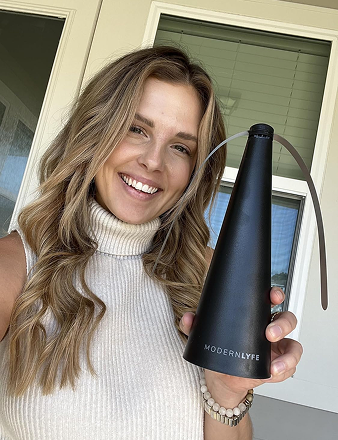
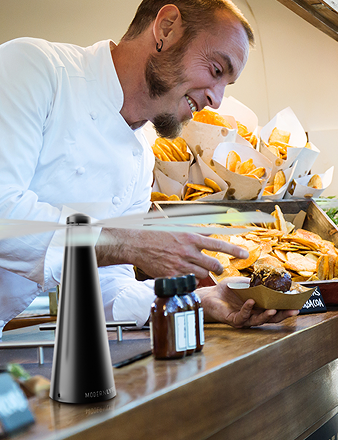
A Saturday dinner rush rarely fails because of one dramatic mistake. The host seats a large party before the kitchen has recovered, a server waits for a clean table, a buffet pan sits out longer than planned, and the patio team discovers that flies are gathering near an open dessert station. Within an hour, table turns slow, staff start improvising, food-safety routines become inconsistent, and guests notice every gap.
The strongest tips for restaurant management don't depend on one heroic manager. They create repeatable systems that help people make the right decision during a busy shift, when noise, volume, and competing priorities make shortcuts tempting. A tighter operation connects food safety with table flow, staffing, guest comfort, outdoor service, maintenance, marketing, cost control, and measurement.
Start with the risk that can harm guests, then improve the bottleneck that costs the team time. The practical framework below also shows where discreet environmental details, including fly-fan placement, support hygiene and presentation. For a broader operational starting point, review these restaurant efficiency tips.
1. Maintain Food Safety Standards with Environmental Controls
Food safety starts with the basics, temperature control, hand hygiene, cleaning and disinfecting, and separating raw food from cooked food. The CDC estimates that roughly 1 in 6 Americans, about 48 million people, gets sick from foodborne disease each year, with 128,000 hospitalizations and 3,000 deaths. More than half of U.S. foodborne illness outbreaks are associated with restaurants, delis, banquet facilities, schools, and similar institutions, according to the CDC-related food-safety report.
Environmental controls belong in the same operating system. Historical regulations required restaurants and hotels to protect food-preparation and serving areas from flies, while modern public-health guidance treats a fly landing on food, equipment, or a work surface as contamination. Managers should keep food covered whenever practical, control access points, and make the dining environment part of the hygiene plan.
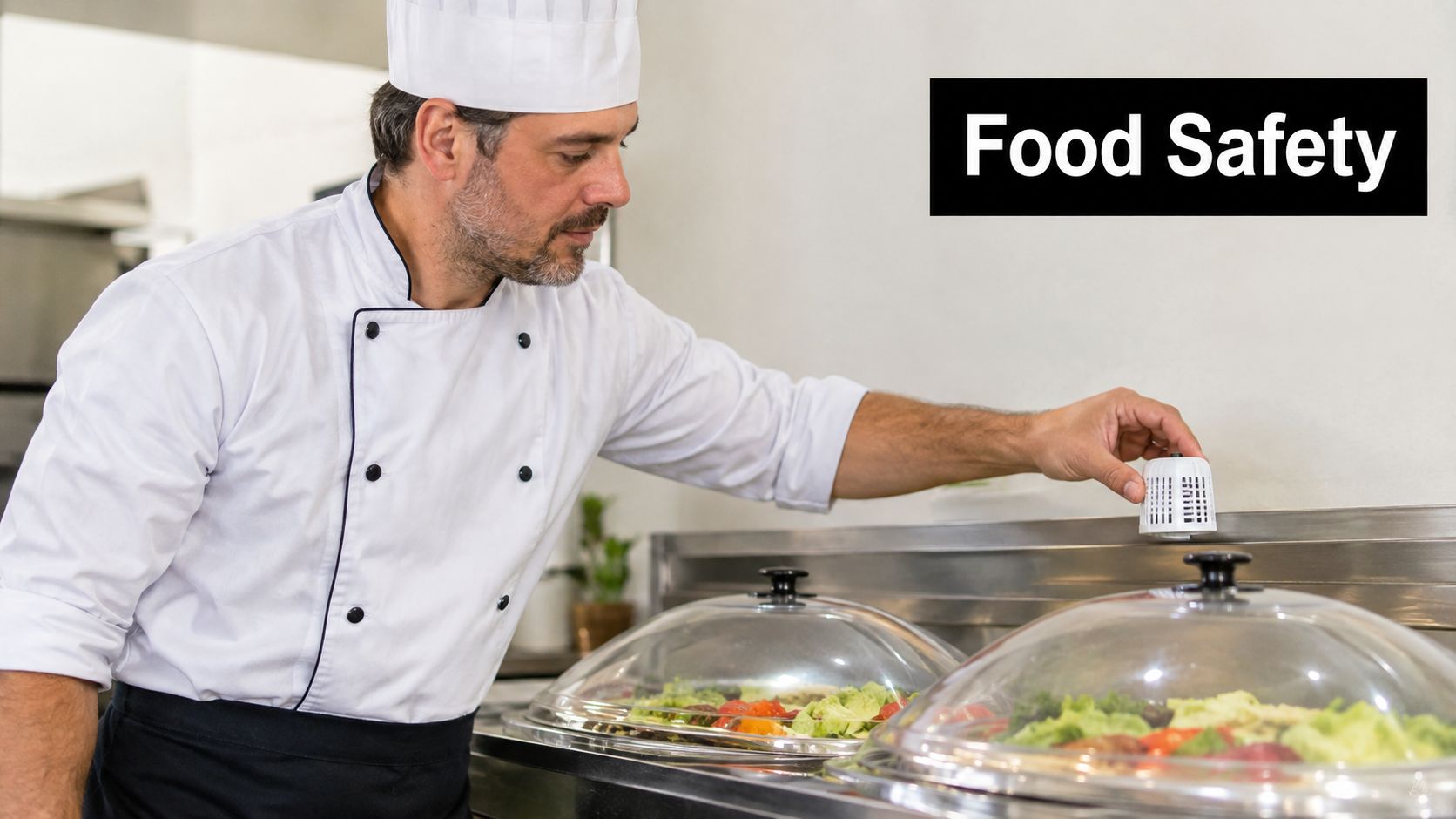
Make protection part of the shift routine
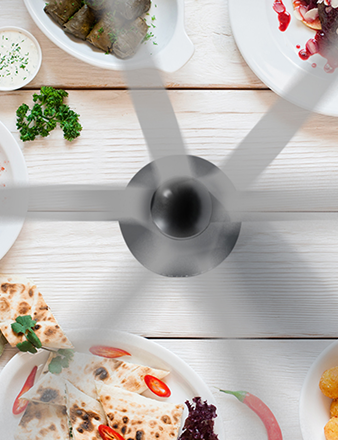
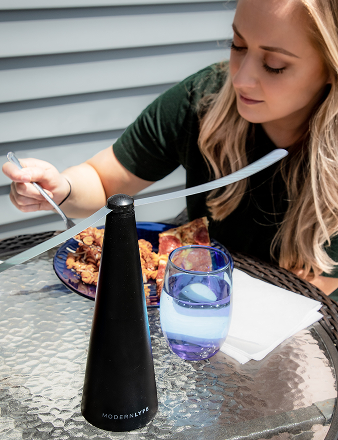
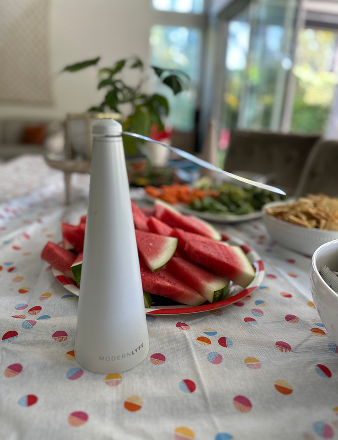
Use Modern Lyfe fly fans around buffet lines and serving stations, especially where food moves between the kitchen and guest area. Place them at food entry and exit points without blocking staff movement, and combine them with sanitation rather than treating them as a substitute for cleaning.
- Opening check: Confirm that protection devices are clean, charged or supplied with working batteries, and positioned as documented.
- During service: Keep covers and lids in place, remove spills quickly, and assign someone to watch exposed food.
- Closing record: Note cleaning, device condition, and any pest activity for the next shift.
A fine-dining outdoor event, buffet restaurant, or catering company can use the same principle. Documenting these controls also gives managers a clearer record when preparing for inspections. Staff who need formal training can review guidance on a food safety certificate for kitchen work and the restaurant food safety guidelines.
2. Optimize Table Management and Guest Flow
A dining room has a physical rhythm. Guests enter, wait, sit, order, eat, pay, leave, and wait for the table to reset. A delay at any point can create pressure elsewhere, so hosts, servers, bussers, and kitchen leaders need a shared view of capacity rather than separate assumptions.
Start by mapping the room by function. Identify tables that are easy to reset, seats that create server congestion, and outdoor areas that require extra travel. The best table isn't always the closest one to the kitchen. It may be the table that keeps a server's route clear, gives a family enough space, or prevents a large party from interrupting a narrow walkway.
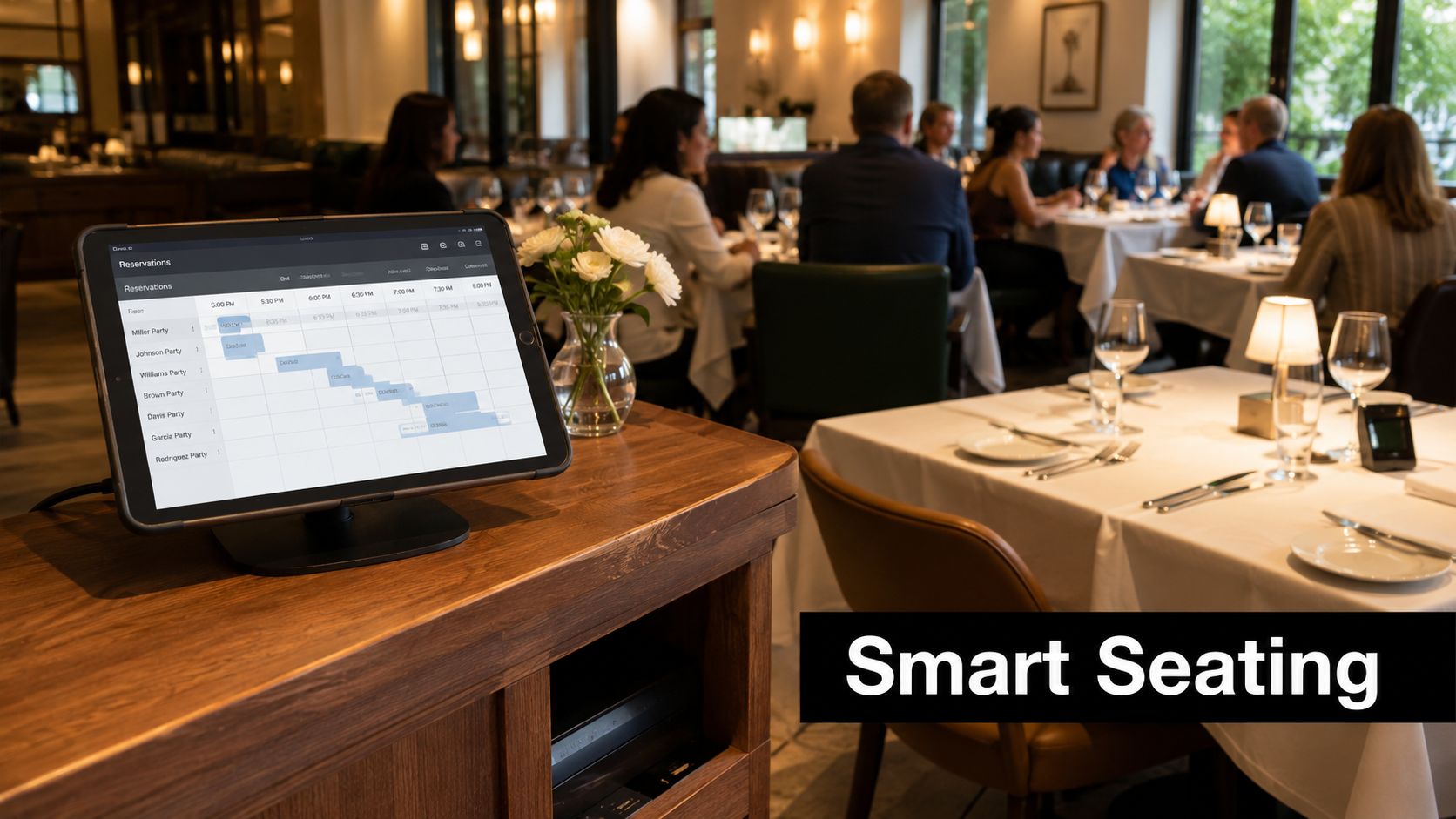
Protect flow without making guests feel managed
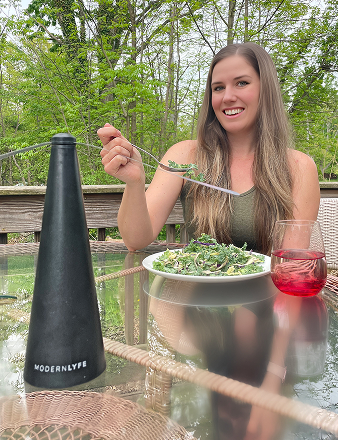
For patios and seasonal dining rooms, place Modern Lyfe fans at table corners so they protect the eating area without displacing centerpieces, menus, or glassware. Battery-operated systems give the host more flexibility when outlet locations don't match the seating plan. The trade-off is simple. Cord-free placement improves adaptability, but it requires a charging or battery check before service.
Train hosts on the complete reset, not just seating. They should know where the device belongs, how to keep it from obstructing a guest, and when to move it if a table configuration changes.
Practical rule: If a protective device interferes with conversation, service access, or a guest's personal space, its placement is wrong even if it works technically.
Review the layout as weather, light, and pest activity change. An upscale restaurant may integrate protection into table design, while a high-volume patio may prioritize quick resets. Both should protect the guest journey first.
3. Create Exceptional Guest Experiences Through Environmental Comfort
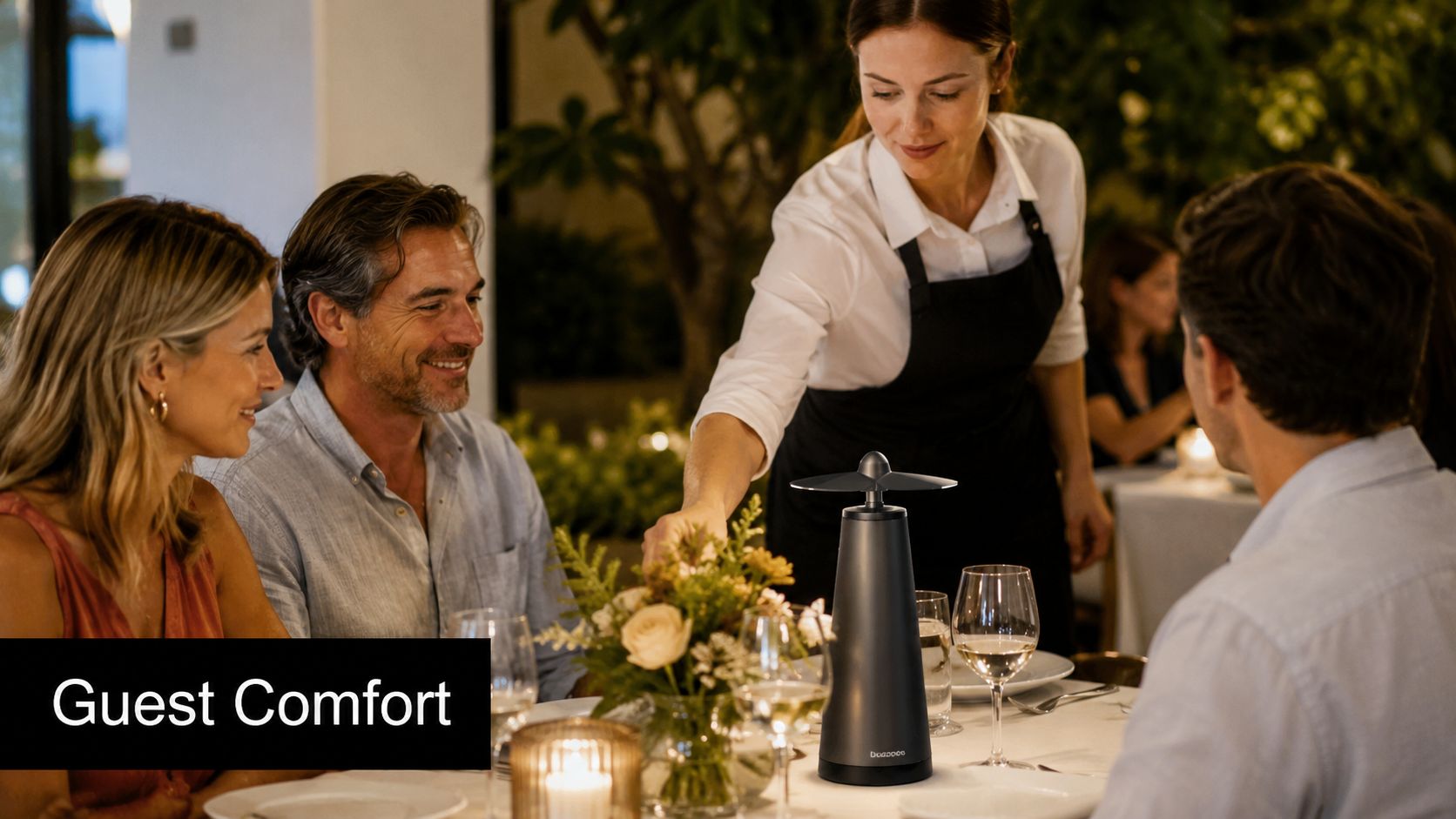
Guests judge a meal through more than taste. Temperature, lighting, noise, seating comfort, service pace, and visible cleanliness all shape whether the occasion feels relaxed or difficult. A fly repeatedly circling a drink or landing near a shared dish can turn a polished service into a distraction, particularly at a wedding, poolside meal, or outdoor tasting event.
Managers should walk the dining room as a guest would. Sit briefly at a patio table. Listen near the bar and buffet. Check whether lighting creates glare, whether music competes with conversation, and whether a fan or other equipment disrupts the setting. This inspection often reveals problems that aren't visible from the host stand.
Design comfort as one experience
Integrate quiet, battery-operated Modern Lyfe fans into buffet layouts and table arrangements where insect activity is likely. Pair environmental protection with shade, appropriate lighting, comfortable music levels, and clear service paths. Don't place a device where it becomes the most noticeable object in the room, but don't hide it so completely that it can't protect the food or guest area.
A resort restaurant may need a different setup for poolside dining than for an indoor dinner. A farm-to-table venue may prioritize an unobstructed display of produce, while a wedding venue needs protection around a formal dessert or catering spread. The operational standard should stay consistent, even when the visual treatment changes.
Ask staff to record comfort-related feedback in ordinary service notes. If guests repeatedly mention heat, insects, noise, or poor lighting, treat those comments as operating signals. A manager can then test one adjustment at a time and watch whether complaints, service interruptions, or table-side interventions change.
4. Streamline Operations with Integrated Pest Management Systems
Pest control works best when it isn't treated as an emergency call after guests have already noticed a problem. An integrated approach combines sanitation, waste control, building maintenance, food protection, monitoring, and targeted tools. The integrated pest management guidance can help managers frame prevention as a routine process rather than a single product purchase.
The daily question is practical: where can pests enter, feed, or remain undisturbed? Check doors, waste areas, drains, delivery points, patio edges, and buffet stations. A battery-operated fly fan can support protection in a specific guest-facing zone, but it won't solve an overflowing bin, an unsealed gap, or food residue beneath equipment.
Assign ownership by shift
Opening and closing staff should know the approved placement locations and the condition each device should be in. Put battery checks, cleaning, and storage into the same checklist as refrigeration checks, restroom inspection, and patio setup. If a device moves during service, the employee moving it should return it to the documented location or record the change.
- Portable operations: Food trucks and market vendors need equipment that can move with the service footprint.
- Multiple venues: Hotels and caterers should label equipment by event area or venue.
- Shift consistency: A simple placement diagram prevents every team from developing its own method.
The trade-off is between flexibility and consistency. Portable systems help teams respond to changing layouts, but undocumented movement creates gaps. Record where protection belongs, inspect performance during service, and replace or repair units when they no longer operate as intended.
5. Develop Strategic Outdoor Dining Programs
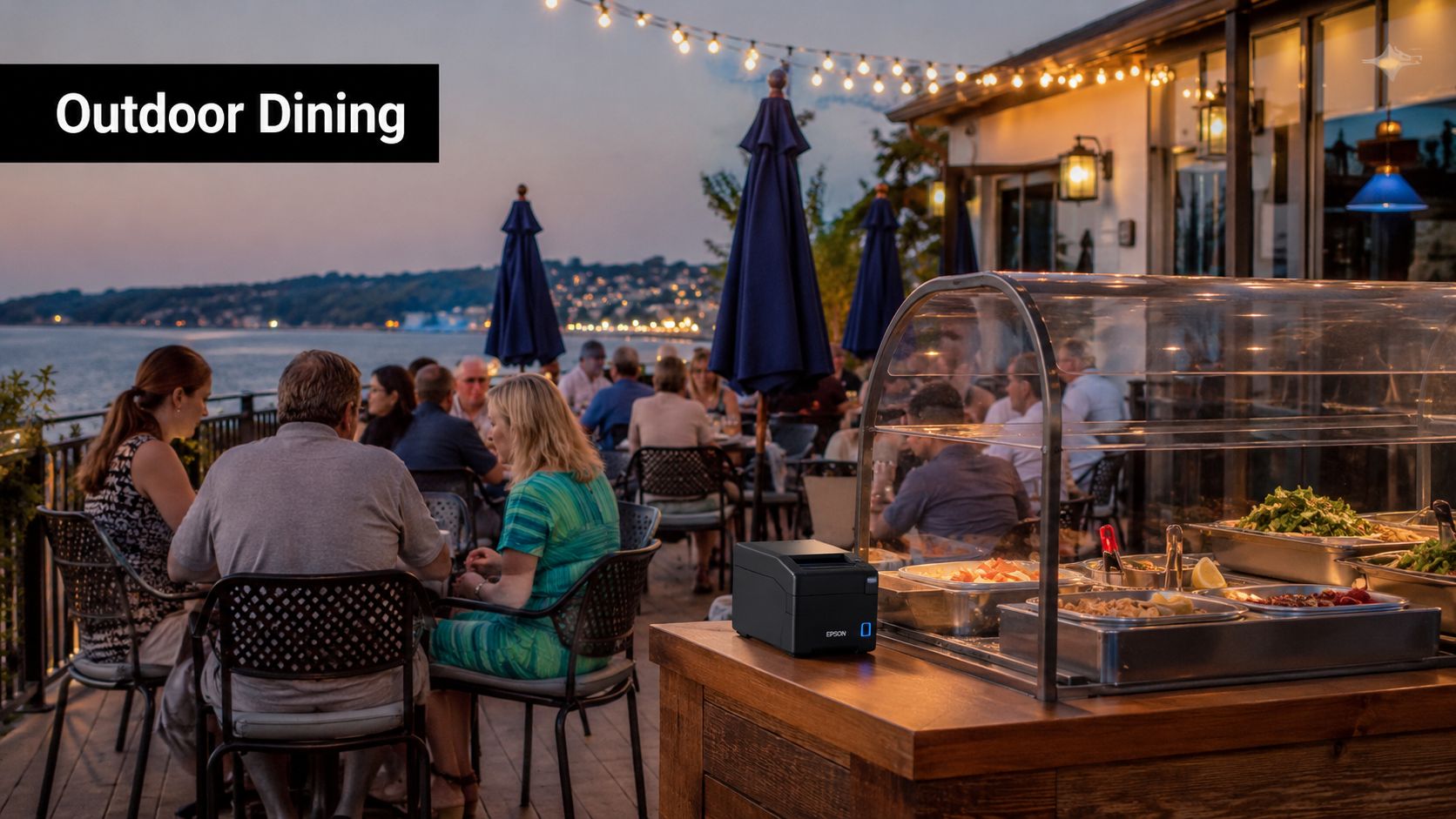
Outdoor dining creates a second operating environment, not merely an extra row of tables. Weather, lighting, wind, pests, power access, table distance, and restroom traffic all change how staff deliver service. A patio that looks profitable on a seating chart can become inefficient if servers walk too far, food cools during transport, or guests encounter avoidable distractions.
Build the outdoor plan around zones. Separate ordering and pickup from seated dining when possible. Keep high-risk food displays, such as open buffet pans, desserts, and garnishes, in protected locations. Place service stations where staff can replenish them without crossing guest paths.
Make the patio repeatable
Use battery-operated Modern Lyfe fans where outlet access is limited, particularly around outdoor buffet and serving stations. Adjust placement when wind direction, temperature, landscaping, or seasonal pest activity changes. The manager shouldn't need to redesign the patio from scratch every service, so photograph or diagram the approved layouts and give outdoor staff a clear setup standard.
The outdoor restaurant seating ideas resource offers useful context for planning the footprint, but managers still need to test the setup during a real service. Watch where guests pause, where servers turn, and where food remains exposed.
Marketing should describe the outdoor experience accurately. Promoting a comfortable, well-managed patio is useful. Promising conditions the operation can't control isn't. A rooftop restaurant, resort, suburban patio, or wedding venue can all communicate the care behind its outdoor setup through photos, service details, and consistent execution.
6. Enhance Event and Catering Operations
Catering exposes management quality because the team often has one chance to set the room correctly. A wedding reception, corporate conference, hotel banquet, or outdoor celebration may involve unfamiliar layouts, multiple vendors, tight arrival windows, and food that remains on display while guests circulate. In that setting, a visible insect near the buffet can damage confidence before anyone tastes the meal.
Create an event equipment kit with labeled components. Include table coverings, serving utensils, signage, backup service items, batteries, cleaning supplies, and protective devices. The event lead should confirm placement during the setup walk, not leave it to whichever employee finishes arranging the buffet.
Standardize the setup, personalize the presentation
Modern Lyfe fly fans can be included in the standard equipment inventory for buffet displays and outdoor receptions. Position them to support food protection without blocking sightlines, guest access, or photographer angles. A luxury event company may style the devices with the tablescape, while a corporate caterer may prioritize quick deployment across several stations.
- Before departure: Match equipment to the event plan and confirm each unit's condition.
- At arrival: Identify food entry points, guest circulation, wind exposure, and power limitations.
- Before service: Walk the display as a guest would and remove visual clutter.
- During service: Assign an employee to monitor replenishment, covers, cleanliness, and device position.
Include environmental protection in proposals when it supports the client's experience. Photographing a well-executed setup can also strengthen a portfolio, provided the images represent the actual service standard.
7. Build Staff Training and Accountability Systems
A procedure only works when the next employee can perform it without the manager standing nearby. Restaurant training should explain the reason behind each standard, then give employees a chance to practice it during opening, service, and closing. Environmental controls belong in that training because misplaced or neglected equipment can affect both food presentation and guest comfort.
Turn device operation into a short onboarding module. Show employees where a fan belongs, how to check it, how to clean and store it, and what to do if it stops working. Use a visual guide for buffet lines, table corners, outdoor bars, and event stations. A picture often communicates placement faster than a paragraph.
Make accountability visible
Assign responsibility by role. The opening lead checks condition and placement. The service lead watches the guest area. The closing lead cleans, stores, or recharges equipment and records faults. Managers should verify the checklist rather than asking whether it was completed.
“If everyone owns it, nobody owns it.” Give each shift a named owner, then make the standard easy to inspect.
The same system should cover food temperatures, cleaning, table resets, waste handling, and guest recovery. Use brief refreshers after a problem occurs instead of waiting for a formal training cycle. Recognize employees who catch gaps early, such as a missing cover, a blocked walkway, or a device moved into an ineffective position.
Retention also depends on clarity, predictable support, and manageable workloads. Managers looking for practical approaches can review employee turnover prevention strategies, then connect those ideas to daily operating standards rather than treating training and retention as separate projects.
8. Monitor and Analyze Operational Metrics
Managers don't need a dashboard full of decorative numbers. They need a small set of measures that answers practical questions: Are guests experiencing the problem? Is the team following the standard? Does the fix hold during busy service? Is the improvement worth the time and equipment required?
Track pest-related complaints separately from general cleanliness comments. Record the location, time, service type, weather conditions for outdoor events, and the action taken. Review health inspection results and specific citations with the team, but don't reduce food safety to inspection performance. A clean inspection doesn't replace daily controls.
Measure the operating effect
Compare guest comfort feedback between areas with different layouts or protection approaches. Review table resets, service interruptions, and manager interventions by zone. If an outdoor area produces frequent complaints while an indoor section doesn't, investigate the layout, exposure, staffing route, and maintenance conditions before assuming a single device caused the difference.
For labor, use the standard turnover formula, employees who left divided by the average number of employees, multiplied by 100. DailyPay's restaurant turnover guidance cites management turnover at 28%, which reinforces why managers should measure leadership churn rather than focusing only on hourly roles.
Labor efficiency also requires margin awareness. Black Box Intelligence reported that by Q3 2024, hourly turnover was 135% in limited service and 96% in full service, down from peaks of 173% and 125%, while management turnover remained 55% and 38% respectively, as summarized in this restaurant labor turnover analysis. Use those figures as context, then measure your own retention, onboarding time, schedule stability, and training completion.
9. Balance Aesthetic Design with Functional Protection
A protective device can support the guest experience or undermine it, depending on how the team uses it. A crowded table, exposed cable, awkward base, or poorly placed fan makes the restaurant look improvised. A discreet device aligned with the centerpiece, table edge, or buffet design can signal care without dominating the room.
Start with the visual priorities of the concept. A minimalist restaurant may prefer clean lines and limited objects. A farm-to-table venue may want materials and colors that complement natural textures. A hotel dining room may need a consistent approach across several venues. Select Modern Lyfe fans that fit the setting, then place them where they can protect food and guests without blocking service access.
Style the operating standard
Treat placement as part of the tablescape. Test the view from a seated guest's eye level, the server's approach, and the photographer's position. Keep the center of the table clear when possible, use corners for smaller arrangements, and coordinate finishes with surrounding materials.
- Table design: Keep menus, glassware, and centerpieces accessible.
- Buffet design: Protect the food path while preserving labels and guest access.
- Outdoor design: Account for wind, uneven surfaces, lighting, and changing furniture layouts.
- Marketing design: Photograph the finished setting with equipment positioned as it will appear during service.
The trade-off is visibility versus discretion. Hiding protection may preserve the photograph but weaken coverage. Making it prominent may improve access but distract guests. The right answer is deliberate placement, followed by observation during a real shift.
10. Implement Preventive Maintenance and Sustainability Practices
Equipment failures rarely happen at a convenient time. A dead battery during a reception, a dirty housing near a buffet, or a missing unit at opening can force staff to improvise while guests are already arriving. Preventive maintenance keeps small issues from becoming service disruptions.
Add protective devices to a monthly maintenance schedule and to daily opening and closing checks. Inspect battery condition, controls, cleanliness, storage, and physical wear. Record replacements and faults so the team can identify recurring problems. Use eco-friendly batteries where practical, and train staff to avoid rough handling that shortens equipment life.
Connect reliability with cost control
Labor remains a major margin pressure. In full-service restaurants, payroll and benefits reached a median 36.5% of sales, while 89% of operators reported higher labor costs in 2025 and 73% expected them to continue rising, according to Square's 2025 restaurant report. The response shouldn't be automatic headcount reduction. Managers need to protect service quality through cross-training, predictive scheduling, menu engineering, and tools that reduce avoidable work.
Labor cost percentage is calculated as total labor cost divided by total revenue, multiplied by 100. A commonly cited benchmark is roughly 25% to 35% of sales for many restaurant formats, with full-service concepts often around 30% to 35% and fine dining closer to 35% to 40%, according to this restaurant labor cost percentage guide.
Technology investment is also becoming a mainstream operating decision. The National Restaurant Association's 2024 technology reporting showed limited-service operators planning resource allocation at 52%, 53%, and 50% across major technology categories, as summarized by restaurant technology adoption coverage. Choose systems that reduce friction, then verify that they improve execution rather than adding another screen for staff to manage.
10-Point Restaurant Management Comparison
| Item | 🔄 Implementation Complexity | ⚡ Resource Requirements | 📊 Expected Outcomes | 💡 Ideal Use Cases | ⭐ Key Advantages |
|---|---|---|---|---|---|
| Maintain Food Safety Standards with Environmental Controls | Moderate–High, layered prevention & monitoring | Initial equipment + ongoing maintenance | Higher compliance; fewer violations; improved trust | Fine dining, buffets, catering, health-inspected venues | Reduces inspection failures; protects food & reputation |
| Optimize Table Management and Guest Flow | Moderate, placement planning & staff training | Reservation tech, portable devices, training time | Increased turnover; higher revenue per seat; fewer complaints | High-volume restaurants; outdoor seating; seasonal venues | Boosts seat revenue; improves guest experience |
| Create Exceptional Guest Experiences Through Environmental Comfort | High, coordinates multiple environment systems | Significant investment (devices, ambient tech) | Greater loyalty; better reviews; ability to charge premium | Luxury restaurants, resorts, special-event venues | Differentiates brand; increases repeat visits & ratings |
| Streamline Operations with Integrated Pest Management Systems | Low–Moderate, quick install, minimal disruption | Battery-operated units; simple maintenance routines | Lower recurring costs; simpler operations; immediate results | Food trucks, markets, multi-site QSRs, catering | Low-maintenance, chemical-free, scalable protection |
| Develop Strategic Outdoor Dining Programs | Moderate–High, seasonal/weather planning required | Outdoor devices, heating/cooling, staff scheduling | Expanded capacity; diversified revenue; seasonal gains | Rooftops, patios, resorts, seasonal pop-ups | Increases seating without renovation; marketing appeal |
| Enhance Event and Catering Operations | Moderate, portable setup per event | Portable units, transport, event staff training | Protected presentation; higher client satisfaction & fees | Weddings, corporate events, hotel banquets | Preserves food presentation; enables premium pricing |
| Build Staff Training and Accountability Systems | Moderate, program development & reinforcement | Training time, checklists, QA/monitoring tools | Consistent standards; fewer oversight errors; staff ownership | Chains, hotels, catering companies, franchise ops | Measurable performance; reliable execution across shifts |
| Monitor and Analyze Operational Metrics | Moderate–High, data collection & analysis effort | Analytics software, staff time, data processes | Data-driven decisions; ROI visibility; continuous improvement | Multi-location groups, hotel portfolios, event operators | Quantifies impact; supports budget & strategy decisions |
| Balance Aesthetic Design with Functional Protection | Moderate, design coordination & product selection | Higher-cost elegant devices; designer input | Maintains ambiance; visual marketing & social appeal | Upscale restaurants, design-forward venues, hotels | Protects aesthetics while providing effective control |
| Implement Preventive Maintenance and Sustainability Practices | Moderate, disciplined schedules & tracking | Maintenance schedules, batteries, durable units | Longer device life; sustainability credentials; cost savings | LEED hotels, sustainable restaurants, large groups | Reduces failures; eco-friendly positioning; lower long-term costs |
Turn Good Practices Into a Repeatable System
Good restaurant management isn't a collection of isolated fixes. A cleaner buffet won't solve a broken schedule. Better table assignments won't compensate for unsafe holding practices. A polished patio won't produce repeat business if guests wait too long for payment or staff can't maintain the space during a rush.
Choose the highest-impact gap first. If the operation has a food-safety exposure, address that before redesigning the dining room. If service slows because tables aren't reset, observe the handoff between bussing and hosting before buying another software tool. If outdoor complaints cluster around insects, inspect waste control, food coverage, landscaping, wind, table layout, and discreet fly-fan placement together.
Assign one owner to each standard. The opening lead can own equipment and station readiness. The kitchen manager can own time-temperature records and sanitation verification. The floor manager can own table flow, guest comfort, and recovery. Event leads can own setup kits, venue diagrams, and final presentation checks.
Document the standard in a form people can use under pressure. Include a photo of the correct setup, the trigger for escalation, the person responsible, and the point at which the manager reviews the result. A one-page visual guide often outperforms a long manual that nobody opens during service.
Review a small set of outcomes regularly. Look at food-safety exceptions, pest-related complaints, table-reset delays, staff turnover, schedule changes, maintenance failures, guest feedback, and labor cost percentage. Don't collect data to create reports. Use it to decide whether to adjust placement, retrain a role, change a route, repair equipment, or redesign a service period.
The strongest tips for restaurant management protect both standards and people. Food safety controls protect guests. Clear workflows reduce unnecessary pressure on staff. Predictable training helps employees perform consistently. Preventive maintenance keeps equipment ready. Thoughtful outdoor and event planning protects presentation. Marketing then has something credible to show, because the experience matches the promise.
Modern Lyfe can fit into that rhythm where fly protection supports hygiene, food presentation, and guest comfort. Its battery-operated, quiet fly fans are designed for restaurant tables, buffet lines, outdoor receptions, hotel venues, catering setups, and other dining environments. Use them as one part of a wider operating system, not as a replacement for sanitation, coverage, monitoring, or responsible management.
Start with one service period this week. Walk the operation as a guest, mark the first preventable interruption, assign an owner, document the corrected standard, and review the result after the next busy shift. That disciplined loop is how a restaurant moves from good intentions to dependable execution.
MODERN LYFE offers quiet, battery-operated fly fans for restaurant tables, buffet lines, outdoor dining, catering events, and hospitality setups. Visit MODERN LYFE to explore practical insect-protection options that support food presentation and guest comfort.