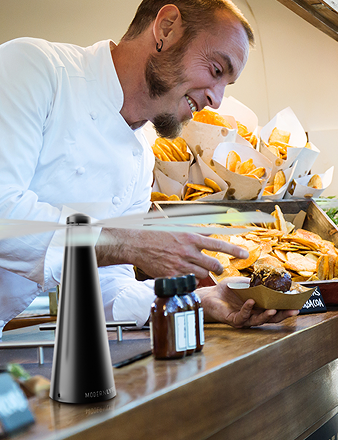
Fruit flies are a nightmare. One day your kitchen is clean, the next, a cloud of tiny pests is hovering over your fruit bowl. It’s not just a nuisance; it's a hygiene problem for homes, restaurants, and event venues. To effectively trap and kill fruit flies, you need a smart strategy that solves the immediate problem and cuts them off at the source.
This guide shows you exactly how to do that, whether you're a frustrated homeowner or a business owner protecting your reputation.
The Strategy for Beating Fruit Flies
When you're facing a swarm of fruit flies, your first instinct is to get rid of them—fast. That's the right move. A single female fruit fly can lay up to 500 eggs in her short life, turning a couple of flies into a full infestation in about a week. They're drawn to fermenting matter, like an overripe banana, spilled wine, or the gunk hiding in your sink drain.
To win this fight, you have to attack their lifecycle. It’s not just about swatting the adults you see. The real problem is the eggs and larvae you don't. That means you need a two-pronged approach.
The Two-Pronged Approach
First, deal with the active population. Set traps to catch and kill the adult flies now. This gives you immediate relief and stops them from laying more eggs. We'll show you effective DIY traps made from simple household items that often outperform store-bought options.
Second, eliminate their breeding grounds. This is all about deep cleaning and prevention, and it's the only way to ensure they don't return.
The secret to lasting fruit fly control isn't just killing the adults; it's making your space a place where they can't breed.
This guide gives you practical, actionable steps for both parts of the plan. You’ll learn how to:
- Build DIY traps that actually work: Use simple household ingredients to create powerful traps.
- Implement smart sanitation habits: Find and eliminate hidden breeding spots.
- Break the fruit fly lifecycle: Cut the infestation off at the source by removing their ability to reproduce.
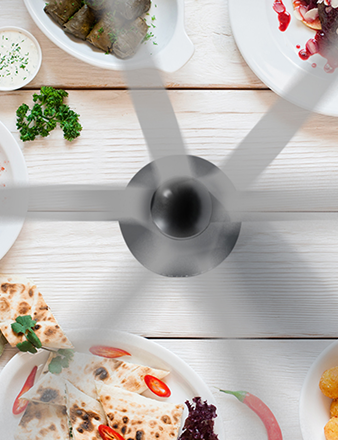
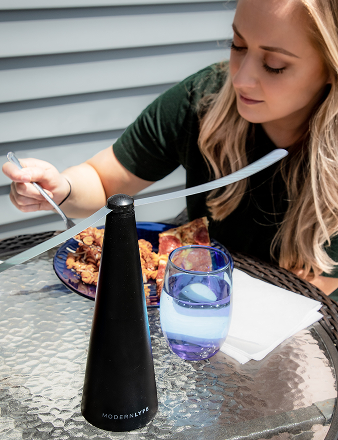
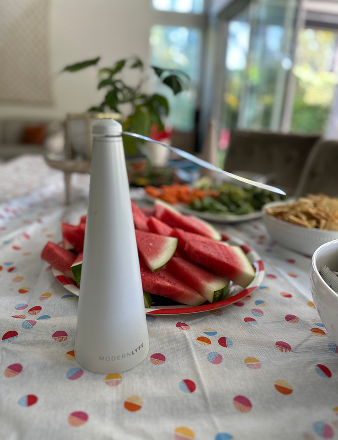
We'll also look at how modern tools, like the Modern Lyfe fly fan, add another layer of defense. In professional settings like restaurants, outdoor buffets, or catered events, a silent, chemical-free fan creates an invisible barrier that keeps flies away from food, providing the final piece of a clean, pest-free environment.
DIY Traps That Actually Work
Forget flimsy, store-bought solutions. The key to trapping and killing fruit flies is understanding what drives them: the scent of fermentation. They're hardwired to seek acetic acid, which signals the perfect place to eat and lay eggs. With a few items from your kitchen, you can build a trap that taps directly into this instinct.
The two most reliable DIY traps use common kitchen staples: the Apple Cider Vinegar Trap and the Wine & Fruit Trap. Both are simple to set up and incredibly effective at luring flies away from your fresh produce. The trick is making sure the flies can get in but can't get out.
The Classic Apple Cider Vinegar Trap
This trap is a go-to for a reason—it works. The potent, fermented aroma of apple cider vinegar (ACV) is irresistible to fruit flies. But the secret ingredient is a single drop of dish soap.
- What You Need: A small jar or bowl, apple cider vinegar, and a few drops of liquid dish soap.
- How to Make It: Pour about an inch of ACV into your container. Add two or three drops of dish soap and give it a gentle swirl. This is the crucial step. The soap breaks the surface tension of the vinegar, so when a fly lands, it sinks and drowns.
When building DIY traps, many recipes call for dish soap. If you’re mindful about ingredients, it's fair to wonder, "Is dish soap toxic?"
Set this trap wherever you see the most activity—near the fruit bowl, by the sink, or close to the garbage can. You'll see results within hours.
The Potent Wine and Fruit Trap
If you have leftover red wine or a banana that's gone too brown, you have the makings of an even more powerful trap. The combination of fermented grapes and ripening fruit creates a scent that fruit flies often find more appealing than vinegar alone.
- What You Need: A jar, a small amount of red wine, and a piece of overripe fruit (banana works best). You'll also need a piece of paper for a funnel.
- How to Make It: Drop the piece of banana into the jar and add enough red wine to cover the bottom. Roll the paper into a cone, leaving a tiny opening at the tip, and place it in the mouth of the jar. Flies crawl down the funnel toward the bait but aren't smart enough to find their way back out.
This infographic shows how widespread fruit fly problems are, pinpointing the biggest trouble spots for homes and businesses.
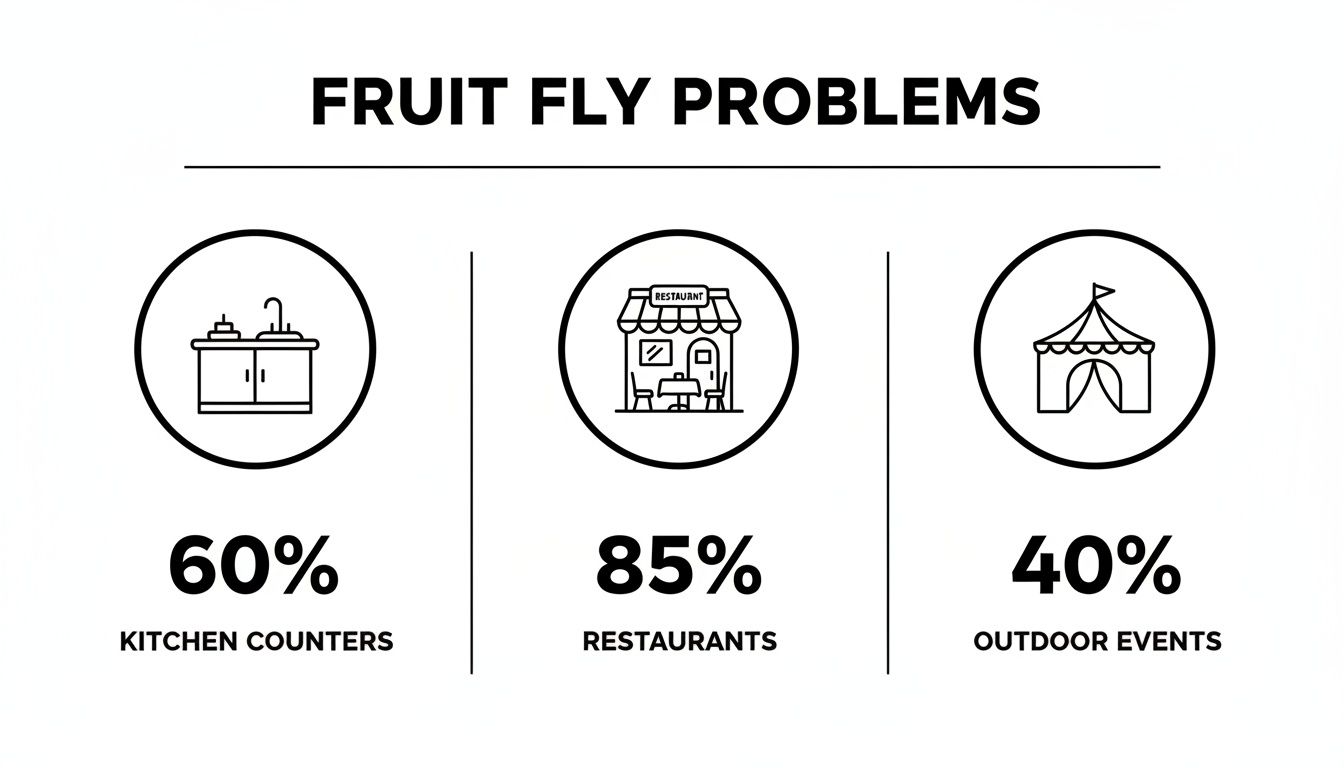
While home kitchens are a major battleground (60% of cases), the problem is more intense in commercial settings. Restaurants (85%) and outdoor events (40%) face a constant struggle to keep these pests under control.
Pro Tip: Don't set just one large trap. Place multiple small traps in different locations to increase your coverage and pinpoint the source of the infestation. For more ideas, check out our guide on choosing the best fly trap for fruit flies.
DIY Fruit Fly Trap Effectiveness Comparison
Here’s a quick comparison of popular DIY methods to help you choose the right one for your situation.
| Trap Type | Attractant | Effectiveness Rate | Best For |
|---|---|---|---|
| Apple Cider Vinegar & Soap | Fermented scent (acetic acid) | High (drowns flies on contact) | General home use, kitchens, near sinks. |
| Wine & Fruit Funnel | Combined fermentation and sugar | Very High (captures large numbers) | Severe infestations, commercial kitchens. |
| Beer Bottle Trap | Yeast and fermented grains | Moderate | Low-level problems, bar areas. |
| Yeast & Sugar Water | Active fermentation (CO2) | Moderate to High | When you don't have vinegar or wine. |
The best trap is the one you can set up quickly. The ACV and wine traps are excellent choices because they use items you already have, letting you fight back the moment you spot a problem.
A well-made DIY trap is incredibly effective. Studies show a simple funnel trap with dish soap can drown up to 80-90% of the flies it attracts within 24-48 hours.
However, for high-traffic or food-service areas, trapping isn't always enough. A physical barrier like Modern Lyfe's battery-operated fly fans can be a game-changer. They create a continuous air curtain that repels flies before they land on food, offering a non-chemical layer of defense.
Eliminating Hidden Fruit Fly Breeding Grounds
Setting traps is a great first step, but it's only half the battle. To truly trap and kill fruit flies for good, you have to destroy the source: the hidden, damp spots where they lay their eggs.
A single female fruit fly can lay up to 500 eggs. A tiny bit of gunk in a drain can trigger a massive infestation in just a few days.
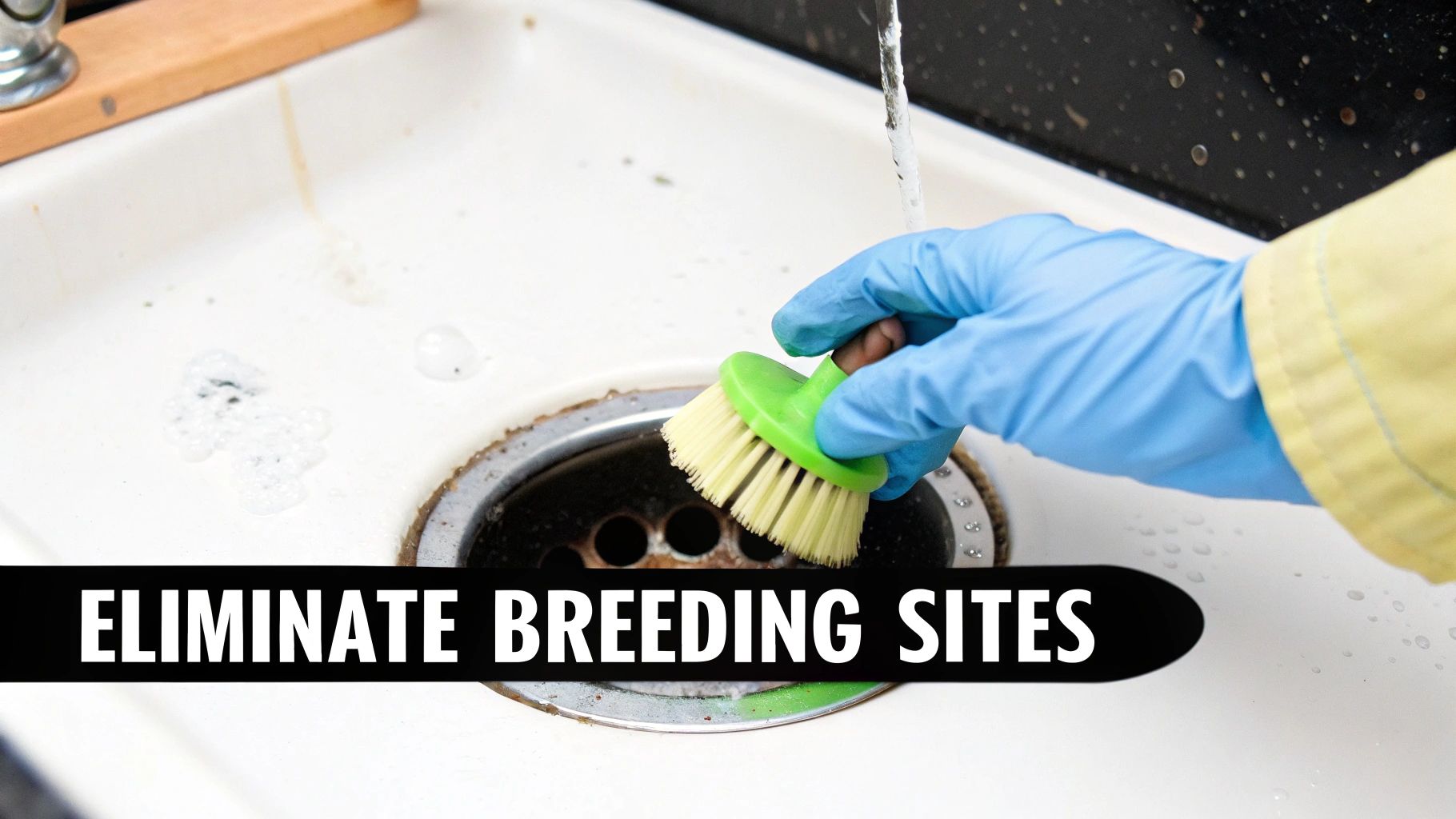
This goes beyond taking out the trash. Fruit flies excel at finding moisture and fermenting organic matter in places you'd never check. Your mission is to find and destroy these breeding hotspots with a serious deep clean.
The Kitchen Sink Danger Zone
The kitchen sink is often ground zero for a fruit fly problem. It’s a constant source of water and food scraps—a perfect nursery for larvae. The organic film that builds up inside drains and garbage disposals is a five-star resort for these pests.
Pouring bleach down the drain is a common mistake. It flows by too quickly to break down the sticky biofilm where eggs hide. A better approach is to physically scrub and dissolve the gunk. A stiff brush paired with a drain cleaner formulated for organic sludge will do the trick.
For a DIY option, make a paste of baking soda and vinegar. Scrub the inside of the pipe with the paste using a brush, then flush with boiling water.
Think of it this way: your traps are the soldiers on the front line, but deep cleaning your drains is the intelligence operation that prevents the enemy from showing up in the first place.
The Commercial Kitchen End-of-Day Protocol
In a café, bar, or restaurant, a strict end-of-day cleaning routine is non-negotiable. One forgotten spill under a bar mat can lead to a full-blown infestation that hurts your reputation. This checklist covers the most common breeding grounds in commercial spaces.
- Floor Drains and Mats: Lift rubber mats, clean them, and let them dry completely overnight. Scrub floor drains to remove any built-up grime.
- Soda Fountains and Bar Taps: The sticky residue from soda syrup and beer is a magnet for fruit flies. Meticulously wipe down drip trays, nozzles, and surrounding areas. Learn more about what is attracting fruit flies to your business.
- Garbage and Recycling Bins: Don't just empty them. The bins themselves need to be washed and sanitized regularly to remove spilled liquids or residue.
The Homeowner Pre-Vacation Checklist
Heading out of town? The last thing you want is to come home to a cloud of fruit flies. Before you leave, a quick sanitation sweep will prevent them from moving in.
- Clear the Counters: Eat, refrigerate, or toss any produce from your fruit bowl. Check potatoes and onions in the pantry.
- Empty All Trash: Take out kitchen trash, recycling, and compost to remove their main food supply.
- Run and Clean Appliances: Run the dishwasher one last time and clean the filter. Run the garbage disposal with plenty of cold water to clear out debris.
Strategic Prevention to Keep Flies Out for Good
Once you’ve solved an active fruit fly problem, you want to make sure it never happens again. This means shifting from reacting to a problem to proactively creating a space where fruit flies can't thrive. It’s about building a defense system that works for you 24/7.
This proactive approach starts the moment new items enter your space. For a restaurant or grocery store, that means inspecting every case of produce. A single box of overripe tomatoes can start the cycle all over again. At home, wash your fruits and veggies as soon as you bring them in to get rid of stowaway eggs or larvae.
Fortifying Your Physical Barriers
Your first line of defense is physical. Fruit flies are tiny and will exploit any opening to get inside. Sealing these entry points is a critical, one-time fix with long-term benefits.
- Window and Door Screens: These are your most important barriers. A minuscule tear is a wide-open door for pests. Regularly check screens for rips and ensure they fit tightly in their frames.
- Seals and Weather Stripping: Inspect the seals around your doors and windows. Cracked or worn weather stripping doesn't just let in a draft—it’s an insect highway.
A key part of prevention is shoring up your home's weak spots, which includes choosing effective window screens. A well-maintained barrier is a simple but powerful deterrent.
Leveraging Airflow as a Modern Defense
Beyond sealing cracks, modern tools offer an elegant and effective way to prevent flies, especially where hygiene and appearance are critical. The solution is controlled airflow.
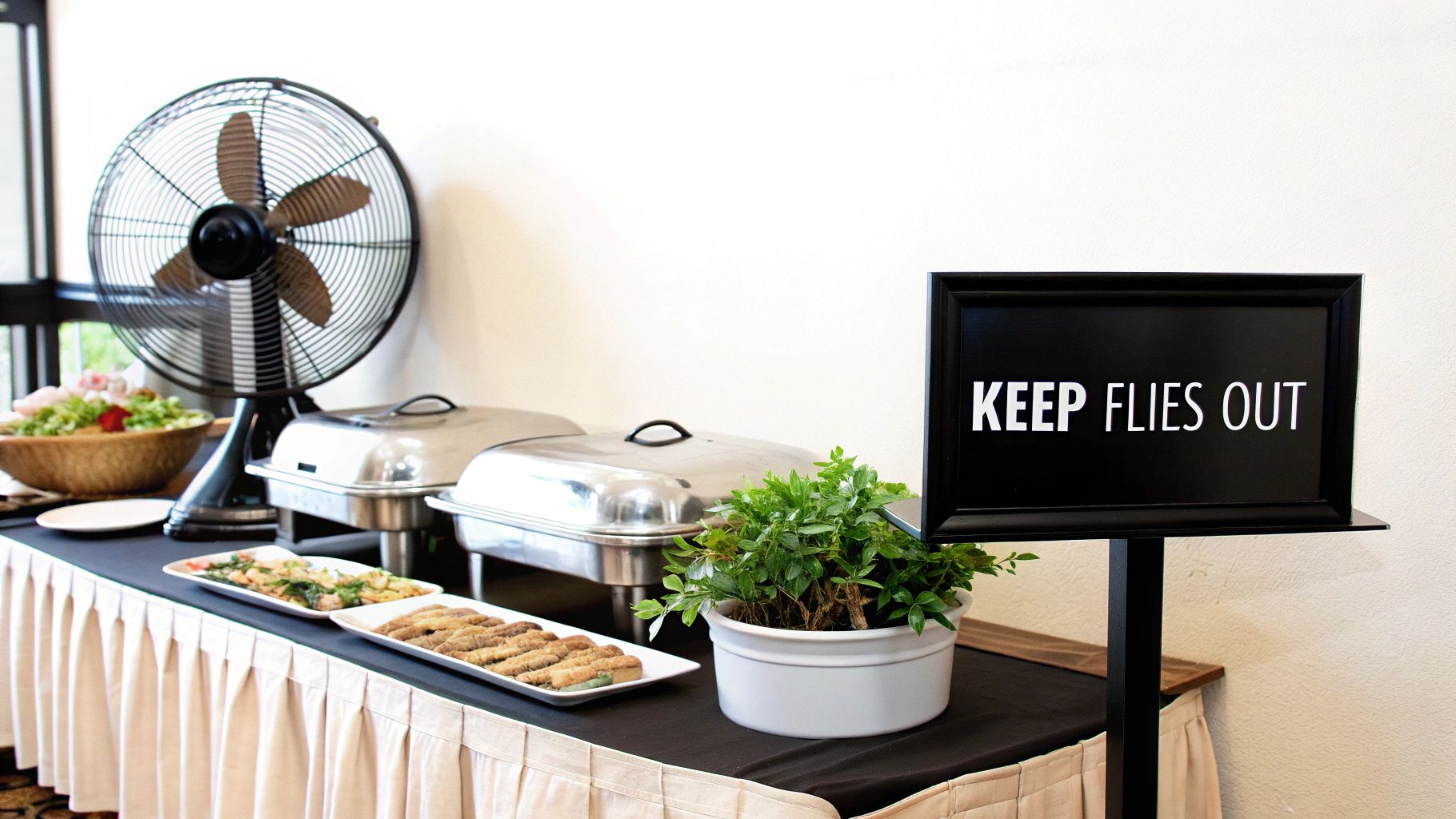
Modern Lyfe fly fans are designed for this purpose. They create a gentle but steady air current that makes it nearly impossible for weak fliers like fruit flies to land on food. It’s a silent, chemical-free, and unobtrusive way to protect an area. Find more tips in our guide on how to prevent fruit flies in any setting.
For professional caterers at an outdoor wedding or restaurant managers protecting a buffet line, fruit flies are a nightmare. Airflow solutions like Modern Lyfe's quiet, sleek fly fans disrupt landing by 85-90% in tests, a huge improvement over sticky traps that only catch 40-60% in a breeze.
This non-intrusive approach is perfect for situations where old-school traps won't cut it.
- Buffet Lines: A few strategically placed fans can create an invisible shield over the food.
- Outdoor Dining: Keep guest tables protected without smelly chemicals or noisy zappers.
- Catered Events: Safeguard food displays while maintaining a sophisticated atmosphere.
When you combine strong physical barriers with smart airflow technology, you get a comprehensive defense. This strategy doesn't just trap and kill flies; it builds a fortress that stops them from ever becoming a problem, protecting your food, your peace of mind, and your reputation.
When to Call a Pest Control Professional
DIY traps and good cleaning habits are great for the average fruit fly problem. For most home situations, that’s all you'll need. But sometimes, you'll face an infestation that won’t quit, signaling a deeper issue beyond the scope of a vinegar trap.
Knowing when to call an expert can save you weeks of frustration. For a business, it's about protecting your reputation. If you've done everything right—set traps, scrubbed the kitchen, removed obvious food sources—and the flies keep returning in force, it’s time to bring in a pro. This is non-negotiable for commercial kitchens or food service businesses where health codes are on the line.
Signs You're Dealing With Something More Serious
A few stragglers are an annoyance. A full-blown invasion is a different beast. Watch for these tell-tale signs that your fruit fly problem has graduated from a simple DIY fix.
- They’re Everywhere: Finding fruit flies in the bathroom, living room, or office is a huge red flag. It points to a hidden breeding ground you’d never think to check, like deep inside a drain, within a wall void, or under a floor.
- You Find Larvae (Maggots): This is the smoking gun. Discovering larvae means you’ve found an active, established breeding site. You might spot them in the gunk at the bottom of a trash can, a dirty mop bucket, or a drain that needs a serious deep clean.
- The Sheer Numbers Are Overwhelming: If your traps are full but the swarm never shrinks, you’re losing the battle. It means multiple breeding cycles are happening at once, and they're out-reproducing your control efforts.
A good pest control service does more than just spray. They use Integrated Pest Management (IPM)—a systematic approach to find the root cause and create a long-term solution, not just a quick chemical fix.
What to Expect From a Professional Service
A pest control expert acts like a detective. They start with a thorough inspection to identify the fly species and pinpoint every breeding source—especially the ones you've missed. It's not always the common fruit fly; sometimes, the culprit is an invasive species with different habits.
For example, exotic species like the Oriental fruit fly—which targets over 230 types of produce like avocados and citrus—have led to regional quarantines. These pests can destroy fruit from the inside out and cause billions in agricultural damage. Learn more from this Oriental fruit fly quarantine in SB County. In a market or at an outdoor event, fermenting produce can cause these fly populations to explode tenfold in hours.
Pros have access to tools you can't buy at the store, like specialized drain applications, insect growth regulators to halt the life cycle, and targeted fogging for severe cases. More importantly, they’ll give you a concrete plan to keep your home or business fly-free for good.
Quick Answers to Common Fruit Fly Problems
When you're battling fruit flies, a few questions always come up. Here are straight answers to the most common issues.
Why do I suddenly have so many fruit flies?
A sudden fruit fly explosion almost always means they found a new breeding ground. It could be a forgotten banana, spilled juice under the fridge, or gunk festering in your sink drain. A single piece of overripe fruit can lead to hundreds of flies.
Act fast. Set out traps immediately to catch the adults, then launch a search-and-destroy mission for the source. Check everywhere: fruit bowls, pantries, garbage cans, recycling bins, and any damp spots.
What's the right way to clean my drains?
It's tempting to pour bleach down the drain, but it's not a good long-term fix. Bleach flows through pipes too quickly to break down the sticky, organic film where fruit flies lay eggs. It might kill a few on contact, but it won't solve the underlying problem.
A better strategy is to use a cleaner designed to eat away at that biological buildup. For a DIY approach, a mix of baking soda and vinegar does a great job of scrubbing pipe walls. Let it fizz, then flush it all with boiling water.
Aren't fly fans loud and dangerous?
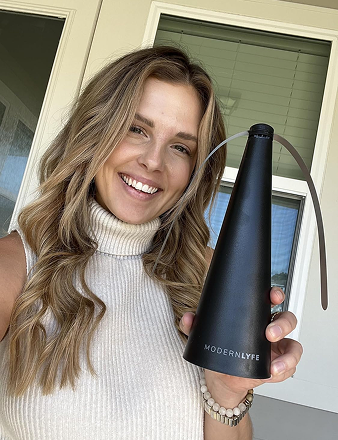
Not at all, especially high-quality fans designed for settings where atmosphere matters. Modern Lyfe fly fans were created with hospitality in mind. They run almost silently and have a sleek, minimalist look that won't clash with your decor.
Better yet, the blades are soft and flexible. They’re engineered to stop on contact, making them completely safe around guests, kids, and pets.
The point of a modern fly fan is to create an invisible, protective barrier of air without being a noisy, ugly distraction. That’s why they’re perfect for restaurant patios, catered events, or family barbecues where you’d never want a sticky, gross-looking trap.
The goal is prevention. The fan creates a no-fly zone over your food, so pests can't land in the first place. It lets you keep your space clean and inviting without chemicals or compromising on style.
For a stylish, chemical-free way to protect your food from pests, check out the collection of elegant fly fans from MODERN LYFE. You can find the perfect solution for your home or business on their website.