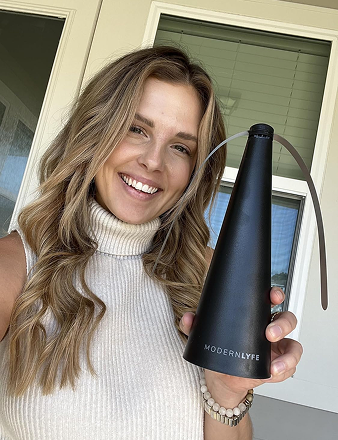
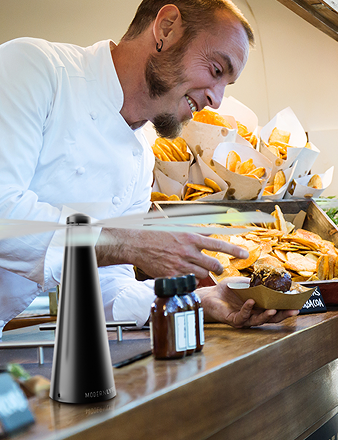
Your patio is full. Drinks are out. The buffet looks sharp. Then the complaints start.
Guests aren't talking about the menu. They're swatting at mosquitoes.
That's usually when a manager starts looking at a uv light trap for mosquitoes and sees the same promise repeated across product pages: attract, trap, solve the problem. In practice, that promise is often overstated. Many UV traps do catch flying insects. That part is real. The problem is that hospitality operators don't buy these devices to clean up random bug traffic. They buy them to reduce bites, protect dining areas, and keep guests comfortable.
Those are not the same job.
If you run a hotel, restaurant, resort, or catering operation, the right question isn't “Do UV traps catch insects?” The right question is “Will this device reduce the mosquito pressure my guests feel?” The answer depends on species, setting, competing light, placement, and whether the trap is doing surveillance or guest-area protection.
How UV Light Traps Claim to Work
A UV trap is basically a lighthouse for insects. It emits light in a wavelength range that many flying insects notice and move toward. Once they approach, the unit either pulls them into a capture chamber with a fan or holds them on a glue board.

Why the wavelength matters
Most of the discussion centers on UV-A light, because that's the part of the spectrum many traps use to attract flying pests. Research and product design around mosquito surveillance often focus on wavelengths in the 320 to 420 nm range for blacklight fluorescent systems and narrower UV-A peaks for LED systems, especially near 361 nm, 365 nm, and 375 nm in trap designs used for insect attraction and monitoring, as described in the Modern Lyfe overview of ultraviolet light traps.
That sounds technical, but the practical takeaway is simple. A trap doesn't just need “UV.” It needs the right UV output, enough light intensity, and a capture mechanism that keeps insects from escaping.
What buyers are usually promised
Manufacturers and resellers often present UV traps as if attraction alone equals protection. It doesn't.
A trap can be well built and still be the wrong primary tool for your patio, pool deck, wedding lawn, or outdoor bar. That's because light attraction explains only one part of insect behavior. It doesn't tell you whether the insect you care about most is looking for light in the first place.
Practical rule: A light trap is only as useful as the pest behavior it matches.
In hospitality, that distinction matters. If your issue is moths around entry lights, a UV device may help. If your issue is biting pressure around seated guests, the trap's sales pitch and the trap's real effect can be very different.
The Hard Truth About Mosquitoes and UV Light
This is the part most product pages avoid.
Mosquitoes are not all responding to UV light the way moths and many nuisance flyers do. The biting mosquitoes that create guest complaints are driven much more strongly by CO2 and other host cues than by light alone.
A 2022 field study over 72 nights in urban settings found fluorescent light traps outperformed all UV-LED traps (365–405 nm) in both wet and dry seasons, and the same research noted that for biting mosquitoes, attractants like CO2 are far more significant than light alone, according to the urban field study published in PMC.

Why that matters on a patio
Your guests are producing the strongest draw in the space. They exhale CO2. They radiate heat. They give off scent cues. A small UV device sitting nearby may catch incidental insect traffic, but it often won't outcompete a crowded table at dinner service.
That's the mismatch. These products are often sold as mosquito solutions when, in many hospitality settings, they function more like general flying insect traps.
If your guests are still getting bitten while the trap fills with moths and gnats, the device isn't solving the business problem.
The sales claim versus the operational result
For a hotel manager, the question isn't whether the trap catches anything. It's whether guest complaints go down.
In urban mosquito conditions, that's where many UV-only units disappoint. Even among UV-LED options, the wavelengths don't perform equally, and stronger fluorescent systems have still done better in field comparisons. That doesn't make UV technology useless. It means light-only mosquito control is a weak standalone strategy.
A lot of operators learn this the expensive way. They buy units for pool decks, outdoor lounges, or reception areas, place them near people, and assume the glow equals protection. Then they end up attracting more general insect activity into visible guest zones without a meaningful drop in biting pressure.
What a manager should conclude
Use UV traps with a narrow expectation. They can support monitoring. They can help with some nuisance flyers. They can play a role in a broader plan.
They should not be treated as your lead defense against guest mosquito complaints in active hospitality spaces.
What UV Traps Actually Catch
A UV unit can still be useful. You just need to be honest about what it's doing.
In field work from Thailand, researchers found that 365 nm was the most effective trap wavelength in that study, capturing 790 mosquitoes, or 23.66% of the total catch, and it was particularly effective for Culex species, while also attracting a broad mix of other insects, according to the Journal of Medical Entomology study on UV-LED mosquito trapping.
That result is important, but it needs context. It shows that wavelength selection matters for surveillance and species response. It does not mean a patio device using UV light will selectively solve the mosquito problem your guests notice.
The real catch profile
In hospitality settings, UV traps often collect a mixed bag:
- Moths and night-active flyers that circle decorative lighting
- Non-biting gnats and midges that annoy guests visually
- Various incidental insects that happen to respond to UV
- Some mosquitoes, depending on species, environment, and trap design
If your venue is dealing with swarms of flying insects around entry lights or service corridors, that may still be worthwhile. The value is operational. Cleaner sightlines. Fewer insects near walls and fixtures. Less nuisance activity near back-of-house doors.
For a useful primer on why many flying insects respond to these wavelengths, the explanation in this guide on whether flies are attracted to UV light helps frame why a UV trap may work well for one pest and disappoint with another.
When this is a pro, and when it's a con
Here's the trade-off in plain terms:
| Venue problem | UV trap effect | Good fit |
|---|---|---|
| Moths clustering near lit entrances | Often helpful | Yes |
| General nuisance flyers near service areas | Sometimes helpful | Maybe |
| Mosquito bites at occupied guest tables | Often limited | No as a primary tool |
Operational insight: Don't evaluate a trap by what's inside the catch tray alone. Evaluate it by what guests stop noticing.
That's the lens hospitality teams need. If a trap catches many insects but the wrong insects, it may produce a maintenance task without producing guest comfort.
Placement and Safety for Hospitality Venues
If you already own a uv light trap for mosquitoes, placement determines whether it helps, does nothing, or works against you.
The basic principle comes from scientific monitoring gear. The CDC UpDraft Blacklight Trap is intended for surveillance use, operates on low-voltage batteries, and depends on positioning relative to insect flight paths, as described by the CDC UpDraft Blacklight trap product documentation. That same principle carries over to commercial use. A badly placed trap is usually worse than no trap at all.

Where operators get placement wrong
The most common mistake is putting the trap where people are sitting. That sounds logical until you remember what the device does. It emits a visual attractant. If you place it beside a dining table, host stand, or cocktail station, you risk concentrating insect activity in the exact place where guests are paying attention.
A better approach is to intercept insect movement on the perimeter. Think edges, not centerline.
A practical placement checklist
- Pull insects away from people: Put the unit off to the side of guest traffic, not on the main seating axis.
- Avoid light competition: Decorative sconces, string lights, and floodlights can reduce trap visibility.
- Protect power connections: Use outdoor-rated equipment and weather-appropriate electrical setups for patios and event lawns.
- Service it on schedule: Dead insects, dust, and dirty capture surfaces reduce performance and create a hygiene issue.
- Keep it out of food-prep sightlines: Even when legal and safe, visible insect accumulation isn't good hospitality.
Keep the trap where insects travel, not where guests linger.
Safety and operations
For hotels and short-term rental operators, pest control is part of the guest experience package. Teams that review broader strategies to increase short-term rental bookings often focus on amenities, check-in flow, and reviews, but outdoor comfort plays into the same outcome. If a guest can't sit outside without swatting, the property feels less premium no matter how polished the listing looks.
Build UV trap use into your opening and closing routine. Check housings, cords, battery condition, and collection areas. If the unit is temporary for an event, assign responsibility to one staff role. Shared ownership usually means nobody cleans it.
Smarter Alternatives for Guest Comfort
If your real goal is fewer bites around active guest areas, use tools that interfere with mosquito behavior where guests are sitting, eating, and standing.

The strongest strategy is usually integrated control, not a single gadget. That means combining airflow, exclusion, habitat reduction, and targeted device use instead of expecting a glowing trap to carry the whole job.
Start with airflow and physical disruption
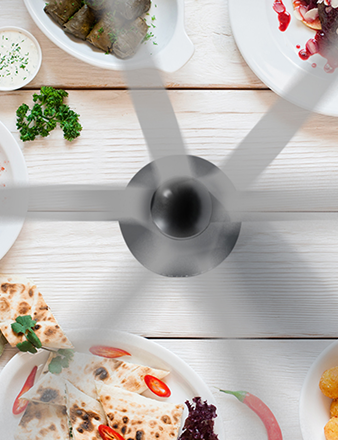
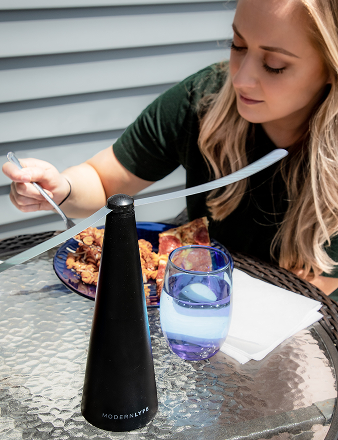
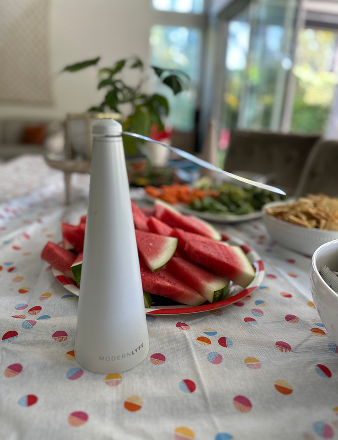
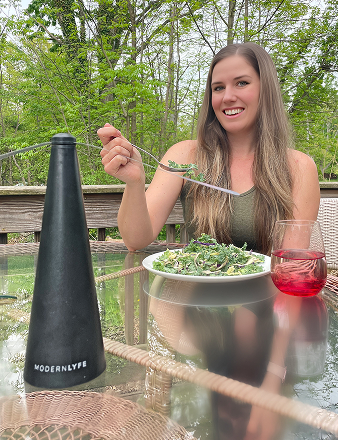
Mosquitoes are weak fliers. In dining and event spaces, moving air often protects guests more directly than light attraction does. That's especially true at tables, buffet lines, bars, and lounge seating where the objective is immediate comfort, not insect monitoring.
A good overview of this approach appears in this guide to the outdoor mosquito fan, which addresses guest-area protection more directly than trap-first thinking.
The same logic applies to:
- Oscillating fans in seating zones
- Air curtains at service doors
- Targeted airflow near buffets and bars
- Physical screens or enclosures where appropriate
Use traps as support, not as the headline tool
Modern LED systems have real advantages in power efficiency. The UVA-LED light trap Model 1612 draws 1.7 watts and offers over three times the battery life of older models, according to the UVA-LED light trap specifications. For long events, that matters.
But battery life is not the same as mosquito control quality. Even an efficient device works best when it supports a broader plan rather than replacing one.
Here's a useful demonstration of how operators think about active outdoor protection in real spaces:
Don't ignore the landscape
A lot of mosquito pressure begins outside the seating area. Irrigation overspray, dense shade, water-holding plant features, and poorly drained borders all increase the chance that mosquitoes stay close to guest zones.
If your property team is reworking outdoor areas, this Modern Yard Landscapes drought guide is useful because lower-water design choices can also support cleaner, easier-to-manage outdoor environments. The point isn't that outdoor area design alone solves mosquitoes. It's that guest comfort starts with site conditions, not just tabletop devices.
Best use case: Treat UV devices as support equipment. Use airflow and site management as the front line.
Making the Right Pest Control Choice
By the time most operators shop for a uv light trap for mosquitoes, they've already lost patience. Guests have complained. Staff are frustrated. Outdoor revenue is at risk. That's when bad purchases happen.
The better move is to sort the problem before you buy the tool.
Ask these three questions first
What is the main pest?
If the complaint is visible swarming insects around lights, a UV trap may help. If the complaint is bites on exposed skin, your first-choice tool probably shouldn't be light-based.
Where is the pressure happening?
An entry corridor, trash area, service lane, pool deck, and wedding lawn all behave differently. A monitoring-style trap can make sense on the perimeter. It's a poor substitute for direct guest-area protection.
Are you trying to trap or repel?
Those are different jobs. Trapping is about intercepting insect movement. Repelling or disrupting is about keeping insects off people and away from food in real time.
A simple decision framework
| If your priority is | Choose first | Use UV trap as |
|---|---|---|
| Fewer bites at tables | Airflow and physical disruption | Secondary support |
| Monitoring insect activity | Purpose-built trap system | Primary tool |
| Reducing visible nuisance flyers near edges | Properly placed UV unit | Primary or support |
| Protecting guest food displays | Physical barriers and airflow | Limited support |
The broader trade-off is straightforward. UV-A LED traps often target the 345–370 nm attraction range that works for many insects, but real-world performance can still lag behind traditional fluorescent traps, which is why a multi-method approach remains the safer operational choice, as explained in the science-based guide to effective UV mosquito trap performance.
The hospitality view that matters
A pest control product is successful only if it improves the guest experience. That means fewer bites, fewer complaints, cleaner food presentation, and less visible insect activity where people are supposed to relax.
Don't buy a product because the label says “mosquito.” Buy based on the behavior you need to change.
If the issue is mosquitoes around people, choose methods that protect people directly. If the issue is nuisance flyers around the perimeter, a UV trap may earn its keep. Good operators separate those two problems, and that's usually where results improve.
If you want a cleaner, more guest-friendly way to protect dining tables, buffets, and outdoor events from flying pests, take a look at MODERN LYFE. Their insect-control solutions are built for hospitality settings where appearance, quiet operation, and practical food-area protection all matter.