A wedding reception's most noticeable details aren't always the ones couples spend the most time debating. In The Knot's 2024 guest study, food ranked first: 73% of respondents said it was the wedding feature they noticed most. Music followed at 57%, and reception-space comfort and setup ranked third at 55%. Those findings point to a practical truth: guest impressions depend on how well the event works, not only how it looks.
A reception rarely derails because of one spectacular mistake. More often, small gaps between vendors and unclear plans for headcount, timing, equipment, food, and weather create avoidable problems. Use these wedding reception questions during venue tours, vendor calls, contract reviews, and planning meetings. Ask for specific answers: who owns each task, when decisions are due, and what happens if the plan changes. If you're coordinating photography alongside the event details, a wedding photographer in Atlanta can help you plan coverage around the reception's key moments.
1. How many guests should we plan for?
Your guest count affects nearly every reception decision: venue layout, food orders, seating, rentals, and the final bill. Don't rely on a venue's headline capacity alone. Ask whether that figure applies to ceremony seating, seated reception dining, or a room with tables, a dance floor, and service stations in place.
Request a sample floor plan based on your working guest count. Check whether guests can reach their seats, buffet, bar, and restrooms without squeezing between tables or crossing the dance floor. A room that technically fits everyone may still feel crowded once vendors install the furniture and décor.
Ask for the usable layout, not just the maximum capacity. The final plan should show dining, service, dancing, and clear routes through the room.
Set up one shared RSVP tracker and use it as the source of truth for your venue, caterer, rental company, and planner. Record replies, meal selections, dietary needs, plus-ones, and vendor meals separately so nobody mistakes the guest total for the number of meals required.
Get the deadline and adjustment terms in writing
Ask the caterer: “When is the guaranteed headcount due? Can we increase or reduce it after that date, and how would a change affect the invoice?” Catering guidance commonly places the final count deadline around two to three weeks before the event; confirm your own contract's deadline and terms in writing (caterer questions and contract guidance).
For example, if your RSVP total is still moving close to the deadline, don't assume the caterer can absorb additional guests without changing staffing, meal quantities, or seating. Ask what flexibility remains and which changes trigger a charge. Keep vendor meals as a separate line in your count, too, so the team working through dinner is included in the catering plan.
2. What is our total budget, and how should we divide it?
Agree on the total amount you can spend before requesting proposals. Then list the reception costs that need to fit inside it: venue, food and drinks, staffing, rentals, entertainment, décor, delivery, and cleanup. Food may be the feature guests notice most, but that doesn't mean it should silently consume funds set aside for seating, service, or comfort.
Ask every vendor for an itemized, all-in quote. It should make clear what's included, what costs extra, and who pays for taxes, service charges, delivery, setup, overtime, and cleanup. If a quote combines several services into one figure, ask for the components before comparing it with another vendor's proposal.
Compare complete packages, not headline prices
A lower catering price may exclude rentals or staffing that another quote includes. Compare proposals line by line, then note which items are confirmed and which remain estimates. Ask the venue and caterer to identify costs that depend on the final guest count, the service style, or the reception layout.
For example, suppose one couple is choosing between elaborate floral arrangements and a more complete food-and-beverage package. Rather than making the choice by appearance alone, they can compare what each option delivers to guests and what's already covered in the venue package. Give the same attention to comfort basics such as shade, seating, and airflow, especially for an outdoor event.
Ask every vendor: “What could make this quote increase, and when will we know the final amount?”
Track shared spending in one document that both partners and any family contributors can see. Record the quote, amount due, payment deadline, and any open questions beside each vendor. That makes it easier to catch a missing service charge or rental before signing, instead of discovering it when the schedule and setup are already fixed.
3. Indoor, outdoor, or a hybrid venue?
Choose a venue based on the conditions your guests will experience, not just the view during a tour. Indoor spaces usually make temperature and food placement easier to control. Outdoor settings bring natural scenery, but they also expose guests and food to sun, heat, wind, and insects. A covered patio, tented garden, or connected indoor-outdoor venue can offer a backup, but only if the alternate space is available and ready to use.
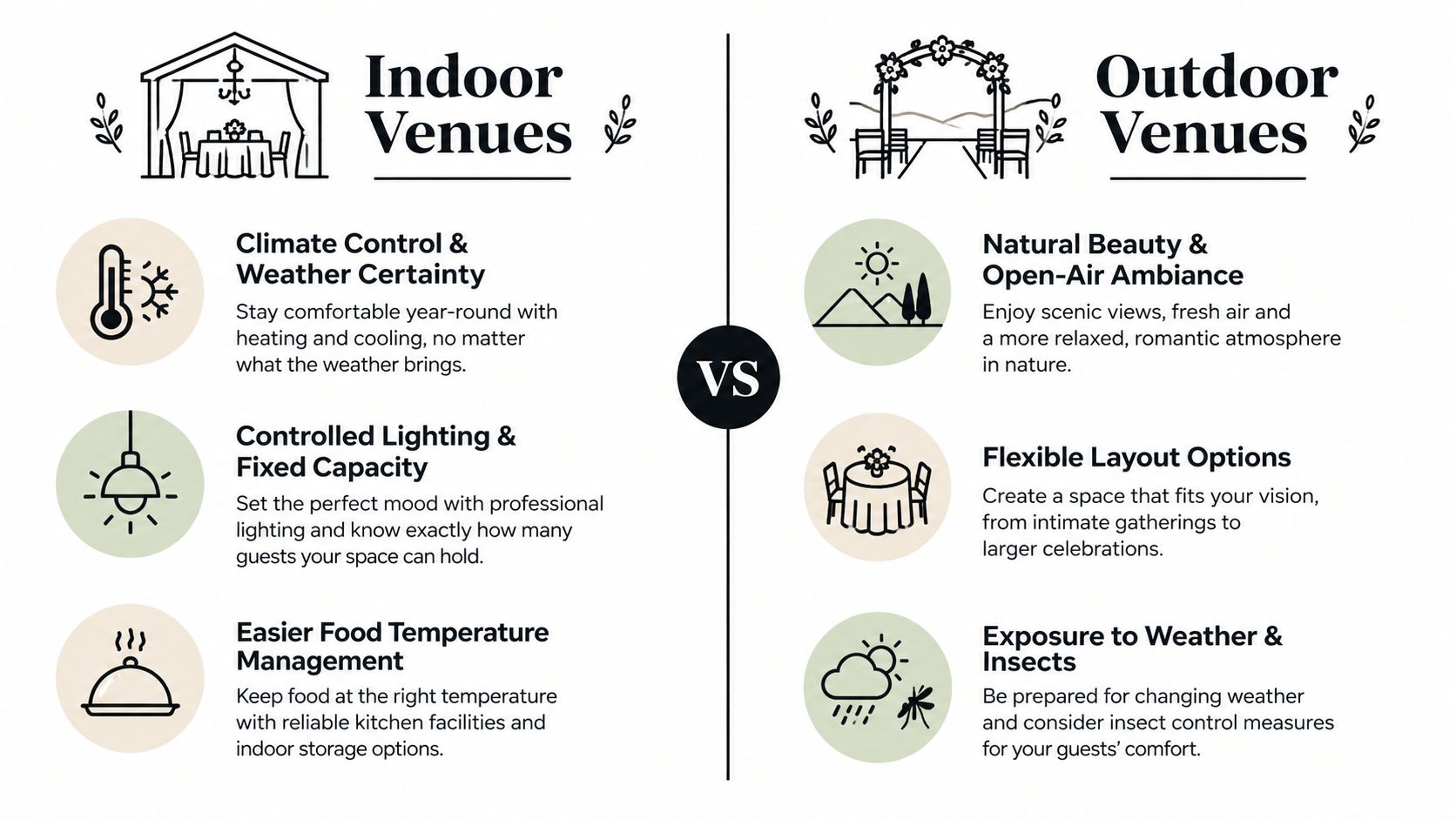
Visit the outdoor area at the time your reception is likely to use it. Notice where the sun falls, how wind moves through the space, and whether guests will have shade near dining and cocktail areas. Ask the venue where caterers can place food, whether outlets are available near service areas, and which third-party equipment the venue permits.
Decide on the weather plan before booking
Get a direct answer to: “What conditions trigger a move indoors, and who makes that call?” Ask what the alternate setup includes, how quickly staff can change the room, and whether the backup space can fit your planned guest count and service layout. If the answer depends on equipment, staffing, or a separate fee, get the details in writing.
For example, a garden reception might work well for cocktails but become less practical for dinner if wind affects uncovered food or the indoor room is reserved for another event. A barn with a covered porch may offer a more workable transition between indoor seating and outdoor mingling. Ask to see how guests, staff, and food stations would move between those areas. For ideas on arranging these zones, explore wedding reception setup ideas.
4. What food and beverage service style fits our reception?
Choose a service style that suits the venue, guest needs, and the way people will move through the room. Plated meals give the caterer more control over serving, while buffets, family-style dining, food stations, and food trucks require different layouts and staffing. A buffet may offer guests more choice, for example, but it also needs a clear queue, a plan for replenishment, and protection for food while it's on display.
Ask the caterer: “Who monitors each station, who replenishes dishes, and where will used plates and waste go?” A backyard taco bar, for instance, needs more than a table and serving utensils. The caterer should explain how food is covered, how guests access condiments, and how staff keep the service area tidy without blocking the walkway.
Make the route part of the menu decision
Place food service away from refuse, animal activity, and heavy foot traffic. Ask whether the caterer can use more than one service point if a single queue would block circulation. For an outdoor setup, confirm whether fans or other protective equipment are permitted and where they can sit without disturbing guests, décor, or service.
Use a written layout to coordinate buffet lines, drinks, dining tables, and trash collection. Wedding buffet table setup guidance can help you think through the arrangement, but your caterer should approve the final placement for the actual venue.
Ask the caterer: “How long can each dish remain out, and what's the plan if service runs late?”
If you're serving drinks with straws, make that choice part of the beverage plan rather than a last-minute purchase. You can compare paper straws by drink while confirming who supplies them and where they'll be stored. Whatever the menu, get the service style, staffing responsibilities, food protection, and replenishment plan documented before the event.
5. What is our reception timeline and guest flow?
A timeline should tell vendors what happens, where it happens, and who gives the cue. Map the transitions from cocktails to dinner, speeches, dancing, and the send-off. Then review the sequence from a guest's point of view: where people wait, where they sit, and whether they can get from one part of the venue to another without crossing a service area.
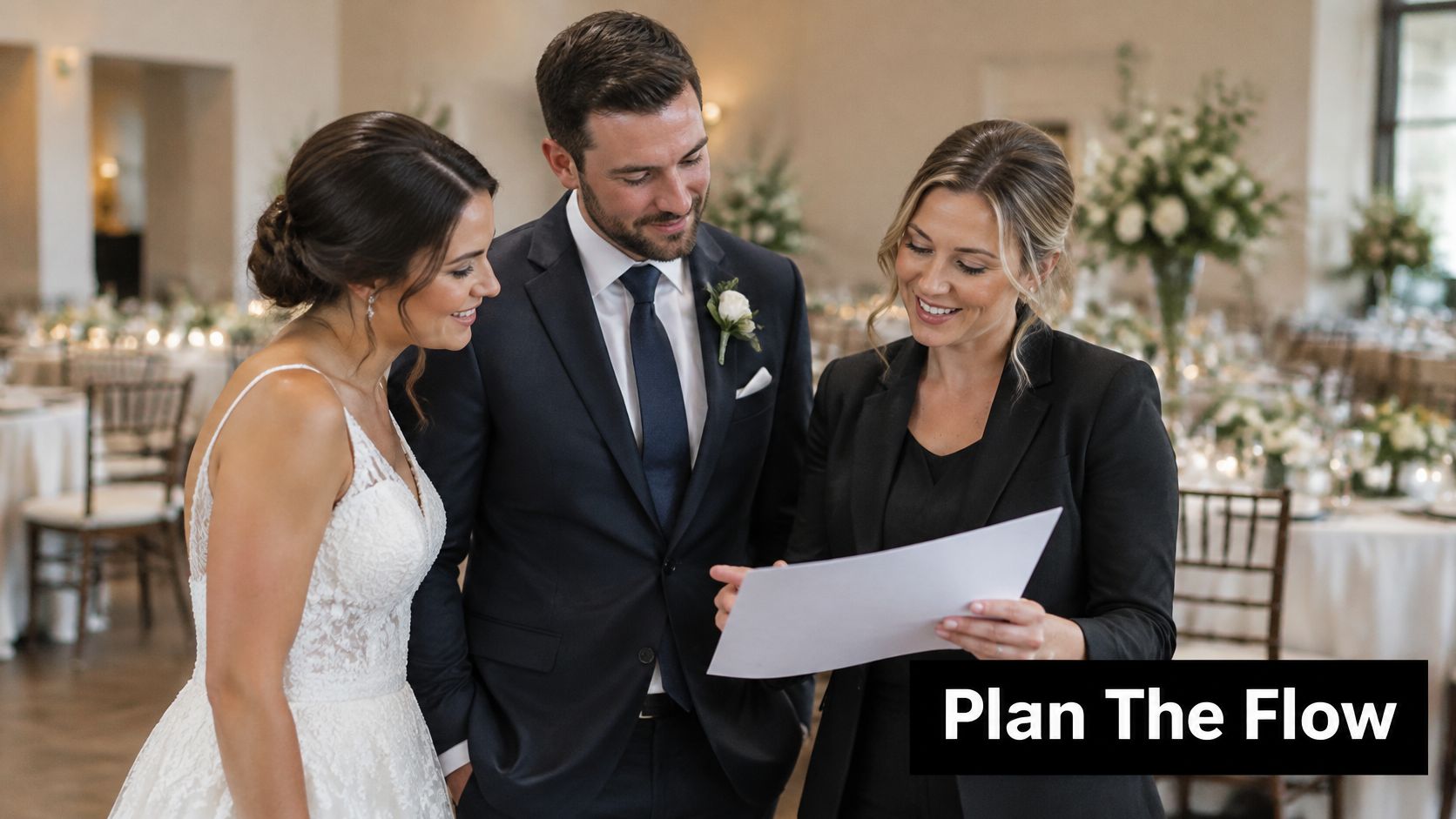
Ask your planner or venue contact: “Who is the point person if dinner, speeches, or the weather shifts the schedule?” One named person should communicate changes to the vendors, rather than leaving the couple to relay updates during the reception.
Build in a recovery plan
A speech can run long, a vendor can need extra setup time, or rain can change the route between spaces. Decide which parts of the timeline can move and which cannot, such as a venue cutoff or a catering service window. Share the written run sheet with the people responsible for the event and make sure everyone has the same version.
For example, if guests need to move indoors after cocktails, decide in advance whether dinner service pauses, whether staff direct guests to assigned seats, and who updates the DJ or emcee. This prevents guests from receiving conflicting instructions while vendors wait for a cue.
Use the wedding reception planning checklist to organize planning tasks, then tailor the run sheet to your venue and vendors. The plan should include the order of events, the responsible person, and the backup action for changes. Keep guest routes clear between dining, dancing, restrooms, and outdoor areas, including for guests who use mobility aids or need a quieter place to sit.
6. What rentals, power, and equipment do we need?
A beautiful layout won't work if the tables, serving equipment, lighting, or sound system arrive late or don't have power. Ask the venue what it supplies and what you must rent, including chairs, linens, tents, dance-floor equipment, lighting, and catering gear. Then ask who coordinates delivery, setup, pickup, and teardown for each item.
Map outlet locations and share that map with your caterer, DJ, lighting vendor, and planner. Ask which equipment needs a connection, where cables will run, and who will secure them so they don't cross guest routes. For a field venue with limited outlets, confirm whether the caterer or another vendor provides suitable power equipment and who is responsible for operating it.
Confirm the equipment plan on site
Walk the venue with the relevant vendors and mark where the bar, food stations, speakers, lights, and tables will go. Don't assume an outlet shown on a venue plan will be close enough or available for your event. If equipment will sit outside, ask how it will be protected from weather and whether the venue allows it.
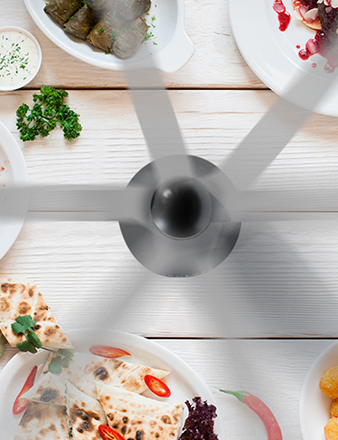
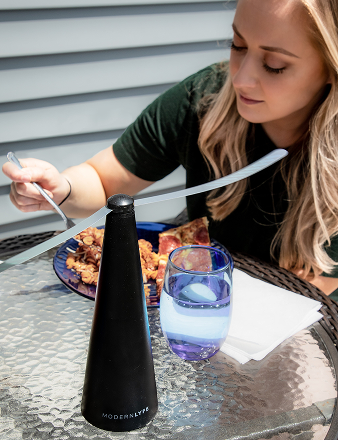
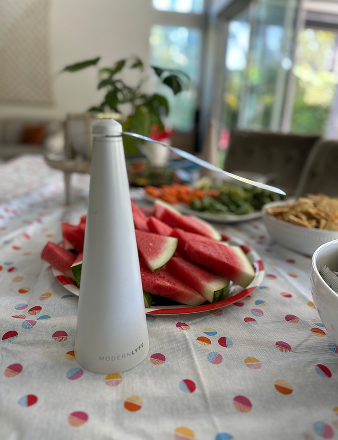
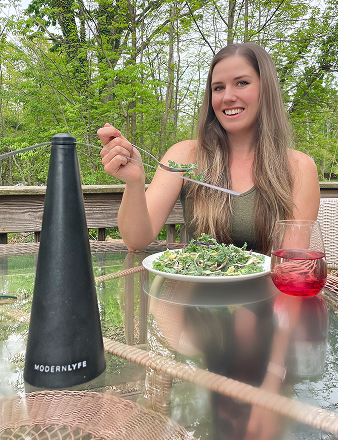
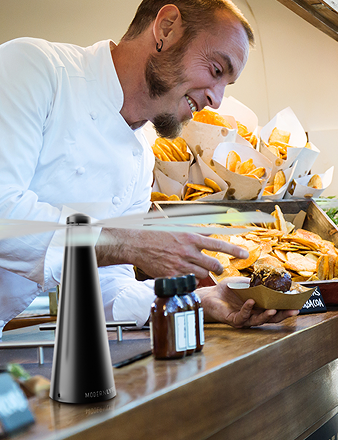
For example, battery-operated fly fans can avoid cords across a lawn near buffet tables. If your venue requires plug-in equipment, ask for a clear cable route and confirm that the setup won't create a trip hazard or interrupt service. Get delivery and pickup times in writing, and check how the schedule affects access for other vendors.
Your seating plan also has to work with circulation and service, not only table assignments. Use a wedding seating chart to organize the guest list, then compare it with the venue layout and the paths staff need to serve meals. Ask who handles last-minute seating changes and whether the rental order can accommodate them.
7. How will we keep food safe and guests comfortable?
Ask the caterer for a food-safety plan that names the person responsible for monitoring hot and cold dishes, protecting exposed food, and handling leftovers. The U.S. FDA recommends holding hot food at 140°F (60°C) or above and cold food at 40°F (4°C) or below (FDA buffet guidance). Ask what equipment the caterer will use and how staff will check temperatures during service.
For perishable food left at room temperature, the CDC advises discarding it after two hours, or after one hour when the surrounding temperature is above 90°F (32°C). It also recommends keeping cold food chilled until shortly before serving and refrigerating leftovers at 40°F (4°C) or below within two hours (CDC food-serving guidance). These limits make buffet timing and replenishment specific planning decisions, not vague preferences.
Pair food protection with guest comfort
Ask: “When will each dish be brought out, who checks it, and what happens if the reception runs behind?” For an outdoor event, also confirm where food covers, ice, shade, water, and permitted insect-control equipment will go. Keep waste away from serving areas, and ask who empties bins and clears spills during service.
A summer reception with exposed buffet dishes needs a plan that accounts for heat and insect activity at the same time. The caterer should explain how food stays within safe temperature limits and how staff will keep the station orderly without disrupting guests. Provide shaded seating and water, and make sure accessible routes remain clear as tables and equipment are installed.
7-Point Wedding Reception Planning Comparison Guide
| Planning Area | 🔄 Implementation Complexity | ⚡ Key Resources | 📊 Expected Outcome | ⭐ Key Advantage | 💡 Ideal Use Case |
|---|---|---|---|---|---|
| Guest count | Moderate; track RSVPs and update estimates | Guest list, RSVP tool, 10–15% headcount buffer | More accurate catering, seating, and rental counts | Reduces waste and helps prevent shortages | Set the basis for venue and catering decisions |
| Budget allocation | Moderate; estimate categories and monitor payments | Shared budget tracker, vendor quotes, roughly 10% contingency | Clear spending limits and fewer surprise costs | Makes vendor options easier to compare | Keep reception spending aligned with priorities |
| Venue type | Moderate; assess weather, access, and comfort | Site visit, weather plan, power and restroom details | A venue suited to the season and guest needs | Indoor, outdoor, and hybrid options offer different trade-offs | Choose a setting that fits atmosphere and logistics |
| Food and beverage service | Moderate to high; coordinate menu, staffing, and layout | Caterer, service equipment, food-safety plan | Service pace and experience suited to the event | Offers choices from controlled plated meals to flexible stations | Match service style to guest count, venue, and formality |
| Timeline and guest flow | Moderate; schedule key moments and movement | Run sheet, vendor contacts, layout, time buffers | Smoother transitions and fewer bottlenecks | Keeps guests and vendors coordinated | Manage receptions with multiple activities or service areas |
| Rentals, power, and equipment | Moderate; inventory, book, and schedule setup | Rental list, power map, delivery and setup plans | Equipment available and ready when needed | Reduces setup delays and day-of logistics issues | Plan venues with limited built-in equipment or power |
| Food safety and guest comfort | High; requires active monitoring and contingency planning | Temperature controls, trained staff, shade, water, pest protection | Safer food and a more comfortable guest experience | Helps protect food quality and guest well-being | Especially important for outdoor events and warm weather |
Turn Answers Into a Low-Stress Reception Plan
Don't stop at collecting answers. Record each decision in one shared planning document, along with the responsible vendor, deadline, contract term, and backup plan. When a vendor says, “We'll handle it,” ask what that includes and who will be on site to do the work.
Revisit the document after booking the venue, after confirming vendors, and again two weeks before the reception. Guest count, menus, weather, and setup can change, so confirm whether earlier decisions still fit the current plan. Pay particular attention to the handoffs: who gives the caterer the final count, who confirms the room layout, and who tells vendors when the timeline changes.
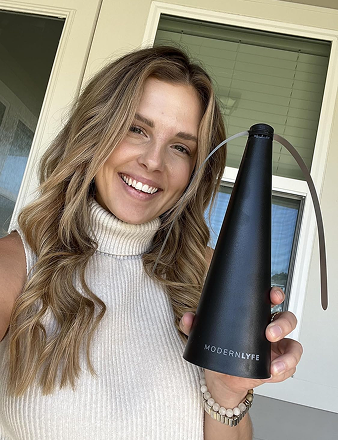
Outdoor food service deserves its own written check. Confirm where open food will be served, how dishes will be covered and held at safe temperatures, how waste will be managed, and who monitors insect activity during service. Ask the venue what equipment is allowed and where it can be placed without disrupting guests or staff. MODERN LYFE's battery-operated fly fans are one option for buffet, dessert, and drink stations when the venue and caterer approve their placement.
Use the same direct approach for contracts. Confirm final guest-count deadlines, what happens if the number changes, which services are included, and what the backup plan covers. A clear answer identifies the person responsible, the time the task must happen, and the consequence if conditions change. A vague promise doesn't give you enough to coordinate a reception.
The best wedding reception questions turn uncertainties into decisions vendors can act on. Ask them during calls and site visits, write down the answers, and share the final plan with everyone who needs it. Before the event, review the guest routes, service sequence, equipment, and food-safety responsibilities together. That preparation gives your vendors a workable plan and lets you spend the reception with your guests instead of resolving preventable confusion.
MODERN LYFE offers battery-operated fly fans for buffet lines, dessert tables, and outdoor drink stations. Review the options and find a setup that fits your reception at MODERN LYFE.