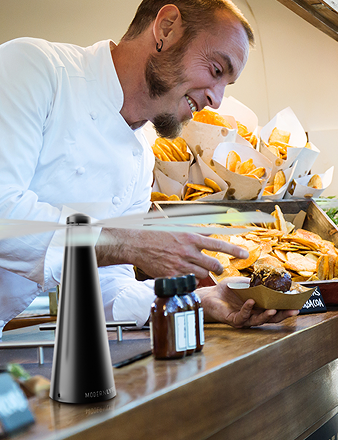
Product registration is the process of linking a purchased item to your contact and product details so the manufacturer can notify you about recalls, warranty service, and safety updates. In the EU, only 39.7% of surveyed consumers understood that registration could enable direct safety contact, while ineffective recalls created approximately €378 million in societal costs during 2019.
A restaurant owner usually thinks about registration after something goes wrong. A battery-operated fly fan stops working during a busy weekend, a unit is moved from one venue to another, or a manufacturer announces a safety notice that never reaches the business because nobody submitted the product details. The paperwork looked minor at purchase. The operational consequences aren't.
For hospitality equipment, registration creates a practical link between the venue, the product, the owner, and the manufacturer. It can simplify support, improve recall communication, and preserve a useful record when several similar units are in service. It doesn't replace invoices, compliance records, or responsible maintenance. It gives those records an identifiable customer layer.
What Product Registration Actually Means
A busy restaurant owner discovers that a fly fan has stopped working before a fully booked weekend. The team searches for the order email, but the purchase was made through a distributor, the serial number is still on the packaging, and nobody completed the registration form. The owner now has to reconstruct the purchase before support can properly assess the problem.
Product registration is the post-purchase process of linking a particular buyer to an identifiable product. The record typically includes the customer's name, address, email address, product model, serial or batch information, purchase date, and manufacturing details. A manufacturer, retailer, paper card, or online form may collect it. The purpose isn't merely to record warranty eligibility. It creates a customer record that can support direct safety communications, as explained in the U.S. Consumer Product Safety Commission's recall notification report.
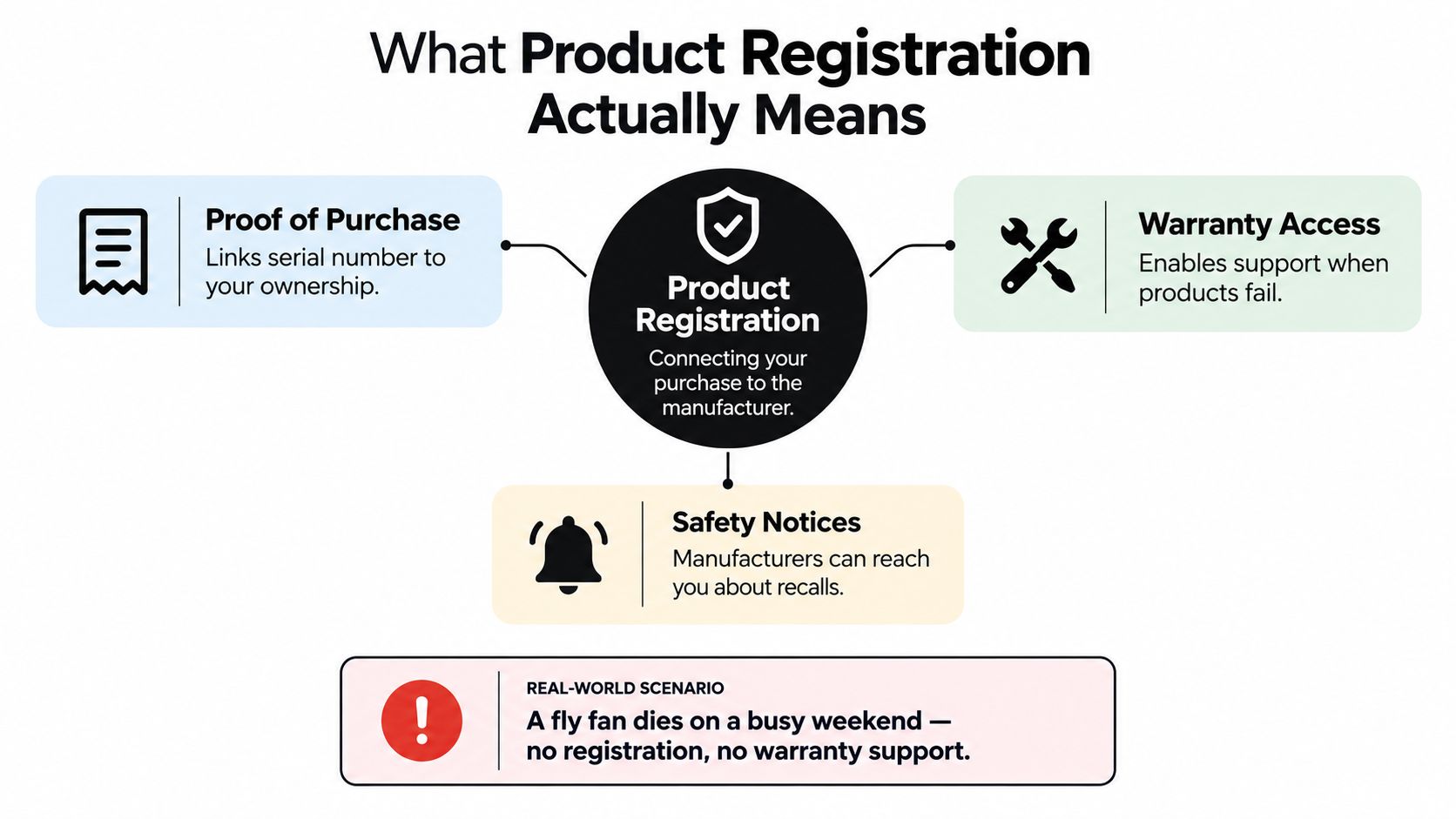
The record behind the form
A useful registration record answers four operational questions:
- Who bought or operates the item? Record the business or household contact that can act on a service or recall notice.
- Which exact product is involved? Capture the model plus the serial number, batch, or equivalent identifier.
- When and where was it purchased? Keep the purchase date, seller, channel, and market or country.
- How can the manufacturer reach the owner? Provide a monitored email address and appropriate contact details.
If a business is already coordinating staff, suppliers, and appointments, a workflow resource such as appointment scheduling AI can help organize operational follow-up around equipment tasks. Registration itself remains a manufacturer or retailer process, but the surrounding discipline matters. A record nobody can find or act on is only marginally better than no record.
Why Registration Matters Beyond Warranty Coverage
Warranty service is only one reason to register equipment. The more important function is direct safety communication. A general announcement may reach some customers through a website, retailer, or media coverage, but a registration record gives the manufacturer a known contact connected to a particular product.
That distinction matters when a defect affects only a model, batch, or production revision. A manufacturer can use product identifiers to contact known owners more precisely instead of asking every customer to determine whether their unit is involved. For a restaurant, hotel, caterer, or event company, that can reduce uncertainty when equipment is distributed across kitchens, storage rooms, venues, and temporary event sites.
The European Commission's product recall study estimated that ineffective recalls generated approximately €378 million in societal costs during 2019, because injuries occurred while recalled products remained with consumers. The same study identified registration as one of the quickest and most effective ways to contact owners directly, while noting that awareness remained incomplete among consumers. Read the European Commission product recall study for the underlying recall context.
Three separate functions
Registration serves three different purposes, and businesses should keep them separate:
- Service administration helps a support team identify the model, purchase details, and customer record.
- Safety outreach gives the manufacturer a direct route for recalls, warnings, or corrective instructions.
- Lifecycle records connect equipment to a location or owner while it is used, transferred, repaired, or resold.
U.S. regulation illustrates this safety role. For covered durable infant and toddler products, manufacturers must provide a postage-paid registration card, retain registered-owner contact details, and permanently mark the product with identifying information. That model treats registration as part of a safety communication system, not as a promotional sign-up.
Registration also doesn't excuse a business from checking recall notices, isolating suspect inventory, or following a manufacturer's remedy instructions. The CPSC recall checklist describes broader responsibilities, including identifying affected models or date codes, stopping production where relevant, notifying distributors, deciding on a remedy, and maintaining public recall information. Registration supports those actions. It doesn't replace them.
Benefits for Customers and Manufacturers
The value is mutual, but the benefits look different from each side of the transaction.
For a customer, registration can make a future support request easier to explain. The manufacturer may already have the product model, serial number, purchase channel, and contact record. That reduces the administrative work involved in identifying the unit, especially when a business owns several similar appliances or bought equipment through a distributor.
A registered owner may also receive a targeted safety notice rather than discovering a problem through a general announcement. In hospitality, the audience for that notice may include a restaurant manager, hotel event coordinator, caterer, wedding planner, or facilities contact. The right person can then remove the affected item from service and follow the stated repair, replacement, or refund process.
Why manufacturers need the record
Manufacturers gain a clearer view of where products are in use and who can be contacted. That can support a more targeted corrective action when a problem is limited to a specific model, batch, or revision. It can also help support teams distinguish a genuine product issue from a missing receipt, an incorrect model number, or equipment that has changed hands.
The result is better operational control, not just better marketing. A manufacturer that knows which owners are affected can communicate more precisely, provide clearer instructions, and reduce avoidable confusion during a recall. A manufacturer that doesn't have owner records may need to rely more heavily on distributors, public notices, or broad customer outreach.
Practical rule: Registering an item helps the manufacturer find the owner, but the owner still needs to keep the purchase record and monitor the equipment.
Trust is part of the business case. Customers are more comfortable buying equipment when the support path is clear, the product can be identified, and safety communication doesn't depend entirely on the customer finding a notice at the right moment. Manufacturers also receive cleaner information for support and compliance work when customers submit accurate identifiers rather than vague product descriptions.
Registration won't prevent a defect, eliminate every service delay, or guarantee a particular remedy. It does create a more usable connection between the product and the person responsible for it. That connection is valuable whenever the equipment needs help or the manufacturer needs to reach its owners.
Warranty Activation Myths and Reality
Many buyers assume that registration is the switch that turns a warranty on. In the United States, that assumption is generally wrong. Federal warranty rules generally don't allow a manufacturer to require registration as a condition of preserving warranty coverage, although a particular product may offer separate registration-based benefits or extended coverage.
The clean way to think about it is to separate three concepts:
| Concept | What it means |
|---|---|
| Legal warranty rights | Coverage that may apply under the written warranty and applicable law, whether or not a registration form was submitted |
| Voluntary registration | A customer record that can simplify support and enable direct safety communication |
| Registration-based extension | Additional coverage that may genuinely depend on completing a stated registration process |
Consumer expectations don't always match that distinction. About 87% of consumers would be more likely to register if registration were required to activate a warranty, showing how strongly people associate the form with warranty eligibility, even though that assumption may be legally wrong, according to guidance on receipts and warranty claims.
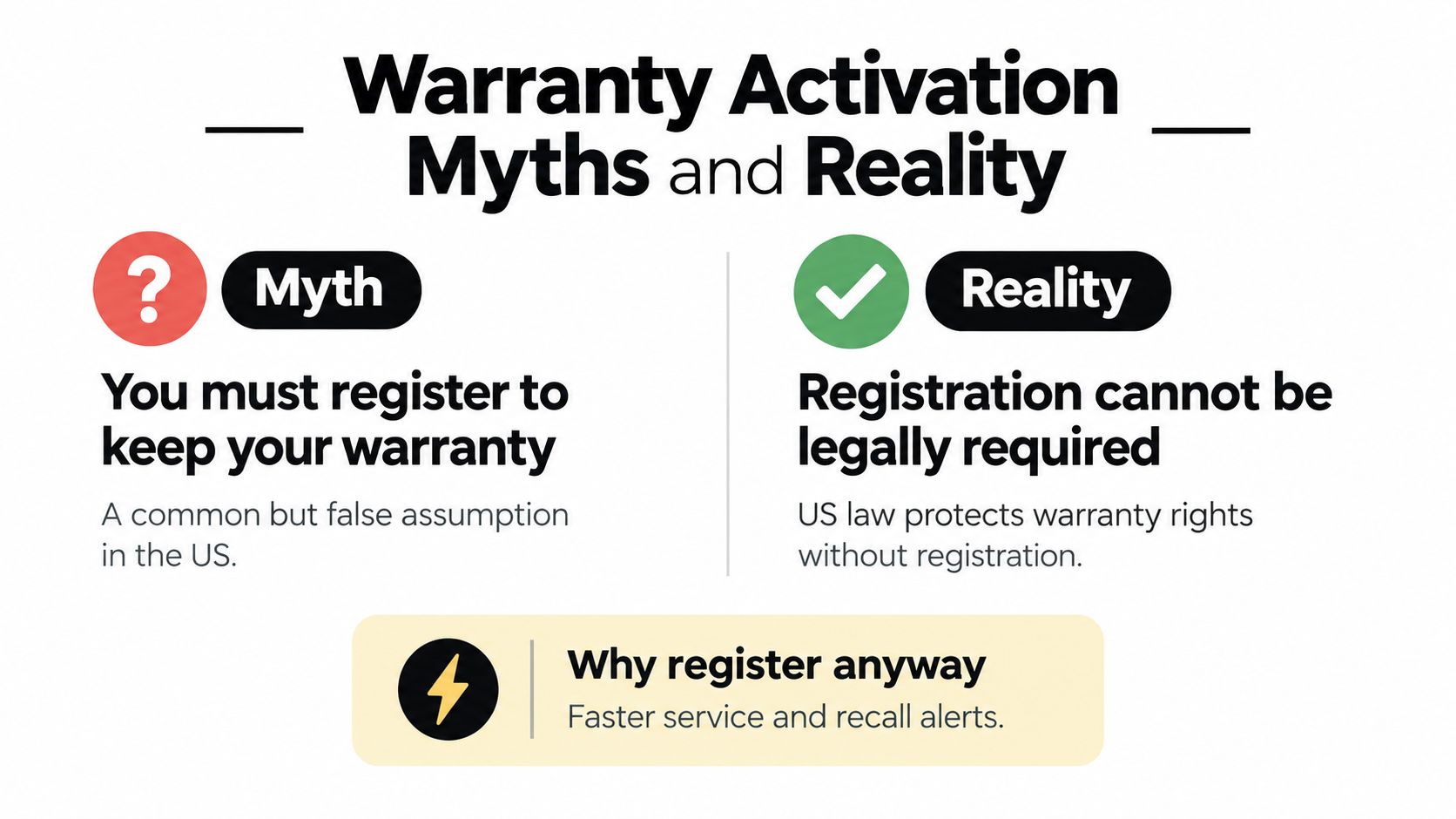
What to retain anyway
Registration doesn't replace evidence of purchase. Keep the invoice, order confirmation, serial number, purchase date, and seller details. If a restaurant buys multiple units, match each serial number to its location or internal asset record. A simple warranty registration card guide can help teams understand the information commonly requested.
If registration is missed, the buyer may still have warranty rights, but support could require more manual verification. The practical benefit of registering is therefore speed, clarity, and recall access. It isn't permission for a business to discard its invoices.
How to Register Products Correctly
The best registration process is short, accurate, and controlled by the person responsible for the equipment record. Start before discarding packaging, because the model and serial number may be printed on the product label, box, invoice, or enclosed card.
- Collect the identifiers. Write down the exact model, serial number, batch number if present, purchase date, seller, and purchase channel. For business equipment, also note the venue, department, or storage location.
- Choose the official channel. Use the manufacturer's registration portal, app, email process, or paper form. Avoid submitting sensitive information through an unverified page.
- Enter only necessary details. Provide a monitored business contact, the purchase information, and the product identifiers. Check the model and serial number before submitting.
- Save confirmation. Store the confirmation email, registration reference, invoice, and product details with the business asset record.
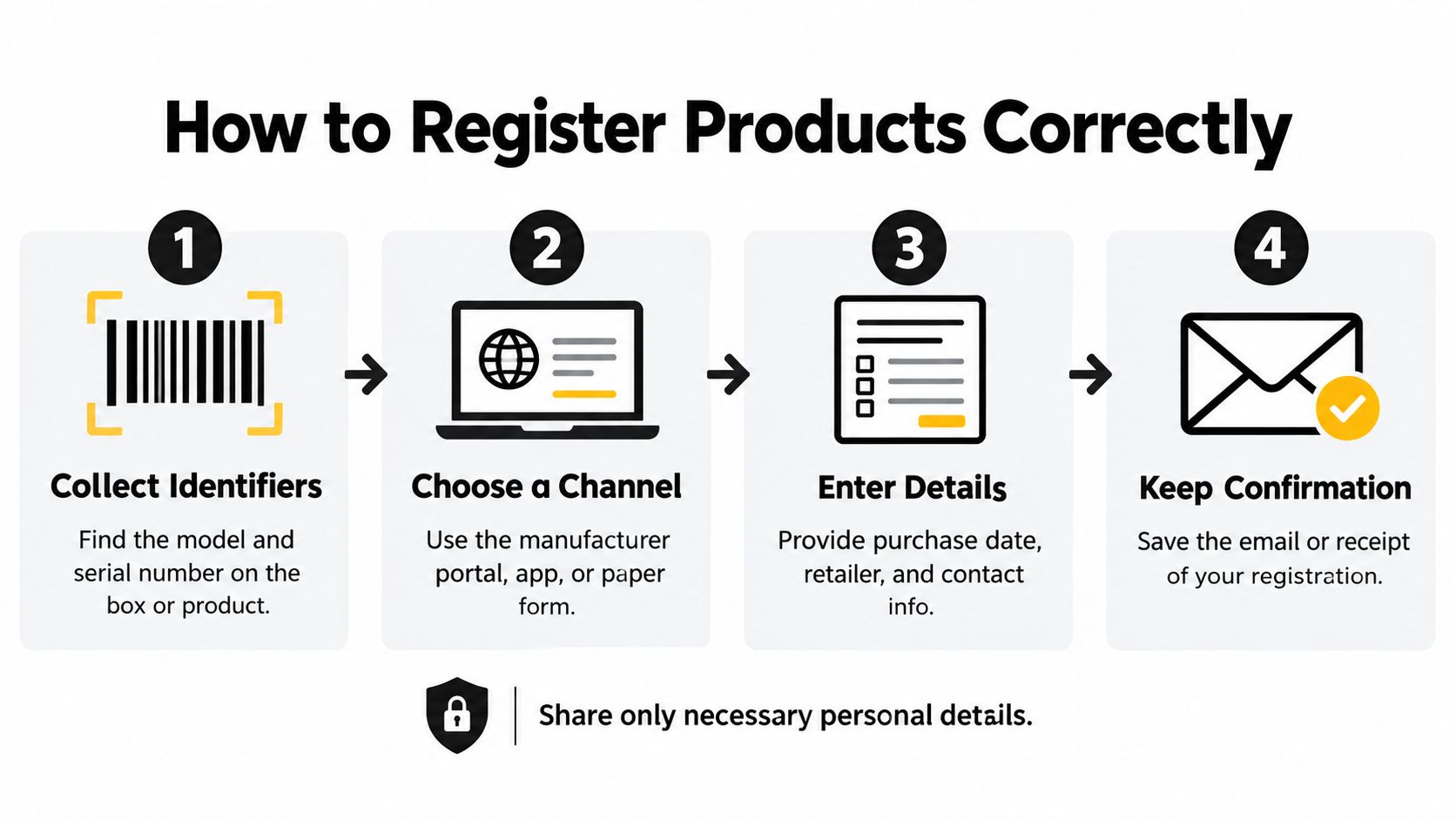
Make privacy part of the workflow
Registration creates a data record, so businesses should avoid collecting or submitting more personal information than the manufacturer needs. Use a role-based address such as operations or facilities instead of a manager's personal inbox where possible. Record the business location without exposing unnecessary employee information, and treat safety communication separately from marketing consent.
That separation is important to customers. Nearly 79% of consumers would be more likely to register if companies were prohibited from using registration information beyond safety warnings or recalls, according to University of Michigan reporting on product registration. A registration form should make promotional consent optional and clear.
When equipment moves between venues, update the location and responsible contact. When ownership changes, transfer the record if the manufacturer allows it, and give the new owner the model, serial number, purchase evidence, and safety information. A warranty registration form resource can help teams prepare the details before they begin.
Modern Lyfe Fly Fans and Registration in Practice
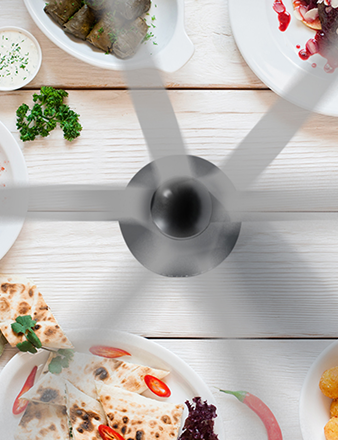
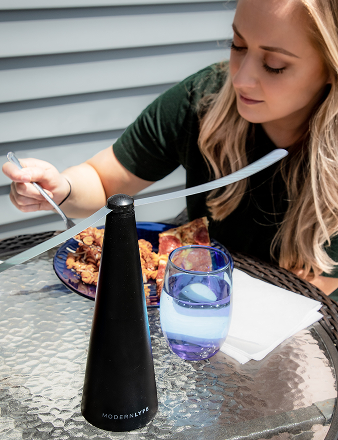
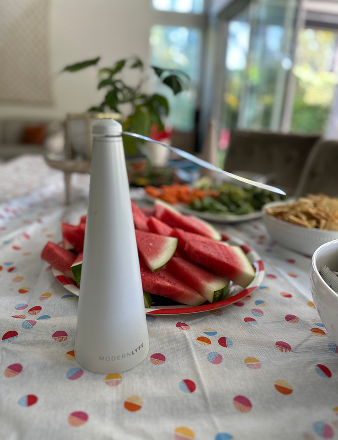
A caterer buys several battery-operated fly fans for outdoor receptions. The sensible first step is to keep the order confirmation, record each unit's serial or batch information, and assign every fan to a storage location or event kit. The coordinator then submits the requested name, email address, phone number, and order number through the manufacturer's warranty registration process.
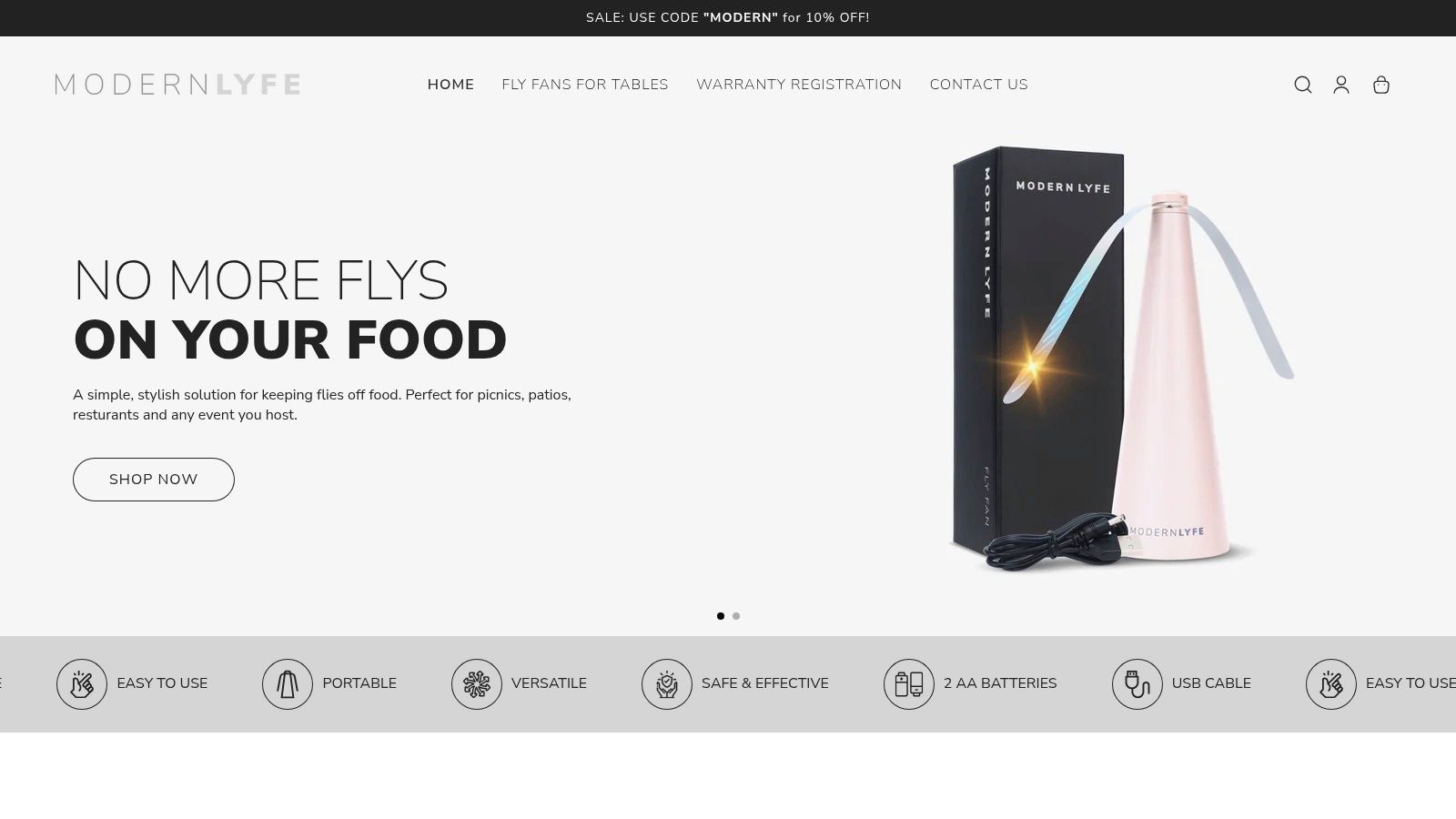
That record connects a specific product to a reachable business contact. If a unit fails, the support team can identify the purchase and product details more efficiently. If a safety notice affects a particular model or batch, the coordinator has a better chance of receiving and acting on the communication instead of learning about it after another operator has already removed equipment from service.
A hotel may use the same approach differently. It can register equipment against a facilities address, note the property where each unit is kept, and update the record if a fan moves to another venue. A homeowner can use a personal email, but should still save the order record and product identifier. The method changes with ownership. The core principle doesn't.
For businesses managing online orders alongside equipment records, a Shopify integration with Can I Help may be useful for connecting commerce information with customer-support workflows. It won't replace the manufacturer's registration process, but it can help preserve purchase context when equipment is bought through an online store.
The practical workflow is simple: buy the fan, retain the invoice, identify each unit, submit the registration, save confirmation, and update the record after a move or resale. The Modern Lyfe registration process provides a useful reference for customers working through that sequence.
Registration Checklist and Key Takeaways
Registration works when it becomes part of the purchase workflow rather than a task someone might remember later. A business doesn't need a complicated database for a small equipment fleet. It needs accurate identifiers, a monitored contact, and a record that staff can retrieve.
Use this checklist for every relevant purchase:
- Keep purchase documentation: Save the invoice, seller details, order confirmation, and purchase date.
- Record the exact product: Capture the model, serial number, batch number, and relevant location.
- Register promptly: Submit the information through the manufacturer's official portal, paper form, or approved channel.
- Use a role-based email: Direct safety and service messages to an address the business monitors, not only to one employee's personal inbox.
- Separate consent choices: Accept safety communications without assuming that the customer has agreed to marketing.
- Update ownership and location: Change the record when equipment moves between venues or is sold.
- Keep confirmation accessible: Store the registration confirmation with the asset and warranty documents.
The central takeaway is straightforward. Product registration is safety infrastructure with service benefits, not empty paperwork and not necessarily a legal condition of warranty coverage. It helps manufacturers connect an identifiable product to a reachable owner during the period when that connection matters most.
Frequently Asked Questions
How long should a business retain registration records?
Keep the registration confirmation, invoice, serial number, and ownership history for as long as the equipment remains in use and for the period relevant to warranty, safety, service, and resale decisions. In the EU, relevant economic operators must retain traceability information for 10 years under the General Product Safety Regulation, as set out in the EU General Product Safety Regulation. A business should also follow its own privacy and document-retention policy rather than keeping personal data indefinitely.
How should a business register multiple identical units?
Register each unit separately whenever each product has its own serial or batch identifier. Link every identifier to the purchase record, venue, storage location, and responsible business contact. If several units share one order, don't assume that registering the order alone identifies every product. A unit-level record makes service and recall decisions more precise.
What happens when registered equipment is sold?
Give the buyer the invoice or other purchase evidence, model, serial or batch number, registration confirmation, manuals, and any relevant service history. Ask the manufacturer whether the registration can be transferred, then update the contact and location if that option exists. If transfer isn't available, the seller should still tell the buyer how to receive future safety notices and should avoid leaving personal information attached to equipment that is no longer theirs.
How do European recall mechanisms differ from U.S. approaches?
Both systems use product identification, traceability, and direct communication as parts of product safety, but the applicable duties depend on the product category and market. EU rules require a visible type, batch, serial number, or equivalent identifier on products and establish traceability responsibilities for relevant economic operators. In the United States, registration isn't universal for every consumer product, although specific federal requirements apply to covered durable infant and toddler products. Businesses operating across markets should retain identifiers, ownership records, and safety contacts in a way that supports each jurisdiction's requirements.
MODERN LYFE offers battery-operated fly fans for restaurants, hotels, catering events, home gatherings, and other dining environments, along with warranty registration and customer assistance. Visit MODERN LYFE to review the products and register the equipment you use to protect food, guests, and service operations.