Fruit flies are a nuisance, but getting rid of them is easy. You can buy fruit fly traps almost anywhere. Major online retailers like Amazon, big-box stores like Target and Walmart, and even your local grocery or hardware store stock them.
Your choice depends on how fast you need a solution. Let's break down where to look.
Find Fruit Fly Traps Fast
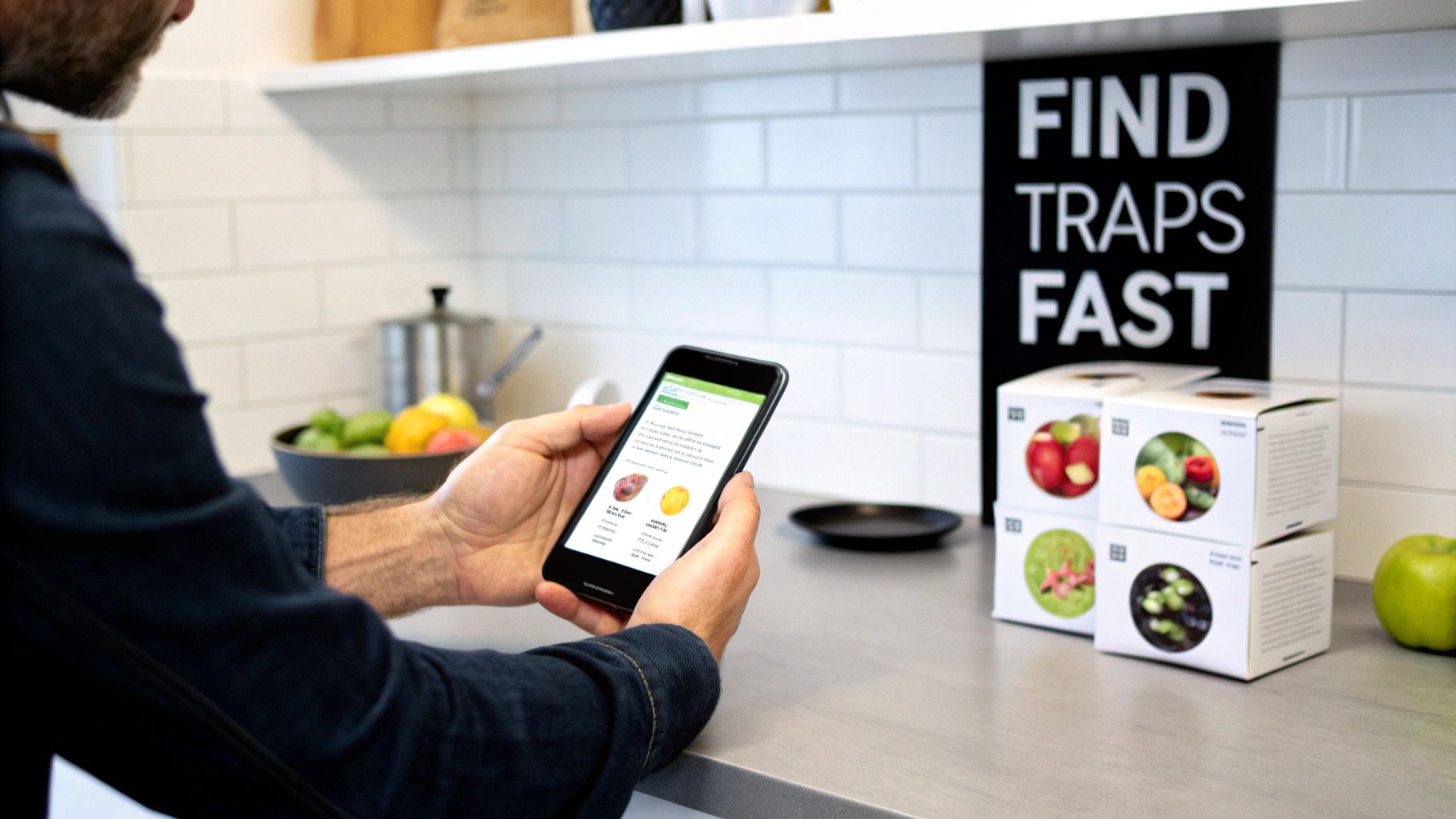
A fruit fly invasion feels like a losing battle. One minute your kitchen is spotless, the next it’s buzzing with pests that multiply out of nowhere. It's frustrating, but getting rid of them is simpler than you think. Effective traps are available everywhere.
This guide shows you exactly where to find the right solution, whether you have a minor issue at home or a persistent problem at your business. We'll cover all the convenient spots to find these essential tools so you can reclaim your space.
To make your search easier, here's a quick look at your best options.
Quick Guide: Where to Buy Fruit Fly Traps
| Retailer Type | Best For | Selection | Convenience |
|---|---|---|---|
| Online Marketplaces | Comparing brands & prices | Massive | High (2-day shipping) |
| Big-Box Retailers | Immediate, one-stop shopping | Good | High (if local) |
| Garden Centers | Outdoor & natural solutions | Specialized | Moderate |
| Foodservice Suppliers | Bulk & commercial-grade | Professional | Low (for public) |
This table is your starting point. Now, let’s explore what makes each option unique and how the market has evolved.
Understanding Market Growth
The demand for effective pest control has created a massive industry. The global fruit fly traps market, valued at USD 1.2 billion, is projected to hit USD 2.5 billion by 2033.
What does this mean for you? Finding a trap is incredibly simple. In North America, which holds 34% of the market share, supermarkets and big-box stores are the primary places people buy them. These retailers make it easy for anyone—from a homeowner to a food truck operator—to grab a solution off the shelf. You can discover more about fruit fly trap market trends and projections if you're interested.
The easy availability of fruit fly traps in everyday stores is a major shift. What was once a specialty item is now a household staple, showing a clear demand for immediate, effective pest control.
This guide breaks down all your options, from powerful commercial-grade traps to simple DIY alternatives. We’ll also explore a modern, trap-free approach using fly fans to keep your space pest-free from the start.
Where Can You Buy Fruit Fly Traps?
You have a fruit fly problem and need a trap now. The good news is, they're sold everywhere. The real question is where to go for the best balance of speed, selection, and price for your situation.
It’s like ordering a pizza. You can browse a specialty online shop for the perfect gourmet pie (massive selection) or run to the grocery store and grab a frozen one because you're hungry now (immediate convenience). Both solve the problem but serve different needs.
Big-Box Stores and Supermarkets
When you need a trap immediately, head to a local big-box retailer or supermarket. Places like Walmart, Target, Home Depot, and your neighborhood grocery store almost always have a pest control aisle.
This is the best option for a few reasons:
- Instant Solution: Walk in, buy a trap, and start using it in minutes. This is perfect for a homeowner who spots a swarm before a party or a restaurant manager needing a quick fix.
- Good Variety: You’ll find several popular brands and types, like sticky paper and liquid bait traps.
- One-Stop Shopping: Add a trap to your cart while doing your regular shopping. No extra trip, no waiting for delivery.
The convenience of these stores is why fruit fly trap sales hit 16,923.3 thousand units in 2023, a 16.8% increase since 2020. Retailers keep these products stocked and ready for you. You can read the full research about the fruit fly control market to see how consumer habits shape shelf inventory.
Online Marketplaces Like Amazon
If you want a massive selection and can wait a day or two, online marketplaces are your best bet. Websites like Amazon offer a nearly limitless catalog of fruit fly traps, from trusted household names to niche, eco-friendly brands you'd never find in a physical store.
Shopping online lets you be an informed buyer. You can compare dozens of products, read hundreds of user reviews, and find the best price. It’s the perfect way to get the exact trap for your needs—whether it's a discreet design for your kitchen or a heavy-duty option for a commercial space.
The real power of online shopping is access to information. Instead of just grabbing what's on the shelf, you can make a decision based on the real-world experiences of thousands of people.
Of course, you’ll have to wait for shipping. But for many, the incredible selection and competitive pricing are worth it. You can explore everything from simple sticky traps to advanced UV light models. If the options feel overwhelming, our guide on the best fruit fly trap to buy can help you narrow it down.
Garden Centers and Hardware Stores
Don't overlook your local garden center or hardware store. These places are great for specialized pest control. They often stock more robust or natural solutions designed for patios, greenhouses, or compost areas.
Plus, the staff at these stores are often knowledgeable and can offer practical, hands-on advice for your specific problem. It's a great place to go for a quality product and some expert guidance.
How to Choose the Right Fruit Fly Trap
Not all fruit fly traps are the same. Staring at a wall of options in a store or scrolling through endless online listings can be overwhelming. They all promise to solve your problem, but the right choice depends on how they work and which one fits your situation.
Think of it like choosing the right tool. You wouldn't use a sledgehammer to hang a picture. Similarly, the discreet sticky trap that works in a small apartment kitchen won't cut it in a busy commercial bar with a persistent fruit fly problem.
Comparing Common Trap Types
You'll generally find three main types of traps, each using a different method to lure and capture flies. Understanding these differences is the first step toward finding a solution that actually works.
To help you sort through the options, here's a quick breakdown.
Comparing Fruit Fly Trap Types
| Trap Type | How It Works | Best Use Case | Pros | Cons |
|---|---|---|---|---|
| Container Traps | Lures flies with a liquid bait (often vinegar-based) into a container where they drown. | Kitchen counters, near fruit bowls, sinks, and garbage cans. | Highly effective, discreet, often reusable. | Can be messy to clean, may require frequent refilling. |
| Sticky Traps | A non-toxic adhesive surface, often brightly colored, that traps flies on contact. | Near windows, in potted plants, or areas where flies gather. | Simple, no chemicals, easy to set up. | Visibly shows dead flies, less effective for large infestations. |
| UV Light Traps | Uses ultraviolet light to attract flies, then captures them on a hidden sticky board or zaps them. | Restaurants, patios, and larger spaces where appearance matters. | Effective for high-traffic areas, works on other flying insects. | Higher initial cost, requires electricity and bulb replacement. |
Each trap has its place. The best one for you depends on where the problem is and how severe it is.
The flowchart below gives you a simple way to decide where to look based on how quickly you need a fix.
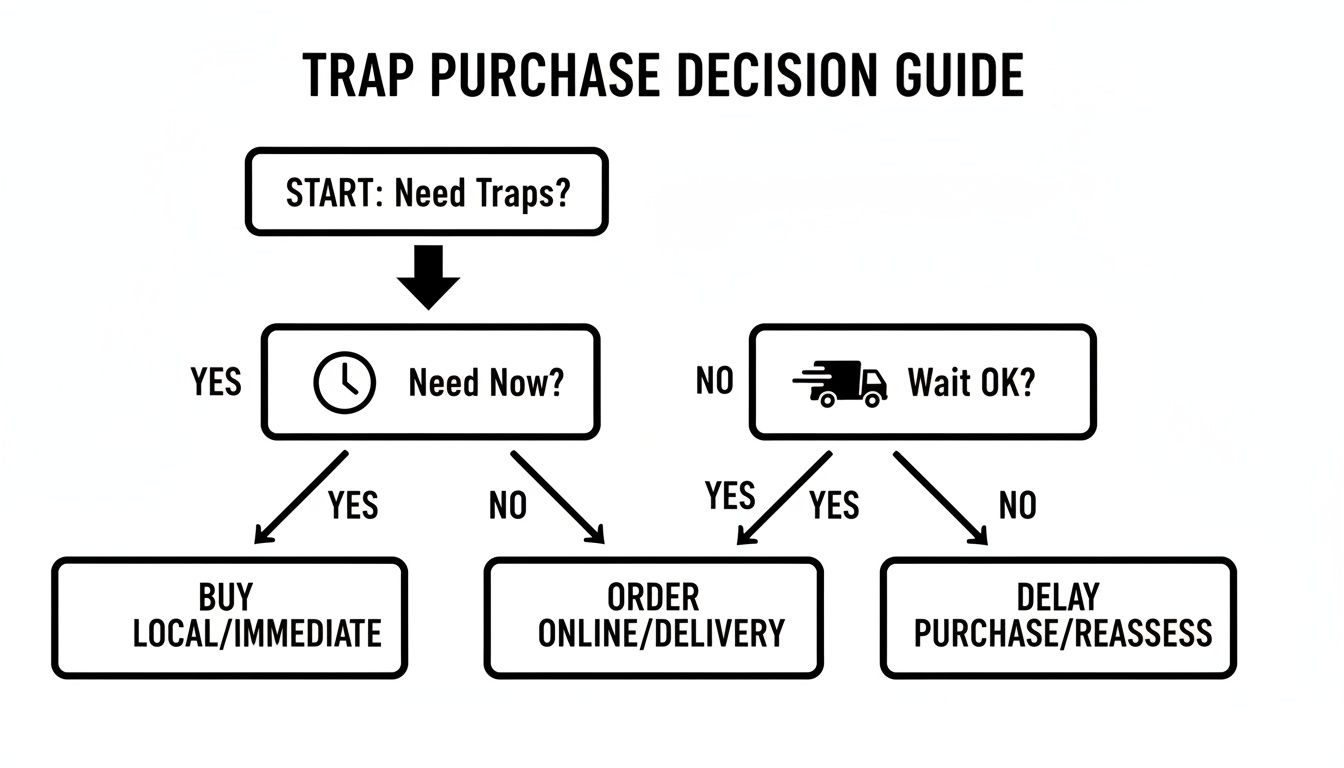
Ultimately, urgency will point you in the right direction. If you need relief now, head to a local store. If you can wait a day or two, you'll find a much wider selection online.
Match the Trap to Your Environment
Now, think about your space. If you have curious pets or small children, a non-toxic sticky trap or a secure container trap is your safest bet.
On the other hand, if you're managing a massive infestation at a resort buffet, a few small traps won't make a dent. You'll need a series of high-capacity UV light traps to get the job done.
The global fruit fly trap market was valued at USD 368 million in 2024 because people are looking for specialized solutions. Container traps, for instance, are popular for both homes and commercial spots like hotels. You can learn more about fruit fly trap market findings to see how the industry is adapting.
The best trap is about more than just effectiveness—it’s about suitability. It needs to fit safely and seamlessly into your environment, whether that’s a home kitchen or a commercial venue.
Once you’ve considered the trap type and your setting, you’ll be ready to choose a solution that gets rid of your fruit fly problem for good.
Sourcing Bulk and Commercial-Grade Traps
If you run a restaurant, hotel, or catering business, a few fruit flies can quickly become a full-blown invasion. It's a nightmare for customer experience and a health code violation waiting to happen. The traps you buy at the grocery store won't be enough. For a commercial space, you need professional-grade solutions in bulk.
Buying in bulk isn't just about stockpiling; it's about being prepared. Commercial suppliers offer traps designed for demanding, high-traffic environments. These traps are often more powerful and discreet than consumer versions, so they work without ruining the ambiance.
Where to Find Professional Solutions
Your best bet for commercial fruit fly traps are suppliers that deal directly with businesses. They understand the unique challenges of the food and hospitality industry. A great starting point is a wholesale restaurant supply.
Here are the top places to look:
- Restaurant Supply Warehouses: These are one-stop shops for commercial kitchens, including professional-grade pest control. You can find effective traps in large quantities at wholesale prices.
- Specialized Online Pest Control Distributors: These websites are dedicated to pest management professionals. They offer a huge variety of commercial traps, from industrial-strength zappers to large bait systems.
- Janitorial and Sanitation Suppliers: Companies that provide cleaning products to businesses almost always carry a solid lineup of pest control solutions built for commercial spaces.
The Strategic Advantages of Buying Commercially
Using a commercial supplier is a smart business move that protects your reputation and your budget. The cost savings per unit add up when you buy in bulk, helping keep operating costs down. Plus, having a good supply on hand means you’re never scrambling when an infestation hits. You can handle it immediately.
Buying commercial-grade traps is a proactive business decision. It ensures you have a reliable, compliant, and cost-effective system in place to protect your reputation and keep your environment pristine for guests.
Finally, these suppliers are the best place to find discreet traps that don't announce a bug problem to your customers. They blend into the background while working effectively.
As you figure out where to buy traps for your business, remember this is just one piece of the puzzle. Our comprehensive guide digs into more tips and retail options. Learn more by checking out our full article on where to buy fruit fly traps. This approach ensures your establishment stays pest-free.
Making a DIY Fruit Fly Trap in a Pinch
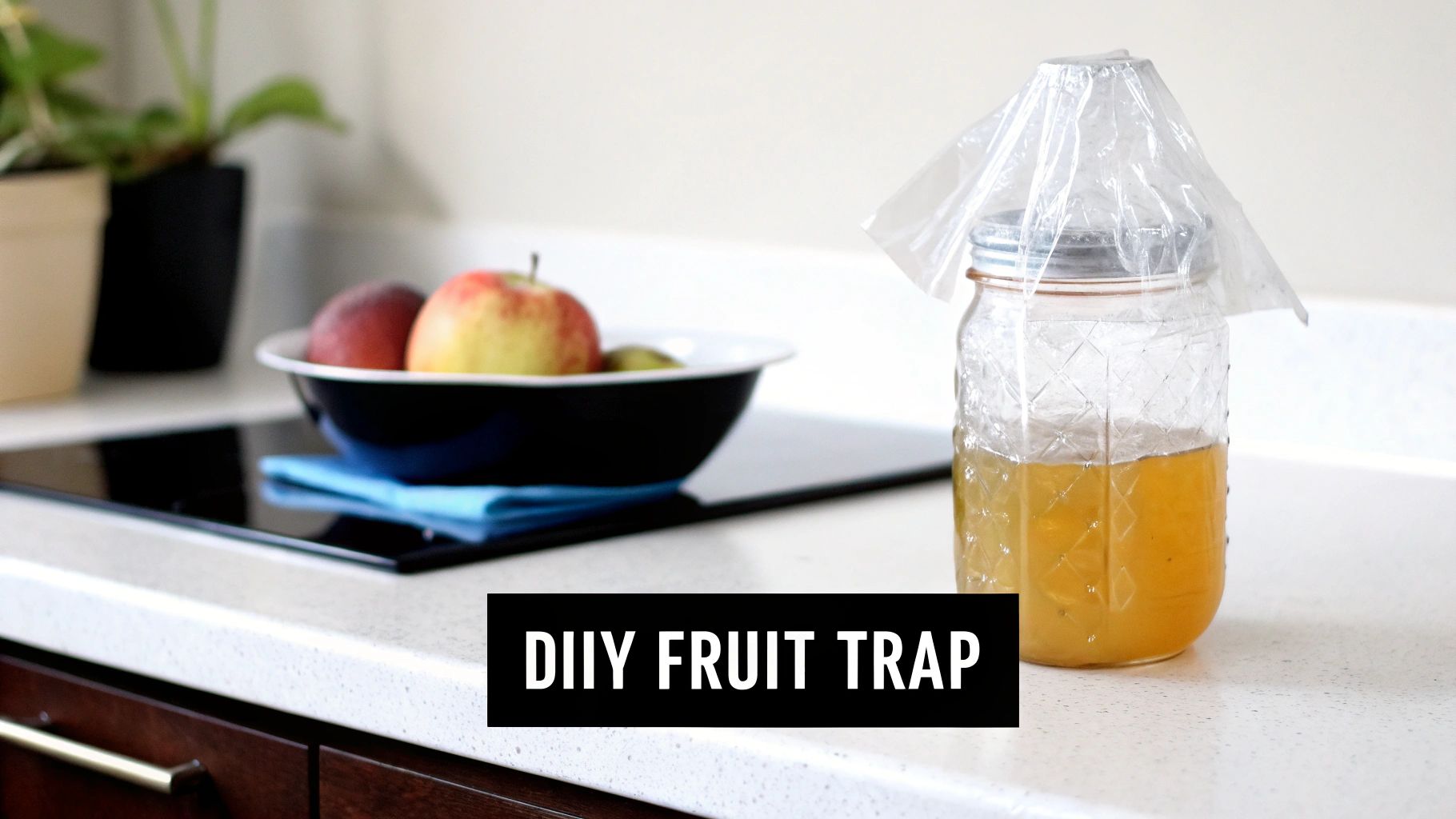
Sometimes a fruit fly problem appears out of nowhere, and you need a fix right now. Before you search where to buy fruit fly traps, check your kitchen. You likely have everything you need to make an effective trap in minutes.
This simple, no-cost method provides immediate relief while you figure out a long-term solution. It's the perfect first step to take back control of your kitchen without spending money or running to the store.
The Science Behind a Simple Trap
How does it work? The goal is to attract, trap, and eliminate. Fruit flies have an incredible sense of smell and are drawn to the scent of fermenting fruit. Apple cider vinegar is the perfect bait because it mimics their favorite snack.
But these pests are smart enough to land on liquid and fly away. That's where a drop of dish soap comes in. The soap breaks the vinegar's surface tension, so when the flies land for a drink, they sink and can't escape.
A homemade trap works so well because it hijacks a fruit fly’s natural instincts. You're tricking them by creating an irresistible lure out of everyday items.
How to Build Your Own Trap in 3 Steps
Ready to build one? It takes less than five minutes and works wonders.
-
Mix the Bait: Pour about an inch of apple cider vinegar into a small jar, glass, or bowl. The scent does all the work.
-
Add the Secret Weapon: Squeeze in one or two drops of liquid dish soap. Swirl it gently, but don't stir it into a bubbly mess.
-
Create a Funnel (Optional but Recommended): Roll a piece of paper into a cone, leaving a tiny hole at the tip. Place the cone in the jar, point-down. This creates a one-way path: easy for flies to get in, but nearly impossible to get out.
Set your trap near the problem area—next to the fruit bowl, by the sink, or near the garbage can—and let it work. For a deeper dive, you can learn all about how to trap and kill fruit flies using different DIY techniques.
A Modern Alternative to Traditional Traps
Catching fruit flies is reactive. But what if you could prevent them from showing up in the first place? Instead of just thinking about where to buy fruit fly traps, consider a smarter, more elegant solution that keeps them away entirely.
Think of it this way: a trap is a bucket for a leak, while a proactive approach is fixing the pipe. You’re not just managing the problem; you're creating an environment where flies can't linger.
Shifting from Reactive to Proactive Control
The biggest problem with traditional traps is that they need to attract flies to work. That means the pests are already buzzing around your food, drinks, and guests before they get caught. A proactive solution flips the script by creating an invisible barrier that repels them from the start.
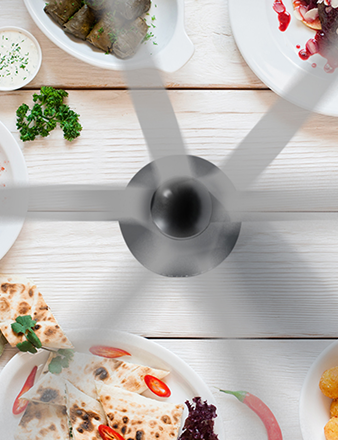
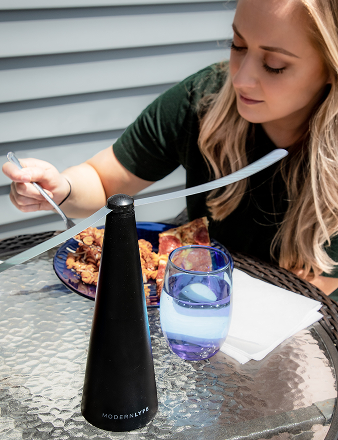
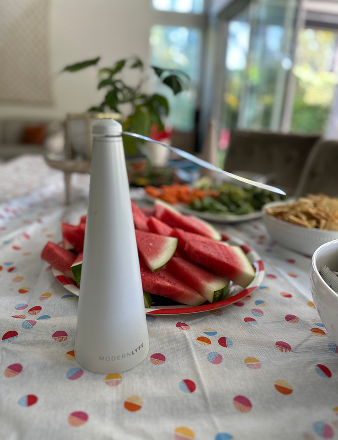
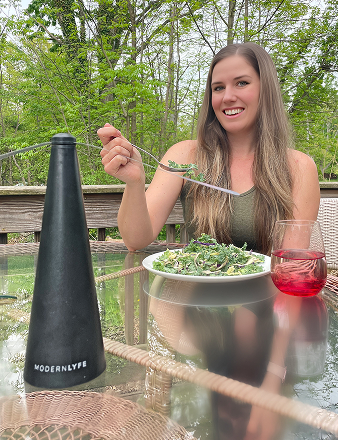
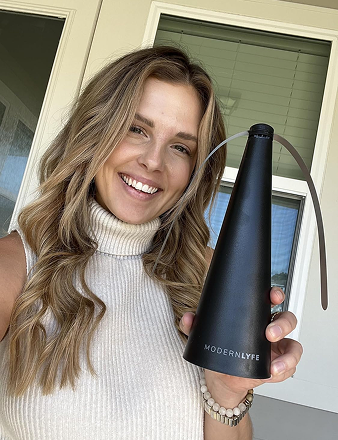
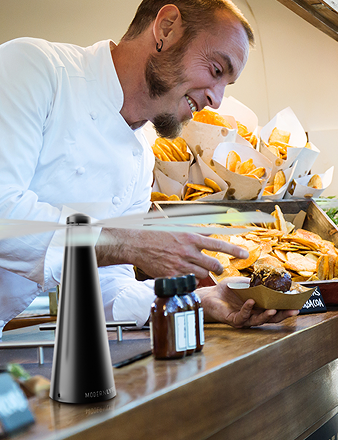
This is exactly how Modern Lyfe's fly fans operate. Their soft, rotating blades generate a consistent, subtle air current. While you'll barely notice the breeze, it’s enough to disrupt a fruit fly’s flight path, making it impossible for them to land on your food.
Instead of luring flies in, this method pushes them out. It’s a quiet, chemical-free force field for your dining table, protecting your meal without the gross-out factor of a traditional trap.
This preventative strategy is a game-changer, especially in places where hygiene and atmosphere are critical—like restaurants, outdoor weddings, or catered events.
The Benefits of a Trap-Free Approach
Switching to a fly fan over a conventional trap offers major benefits beyond just getting rid of pests. It improves the entire experience of a space. It’s no wonder this method is catching on; it solves the core problems that make traps a hassle.
Key benefits include:
- Chemical-Free Operation: They keep your air and food pure without sprays, baits, or pesticides. This makes them 100% safe around kids, pets, and food.
- Silent and Discreet: Forget the loud zap of a bug zapper. These fans are whisper-quiet. Their sleek, modern design blends in anywhere, from a picnic blanket to a high-end restaurant patio.
- Complete Food Protection: A trap only catches flies that find it. A fly fan creates a protective dome over an entire table, keeping your whole meal safe.
This focus on proactive hygiene is key to maintaining a truly clean environment. While fly fans handle airborne pests, a complete strategy means tackling other issues, too. For example, it’s just as important to eliminate other common kitchen pests like roaches from your sinks to ensure your kitchen is spotless. By combining these methods, you create a truly pest-free setting.
Got Questions? We’ve Got Answers.
Even with this information, you might still have a few questions about fruit fly traps. That's normal. Getting straight answers helps you pick the right tool for the job. Let's tackle some of the most common questions.
How Fast Will I See Results?
It depends on the trap and the severity of your fruit fly problem. A DIY vinegar trap or a good commercial liquid bait trap can start working within hours. If you're dealing with a large infestation, give it a day or two to see a noticeable reduction in their numbers.
Patience is key. But if you don't see any activity after 48 hours, try moving the trap. The best location is right next to the source—near the fruit bowl, by the sink drain, or beside the compost bin.
Are These Traps Safe for My Family and Pets?
Most fruit fly traps are designed with safety in mind.
- DIY and Liquid Bait Traps: Most use harmless ingredients like apple cider vinegar. Still, place them up high and out of reach of children and pets.
- Sticky Traps: These are almost always pesticide-free. The main issue is a curious pet getting fur caught in the adhesive. It’s a sticky mess, but not toxic.
- UV Light Traps: These are typically very safe. They don't use chemicals, and quality models have protective cages to keep fingers and paws away.
When in doubt, always read the label before you buy.
As a rule of thumb, place any trap—even non-toxic ones—where it won't be knocked over. The back of a countertop or a high shelf is usually a safe spot.
Ready to move beyond traps and keep flies off your food for good? Modern Lyfe offers a stylish, chemical-free way to protect your meals with our innovative fly fans. Discover a more elegant solution at https://modernlyfe.com.