Saturday service exposes weak systems fast. A sauce cup that tips, a garnish that dries out, a dessert that looks rushed, a buffet that attracts flies too easily. Small packaging choices turn into labor problems, food safety problems, and presentation problems within minutes.
That is why 1 oz mason jars earn their keep in hospitality. They are not novelty pieces. They are working tools for portion control, cleaner service, tighter prep, and a more polished guest experience.
The Tiny Jar with a Big Impact on Service
A busy event line usually breaks at the same points. Condiments get overportioned. Passed desserts lose their finish. Outdoor service needs protection without making the setup look institutional. When the team is moving fast, the smallest container often decides whether the line stays clean or gets sloppy.

In practical use, 1 oz mason jars solve several problems at once. They give front-of-house and back-of-house a defined portion. They make a basic sauce look intentional. They keep wet components contained instead of spreading across trays, boards, and buffet platters.
That matters most when volume rises. A wedding cocktail hour, a hotel brunch station, a tasting table at a market, or an outdoor catered lunch all benefit from containers guests can pick up confidently. Staff benefit too. A pre-filled jar is faster to set, easier to count, and easier to replace than a shared ramekin that has been touched by multiple guests.
Why the format still works
The mason jar started as a preservation tool, not a styling trend. John Landis Mason, a 26-year-old tinsmith, patented the screw-threaded glass jar on November 30, 1858. His design, featuring a rubber ring for an airtight seal, revolutionized home canning by providing a reliable way to preserve food, a principle that extends to today's food service standards for safety and freshness (Smithsonian Magazine).
That history still fits modern service. Hospitality teams are still chasing the same outcome. Keep food fresh, portioned, protected, and dependable under pressure.
Where they outperform disposable cups
A small plastic cup can hold sauce. It rarely improves the table. A glass jar does both jobs. It carries a stronger visual cue of care, which is useful when you are selling premium tastings, chef’s accompaniments, mini desserts, spice samplers, or takeaway favors.
If you are weighing jar service against disposable portionware, it also helps to compare with other compact formats such as 1 ounce cups. The decision usually comes down to one question. Do you want lowest-friction utility, or do you want utility plus perceived value?
Practical takeaway: Use 1 oz mason jars where guests see the item, photograph it, carry it, or associate it with your brand. Use simpler portionware where speed matters more than impression.
Understanding the Anatomy of a 1 oz Jar
Buying the wrong 1 oz jar rarely creates one obvious failure. It creates small operational problems that show up all shift long. Filling takes longer, lids get mixed between SKUs, racks hold fewer finished portions than planned, and dish staff spend extra time cleaning residue out of corners and threads. For hospitality teams buying by the case, the spec sheet matters more than the lifestyle photo.

The specs that affect operations
A common 1 oz straight-sided glass jar uses a 38-400 GPI neck finish and has an overflow capacity of 35 mL. Type III soda-lime glass is also a standard material for this format (TricorBraun 1 oz glass straight-sided jar).
Those details matter on the production table, not just in purchasing:
- 38-400 neck finish sets the lid size and thread pattern. If the finish does not match the closure, sealing becomes inconsistent and receiving turns into a cap-sorting exercise.
- Overflow capacity gives the team some headspace above the nominal fill. That helps keep the rim and threads clean, which matters for both appearance and food safety.
- Straight sides speed up filling with thicker products and make the jar easier to empty, soak, and wash for reuse programs.
At scale, the working volume matters as much as the advertised volume. A 1 oz jar filled right to the thread line looks sloppy, seals poorly, and slows the person capping it.
Read the neck finish like a buyer
Operators often check diameter and ignore finish. That is where expensive ordering mistakes start.
The neck finish is the cap fit standard. The first number refers to the opening size. The second number identifies the thread style. If jars and closures come from different suppliers, that code is what purchasing, receiving, and prep all need to verify before a single case gets opened.
I treat neck finish as an inventory-control issue as much as a packaging issue. Standardizing one finish across sauce jars, garnish jars, and retail add-ons reduces mis-picks and keeps backup lids usable across more than one menu item.
Round or square
Shape changes more than appearance. It affects how jars pack into milk crates, how quickly they fill on a speed rack, how stable they feel on passed trays, and how much effort dish staff spend getting them clean again.
| Feature | Round Jar (Straight-Sided) | Square Jar |
|---|---|---|
| Filling and scraping | Excellent for smooth product flow and cleanup | Good, but corners can change how thicker products settle |
| Waste reduction | Better for cleaner emptying | Better used when branding or footprint matters most |
| Stability in service | Familiar and easy to handle | Feels more planted on tight displays |
| Label space | More limited wrap area | Better for front-facing labels |
| Storage efficiency | Less efficient in case packing and shelf rows | Packs tighter in storage and transport |
| Look on the table | Soft, classic, versatile | Modern, organized, retail-ready |
Round jars usually win in back-of-house efficiency. They fill faster, scrape cleaner, and are easier to wash well after sticky products.
Square jars earn their place when front-of-house presentation and storage density matter more. They line up neatly in cases, waste less shelf width, and give branding a cleaner face. The trade-off is cleanup. Corners hold thick chutneys, custards, and spice pastes longer than a straight-sided round jar will.
What square jars do better
Square jars are useful when the jar has to work as both container and label surface. That matters for corporate catering, hotel welcome amenities, retail add-ons near checkout, and any setup where staff need guests to identify the product without picking it up.
That makes square jars useful for:
- Corporate catering where logos and menu identifiers matter
- Retail grab-and-go add-ons where a front panel needs to read cleanly
- Outdoor stations where a more planted footprint feels safer
Tip: For high-speed filling and repeat washing, choose straight-sided round jars. For denser storage, cleaner front labels, and more structured presentation, choose square jars and accept the extra cleaning attention.
Creative Culinary and Service Applications
A 200-person reception can fall apart on garnish and sauce control alone. The plate looks sharp in the prep kitchen, then service starts, spoons disappear, condiments skin over, and one open bowl of chili crisp turns into a smear across the station. A 1 oz jar fixes that by turning fragile presentation into a repeatable unit your team can stage, count, chill, transport, and replace fast.

Condiments that hold their line in service
Shared sauce vessels break down quickly at outdoor events, cocktail hours, and self-serve stations. Wind, guest contact, and rushed refills make the setup look tired long before the food is gone. Small jars keep each portion contained and keep staff out of constant cleanup mode.
Aioli, chimichurri, hot honey, chili crisp, whipped feta, onion jam, pepper relish, and finishing salts all benefit from this format. Guests get a clean portion. The buffet stays tighter. The expo team can count jars instead of guessing how many spoonfuls are left in a crock.
There is a trade-off. Pre-portioning takes labor up front, so it pays off most on menus where presentation tends to collapse during service or where guest contact creates a food safety risk. For teams building SOPs around this format, clear food service hygiene standards matter as much as the visual result.
Mini desserts that travel better than plated bites
A 1 oz jar gives small desserts structure, lid protection, and stackable staging. That matters in off-site catering, hotel banquets, and any service where the pastry team finishes hours before guests eat.
Use them for:
- Layered panna cotta
- No-bake cheesecake bites
- Lemon curd with crumb topping
- Chocolate pots
- Tiramisu-style spoon desserts
The operational gain is simple. Staff can tray, chill, transport, and pass these desserts with fewer touchpoints than loose plated minis. The guest sees the layers, but the kitchen gets a format that survives movement.
Samples that sell without slowing the line
Tastings are hard to execute during active service. Tiny jars give chefs and managers a controlled way to test a seasonal jam, compound butter, infused sugar, dessert spoonful, or sauce flight without tying up plates, ramekins, or pickup space.
I use them when a product needs to be seen and tasted, but not explained three times by a server. The portion is fixed, the look is consistent, and the cost per sample stays easier to track. That makes them useful for menu trials, VIP tastings, retail upsells, and chef-attended stations where speed matters.
Event favors that also solve packaging
Edible favors only work if they leave the venue intact and still look intentional the next day. A small lidded jar handles transport better than paper wraps or open cups, and it gives planners one package that can function as favor, place setting detail, or branded takeaway.
Square jars are often the better fit here because the flat face reads cleanly for logos, product names, ingredient notes, or a QR code. As noted earlier, that front panel advantage matters when the jar has to do retail and presentation work at the same time.
Strong favor fills include infused salts, spice blends, honey, jam, tea sugar, and dessert toppers. Keep the assembly tight. Clean lid, straight label, readable type.
Interactive stations with less reset work
Chef stations and brunch bars usually fail on maintenance, not concept. Too many wet components sit open, guests cross-use spoons, and the station needs attention every few minutes. Small jars let the team batch high-risk items into controlled portions and swap them out cleanly.
They work well for:
- Yogurt topping sets
- Bloody Mary garnish salts
- Butter service with individual toppings
- Biscuit bars with jam flights
- Seafood accompaniments in single portions
Start with the messiest items first. Once sticky, oily, or highly aromatic components are contained, the whole station reads cleaner and the reset burden drops.
Mastering Filling Sealing and Hygiene
Beautiful jars lose value fast if the filling process is slow or the finish is sloppy. At scale, technique matters more than creativity.
Fill for speed, then for appearance
Use the tool that matches the product. Thin liquids behave differently than whipped fillings, and teams waste time when they try to force one setup to handle everything.
A practical workflow looks like this:
- Use funnels for pourable items. Dressings, syrups, vinaigrettes, and smooth coulis go in fastest with a stable funnel station.
- Use piping bags for creams and layered desserts. This keeps rims cleaner and gives better visual control.
- Use portion scoops or narrow spoons for chunky condiments. Relishes, jams, and chutneys usually need a slower but cleaner approach.
- Wipe threads before lidding. Residue on the neck leads to poor closure, messy lids, and a lower-end appearance.
The goal is not only speed. It is repeatability. If every jar closes cleanly and looks uniform, service setup becomes counting and placement, not rework.
Match the seal to the job
Not every use case needs the same closure strategy. Some jars are filled for immediate service. Others are prepped ahead, transported, chilled, or handed to guests.
For hospitality teams, the practical split is simple:
- Immediate service closures work for same-day buffet use, tray-passed accompaniments, and dessert components.
- Airtight closures matter when freshness, spill prevention, and transport reliability carry more weight.
- Tamper-aware presentation matters when the jar is sold, gifted, or placed in self-serve environments.
A mismatched lid creates operational drag. Staff should not need to guess which cap belongs to which jar once production starts.
Hygiene is where tiny jars either shine or fail
Small containers can improve hygiene because they reduce shared contact. They can also create risk if teams treat them like props instead of food-contact packaging.
Good jar hygiene in a commercial environment depends on a few essential practices:
- Sanitize before filling: New jars still need proper prep before food contact.
- Separate filling and closing zones: This prevents product smearing, cross-contact, and clutter.
- Label batches clearly: If multiple sauces or allergens are in play, visual separation matters.
- Keep service replacements ready: Do not refill jars on the floor during active service if you can avoid it.
For teams tightening procedures, this guide to food service hygiene standards is a useful reference point.
Key takeaway: The cleanest-looking jar usually comes from the calmest production setup. Tight stations, matched tools, and clear lid organization beat rushing every time.
Effective Branding and Presentation Strategies
A 1 oz jar can make a product feel premium before the guest tastes it. That is why presentation is not decoration. It is positioning.

Labeling should support service, not fight it
The best label for a tiny jar is the one staff can apply consistently and guests can read quickly. Overdesigned labels often wrinkle, peel in cold storage, or cover the product so completely that the glass loses its appeal.
A stronger approach is to decide what the jar needs to do first:
- Retail-facing jars need product name, ingredients, and a design system that reads from a short distance.
- Event favors need identity and occasion. A short message usually beats a full wrap.
- Buffet and tasting jars need clarity. Guests should know what they are picking up without asking.
Minimal labels often outperform busy ones because the food remains visible. The glass itself is part of the presentation.
Small accessories can raise perceived value
A tiny spoon, a clean hang tag, a lid sticker, or a narrow band of twine can change how the guest reads the item. These details work best when they support the service style.
For example, rustic weddings can carry a handwritten look without becoming cluttered. Corporate catering usually benefits from sharper, cleaner finishes with direct branding and consistent placement.
Use accessories sparingly. If the jar is too small for the add-on, the add-on wins and the product disappears.
Display strategy matters more than many teams think
A row of jars can look disciplined or random depending on spacing, height, and grouping. On buffets, keep one visual rule. Either line jars tightly in grids, or cluster them with enough separation to feel intentional.
What works well:
- Repeating one lid color across a category
- Grouping by flavor or course
- Using risers only when they improve sightlines
- Keeping labels turned outward before guests arrive
What usually fails:
- Mixed lid styles on the same display
- Overcrowded tables with no pickup flow
- Decorative filler that competes with the product
- Labels applied at different heights
The guest should understand the offer at a glance. If they need to rotate the jar, read tiny text, or guess the contents, the display is doing extra work for no benefit.
Sourcing Bulk Purchasing and Logistics
Many good jar programs go wrong at this stage. The concept is solid, the service team likes it, guests respond well, and then the back-of-house runs into storage, breakage, receiving, and reordering headaches.
Buy with storage in mind
A case of 336 one-ounce jars occupies about 0.5 cubic feet and can weigh nearly 44 lbs, which gives managers a more realistic starting point for shelf and receiving planning. The same packaging context notes a typical 2-5% transit breakage rate for glass goods, which is why storage and handling routines matter after delivery as much as the purchase itself (Container & Packaging G874CL).
Those numbers matter because tiny jars multiply fast. One or two cases can disappear into production. Several cases can take over shelving if there is no assigned storage plan.
What to check before placing the order
Do not buy solely by unit price. The full cost includes lids, space, handling time, and how easily your team can work with the jar at volume.
Review these points before committing:
- Case configuration: A larger case can reduce ordering frequency but increase receiving strain and shelf load.
- Lid inclusion: Some suppliers bundle caps. Others do not. That changes both cost and procurement complexity.
- Jar shape: The wrong shape can waste shelf geometry or slow filling.
- Operational fit: A jar that looks good online may still be a poor match for your prep station, transport crates, or display setup.
For managers building a broader purchasing system, these wholesale and bulk buying strategies from Allied Drinks Systems are useful because they push the conversation beyond sticker price and into inventory behavior.
Store them like fragile inventory, not generic dry goods
Glass does not forgive casual storage. Keep cases in a clean, dry area and avoid stacking them in ways that force lower cartons to carry unstable weight. If your team pulls partial sleeves often, create a dedicated pick zone so full cases are not constantly opened and re-handled.
A few practices help immediately:
- Assign one shelf band to active jar stock
- Store lids in labeled bins by finish
- Open cases cleanly and keep inner packaging if it helps separation
- Move jars to production in smaller batches instead of full case dumps
If you are deciding between glass jars and simpler disposable formats for certain menu lines, it can help to compare this option with 1 oz cups with lids. That comparison is often less about aesthetics and more about labor, breakage tolerance, and service style.
Manager’s view: Bulk buying only saves money when receiving, storage, and usage stay organized. If the team loses lids, chips jars, or over-orders beyond available shelf space, the lower unit cost disappears quickly.
The trade-off
Glass looks better and can support reuse in some operations. Plastic can be easier in high-vibration or rough-transport environments. There is no universal winner. The right answer depends on whether your service model values polish, resilience, reusability, or the lowest-friction setup.
For premium catering, tasting menus, event gifting, and visible buffet presentation, 1 oz mason jars often justify the added handling discipline. For purely utilitarian use, they may not.
Conclusion Small Jars Big Opportunities
The strongest hospitality tools do more than hold food. They solve several service problems at once. 1 oz mason jars can improve portion control, sharpen presentation, support cleaner outdoor service, and give teams a more organized way to prep and display small-format items.
The details make the difference. Pick the right shape. Match the correct closure. Fill with the right tools. Label for quick reading. Buy with storage and breakage in mind, not just price. Teams that handle those basics well get a container that works hard in both front-of-house and back-of-house.
That is the true value of these jars. They turn tiny servings into something that feels considered. In a restaurant, on a buffet, at a wedding, or at a market stall, that kind of precision stands out.
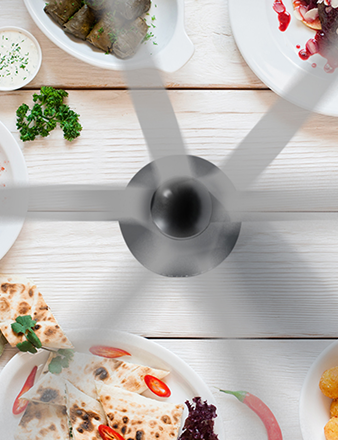
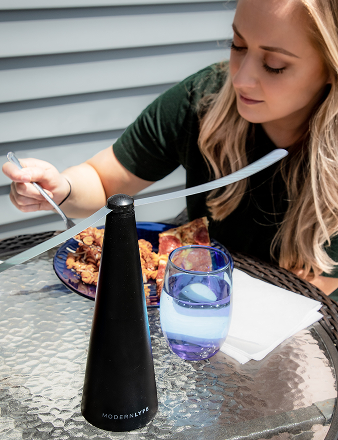
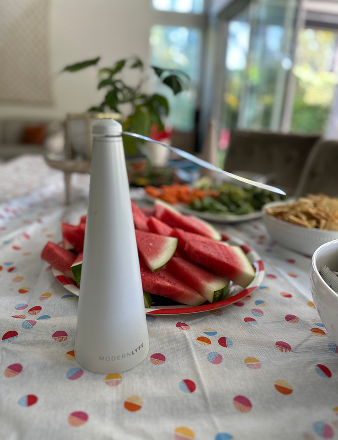
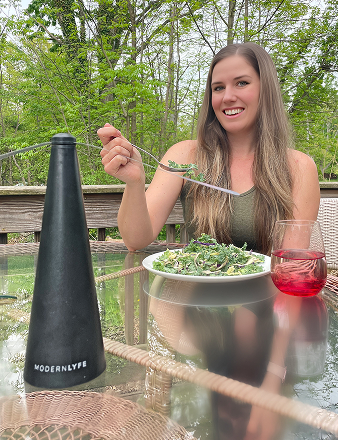
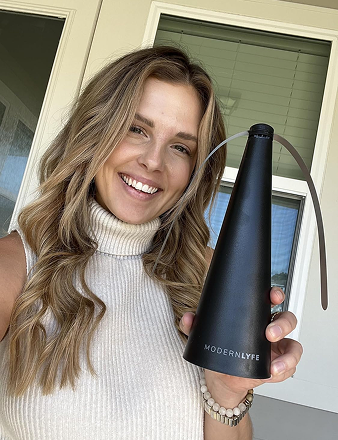
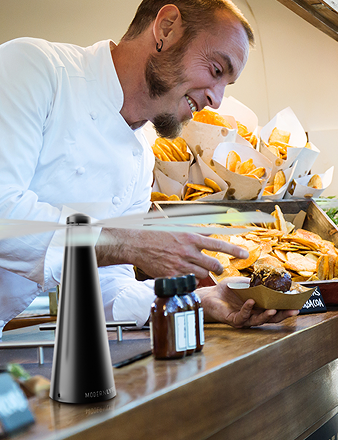
For hospitality teams that care about food protection as much as presentation, MODERN LYFE offers stylish solutions that help keep buffet lines, outdoor dining setups, and event tables cleaner and more comfortable for guests. Their fly fans fit naturally into modern service environments where hygiene and appearance both matter.