In food service, small details have a big impact. The 1 oz plastic cup is a perfect example—a small tool that’s a powerhouse for portion control, sampling, and creating a professional experience.
From restaurants to events, these tiny cups are essential for everything from serving sauces to offering samples.
The Role of 1 Oz Cups in Hospitality
Think of the 1 oz plastic cup as a secret weapon for your kitchen or event. It's small, but its effect on your efficiency, costs, and guest experience is huge. For any owner or planner, these cups aren't just plastic; they're tools for precision.
They ensure every guest gets the same amount of sauce, dressing, or dip. This consistency is key for managing inventory and controlling costs, stopping the slow drain that comes from accidental over-serving.
Why They're a Business Essential
Beyond measuring, these cups are fundamental to a smooth, professional operation. An organized condiment station with pre-filled 1 oz cups looks cleaner and more inviting than a mess of sticky squeeze bottles. It also speeds up the line during a rush, letting staff assemble orders faster and with fewer mistakes.
They're great for marketing, too. Offering a sample of a new craft beer, a signature sauce, or a gourmet dip in a 1 oz cup is a low-cost, high-impact way to get customers excited about your menu. It’s a small gesture that can directly boost sales and make people feel valued.
The real power of the 1 oz cup is standardization. It turns portioning from a guess into a precise, repeatable science—the foundation of any profitable food service business.
To see how these cups can fit into your operation, here's a simple breakdown.
At-a-Glance Guide to 1 Oz Cups
This table summarizes the core functions and benefits of the 1 oz cup, giving you a quick reference for how to use them.
| Aspect | Details and Considerations |
|---|---|
| Common Uses | Condiments (ketchup, mustard, soy sauce), sauce samples, Jell-O shots, salad dressings, craft supply storage, medication distribution. |
| Material Options | PET (Polyethylene Terephthalate): Crystal-clear, durable, and great for showcasing contents. PP (Polypropylene): More flexible, often translucent, and suitable for hot or cold items. |
| Primary Benefits | Portion Control: Reduces food waste and ensures cost consistency. Sanitation: Pre-filled cups are more hygienic than communal containers. Efficiency: Speeds up service lines and food prep. Professionalism: Creates a clean, organized presentation. |
Ultimately, these cups are a versatile solution for everyday challenges in the food and beverage industry.
Key Applications and Benefits
The versatility of the 1 oz plastic cup makes it indispensable. Its small size is perfect for countless tasks, each one helping you run a tighter, more professional operation.
Here are a few of the most common ways you'll see them used:
- Condiment Service: Perfect for dishing out ketchup, mustard, soy sauce, or salsa for takeout and dine-in. No more guessing.
- Sample Distribution: The ideal container for offering tastes of beverages, sauces, or new menu items at trade shows, markets, or in-store demos.
- Jell-O and Pudding Shots: A staple for bars and parties. Their size is just right for single-serving alcoholic or kid-friendly gelatin treats.
- Dressing Portions: A must-have for to-go salads. It prevents soggy greens and lets customers dress their salad when they're ready to eat.
Mastering simple tools like the 1 oz cup is a huge step toward refining your service. As you look for ways to elevate your business, you can also find great tips in our guide on how to improve guest satisfaction.
Choosing the Right Materials and Lids
Not all 1 oz plastic cups are the same. Choosing the wrong one can lead to cracks, leaks, and unhappy customers. Getting it right means knowing what your cups are made of. Each material has strengths and weaknesses suited for different jobs in a busy kitchen or at a crowded event.
You'll mainly find three types: Polystyrene (PS), Polypropylene (PP), and Polyethylene Terephthalate (PET). Think of them like different tools. You wouldn't use a delicate knife for a tough job, and you shouldn't use a brittle PS cup for hot nacho cheese.
This decision guide helps match the right cup to the right task, whether you're portioning ingredients, offering samples, or serving guests.

The takeaway is simple: your main goal—be it portioning, sampling, or service—should drive your choice of both the cup and its lid.
A Practical Guide to Cup Materials
Let's get into the details so you can stock your inventory with confidence. Your choice affects how your food looks, holds up, and stays safe for customers.
Here's the rundown on each material:
- Polystyrene (PS): This is your go-to for presentation. PS has a glass-like clarity that makes colorful contents pop, perfect for showing off gourmet jellies or vibrant dips. Just remember, it’s more brittle and is only for cold or room-temperature items.
- Polypropylene (PP): When you need something tough that can handle heat, PP is your workhorse. It's more flexible than PS, so it's less likely to crack. This makes it the only real choice for hot liquids like au jus, warm cheese sauces, or spicy condiments.
- PET (Polyethylene Terephthalate): You've seen PET everywhere—it's what most water and soda bottles are made of. It offers great clarity like PS but with much better durability. It’s a great all-around option for any cold application where you need both strength and good looks.
These little cups are big business. Disposable cups are part of a massive global industry, a market that hit USD 17.40 billion in 2024 and is still growing. The portion cup segment alone, valued at USD 1.65 billion in 2024, is booming as businesses lean on them for convenience. You can [see how market trends are evolving](https://www.fortunebusinessinsights.com/disposable-cups-market-102 Disposable-cups-market-102613) and learn how sustainability is shaping what businesses buy.
Don’t Forget the Lids
A portion cup is only as good as its lid, especially for takeout or delivery. A cheap or mismatched lid is a recipe for spills and complaints. Most 1 oz plastic cups have compatible flat or dome lid options.
A secure, leak-proof lid isn’t a nice-to-have; it's a critical part of your brand's promise. For a food truck or delivery-focused kitchen, it's non-negotiable.
Flat lids are standard for easy stacking and transport. Dome lids give you extra room for whipped toppings or a little more sauce. Always double-check that the lids you're buying are designed for the cup model you use. It's the only way to ensure a tight seal every time.
Mastering Portion Control Math for Your Business
 In food service, guesswork is the fastest way to lose money. Small inconsistencies—a little extra sauce here, a heavy pour there—add up to serious losses. This is where 1 oz plastic cups become a valuable tool for nailing portion control and protecting your profits.
These little cups let you swap vague instructions like "a splash of sauce" for a precise, repeatable measurement. Suddenly, every serving is standardized. That means your food costs become predictable and manageable. This precision stops over-serving and cuts down on the food waste that eats away at your bottom line.
The Basic Formula for Event Ordering
Figuring out how many cups you need for an event shouldn't be a guessing game. A straightforward formula can bring order to the chaos, saving you from over-ordering or running out mid-service. It all comes down to your guest count and the number of items you're serving.
The core formula is simple: (Number of Guests) x (Average Servings Per Guest) = Total Cups Needed
For a condiment station, you might expect most guests to take a serving of ketchup and another of mustard. In that case, your "Average Servings Per Guest" would be 2.
Let's walk through a real-world example.
Event Scenario: Barbecue for 200 Guests You're catering a big barbecue and offering two signature sauces. You know most people will try one of each. To be safe, you calculate based on 1.5 servings per guest to account for those who come back for more.
Calculation: 200 Guests x 1.5 Servings = 300 Cups Buffer: 300 Cups x 15% = 45 Extra Cups Total to Order: 345 Cups
Why You Always Need a Buffer
That initial calculation is your baseline, but events rarely go exactly as planned. That’s why you should always add a 10-15% buffer to your final number. Think of it as cheap insurance against the unexpected.
A buffer provides a safety net for common issues:
- Accidents and Spills: In a busy setting, someone will drop a tray or spill filled cups. It’s inevitable.
- Unexpected Demand: What if one of your sauces is a huge hit? You don't want to run out early.
- Generous Guests: Some people will always take more than the average. Your buffer ensures that doesn't throw off your inventory.
A small overage costs little but prevents the bigger problem of running out, which can disrupt your event and hurt your reputation.
Applying the Math to Different Scenarios
The best part about this formula is its flexibility. You can use the same logic whether you're portioning condiments, Jell-O shots, or product samples. Even for massive events with multiple service points, like those needing a 10 gallon drink dispenser, you can apply this portioning math to get a solid estimate.
Here’s how you might adjust the "Average Servings Per Guest" variable:
- Condiment Stations: Plan on 1.5 to 2 servings per person.
- Jell-O or Pudding Shots: Estimate 1 to 1.5 servings per guest.
- Product Samples (Dips, Sauces, etc.): A more conservative estimate of 1 serving per guest is smart.
By turning inventory planning into a simple math problem, you gain control over your costs, reduce waste, and ensure every event runs smoothly.
Smart Ordering, Storage, and Sanitation Practices
Managing your stock of disposables is about more than just not running out. It's a key part of running an efficient, safe operation. When it comes to something as small as a 1 oz plastic cup, proper handling keeps you compliant, cuts waste, and ensures service flows smoothly.
Your strategy should start long before the cups arrive. It begins with smart bulk ordering and choosing suppliers carefully. A bad batch of flimsy cups can disrupt service and make your business look bad. A reliable supplier is your first line of defense.
Proper Storage Techniques
Once those boxes of 1 oz plastic cups arrive, how you store them is everything. Shoving them in any old corner is a recipe for dust, pests, and other contaminants, defeating the purpose of a clean, single-use item.
Think of the plastic sleeves the cups come in as protective shields—keep them sealed for as long as possible.
Here are a few non-negotiable rules for your inventory:
- Get Them Off the Floor: Always store boxes on shelves or racks, at least six inches off the ground. This is a standard health code rule for a reason.
- Use a Dedicated Dispenser: Once a sleeve is open, load the cups into a clean, covered, food-safe bin or a proper cup dispenser.
- Keep Them High and Dry: Find a cool, dry storage spot away from sinks, chemicals, and busy walkways.
A simple system like this protects your investment and ensures every cup is clean and ready to use.
Sanitation and Handling Protocols
Now for the final, most critical step: handling. All that careful storage is wasted if your staff doesn’t follow basic hygiene. This is where good training becomes second nature.
Proper handling isn't just about passing a health inspection. It’s a direct message to your customers that you care about their well-being. A cleanly handled cup builds trust.
To make sure your team is always on point, drill these protocols until they're automatic:
- Wash Your Hands: This is the bare minimum. Staff must wash their hands with soap and water before touching or filling the cups.
- Glove Up for Big Batches: When pre-filling hundreds of sample cups for an event, wearing single-use gloves is a must to prevent cross-contamination.
- Handle from the Bottom: Train everyone to grab cups from the base, never the rim where a person’s mouth will be.
These simple habits are the foundation of food safety. To give your team a deeper dive, check out these food service hygiene standards and ensure your operation is not just compliant, but exceptional.
Thinking Beyond Plastic: Your Guide to Sustainable Alternatives
Let's be direct—the conversation around single-use plastics has changed. For anyone in hospitality, the environmental footprint of traditional 1 oz plastic cups is now a major concern. This isn't just about pleasing a few customers; it’s about getting ahead of regulations and making a smart business decision that resonates with today's consumers.
Making the switch isn’t a sacrifice. It’s a statement. Customers are savvy and actively look for businesses that care. Choosing a sustainable option for something as simple as a portion cup is a small, visible change that shows you're paying attention.

What Are the Go-To Eco-Friendly Options?
Moving away from traditional plastic doesn't mean giving up on quality or performance. In fact, some alternatives are fantastic. Each has a different profile when it comes to cost, durability, and disposal.
Here’s a quick rundown of the main players replacing standard 1 oz plastic cups:
-
PLA (Polylactic Acid) Cups: These are the chameleons of the eco-world. Made from plant starches like corn, they look and feel just like clear plastic. They’re perfect for showing off colorful sauces or samples but are for cold items only. The key here is they are commercially compostable, meaning they need an industrial facility to break down.
-
Bagasse Cups: Bagasse is the fibrous material left over after processing sugarcane. These cups are surprisingly sturdy, handling both hot and cold items easily. Even better, they're typically both compostable and biodegradable, making them a top-tier choice for sustainability.
-
Paper Cups: A familiar classic. Modern paper portion cups usually have a plant-based (PLA) lining to make them leak-proof. They offer a comfortable feel for customers and are a great compostable option when certified.
The industry is already moving in this direction. The market for PLA cups, including the 1 oz size, was valued at USD 192.6 million in 2025 and is expected to hit USD 299.1 million by 2035. That growth is driven by major food service brands making sustainability a priority.
How to Make the Right Choice for Your Business
So, which one is right for you? If you need a clear, plastic-like look for cold samples, PLA is a seamless swap. If you’re serving both hot soup samples and cold dips, the versatility of bagasse is hard to beat.
Your decision will likely come down to three things: your specific use, your budget, and whether you have access to a commercial composting service in your area (which is crucial for PLA).
Embracing sustainability is no longer a niche strategy—it’s a core part of a modern brand. Switching to eco-friendly 1 oz cups tells a story about your commitment to quality and responsibility, a message that resonates with today's consumers.
As you look for ways to operate more responsibly, it’s worth digging deeper. For a comprehensive look at what’s available, this guide to eco-friendly disposable cups is a fantastic resource. Making this change now prepares you for future rules and turns a simple cup into a genuine connection with your customers.
Your Questions About 1 Oz Cups Answered
When you're running a restaurant or planning an event, the same practical questions come up again and again. Let's get you clear, no-nonsense answers about 1 oz plastic cups so you can make quick, confident decisions.
Here are some of the most common things we get asked.
Are All 1 Oz Plastic Cups Food-Safe?
Yes, if you buy them from reputable suppliers who guarantee their products are food-grade and BPA-free.
But it gets more specific. For cold items—like salad dressing or sour cream—standard PET or PS cups are fine. The moment you introduce heat, like a warm cheese sauce or hot au jus, you must switch to PP (polypropylene). These cups are built to handle higher temperatures without warping or leaching, which is non-negotiable for safety.
What Is the Most Cost-Effective Eco-Friendly Alternative?
Right now, PLA (polylactic acid) cups hit the sweet spot between sustainability and performance. They look and feel like traditional clear plastic, keeping your presentation sharp, but they're made from plant-based materials and are commercially compostable.
While they may have a slightly higher upfront cost, they pay you back in other ways. They strengthen your brand’s reputation and get your business ahead of the curve as more plastic regulations come into play.
Using eco-friendly alternatives is no longer just a trend; it's a strategic move. It shows your customers you are thoughtful about your impact, which builds loyalty and sets you apart from the competition.
How Do I Calculate the Number of Cups Needed for an Event?
A solid rule of thumb is to plan for 1.5 to 2 condiment cups per person. So, for a barbecue for 200 guests with two different sauces, here’s the simple math:
200 guests × 2 sauces × 1.5 servings = 600 cups.
That's your baseline. From there, always add a 10-15% buffer. This small overage is your safety net for spills, drops, or guests who just really love your barbecue sauce.
How Can I Store Bulk Orders of Cups Hygienically?
You can't cut corners here. Food safety depends on proper storage. Always keep your 1 oz plastic cups in their original sealed sleeves until you're ready to use them.
Store those sleeves in a clean, dry area at least six inches off the floor to protect them from moisture and pests. Once a sleeve is open, the best practice is to move the cups into a dedicated, covered dispenser or bin. This shields them from airborne dust and prevents cross-contamination in a busy kitchen.
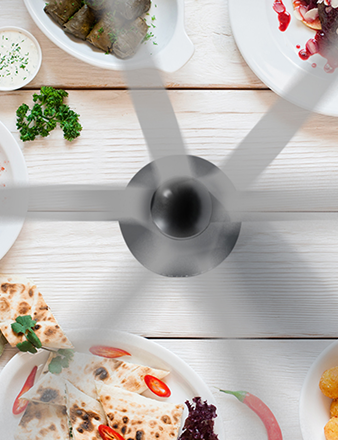
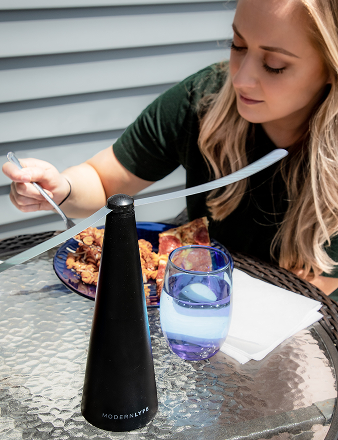
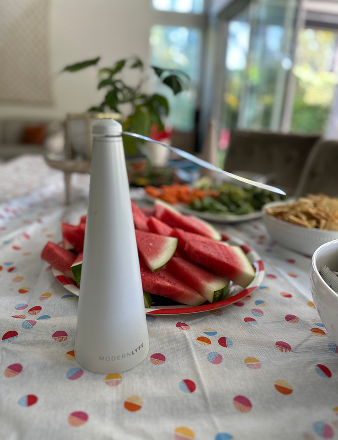
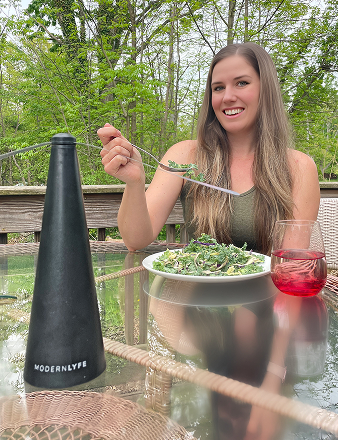
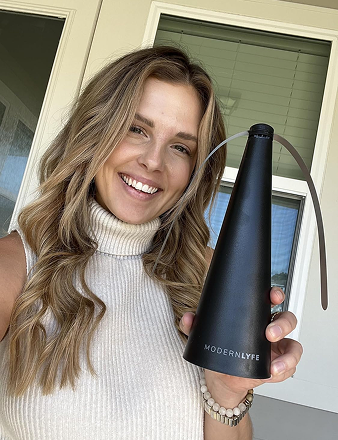
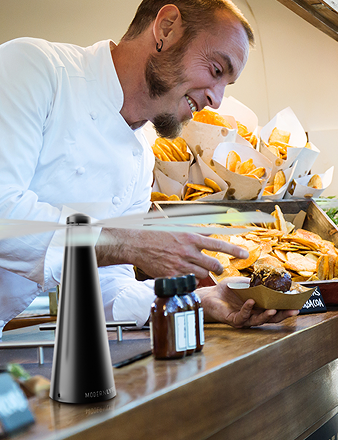
Ready to streamline your service with the perfect fly-free solution? Explore the elegant and effective fly fans from MODERN LYFE to protect your food and enhance guest comfort. Visit the MODERN LYFE website to find the right fit for your needs.