You’re usually a few hours from guest arrival when pest control stops being abstract. The rentals are in place, the florals look right, the food team is on schedule, and then someone notices movement under the dessert skirt or along the edge of a serving table. That’s when a minor nuisance becomes a service problem.
Anyone who’s planned outdoor dining knows the pattern. Ants don’t arrive as chaos. They arrive with purpose. That’s why 100 hungry ants is a useful framework for event work. In Elinor J. Pinczes’s One Hundred Hungry Ants, the ants march toward a picnic and keep reorganizing to get there more efficiently. That same determination shows up at real events. If food is accessible, ants will keep working the problem until they find a route.
The difference between a smooth event and a cleanup drill is rarely luck. It’s setup, scouting, staff response, and post-event discipline.
From Picturesque Picnic to Pest Invasion
The table is set, the glassware is catching the light, and service is ten minutes from opening. Then a server spots a line of ants climbing the linen at the pastry station. At that point, the problem is no longer cosmetic. It is operational.
Outdoor events usually break down through one bad placement decision. A lemonade dispenser sits near a hedge. A trash liner stays open behind the bar. A dessert table gets set over stone seams and shaded just enough that nobody notices activity at floor level until guests do. Ants do not need a dramatic opening. They need one reliable route.
I’ve watched strong event designs get compromised by a simple mistake: food positioned where pests can work it easily. Clients focus on menu, timing, and presentation. Ants focus on sugar, cover, and repeat access. The side that plans those details better gets control of the event.
What goes wrong first
The pattern is predictable.
- Unprotected sweets: Fruit, pastries, syrups, and cake displays usually get hit first.
- Decor that blocks visibility: Floor-length linens and heavy skirting can hide pest traffic until the issue reaches guest eye level.
- Weak table placement: Buffet and beverage stations set near grass, mulch, pavers, or exterior walls give ants an easy approach.
- Slow response to spills: A drip of punch or glaze can become a marked trail within service time.
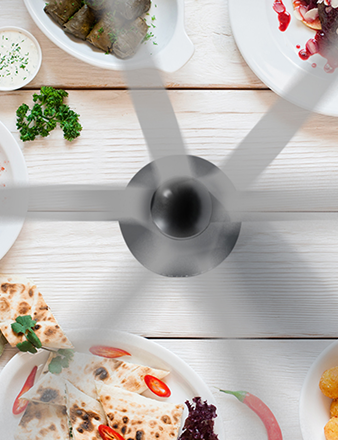
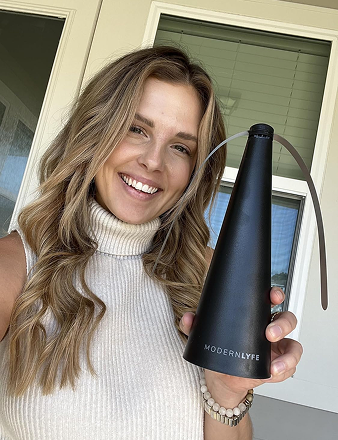
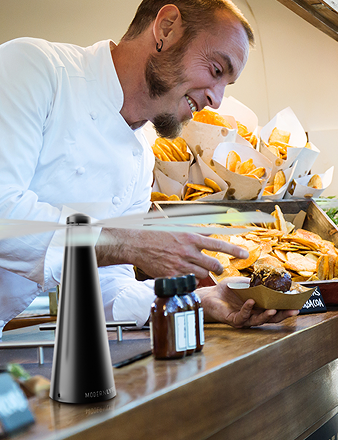
- No airflow deterrent at exposed food: Modern tools like fly fans do more than improve comfort. They help disrupt access around uncovered service points, especially where plated garnishes or sweets are briefly exposed.
That is why the 100 hungry ants idea works so well for event teams. In the children’s book One Hundred Hungry Ants, the colony keeps reorganizing to reach the picnic faster. Real infestations behave the same way. If one path gets blocked, they test another. If one attraction disappears, they shift to the next strongest food cue.
Treat ant pressure as a routing problem, not a surprise.
That mindset changes setup decisions fast. You stop treating pest control as a last-minute spray request and start using integrated pest management methods for events and food service areas, which means reducing attractants, limiting access, and giving staff clear response steps before service starts.
It also keeps teams from overcorrecting. A visible ant line does not always call for the same fix. Fire ants near guest areas, for example, raise a different level of safety concern than small sugar ants under a cake table, and venue managers may need location-specific guidance such as this resource on how to kill fire ants naturally.
The lesson from the book is simple and useful. Hungry ants keep reorganizing. Smart event teams do too, before the picnic turns on them.
Pre-Event Reconnaissance Your First Line of Defense
The event looks calm at 10 a.m. By 1 p.m., a dessert station near a planter can turn into an ant route because no one checked where the pressure points were before load-in. That is why reconnaissance matters. Once food is out, your choices shrink fast.

Walk the site like service will happen
Run the walkthrough in service mode, not tour mode.
Start where ants are likely to stage and travel. Check paver joints, lawn-to-patio transitions, planter rims, irrigation heads, fence lines, utility boxes, loading paths, and trash holding areas. Then trace the route from those spots to every place food, syrup, fruit garnish, or dirty plates might sit. The earlier section already made the point. Hungry ants keep reorganizing. Your job is to find the routes they are most likely to test before guests ever arrive.
I treat this as a routing exercise with consequences. A shaded crack near a bar mat matters more than a harmless-looking corner of the lawn. A dripping hose bib twenty feet from the buffet matters more than a perfect table sketch in the proposal. Good pre-event checks focus on access, moisture, cover, and cleanup friction.
Fly fans belong in this planning conversation too. They are not a substitute for sanitation or placement, but they can help protect exposed service moments where garnishes, pastries, or plated items sit briefly uncovered. Used well, they buy staff time and reduce easy insect access around vulnerable stations.
The venue questions that matter
Venue teams often answer broad pest questions with broad reassurances. Ask tighter questions and you get useful answers.
Use a checklist like this:
- Ask about recent activity: Has staff seen ants near patios, bars, dumpsters, storage rooms, or exterior walls?
- Ask about treatment timing: What areas were treated last, and were guest-facing outdoor zones included?
- Ask about trash flow: Where do full liners go during service, and does that path cross food staging or guest traffic?
- Ask about water sources: Are there leaking spigots, damp mulch beds, condensate lines, or beverage drains near service areas?
- Ask about fallback positions: If one station gets pressure, where can you relocate service without rebuilding the floor plan?
If the answers are vague, build tighter controls into your own plan.
Practical rule: If a venue cannot explain waste handling in plain language, assign your own trash runner and set your own removal schedule.
Build prevention into vendor coordination
Recon only works if the findings change the setup. Tell the florist not to let greenery trail onto food tables or hide table legs. Tell catering where lids, backup covers, towels, and bus tubs need to be before service starts. Tell rentals which areas are off-limits because they sit against walls, beds, or other easy travel lines. Small changes here prevent ugly mid-event fixes later.
For teams working in outdoor venues with known mound activity or aggressive colonies, a grounded resource on how to kill fire ants naturally can help frame what is appropriate before the event, especially in settings where chemical-heavy treatment is a poor fit.
The strongest plans use integrated pest management methods for event prevention, which means sanitation, monitoring, placement, and response all support each other. That approach holds up better than relying on one spray treatment or a last-minute complaint call.
Strategic Setup The Ant-Proof Buffet Line
On event day, layout is defense. Most ant problems aren’t caused by one irresistible dish. They’re caused by a setup that gives ants too many easy paths and staff too little visibility.
The strongest buffet lines don’t just look organized. They create friction between insects and food.

Position tables with access in mind
The first decision is placement. Don’t anchor buffet lines right beside shrubs, walls, decorative stone borders, or tree wells just because the photo angle is nice. Those edges give insects cover and shorten the route to food.
A simple comparison helps:
| Setup choice | What works | What causes trouble |
|---|---|---|
| Buffet location | Open ground with clear staff sightlines | Tight placement against greenery or walls |
| Dessert station | Separate from trash and drink drips | Next to self-serve beverages |
| Service flow | Staff can circle the table fully | Rear side blocked by decor or furniture |
| Table dressing | Clean hems and visible floor area | Heavy linens that hide movement |
Keep your highest-risk food where staff can see every side of it. That usually means resisting the urge to push display tables flush against perimeter features.
Protect food like it will be tested
At outdoor events, exposed food gets challenged. The answer isn’t panic. It’s barriers.
Use covered trays, cloches, lids, and raised stands that reduce direct contact points and make inspections faster. Put sticky, sugary, or crumb-heavy items at stations with dedicated attendants instead of leaving them fully self-serve. If a signature dessert creates mess every time it’s cut, assign a cleanup cloth and a small catch plate to that station before the first slice goes out.
The same goes for beverage service. Sweet tea, lemonade, mixers, and garnish stations create residue fast. If you don’t control that zone, ants will.
Create small islands, not one long invitation
I prefer setups that break service into controlled zones instead of one sprawling line. Separate desserts from savory items. Separate kids’ snack access from plated service. Keep condiments tight, not scattered across multiple tables.
That approach does three things:
- Limits scent spread: One spill doesn’t compromise the whole service area.
- Improves monitoring: Staff can watch smaller footprints better than oversized displays.
- Makes relocation possible: If one table becomes vulnerable, you can shift one zone instead of dismantling everything.
A buffet should function like a series of checkpoints, not a free-access landscape.
Use discreet barriers where they matter
Field decisions matter more than theory. Around outdoor table legs and support points, planners often use subtle barriers or deterrents that fit the venue and the client’s comfort level. What works best depends on the site, the surface, and how polished the setup needs to look. What doesn’t work is adding something messy, visible, or unstable that creates a safety issue or distracts from the event design.
If you use any barrier, test it before guests arrive. Don’t experiment during cocktail hour.
The On-Site Ant Invasion Playbook
It happens fast. A guest lifts a dessert plate, someone on staff spots a moving line near the linen fold, and the whole event has about two minutes before a small ant problem turns into a visible service failure.

The lesson from 100 Hungry Ants applies here. One scout rarely stays one scout. Once the line forms, ants organize faster than an unprepared service team. The fix is a practiced response that breaks the trail, protects the food, and keeps guests focused on the event instead of the disruption.
When you spot the first line
Do not crowd the station with three people staring at the same plate. Assign roles immediately and keep the response tight.
Use this order:
- Remove the exposed item. Take it off the table and out of guest view right away.
- Clean the ant trail. Wipe the full path on the table, riser, or floor, not just the cluster you can see.
- Inspect the next contact points. Check serving utensils, plate stacks, garnish trays, linen edges, and the underside of the table.
- Replace anything contaminated. Swap soiled linens, service pieces, or small display props without debating whether they are "probably fine."
- Track the entry route. Ants are coming from somewhere specific. Find that route before the line rebuilds.
A damp cloth with vinegar is a common field fix on hard surfaces because it helps remove the visible trail and the residue guiding the next wave. On fabric, I skip improvised treatment and replace the piece if there is any doubt.
If a guest asks, keep it short. “We’re refreshing this station” is enough.
Real-time defense during service
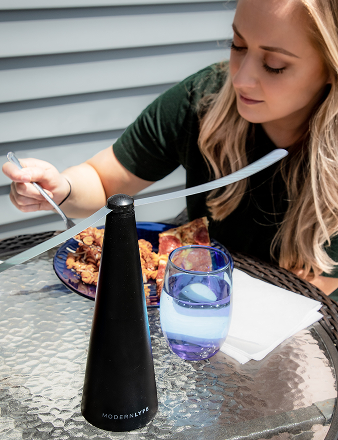
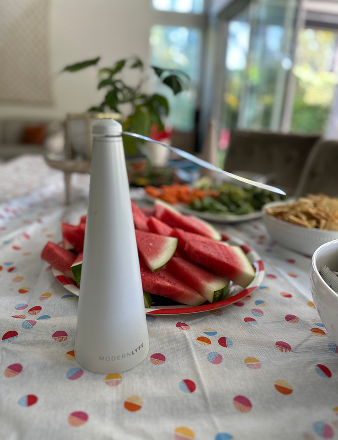
Mid-event control depends on air movement, fast resets, and active eyes on vulnerable stations. Here, modern tools earn their keep. Battery-operated fly fans do not solve an ant issue by themselves, but they help protect exposed plates, charcuterie boards, dessert trays, and garnish zones from flying pests while adding light air disruption around the food.
Use them where food sits open for more than a few minutes, especially at sweets tables and self-serve beverage points. Place them early, test the coverage before guests arrive, and make sure the setup still looks polished. Good pest prevention should disappear into the event design.
For ant pressure at the edge of the service area, some teams also use perimeter treatments in non-food zones as part of a larger plan. If you are weighing that option, this guide to food-grade diatomaceous earth for practical pest control covers where it fits and where it does not.
What staff should say and do
Teams handle this well when the commands are simple and the authority is clear.
- Runner: Pulls the affected item and brings the replacement.
- Cleaner: Clears residue, checks the nearby surfaces, and confirms the trail is gone.
- Captain: Holds guest flow, decides whether to pause the station, and approves reopening.
Trade-offs matter in the moment. A full station shutdown looks dramatic and often is not necessary. Leaving a compromised station open is worse. In practice, the best call is usually a narrow reset. Pull one dish, clean one zone, redirect guests for a minute, and reopen only when the access point is under control.
During service, the job is simple. Break the ant line before it becomes the guest's story.
Post-Event Sanitation for a Clean Slate
The event doesn’t end when the last plate clears. If you leave sugar residue, open waste, or uncleaned spills behind, you’re training the site for the next infestation. Such practices reveal the difference between disciplined teams and crews that keep having “surprise” pest issues at the same venues.
Clear waste before breakdown drags on
Trash has to move early, not at the very end when everyone’s tired and half the team is focused on rentals. Sweet waste, greasy liners, and half-full cups keep attracting activity long after service ends.
Use a shutdown order that makes sense:
- Seal food waste first: Dessert scraps, fruit remains, and drink garnishes go out immediately.
- Remove guest-facing trash next: Don’t leave bins standing open while chairs and linens are being collected.
- Stage haul routes away from service zones: Don’t drag leaking bags past the same patio where you’ll host again next week.
Clean for scent, not appearance
A table can look clean and still be inviting ants back. Post-event sanitation has to remove residues on tabletops, risers, under skirting, around beverage dispensers, and on the ground below serving stations.
Pay close attention to:
- Patio joints and stone seams
- Under dessert tables
- Bar mats and garnish boards
- Trash can lids, rims, and wheels
- Any area where syrup, dressing, or frosting touched fabric
If you hosted on grass, check for dropped fruit, candy, bread, and soaked napkins before the lights go down. If you hosted on hardscape, wash the route where spills tracked, not just the visible spot.
Keep a pest debrief
Teams often skip the part that would make the next event easier. Write down where activity appeared, what food was involved, how staff handled it, and whether relocation would’ve helped. This doesn’t need to be elaborate. A simple internal note with location, timing, and fix is enough.
A useful debrief usually captures:
| Item | What to record |
|---|---|
| Location | Exact table, bar, or perimeter edge |
| Trigger | Sweet spill, trash delay, nearby greenery, hidden access point |
| Response | Dish removal, trail wipe, station reset, route change |
| Next-time fix | New placement, added staff watch, earlier trash pull |
That log becomes operating memory. Without it, every event team starts from zero.
Winning the War Before the First Battle
Professionals don’t rely on hope. They reduce exposure, tighten routines, and make the venue harder for pests to exploit. That’s the whole lesson behind 100 hungry ants in an event context. Determined insects will keep looking for a workable route. Your job is to deny it before service starts.
Reactive pest control feels dramatic, but it’s usually expensive in the ways that matter most. It distracts staff, breaks presentation, increases food handling pressure, and shakes guest confidence. Proactive control is quieter. It shows up in site walks, table placement, waste discipline, station coverage, and fast resets.
The difference between amateur and professional control
The strongest operators do a few things consistently:
- They inspect before they style.
- They place food for defense, not just symmetry.
- They assign cleanup ownership before the first tray lands.
- They document what happened so the same site gets easier next time.
That mindset scales. If you manage larger facilities or support events across loading docks, storage, and food staging areas, broader operational reading like these warehouse IPM strategies can sharpen how you think about prevention across an entire property.
For teams comparing treatment options in a larger pest-prevention toolkit, it also helps to understand where targeted materials fit and where they don’t. This overview of boric acid for pest control planning is worth reviewing as part of that evaluation.
Good event pest control isn’t a product decision first. It’s a systems decision.
That said, tools still matter. The right tools support the system you built. The wrong ones create clutter, noise, or false confidence. If a tool can protect food areas without disrupting the guest experience, it belongs in the kit. If it can’t, leave it out.
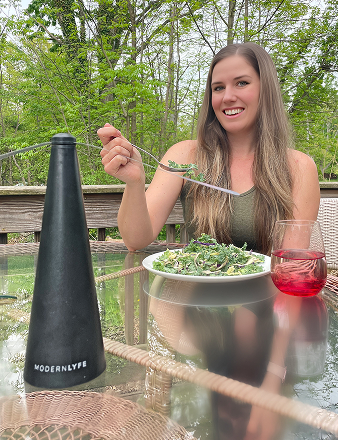
For polished dining setups that need practical insect protection without making the table look industrial, MODERN LYFE offers battery-operated fly fans built for restaurants, catered events, outdoor receptions, and home entertaining. They fit naturally into a professional setup, help protect food presentation, and give hosts a cleaner, calmer line of defense where guests notice the meal, not the pests.