A clean dining room, polished glassware, and a well-planned service flow can still get overshadowed by one small failure. A fly lands on a bread basket during brunch. A guest notices a roach near a service corridor. A wedding buffet sits out for twenty minutes too long on a warm evening and suddenly staff are swatting instead of serving.
That's why affordable pest control isn't about buying the cheapest treatment. It's about protecting guest confidence before a minor issue turns into a complaint, a refund, or a reputation problem you keep paying for long after the pest is gone.
In hospitality, pests aren't just a maintenance issue. They're a guest experience issue, a food safety issue, and a brand issue.
The Real Cost of a Single Pest
Saturday night service is full, the dining room looks sharp, and the bar is three tickets behind. Then a guest spots one cockroach near the coffee station and points it out to the server. From that moment on, the room is no longer judged by the quality of the meal. It is judged by whether the operation looks clean, controlled, and safe.
That is why affordable pest control has to be measured against business impact, not just the price of a service call. One sighting can trigger comps, refunds, lost repeat visits, staff time pulled off service, and the kind of review that keeps showing up long after the insect is gone. In hospitality, the cheapest invoice often loses the most money.
Pest pressure is not a small operating issue either. IBISWorld projects the U.S. pest control industry will reach $29.7 billion in revenue in 2026, with 34,076 businesses and a five-year CAGR of 3.4% from 2021 to 2026, according to IBISWorld's U.S. pest control industry report. That scale reflects a simple reality. Restaurants, hotels, pools, banquet venues, and back-of-house areas all create conditions pests look for if teams stop controlling the basics.
Cheap service and affordable results aren't the same
Low-cost treatment has a place. It just has to solve the right problem.
A one-time spray may knock down activity fast enough to get through the weekend. It will not hold if floor drains stay wet, exterior doors do not seal, trash areas are neglected, or food debris builds up behind movable equipment. I have seen operators pay for three rounds of callbacks when one round of exclusion and sanitation follow-through would have cost less and held longer.
Practical rule: If the treatment does not address food, water, shelter, or entry points, it probably will not last.
Integrated Pest Management usually produces better return on spend because it ties the response to the cause. Teams inspect, identify the pest, decide whether activity has crossed an action threshold, and then use a mix of cleaning, repairs, trapping, monitoring, and targeted chemistry where needed. That approach protects margin because it reduces repeat issues instead of buying the same temporary relief over and over.
The same logic applies outdoors. A rat sighting near a pool deck or planted edge is rarely just a wildlife oddity. It signals harborage, water access, or a route back toward guest areas. Pool & Landscaping of Vistancia's rat guide is a useful example of how one visible rodent can turn a maintenance problem into a guest confidence problem fast.
Pest control is also brand protection
Hospitality operators already understand that visible standards shape trust. Pest prevention belongs in the same operating lane as cleaning checks, waste handling, receiving procedures, and restaurant food safety guidelines. Guests do not separate those categories. They read them as one signal about how the property is run.
A good pest program protects more than square footage. It protects inspection outcomes, online reviews, staff focus, and the chance that a first-time guest becomes a repeat guest. That is the return worth tracking.
Your First Line of Defense Preventive Measures
Most affordable pest control starts with boring work done consistently. That's good news, because boring work is usually cheaper than emergency work.
Many buyers still ask for a one-time service, but prevention usually saves more over time. Thumbtack's guidance on prevention-focused pest control emphasizes that long-term savings come from addressing entry points, moisture, and food access because recurring infestations often come from conditions that chemicals alone don't solve.

Sanitation that removes the invitation
Pests stay where operations give them a steady reward. In hospitality, that reward is usually food residue, liquid, waste, or clutter.
Use a simple rhythm.
- Daily dining and prep resets: Wipe under beverage stations, clean floor-wall edges, empty interior trash before close, and keep dry goods sealed.
- Service-time discipline: Don't leave garnishes, syrups, fruit, or open snacks exposed longer than necessary, especially at bars, buffets, and outdoor events.
- Weekly deep points: Pull movable equipment, clean grease and crumbs under lines, scrub drain surrounds, and inspect linen and storage rooms for hidden debris.
Hotels and event venues often miss the non-kitchen sources. Guest snack areas, vending corners, housekeeping closets, loading docks, and floral prep spaces can feed pests just as effectively as a cook line.
Exclusion that blocks the easy route
If pests can enter with no resistance, sanitation alone won't save you.
Walk the building like a pest would. Check door sweeps, utility penetrations, receiving doors, cracked sealant, loose vent screens, and gaps where pipe chases meet walls. Small openings around delivery doors and patio transitions cause constant trouble because they're used all day and rarely inspected with pest pressure in mind.
A practical building checklist should include:
- Front and rear doors: Verify they close fully and don't leave light visible at the threshold.
- Windows and screens: Repair tears fast, especially in kitchens, bars, and banquet prep rooms.
- Penetrations and cracks: Seal utility gaps around plumbing, conduit, and refrigeration lines.
- Storage transitions: Check where shelving backs up to walls and where cardboard accumulates.
If your operation deals with rodent risk around maintained outdoor areas or pool environments, Pool & Landscaping of Vistancia's rat guide is a useful reminder that exterior conditions often create the indoor problem later.
Habitat changes that make the site less attractive
Some properties stay in a fight because the building exterior keeps inviting pests in.
Standing water, dense vegetation against walls, overflowing grease areas, and poorly chosen lighting all raise pressure. The goal is to make the property less comfortable for pests before they ever test your interior.
Use different timing for different tasks:
- Daily outside checks: Empty liquid from planters, rinse sticky residue near dumpsters, and keep lids closed.
- Weekly site work: Trim vegetation away from walls, remove leaf buildup near entrances, and inspect drains that hold water.
- Monthly property review: Walk the perimeter at night, note lighting that pulls flying insects toward guest areas, and correct drainage where water sits after irrigation or rain.
Pest prevention works best when one person owns the checklist, but every department follows it.
If your team wants a cleaner framework for tying these tasks together, a basic guide to integrated pest management helps translate the concept into daily operating habits.
Smart DIY Tools for Everyday Control
Not every pest issue needs a truck roll. Some need better tools and better judgment.
In hospitality settings, the best DIY tools do two jobs at once. They reduce pest activity and preserve the look of the space. That second part matters more than people admit. A loud zapper, a grimy glue board in guest view, or a chemical smell around plated food can solve one problem while creating another.

Choose tools by pest and setting
Tool selection changes the economics of the job. FieldRoutes' pest control equipment overview notes that foamers can run from about $70 to $650, dusters roughly $30 to $500, UV flashlight traps about $20 to $140, and foggers from about $40 to over $400 depending on scale. The same guidance also points out an important operational truth. Bed-bug foggers are ineffective, and successful bed bug control requires a broader program such as vacuuming, steaming, laundering, dusts, and rotation between residual and nonresidual products.
That tells you something useful. Cheap equipment isn't the goal. Correct equipment is.
For everyday hospitality use, these categories make sense:
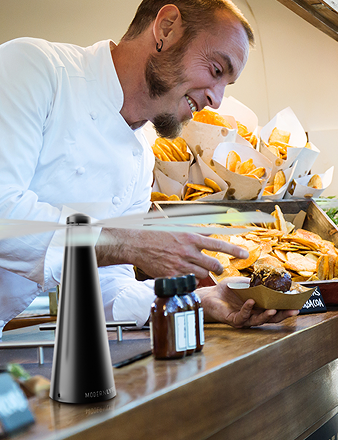
- Table and buffet fly control: Quiet, non-chemical fly deterrents fit better than zappers or sticky strips in guest-facing spaces.
- Crack and void treatment: A duster is useful when you need targeted application into wall gaps, baseboards, or other hidden areas where broad spraying would be wasteful.
- Inspection support: UV flashlights can help staff inspect certain problem zones quickly, especially in low-light service and storage areas.
- Pantry or back-of-house monitoring: Traps belong in concealed utility spaces, not where guests can see them.
Why modern fly fans beat ugly fixes
For open food presentation, appearance matters as much as mechanics.
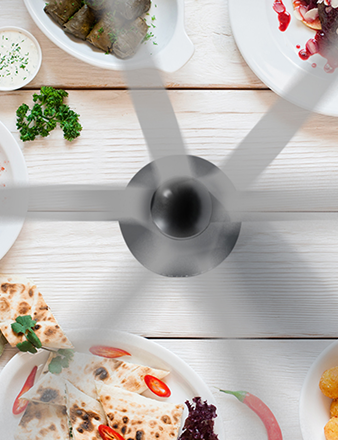
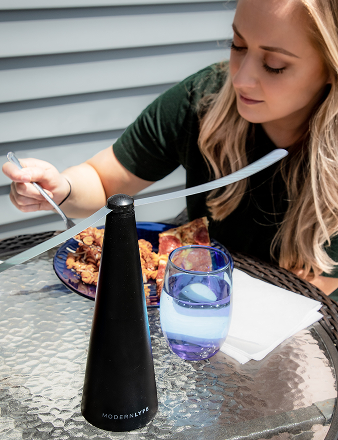
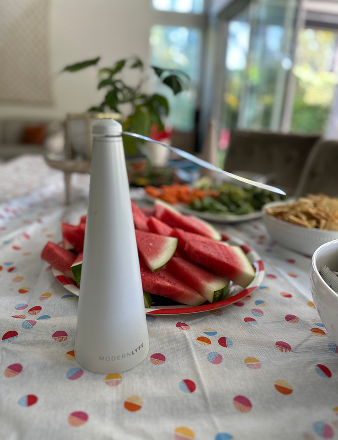
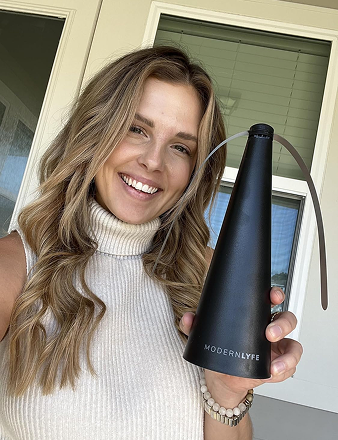
A modern fly fan creates a barrier over food and service zones without odor, chemical residue, or the visual clutter that comes with hanging strips and improvised traps. That makes it a strong fit for host stands, buffet lines, dessert stations, outdoor bars, and catered receptions where guests are close to the product and close to the staff.
If guests can see the pest control device before they see the food, you picked the wrong device for the setting.
By contrast, bug zappers often draw attention to the problem. Sticky traps can look unsanitary in elegant environments. Aerosols can conflict with the feel of high-touch service. A good operator matches the control method to the room.
A simple housekeeping upgrade helps too. Teams looking for low-cost cleanup support can borrow ideas from this guide to distilled vinegar for household cleaning, especially for routine surface maintenance that removes residues attracting insects.
What DIY can handle and what it can't
DIY works best when the issue is early, localized, and well understood. A few flies around an outdoor buffet. Minor ant activity at a patio threshold. Pantry moths in a contained dry storage zone.
It works poorly when staff are guessing.
Here's a practical example of a small-scale trap approach for a common nuisance pest:
For small fruit fly issues, a quick fruit fly trap method can help contain the problem while your team also cleans drains, empties liquid waste, and removes ripening produce. The trap alone won't solve the issue. The sanitation correction is what finishes the job.
Comparing Your Pest Control Options
Most operators end up choosing between three models. Handle it in-house, outsource on a routine schedule, or build a fuller IPM-based program.
None is universally right. The right choice depends on pest pressure, staff discipline, guest visibility, and how much risk your operation can tolerate.
Pest Control Strategy Comparison
| Approach | Upfront Cost | Long-Term Cost | Staff Effort | Best For |
|---|---|---|---|---|
| DIY only | Usually lowest at the start | Often unpredictable if issues repeat | High | Small, contained issues and properties with disciplined daily checks |
| Scheduled professional service | Moderate and easier to budget | Can rise if service becomes treatment-heavy instead of preventive | Low to moderate | Sites that want routine support without building an internal system |
| IPM program | Moderate because it combines inspection, prevention, and targeted response | Usually more controlled over time because it addresses root causes | Moderate, shared across vendor and staff | Restaurants, hotels, caterers, and venues where brand risk is high |
The trade-offs that matter
A DIY-only model can work in low-pressure environments or as a first response to minor nuisance pests. It fails when staff don't have time to inspect, document, and follow through. In hospitality, that happens a lot. Teams are serving guests first, which means subtle pest signs often get missed until the issue is visible.
Scheduled professional service offers convenience. The danger is complacency. If the provider only sprays on a calendar and your team stops managing sanitation and exclusion, you're paying for recurring symptoms instead of durable control.
A recurring pest bill usually signals an operations problem, not just a pest problem.
IPM asks more from the building and the staff, but it gives management a better handle on why the issue exists. It also aligns better with food service and lodging environments, where visible pests can trigger guest complaints far faster than in other commercial settings.
How to choose your model
Ask three questions.
- How visible would a pest issue be to guests? Outdoor bars, patios, buffets, and wedding venues need stronger prevention than low-traffic storage properties.
- How consistent is your team? If daily closing and cleaning routines are uneven, a more structured program is safer.
- What happens if you guess wrong? In a restaurant or hotel, the downside of delay is bigger than the cost of a better plan.
Affordable pest control isn't the cheapest line item. It's the option that reduces repeat problems without hurting the guest environment.
Knowing When to Hire a Professional
A guest spots one roach near the coffee station at 6:30 a.m. By 7:00, your front desk has a complaint, housekeeping is pulled off schedule, and a problem that looked cheap to handle in-house is now costing labor, refunds, and trust.
That is the point where DIY stops protecting margins.
In hospitality, the hire-a-pro decision comes earlier than many operators want to admit. One pest in the wrong place can affect food safety, inspection results, staff confidence, and online reviews all at once. Cost control still matters, but so does the price of delay.
ConsumerAffairs reports that standard home pest service often runs about $400 to $950, while bed bug and termite work can run into the thousands. It also notes that the U.S. has more than 31,000 pest control businesses employing 167,232 specialists. For a hotel, restaurant, venue, or food truck, the takeaway is simple: paying for the right intervention early is often cheaper than absorbing one visible incident in front of guests.
Clear signs you've crossed the DIY line
Bring in a professional when the business risk is no longer small.
- Health-risk pests are involved: Rodents, cockroaches, flies around food, or any activity near prep areas, guest rooms, ice machines, or service ware.
- The problem survives corrective action: Your team cleaned, sealed gaps, removed attractants, and used targeted tools, but sightings continue.
- Evidence shows spread: Droppings in more than one area, multiple life stages, or activity in both back of house and guest-facing spaces.
- The pest is tied to the structure: Termites, carpenter ants, wall-void nesting, drain infestations, or hidden moisture-related activity.
- Timing raises the stakes: Peak season, sold-out weekends, weddings, and large events leave little room for trial and error.
What a good professional adds
The value of a professional isn't just stronger chemistry. Good providers inspect methodically, identify the pest correctly, document trends, and match treatment to the operating environment.
That matters because poor pest work creates new problems. Visible traps in public areas, overused sprays, badly timed service, and generic monthly treatments can hurt the guest experience without fixing the source. A capable technician should explain where the pest is coming from, why it is active now, which conditions support it, and what your staff needs to change before the next visit.
That is where the ROI shows up. Fewer repeat sightings. Fewer comped stays and meals. Better inspection readiness. Less wasted spend on treatments that only suppress symptoms.
If you need region-specific vendor context or seasonal patterns, South Mountain pest control resources can help frame what to ask locally.
Questions worth asking before you sign
Use a short screening list and listen for operational answers, not sales language.
- Do you use IPM, or do you just spray on schedule? Hospitality sites need inspection, exclusion, sanitation feedback, and threshold-based treatment.
- Do you work in hotels, restaurants, or event spaces? Guest visibility changes how devices, timing, and reporting should be handled.
- What reporting will I get after each visit? Look for findings, trend notes, service maps, and corrective actions for your team.
- What should my staff fix between visits? A strong provider gives clear housekeeping, storage, drainage, and maintenance actions.
- How do you protect guest-facing areas? Ask about discretion, service timing, product choice, and what stays out of sight.
Hire a pest company the way you hire any operations partner. You want judgment, documentation, and follow-through that lowers repeat risk and protects the brand.
Building Your Annual Pest Management Plan
A guest spots a roach near the ice machine on a sold-out weekend. The treatment invoice is not the expensive part. The actual cost shows up in refunds, staff time, bad reviews, and the question every operator hates hearing during inspection, "How long has this been going on?"
An annual plan cuts those losses because it puts pest prevention into routine operations. In hotels, restaurants, and event venues, the best return comes from scheduled inspections, small building repairs, sanitation checks, and targeted treatment only when activity justifies it. That approach protects cash flow and keeps avoidable pest issues out of guest sight.

Winter checks and spring setup
Winter is the right time to inspect the parts of the building guests never see but pests use every day. Walk utility penetrations, receiving doors, housekeeping closets, laundry areas, storage rooms, and waste staging points. Replace worn sweeps, flag leaks, clear dead storage, and note recurring trouble spots from the past year. If a trap map or service log shows the same area coming up, fix the condition now instead of paying to treat it again later.
Spring shifts the focus outside. Check screens, drainage, dumpster areas, patio perimeters, and vegetation touching the building. Outdoor dining and event spaces deserve special attention before traffic picks up. If your property team wants region-specific maintenance ideas, South Mountain pest control resources offer useful reminders on keeping exterior conditions from feeding interior problems.
Summer control and fall hardening
Summer exposes weak routines fast. Flies build around waste and drains. Ants show up at thresholds and beverage stations. One missed cleanup after a banquet or pool event can create a guest-facing problem the next morning.
Fall is the time to tighten the shell before rodents and overwintering pests start pressing indoors. Recheck door seals, loading areas, exterior storage, and landscaping against walls. Review linen rooms, dry storage, and low-traffic back-of-house spaces where activity can build without anyone noticing for weeks.
A simple annual checklist
Use this as an operating calendar, not a poster on the wall.
- Winter: Inspect hidden service areas, seal new gaps, correct moisture problems, remove clutter.
- Spring: Repair screens, prune vegetation, clean up drainage issues, refresh exterior sanitation routines.
- Summer: Increase checks around food service and outdoor events, monitor traps and sightings, speed up waste and spill response.
- Fall: Reinspect entries, move stored items off exterior walls, check for rodent access, review colder-weather harborage areas.
The goal is consistency. A planned calendar helps maintenance, housekeeping, and food service teams catch conditions early, spend less on repeat treatments, and avoid the kind of pest incident guests remember longer than the stay.
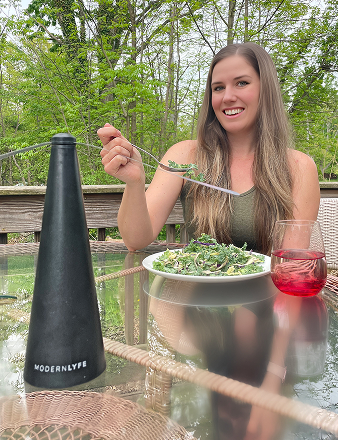
If you need a guest-friendly way to reduce flies around open food and dining setups, MODERN LYFE offers quiet, modern fly fans built for restaurants, hotels, catered events, and home gatherings. They're designed to protect presentation, support food hygiene, and fit naturally into polished service environments without the look of traditional pest-control devices.