A patio can be full, the food can look sharp, and the service can be on pace. Then one small thing starts pulling the whole experience sideways. A fly circles a cocktail. A guest waves it off during lunch. Someone at the buffet asks if the food has been sitting out too long. Staff notice it, break rhythm, and start solving a problem they weren't supposed to be spending time on.
That's how a lot of hospitality problems work. They look minor at first, but they spread into guest perception, staff focus, and repeat business. Operators usually treat them as isolated annoyances. The smarter approach is to look at them through the lens of business impact. Not as a corporate slogan, but as a practical question: what does this small issue change in guest behavior, team workload, and revenue?
The Small Problems That Cause Big Headaches

A Saturday lunch shift gives you a clean example. The host seats a couple on the patio. The table is set well, the weather is right, and the kitchen is moving. Then a fly keeps landing near the bread plate. The server notices. The guests notice more.
Nobody storms out over one fly. That's not usually how the damage happens. Instead, the mood changes a little. Guests eat faster. Dessert becomes less likely. The server spends extra time apologizing and swatting instead of selling another drink or checking another table. If the same thing happens at three or four tables, the entire patio feels less controlled.
The ripple is bigger than the trigger
One insect problem can create several business effects at once:
- Guest discomfort: People don't separate comfort from quality. If the table feels unclean, the food and service often get judged harder.
- Staff distraction: Servers, banquet staff, and buffet attendants lose time handling interruptions that add no value.
- Brand damage: A guest may not mention “flies” to a manager, but they might mention “atmosphere” or “cleanliness” in a review.
- Operational drag: Managers start firefighting instead of running service.
Small service irritants rarely stay small. They move into reviews, staff behavior, and spend per guest.
Business impact proves its worth. It gives you a way to connect a visible problem to a measurable outcome. Instead of asking, “Is this annoying?” you ask, “What does this change in service flow, guest confidence, and sales?”
That shift matters in hospitality because so much of the product is experienced in real time. Guests see the table. They see the buffet. They see whether your team is calm or scrambling. A problem doesn't have to be expensive to hurt the business. It just has to be noticeable.
What Business Impact Really Means for You
For a restaurant manager, caterer, or hotel events lead, business impact is simple. It's the measurable effect an action, investment, or problem has on a business goal you care about.
A useful way to think about it is like tuning an engine. You make one change, watch what happens, and decide whether performance improved. In hospitality, the “engine” is your operation. The change might be new patio shade, a revised buffet setup, extra pre-shift cleaning, or better insect control. The performance measure might be guest comments, table turn time, fewer service interruptions, or stronger repeat business.
Three parts of a real impact decision
Business impact only becomes real when you can connect three things:
-
A change
Something you did differently. For example, adding fly fans to outdoor tables or buffet lines. -
A measurement
Something you can observe without guessing. Review themes, complaint frequency, server interruptions, or food presentation hold time all count. -
A business goal
The result you want. Better guest comfort, smoother service, stronger bookings, or less waste.
That's why “we want to provide good service” isn't enough. Good service is a standard. Business impact asks whether a specific change improved that standard in a way you can track.
It's not only about profit anymore
The definition has widened. The OECD notes that it is developing indicators to measure well-being and sustainability, which reflects a broader shift toward judging businesses on more than profit alone in measuring business impacts on people's well-being and sustainability. In hospitality, that means guests and partners notice operational choices that affect comfort, hygiene, waste, and visible responsibility.
If you already think carefully about campaign spend, the same mindset applies on the floor. A good primer on marketing ROI calculation and attribution can help frame the logic: you don't just spend and hope, you connect action to outcome. Operational decisions deserve the same discipline.
A lot of teams get stuck because they think measurement has to be complicated. It doesn't. Start with a few performance metrics that are easy to review consistently, then improve the system once the habit is there.
If you can't tell whether a change worked, you don't have a process. You have a preference.
Why Tracking Your Impact Is No Longer Optional
Hospitality used to let a lot of operational decisions stay informal. A manager had a feel for the room, a chef knew when service was off, and owners judged changes mostly by the sales report at the end of the week. That still matters, but it's not enough anymore.
The reason is simple. Guests, investors, and the broader market now expect evidence, not just intent. Harvard Business School notes that an estimated 90% of S&P 500 companies published a CSR report in 2019, up from 20% in 2011, and that 70% of Americans believe it is important for companies to make the world a better place, 77% of consumers are motivated to buy from companies committed to that goal, and 73% of investors say environmental and social efforts influence investment decisions in its review of corporate social responsibility statistics. Even if you run one location, not a public company, the message is clear. People want proof that a business operates responsibly and thoughtfully.

Guests make your small details public
A diner doesn't use consultant language. They post a review, skip a return visit, or text a friend that the patio looked nice but felt buggy. That's impact tracking whether you do it formally or not. The difference is whether you catch the pattern before it gets expensive.
Visible details matter more in hospitality than in many other industries because the guest watches the product being delivered. They see if drinks sit too long. They see if staff are calm. They see if food looks protected and the environment feels clean.
Staff pressure turns small issues into labor issues
When a team keeps dealing with the same preventable irritant, morale drops. Not because the issue is dramatic, but because it's repetitive. A server who keeps apologizing for flies on a patio is using energy on damage control instead of hospitality. A banquet attendant who keeps covering and uncovering trays to fend off insects isn't focused on presentation or timing.
That's why operational efficiency in hospitality systems isn't just about speed. It's about removing avoidable friction so the team can stay in service mode.
Tracking changes how you make trade-offs
Managers make trade-offs all day. Spend a little more now, or absorb a little more hassle later. Add a tool, or ask staff to work around the problem. Keep the setup simple, or let the team improvise every shift.
The businesses that improve fastest aren't always the ones with bigger budgets. They're usually the ones that can say, with confidence, “This issue affects guest comfort, staff time, and reputation, so we're fixing it first.”
A tracked problem gets prioritized. An untracked problem gets tolerated.
That's the heart of it. If you don't track impact, small problems keep pretending they're harmless.
A Simple Framework for Measuring What Matters
The easiest way to measure business impact in hospitality is to stop chasing dozens of metrics and use a small framework. I like three lenses: Guest Impact, Operational Impact, and Financial Impact.
That gives you a working dashboard without forcing your team into spreadsheet overload.

McKinsey's view is useful here. It says business impact with data starts with identifying and capturing the right data, moves through analysis, and ends with agile execution in achieving business impact with data. That sequence matters on the floor too. Don't collect everything. Collect what helps you act.
Guest impact
This is the front-of-house test. Did the guest experience improve in a way people can feel and that you can verify?
Track a few indicators like these:
- Review themes: Not just the star rating. Look for repeated mentions of comfort, cleanliness, atmosphere, outdoor dining, buffet presentation, or pests.
- Complaint patterns: Count what staff hear most often. “We had to move tables” tells you something different from “service was slow.”
- Repeat behavior: Reservations from returning guests, repeat private event clients, or regulars choosing patio seating again.
A fly fan is a good example of a low-cost operational change with guest-facing consequences. If guests linger longer, complain less, and mention a cleaner setup, that's business impact.
Operational impact
Many owners miss out on substantial gains. A small environmental fix often saves more staff effort than expected.
Useful indicators include:
| Focus area | What to watch |
|---|---|
| Staff interruptions | How often servers or attendants stop service to handle insects or guest discomfort |
| Setup stability | Whether buffet, patio, or outdoor bar setups stay presentation-ready with less intervention |
| Waste pressure | Whether exposed food or drinks need replacing more often than they should |
A simple rule applies here: if your staff repeatedly “work around” something, that issue belongs on the measurement list.
Here's a practical explainer before the next step:
Financial impact
Financial impact is where operators often jump first, but it should come after guest and operations signals. Revenue changes are easier to trust when you understand what drove them.
Watch measures such as:
- Average check movement: Did patio or event spend improve after the environment got more comfortable?
- Table turn consistency: Are fewer guest disruptions helping service stay on pace?
- Booking confidence: Are more clients willing to reserve outdoor spaces or buffet service because the setup feels controlled?
If you also publish content to support bookings, the same measurement logic applies online. This guide to tracking content performance for AI search is useful because it shows how performance improves when you tie visibility to outcomes instead of vanity metrics.
Practical rule: If a metric doesn't help you choose what to fix, buy, stop, or repeat, it's clutter.
Business Impact in Action Sector Examples
A framework only matters if it holds up during service. Here's what business impact looks like when a simple tool changes the day-to-day operation.
Caterer on a buffet line
A caterer running outdoor brunch service keeps hitting the same problem. The food looks good at setup, then staff spend the event guarding the buffet. They adjust covers, answer guest concerns, and replace items sooner than expected because exposed food stops looking fresh.
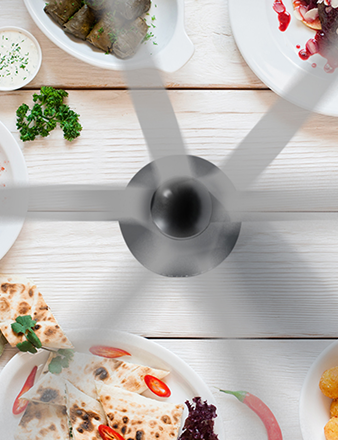
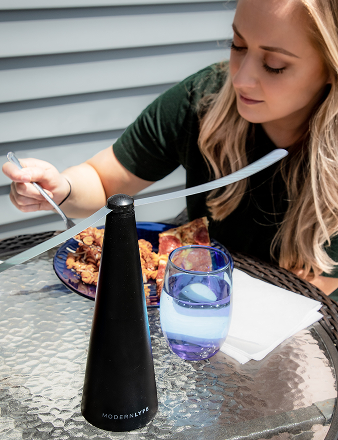
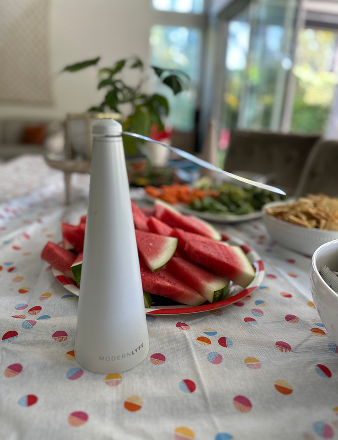
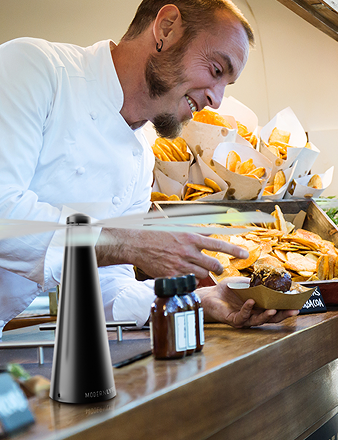
The fix isn't dramatic. The caterer adds table-safe fly fans along the buffet line. That doesn't change the menu, staffing plan, or event format. But it changes the amount of manual intervention. Staff spend less time hovering over the display, the buffet holds its appearance longer, and the team can focus on replenishment timing instead of insect control.
That's operational impact first. Financial impact follows when the event runs with less waste and less labor drag.
Restaurant owner on a patio
A restaurant owner has a patio that photographs well and should be a profit center, but warm-weather service keeps producing small complaints. Nothing catastrophic. Just enough comments about comfort and bugs to blunt the atmosphere the restaurant is trying to sell.
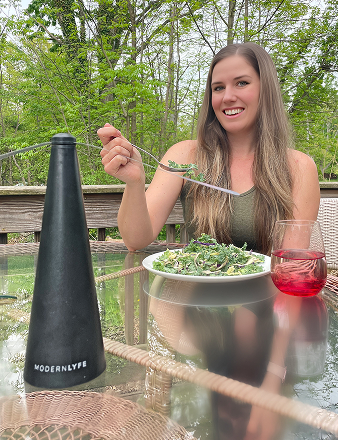
The owner places discreet fly fans on select outdoor tables and near service stations. This shift is not “problem solved forever.” It's that the patio feels more intentional. Guests stop noticing the nuisance and start paying attention to the meal again.
The business impact chain is clear:
- Guest side: Better comfort and fewer awkward interruptions.
- Operational side: Servers stop multitasking as insect control.
- Financial side: The patio becomes easier to sell with confidence.
The hidden value matters because, for small hospitality businesses, poor guest experience often shows up in operations before it appears in headline revenue. The travel and tourism sector supports about 330 million jobs globally, and even modest improvements in the guest environment can affect dwell time, repeat visits, and staff workload, as noted in this piece on underserved entrepreneurs in hospitality and tourism.
Hotel events team during outdoor functions
A hotel events department doesn't usually lose a wedding because of one fly. What it loses is polish. During cocktail hour or an outdoor plated dinner, staff should be focused on timing, presentation, and guest requests. If they're fielding repeated complaints about insects, the event feels less premium.
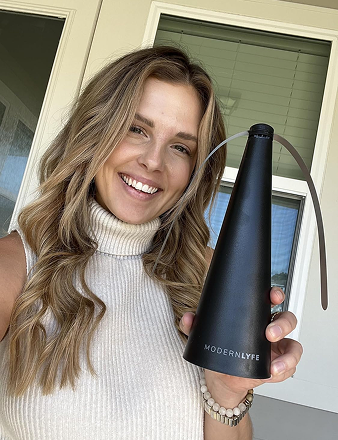
A simple product readily earns its place. A battery-operated table fan designed for insect deterrence, such as those used by Modern Lyfe, can be placed on dining tables, buffet lines, or reception stations without requiring infrastructure changes. The value is practical. Staff don't need training, engineering support, or a new cleaning protocol just to use it.
That's what good business impact looks like in hospitality. A low-cost intervention removes friction across guest experience, team efficiency, and event execution.
Your First Steps to Tracking Business Impact
Most operators make the same mistake at the start. They try to build a full reporting system before they've built a tracking habit. Don't do that.
The better approach is smaller and faster. Pick one current pain point. If patio reviews mention comfort, track comfort-related comments. If buffet staff keep dealing with exposure issues, track interruptions and replacements. If guests hesitate to book outdoor events, track that hesitation in sales notes.
Start with one problem, not a full dashboard
Use a short sequence:
-
Choose one metric that reflects a real issue
Guest comments about cleanliness. Patio complaints. Staff interruptions during buffet service. -
Use a simple tool
A spreadsheet, a shift log, a POS note field, or a manager checklist is enough. -
Review on a fixed rhythm
Weekly works well for restaurants. Per-event review works well for caterers and hotels. -
Adjust one variable at a time
If you change three things at once, you won't know what worked.

Low-friction tools usually win
There's an important lesson here. The barrier usually isn't lack of options. It's complexity. Guidance focused on underserved businesses emphasizes that low-friction adoption matters, and that one of the most important questions is whether a solution can be adopted without training or infrastructure changes in reaching underserved small businesses.
That applies directly to hospitality operations. The best fix is often the one your staff will actually use during a busy shift.
A good place to build that habit is with a simple process improvement routine for recurring operational issues. Keep it narrow. Track, review, adjust, repeat.
Don't wait for perfect data. Start with visible problems, consistent notes, and one decision at a time.
Business impact isn't abstract when you run a restaurant, event team, or catering operation. It shows up in the comfort of a patio table, the calm of your staff, the look of a buffet, and the confidence behind every guest interaction. The operators who win are usually the ones who notice small friction early, fix it cheaply, and prove the fix worked.
If you want a practical way to reduce insect-related guest friction in outdoor dining, buffet service, and event setups, take a look at MODERN LYFE. Its fly fan products fit the kind of low-friction operational improvements discussed here, which makes them easy to test, easy to track, and easy to evaluate for real business impact.