Service starts in 20 minutes. A server can't find the updated seating chart. The kitchen is firing dishes for a table that just moved to the patio. A supplier delivery shows up short on a key item. In the banquet room, the BEO changed again and nobody on setup got the memo. Everyone works hard, but the day still feels like recovery mode.
That's the point where most hospitality teams say they need to “get more organized.” What they usually need is process improvement.
In restaurants, hotels, catering, and events, process improvement isn't a corporate exercise built for factories. It's the work of making service smoother under pressure. It's how you reduce missed handoffs, tighten setup, protect food quality, and stop forcing good staff to solve the same preventable problems every shift.
The biggest mistake I see is treating chaos as part of the job. Some variability is normal in hospitality. Guests change plans. Weather shifts. Vendors miss windows. Special requests land late. But repeated confusion around those changes usually comes from weak process design, not just a busy operation.
Good process improvement gives operators something better than hustle. It gives them a repeatable way to decide what matters, measure it, test fixes, and keep what works. That means fewer surprises for staff and a more consistent experience for guests.
Moving from Constant Chaos to Calm Control
A Friday dinner rush tells the truth about an operation.
If expo is shouting for runners, bartenders are remaking drinks because modifiers were missed, and hosts are standing on a waitlist without clear table status, the problem usually isn't effort. It's the flow of work. The same goes for a wedding load-in where rentals arrive before linens, or a buffet that looks full at open but falls apart once replenishment starts.
Hospitality teams often build workarounds instead of systems. One strong captain remembers everything. One banquet lead knows which closet has the backup chafers. One sous chef can spot the prep bottleneck before anyone else. That works until someone is off, service volume spikes, or the event changes shape at the last minute.
Process improvement is how you stop running the business through memory, heroics, and luck.
What calm control actually looks like
Calm control doesn't mean rigid service. It means the team knows:
- Who owns each handoff
- What “ready” looks like before the next step starts
- Where delays usually happen
- How to handle exceptions without creating bigger messes
When those basics are clear, the floor gets quieter. Setup gets faster. Rework drops. Guests don't see the scramble happening behind the scenes.
Practical rule: If the same problem appears across multiple shifts, it's not a people problem first. It's a process problem first.
A strong operation still has pressure. What it doesn't have is preventable confusion. That's the shift process improvement creates. You move from reacting all day to controlling the flow of work, even when the day gets messy.
What Process Improvement Means for Hospitality
Process improvement in hospitality means building a service operation that holds up under pressure. The pressure is real. A VIP adds two allergy meals an hour before service. A supplier short-ships glassware. A wedding planner changes the room layout after your team has already started set. Good processes do not freeze in those moments. They give the team a clear way to adjust without losing speed, standards, or guest confidence.
That distinction matters in this industry. Hotels, restaurants, and event venues do not run on fixed demand or clean production lines. Volume shifts by the hour. Guest needs change mid-service. Weather, staffing gaps, equipment issues, and vendor misses all hit the same day. Process improvement here is about reducing avoidable friction while keeping enough flexibility to recover fast.
Two operating goals drive most of the work.
The first is removing waste. In a kitchen, that usually shows up as extra steps, searching for tools, unclear tickets, poor station layout, or prep done twice because the first handoff was incomplete. In banquets and events, waste looks different but costs just as much. Crews reset rooms in the wrong sequence, rental items get staged in the wrong place, and setup leads spend half their time chasing updates instead of running the floor.
The second is reducing variation where guests can feel it. One shift gets the room release process right. Another leaves housekeeping and front desk working from different information. One banquet captain catches dietary changes early. Another finds out when plates are already landing. The issue is not perfection. The issue is whether the operation can produce a reliable result with different staff, different volumes, and changing conditions.
A useful structure for that work is DMAIC, short for Define, Measure, Analyze, Improve, and Control. The American Society for Quality outlines DMAIC as a method for improving existing processes by identifying the problem, measuring current performance, finding root causes, testing changes, and maintaining the gain through standard work and monitoring: ASQ's DMAIC overview.
On property, that looks like this:
-
Define
Choose one service problem that creates guest risk, labor drag, or repeat rework. Late room turns, buffet replenishment delays, missed modifiers, slow check-in escalation, and inconsistent event setup all qualify. -
Measure
Record what is happening now. Use counts, timestamps, error logs, photos, or shift notes. In hospitality, simple measures often work best because supervisors need something they will maintain during live service. -
Analyze
Find the breakdown point. It might be a weak handoff, unclear ownership, missing prep, poor layout, or a standard that exists on paper but not in practice. - Improve Test a small change in live conditions. Adjust the pass layout. Add a pre-function checklist. Change the order of setup tasks. Tighten the room-ready communication between departments. For teams also reviewing new tools, this is a good stage to assess emerging technology in hospitality operations and decide whether a tech fix is warranted or whether the underlying issue is process discipline.
-
Control
Lock in what worked. Use checklists, visual standards, brief retraining, and manager follow-up. If the change only works when one strong supervisor is on shift, the process still is not fixed.
Food operations need the same discipline in safety systems. This guide on HACCP plan importance for Irish food companies is a useful reminder that process design affects more than speed. It shapes food safety, compliance, and guest trust.
The best hospitality processes leave room for judgment. They standardize the repeatable parts so the team can handle the unpredictable parts well. That is the point. Less scrambling behind the scenes, faster recovery when plans change, and a guest experience that still feels polished when the day does not go to plan.
Choosing Your Improvement Method
Not every operational problem needs the same tool. If your kitchen line is slow, you don't attack it the same way you'd attack recurring setup mistakes in events. The method should match the problem.
Three methods operators actually use
Lean is for speed, flow, and wasted motion. It's strong when staff take too many steps, wait too long, search for tools, or repeat work that adds no value.
Six Sigma is for consistency and defect reduction. It fits problems like order accuracy, event setup variation, missed modifiers, or recurring errors across shifts.
Kaizen is for continuous, small-scale improvement driven by the team. It works when you want supervisors, cooks, servers, housekeepers, and setup crews to surface and solve issues every day instead of waiting for a major project.
One useful benchmark from Asana's overview of process improvement methodologies is that Six Sigma targets fewer than 3.4 defects per million opportunities, while Lean focuses on eliminating non-value-added activities. Pairing them helps teams reduce errors and delays, which lowers rework, labor cost, and cycle time.
Process Improvement Methods at a Glance
| Methodology | Primary Goal | Best For... | Hospitality Example |
|---|---|---|---|
| Lean | Remove waste and improve flow | Slow kitchen movement, delayed room turns, clumsy storeroom layout | Reorganizing a prep station so cooks stop crossing paths during service |
| Six Sigma | Reduce defects and variation | Order errors, setup inconsistency, repeated guest-facing mistakes | Standardizing buffet labeling and placement so service looks the same every time |
| Kaizen | Build small, continuous improvements | Teams with daily friction points that managers don't always see | Front-of-house staff suggesting a cleaner host-to-server seating handoff |
| Lean + Six Sigma | Improve speed and quality together | Problems that involve both delay and mistakes | Tightening banquet setup while reducing missing items and last-minute resets |
How to choose without overthinking it
Ask one question first: Is the pain mostly about delay, inconsistency, or team habits?
If it's mostly delay, start with Lean.
If it's mostly inconsistency, start with Six Sigma.
If the issue is spread across many small daily frustrations, start with Kaizen.
A few examples make that clearer:
- Slow buffet replenishment usually points to Lean. Staff may walk too far, fetch too much at once, or wait on unclear communication.
- Different room setups for the same event package usually point to Six Sigma. The work needs tighter standards and visual controls.
- Constant small irritations across service often point to Kaizen. Let the team surface problems and improve them in small cycles.
What doesn't work
What fails is copying a method because it sounds smart. Hospitality operators don't need jargon-heavy workshops that never reach the floor. They need practical systems that survive live service.
Technology can help if it improves visibility instead of adding admin. This piece on emerging technology in operations is a useful reminder that tools only matter when they make handoffs clearer, faster, or easier to control.
If staff need a seminar to understand the fix, the fix is probably too complicated.
Metrics That Measure What Matters
A Friday wedding runs late on setup, the florist swaps one table count at the last minute, and the AV team is still waiting on power access. If the only metric on the manager's dashboard is labor percent, none of that explains why the room is behind or where to intervene. Hospitality needs measures that show where flow breaks, where rework starts, and how well the operation absorbs change without letting the guest feel it.
The useful metrics are usually cycle time, defect rate, first-pass yield, and capacity utilization. As outlined in 6Sigma.us process indicator guidance, each one points to a different operating problem. If room setup time stretches while setup accuracy holds, the issue is often handoff friction, access delays, or poor staging. If timing stays stable but errors climb, the standards or checks are probably weak.
The metrics worth watching first
-
Cycle time
Measure how long a process takes from start to finish. In hospitality, that might be guest check-in, banquet room reset, ticket-to-table time, or buffet replenishment from callout to pan back on the line. -
Defect rate
Count the service failures that create guest friction or internal cleanup. Missing risers, wrong BEO details in the room, allergy handling errors, billing corrections, and incomplete room turns all belong here. -
First-pass yield
Track how often the work is done correctly without rework. This matters in event setups, room inspections, prep production, and group arrivals. Every reset, remake, or callback steals labor from the next task. -
Capacity utilization
Check whether teams, stations, storage, or equipment are stretched too hard or sitting idle. In real operations, this helps expose the hidden problem behind “we're short-staffed.” Sometimes the issue is staffing. Often it is poor sequencing, bad station design, or uneven demand by hour.

Don't build a scoreboard no one uses
Track metrics close to the pain point.
If lunch service drags, start with cycle time and a simple view of capacity by station or shift. If banquet setups keep needing corrections, defect rate and first-pass yield will tell you more than a broad “productivity” target ever will. If the team is working hard but output stays uneven, pair process measures with financial discipline. For restaurant operators, this guide to managing restaurant labor costs is useful because labor overages often come from rework, poor deployment, and weak handoffs.
I usually tell operators to start with two metrics per problem. Four is manageable. Ten gets ignored by week two.
How to keep metrics useful on the floor
A few rules make these numbers practical instead of decorative:
-
Define the start and finish clearly
If one supervisor starts setup time at truck arrival and another starts it at first table placed, the comparison is worthless. -
Measure where the work happens
Shift logs, prep sheets, POS exception reports, expo notes, and event checklists usually beat end-of-month reports for finding service breakdowns fast. -
Review trends by shift, daypart, or event type
Hospitality demand moves around. A process that holds on Tuesday breakfast can fall apart at a Saturday plated dinner for 220 covers. -
Use the numbers to fix the system
Staff stop trusting metrics when every miss turns into blame. Good operators use them to improve prep levels, station layout, par sheets, call times, and communication points.
A stronger approach to operational efficiency in hospitality operations helps connect these measures to actual decisions. The goal is calm control under pressure. The best metric set gives managers early warning, helps teams recover faster, and protects the guest experience when the day refuses to go to plan.
Your 5-Step Implementation Roadmap
Most hospitality teams don't need a full certification program to improve a process. They need a reliable way to take one operational headache and fix it without creating two more.
Use this roadmap on something small but painful. Buffet replenishment is a good example because it touches prep, storage, staffing, timing, and guest perception.
Start with the visual below, then work through the steps with one real process.

Step 1 pinpoint the pain
Don't start with “we need to improve operations.” Start with a sentence your team would say.
Examples:
- Buffet pans run low before anyone notices
- Refill items arrive late from the back
- Guests hit the line before the station is fully reset
That level of clarity matters because the wrong problem statement sends teams chasing symptoms.
Step 2 map the flow
Write the current process on a whiteboard. Keep it plain.
For buffet replenishment, the flow might look like this:
- Floor staff notice low product
- They alert kitchen or runner
- Replacement item is located
- Item is finished, reheated, or plated
- Runner brings it out
- Station is reset
- Used pans return to dish or prep
Now ask where the process stalls. Not where people complain. Where it stalls.
The whiteboard version of the process is usually cleaner than the real one. Walk it in real time before you trust it.
Step 3 find the friction
Operators tend to jump too quickly into solutions at this stage. Hold that urge for a minute.
Look for:
- Waiting because product isn't ready when needed
- Extra motion because replenishment stock is too far from the line
- Rework because labels, utensils, or serving pieces are missing
- Ownership gaps because everyone assumes someone else is watching the station
If the issue is external, say so. Maybe supplier timing affects prep readiness. Maybe guest surges are less predictable outdoors. That doesn't mean the process can't improve. It means the process needs buffers, clearer triggers, or contingency stock.
Step 4 test one change
Pick the smallest useful fix.
For buffet service, that might be:
- a visual par level for each item
- a dedicated runner during peak service
- pre-labeled backup pans
- a staging cart closer to the floor
- a reset checklist clipped to the service side of the station
This is a good point to see the improvement cycle in action:
Run the test for enough shifts or events to expose real conditions. One smooth service doesn't prove much.
Step 5 measure and standardize
If the change worked, lock it in. If it didn't, adjust and test again.
At this stage, many teams quit too early. A real improvement project proves the result with before-and-after measurement. One manufacturing case cited by Six Sigma Online statistics guidance showed defects dropping from 73,603 parts per million to 2,681, a 96% reduction, after process changes. Hospitality operations won't use the same unit of measure, but the lesson is the same. You verify improvement with data, not with gut feel.
What standardization should include
Once a change works, make it official:
- Document the new method in plain language
- Train the team on the exact trigger points and handoffs
- Add visual controls so the right action is obvious under pressure
- Review the process after live service, not just in a meeting room
The goal isn't to create bureaucracy. It's to stop solving the same problem over and over.
Quick Wins for Your Kitchen, Buffet, and Events
Not every process improvement project needs to be big. Some of the best gains come from fixing a small operational drag that staff deal with every day.
In the kitchen
A common kitchen problem is layout friction. The station technically works, but cooks keep reaching, crossing, turning, and hunting for tools during service. Tickets slow down, then quality slips because the team is rushing.
A quick win is to reset the station around the actual sequence of work. Put the pan, garnish, towel, spoon, backup mise en place, and waste container where the hand naturally goes next. Then run service and watch what still causes hesitation.

Cleaning routines matter here too. A line that's hard to reset is a line that starts the next shift behind. These That Cleaning Crew commercial kitchen guidelines are useful because sanitation and workflow are tied together more closely than many operators admit.
On the buffet
Buffets fail when replenishment and presentation depend too much on memory. One attendant keeps it sharp. Another leaves mismatched utensils, weak labeling, or half-reset trays.
A better system uses visual standards:
- photo guides for each station
- fixed placement for utensils and signage
- back-stock arranged in service order
- a simple trigger for when an item gets replaced instead of stretched
That reduces debate in the moment. Staff stop asking how the setup should look because the standard is visible.
In events and outdoor service
Events bring the hardest version of process improvement because demand shifts fast and external conditions interfere. A wedding adds guests late. Wind changes a patio plan. A rental vendor misses the timing window. Outdoor food service has insects, heat, distance, and weather to manage on top of guest expectations.
That's why generic efficiency advice often misses the mark. As Rummler Brache notes on process improvement blind spots, many guides ignore external variability from guests and suppliers. The best operators don't just remove waste. They build workflows that can adapt when the day changes.
Resilient hospitality systems are designed with exceptions in mind, not built on the hope that exceptions won't happen.
A few fast wins for event teams:
-
Build setup kits by event type
Keep ceremony, cocktail, buffet, and plated-service kits packed and labeled. -
Create weather version plans
Don't improvise the rain plan at the moment it starts raining. -
Use decision triggers
Define when guest count changes require extra prep, staffing, rentals, or revised layout. -
Protect hygiene in outdoor service
Outdoor events need service flow and food protection working together. Good food service hygiene standards help keep those controls practical in the field.
The best quick wins do two things at once. They make normal service faster, and they make abnormal service easier to recover.
Your Process Improvement Starter Checklist
Process improvement works best when it becomes a habit, not a one-off cleanup project. You don't need a giant initiative to start. You need one real process, one clear problem, and one way to measure whether the fix helped.
Use this checklist with a restaurant shift issue, a room-turn problem, a buffet service gap, or an event setup headache.

Copy and use this
- Define the process you want to improve
- Name the pain point in one sentence
- Choose one metric that reflects the problem
- Record a baseline before changing anything
- Test one improvement on a small scale
- Document what changed if the test works
- Train the team on the new standard
- Schedule a review so the process doesn't drift back
Keep it practical. If the checklist feels too heavy for a live hospitality environment, simplify it further. The goal is action, not paperwork.
Most operators already know where the pain lives. The value comes from fixing it in a way the team can repeat.
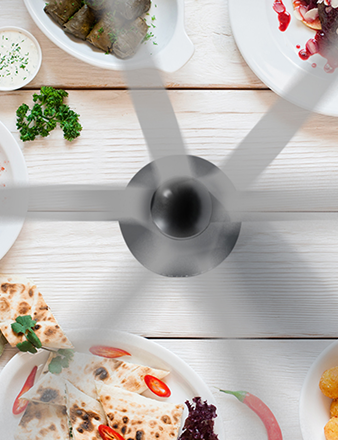
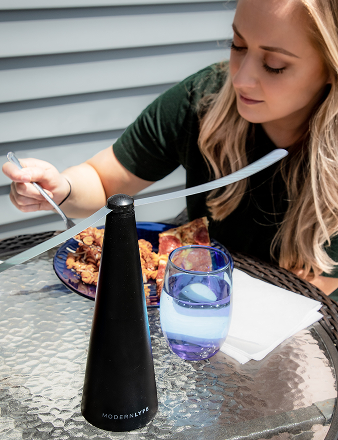
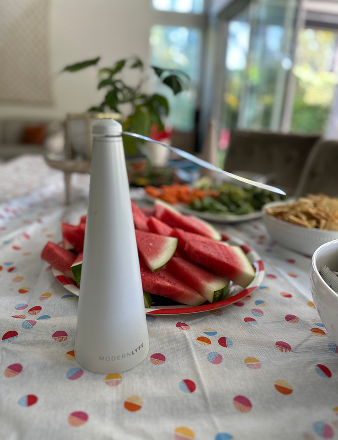
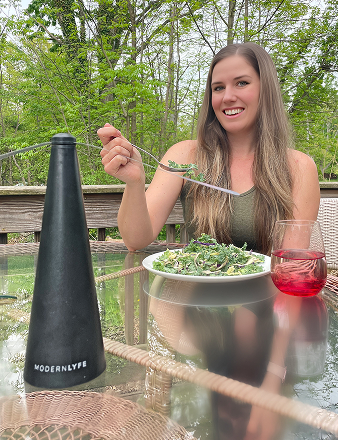
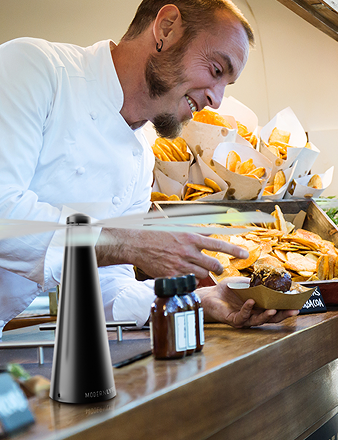
If you're running outdoor dining, buffet service, catering setups, or open-air events, MODERN LYFE offers practical tools that support cleaner, calmer guest experiences. Their fly fans are built for restaurants, hotels, caterers, and hosts who want elegant insect protection without adding visual clutter to the setup.