The dinner rush starts early. A server is stuck re-running a table order because two modifiers never reached the kitchen. The host stand has a line. One walk-in fridge is running warm, but nobody notices until prep is already underway. On the patio, guests keep waving at flies near shared plates. By the time service ends, the team is exhausted and the owner is still answering the same question: where exactly did the night go sideways?
Now compare that with a tighter operation. Orders move from table to kitchen without re-entry. A sensor flags a fridge issue before product is at risk. Guest WiFi works. Rooms or tableside service requests land in one place instead of three. Outdoor food service stays more comfortable and more hygienic because pests are handled in the background, not with a last-minute scramble.
That gap is where emerging technology matters in hospitality.
For restaurant owners, hotel operators, caterers, and event teams, the point isn't to buy flashy tools. The point is to reduce friction. Better technology shortens handoffs, catches mistakes earlier, supports staff under pressure, and protects the guest experience when the operation gets busy. Used badly, it adds one more login, one more dashboard, and one more thing your team ignores.
The practical question isn't “Should we modernize?” It's “Which tools solve a real operating problem without creating three new ones?”
From Chaos to Calm with Emerging Technology
A busy hospitality business usually breaks down in predictable places. Orders get delayed at handoff. Staff lose time chasing status updates. Equipment problems stay invisible until they become service problems. Outdoor setups look polished until insects, heat, or poor coordination chip away at the guest experience.
The businesses that handle pressure well usually aren't calmer because they have easier guests. They're calmer because they've removed unnecessary manual work. They use systems that help the team make fewer decisions under stress.
What the change looks like on the floor
In a restaurant, that might mean inventory software warning the kitchen before a high-use item becomes a surprise shortage. In a hotel, it might mean connecting guest requests, room status, and maintenance into one workflow so the front desk stops acting like a switchboard. In catering, it often means route planning, mobile checklists, and compact equipment that solves site-specific problems without adding labor.
Practical rule: If a tool doesn't reduce a recurring headache during a busy shift, it isn't helping your operation. It's just adding complexity.
Emerging technology is useful when it turns reactive work into planned work. That's the primary shift. Less firefighting, more control.
What owners usually get wrong
A lot of operators assume technology projects fail because the tool wasn't advanced enough. In practice, they usually fail for simpler reasons:
- The problem wasn't specific enough: “Improve operations” is too vague. “Reduce missed modifiers between front and back of house” is usable.
- The workflow stayed messy: Bad process with new software is still bad process.
- The team wasn't included: Staff will ignore tools that slow them down or feel imposed from above.
- The setup was too ambitious: Trying to replace half your stack at once usually creates confusion, not momentum.
Hospitality teams don't need futuristic systems for the sake of it. They need fewer points of failure.
What We Mean by Emerging Technology
Think of emerging technology as a toolbox that keeps changing. Some tools are brand new. Others have existed for years but are only now becoming practical, affordable, or relevant for everyday operations. What counts as “emerging” today can become standard operating equipment tomorrow.
That matters in hospitality because owners often hear the term and assume it refers only to artificial intelligence or robots. It doesn't. The category is much broader, and it includes the infrastructure that makes newer tools useful in the first place.
It isn't just a buzzword
The term has real policy weight. The U.S. government's 2023 Critical and Emerging Technologies List Update identified 19 key areas, including Artificial Intelligence, Advanced Computing, and Robotics. The same framework breaks major areas into more specific subfields, which is useful because it shows that emerging technology is being treated as a structured category, not a vague trend.
For a hospitality operator, that official structure matters for one reason. It helps separate hype from categories that are already shaping investment, procurement, compliance, and operational planning.
What that means in practical hospitality terms
You don't need to memorize all 19 areas. You do need to understand the operating lens:
| Technology area | Hospitality translation |
|---|---|
| Advanced computing | Cloud systems, data storage, reporting platforms, connected operations |
| Artificial intelligence | Forecasting, scheduling support, guest messaging, demand prediction |
| Robotics and automation | Repetitive task support in kitchens, cleaning, delivery, or service workflows |
| Connected systems | Devices and platforms that share data across rooms, tables, kitchens, and venues |
A restaurant owner doesn't need a lecture on national security policy. But it helps to know that the same technologies showing up in vendor demos are part of a larger, recognized shift in how industries operate.
There's also a visibility angle. If you're trying to understand how AI-driven search and recommendation systems interpret your business online, this Generative Engine Optimization guide gives a useful overview of how digital discoverability is changing alongside the broader emerging technology environment.
Emerging technology becomes relevant the moment it changes how a guest finds you, how staff serve them, or how you control costs behind the scenes.
The Four Tech Trends Reshaping Hospitality
Hospitality owners don't need a list of every new tool on the market. They need a shorter list of patterns that affect service, staffing, costs, and guest expectations.

AI and automation
AI matters most when it handles repeat decisions that staff currently make under time pressure. That includes forecasting demand, helping with labor planning, triaging guest messages, and spotting patterns in purchasing or waste.
Robotics gets a lot of attention, but expectations need to stay grounded. According to the NSF's 2022 Annual Business Survey, 25% of U.S. businesses used advanced computing, while 5% used AI and 2% used robotics. That gap matters. It tells you that foundational systems are spreading faster than specialized automation.
So if you run a mid-sized restaurant group, it usually makes more sense to fix data flow and reporting before looking at hardware-heavy robotics.
The Internet of Things
IoT sounds technical, but the hospitality version is simple. It's connected equipment and sensors doing small jobs continuously.
A few examples make it concrete:
- Cold storage monitoring: Alerts staff when temperatures drift before product quality is threatened.
- Smart energy controls: Adjust room or venue settings based on occupancy.
- Maintenance signals: Flag equipment behavior that suggests wear before a breakdown affects service.
- Environmental controls: Support comfort and hygiene in indoor and outdoor dining spaces.
The best IoT systems don't demand attention every hour. They unobtrusively reduce surprises.
Integrated guest systems
Guests don't experience your tech stack as separate products. They experience one brand. If booking, WiFi, service requests, billing, and follow-up all feel disconnected, the operation feels disconnected too.
That's why integration matters more than novelty. A useful reference on this part of the guest journey is Purple's overview of modern guest WiFi solutions, especially for venues trying to connect access, communication, and experience without creating another isolated tool.
Good hospitality technology should feel invisible to the guest and obvious to the operator.
Sustainability and efficiency tech
This category often gets framed as brand image. In practice, it's about waste control and operating discipline.
Sustainability tech in hospitality usually shows up as:
- Energy management tools that reduce unnecessary runtime
- Waste tracking systems that expose overproduction
- Water and utility monitoring that catches operational drift
- Smarter equipment usage that aligns output with real demand
For owners, the key takeaway is straightforward. The most useful emerging technology often looks boring at first glance. It saves labor minutes, avoids spoilage, prevents service failures, and helps teams act earlier.
How Tech Solves Problems Across Your Business
Hospitality technology only earns its keep when it solves a visible problem. The easiest way to judge it is to start with the pain point, not the product category.

In restaurants
A common restaurant problem is stock uncertainty. The chef thinks there's enough key inventory for the weekend. The purchasing lead assumes the last delivery covered it. Service starts, then a top-selling item suddenly goes eighty-sixed.
The better fix isn't more texting between staff. It's tighter inventory visibility, linked ordering data, and forecasting support. When the system shows movement early, managers can adjust prep, purchasing, and menu decisions before guests feel the disruption.
There's a similar pattern in back-of-house equipment. Some operators are testing automation for repetitive prep or beverage tasks. That can help in high-volume environments, but only if the workflow is stable first. Automation placed on top of a chaotic station usually creates an expensive bottleneck.
In hotels and resorts
Hotels deal with a different kind of complexity. The issue isn't one rush. It's constant parallel activity. Housekeeping, maintenance, front desk, events, and food service all affect the same guest.
Connected guest systems help when they reduce handoffs. A room request shouldn't disappear in a front desk note. A maintenance issue shouldn't live only in someone's memory. Smart room controls, mobile service requests, and integrated staff workflows can make the property feel more responsive without forcing guests to chase updates.
The same logic applies to building systems. If one part of the property is overheating, one ice machine is failing intermittently, or one area needs repeated reactive fixes, connected monitoring gives managers a way to act before complaints stack up.
In catering and outdoor service
Catering has some of the hardest conditions for tech adoption because every site is different. Timing changes. Power access changes. Connectivity changes. Guest flow changes. Outdoor service adds weather, transport, and hygiene pressure.
That's where focused tools work better than oversized systems. Route planning, digital checklists, mobile communication, and event-specific equipment solve real field problems. So do smaller operational tools that protect presentation and food service quality in plain sight.
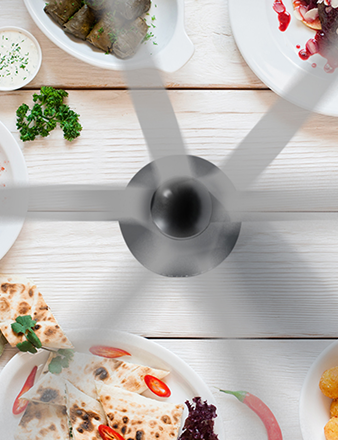
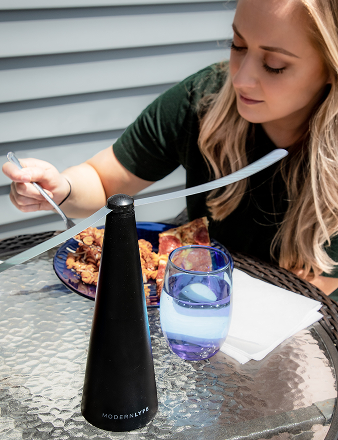
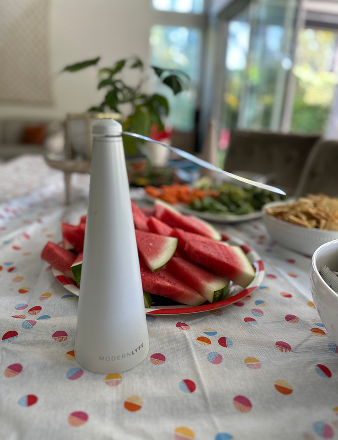
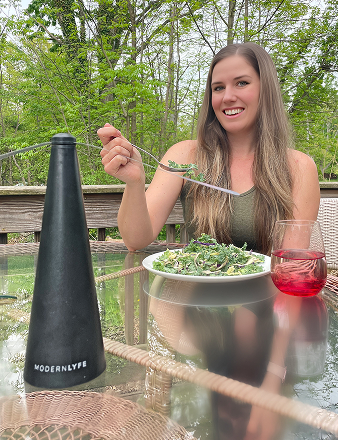
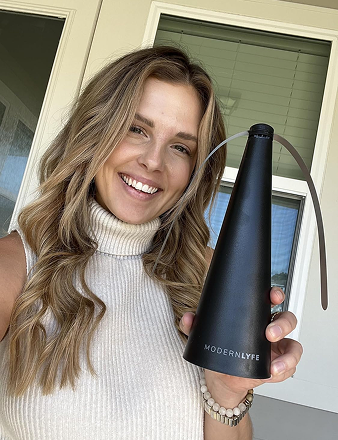
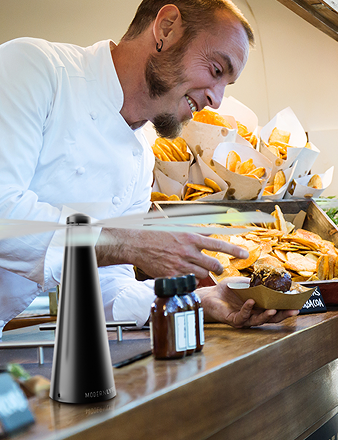
One example is compact pest-control equipment used at buffets, patios, and outdoor receptions. A product like a MODERN LYFE table fly fan creates a localized barrier that helps keep flies away from food and guests without turning the setup into a noisy distraction. In hospitality terms, that's emerging technology at its most practical. It solves a recurring service issue with minimal training and little operational overhead.
For kitchens and prep environments, air quality and heat management matter too. If you're tightening operations end to end, this guide to commercial kitchen ventilation systems is worth reviewing alongside any broader tech plan.
The best hospitality tech doesn't always look advanced. Sometimes it removes one recurring annoyance so reliably that staff stop thinking about it.
Building Your Smart Adoption Strategy
Most hospitality technology decisions go wrong in one of two ways. Owners either wait too long because everything feels risky, or they buy too much at once and overwhelm the team. A better approach is phased adoption.

Forrester's emerging technology framework is useful here because it stays practical. Their ReCPI approach advises teams to research, assess, prove, and integrate. They also group technologies by benefit horizon: short-term under 2 years, medium-term 2 to 5 years, and long-term 5+ years.
Research the problem before the product
Start with one operating headache that repeats often enough to matter. It might be food waste, inconsistent room turnaround communication, poor visibility into maintenance, or service friction at outdoor events.
Then ask a tighter set of questions:
- Where does the problem begin: At ordering, prep, service, maintenance, or follow-up?
- Who feels it first: Guests, line staff, supervisors, or finance?
- What does the workaround look like: Text chains, paper lists, verbal updates, duplicate entry?
- What would better look like: Faster response, fewer mistakes, cleaner handoffs, more visibility?
This stage is less glamorous than vendor demos, but it saves money.
Assess fit, burden, and timing
A tool can be impressive and still wrong for your business. The right filter is operational fit.
Use a simple screen:
| Question | Good sign | Warning sign |
|---|---|---|
| Can staff learn it quickly? | Clear interface, simple workflow | Requires heavy retraining |
| Does it work with your current systems? | Clean handoff between tools | Manual re-entry everywhere |
| Is the setup manageable? | Defined rollout steps | Long implementation with vague ownership |
| Does the payback horizon match your needs? | Useful in the near term | Too speculative for current pressure |
Short-term technologies usually deserve first attention in hospitality because most operators need practical wins, not moonshots.
A quick visual overview can help when you're mapping those phases across teams and timelines:
Prove it small, then integrate it properly
Pilots work best when they're narrow. Test one site, one shift, one menu category, one room type, or one event format. Keep the goal concrete. If you're piloting a temperature-monitoring system, define who gets alerts and what action follows. If you're piloting guest messaging software, decide which requests it handles and which still go straight to staff.
After that, integration becomes the essential work. Document the workflow, train supervisors first, remove duplicate steps, and make sure the technology has an owner inside the business.
Field advice: Start with the system your busiest supervisor would actually use on a bad day, not the one that looks smartest in a sales deck.
Navigating Common Risks and Realities
The biggest hospitality tech problems usually aren't futuristic. They're familiar. Cost pressure, limited staff time, training fatigue, weak implementation support, and uncertainty about whether a tool will take hold.
The broad market data supports that reality. In TierPoint's 2025 Technology and IT Modernization Report, 99% of IT leaders said emerging technologies are important and plan to implement them, but roughly two-thirds reported major staffing challenges, especially AI skill gaps. The signal is clear. Awareness isn't the main barrier. Execution is.

What tends to go wrong
Hospitality operators usually hit the same trouble points:
- Training gets underestimated: Managers assume a “simple” platform will explain itself.
- Vendors oversell readiness: The demo works. The actual setup is messier.
- Ownership is unclear: Everyone touches the system, but nobody owns outcomes.
- Security and access get bolted on late: Logins, permissions, and data handling become cleanup work instead of day-one decisions.
These aren't reasons to avoid emerging technology. They're reasons to choose lower-friction tools and plan deployment more carefully.
How to reduce the downside
A smart approach is to prefer systems with clear setup steps, realistic support, and limited maintenance burden. In hospitality, tools that require constant specialist attention usually struggle unless the organization is already built for that level of complexity.
Training should also be incremental. Give staff one new behavior at a time. Tie it to a problem they already hate. Adoption improves when people can see the point immediately.
Hygiene, compliance, and guest trust matter too, especially in food service. If you're evaluating any operational change in kitchens, buffets, or event service, these food service hygiene standards are a useful grounding point.
If a tool depends on perfect staffing, perfect discipline, and perfect rollout conditions, it probably won't survive a real hospitality environment.
Your Next Move into the Future of Hospitality
Emerging technology doesn't require a giant leap. In hospitality, it usually works best as a series of small, disciplined fixes. One better handoff. One less blind spot. One recurring problem that stops draining staff time every day.
If you're deciding where to start, keep it simple:
- Pick the headache that keeps repeating. Not the trend you keep hearing about. The issue that reliably creates waste, delay, complaints, or staff frustration.
- Find one tool that directly addresses that issue. Ignore broad promises. Look for a clean fit with your actual workflow.
- Pilot it in a low-risk slice of the business. One location, one service window, one event type, or one team.
That approach keeps spending disciplined and expectations realistic. It also gives your staff a fair chance to adopt something that helps them instead of burdens them.
Guest experience improves when operations get easier to run. If that's the goal, this guide on how to improve guest satisfaction is a strong next read.
If outdoor dining, buffet service, or event presentation is part of your operation, MODERN LYFE offers practical tools designed to reduce one of the most common service irritants: flies around food and guests. Their table fly fans fit naturally into hospitality setups where comfort, hygiene, and low-maintenance equipment matter.