A catered dinner can look flawless from twenty feet away and still fall apart the moment flies start circling the buffet. Guests notice fast, servers get frustrated, and the team ends up reacting in public instead of controlling the problem discreetly. In hospitality, chemical free pest control has to protect food, preserve the atmosphere, and work in motion, not just in a sealed room with the lights off.
That's why the best approach is built like service itself, layered, disciplined, and invisible when it's working. Integrated Pest Management gives venues a cleaner playbook, one that relies on prevention, monitoring, and targeted non-chemical tools instead of blanket spraying. The result is not a gimmick. It's a practical way to keep the room comfortable while staying aligned with guest expectations and food safety.
Why Your Event Needs a Modern Pest Control Strategy
A wedding planner has the tables set, the caterer has the trays lined up, and the patio looks ready for the first toast. Then the flies arrive. They settle on the fruit, hover near the plated desserts, and turn a polished event into a complaint factory in less than ten minutes.
That scene is exactly why hospitality cannot borrow its pest playbook from a house or garden. Open food, moving staff, ambient lights, door traffic, heat, and scent all create a different operating environment. Spray-and-wait thinking often misses the core issue, because the problem is usually access, moisture, waste, or harborage, not just visible insects.
The hospitality version of pest control is about experience
In restaurants and events, pests are not only a sanitation issue. They are a brand issue. One guest waving away flies at a buffet line tells the whole room that something is off, even if the kitchen is clean.
The modern standard is Integrated Pest Management, which the U.S. EPA describes as a strategy that minimizes chemical pesticide use by combining monitoring, prevention, and non-chemical tactics such as sanitation, resistant plants, and biological controls. EPA guidance on indoor air quality also points to survey findings from pest professionals, including reported use of green products and natural methods in standard protocols or in sensitive sites only (EPA indoor air quality guidance). For hospitality teams, that matters because it reflects a shift toward methods that fit food service spaces where guest comfort and food safety have to stay intact.
Practical rule: if pests can reach food, water, or shelter, the problem will keep returning no matter how good the room looks.
That is the key shift for hospitality. Instead of chasing flies after guests sit down, the venue is designed so pests have fewer reasons to appear in the first place. It is a cleaner, quieter, more reliable way to protect the guest experience.
For a practical overview of the approach, see this guide to integrated pest management for hospitality settings.
Adopting an Integrated Pest Management Framework

A dining room can look perfect and still have a pest problem building behind the scenes. IPM works because it starts with the pest's needs, not the product aisle. If an insect cannot enter, cannot feed, cannot breed, and cannot find shelter, the pressure drops. That is why the least toxic option only makes sense after the venue has been inspected, cleaned, and tightened up.
The core sequence is simple
Start with inspection. Walk the perimeter, loading zone, kitchen doors, drains, storage racks, banquet staging areas, and trash points. Look for gaps, damp spots, attractants, and the conditions that turn a service corridor into a pest route.
Then move to monitoring. A venue needs eyes on the problem before it starts reaching for treatment. Monitoring can be as simple as noting hot spots, tracking where flies gather, and checking whether activity spikes near delivery days, dish return, or waste movement.
Only then should the team choose control. In a hospitality setting, that usually means a combination of exclusion, sanitation, traps, fans, and other discreet tactics. The same prevention-first logic is reflected in guidance that stresses sealing cracks larger than 1/4 inch, removing moisture and food, and monitoring before adding targeted controls.
A practical IPM program keeps the environment from giving pests an opening. That shift matters in hotels, restaurants, and event venues because it replaces reactive treatment with routine control that does not disrupt service.
For a clear explanation of the framework in practice, see this overview of what Integrated Pest Management means in practice.
A venue does not need a bigger chemical response. It needs a better system.
The broader principle is consistent with the National Academies' description of pest management as a durable approach built around long-term control. That fits hospitality well, because durability is what keeps a dining room calm from one service to the next.
Building Your First Line of Defense with Exclusion
A lot of pest problems start at the edges. A cracked door sweep, a torn screen, a pipe gap behind the dish area, or a loading dock door that does not close cleanly can matter more than any spray. In hospitality, exclusion is the quiet work that prevents public problems later.
Walk the venue like a pest would
Start outside and move inward. Check foundation cracks, gaps around utilities, warped weather stripping, loading doors, screen damage, and low light points where flying insects can enter. Then inspect inside corners, service windows, shelving runs, and the spaces behind equipment where pests hide during service hours.
Use a simple standard. If a pest can slip through it, seal it. Openings larger than 1/4 inch deserve attention because that size turns into a real entry point, not just a cosmetic flaw.
For kitchens, that usually means more than one repair pass. Door bottoms, utility penetrations, floor-wall joints, and damaged screens all deserve attention. In event spaces, the weak points are often temporary, open service doors, propped exits, outdoor prep stations, and storage tents or trailers that shift during setup.
Make the fixes match the setting
A banquet hall does not need the same hardware as a food truck, but the logic is the same. Seal, close, and harden the entry points that pests use most often. If a door must stay open during service, use physical control tools downstream so the opening does not become an invitation.
A good exclusion program pays off because it reduces everything else you have to do. Fewer insects enter, fewer traps are needed, and staff spend less time reacting during the rush. That matters in hospitality, where every visible correction can distract from the guest experience.
The USDA's mosquito guidance uses the same source-reduction principle in a different context. Remove breeding opportunities first, then rely on targeted control only where standing water cannot be eliminated (USDA biological alternatives). The logic is identical for buildings, prevent access before trying to manage consequences.

Seal first, treat second. If the building stays open to pests, the rest of the program keeps working harder than it should.
Mastering Sanitation and Site Hygiene Protocols
A spotless buffet line can still have a pest problem if the prep sink drips, the waste area smells, or storage is crowded with forgotten cartons. Sanitation is what keeps those hidden conditions from turning into visible guest issues. In hospitality, hygiene is part of pest control, because it shapes where pests can feed, rest, and breed.
Remove the reasons pests stay
The source-reduction approach used in IPM starts with practical habits, fix leaks, remove shelter, and clear breeding sites. In a restaurant or event venue, that means water, food residue, and clutter cannot be treated as background noise. If those conditions stay in place, pests keep finding reasons to remain close to service areas.
Sanitation has to be exact. Countertops need attention in corners and along undersides, not only in the open spaces guests see. Dish areas need to dry out fast. Trash handling needs a set routine, not a last-minute cleanout after service. Storage rooms need clear aisles, because crowded boxes and old supplies create easy harborage.
Build the routine around service pressure
Daily work should cover crumbs, spills, mop water, drain edges, garbage lids, and prep debris. Weekly cleaning should reach behind equipment, along wall bases, and around fridge gaskets. Monthly checks should look for moisture, clutter, and repeat attractants near deliveries, patios, or waste staging.
Good sanitation doesn't just make the space look clean, it cuts off the pest's food, water, and shelter at the same time.
The payoff shows up in the rest of the program. Traps work better when there is less competing attraction. Fans work better when food is already handled cleanly and staged with care. Exclusion holds longer when the pressure around the building is lower.
Many venues still lose ground here. They wipe the obvious surfaces and leave the hidden ones untouched. Activity keeps returning to the same corners because the conditions that supported it never changed.

For venues tightening their cleaning program, Fillaree's non-toxic cleaners can be a useful reference point for lower-toxicity products that fit better sanitation habits. For open-service spaces that also need discreet fly control, practical non-toxic fly control guidance can help teams choose methods that stay out of guest sightlines.
Choosing Effective Non-Chemical Solutions
When the venue is sealed and clean, the remaining pests are easier to manage with targeted tools. The mistake is choosing a method because it sounds natural instead of choosing it because it fits the pest, the site, and the service style. In hospitality, the right tool is the one guests barely notice.
Match the tool to the problem
For crawling insects, traps and monitoring devices can show where activity is concentrated. For flying insects, fans, sticky devices, and other physical barriers are often more useful because they change how pests move through space. The UMD Extension summary of organic insecticide trials also shows that non-chemical and natural inputs can be effective when used carefully, with reported overall reductions of 73.9% for Entrust, 61.7% for Azera, 48.6% for PyGanic, and 46.1% for Neemix, depending on the product and pest context (University of Maryland Extension summary). That kind of performance is one reason chemical-free methods have earned a place in serious pest plans.
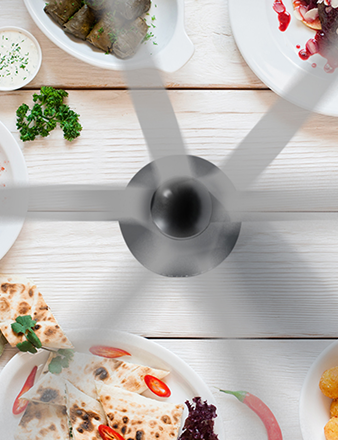
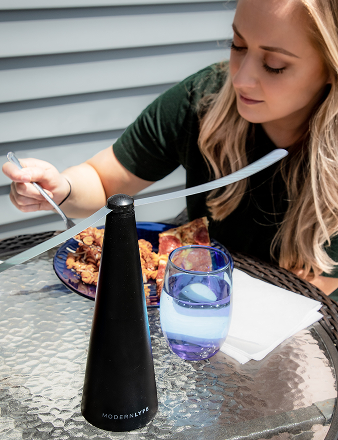
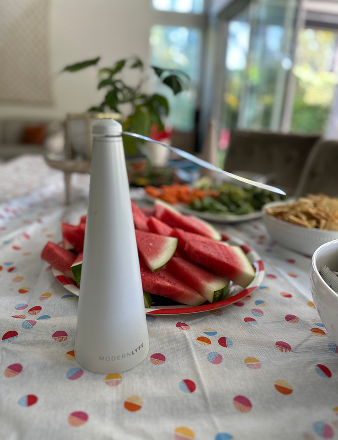
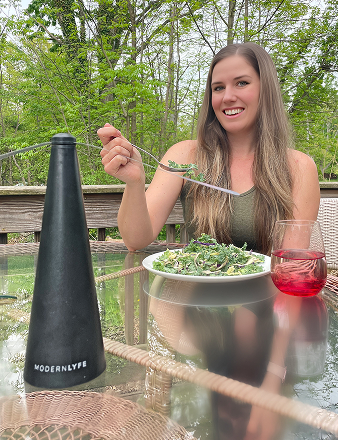
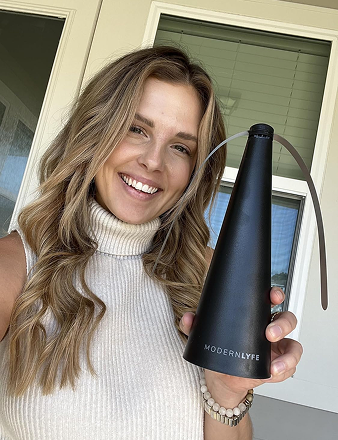
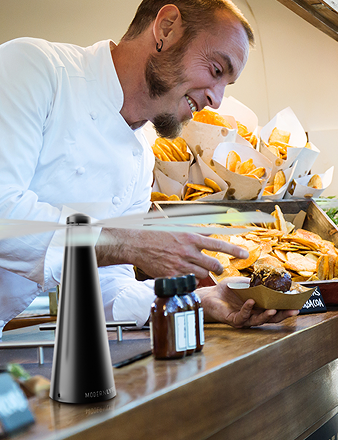
But hospitality isn't an orchard. A buffet line, cocktail station, or wedding dessert table needs solutions that don't disrupt conversation or decor. Air movement matters because flies prefer to land where the air is still, so discreet fan-based control can be especially effective around exposed food.
Use visible control sparingly and strategically
The best results usually come from a layered setup. Fans near open food, traps away from guest sightlines, and sanitation that removes the reasons insects congregate in the first place. That's cleaner than trying to mask the issue with heavy scents or DIY sprays.
What looks “natural” isn't automatically useful. In a service environment, the better test is whether the tool quietly reduces contact with food.
It also helps to be careful with cleaning chemistry. If a venue wants lower-toxicity support products, the cleaner should still fit the task, the surface, and the timing. For practical ideas on that side of the equation, non-toxic fly control guidance is more relevant to event and dining workflows than generic household advice.
A final selection rule is simple. If the tool can't be placed without disturbing guests, it probably isn't the right answer for front-of-house use.
Implementing Staff Training and Maintenance Routines
A chemical-free program fails fast when staff treat pest control like someone else's job. In hospitality, the first clues usually show up across different roles. Kitchen teams see the early signs, servers notice what guests will notice next, and maintenance often finds the underlying cause. If those people are not working from the same process, the venue ends up reacting in pieces.
Train for observation, not just cleaning
Staff training should cover early signs of activity, where to report problems, and what to do before the issue spreads. That means teaching people to notice droppings, damaged packaging, fruit flies near drains or bar wells, moisture leaks, and repeated activity around the same door or waste area. It also means making the reporting path simple enough that no one hesitates, especially during service when speed and discretion matter.
A log turns scattered observations into a usable pattern. Track the location, time, type of pest activity, weather or event conditions, and what was done. If the same area keeps appearing in the log, the venue has found a control gap, not just an annoyance.
Keep maintenance tied to service rhythm
Maintenance should not wait for a crisis. Door closers, screen integrity, drains, caulking, trash lids, and outdoor service areas all need regular attention because they change with use. Busy venues wear down faster than people expect, especially where doors open all day and setups change every night.
The National Academies' framing of pest management as safe, profitable, and durable still applies as a practical standard, because it keeps attention on consistency instead of one-time fixes. That mindset works best in hospitality, where a small hardware failure or a neglected service edge can undo a clean dining room quickly.
A short training format works best:
- Spot it early: Teach staff the signs that matter in their area.
- Report it fast: Make sure every role knows who gets the alert.
- Fix the source: Pair the report with a sanitation, exclusion, or maintenance response.
- Confirm the result: Recheck the area after the issue is handled.
A venue that trains everyone to notice patterns will always outperform one that only calls for help after guests complain.
For teams tightening internal habits, this performance optimization guide is a useful reminder that small routine fixes often beat dramatic last-minute effort. If a venue also needs outside support, environmentally friendly pest services can fit into that routine without disrupting guest experience.
Sustaining a Pest-Free Hospitality Environment
Long-term control comes from stacking the basics correctly. Exclusion blocks entry, sanitation removes attraction, and active non-chemical tools handle what slips through. When those layers work together, pest management stops feeling reactive and starts feeling built into the operation.
The biggest mistake in hospitality is treating one good month as proof the problem is gone. Conditions change. A patio dinner, a wet week, a delivery delay, or a malfunctioning door can create a new opening quickly. The venue that stays ahead is the one that keeps checking the same pressure points.
Troubleshooting without panic
If pests surge before a major event, tighten the service perimeter first. Close or shield openings, remove waste faster, dry down standing moisture, and shift food staging away from likely routes. If a previously effective method stops working, look for the change in conditions before replacing the tool. New clutter, higher humidity, or a broken seal often explains the failure.
If flying insects are concentrated near exposed food, the answer is usually not stronger scent or more spray. It's better air movement, better food timing, and fewer attractants in the immediate zone. If crawling insects keep reappearing in one room, inspect for access and hidden moisture before adding another trap.
For venues that want to compare service options or work with a specialized provider, environmentally friendly pest services can be a useful benchmark for what a lower-toxicity program looks like in practice.
The cleanest pest program is the one guests never notice, because the room stays comfortable and the food stays the focus.
Hospitable spaces win on details. If you want discreet fly control, better guest comfort, and a cleaner approach to open-food environments, visit MODERN LYFE to see how a modern setup can support the kind of service standard your events and dining rooms deserve.