A full dining room feels like momentum. A booked event calendar feels even better. But hospitality businesses don't grow on first visits alone. They grow when guests come back, rebook, recommend you, and trust that your service will be consistent every time.
That's why retention deserves as much attention as acquisition. Acquiring a new customer costs about 5 times more than keeping an existing one, and increasing retention by just 5% can raise profits by 25% to 95%, according to customer retention benchmarks summarized here. In restaurants, hotels, catering operations, and event venues, that gap shows up fast. A returning guest already knows your space, your standards, and whether your team delivers under pressure.
The best customer retention strategies aren't flashy. They're operational. They reduce friction, solve recurring annoyances, and give guests a reason to choose you again when the next dinner, wedding, corporate event, or outdoor gathering comes around. That includes details many operators overlook, like comfort at the table, clean food presentation, and whether flies start circling halfway through service.
If you're thinking past the first transaction, this is the work. For a related angle on loyalty and repeat business, see this retention guide for gym owners.
1. Loyalty Rewards Program
A guest finishes a relaxed patio dinner, the food stays protected, the table stays comfortable, and the bill lands without friction. That is the moment to give them a reason to come back. In hospitality, loyalty programs work best when they extend a good experience the guest already wants to repeat.
A complicated points scheme will not do that. If rewards are hard to track, slow to redeem, or buried in conditions, your team ends up explaining the program more than guests use it. Simple programs usually perform better because staff can mention them quickly at checkout, in follow-up messages, or during rebooking conversations.
A better structure is easy to see and easy to use. Hilton Honors and Starbucks Rewards are useful examples because members understand what they are earning and how close they are to the next benefit. Your business should apply that same clarity to repeat dinners, event bookings, catering orders, or commercial reorders.

What makes rewards stick
Good hospitality rewards match real buying behavior. Returning customers usually buy with less hesitation, spend more over time, and refer other people once they trust your standards. As noted earlier, retention benchmarks from Flowlu point in that direction. The practical takeaway is straightforward. Build rewards around the second, third, and fourth purchase, not just the first return visit.
Choose benefits guests and buyers find valuable in service settings:
- Keep redemption simple: Offer rewards customers can claim without staff intervention, long terms, or awkward approval steps.
- Use perks beyond discounts: Priority booking, preferred delivery windows, early access to seasonal offers, or faster support often protect margin better than constant price cuts.
- Reward experience-driven loyalty: If your venue consistently gets the basics right, including guest comfort and clean food presentation, tie the program to those wins with repeat-visit credits or event rebooking perks.
- Include referrals where relationships matter: Event planners, caterers, hotel coordinators, and regular diners often influence the next booking.
Practical rule: If your staff can't explain the program in one sentence, it's too complicated.
For Modern Lyfe-style products, loyalty works especially well with repeat commercial buyers. Restaurant groups, caterers, hotels, and event operators often reorder once they standardize equipment across locations or recurring setups. If your fly-control setup helps protect open food, improves guest comfort, and reduces a visible service problem on patios or buffet lines, reward that repeat purchasing behavior with priority service, accessory bundles, or early product access. That approach fits how hospitality operators typically buy.
2. Personalized Communication & Email Marketing
Generic email is cheap to send and expensive to keep. If every customer gets the same message, most of your list will ignore it.
Personalized communication works because hospitality buyers don't all need the same thing at the same time. A hotel event coordinator planning outdoor receptions has different concerns than a food truck owner, and both think differently than a homeowner hosting weekend dinners. The best outreach reflects that reality.
Segment first, then send
Independent retention guidance consistently points to segmentation, personalization, and predictive analytics as stronger retention levers than broad messaging, especially when you track repeat purchase rate, CLV, and churn signals for targeted outreach, as outlined in this retention strategy guide.
That's practical, not theoretical. In a hospitality business, useful segments often include:
- Restaurant operators: Focus on patio service, guest comfort, and hygiene presentation.
- Hotels and resorts: Focus on event reliability, visual presentation, and support responsiveness.
- Caterers and planners: Focus on transport, setup speed, and repeat event readiness.
- Home hosts: Focus on ease of use and seasonal reminders.
Behavior-based timing matters too. An abandoned cart email should sound different from a reorder reminder. A pre-summer checklist should sound different from a post-event follow-up.
Personalization also doesn't need to be invasive. Start with what the customer bought, what type of venue they run, and what season they're entering. That's enough to send relevant maintenance tips, restock prompts, or setup ideas that help your business stay top of mind.
3. Superior Customer Service & Support
When retention slips, support is usually involved. Maybe not because the product failed. More often because the customer had a problem and your team made resolution slower than it needed to be.
In hospitality, slow support feels worse because service windows are tight. If a restaurant manager needs help before weekend patio service or a caterer has an issue before a wedding, “we'll get back to you” isn't reassuring. Responsive service is retention.

Reduce effort, not just ticket volume
Strong retention programs prioritize friction reduction and omnichannel support. Fast response times, self-service help, live chat, chatbots, and unified support across email, phone, and social channels are all repeatedly recommended in this customer retention support guide. Customers stay when getting help feels easy.
That means your support setup should include a few basics:
- A real self-service library: Setup videos, troubleshooting clips, and quick-start instructions.
- Clear escalation paths: Staff should know when a basic question becomes a replacement or warranty issue.
- Channel consistency: The answer on email should match the answer on chat or social.
If you're serious about repeat business, track satisfaction after support interactions and compare it against repeat purchases. Modern operators already know that polished service doesn't come from guesswork. It comes from measuring what customers felt after the interaction, which is why monitoring customer satisfaction ratings is useful for spotting preventable churn.
Good support doesn't just solve a problem. It protects the next booking, reorder, or referral.
4. Product Quality & Warranty Guarantees
A weak product kills retention faster than weak marketing. Hospitality buyers don't want to re-evaluate a vendor every season. They want equipment and supplies that work, look clean in-service, and hold up under repeated use.
That's why warranties matter. Not because customers expect failure, but because a guarantee lowers purchase risk and signals confidence. YETI, Dyson, and premium appliance brands all understand this. The warranty is part of the buying decision because reliability is part of the product.

Reliability is part of the guest experience
In hospitality, quality doesn't stop at durability. It also affects what guests notice at the table. If an outdoor setup looks improvised, if food protection feels inconsistent, or if pests become visible during service, the customer remembers that discomfort more than your décor.
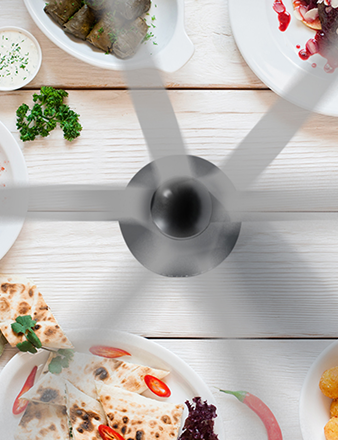
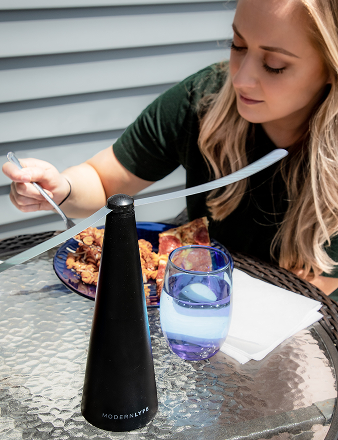
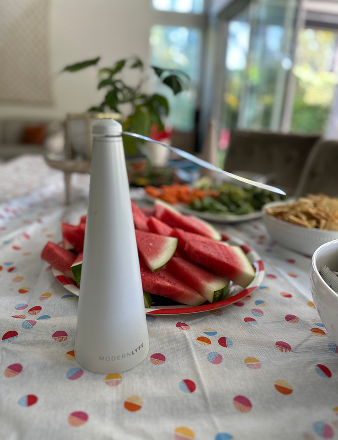
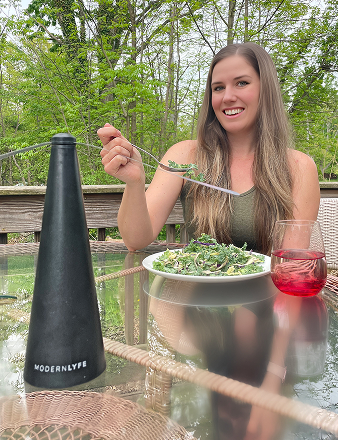
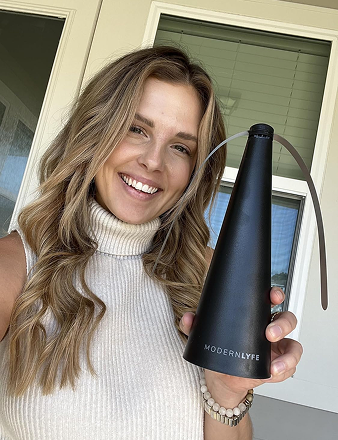
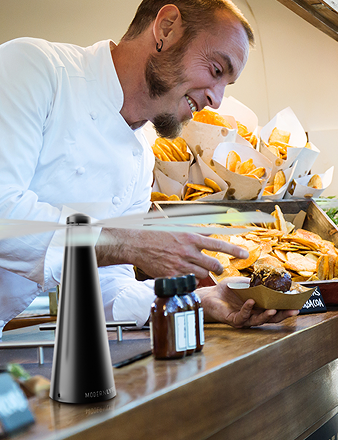
Retention gets very practical with a product that supports comfort and food hygiene, helping the operator protect the entire guest experience. For Modern Lyfe, that means quiet, low-maintenance fly fans that fit into buffets, patios, receptions, and outdoor dining setups without looking clunky or distracting.
Use the warranty process as part of onboarding, not an afterthought. Register products early, send care guidance, and follow up before peak season. Buyers are much more likely to stay loyal when they believe your business will still be useful after the invoice is paid.
A strong guarantee also creates feedback loops. Warranty claims, replacement requests, and support trends often show where your product or process still creates friction. Operators who use that information well improve retention without adding more promotions.
5. Educational Content & Thought Leadership
Good educational content keeps your business relevant between purchases. That matters in hospitality because many buying decisions are seasonal, event-driven, or tied to specific service periods. If customers only hear from you when you want a sale, they'll forget you until they need to shop around again.
The better move is to teach. Show restaurant owners how to improve outdoor dining comfort. Show caterers how to protect buffet presentation. Show hotel event teams how to keep food areas cleaner and more guest-friendly during outdoor service.

Teach what operators actually need
Educational content works when it solves real operating problems. A few strong formats:
- Seasonal guides: Patio season prep, buffet hygiene tips, event setup checklists.
- Installation walkthroughs: Quick videos showing clean placement and practical use.
- Scenario-based articles: Outdoor brunch service, wedding buffets, food truck lines, market stalls.
This is also where product education meets brand trust. If a customer understands where your product fits, how to maintain it, and how to use it elegantly in front-of-house spaces, they're more likely to keep using it well and reorder when needed.
A simple demo can often do more than a long sales page. This video format is useful when your audience needs to see setup and presentation in context.
The strongest thought leadership in hospitality doesn't sound like thought leadership. It sounds like sharp operational advice from someone who understands service pressure. That's why content around comfort, food hygiene, guest perception, and outdoor readiness often outperforms generic promotional messaging.
6. Exclusive Access & VIP Treatment Programs
A Saturday wedding is two hours from guest arrival. Your patio team is setting tables, the buffet is being staged, and one small front-of-house problem can turn into dozens of guest comments. That is why VIP treatment matters in hospitality. Your best accounts are not asking for status. They are asking for faster decisions, cleaner service conditions, and fewer preventable issues during high-pressure shifts.
This approach fits hotel groups, repeat venue buyers, major caterers, and restaurant operators running multiple locations. The best version is operational, not flashy. If a premium customer buys products that affect guest comfort and food presentation, your VIP program should help them protect both.
Give your best customers practical advantages
Useful VIP benefits usually fall into four buckets:
- Priority support: Faster responses during event days, outdoor service, and peak season.
- Early access: First access to new product releases or seasonal inventory before rollout pressure starts.
- Commercial service perks: Replacement parts, setup guidance, and purchasing options built for multi-unit operations.
- Account reviews: Short planning calls before busy periods so your team can spot gaps before service does.
For hospitality operators, the strongest perk is often prevention. A venue manager does not care about a branded badge or a generic members-only discount if the terrace still has fly problems during lunch service. They care about protecting the guest experience. If you sell products tied to food hygiene, comfort, or outdoor dining readiness, VIP treatment should include guidance on placement, maintenance, and broader integrated pest management practices for hospitality settings.
A weak VIP program gives away margin. A good one saves time. A strong one helps your best customers run a cleaner, calmer service.
As noted earlier, retention research consistently shows that loyal customers are more open to trying additional products once trust is established. In hospitality, that matters because expansion usually follows visible performance. If your fly control tools work well during buffet service, outdoor brunch, or patio dining, premium accounts are far more likely to add units, standardize across locations, or test new placements.
Your premium accounts usually do not want more marketing emails. They want fewer surprises, better coverage, and support that respects how service functions.
7. Proactive Problem Prevention & Predictive Support
Reactive support fixes today. Proactive support protects next month.
That difference matters in hospitality, where churn often starts with small recurring frustrations. A battery wasn't ready. A setup was awkward. A product wasn't deployed where it would have helped most. None of that always triggers a complaint. It just weakens confidence.
Reach out before the customer has to ask
Recent retention research argues that when discounts and loyalty perks lose effectiveness, the more strategic move is often fixing the underlying experience. Omnichannel support, fast responses, personalization, employee experience, community-building, and root-cause analysis are all emphasized in this retention research summary.
For hospitality operators, proactive retention often looks like this:
- Pre-season reminders: Prompt customers before outdoor dining or event season starts.
- Usage follow-ups: Ask whether the product is being used where it creates the most value.
- Service recovery prompts: If someone had an issue, check back after resolution.
- Operational education: Share guidance that helps customers prevent the same issue from repeating.
This is also where broader pest-control thinking helps. If your business serves food and outdoor gatherings, prevention always beats last-minute reaction. A practical example is using integrated pest management principles to reduce conditions that attract pests in the first place, then pairing that with tools that protect guest-facing food areas.
The customer rarely says, “I left because your process had too much friction.” They just stop ordering.
Predictive support doesn't need advanced telemetry to be useful. Timed check-ins, seasonal prompts, and smarter follow-up are often enough to keep customers engaged and problems smaller.
8. Community Building & User-Generated Content
Hospitality operators trust peers faster than they trust ads. If another restaurant owner shows a clean patio setup that works, people pay attention. If a caterer shares a buffet layout that protects food without hurting the look of the event, that carries weight.
That's why community matters. Not as a branding exercise, but as a way to keep your product visible in real-world use.
Show the product in service, not just in studio shots
This strategy is especially useful in physical and event-driven businesses, where retention often depends less on weekly engagement and more on being remembered as the default choice the next time the need comes up. Research focused on this gap also notes that 61% of customers would switch to a competitor after just one bad experience, as summarized in this retention strategy analysis. In hospitality, “bad experience” often includes operational friction guests can see.
A community can reduce that risk because it keeps best practices circulating:
- Customer photo features: Real venues, real tablescapes, real event setups.
- Private groups: Useful for restaurant owners, hotel coordinators, and caterers sharing setup tips.
- Ambassador programs: Reward experienced customers who actively recommend and demonstrate the product.
- Story-driven social posts: Show how the product supports comfort and food presentation during service.
User-generated content works best when it feels practical. Don't ask people to create polished branded content. Ask them to show how they solved a real service problem. A patio brunch setup, a buffet line at an outdoor wedding, a market stall with better presentation. Those examples help retention because they reinforce usefulness, not hype.
9. Flexible Pricing Models & Payment Options
Retention starts before the second purchase. If the first buying experience feels financially rigid, some customers never get far enough to become repeat customers.
Hospitality buyers often work through uneven cash flow. Caterers may book heavily in one season and lightly in another. Restaurant groups may roll out equipment in phases. Event operators may need a solution for a concentrated period, not a standard one-time purchase. Flexible pricing respects how these businesses buy.
Match the offer to the buying reality
Good payment flexibility can include financing, staged purchases, net terms for qualified commercial buyers, or event-based rental options. The key is to avoid creating unnecessary stress at checkout.
Some practical models include:
- Commercial financing: Useful for buyers equipping multiple locations or large outdoor areas.
- Seasonal payment structures: Better aligned with peak revenue periods.
- Rental or event-use options: A fit for one-off weddings, festivals, or temporary installations.
- Volume pricing: Helps repeat buyers standardize across teams or venues.
Flexible payment options also support retention because they reduce buyer's remorse. Customers who feel they purchased on terms that fit their operation are less likely to disappear after the first order.
If your customer base includes both businesses and consumers, keep the paths separate. A homeowner buying for backyard gatherings doesn't need the same payment journey as a hotel procurement team. Clear options reduce friction, and practical financing details can be surfaced through resources like these payment plan options for customers who need more buying flexibility.
10. Win-Back & Reactivation Campaigns
A hotel patio reopens for spring. The team is planning menus, staffing, and seating, but the supplier they used last year never hears from them. Nothing went wrong. Your business just dropped off the priority list.
That pattern is common in hospitality because buying cycles are uneven. Event planners reorder around booked dates. Restaurants pause purchases in slower months. Hotels often revisit outdoor comfort and service upgrades only when guest traffic returns. If you treat that silence as permanent churn, you leave revenue on the table.
Re-engage with relevance
Win-back campaigns work when they reflect the realities of the venue. A generic “we miss you” email rarely gets attention from an operator who is juggling prep lists, vendor calls, and service issues. A stronger message names the setting, the season, and the operational reason to act now.
For hospitality businesses, that reason is often tied to the guest experience. Comfort matters. Cleanliness matters. Food hygiene matters. If you sell products such as Modern Lyfe fly fans, your reactivation message should connect directly to those outcomes. Remind a restaurant manager how the fans helped protect open plates on the patio. Remind a hotel team how they supported a more comfortable bar or poolside setup. Remind an event operator that fewer pest distractions can mean a better guest impression and fewer complaints during service.
Use a mix of:
- Seasonal reactivation emails: Contact buyers before patio season, wedding season, or peak outdoor service periods.
- Product update messages: Share what has improved, whether that is durability, battery life, placement options, or commercial suitability.
- Purchase-specific reminders: Refer to the customer's last order, venue type, or past setup.
- Feedback-based outreach: Ask why reordering stalled, then respond with a practical fix.
Short, specific outreach usually performs better than a broad promotional push.
Value-added offers also tend to fit hospitality better than blanket discounts. A quick placement recommendation for a patio, a short review of fly-control weak points around service areas, or advice on preparing for high-traffic weekends can give a lapsed buyer a good reason to reply. The goal is to make the next order easy and timely, not to pressure someone into buying before the need is real.
Customer Retention: 10-Point Comparison
| Strategy | Implementation Complexity 🔄 | Resource Requirements ⚡ | Expected Outcomes 📊 | Ideal Use Cases 💡 | Key Advantages ⭐ |
|---|---|---|---|---|---|
| Loyalty Rewards Program | High, requires platform, tracking, and tier logic | Medium–High, CRM, rewards engine, promotions budget | Increased repeat purchases and higher AOV; richer customer data | Restaurants, hotels, caterers with repeat orders | ⭐⭐⭐, Drives repeat buys; strengthens brand loyalty |
| Personalized Communication & Email Marketing | Medium, segmentation and automation setup | Medium, email platform, data integration, content creation | Higher open/CTR, better CLTV, measurable ROI | All customer segments; onboarding and seasonal outreach | ⭐⭐⭐⭐, Cost-effective targeted engagement and upsells |
| Superior Customer Service & Support | High, staffing, training, multi-channel systems | High, trained team, tooling, SLAs, potential on-site support | Reduced churn, more referrals, product insights | High-value commercial buyers and mass-market customers | ⭐⭐⭐⭐, Differentiator that improves retention and referrals |
| Product Quality & Warranty Guarantees | Medium, QA processes and warranty operations | Medium, testing, returns handling, repair logistics | Lower perceived risk, higher conversion, improved trust | Commercial buyers and homeowners seeking reliability | ⭐⭐⭐⭐, Builds confidence; reduces churn from failures |
| Educational Content & Thought Leadership | Low–Medium, content strategy and production cadence | Medium, writers, video/SEO resources, promotion | Improved SEO, lead generation, long-term authority | Restaurants, event planners, procurement/marketing teams | ⭐⭐⭐, Establishes expertise; supports organic growth |
| Exclusive Access & VIP Treatment Programs | Medium, criteria, perks, account management setup | Medium–High, dedicated managers, events, discounts | Higher lifetime value from top clients; advocacy | High-volume restaurants, hotel chains, key partners | ⭐⭐⭐⭐, Retains top customers; generates feedback for R&D |
| Proactive Problem Prevention & Predictive Support | High, IoT, analytics, and notification systems | High, hardware telemetry, analytics team, app/dev | Fewer failures, higher uptime, upsell opportunities | Commercial installations with many deployed units | ⭐⭐⭐⭐, Prevents issues; enhances reliability perception |
| Community Building & UGC | Medium, platform moderation and engagement plans | Low–Medium, community manager, incentives, content tools | Increased advocacy, organic content, peer support | Local/regional restaurant owners, ambassadors, fans | ⭐⭐⭐, Low-cost authentic marketing and peer support |
| Flexible Pricing Models & Payment Options | Medium, finance partnerships and billing systems | Medium, fintech partners, accounting, terms management | Higher conversions; broader market reach; recurring revenue | Small businesses, seasonal event renters, budget-conscious buyers | ⭐⭐⭐, Lowers purchase friction; expands addressable market |
| Win-Back & Reactivation Campaigns | Low, campaign tooling and segmentation | Low, targeted offers, content, tracking | Recover lapsed revenue; insights into churn reasons | Customers dormant 12–24+ months, seasonal re-engagement | ⭐⭐, Cost-effective recovery of inactive customers |
Turn Every Guest into a Regular
Customer retention strategies work when they're built into daily operations, not parked in a marketing calendar. That's the main difference between businesses that get occasional repeat traffic and businesses that become the obvious choice every time a customer plans a meal, event, or outdoor service setup.
Hospitality makes retention more visible than most industries. Guests notice comfort. They notice whether food service feels clean and well managed. They notice when staff solve problems quickly and when small annoyances are handled before they turn into complaints. They also remember when a business feels reliable enough to trust again without hesitation.
That's why broad retention advice often falls short for restaurants, hotels, caterers, and event teams. Loyalty points alone won't fix a frustrating guest experience. A discount won't erase poor support. A follow-up email won't do much if the product created more hassle than value. The operators who retain customers over time usually focus on the basics first. They remove friction, improve consistency, personalize communication, and make every interaction easier than the last one.
This is also where the economics become hard to ignore. Earlier, we noted that retention improvements can have an outsized effect on profit and that keeping existing customers is usually far more efficient than constantly chasing new ones. In hospitality, those gains don't come from one dramatic campaign. They come from repeatable decisions. Better support. Smarter segmentation. More useful loyalty programs. Product guarantees that lower risk. Follow-up that arrives before the busy season instead of after a complaint.
For businesses serving outdoor dining, buffets, receptions, and event-based food service, comfort and hygiene deserve a bigger place in the retention conversation. Guests may never mention why they felt more at ease at one venue than another, but operators know those details matter. A pest-free table, a cleaner buffet presentation, and a setup that looks polished instead of improvised all contribute to the impression that your business has standards. That impression drives rebooking.
Start with one or two strategies that solve a real retention problem in your operation. If your team gets repeat questions, improve support. If guests disappear after one visit, tighten post-purchase follow-up. If outdoor service creates complaints, fix the physical experience instead of masking it with promotions. Measure what changes, then keep building.
Retention isn't a campaign you run once. It's the result of giving customers fewer reasons to leave and more reasons to come back.
If you want a practical way to improve guest comfort, protect food presentation, and make outdoor dining or event service feel more polished, explore Modern Lyfe. Their fly fans are built for restaurants, hotels, caterers, event hosts, and outdoor vendors who need elegant insect protection that fits the setting instead of disrupting it.