A new review lands before lunch. The guest liked the food, but service felt slow, the patio had flies, and the overall rating lands in the middle. That single rating now sits where future guests can see it, and you still have to run the shift.
That's why customer satisfaction ratings matter so much in hospitality. They aren't abstract brand metrics. They're operating data tied to real moments: the host stand backup, the delayed drink order, the buffet line that looked great until pests showed up, the checkout process that felt clunky, the server who recovered a mistake well enough to save the night.
Managers who treat ratings like a monthly report usually stay reactive. Managers who treat them like a live operational signal make better decisions faster.
Why Customer Satisfaction Ratings Matter Now More Than Ever
A guest can forgive a sold-out dessert. They are less likely to forgive a slow check-in, a sticky table, or flies circling a patio cocktail.
That is why satisfaction ratings carry more weight now. In hospitality, the score reflects the full operation. Service speed, cleanliness, staff judgment, comfort, noise, and small environmental issues all get compressed into one public number that influences the next booking, reservation, or event inquiry.
The revenue impact is direct. According to Zendesk data cited by Contentful, 87% of consumers are more likely to make another purchase after a good customer experience, and 97% will change their buying behavior after a bad one, with 58% stopping purchases from the company entirely in Contentful's customer experience statistics roundup. For restaurants, hotels, and event venues, that means one weak stay or meal can affect repeat visits, private bookings, and word-of-mouth demand.
Ratings show where the operation is breaking down
Strong operators trace scores back to the conditions that created them.
A poor event rating often starts with setup delays, unclear signage, or a service team that was short one captain. A hotel complaint may come from front desk bottlenecks, not the room itself. A restaurant can lose stars over something managers stop seeing after a while, such as flies on the patio, heat at the host stand, or a restroom check that slipped during peak volume.
That matters because guest ratings are often the fastest signal that a process is failing in real service, not in a staff meeting. Teams that want to improve customer support with CallZent's methods should apply the same discipline on property: tie feedback to a location, shift, touchpoint, and manager owner.
Practical rule: If a rating cannot be connected to a specific moment, team, or physical condition, it usually does not get fixed.
Hospitality also has less margin for hidden friction because the product is experienced live. Guests feel the delay, hear the noise level, notice pest problems, and judge whether staff responded quickly. Modern tools can help operators tighten those weak points, from survey workflows to new technology used in guest-facing operations, but tools only matter if they point to a fix the team can execute this week.
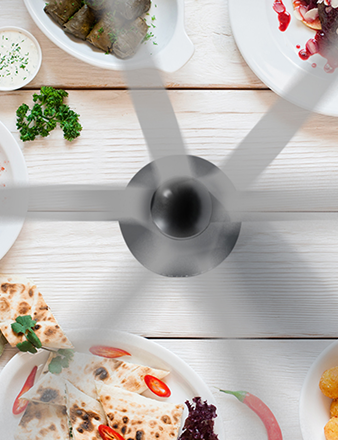
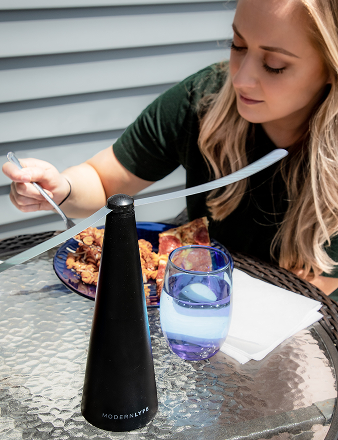
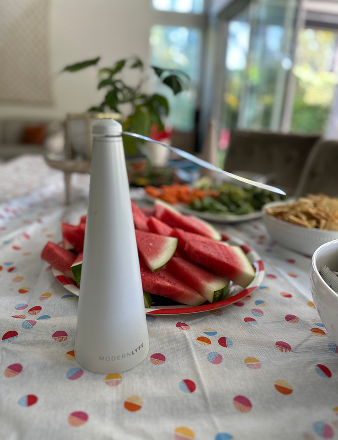
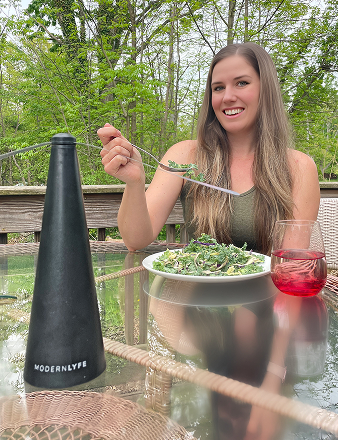
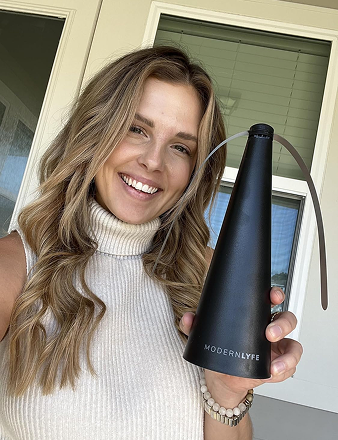
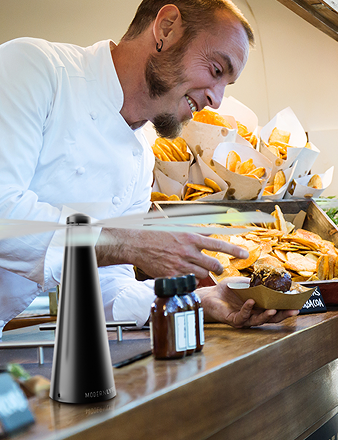
One overlooked example is outdoor comfort. If patio ratings keep mentioning annoyance, cleanliness, or poor atmosphere, managers should not assume the issue is only service training. In many venues, discreet fly control such as fly fans improves the guest experience immediately because it addresses a visible irritant before it shows up in reviews.
A satisfaction rating is not just feedback. It is an operating priority list written by the guest.
Decoding the Key Satisfaction Metrics
Most managers need three lenses, not one. CSAT is the snapshot. NPS is the forecast. CES measures effort.
Used together, they tell you different things about the same guest experience.

CSAT for specific interactions
Customer Satisfaction Score, or CSAT, is the cleanest metric for hospitality teams because it works at the touchpoint level. You ask right after a meal, check-in, delivery, or event. The question is usually simple: “How satisfied were you with your experience?”
CSAT is calculated by asking customers to rate satisfaction on a scale such as 1 to 5, then dividing the number of positive responses, typically 4s and 5s, by the total number of responses and multiplying by 100, as outlined in SmartSurvey's guide to customer satisfaction metrics.
That structure makes CSAT useful when you want to improve a process, coach a team, or compare service moments.
NPS for loyalty
Net Promoter Score, or NPS, answers a broader question: “How likely are you to recommend us?” It isn't about one table turn or one checkout. It's about whether the overall brand experience created enough trust to trigger word of mouth.
In hospitality, NPS is useful when you want to understand how guests feel about your business as a whole. It fits hotels, event venues, catering businesses, and multi-location restaurant groups especially well.
CES for friction
Customer Effort Score, or CES, asks how easy it was for the guest to do something. Book a room. Change a reservation. Pay the bill. Resolve a complaint. Find the event entrance.
This metric often exposes problems that operators miss because the service outcome looked acceptable from the inside. Guests may leave satisfied with the meal but annoyed by the ordering flow, parking instructions, or support process.
A guest can like your product and still dislike how hard it was to get it.
Key Customer Satisfaction Metrics at a Glance
| Metric | What It Measures | Typical Question | Best For |
|---|---|---|---|
| CSAT | Satisfaction with a specific interaction | How satisfied were you with your experience? | Meals, stays, support contacts, event execution |
| NPS | Loyalty and likelihood to recommend | How likely are you to recommend us to a friend or colleague? | Brand health, repeat business, reputation tracking |
| CES | Ease of completing a task | How easy was it to complete your booking, order, or issue resolution? | Reservations, payments, service recovery, support workflows |
Which one should a hospitality manager use
If you can only implement one metric this month, start with CSAT. It's the most actionable on the floor because you can tie it to a recent interaction and fix what caused it.
If you're refining your survey program or want another practical framework, this guide on how to improve customer support with CallZent's methods is useful for comparing measurement approaches in plain language. For internal operations, it also helps to align feedback reporting with your existing performance metrics dashboard, so guest sentiment sits beside response time, complaint volume, and recovery trends.
How to Collect Actionable Guest Feedback
Most hospitality teams don't have a feedback problem. They have a timing problem.
If you ask too late, the details are gone. If you ask too broadly, the answers get vague. If you ask too much, response quality drops. The strongest customer satisfaction ratings programs collect feedback close to the moment, with minimal friction.

Match the question to the touchpoint
A post-meal survey should ask about the meal. A post-stay message should ask about check-in, room readiness, staff responsiveness, and checkout. A post-event form should separate planning, setup, service, and cleanup.
Customer satisfaction scores alone rarely explain why a customer is satisfied or not. Pairing ratings with feedback specific to journey stages is critical for uncovering where service gaps occur and what operational factors drive the numbers, as discussed in the AJR article on patient satisfaction measurement context.
That principle matters in hospitality because one low rating can mean very different things depending on when you ask.
Low-friction collection methods that work
Use methods guests can complete in seconds:
- Tabletop QR surveys: Place a code on the table, check presenter, or buffet sign with one rating question and one optional comment box.
- Post-stay or post-event emails: Send a short survey while the experience is still fresh.
- Wi-Fi landing page prompts: Ask one concise question after login or before logout.
- SMS after service recovery: If a manager intervened, send a targeted follow-up instead of a generic survey.
- Comment capture at key exits: Front desk, event desk, and host stand teams can invite feedback when service is complete.
What to ask and what to avoid
The strongest hospitality surveys are short and specific. Start with one rating question, then one open-text prompt such as “What most affected your experience today?”
Don't ask a ten-question survey after a casual lunch. Don't combine unrelated issues in one question. Don't wait until the end of the quarter to ask guests to recall a service moment from weeks ago.
Ask while the operational context is still clear enough to act on.
If online review generation is part of your plan, this practical guide on how to get more Google reviews is a useful complement to direct survey collection. Reviews help public visibility. Direct feedback helps operational diagnosis. You need both.
Turning Guest Feedback into Business Intelligence
An average score won't tell you what to fix first. Averages smooth over the very patterns that matter most in hospitality.
A restaurant can look stable overall while patio guests are frustrated. A hotel can post decent stay ratings while one check-in team is dragging down first impressions. An event company can have happy wedding clients and unhappy corporate clients at the same time. If you don't segment the data, you won't see the operational story.

Segment before you summarize
Break customer satisfaction ratings down by factors your team can manage:
- Time-based views: Lunch vs. dinner, weekday vs. weekend, pre-event setup vs. event live hours
- Physical environment: Patio vs. indoor dining, ballroom vs. terrace, buffet line vs. seated service
- Service type: Dine-in, takeout, catering, room service, concierge, banquet support
- Team ownership: Shift lead, service team, event captain, front desk crew
- Guest type: New guest, repeat guest, wedding client, corporate planner, family group
Patterns emerge. Complaints that seem random at the top level often become obvious when sliced by touchpoint or segment. That's the basis of good process improvement in service operations.
Read comments like operational data
Open-text feedback is where guests tell you what the score can't. They mention slow seating, confusing signage, sticky menus, loud music, weak follow-up, or flies around food.
By treating rating scales as ordinal data and applying sentiment analysis to open-text comments, businesses can use regression analysis to isolate which variables, such as support responsiveness or environment, have the greatest statistical impact on satisfaction, according to SimpleSat's guide to customer feedback data.
You don't need advanced software to start. A disciplined spreadsheet and weekly review can go a long way.
A simple analysis routine
Use a repeatable workflow:
- Tag every comment by issue type, such as service speed, cleanliness, noise, comfort, pests, payment, or staff attitude.
- Group by segment so you can compare where the same complaint shows up most.
- Look for recurrence rather than reacting only to the loudest single review.
- Assign ownership to a manager or team, not to “operations” in general.
- Track changes over time after you make a fix.
The shift from reporting to intelligence happens when feedback starts informing staffing, training, layout, maintenance, and guest communication.
Proven Strategies to Boost Your Satisfaction Scores
A Saturday patio service can look strong on paper. Orders are getting out, the host stand is moving, and no one is in crisis mode. Then the reviews come in. Guests mention slow updates, a restroom that slipped during the rush, and flies near the appetizers. Scores drop because small operational misses stacked up into one clear impression: the experience felt unmanaged.
Hospitality teams usually lose points in three places: service execution, cleanliness control, and environmental comfort. Strong operators treat each one as a system, with clear standards, fast correction, and visible accountability.

Tighten service before adding complexity
Score gains usually come from simpler execution, not more scripts or more tech.
Service breaks down at handoffs. The kitchen is behind but no one updates the table. A room is not ready but the front desk gives a vague answer. Event guests cannot find the registration table because signage made sense in planning and failed in live traffic. These are process problems, not attitude problems.
Use practical fixes:
- Set decision rights: Let frontline staff comp a small item, offer a reset, or call a manager without waiting for approval chains.
- Use standard update points: If a wait crosses a set threshold, staff should give a time estimate and the next promised touchpoint.
- Train recovery language: Guests respond better to clear ownership and a next step than to polished apologies with no action.
- Audit handoffs by shift: Lunch, dinner, check-in, banquet setup, and event closeout fail in different ways. Review them separately.
One sentence matters here. Guests can forgive a mistake. They score you down when no one seems in control of it.
Make cleanliness part of the live guest experience
Cleanliness is not only a back-of-house standard. It is a visible operating signal.
Guests make judgments from what they can see in seconds: restroom condition, sticky tabletops, smudged glass, full trash near an entrance, poorly maintained buffet tools, or a host stand cluttered with paper and cables. In hotels, the same rule applies to elevator interiors, lobby seating, and public restroom checks. In events, it shows up in neglected drink stations and overflow at waste bins.
A pre-shift checklist helps. It is not enough on its own.
Managers need a live-service inspection rhythm. Walk the floor at fixed intervals. Check the areas guests touch first and remember most. Correct issues in the moment, then ask why they happened. The trade-off is real. More floor checks take manager time, but they prevent low-score comments that are far more expensive to recover from later.
Fix comfort problems that guests notice fast
Ambiance includes comfort barriers that teams often normalize because they see them every day. Guests do not.
Noise spikes, heat at an outdoor reception, glare at a window table, weak wayfinding, and pests around food all affect ratings because they interrupt the experience at the exact moment a guest is trying to enjoy it. Restaurants, hotels, and event teams often under-manage these details because they sit between departments. No single team owns them, so they persist.
Flies are a common example. They show up on patios, buffet lines, catered functions, poolside service, and outdoor weddings. Guests may not complain on the spot, but they remember it later and mention it in reviews. That makes it an operational issue, not a cosmetic one.
One practical option is battery-operated table fly fans that help protect exposed food without adding noise or disrupting the setting. MODERN LYFE makes quiet fly fans for restaurants, hotels, catering setups, and home gatherings where food is exposed during service. They are not a substitute for sanitation or pest control. They are a useful front-of-house tool for a recurring guest-experience problem that many operators overlook.
A short demo is worth watching before you test any setup change:
Build a weekly fix-and-verify routine
Satisfaction scores improve when managers remove one repeated source of friction at a time.
Use a simple weekly rhythm:
- Choose one recurring failure point: slow greeting, unclear event signage, patio flies, poor room-ready communication, or messy condiment stations
- Change one operating condition: staffing position, cleaning frequency, setup sequence, update language, or table equipment
- Review new comments for two weeks: look for fewer mentions of the same issue and better wording around the experience
- Show staff the before-and-after: real guest comments make coaching specific
- Keep the fix if it holds: if comments do not change, test a different operational adjustment
As noted earlier, industry benchmarks show that strong hospitality scores come from managing the full guest experience, not just the core product. That is the standard to aim for. Better ratings follow better operations.
Make Every Review a Step Toward Excellence
The strongest hospitality teams don't wait for a quarterly summary to understand guest sentiment. They define the right metrics, collect feedback close to the moment, analyze it by segment, and act on what the patterns reveal.
That approach changes the meaning of customer satisfaction ratings. They stop being a public verdict and start becoming a working tool. A one-line comment about slow check-in, noisy seating, or flies near the buffet is no longer just criticism. It's operational direction.
What strong teams do consistently
They build habits around feedback:
- Measure the right moment: Use touchpoint-level surveys instead of broad guesswork
- Keep the feedback short: One rating plus one useful comment field is often enough
- Analyze by context: Shift, location, service type, and guest segment matter
- Close the loop fast: Assign an owner and change something visible
- Teach from evidence: Bring real guest comments into staff coaching
Customer satisfaction ratings won't improve because a team wants better scores. They improve when managers remove friction, tighten execution, and solve the details guests feel.
Every review contains two messages. One is emotional. The other is operational. Train yourself to read both.
Start with one fix this week. Shorten a survey. Add a comment tag system. Review patio complaints separately from indoor dining. Tighten service recovery language. Solve a comfort issue that guests keep signaling.
That's enough to begin. In hospitality, excellence rarely comes from one big overhaul. It comes from small corrections made consistently, while the guest experience is still happening.
If guest comfort is part of the issue you need to solve, take a practical look at MODERN LYFE. Their fly fan solutions fit restaurants, hotels, catered events, and outdoor gatherings where pests can damage the dining experience and, over time, your customer satisfaction ratings.