A guest sits down on your patio, glances at the menu, then asks the question every hospitality manager dreads: “Are we staying out here if the weather turns?” At the next table, someone waves away flies. In the kitchen, staff are adjusting service flow because heat is making the pass harder to manage. None of this feels like “climate policy.” It feels like operations.
That's why environmental adaptation matters to hospitality. It's not an abstract environmental term. It's the practical work of helping your business function well when conditions around it shift, whether that means heat, rain, wind, smoke, flooding risk, changing pest pressure, or guest expectations around comfort and safety.
For a restaurant, hotel, venue, or catering team, adaptation shows up in ordinary decisions. Do you redesign an outdoor seating area? Change service timing? Add shade, heaters, drainage, screens, or insect-control tools? Update your event plans so staff can respond faster when conditions change? Those choices affect guest experience just as much as food quality and service standards do.
What Is Environmental Adaptation and Why It Matters Now
Environmental adaptation is the process of adjusting to changing conditions so people, systems, and businesses can keep working. In hospitality terms, think of it as the difference between a venue that gets knocked off balance by every disruption and one that keeps service smooth when the environment gets less predictable.

A lot of managers hear the phrase and picture giant seawalls or national infrastructure plans. Those matter, but adaptation is also local and operational. If you run outdoor dining, poolside service, open-air events, food trucks, or buffet stations, you're already making adaptation decisions. You just might be calling them maintenance, guest comfort, risk management, or seasonal planning.
Why this moved from niche to urgent
The scale of the issue is large enough that it's reshaping policy, planning, and finance. The United Nations reports that 3.6 billion people are currently highly vulnerable to climate change impacts. The same UN summary says that between 2015 and 2024, weather-, climate-, and water-related disasters killed or left missing more than 40,000 people per year on average and affected a further 121 million people annually, which is why adaptation has become a core policy priority rather than a side issue in environmental planning (UN climate key findings).
For hospitality operators, the business version of that story is simple. Conditions are changing, and “business as usual” assumptions age quickly. A patio layout that worked a few seasons ago may now struggle with heat buildup or sudden rain. A venue that once treated pests as an occasional nuisance may need a more systematic plan, including tools aligned with integrated pest management principles.
Practical rule: If the environment changes how guests feel, how staff move, or how food is protected, it's an operations issue, not just an environmental one.
What adaptation means for your daily decisions
Adaptation is not only about preventing damage. It's also about preserving quality. Guests remember whether they felt comfortable. Staff remember whether service felt manageable. Event clients remember whether your team looked prepared.
That makes environmental adaptation a management discipline. It helps you protect service standards under stress, reduce friction in outdoor operations, and make your business easier to trust.
Understanding the Four Types of Adaptation
People often get stuck on one point: they assume adaptation means installing equipment. Sometimes it does. But the idea is broader. A useful way to understand environmental adaptation is to sort it into four types.

Use this like a manager's checklist. If a problem keeps recurring, ask which kind of adaptation fits it best. You may need more than one.
Biological adaptation
Biological adaptation happens when living organisms change over generations in response to their environment. This is the oldest form of adaptation, and it helps show that adaptation isn't a trendy new concept. It's a survival mechanism.
A strong scientific example comes from high-altitude populations. Research reviewed in Current Opinion in Physiology notes that genomic studies have identified strong selection in Tibetans, especially in genes such as EPAS1 and EGLN1, which help regulate responses to low oxygen (Current Opinion in Physiology review).
For a hospitality manager, you don't need to become a geneticist. The takeaway is that adaptation can be deep and long-term. Nature adjusts when conditions demand it. Businesses do something similar, though through design, routines, and technology rather than genes.
Behavioral adaptation
Behavioral adaptation is about changing actions. This is the fastest and cheapest lever in many businesses.
A restaurant might shift prep timing during hot periods, move fragile food items away from exposure points, or train staff to reset outdoor tables differently when insects are active. An event team might build weather-triggered run sheets so everyone knows what changes when wind picks up or temperatures drop.
This type is like changing how you drive in heavy rain. You don't rebuild the car first. You adjust speed, spacing, and timing.
Structural adaptation
Structural adaptation means changing the physical setup. In hospitality, this is often where managers first spend money because the need is visible.
Examples include:
- Shade systems: Awnings, umbrellas, pergolas, and reflective materials that reduce heat load.
- Weather protection: Covers, drainage improvements, flooring choices, and wind barriers.
- Comfort controls: Heaters, fans, misting systems, and seating layouts that reduce exposure.
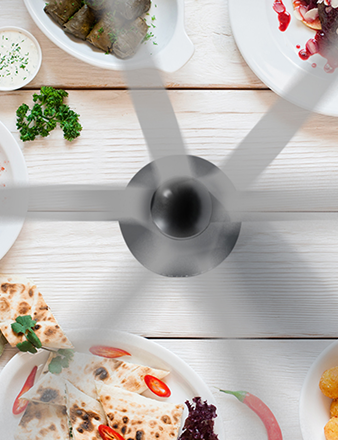
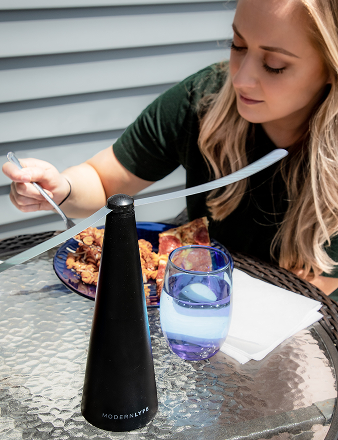
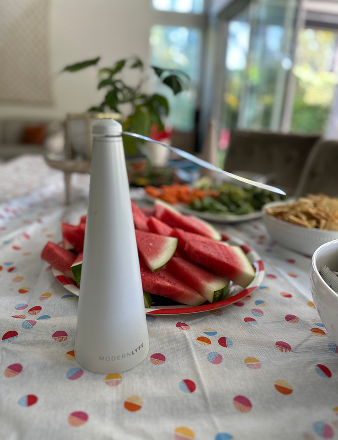
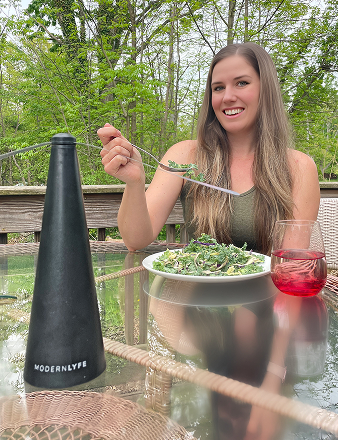
- Pest barriers: Tabletop tools, covers, and service-station design that make food areas less vulnerable.
Structural moves are like upgrading the building shell of your operation. They don't replace good procedures, but they make those procedures easier to execute.
Ecosystem-based and governance adaptation
Some adaptation uses natural systems. Some uses rules and planning.
Ecosystem-based adaptation includes choices like planting for shade, using green roofs, or designing outdoor spaces that improve drainage and cooling. Policy or governance adaptation includes vendor rules, event protocols, procurement standards, and planning decisions that shape how the business responds.
Here's a simple reference table.
| Type | Definition | Simple Example |
|---|---|---|
| Biological | Long-term changes in living organisms in response to environmental conditions | High-altitude human populations developing traits that help regulate low-oxygen response |
| Behavioral | Changes in habits, routines, or actions | Staff shifting service setup when heat or insects increase |
| Structural | Physical changes to buildings, layouts, or equipment | Adding retractable awnings, drainage, or fans to an outdoor dining area |
| Ecosystem-based or governance | Using natural systems or updated rules and planning to improve resilience | Adding shade planting, revising event weather plans, or changing operating policies |
Adaptation works best when you stop treating it as one purchase and start treating it as a layered response.
Adaptation in Action Real World Examples
The easiest way to understand environmental adaptation is to look at it in motion.

A cactus survives in a dry environment because it doesn't try to operate like a water-loving plant. Its structure, storage, and surface features fit the environment. That's adaptation. The lesson for hospitality is direct. Stop forcing a space to perform as if conditions were ideal all the time. Design it to work under the conditions you face.
A venue example that feels familiar
Take an event venue with a strong outdoor revenue stream. Guests love the courtyard. Photos look great there. But operations keep getting clipped by the same problems: midday heat, sudden showers, evening chill, and insects around plated food and drinks.
An unprepared manager treats each issue as a separate annoyance. A stronger operator sees a pattern. The site needs adaptation.
So the venue layers its response:
- For sun and rain: It installs retractable awnings and creates backup covered service zones.
- For heat: It uses shade, airflow, and seating placement to reduce discomfort.
- For cold evenings: It adds targeted heaters so guests don't abandon the space early.
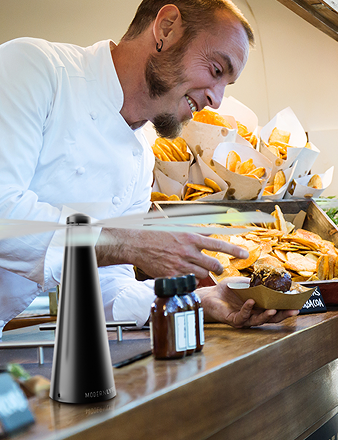
- For pests: It uses table-level tools and buffet-area protection to keep food presentation cleaner and the guest experience calmer.
None of those decisions is dramatic on its own. Together, they change how dependable the space feels.
The built environment matters more than managers think
Hospitality teams can learn a lot from how housing and commercial spaces are being redesigned for comfort and resilience. This Australian sustainable housing guide is useful because it shows how ventilation, daylight, material choice, and passive design shape comfort before you even turn on equipment.
That same thinking applies to restaurants and venues. If a patio traps heat, adding more cooling devices may help, but layout and material choices may be the bigger fix. If a buffet attracts insects, the issue may not be only pest pressure. It may be traffic flow, food exposure time, and station placement.
Good adaptation often looks boring from the outside. Guests just notice that the space feels easier to enjoy.
A hospitality lens on performance
Managers often get confused. They think adaptation is about surviving bad days. It is, but it's also about improving normal service days. A better-adapted patio can feel more comfortable, protect food more effectively, and reduce staff scrambling. That's why it helps to look at adaptation through actual operating conditions rather than theory alone. A practical benchmark is whether the setup performs consistently in real use, which is the same mindset behind evaluating real-world performance in service environments.
A smart adaptation plan doesn't ask, “What's the fanciest solution?” It asks, “What keeps this space usable, comfortable, and efficient across changing conditions?”
Your Business Playbook for Environmental Adaptation
Most managers don't need a climate framework. They need a decision process. A good one already exists in adaptation planning: assess risks, identify options, implement, then keep adjusting. The UNFCCC's technical report says adaptation planning should use an “adaptive risk management or pathways approach” and consider both incremental and transformational options, while integrating technological and financial needs from assessment through implementation (UNFCCC adaptation needs technical report).
In plain business language, that means don't bet everything on one fix. Build a path, test what works, and keep options open.

Step one assess your vulnerabilities
Start with exposure, not ideas. Walk the site and list the environmental conditions that interfere with service quality.
Look for patterns such as:
- Heat stress points: Entry queues, patios, waiting areas, and pass stations that become uncomfortable.
- Rain disruption points: Outdoor tables, walkways, service bars, and loading paths that break down in wet conditions.
- Pest pressure zones: Buffets, drink stations, waste areas, and open food presentation points.
- Air and comfort issues: Areas where smoke, humidity, glare, or poor airflow change the guest experience.
NOAA's coastal adaptation planning guidance is useful here because it frames adaptation as a workflow that looks at climate phenomena, impacts, exposure, and adaptive capacity before decisions are made (NOAA coastal adaptation guide).
Step two rank options by operational value
Once you know the weak points, build options in layers. Some changes are small and fast. Others reshape the business.
A simple way to sort them:
-
Quick operational changes
Update service timing, food exposure practices, setup routines, and weather-triggered staff instructions. -
Targeted equipment upgrades
Add tools that improve guest comfort or reduce recurring friction, such as shade systems, heaters, airflow tools, drainage improvements, or insect-management devices near food service areas. -
Larger strategic investments
Rework layouts, reconfigure event spaces, or fold adaptation into capital planning. For businesses reviewing energy resilience and long-term operating costs, this overview of commercial renewable energy investments is a useful parallel resource because it shows how infrastructure decisions can support resilience and business efficiency together.
Manager test: If a fix protects the guest experience and reduces staff workarounds, it's usually worth serious consideration.
A quick note before you choose tools. Don't buy technology because it sounds modern. Buy it because it solves a defined operating problem. That's the difference between adaptation and gadget accumulation.
This video gives a helpful visual way to think about resilience and operational planning in changing conditions.
Step three implement in phases
Don't roll out everything at once unless the risk is urgent. Pilot changes in one service area, one patio zone, or one event format first.
Use a phased approach:
- Pilot: Test one intervention in one setting.
- Train: Make sure staff know what problem the change is meant to solve.
- Standardize: Turn successful adjustments into routine operating practice.
- Scale: Extend the changes across similar spaces or event formats.
This is also where many businesses benefit from clearer execution discipline. If you need a planning model for turning ideas into action, this guide to strategic implementation fits well with adaptation work.
Step four monitor and adjust
The final step is where environmental adaptation becomes a habit instead of a project.
Review questions such as:
- Are guests staying longer in the affected area?
- Are staff making fewer workarounds?
- Is food service cleaner and easier to protect?
- Does the space remain usable under a wider range of conditions?
Adaptation isn't “done.” It matures. The best operators revisit it season by season and event by event.
Beyond Profit The Social Impact of Adaptation
A lot of business advice treats adaptation as a private advantage. Make your site more resilient. Protect your revenue. Keep guests comfortable. All true. But that view is incomplete.
A harder question matters too: who benefits from adaptation, and who doesn't?
The IPCC highlights this issue clearly. A key question in environmental adaptation is whether interventions are reaching the people with the least capacity to cope. A review of deep-reaching adaptation notes that effective adaptation depends on equitable governance and addressing root causes of risk, which means leaders need to evaluate who benefits and who is left out (IPCC Chapter 18).
What that means for hospitality managers
If you operate in a neighborhood with limited shade, poor drainage, or high heat exposure, your business decisions can affect more than your own floor plan. An upgraded patio may improve comfort for paying guests, but what does it do for shared public space, pedestrian flow, nearby workers, or adjacent businesses? A venue that redirects water poorly may protect one area while making another worse.
The same applies to energy choices. Cleaner, more resilient energy systems can support both operations and community outcomes. For managers thinking along those lines, this discussion of clean energy benefits in Florida is a useful example of how environmental decisions can be framed beyond immediate cost savings.
A better standard for decision-making
Don't ask only, “Will this help my business?” Ask three questions instead:
- Who gains first: Guests, staff, neighbors, vendors, or only ownership?
- Who may be overlooked: Outdoor workers, lower-income customers, nearby residents, or temporary event labor?
- What risk are we reducing: Discomfort, exposure, access problems, food vulnerability, or something else?
A resilient business that shifts risk onto staff, neighbors, or underserved communities isn't well adapted. It's just better shielded.
That's the modern view of environmental adaptation. Good operators improve their own systems without ignoring the wider setting they depend on.
The Future Is Adaptive
The businesses that handle environmental change best won't be the ones with the flashiest sustainability language. They'll be the ones that make their spaces easier to use, easier to trust, and easier to operate under real conditions.
That's why environmental adaptation is a competitive advantage. It sharpens guest comfort. It protects service quality. It helps staff perform with less friction. It pushes managers to think in systems instead of isolated fixes.
You don't need a massive capital plan to begin. Start with one recurring point of strain. Maybe it's heat on the patio, weather disruption during events, or pests around buffet service. Then ask a better question than “How do we put up with this?” Ask, “How do we redesign this so the problem has less power over the business?”
Small changes count. Better shade placement counts. Smarter service routines count. Cleaner food protection counts. A more deliberate response to recurring pest pressure counts. Adaptation becomes powerful when those small moves add up to a business that performs well under more conditions than it used to.
The future won't reward operators who wait for perfect certainty. It will favor the teams that observe carefully, act early, and keep improving. Pick one weak point in your operation this week and improve it. That's how environmental adaptation starts.
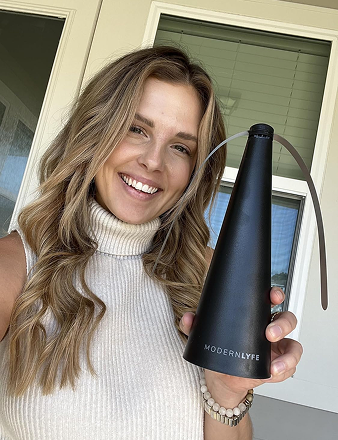
If you're looking for a practical way to improve guest comfort and protect food presentation in outdoor or open-air service settings, MODERN LYFE offers elegant fly fan solutions built for restaurants, hotels, events, and catered gatherings. It's a simple place to start if pest pressure is one of the environmental challenges affecting your operation.