A strategy can look solid in a leadership meeting and still fall apart by the second Saturday dinner rush.
Hospitality managers see the failure point quickly. A new service standard gets approved, but no one updates the opening checklist. A product meant to improve guest comfort gets purchased, but staff are unclear on where it goes, who sets it up, or what success should look like. The idea was fine. The operation around it was incomplete.
Strategic implementation is the work of turning a decision into repeatable behavior on the floor. That means clear ownership, training that fits a real shift, supply and setup changes, manager follow-up, and a way to measure whether the change improved service, labor efficiency, or guest feedback. Teams that want stronger execution usually need better operating discipline, not another planning session. A practical review of operational efficiency in hospitality makes that connection clear.
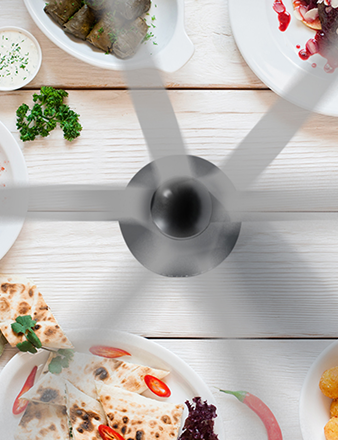
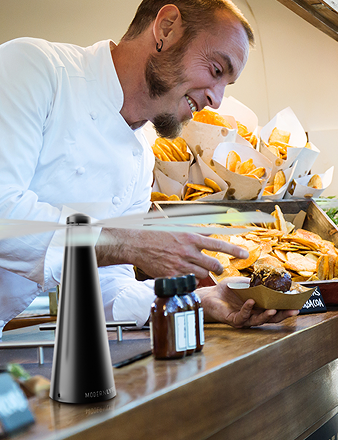
Modern Lyfe fly fans are a useful example because they force this issue into the open. On paper, the strategy sounds simple: reduce pest distractions and improve the guest experience in outdoor or service-adjacent areas. In practice, the result depends on placement, charging routines, cleaning standards, staff accountability, and whether managers check that the fans are in use during service.
That is the gap this article addresses. High-level strategy only matters once it changes what happens at the host stand, on the patio, during banquet setup, and in pre-shift.
Why Most Business Strategies Fail
Research on strategic planning and execution regularly finds the same pattern: companies spend real time building strategy, then lose momentum when it has to show up in daily work. In hospitality, that breakdown is easy to spot. A plan gets approved in a meeting, but the floor never changes.
The root problem is simple. Leaders mistake agreement for implementation.
A budget gets approved. A vendor gets selected. A department head says yes. None of that means servers, hosts, banquet staff, or supervisors will do anything differently at 5:30 p.m. on a full shift.
That gap is where strategies fail.
Where plans break on the floor
In restaurants and hotels, failed execution rarely looks dramatic. It looks ordinary, which is part of the problem. The strategy sounds reasonable, but the operating details stay fuzzy enough that every department makes its own assumption.
Common failure points show up fast:
- The goal stays abstract: “Improve guest experience” is not an instruction. Staff need a visible change they can carry out.
- Ownership gets split: Operations, events, and F&B each assume another team will handle setup, training, or follow-through.
- Training stays shallow: Managers announce the change, but staff never learn the standard, timing, or expected result.
- Review drops off: The rollout gets attention for a week, then service pressure takes over and the old routine returns.
A Modern Lyfe fly fan is a good example because it seems simple until someone has to run it during service. The strategy might be to reduce pest disruption and make patio dining more comfortable. That only works if someone decides where each fan sits, who charges it, who checks it before service, how it gets cleaned, and what managers should look for during rounds. Without those decisions, the product is purchased, but the strategy is still unfinished.
I see this often with service upgrades that looked strong on paper. The idea was sound. The operating system around it was weak.
Practical rule: If a supervisor cannot explain the change in two minutes, assign it in one sentence, and verify it during a shift, the strategy is not ready.
Another common mistake is treating implementation like a communication job. An email is communication. A pre-shift mention is communication. A posted memo is communication. None of those, by themselves, change the work.
Execution improves when managers convert strategy into operating discipline: clear assignments, setup standards, timing, checklists, and follow-up during live service. That same discipline sits behind strong operational efficiency practices in hospitality. Waste usually shows up in missed handoffs, duplicated effort, unclear ownership, and small resets that keep stealing labor.
Why weak execution beats good ideas into the ground
A strong strategy with weak follow-through usually underperforms a simpler idea that gets executed cleanly.
Guests never experience the strategy document. They experience the result. They notice whether the patio feels comfortable, whether tables are ready on time, whether staff know the standard, and whether the operation feels controlled or improvised. That is why implementation matters so much in hospitality. It decides whether a smart idea becomes a visible improvement or another initiative that fades after rollout.
What Strategic Implementation Really Means
Strategic implementation is the work of turning a business decision into consistent operating behavior. It isn't the planning session. It's what happens after the plan leaves the room.
Think of strategy as a bridge design on paper. Strategic implementation is the actual build. The blueprint may be solid, but if the crew, materials, timing, and inspections aren't aligned, nobody crosses the river.

It starts with translation
At the leadership level, strategy is usually broad. Improve outdoor dining. Increase event quality. Protect presentation standards. Reduce service friction.
At the operating level, that language is too abstract. Staff need a different version:
- What exactly changes
- Who does it
- When it happens
- What “done right” looks like
- How managers will check it
That translation step is where many teams fall short. They assume people will connect the dots on their own. They usually won't, especially in fast-moving service environments where attention is already split across guests, timing, staffing, and setup pressure.
It also means alignment
Strategic implementation depends on alignment across people, tools, time, and budget. If a hotel wants to improve terrace dining standards, the initiative can't live only in a manager's notes. Purchasing needs to understand what's required. Floor leaders need to build it into sidework. Event captains need to know when the standard applies. Staff need enough time and clarity to execute it without improvising.
A strategy becomes real when the team can repeat it without management hovering over every step.
That's why implementation is more than a checklist. It includes communication, resource allocation, adoption, and monitoring. In practice, it asks a simple question: can the business produce the intended result consistently under normal operating pressure?
The living part of the process
Good implementation systems aren't rigid. They stay structured, but they adapt. If the original rollout creates extra setup time, confuses roles, or clashes with service flow, the fix isn't to push harder. It's to adjust the operating method while keeping the strategic intent intact.
For hospitality managers, that mindset matters. A service standard that works during a styled tasting may fail during a full event turn. A process that looks neat in a handbook may create friction in a cramped service station. Strategic implementation means noticing that gap early and correcting it before the team abandons the change.
Choosing Your Implementation Framework
A framework helps because it forces discipline. Without one, teams drift into vague goals, scattered updates, and budget decisions that don't support the priority.
That structure matters. One industry summary states that organizations with written business plans grow 30% faster, while another implementation point from the same source notes that 60% of company budgets are not aligned with strategy (Funding for Good on strategic planning statistics). The lesson isn't that paperwork wins by itself. It's that formal planning only works when the plan and the resources move together.

Two practical options for hospitality teams
For most restaurant and hotel operators, two frameworks are especially useful: Objectives and Key Results (OKRs) and the Balanced Scorecard (BSC).
OKRs are good when the environment changes fast and teams need sharp focus. Balanced Scorecard works well when leadership needs a wider management view across operations, finance, guest experience, and internal capability.
| Feature | Objectives and Key Results (OKRs) | Balanced Scorecard (BSC) |
|---|---|---|
| Core purpose | Turn priorities into a small set of ambitious objectives and measurable results | Translate strategy into a broader management system across multiple business perspectives |
| Best fit | Fast-moving restaurants, event operations, pilot rollouts | Multi-property hotels, larger hospitality groups, mature management teams |
| Time horizon | Usually shorter cycles with frequent resets | Often better for ongoing strategic management over longer cycles |
| Strength | Clarity and focus | Balance and cross-functional visibility |
| Risk | Can become too narrow if teams ignore supporting functions | Can become too heavy if managers overcomplicate reporting |
| Works best when | Leaders want teams centered on a few urgent outcomes | Leaders need strategic implementation tied to several operating dimensions |
How to choose without overthinking it
Use OKRs if you need to push one important change through the business quickly. A restaurant group rolling out a new outdoor service standard may benefit from one clear objective and a handful of measurable results tied to adoption, readiness, and guest-facing consistency.
Use Balanced Scorecard if the challenge is broader. A resort might need to connect guest experience, staff training, procurement, maintenance, and financial oversight in one management view. In that case, the wider lens helps.
Decision shortcut: If your main problem is focus, use OKRs. If your main problem is coordination across functions, use Balanced Scorecard.
A common mistake is picking a framework because it sounds impressive. That usually creates extra reporting and very little execution. Pick the lightest system that gives your team clarity, accountability, and review discipline. If the framework creates more administration than action, it's the wrong fit.
A Practical Step-by-Step Implementation Process
Often, organizations don't need more strategy language. They need a usable rollout process. The most reliable approach is simple: define the change, assign the work, monitor it closely, and adjust before small failures become standard behavior.

A useful reference point comes from implementation guidance that recommends turning broad goals into operating work by defining specific projects, attaching SMART KPIs, assigning ownership, and building a timeline with milestones (Cascade's guide to strategy implementation). That advice works because it forces the plan into daily management.
Step 1 Plan the change in operating terms
Start with one business goal, then translate it into specific work. If a venue wants cleaner, more comfortable outdoor dining, don't stop at the goal statement. Define the actual initiative, where it applies, which service periods it affects, and what staff must do differently.
Write down:
- Scope: Which outlets, service types, or event formats are included
- Standard: What the new expectation is in plain language
- Constraints: Setup time, storage, charging, training needs, visual standards
- Success signals: What managers should be able to observe during service
Operators often borrow useful discipline from opening a new concept. If you've ever reviewed launch checklists and workflow planning in resources like Chef Royale's coffee shop guide, you've seen the same principle. Broad vision only works when broken into concrete routines, equipment decisions, staffing actions, and daily controls.
Step 2 Assign ownership and remove ambiguity
Every implementation effort needs named owners. Not departments. People.
One person should own the rollout. Others can own training, setup, purchasing, storage, maintenance, or reporting. When ownership stays general, tasks get delayed because everyone assumes someone else has it.
Use a short responsibility map such as:
- Rollout lead handles timeline, communication, and issue escalation.
- Outlet or event manager integrates the change into live service.
- Supervisor or captain checks compliance during each shift or event.
- Support function covers purchasing, charging, replacements, or storage.
Link each responsibility to a deadline. Then build it into the team's normal operating rhythm, not a separate “special project” floating outside regular work.
For managers trying to systemize these handoffs, a straightforward process improvement approach helps. The point isn't to add paperwork. It's to reduce variation.
Step 3 Train for behavior, not awareness
A short announcement creates awareness. It doesn't create adoption.
Training has to answer three practical questions:
- Why are we changing this?
- What exactly do I do?
- What should I do if something goes wrong?
That means showing setup, reset, storage, charging, cleaning, replacement, and guest-facing language if needed. It also means explaining what staff should prioritize when the operation gets busy.
A quick visual aid near staging areas often works better than a long SOP nobody reads. Shift leaders should also check for understanding during pre-service, not assume that one group message covered it.
Here's a useful walkthrough on implementation thinking in practice:
Step 4 Monitor, correct, and lock it in
The first week tells you whether the plan fits reality. Watch where people hesitate. Notice where extra steps create drag. Ask supervisors what staff skip when time gets tight.
Then make adjustments quickly:
- If setup is too slow, simplify staging or reduce handling steps.
- If ownership is fuzzy, reassign checks to one role per shift.
- If supplies go missing, change storage and sign-out routines.
- If standards vary by outlet, tighten the checklist and manager review.
Implementation sticks when the new method becomes easier than the old one. If the new process depends on memory, heroic effort, or constant reminders, it won't last.
Hospitality Example Deploying Modern Lyfe Fly Fans
A resort events manager decides to improve outdoor banquet service. Guest complaints aren't dramatic, but the pattern is clear. During waterfront receptions and buffet-style dinners, flies disrupt food presentation and distract guests. Leadership agrees on the goal: improve comfort and hygiene without making the setup look technical or cluttered.
That's the easy part. The demanding work starts when the manager has to turn that decision into a repeatable event standard.

What the manager does first
The manager doesn't begin by ordering units and emailing the team. Instead, the rollout starts with operating questions.
Which event types need them by default? Who places them during setup? Who checks battery status before service? Where are they stored between events? What does the captain do if one isn't working during a live function?
Those questions matter because hospitality teams don't resist change only because they dislike change. They resist changes that create confusion during service.
So the manager builds the rollout into existing systems:
- Banquet event orders note when the fans are required
- Setup checklists include placement and activation
- Captain packets include a pre-service equipment check
- Post-event reset sheets include battery and storage steps
How buy-in actually happens
Staff buy-in comes from relevance, not slogans. The events team is told exactly why this matters: cleaner buffet presentation, fewer guest interruptions, and less last-minute scrambling by servers trying to manage an avoidable issue mid-event.
The manager also runs one controlled pilot during a smaller outdoor function before applying the standard across every event type. That creates a safe test. Supervisors watch setup time, table appearance, and team handling. After the event, they gather feedback from banquet staff and adjust placement guidance.
Start with one format you can control. A clean pilot exposes workflow problems before they spread.
This kind of rollout works better in labor-tight environments when managers respect workload realities. Teams already balancing setup speed, resets, and guest-facing duties don't need abstract change language. They need tools that fit existing routines. Operators dealing with staffing pressure may also find practical ideas in this piece on addressing hospitality labor challenges, especially around reducing unnecessary strain on frontline teams.
What turns the change into a standard
The new standard becomes real when it enters normal management habits. Event leads check for it during pre-function walks. Storage becomes fixed. Charging responsibility moves to one assigned role. Setup diagrams show placement clearly enough that temporary staff can follow them.
At that point, the initiative stops being a special project. It becomes part of service execution.
That's what strong strategic implementation looks like in hospitality. Not a big launch. A practical change that survives busy nights, staff turnover, weather variation, and event pressure.
Overcoming Common Implementation Barriers
Most implementation barriers fall into three categories: people, process, and resources. Managers often attack only one of them. That's why the rollout stalls.
Research and practitioner guidance on implementation warns about the last-mile behavior gap, where resistance, role conflict, or inertia block execution, and points toward practical responses such as early wins, alliances, and clear responsibilities (Southern University review on reasons organizations fail in implementation). That's highly relevant in hospitality because frontline friction is where many otherwise reasonable plans die.
People barriers
People don't usually push back by making speeches. They push back subtly.
They skip the new step when service gets busy. They go back to the old routine because it feels faster. They interpret the standard differently across shifts. Managers mistake that for laziness when it's often a sign that the rollout wasn't made practical enough.
Use these tactics:
- Secure one early win: Pilot the change where success is likely, then show the team that it works.
- Build local advocates: Get captains, lead servers, or supervisors on board before the full rollout.
- Clarify role boundaries: Tell each team what they own and what they don't.
Process barriers
Sometimes the team agrees with the idea, but the process still fights them. The checklist is buried. Storage is inconvenient. Setup timing is unrealistic. Nobody updated the event packet.
That kind of failure is procedural, not motivational.
A useful correction is to trace the initiative through one live shift or event cycle. Watch every handoff. Ask where the step gets missed. Then simplify the operating path.
If a new standard adds friction at three handoff points, staff will route around it.
Resource barriers
Some strategies fail because managers under-resource them. The business says the initiative matters, but doesn't protect time, budget, tools, or review capacity.
This shows up when teams are expected to adopt a new practice without enough equipment, enough prep time, or enough manager attention to reinforce it. In those cases, “accountability” becomes unfair. Staff can't execute what the operation hasn't properly supported.
A practical response is to defend the initiative from competing priorities during the first phase. That may mean reducing another nonessential task, assigning one responsible manager, or narrowing the rollout to the most important service contexts first.
Measuring What Matters for Success
A lot of teams measure motion instead of results. They count meetings held, messages sent, or training sessions completed. Those are activity metrics. They don't tell you whether the change is taking hold.
Better strategic implementation uses a fixed review rhythm. Implementation guidance recommends weekly checks on key results, monthly strategic checkpoints, and quarterly refreshes so teams can catch underperformance early and correct course before misses stack up (WorkBoard's strategy implementation guidance). That cadence works because it forces timely decisions.
Track leading indicators first
Lagging indicators matter, but they arrive late. By the time guest complaints, event quality scores, or revenue effects show up, the rollout may already be off course.
Leading indicators are more useful early on:
- Adoption by shift or event type
- Checklist compliance
- Supervisor verification rates
- Equipment readiness before service
- Exception reports or recurring failure points
These show whether the operation is moving in the right direction. They also give managers something concrete to coach.
For teams building a simple dashboard, this guide to performance metrics is a useful starting point. Keep it lean. A few indicators reviewed consistently beat a bloated scorecard nobody uses.
Don't reward busyness
If your review process celebrates effort without checking outcomes, staff learn the wrong lesson. A rollout isn't successful because everyone talked about it. It's successful when the new standard appears reliably during service and holds up under pressure.
Use weekly reviews to spot drift, monthly reviews to address structural issues, and quarterly reviews to decide whether to expand, refine, or retire the approach.
If you're looking for a cleaner way to support outdoor dining, events, and food presentation, MODERN LYFE offers fly fan solutions designed for hospitality settings that need both function and appearance. Their products fit naturally into restaurants, hotels, catering setups, and home entertaining, with a focus on quiet operation, easy placement, and dependable day-to-day use.