You wipe the counters. You take out the trash. The fruit bowl is fresh, not rotting. Then you spot them anyway. A few tiny flies hovering near the sink, circling produce, or drifting over a prep area that looked clean an hour ago.
That’s why fruit flies frustrate people so much. They don’t always show up in kitchens that are obviously dirty. They show up in kitchens with hidden residue, wet organic buildup, poorly managed drains, produce that came in already carrying the problem, or service setups that leave food exposed at the wrong time.
A common starting point is one question. Which trap should I buy?
That is not the incorrect question, but it is too narrow. If you are managing fruit flies traps for kitchen use in a home, restaurant, bar, catering prep room, or buffet line, the primary issue is building a system. Traps matter. So do sanitation, source control, placement, monitoring, and real-time food protection.
If you’ve been chasing flies for days and getting uneven results, you’re not missing some secret bait recipe. You’re probably using one layer of control when the situation calls for several. If you need background on what draws them in the first place, this guide on what’s attracting fruit flies around your kitchen is a useful starting point.
That Buzzing Problem in Your Spotless Kitchen
In a commercial kitchen, fruit flies rarely announce themselves as a big infestation on day one. It starts with two or three near a drain, a garnish station, a produce rack, or the bar sink. In a home kitchen, it’s often the same pattern. A couple around bananas. A few near the compost caddy. Then suddenly they seem to be everywhere.
That disconnect is what throws people off. The kitchen looks clean. The problem feels random. It isn’t.
Fruit flies are usually responding to something specific, even when you can’t see it at a glance. A thin layer of organic residue in a drain. Sugary splashback under a coffee machine. A damp rag left too long. Produce that’s ripening faster than you expected. In hospitality settings, I see operators lose time because they focus on visible surfaces while the breeding pressure sits below the sink line or behind equipment.
Fruit flies are a sanitation problem, a storage problem, and a service-hour protection problem. They’re not just a trap problem.
That’s why a single countertop trap often disappoints people. It catches some flies, which feels promising, but the activity keeps coming back because the trap is working on the symptom, not the full system. If you run a restaurant or host food outdoors, there’s another layer. Even if a trap is catching adults somewhere nearby, it isn’t stopping flies from reaching food in the moment guests can see them.
A better mindset is simple. Use traps to reduce and monitor. Use sanitation to remove breeding conditions. Use active deterrence where food is exposed.
Once you approach the issue that way, the decisions get much clearer.
A Guide to Common Fruit Fly Traps
Not all traps do the same job. Some are cheap and easy. Some are better engineered. Some work mainly as indicators. Some are useful only in very specific conditions. If you’re comparing fruit flies traps for kitchen use, the main categories are DIY liquid traps, commercial liquid traps, sticky traps, and electric or UV units.

DIY traps
The classic DIY version uses a jar, bowl, or bottle with a fermented bait such as vinegar. The idea is straightforward. Fruit flies are drawn to fermentation, enter the container, and then struggle to escape.
DIY traps can work well enough for light activity in a home kitchen. They’re inexpensive, fast to assemble, and useful when you need an immediate stopgap. Their weakness is consistency. The opening size, bait quality, evaporation rate, and placement all affect results. They also tend to look improvised, which matters in hospitality spaces.
Commercial liquid traps
Commercial liquid traps take the same basic principle and improve the engineering. Better units combine a food-based lure with a shape that helps flies enter and stay inside. According to RESCUE! fruit fly trap product details, the strongest commercial designs use optimized geometry plus fermented compounds and surfactants, and that engineering can deliver catch rates eight times better than competitive trap designs.
That difference matters in busy kitchens. A well-designed trap is less dependent on luck. It also tends to be cleaner to deploy and easier to monitor over time.
Sticky traps
Sticky traps are simple physical capture tools. They can help confirm where activity is strongest, and they’re useful when you want visible evidence that a problem zone exists. But they have obvious downsides. They’re often unattractive, can collect dust and splash, and aren’t ideal anywhere customers or guests can see them.
They also don’t offer the same lure strength as a liquid attractant trap built specifically for fruit flies.
Electric and UV units
Electric and UV-based devices are often discussed alongside fruit fly traps, but they need careful use. Some are more relevant for other flying insects than for fruit flies specifically. In food settings, the practical concern is whether the unit fits the pest, the placement, and the environment. A poorly placed UV unit can underperform, especially in bright or visually busy areas.
If you’re sorting through options, this overview of different types of fly traps for food spaces helps distinguish when each format makes sense.
Fruit Fly Trap Comparison
| Trap Type | How It Works | Best For | Pros | Cons |
|---|---|---|---|---|
| DIY bait trap | Uses fermented liquid to attract flies into a jar, bowl, or bottle | Light home infestations, quick temporary response | Low cost, easy to make, non-chemical | Results vary, messy appearance, inconsistent performance |
| Commercial liquid trap | Uses engineered lure and trap geometry to attract and retain flies | Home kitchens, bars, prep spaces, commercial back-of-house | More consistent, cleaner design, better monitoring potential | Still reactive, needs replacement and upkeep |
| Sticky trap | Captures flies on adhesive surface | Monitoring hotspots, hidden utility areas | Simple, visible catch confirmation | Looks unsanitary, catches dust, weak as a standalone solution |
| Electric or UV device | Attracts flying insects using light or powered mechanism | Specific indoor pest setups where light-based capture fits | Low-touch operation in the right environment | Not always fruit-fly-specific, placement-sensitive |
Selection rule: If you need population reduction and cleaner presentation, start with a commercial liquid trap. If you need proof of where activity is coming from, add discreet monitoring tools. If food is exposed during service, trapping alone won’t cover the risk.
Why Traps Alone Are Not a Permanent Solution
A trap catches adults. It does not solve the breeding cycle on its own.
That sounds obvious, but it’s the main reason people feel like fruit fly control never ends. They put out a trap, see flies collecting inside, assume the problem is under control, and then new flies keep appearing from somewhere else in the kitchen.

The lifecycle beats passive capture
According to Ecolab’s food safety guidance on fruit flies, a single female fruit fly can lay up to 100 eggs per day, and those eggs can become reproductive adults in as little as 7 days. That’s the whole problem in one line. Even a strong trap program can get outpaced if breeding sites stay active.
In practical terms, traps are like bailing water while the leak is still open. You may reduce what’s visible. You won’t stop the cycle.
Why kitchens keep seeing “new” flies
The adults you see on the counter aren’t the full infestation. The pressure often comes from places staff or homeowners don’t inspect closely enough:
- Drain interiors where biofilm and wet residue build up
- Garbage zones with sugary liquids or produce scraps
- Under-equipment voids where moisture and organic debris collect
- Storage areas with neglected produce or spilled juice
That’s why the trap by the fruit bowl can fill up while the sink area still produces more flies. The trap is doing one job. The kitchen still hasn’t removed the source.
What traps are still good for
This doesn’t make traps useless. Far from it. Good traps help in three ways:
- They reduce adult numbers in the short term
- They help identify hotspots when one trap loads faster than another
- They show whether sanitation changes are working because counts should decline over time
A trap is a control tool and a monitoring tool. It is not a complete correction.
If you want lasting results, the permanent fix starts where flies breed, not where they land.
Mastering Prevention Through Sanitation and Source Control
The most effective fruit fly program starts before you think about lures. It starts with removing what supports breeding.

A lot of online advice stops at “keep your kitchen clean.” That’s too vague to be useful. Fruit flies don’t need visible filth. They need moisture and fermenting organic matter. In restaurants and event spaces, that usually means hidden residue, drain buildup, poorly managed produce handling, or slow cleanup in wet utility zones.
According to this discussion of root-cause prevention in kitchens, a complete strategy should include vendor produce inspection protocols, precise storage temperature management, and rigorous drain sanitation. That’s the professional version of prevention. It deals with how the problem enters the building and where it gets established.
What to inspect first
Start with the commonly overlooked areas.
- Drains and disposals: Scrub the drain interior, not just the visible grate. Fruit flies use the organic film lining these surfaces.
- Produce receiving and storage: Check incoming fruit for soft spots, leaking containers, and overripe items. Don’t let older stock linger in warm prep areas.
- Mops, rags, and mats: Wet fibers trap organic residue and hold moisture.
- Under and behind equipment: Pull what can be moved. If syrup, juice, or produce bits have collected there, flies will find it.
- Trash and recycling zones: Clean the bins themselves, not just the liners.
Field note: If you still see activity after wiping counters and emptying bins, inspect what stays damp. Fruit flies follow fermentation and moisture more reliably than they follow appearances.
Sanitation that actually breaks the cycle
Good sanitation is mechanical and routine. You’re removing breeding material, not just making the room look tidy.
- Scrub drains on schedule. Surface pouring alone usually isn’t enough.
- Rotate produce aggressively. Don’t let ripening fruit sit unrefrigerated longer than necessary.
- Clean spills at the source. Pay attention to bar syrup, juice rails, blender stations, and coffee condiment areas.
- Dry the area after cleaning. Standing moisture extends the problem.
- Document hotspots. If one prep sink keeps drawing activity, treat that area as a recurring risk point.
For cabinets, under-sink storage, and enclosed utility areas that hold moisture or stale odor, this guide on practical ways to remove mildew smell is useful because odor often signals the damp conditions that also support pest issues.
Here’s a quick visual walkthrough for drain-focused cleanup and source removal:
The standard that works
A kitchen becomes harder for fruit flies to use when staff remove residue from drains, manage produce tightly, shorten the time food waste sits exposed, and dry down wet areas consistently. That’s what source control looks like in practice.
Clean isn’t the same as non-breeding. The goal is to make the kitchen hostile to the lifecycle, not just pleasant to look at.
Strategic Trap Placement and Maintenance in Your Kitchen
Bad trap placement wastes good equipment. I see this all the time. Someone buys a decent trap and sets it where it’s convenient, visible, or out of the way instead of where the flies are emerging.

According to TERRO’s fruit fly trap placement guidance, traps perform best when placed within 3 to 6 feet of suspected breeding sites such as drains and produce storage. The same guidance notes that using multiple traps shows an exponential improvement in catch rates, and monitoring windows help staff track activity without opening the trap.
Where to place traps in different kitchens
Placement should follow traffic patterns and pest pressure, not symmetry.
For a restaurant or bar, focus on these zones:
- Bar sinks and garnish stations: Sugary liquid and citrus residue create repeat activity.
- Dish area edges: Not where they’ll be splashed directly, but close to moisture-heavy zones.
- Produce storage racks: Especially where unrefrigerated fruit turns over quickly.
- Back prep counters near drains: If a prep sink is the source, trap near that source, not at the front register.
For home kitchens, the highest-value spots are usually simpler:
- Near the sink if drain activity is visible
- Beside fruit storage, not directly behind it
- Near compost containers or recycling bins
- Away from strong competing airflow from open windows
For caterers and buffet setups, placement gets trickier because you must protect guest space and avoid visual clutter. Put traps near staging and prep support areas rather than directly in presentation zones when possible.
How to maintain them like part of a system
Traps fail when people treat them like set-and-forget gadgets.
Use a routine:
- Check catch levels regularly: A sudden spike in one trap usually points to a nearby source.
- Replace lure on schedule: Follow the product window. Old lure loses strength.
- Move underperforming traps: If one area remains active and another trap stays empty, shift the layout.
- Keep a simple log: Even a basic note on where catches are strongest helps with IPM decisions.
In commercial kitchens, trap counts are useful feedback. If one drain-side trap keeps filling while another near produce stays quiet, that tells you where to inspect harder.
What not to do
Avoid these common mistakes:
- Don’t place traps in the middle of open prep surfaces
- Don’t hide every trap far from the source just for appearance
- Don’t rely on one trap for a whole kitchen
- Don’t ignore airflow, especially near doors, outdoor service windows, and buffet lines
Traps work better when they’re treated as monitored devices, not décor.
Integrating Active Deterrents for Complete Protection
Dinner service starts in ten minutes. The bar fruit is cut, the garnish tray is stocked, and one fruit fly shows up near the drinks. A trap under the counter may catch it later. It does nothing for the guest watching it circle a glass right now.
That is the gap in passive-only advice. Traps help reduce adult numbers, but they do not protect exposed food during service, events, or family meals. In working kitchens, that distinction matters because guests judge what they can see.
Active deterrents fill that service-hour gap. They are built for moments when food is out, people are present, and staff need a live barrier instead of a delayed catch. If you want the broader framework for that layered approach, this guide to integrated pest management for food environments lays it out well.
The job split is straightforward:
- Sanitation cuts off breeding conditions
- Traps reduce and track adult activity
- Active deterrents keep flies from landing on exposed food during active use
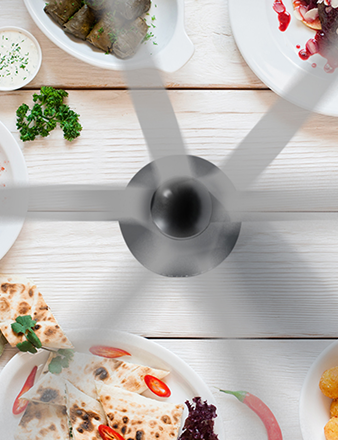
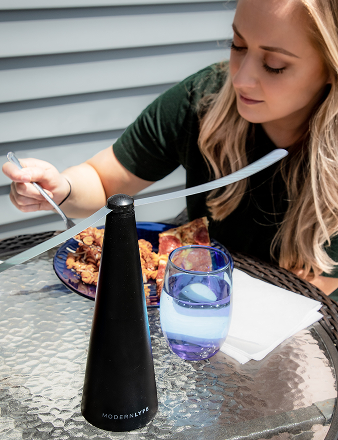
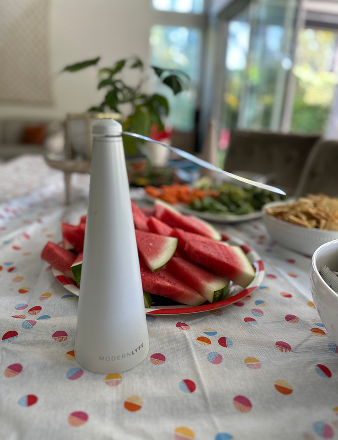
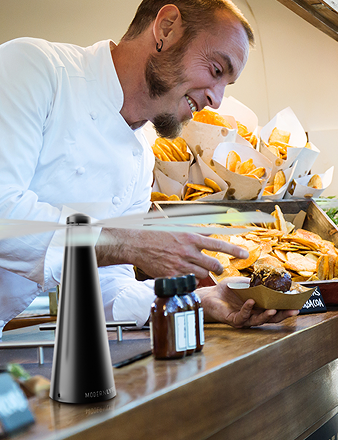
Fan-based deterrents are the clearest example. Air movement over a service surface makes landing harder, which is why these tools fit front-of-house and home entertaining better than another hidden trap. They do not replace monitoring devices in drains, produce zones, or waste areas. They cover a different failure point.
I recommend them where timing and visibility matter most:
- buffet lines
- brunch stations
- dessert displays
- outdoor bars
- backyard serving tables
- food truck pickup counters
The trade-off is simple. A trap works on population reduction over time. An active deterrent works on immediate food protection. Good operators use both because each solves a different problem.
A layered setup might look like this: traps near known breeding pressure, disciplined cleaning in prep and waste areas, and a table-safe fly fan where plated food or self-serve items are exposed. In that role, a product like the Modern Lyfe fly fan makes sense because it is designed for guest-facing areas where sprays are a poor fit and visible pest activity costs you trust fast.
If flies are showing up where people eat, catch-later tools are only part of the answer. Protect the food in real time too.
Building Your Integrated Pest Management Plan
A strong kitchen IPM plan has three parts, and each one covers a different weakness.
First, source control and sanitation. This is the foundation. If drains, produce handling, moisture points, and hidden residue aren’t under control, the rest becomes a repeating cleanup exercise.
Second, passive trapping. Use traps to lower visible adult activity and to tell you where pressure is strongest. They’re most useful when they’re placed close to breeding zones and checked consistently.
Third, active deterrence. This protects exposed food during the hours that matter most. If guests, customers, or family members are eating while flies are present, you need a live barrier, not just a device that catches insects later.
If you want the broader framework behind this layered approach, Modern Lyfe’s guide to integrated pest management for food environments is worth reading.
Fruit flies traps for kitchen use still matter. They’re just not the whole strategy. Build around them instead of depending on them. Clean with intent, place traps with purpose, and protect food in real time where people can see the difference.
If you want a cleaner, more practical way to protect food during service, buffets, outdoor dining, or home gatherings, explore MODERN LYFE. Their fly fan solutions fit the active-deterrence layer of a complete kitchen pest strategy, helping keep food areas more comfortable without sprays or messy setup.