An effective fruit fly treatment is more than just zapping the adults you see. Forget temporary fixes. You need a modern, integrated system that hits the problem from every angle.
Think of it as a three-part attack:
- Rigorous Sanitation to destroy breeding grounds.
- Strategic Elimination to remove the current population.
- Proactive Prevention to ensure they never return.
This is how you protect your inventory, your reputation, and your guest experience.
Why Traditional Fruit Fly Treatments Fail in Hospitality
In hospitality, a fruit fly is never just a fruit fly. It's a tiny, winged signal of a cleanliness problem.
When a guest spots one, they don't see a harmless bug. They see a red flag. It raises questions about what’s happening behind the scenes, threatening the reputation you’ve worked hard to build.
The problem is, most go-to fruit fly "solutions" are wrong for a professional environment. They only tackle the symptom—the adult flies—while ignoring the root cause.
The Downfall of Reactive "Fixes"
Over-the-counter sprays and bowls of apple cider vinegar are classic reactive moves. It’s like putting a bandage on a broken arm; it might cover the problem, but it does nothing to fix it.
These common methods fall short for a few critical reasons:
- They Miss the Real Problem: A single female fruit fly can lay hundreds of eggs. Killing a dozen adults with a trap is a losing battle when hundreds more are about to hatch in a floor drain or a damp bar mat.
- They Ruin the Vibe: Ugly sticky traps dangling over the bar or the chemical smell of bug spray are atmosphere killers.
- They're a Waste of Time and Money: Constantly buying and replacing traps or spraying chemicals drains resources for zero long-term results.
A fruit fly can go from egg to adult in as little as one week. This is why a small problem explodes overnight and why trapping adults is a game you can't win.
This guide moves past weak, short-term tactics. We'll walk through a comprehensive framework for fruit fly control built for the high standards of the hospitality industry.
Instead of just reacting, you'll learn how to build a solid system that protects your food, elevates the guest experience, and proves your commitment to excellence. This is the definitive playbook for keeping your establishment pristine and pest-free.
Finding the Hidden Breeding Grounds in Your Business
To solve a fruit fly problem, think like a detective. The adult flies are just the tip of the iceberg; the real battle is won in the damp, forgotten corners where they breed. Finding those spots is the most important step you can take.
Forget the obvious fruit bowl. In a restaurant or bar, fruit fly hotspots are sneaky and almost always tied to daily operations. These pests are experts at finding tiny pockets of moisture and organic buildup missed during a standard cleanup.
You have to get granular with your inspection. A simple wipe-down won’t cut it. You need to hunt for the sources fueling the entire infestation.
Where to Focus Your Search
Look anywhere moisture and sugary or fermenting materials can collect. Once you know what to look for, you'll see these spots everywhere in a busy kitchen or bar.
I once consulted for a hotel bar that was going crazy trying to solve a fruit fly problem. They were cleaning rigorously, but the flies kept coming back. The source? A tiny crack in the grout behind their ice machine. For months, moisture and spilled soda syrup had been seeping in, creating the perfect, protected nursery for larvae.
Here are the most common culprits in hospitality environments:
- Floor Drains: This is hotspot number one. Organic matter creates a slimy film along pipe walls—a five-star resort for fruit flies.
- Soda Fountain Drip Trays: The mix of moisture and sugary syrup makes these a prime breeding ground.
- Damp Cleaning Tools: Mops, sponges, and rags left damp in a closet begin to ferment, sending an open invitation.
- Underneath Equipment: Gaps under refrigerators, dishwashers, and prep tables are notorious for trapping spills and food scraps.
- Bar Wells and Garnish Trays: The sticky residue from cocktail mixers and decomposing fruit garnishes is a feast they can't resist.
This is why the first step in any real treatment plan is sanitation—eliminating these breeding grounds for good.
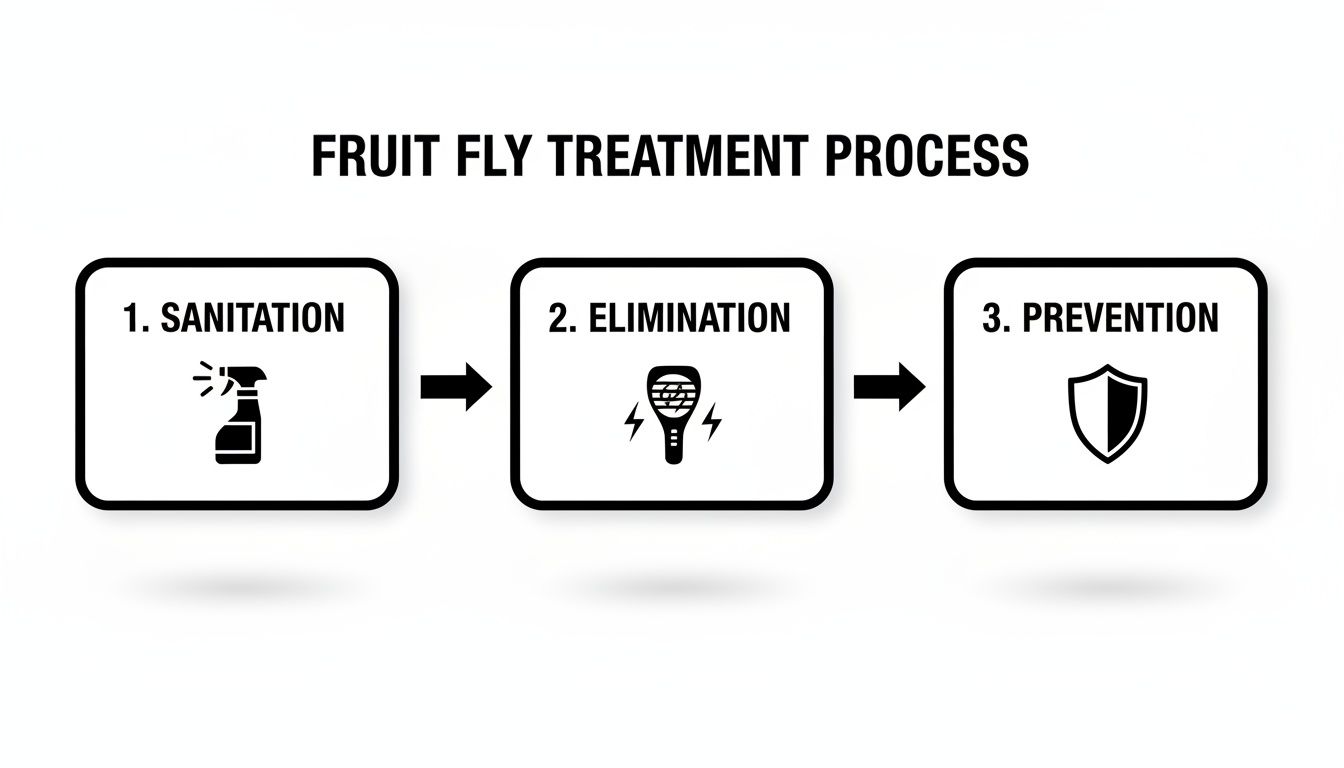
If you don't nail the sanitation piece first, any other efforts to eliminate or prevent flies are guaranteed to fail.
Know Your Enemy: Distinguishing Pests for a Targeted Attack
It’s critical to know exactly what you’re facing. Not every tiny flying insect is a fruit fly (Drosophila melanogaster). You could be dealing with drain flies or fungus gnats, and each requires a different game plan.
- Fruit Flies have reddish eyes and a tan body. They’re drawn to anything fermenting, so you'll find them near the bar, produce, and soda fountains.
- Drain Flies look like tiny, fuzzy moths with gray bodies. They breed in drain sludge, so you’ll almost always find them hovering directly over the drain.
- Fungus Gnats are dark, delicate insects that look like miniature mosquitoes. They thrive in damp soil, so check your overwatered potted plants.
Misidentifying the pest means you'll waste time and money on the wrong solution. Treating a floor drain for fruit flies won’t help if the real problem is fungus gnats in the lobby’s ferns. To go deeper, learn more about the specific things attracting fruit flies in our detailed guide.
A critical part of any fruit fly treatment is source elimination. If you don't destroy the breeding site, new flies will continue to emerge no matter how many adults you trap.
Your Team is the First Line of Defense
Your staff are your eyes and ears. They’re on the front lines every day and can spot problems long before they become an infestation.
Create a simple inspection checklist and build it into your opening and closing procedures. This shifts your team from passive cleaning to active problem-solving.
Daily Inspection Checklist Example:
| Area | Task | Notes |
|---|---|---|
| Bar | Check drip trays, speed wells, and garnish stations for buildup. | Must be flushed and wiped dry nightly. |
| Kitchen | Inspect all floor drains for organic film. | Schedule enzymatic cleaner treatment weekly. |
| Storage | Examine produce for any overripe or damaged items. | Rotate stock and discard compromised items immediately. |
| Cleaning Closet | Ensure mops and rags are hung to dry completely. | Never leave damp cleaning tools in a bucket overnight. |
When you train your team to look for these hidden hotspots, you create a proactive defense. They stop seeing fruit flies as a nuisance and start seeing them as a symptom that something needs immediate attention. This turns pest control from a reactive chore into a standard of operational excellence.
Your First Line of Defense: A Bulletproof Sanitation Plan
Here’s a hard truth: you can't trap your way out of a sanitation problem. The most effective tool against fruit flies isn't a chemical or a device—it's your daily cleaning routine. Adult flies are just the tip of the iceberg; the real problem is the hidden breeding grounds you might be creating every day.
By eliminating moisture and organic gunk, you're not just cleaning—you're demolishing the fruit fly nursery. This strategy smashes their life cycle, stopping new generations before they hatch. For any professional kitchen or bar, a proactive sanitation plan is the only way to win.
Go to War on Moisture and Organic Debris
Fruit flies need two things to multiply: a thin film of moisture and a bit of fermenting organic matter. Your entire defense plan must be built around relentlessly denying them both. This means going beyond basic surface wiping and adopting a more aggressive, forensic approach to cleaning.
That single drop of spilled beer under a prep table or a forgotten damp rag isn't just a small oversight. To a female fruit fly, it’s an open invitation to lay hundreds of eggs.
The heart of any real fruit fly strategy is source elimination. If you don't find and destroy the breeding site, new flies will keep emerging, making trapping, zapping, or spraying a complete waste of time.
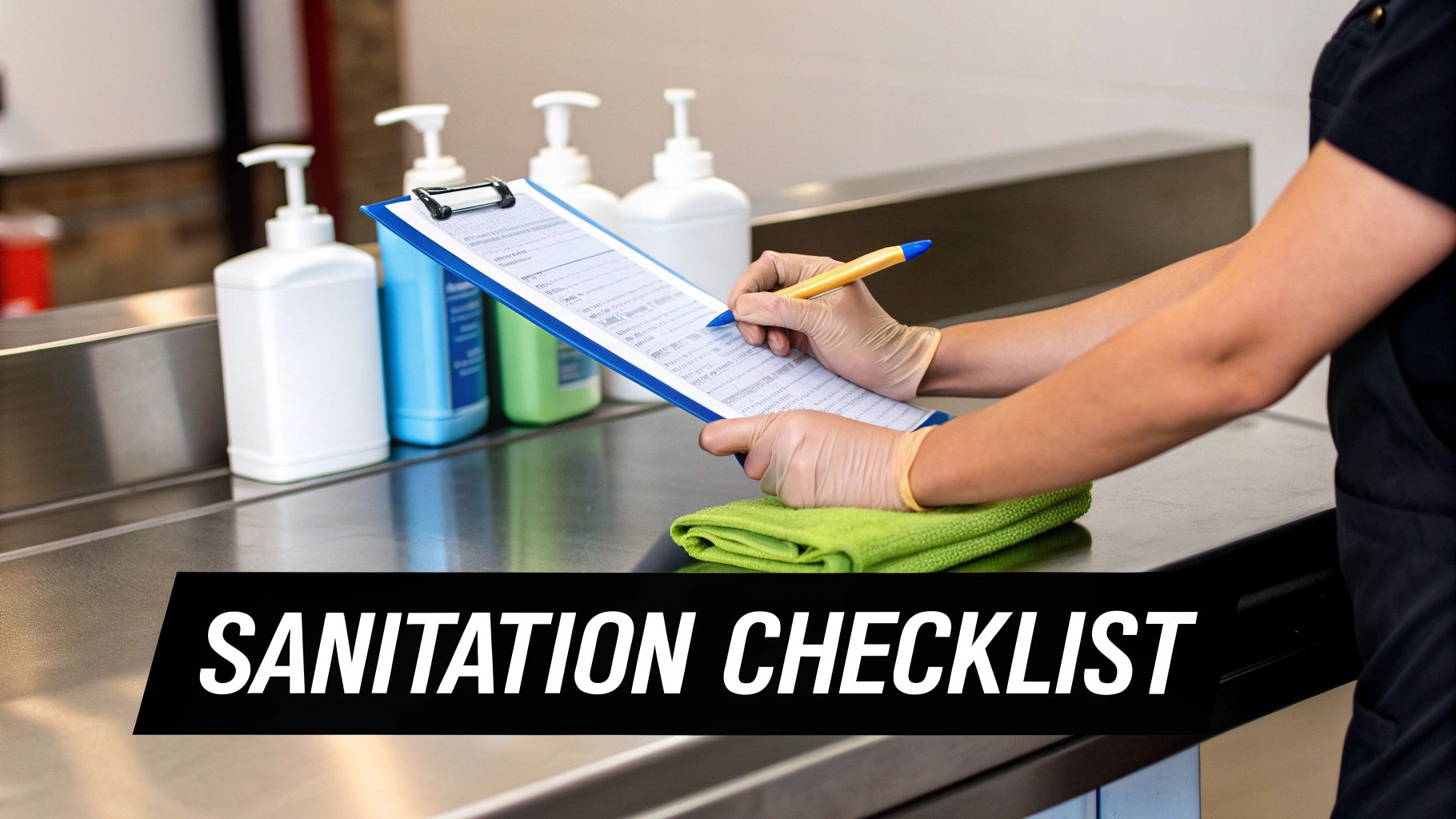
Your Daily Sanitation Checklist: Make it Non-Negotiable
A standardized checklist is your best weapon. It removes guesswork and guarantees that critical, often-overlooked tasks get done consistently, no matter who’s on shift.
This isn't just about "cleaning up." It's about systematically creating an environment where fruit flies cannot survive. Here are the areas that must be on your daily and weekly checklists.
Bar Area Action Plan
- Flush & Sanitize Drip Trays: Every beer and soda drip tray needs to be emptied, flushed with hot water, and sanitized at the end of each night. No exceptions.
- Wipe Down Speed Wells: Use a sanitizing solution to clean out the sticky film left from bottles and spills in speed wells and ice bins.
- Handle Garnishes Correctly: Toss all fruit garnishes at the end of the night. Never store cut fruit in open containers overnight. Wash and thoroughly dry the containers themselves.
- Clean & Dry Bar Mats: Wash and sanitize bar mats, then hang them to dry completely overnight. A perpetually damp mat is a five-star hotel for fruit flies.
Kitchen and Storage Protocols
The kitchen is a different beast, with countless nooks where moisture and food scraps can hide. An effective plan means looking beyond gleaming prep surfaces.
This is especially true for fresh produce. Fruit flies are a massive global problem, causing huge economic losses; in the eastern Mediterranean alone, these pests have led to over US$192 million in damages, with some areas seeing production drop by 10-30%. For your restaurant, this translates to higher food costs and more waste. You can read the full research on the global impact of fruit flies to see how critical proactive control is for your bottom line.
Essential Kitchen and Storage Tasks
- Scrub Your Drains: Pouring hot water down the drain does almost nothing. You need a stiff brush to physically scrub the inside of floor drains and pipes to remove the slimy organic film where flies breed. Follow this with a weekly treatment using an enzymatic drain cleaner that digests the gunk.
- Inspect and Store Produce Properly: Check every produce delivery for overripe or damaged spots. Store fruits and vegetables in clean, dry containers, and practice a strict "first-in, first-out" rotation. Toss any produce that's past its prime immediately into a sealed trash bin.
- Lock Down Your Waste: All trash cans, recycling bins, and compost pails must have tight-fitting lids. Empty them frequently, and just as important, wash and sanitize the bins themselves to remove any spilled residue.
- Don't Forget Your Cleaning Tools: Clean mops, rags, and sponges and hang them to dry completely after every use. Make it a habit to inspect under and behind heavy equipment like ice machines and refrigerators—these are notorious hiding spots for moisture.
When you build these tasks into your daily workflow, sanitation becomes an active, intelligent defense system. This solid foundation makes every other control method more effective.
Choosing the Right Elimination Tools
Your sanitation is dialed in and your facility is spotless. That’s a huge win, but what about the adult flies still around? Now it’s time to go on the offensive.
Think of this as a one-two punch. First, set out discreet traps to catch the stragglers. Then, if the problem is stubborn, bring out the professional-grade solutions designed for a commercial environment.
Discreet DIY Traps That Actually Work
For a few flies here and there, a simple homemade trap can work wonders. The key is strategic placement. You want something that draws them in and holds them, without looking like a science experiment to your guests.
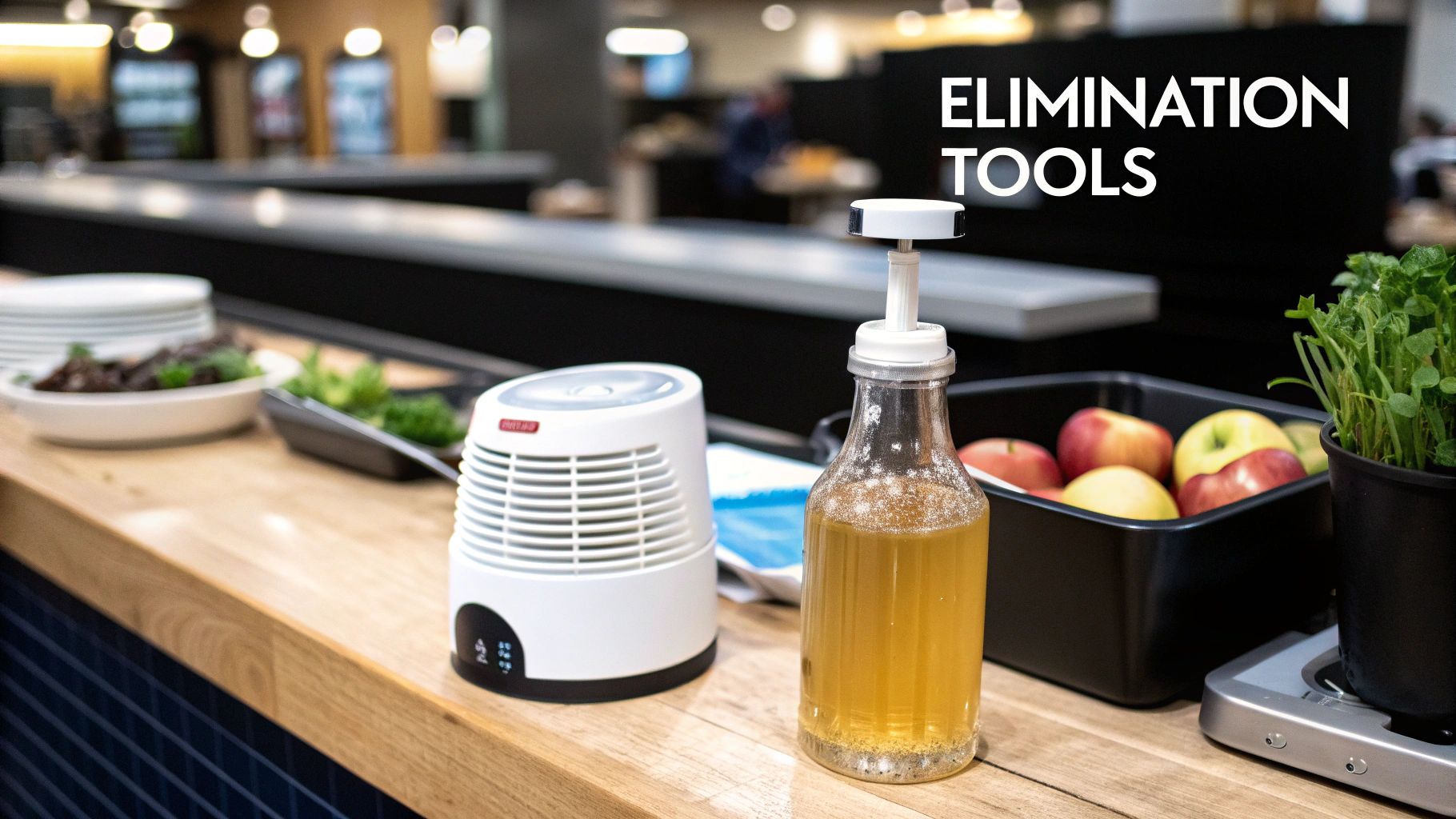
The classic apple cider vinegar trap works for a reason. With a small tweak, you can make it even more potent.
The Ultimate Hospitality Fly Trap Recipe:
- Grab a small, inconspicuous jar or a clean ramekin.
- Pour in about an inch of apple cider vinegar. The fermented apple smell is a magnet.
- Add a few drops of dish soap. This is the secret weapon. It breaks the vinegar’s surface tension, so when a fly lands, it sinks and can’t escape.
- Stretch plastic wrap over the top and poke a few small holes. They can get in, but they can’t easily get out.
Tuck these traps near hotspots—behind the bar, by the coffee station, or near the kitchen pass-through—but always keep them out of your guests' line of sight. For a deeper dive, check out our full guide to effective fruit fly bait traps.
When to Escalate to Professional Tools
DIY traps are great for daily management, but a serious infestation needs a more powerful response. This is where you bring in tools built for the commercial world.
One of the most effective weapons is an enzymatic drain cleaner. Don't confuse this with harsh chemical clog removers. Enzymatic cleaners use beneficial bacteria to eat the organic gunk and sludge inside your pipes. This destroys the breeding ground for fruit flies and drain flies at the source. Regular treatments are a must for any food business.
As you hunt down breeding sites, remember that the right tools go hand-in-hand with selecting effective cleaning products for various commercial equipment to ensure no spot is missed.
Many people reach for bleach to clean drains—it’s a huge mistake. Bleach sanitizes what it touches but flows right past the thick biofilm where larvae hide. Only an enzymatic cleaner will break down and eliminate that habitat for good.
To help you decide on the best approach, here’s a quick comparison of the most common elimination methods.
Comparing Fruit Fly Elimination Methods
| Treatment Method | Best For | Pros | Cons |
|---|---|---|---|
| DIY Vinegar Traps | Low-level infestations, monitoring activity. | Inexpensive, easy to make, non-toxic. | Can be unsightly, not effective for large populations. |
| Enzymatic Drain Cleaners | Eliminating breeding grounds in drains and cracks. | Destroys the source of the problem, long-lasting effects. | Requires consistent application, not an instant fix for adult flies. |
| Insect Light Traps (ILTs) | Capturing adult flies in back-of-house areas. | Highly effective for flying insects, runs 24/7. | Not for guest-facing areas, requires maintenance. |
| Modern Lyfe Fly Fans | Protecting food on tables, buffets, and patios. | Chemical-free, silent, preserves guest experience. | Creates a deterrent zone, doesn't kill existing flies. |
Choosing the right tool depends on where you are in the fight. A truly effective plan uses a combination of these methods.
Modern Deterrents Protecting the Guest Experience
The final piece of your elimination puzzle is integrating modern, non-intrusive tech that protects your food and guests without chemicals or ugly traps.
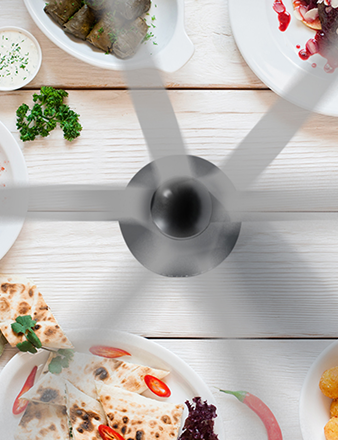
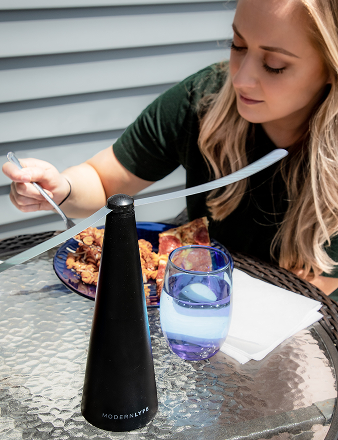
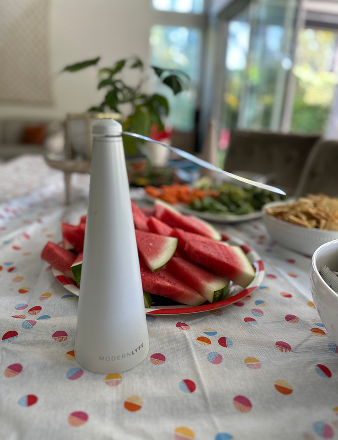
Modern Lyfe fly fans are a fantastic example. These are quiet, battery-powered fans designed to sit on dining tables, buffet lines, or catering stations. Their soft, rotating blades create a gentle air current that tiny insects like fruit flies can't fly through.
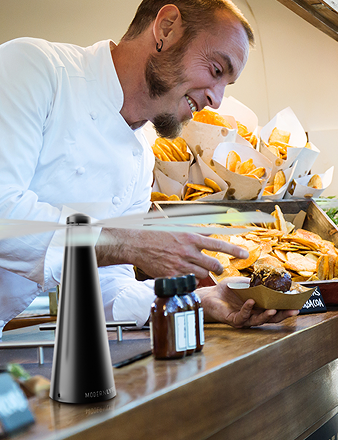
This creates an invisible, chemical-free shield around the food. For a hotel’s brunch or a caterer’s outdoor wedding, a few strategically placed fly fans are a game-changer. They offer constant protection that’s silent, safe, and doesn't ruin the atmosphere.
Creating a Long-Term Prevention Plan
Getting rid of fruit flies is one thing. Keeping them gone is the real goal. The best fruit fly treatment isn't a one-time blitz; it's a smart, sustainable prevention plan baked into your daily operations. This is how you stop an infestation before it starts, protecting your reputation for quality.
This final step is about building a pest-proof environment from the ground up. It’s a shift from reacting to problems to proactively controlling your space. It means simple monitoring routines, effective staff training, and a sharp eye on everything that comes through your doors.
Building Your Proactive Defense System
Your most powerful weapon is your team. When everyone is trained as your first line of defense, your entire operation becomes more resilient.
A well-trained employee knows that a single mushy tomato in a delivery box isn't just waste; it’s a Trojan horse, potentially loaded with fruit fly eggs. They understand a damp rag left in a bucket isn't a minor oversight—it's an open invitation for pests to breed.
Here's how to empower them:
- Inspect Incoming Goods: Make it policy to inspect all produce and beverage deliveries on arrival. Train staff to spot signs of overripeness or damage and give them the authority to reject a compromised shipment.
- Create Daily Monitoring Habits: Weave quick pest checks into your opening and closing procedures. This can be a simple glance into floor drains, a peek behind bar equipment, and a check to ensure all waste bins are sealed.
- Establish Clear Reporting Procedures: Set up a simple, no-blame system for reporting any sign of pest activity. The sooner you hear about a couple of flies in the storeroom, the faster you can shut it down.
Integrating Passive Controls Into Your Setup
Prevention today is about more than just scrubbing floors. It’s about adding passive, non-intrusive tools that work for you 24/7, protecting your space while enhancing the guest experience.
Make stylish Modern Lyfe fly fans a standard part of your outdoor table settings or buffet lines. These fans create a gentle air current that fruit flies are too weak to fly through. It’s a silent, invisible barrier protecting the food without chemicals, smells, or noise.
This changes the game. Instead of just reacting to pests, you're actively designing an environment where flies can't become a nuisance. Cleanliness and comfort become a seamless part of your service.
This strategy is a key part of modern pest control. To dive deeper, explore the philosophy in our guide on what is Integrated Pest Management.
Mastering the Art of Routine Monitoring
A solid prevention plan hinges on consistent monitoring. You don’t need complicated gadgets—your eyes are your best tool. The goal is to spot the earliest signs of trouble.
Placing discreet DIY vinegar traps in hotspots, like under the bar sink or in the dry storage room, can work as an excellent early-warning system. If a trap that’s usually empty suddenly catches a few flies, you know exactly where to focus your inspection.
Ultimately, long-term prevention is tied to waste management. Implementing effective food waste reduction strategies is critical because leftover food is what attracts them. Cutting down on food waste doesn't just help your bottom line; it starves out potential pest populations at the source.
By combining sharp-eyed inspections, ongoing staff training, and modern passive deterrents, you create a robust defense. This comprehensive approach ensures a fruit fly problem is something that happens to other businesses, not yours. Your establishment becomes a fortress of cleanliness, safeguarding your food, your guests, and your reputation.
Common Questions About Commercial Fruit Fly Control
When you’re in the thick of a fruit fly battle, questions are inevitable. Even the best plans run into real-world snags. Here are the answers to the most common frustrations.
It all starts with understanding how quickly you can lose control. A few flies aren't just annoying; they're the advance scouts for a full-scale invasion hiding in your drains and crevices.
How Fast Can a Fruit Fly Problem Escalate?
Terrifyingly fast. A fruit fly problem can go from a single fly to a full-blown crisis in under a week. One female can lay hundreds of eggs in her short life. In the warm, damp paradise of a professional kitchen, the life cycle—from egg to adult—can take as little as seven days.
The couple of flies you see on Monday can become a swarm by the weekend rush. In a professional setting, acting immediately isn't just a good idea; it's the only way to protect your reputation.
The math is simple and unforgiving. Two flies can become hundreds in a week and thousands in a month. A proactive fruit fly treatment plan isn't optional—it's essential for maintaining professional standards.
Are Chemical Sprays Safe for My Kitchen or Bar?
The short answer is that most over-the-counter aerosol sprays are not safe to use around food, prep surfaces, or customers. The chemical residue can contaminate your product, and the smell alone can ruin a guest's experience.
Your first line of defense should always be aggressive sanitation and non-chemical traps. If an infestation requires chemical assistance, you must use products specifically formulated and labeled as food-safe for commercial kitchens. These are never meant to be sprayed into the air; they're for targeted application in places like floor drains or hidden cracks, far from food and people.
What Am I Missing in My Bar Area?
Bars are notorious fruit fly hotbeds. If you've already dealt with obvious culprits like garnishes and spills but still have a problem, dig deeper.
The most stubborn breeding grounds are the places you think are clean but aren't perfectly clean. These spots need a fanatical level of detail in your nightly closing routine:
- Beer Tap Drip Trays: The constant drip of beer and foam creates a sticky, fermented soup that's a five-star resort for fruit fly larvae.
- Speed Wells and Holsters: Every splash of sugary liqueur or syrup coats the inside of these holders, creating a film that flies can't resist.
- Damp Bar Mats: If your bar mats aren't washed and, more importantly, fully dried every single night, they become sour breeding grounds.
- Recycling Bins: The sweet dregs left in the bottom of empty wine, liquor, and soda bottles are a major attractant.
Your most powerful weapon behind the bar isn't a spray—it's a meticulous end-of-shift cleaning checklist that hits every single one of these spots, every single night.
Ready to create a welcoming, pest-free environment for your guests? MODERN LYFE offers an elegant, chemical-free solution with our innovative fly fans. Discover how our products can protect your food and enhance your guest experience.