You can smell the problem before you see it. Dinner service is moving, plates are leaving the pass, and then somebody spots tiny flyers skating over the salad garnish or hovering near the bar rail. By the time a guest brushes one away, the room has already shifted from polished to slightly off, and that's exactly when a gnat light trap earns attention.
For hospitality operators, the core issue isn't just the insects. It's the collision between light, airflow, guest movement, and food presentation, which is why a trap that works in one corner can fail in another. A gnat light trap is a targeted tool, not a magic wand, and the best results come when it's used with a clear placement plan and, in many venues, a second layer of protection.
Why Gnats Crash Your Service and What a Light Trap Does
Gnats show up where the venue is already giving them a reason to stay. In restaurants, that is often a bright service window, a bar sink, a floral display, a patio door left open too long, or a plant-heavy lobby near the host stand. If you have ever watched staff swat at tiny fliers while guests keep eating, you already know the problem is happening in plain sight.
A gnat light trap helps because it turns attraction into capture. The device pulls flying insects toward a specific light source, then holds or contains them so they cannot keep circling back into service. That makes it useful in the places where you need steady, low-drama reduction, especially around food prep edges, waiting areas, and event spaces.
Practical rule: if guests can see the gnats, the trap has to be placed where the insects fly, not where it is easiest for staff to plug it in.
Placement matters because hospitality spaces rarely give a trap a clean shot. Bright daylight, overhead fixtures, and strong airflow from doors or fans can all pull insects away from the unit or reduce how well it captures them. In a dining room or lobby, a trap that looks strong on paper can underperform if it is fighting the room's lighting and movement all shift long.
The trap also does not fix the conditions that created the issue. If the area is flooded with daylight, washed in overhead fixtures, or pushed by strong airflow from doors and fans, the trap has more competition and the capture rate usually suffers. That is why hospitality teams should treat the unit as one layer in a broader setup, not a single-point cure.
The best first move is to separate two questions. First, do you need a light-based attract-and-capture device at all. Second, is the problem happening in a zone where the trap can realistically compete with the room's lighting and movement. If the answer to both is yes, a gnat light trap is worth deploying. If not, the better move may be to correct the placement conditions before you add hardware.
For readers comparing gnat-specific solutions with other insect traps, the fruit fly versus gnat trap distinction is worth keeping in mind, because the wrong lure can waste time on the floor.
How Gnat Light Traps Use Light and Capture to Work

A trap only earns its keep if the light and the capture method work together in the room it is serving. In a dining room, bar, or back-of-house corridor, that means dealing with glare, competing fixtures, and air movement before anyone talks about placement or cleaning.
The part the guest sees is only half the device
A good gnat light trap does not rely on brightness alone. The attraction comes from a specific wavelength band, because many flying insects respond to light very differently than humans do. A peer-reviewed fungus gnat study reported maximum attraction in the 365 to 390 nm range, with 365 nm UV-A LEDs used as the trap light source, which is why generic room lamps do not behave like proper insect lures. For a broader explanation of ultraviolet light traps, see ultraviolet light traps. Source on UV-A attraction in fungus gnats
That detail matters on the floor. A trap can look intense to staff and still be weak to gnats if the emitted band is not doing the attracting. The trap is built around insect vision, not human perception.
The capture side matters just as much. Conventional gnat traps combine a lure with a way to stop escape, usually sticky glue, liquid capture, or a one-way path. Independent pest-control guidance describes the lure as vinegar smell, fermenting fruit, yellow wavelength, or UV light, and the capture method as sticky glue, liquid, or a one-way opening, which is why the device works only when both halves are doing their job. How lure and capture work together
A trap that attracts well but captures poorly just creates a moving target.
Why design beats raw wattage
Hospitality teams often assume a stronger bulb solves everything. It does not. A trap with the right wavelength and a reliable capture surface usually outperforms a brighter lamp that is not tuned to the pests you are seeing. That matters in dining rooms where the room already has competing light from windows, pendants, signage, and kitchen spillover.
Commercial products reflect that difference. Some use 365 nm violet UV light for mosquitoes, while others use blue and UV light for gnats and fruit flies, which shows how manufacturers tune emitters to target specific flying insects. In practice, that means matching the trap to the pest pattern, not buying the biggest-looking unit on the shelf. UV and blue light commercial examples
For a wider look at device formats, the fly trap types overview is a useful reference when you are deciding whether a trap should be wall-mounted, plugged in, or used as a localized service-zone tool.
Comparing Gnat Light Trap Types by Coverage and Capture Method
When hospitality managers ask which trap to buy, the answer is usually, “buy the one that fits the zone.” A compact indoor unit is a different tool from a larger commercial trap or a battery model for a patio event. The differences show up in coverage, power, and how the insects are captured.
Gnat Light Trap Types Compared
| Trap Type | Coverage | Power | Capture Method | Best For |
|---|---|---|---|---|
| Entry-level indoor trap | About 90 sq. ft. | 15 W | Glueboard capture | Small kitchens, under-counter areas, office corners |
| Commercial under-counter trap | Compact service zones | 15 W UV lamp | Glueboard capture | Kitchens, bars, offices, continuous indoor control |
| Industrial trap | Larger pressure zones | 2 x 25 W UV tubes on 230 V / 50 Hz | 20 liter collection bag | Food-service back areas, warehouse-like spaces |
| Rechargeable outdoor model | Up to 25 m² | Battery powered | Portable capture unit | Patios, catering tents, cord-free setups |
One key trade-off is obvious from the specs. Lower-watt glueboard units are best when the pest zone is local and predictable, while higher-watt or battery-powered designs make more sense when the footprint is bigger or the venue can't support cords. A commercial option with IP44 protection and a 20 liter collection bag is built for tougher surroundings than a small indoor wall unit, which is why these products don't belong on the same shopping list for the same job. Coverage and power examples
What that means in a real venue
A restaurant dining room with a few problem corners usually needs localized indoor control, not a giant machine. A wedding patio or catering tent, on the other hand, often benefits from a rechargeable model because the setup has to stay clean and cord-free. That same logic applies in mixed-use spaces such as hotel breakfast areas, where the trap should be sized for the part of the room that's under pressure, not the whole floor plan.
Operational rule: match the trap to the smallest area that still needs relief, then scale up only if the catch rate says you have to.
The other difference is maintenance. Glueboard units are simple and tidy, but they need regular replacement once the board fills up. Collection-bag systems can handle heavier loads, but they're a bigger operational commitment. For a venue that wants predictable upkeep, the simpler trap is often the easier one to live with.
Where to Place a Gnat Light Trap for Maximum Capture

Placement is where most good products get wasted. A trap can be technically correct and operationally useless if it's fighting the wrong light, the wrong height, or the wrong airflow. That's why a hospitality manager should think in zones, not in one-size-fits-all advice.
Start with competing light and visibility
A trap works best when it isn't trying to outshine a window, a pendant cluster, or a bright buffet line. Industry pest-control guidance says insect light traps should be placed near doors or openings, away from competing light, and that low wall or corner mounting can capture more flies than ceiling-hung traps. It also notes that narrow, funnel-like spaces help because insects have fewer paths around the device. Placement guidance from pest-control practice
That lines up with what many operators see on the floor. A unit near a bright window often underperforms, while the same trap tucked into a darker edge of the room suddenly starts filling up. Visibility matters too. If a divider, chair stack, or decorative screen blocks the light, you've basically hidden the lure.
Use airflow and height on purpose
Air movement is part of the trap's environment, not a separate issue. In kitchens and bars, a trap positioned where the air sweeps insects away from the capture zone will struggle, even if the light is right. In patio or tent setups, keep the trap where the insects are drifting, but not where strong cross-breeze pushes them past the device before they commit.
The trap should sit in the insect's route, not at the edge of a fan's throw.
Low wall or corner mounting is often the smarter option in hospitality settings because it keeps the light in the insect path and out of the guest's direct sightline. That's especially practical under counters, near back bars, and in side corridors where flying insects tend to move repeatedly. Ceiling-hung units can work, but they're easier to place badly.
Venue-specific placement that actually holds up
In a kitchen, place the trap away from prep heat and bright task lighting, but close enough to the problem source that you're not chasing insects across the room. In a dining room, use the outer edge, not the middle of the floor, so the device is doing quiet work without competing with the guest experience. On a patio, use the darkest stable edge you can control, especially if there are windows, lamps, or decorative lights nearby.
The same logic that makes soil-level sticky trapping effective in plant settings applies here, the trap has to meet the insect where it moves. The more you understand the fly path, the less you have to rely on guesswork.
Maintenance Schedules and Troubleshooting Common Trap Issues
A gnat light trap can look fine and still be underperforming. The usual failure points are boring, which is why they get missed. Staff forgets the unit is on all day, the capture surface gets crowded, or moisture gradually degrades the adhesive in a splash-prone zone.
Modern plug-in UV LED traps are commonly meant to stay on 24/7, be placed near insect activity, and have cartridge or glue-card replacement intervals such as 14 or 21 days, depending on the model and buildup level. Operating schedule and replacement cadence
Build maintenance into closing duties
The easiest way to keep a trap working is to treat it like any other service item. Check the capture surface during closing, note whether the trap is loading up quickly, and replace the card or cartridge before it's packed edge to edge with insects. If the unit is in a splash zone or near a steam source, move it, because moisture is usually a bad match for sticky capture.
A simple troubleshooting routine looks like this.
- Check light competition: If a nearby fixture or window is overpowering the trap, move the unit or dim the competing source.
- Check placement height: If the trap is mounted where traffic or furniture blocks visibility, lower or shift it.
- Check airflow: If a door fan or HVAC stream is pushing insects away from the capture zone, relocate the device.
- Check the adhesive: If the board looks dusty, wet, or crowded, replace it before it stops holding.
Signs the unit isn't doing its job
A falloff in capture usually points to one of three things. The light isn't competing well enough, the insects aren't entering the trap's path, or the capture method has reached its limit. If the room still looks active after a fresh cartridge goes in, the issue is often location rather than product quality.
Practical rule: when a trap suddenly stops filling, don't assume the population disappeared. Assume the device lost its edge.
If the problem zone is a kitchen edge or bar corner with routine splash or condensation, move the unit out of that exact point and keep the capture path clear. Traps work better in stable, visible spots than in places that get wiped down, steamed, or drenched every shift.
Health, Safety, and Regulatory Considerations for Food Service
Food service teams don't get judged on whether a device is clever. They get judged on whether the venue looks clean, stays safe, and can explain its pest-control choices during an inspection. A non-chemical capture method is appealing here because it reduces reliance on sprays around food and guest areas, but placement still matters as much as the device itself.
The first rule is simple. Do not put a trap where it can shed debris, drip, or interfere with food handling. That means no awkward positions over open prep, no crowding near uncovered service items, and no spots where staff have to reach around the unit to work efficiently. If a trap becomes a cleaning obstacle, it's in the wrong place.
Documentation matters too. Keep a simple log of where each unit is located, when it's checked, and when capture surfaces are replaced. That kind of record helps show that pest control is active, not reactive, and it gives managers a clean answer if an inspector asks how the venue is tracking flying insect pressure.
For broader workplace planning, it helps to keep a clear hazard checklist on hand, especially when you're deciding where equipment, cords, and food-service traffic intersect. A practical resource on identify workplace hazards effectively can support that kind of internal review without turning pest control into a paperwork exercise.
One more point matters in hospitality. Even a clean-looking trap can be a bad guest-facing choice if it's placed where people eat, queue, or photograph food. Operators need to think like inspectors and diners at the same time. The safest-looking setup is the one that stays out of the way, keeps the room readable, and still catches insects before they reach the guest.
Layering Gnat Light Traps with Modern Lyfe Fly Fans
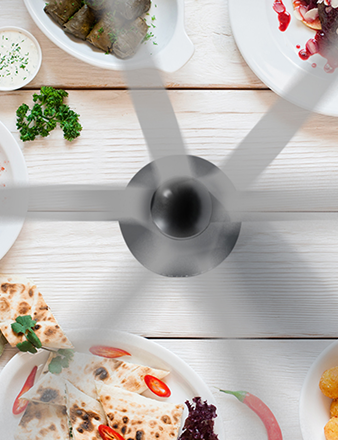
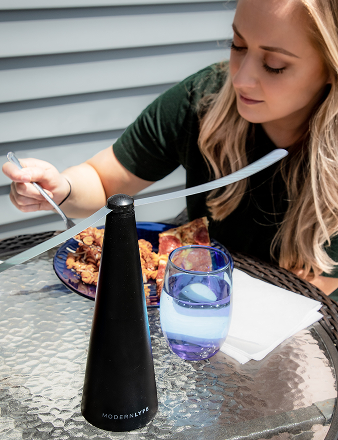
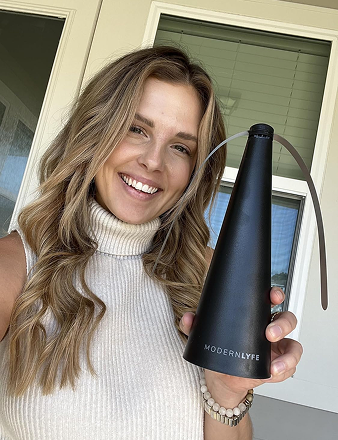
A gnat light trap handles attraction and capture. A fly fan handles deterrence and physical interruption. Used together, they cover two different problems, and that's why the combination makes sense in restaurants, receptions, and casual outdoor service where a single device usually feels too weak or too intrusive.
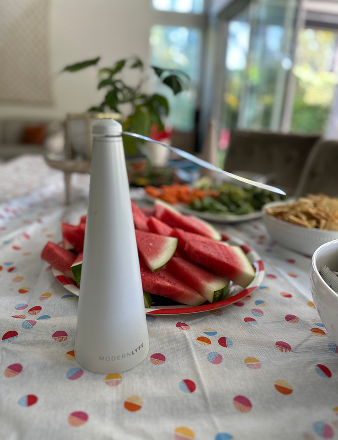
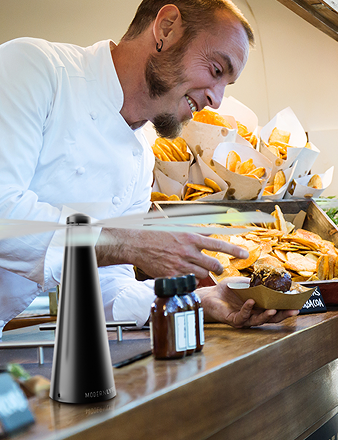
Fly fans are especially useful over buffet lines, dessert stations, outdoor receptions, and bar-side service points where the goal is to keep insects from landing in the first place. The trap can sit off to the side and reduce the insect load in the background, while the fan protects the visible food zone. That division of labor is cleaner than asking one device to do everything.
Where the pairing works best
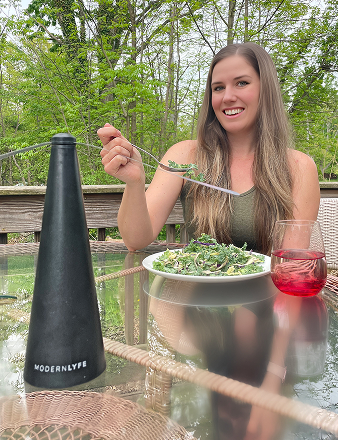
In a patio service area, place the trap where flying insects are likely to enter or linger, then use the fan over the food or guest touchpoint. In a buffet setup, the fan helps guard the line, while the trap reduces pressure from the perimeter. In a mixed indoor-outdoor event, the combination is useful because the trap addresses the insect attraction side and the fan adds a physical barrier without chemicals or heavy visual clutter.
Operational insight: the fan protects the presentation, the trap reduces the background problem.
That layered approach also gives staff more control. If one device is doing less than expected, the other still carries part of the load. It's a practical way to lower reliance on sprays or repeated intervention during service, which is exactly what busy teams need when they're trying to keep the room looking composed.
If you're setting up a reception, a restaurant patio, or a catering table, think in zones. Put the trap where insects are entering the scene, and use the fan where guests are most likely to notice them. The setup stays subtle, the food stays cleaner, and staff spend less time chasing a problem that keeps moving.
Building a Practical Pest-Control Plan for Your Venue
The right plan starts with the room, not the product. Pick the trap type that matches the zone, place it where competing light and airflow won't choke performance, and keep the maintenance routine simple enough that staff will follow it. If the venue has visible food service or outdoor exposure, layer the trap with a fly fan so you're controlling both attraction and contact pressure.
For a quick internal checklist, use this sequence. Select the trap for the footprint, map the problem zones, schedule replacements before capture drops, and keep adjusting the placement until the trap is working with the room instead of against it. That's the difference between a device that looks installed and one that helps service.

A venue that takes flying insects seriously doesn't need a complicated system. It needs clear placement, disciplined upkeep, and the right layer at the right point in the room. If you're ready to tighten up patio service, buffet protection, or event presentation, visit MODERN LYFE to explore fly fans that fit real hospitality setups and make your gnat control plan work harder where guests can see it.