The inspector is due tomorrow, and the team is suddenly wiping every visible surface, moving boxes out of sight, and searching for a thermometer that nobody has calibrated or assigned to a shift. That scramble feels familiar, but it points to the wrong operating model. Health code standards aren't a pre-inspection cleaning project. They're the daily controls that determine whether food is received safely, held within limits, handled without cross-contamination, and served from a facility that prevents contamination.
The practical question isn't whether the kitchen looks ready for an inspection. It's whether a manager can show, at any point in the day, who checked what, when they checked it, and what happened when a result missed the standard.
What Health Code Standards Actually Mean for Your Operation
At 6 a.m., a delivery arrives while the prep cook is setting up and the dishwasher is clearing last night's equipment. The person receiving the order has to make several decisions before anything reaches storage. Are the packages intact? Is the product acceptable? Has the delivery created a pest or cross-contamination risk? If those decisions aren't assigned, documented, and followed consistently, the operation is already exposed before service begins.
That's the useful way to understand health code standards. They're a connected operating framework covering receiving, storage, preparation, cooking, holding, cleaning, employee hygiene, and service. The Codex Alimentarius Commission, created by the FAO and WHO, serves as the central global food standards body, with more than 180 member countries. Its food-hygiene texts support consumer health and fair food trade, and its foundational standard, CXC 1-1969, was first adopted in 1969 and remains a core reference from primary production through final consumption (FAO and WHO food-hygiene standards).

A framework, not a cleaning ritual
That international foundation matters to operators with multiple locations, suppliers, or event operations. Local rules still control the inspection, but major markets often align around recognizable principles for sanitation, handling, and inspection. A multi-site group can therefore build one operational program, then adjust its forms, permits, and local details for each jurisdiction.
The United States uses the FDA Food Code as a major model for retail and food-service regulation. The FDA describes it as a scientifically sound technical and legal basis for regulating restaurants, grocery stores, nursing homes, and similar settings. The 2022 edition, released on December 28, 2022, marked the 30-year anniversary of the Food Code in its current format (FDA Food Code).
The modern framework also reaches beyond visible cleanliness. The 2022 update recognized sesame as the 9th major allergen and required written notification of major allergens in unpackaged food, showing how standards now address allergen risk management as well as sanitation (FDA Food Code).
Practical rule: If a control depends on one experienced employee remembering it, it isn't yet an operational control.
For managers, the objective is predictability. Receiving staff need acceptance criteria. Prep teams need defined handwashing triggers. Cooks need temperature checkpoints. Supervisors need corrective actions that happen immediately, not after an inspector points out the gap. The same mindset applies to the surrounding facility, including ventilation and indoor environmental conditions. Operators reviewing broader household air quality solutions can use that context when thinking about the building systems that support a clean, comfortable operation.
A passed inspection should be the visible result of normal work, not the reason the work finally happens.
Core Regulatory Requirements Every Operator Must Know
Inspectors don't evaluate cleanliness as a mood. They look for observable conditions and behaviors tied to contamination risks. A well-run operation turns each requirement into a location, a person, a frequency, and a response.
Food handling and storage
Start at receiving. Assign one employee to inspect incoming food and supplies, checking packaging, product condition, and signs of contamination before items enter storage. Keep raw products separated from ready-to-eat food, and use storage layouts that prevent leaks or drips from reaching food below.
Storage discipline also depends on the physical setup. Shelving should support cleanability and access for inspection. Containers need clear identification where your local rules require it. A crowded walk-in may technically contain the right products, yet still fail operationally because staff can't inspect, rotate, clean, or identify them quickly.
Employee hygiene
Handwashing rules become much easier to enforce when managers teach the trigger events rather than repeating “wash your hands.” California's health and safety code requires employees to wash immediately before food preparation, after touching bare human body parts, using the toilet, coughing or sneezing, handling soiled equipment, switching from raw food to ready-to-eat food, putting on gloves, serving food, or handling clean tableware. Employees must also wash during preparation as often as necessary to remove soil and prevent cross-contamination (California health and safety code).
The technique is specific too. Employees must use cleanser and warm water, vigorously rub their hands and arms for at least 10 to 15 seconds, then rinse and dry them (California health and safety code). Put the hand sink where employees can reach it during transitions, keep it supplied, and train supervisors to watch the moments when contamination risk changes.
Sanitation and facility maintenance
Sanitation works when employees follow a sequence, not when someone sprays a surface near closing. Separate cleaning from sanitizing, use the correct equipment for food-contact areas, and prevent dirty tools from moving into clean zones. The same principle applies outside the kitchen. Commercial operators who manage offices, shared facilities, or administrative areas may find useful context in this resource on cleaning for your office building, particularly when building-wide cleaning responsibilities overlap with food-service operations.
Use a written schedule that names the surface, chemical or method, responsible employee, and verification step. A strong food safety compliance program connects these tasks to training, records, and corrective action instead of treating the checklist as paperwork.
Temperature Control and Time Limits That Inspectors Enforce
Temperature control is a decision system. The cook, expo lead, and manager should know whether a product is being held cold, held hot, cooled for later use, or managed under an approved time-based process. Each path has a different limit.
Cold time and temperature control for safety food must be held at 41°F or below, while hot food must be held at 135°F or above. The span between those boundaries is commonly treated as the danger zone because bacterial growth becomes a concern there (state food-code compliance summary).
| Scenario | Requirement | Deadline or Threshold |
|---|---|---|
| Cold holding | Keep TCS food refrigerated | 41°F or below (state food-code compliance summary) |
| Hot holding | Keep cooked food hot | 135°F or above (state food-code compliance summary) |
| Initial cooling | Move cooked food through the first cooling stage | 135°F to 70°F within 2 hours (Time as a Public Health Control guidance) |
| Total cooling | Complete refrigeration cooling | 135°F to 41°F within 6 hours total (Time as a Public Health Control guidance) |
| Room-temperature preparation | Chill food made from room-temperature ingredients | 41°F or less within 4 hours (Time as a Public Health Control guidance) |
| Time as a Public Health Control | Remove food from temperature control under an approved time process | Discard within 4 hours (Time as a Public Health Control guidance) |
Cooling depends on the pan, not just the clock
Managers often focus on the final temperature and overlook the equipment decision that determines whether the food can cool quickly enough. Washington requirements that mirror the FDA model specify cooling equipment with ambient air at 41°F or less and use shallow layers no more than 2 inches thick in standard cooling (state food-code compliance summary).
That means pan depth, portion size, airflow, and transfer timing belong in the recipe or production plan. A deep container of soup may remain hot in the center while the surface appears cool. Divide it into shallow pans, leave room for airflow, and record the check rather than guessing.
Time-based service requires a discard discipline
Time as a Public Health Control can help with buffets, banquets, catering, and outdoor service when refrigeration or hot holding isn't practical. It doesn't mean food can remain out indefinitely. The operator needs a defined removal time, a visible discard deadline, and a person responsible for removing the product on schedule. If staff can't track the deadline, the exception becomes a liability rather than a solution.
For a plain-language explanation of the risk area, operators can review this guide to the food safety danger zone, then confirm the exact local requirements with their health department.
Pest Prevention as an Operational Sanitation Program
Pest control starts before a trap is installed. Food code standards require premises to be maintained free of insects, rodents, and other pests through inspection of incoming food and supplies, routine premises inspection, and elimination of harborage conditions (FDA Food Code, pest control provisions).
That changes the manager's question from “Did the exterminator come?” to “Where could a pest enter, feed, hide, or reproduce today?” Inspect the delivery area, reject compromised shipments, remove cardboard and waste promptly, close gaps where practical, and keep storage areas accessible for cleaning and inspection.

Receiving and storage are the first controls
A delivery inspection should happen before products enter the kitchen. Train employees to look for damaged packaging, droppings, nesting material, insects, and conditions that could introduce contamination into storage. Record rejected deliveries and escalate recurring supplier problems instead of accepting risk because the truck is already at the dock.
Inside the facility, eliminate harborage by reducing clutter and cleaning under and behind equipment. Keep waste containers managed, repair leaks, and avoid storing unused equipment in ways that create dark, inaccessible cavities. These are routine sanitation tasks, but they also determine whether a pest-control program can work.
Device placement is a compliance decision
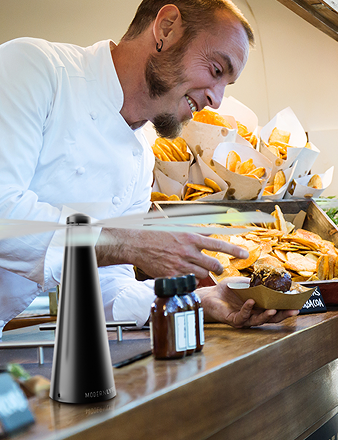
Electrocution or stun units must be designed to retain insects and installed away from food-preparation areas. Dead insects or fragments can't fall or be propelled onto exposed food, clean utensils, linens, or single-service articles. Some technical standards also require automatic insecticide dispensers to remain at least 12 feet from open food and food-contact surfaces (insect-control device guidance).
Don't place a device where it creates a new contamination route. Map the airflow, food path, service line, and cleaning access before installation. For outdoor events, combine covered food, controlled access, physical barriers, and suitable airflow devices. A practical integrated pest management guide can help managers connect prevention, monitoring, and corrective action rather than relying on reactive treatment alone.
Common Violations and What Actually Triggers Inspections
Operators often polish the dining room because customers see it. Inspectors spend more attention on controls that affect food safety, employee behavior, and the facility's ability to prevent contamination.
A spotless restroom doesn't compensate for a blocked hand sink. A polished service counter doesn't correct food held outside the required temperature range. Fresh paint doesn't remove pest harborage behind equipment. Visible presentation matters, but it isn't a substitute for working controls.
What operators assume versus what inspectors verify
| Common operator assumption | What an inspector actually verifies |
|---|---|
| The front of house looks polished | Food is protected during receiving, storage, preparation, and service |
| Customer restrooms are spotless | Handwashing facilities are accessible, supplied, and used at required trigger points |
| A pest-control invoice proves compliance | Incoming supplies are inspected and harborage conditions are eliminated |
| A thermometer exists somewhere | Staff can measure, record, and correct holding or cooling failures |
| Employees know allergen procedures | The operation can manage major allergen information, including written notification for major allergens in unpackaged food |
The FDA says the Food Code provides a technical and legal basis for regulating restaurants, grocery stores, nursing homes, and similar settings. Its 2022 update recognized sesame as the 9th major allergen and added written notification requirements for major allergens in unpackaged food (FDA Food Code). That change illustrates the direction of modern enforcement. Inspectors don't only look for dirt. They evaluate whether the operation controls current public-health risks.

Complaint-driven inspections can begin with reported illness, allergen exposure, pests, poor employee hygiene, or visibly unsafe food handling. Employees may also raise concerns when management ignores recurring hazards. The practical response isn't to coach staff only when an inspector arrives. It's to make reporting easy, investigate promptly, and document corrective action.
I don't treat every violation as equally urgent. A blocked hand sink, unsafe holding temperature, active pest evidence, or allergen-control failure deserves immediate management attention because each can create direct exposure. Cosmetic defects still matter, but the response should prioritize hazards that can contaminate food or harm a guest.
Your Practical Inspection Readiness Checklist
A useful checklist follows the rhythm of the operation. It doesn't ask employees to “keep everything clean.” It tells them what condition must exist, who verifies it, and what happens when the condition isn't met.
Daily controls
Before receiving: Confirm the receiving area is clear, inspect incoming food and supplies, and reject visibly compromised products. Make sure the employee knows where accepted goods go so raw and ready-to-eat products don't cross paths.
Before prep: Check that handwashing stations are accessible and supplied. Walk the food path from storage to prep, remove clutter, and verify that clean equipment is protected from splash, soil, and unnecessary handling.
During production: Watch the moments that trigger handwashing, especially transitions from raw food to ready-to-eat food, glove changes, coughing or sneezing, and handling soiled equipment. Check holding temperatures at the points where food sits, not only when it leaves the cooking line.
At close: Clean and sanitize food-contact surfaces, remove waste, inspect floors and hard-to-reach areas, and leave storage arranged so the opening team can identify problems quickly. A closing manager should record unresolved issues with an owner and a next action.
Weekly and monthly reviews
A weekly deep-clean should reach equipment edges, floor-wall junctions, shelving undersides, drains, storage corners, and waste areas. Look for leaks, gaps, residue, and conditions that could provide pest harborage.
Once a month, run a self-audit as if an inspector has arrived. Follow a delivery from the dock to storage, a raw product through preparation, and a cooked product through holding or cooling. Interview employees without warning them in advance, then correct the process rather than blaming the person.
Event and mobile-service checks
For a banquet, buffet, food truck, outdoor reception, or temporary station, verify the setup before food arrives. Confirm handwashing access, protected food display, temperature-control equipment, utensil storage, waste handling, and a written time plan where food will be managed without temperature control.
Allergen communication needs its own review. A detailed checklist for managing food allergies can help teams examine menu information, employee communication, ingredient handling, and service handoffs. Event managers should also assign one person to monitor the buffet or temporary station continuously, because the risk changes as guests, weather, equipment, and service volume change.
When to Consult Local Authorities and Build Proactive Relationships
Local health departments aren't only enforcement bodies. They're also the clearest source for jurisdiction-specific interpretation, permits, plan review, and event requirements. Rules can vary by state, county, and city, so a procedure that works at one location may need adjustment at another.
Contact the authority before launching a new menu concept, changing the facility layout, adding equipment, hosting a large outdoor event, or opening in a new jurisdiction. Ask which plans require review, how the local office interprets time and temperature controls, what temporary food-service equipment is acceptable, and which records an inspector expects to see.
Document the conversation. Save the official guidance, note the date and the person consulted, and update the operating procedure so the whole team follows the same interpretation. That record won't replace compliance, but it can prevent managers from relying on memory or conflicting informal advice.
Build the relationship before a violation forces the conversation. Schedule a pre-inspection consultation when the operation changes, invite supervisors to learn the local expectations, and treat questions as part of responsible planning.
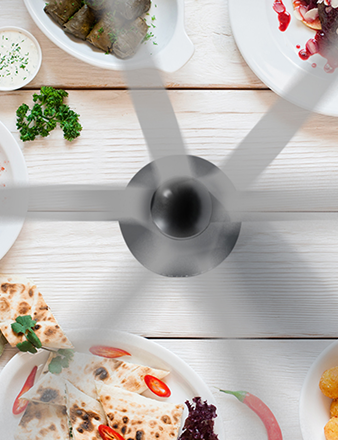
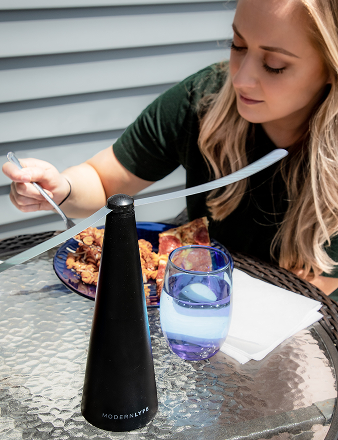
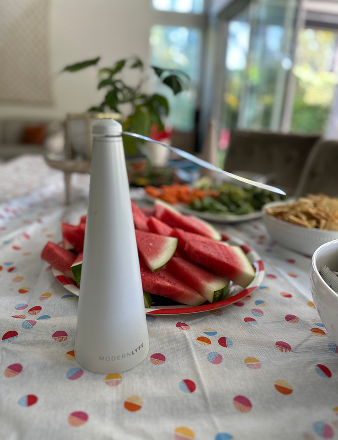
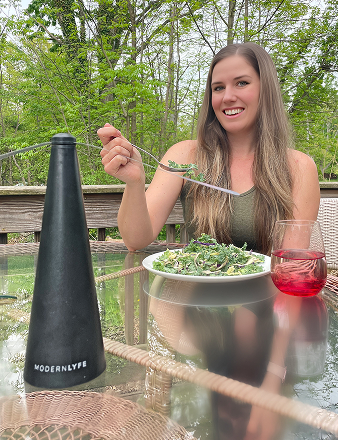
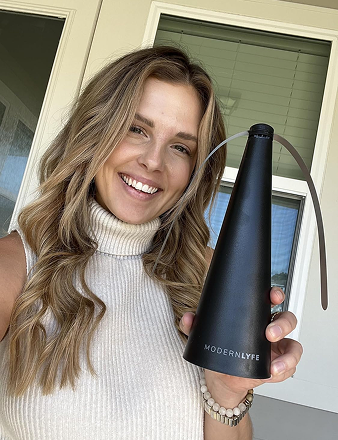
MODERN LYFE offers practical fly-fan solutions for restaurants, hotels, caterers, outdoor receptions, and home gatherings, with quiet, battery-operated placement suited to buffet lines and dining setups. Visit MODERN LYFE to review options that can support your pest-prevention plan while you keep food covered, monitor service areas, and follow local health code standards.