The first sign is usually the same. You set out a clean table, uncover the food, and a few flies turn into a steady problem before anyone has taken a proper bite. At weddings, patio dinners, food trucks, and buffet lines, the issue isn't just annoyance, it's that flies are already responding to food, waste, and open access, so the fix has to start before they settle in.
Why Flies Show Up in the First Place
A fly problem usually starts before anyone notices the insects. A buffet tray gets uncovered, a trash can sits open near the service path, or a bit of spilled sauce dries by the prep table, and flies move in because they are tuned to food, waste, and breeding material. House flies are closely tied to sanitation, and a major review notes that female house flies can lay about 500 eggs over their lifetime, while the full life cycle can finish in as little as 7 to 10 days under warm conditions, which is why exposed waste can turn into a fresh generation very quickly (PMC review).

What actually pulls them in
Flies do not show up because a patio is outdoors. They show up because the setting gives them what they are built to chase, exposed food, organic waste, and easy landing spots. Extension guidance also emphasizes sealing cracks and openings, keeping food covered, and removing attractants before flies establish themselves indoors, which is the same logic hospitality teams use at scale, just with higher stakes and more foot traffic (Modernlyfe's guide to non-toxic fly control).
Practical rule: if flies can smell, land, and breed near service areas, you are fighting the symptom, not the cause.
That is why scent-only fixes disappoint in real dining setups. They may shift fly behavior a little, but they do not remove the reasons flies arrive in the first place. The more durable approach is to treat fly control as a hygiene system, then add barriers and traps where they matter.
Why this hits restaurants and homes the same way
A restaurant patio, a hotel breakfast terrace, a catered wedding, and a backyard cookout all share the same weak points. Food is exposed, bins are opened repeatedly, and organic waste builds up faster than people think. A small fan at the table can do more than a pleasant-smelling plant arrangement because airflow makes the landing zone harder to use, while the broader system still has to cover cleanup, traps, and entry-point exclusion. The only difference is scale, which is why the same basic habits keep showing up in both professional and home guidance.
Cut the Attractants Before Anything Else
Sanitation beats repellents because it removes the fly's target. If fruit sits uncovered, if a bin smells like yesterday's service, or if drain residue is left alone, you're creating a place where flies can feed and, in some cases, breed. The most practical how to keep flies away naturally strategy starts there, before any vinegar jar or herb pot enters the picture.
The checklist that actually changes pressure
Keep food covered until the moment it's served. Refrigerate cut fruit instead of leaving it on a sideboard. Clean trash bins and drains regularly, and remove pet waste frequently, because those are recurring landing and breeding points that fly guidance keeps returning to as first-line defense (Everyday Home Remedies fly guidance).
The timing matters. If a buffet line is left uncovered for thirty minutes, the problem isn't just that a few flies may land. It's that the attractant stays available long enough for more flies to orient, return, and settle in around the same service zone. Keep that line covered, keep bins closed, and the pressure drops before you ever need to play catch-up.
What this means in practice
For home use, the checklist is simple. For restaurants and events, it needs a service rhythm.
- Cover first: lids, domes, wrap, or chafing covers stay on until serving.
- Clear waste fast: remove food scraps, spill residue, and open organic trash before it becomes a magnet.
- Watch drains and bins: if they're dirty, they're not background details, they're fly territory.
- Block easy entry: sealing cracks and openings matters because indoor pressure often starts at the margins (PMC review).
For a broader non-toxic approach, this practical fly-control guide lines up with the same principle, remove what attracts flies before you try to chase them away. Once that habit is in place, traps and airflow start working the way they should instead of acting like temporary bandages.
Build a Vinegar Trap That Actually Catches Flies
A good trap has to do three jobs at once, lure, entry, and retention. That's why the best DIY versions aren't just a bowl of vinegar sitting near the table. They use a narrow opening, bait that flies want, and soap so once a fly lands, it doesn't skate across the surface and escape. One useful resource on this is Pestless Inc.’s natural fruit flies repellent, which fits neatly into the same trap logic used in kitchens and service areas.
A simple trap that holds up
Use a tall glass jar or a bottle with a funnel-style opening. Pour in about 1 inch of apple cider vinegar, then add a few drops of dish soap. Cover the top with plastic wrap, secure it with a rubber band, and poke a few small holes so flies can get in but don't have an easy way out, which matches the practical method described by MedicineNet (MedicineNet vinegar trap).
The soap matters because it breaks surface tension, so the fly doesn't just sit on the liquid and leave. It sinks more readily after landing. That's the part many DIY guides skip, and it's the part that makes the trap feel like a trap instead of a scented invitation.
Trap formula: lure with apple cider vinegar, add dish soap, narrow the entry, and place it where flies are already gathering.
Where placement matters most
Put traps near fruit bowls, sinks, drains, bins, or the outer edge of a buffet, not beside the plated food. If you're covering a long service line, use more than one trap on the perimeter instead of one large jar in the middle. That way, you intercept flies before they reach the table rather than pulling them into the guest zone.
Refresh the bait at least weekly. Stale vinegar loses its pull and can become its own odor source, which defeats the point. Retire traps once they're full or visibly dirty, because a neglected trap starts looking like another sanitation problem.
For a broader breakdown of trap placement and household use, this natural catch fruit fly traps resource is worth keeping in your back pocket. The key is consistency, not novelty. A well-placed trap works because it's part of the system, not because it's clever.
Plants and Essential Oils Worth the Effort
Most natural fly advice leans hard on herbs and oils, and some of it does have a place. The honest version is this, plants and scent blends work best as background deterrents, not as the thing that saves an uncovered dessert station. They're useful around the perimeter, especially when the dining area is already protected by cleanup, barriers, and airflow.
What belongs near the seating area
Basil, lavender, mint, rosemary, and bay are the most practical starting points for potted or border planting around patios, porches, and entry edges. They're not magic, but they can make the surrounding area less inviting when used as part of a layered setup. If you're comparing herb choices for a patio or kitchen threshold, the best pick is often the one that matches your climate and gets enough sun to stay healthy.
For a useful parallel on scent-based pest management, natural ways to repel ants shows the same general trade-off, scent can discourage pests, but it doesn't replace sanitation or exclusion.
Quick comparison for starter plants
| Plant | Best Placement | Climate Fit | Kitchen Bonus |
|---|---|---|---|
| Basil | Table-edge pots, patio corners | Warm, sunny spots | Yes, a common kitchen herb |
| Lavender | Borders, entry planters | Sunny, drier areas | Less useful in the kitchen |
| Mint | Pots near service edges | Adaptable, but contains best in pots | Yes, very useful in drinks and cooking |
| Rosemary | Perimeter planters, grill areas | Sunny, well-drained spots | Yes, strong culinary value |
| Bay | Near doors or side seating | Protected outdoor areas | Yes, useful dried or fresh |
What oils can and can't do
Essential oils are best in diluted blends for cloth sachets, outer table edges, or nearby decor, not as heavy sprays around plated food. Sun and wind make scents fade fast, so they're less reliable in open dining zones. They also need care around pets, since cats and dogs can react to certain oils.
If peppermint is part of your routine, this peppermint oil reference can help you think about it as an ingredient in a perimeter system rather than a cure-all. That's the right mindset. Use scent to shape the edge of the space, not to carry the entire defense.
Why Airflow Beats Scent at the Table
A patio can smell fine and still lose the battle the second flies start circling a plate. In service, the practical answer is airflow at the table, because it interrupts the landing attempt right where the guest is eating. That matters more than a scent that only changes what flies notice from a distance.

Why fans work where aromas don't
Purdue consumer guidance notes that house flies have trouble flying in about a 3 mph breeze, which is why even a small fan can change conditions outdoors (Purdue extension guidance). That is not just a comfort issue. It makes it harder for flies to settle on plates, glassware, and serving surfaces long enough to become a problem.
Scent can discourage flies from lingering near a zone. Airflow changes whether they can land in that zone at all. For patios, buffet lines, catering stations, and vendor stalls, that difference matters, because the problem is whether a fly can get onto the food in front of guests.
Fans protect the landing zone. Scents only influence the neighborhood.
How to place airflow correctly
Set fans to move air across the table edge or the buffet approach path, not straight into the food. You want a steady curtain of moving air that makes landing awkward without blowing napkins, garnish, or service items around. At restaurant patios, place the fan coverage on the guest side first, then keep traps farther out so they do not interfere with service.
The same setup works for outdoor weddings and food trucks. Put the air movement where guests are seated or standing to eat, and keep trash, prep waste, and storage away from that line. That is the part many natural fly-control guides skip, and it is why a small fan often does more than basil pots or scented sprays ever will. For a side-by-side look at the trade-offs, compare screened porch costs in Georgia, then decide whether a screened area or a fan-based setup makes more sense for your space.
For a visual overview, this short video example of airflow in use makes the landing problem easy to see. The point is simple. Airflow works at table level, while scent is usually just a background layer.
Outdoor Layouts That Keep Flies Off the Food
A bad layout makes every other fly-control step work harder. If the trash bin sits beside the dessert table, or the compost point sits upwind of the guest area, flies get a straight path to the food and the problem starts before service does. A smarter layout keeps the dining zone upwind and the waste zone out of the way, then uses fans and traps to hold the perimeter.

Build the space from waste outward
Start with trash, compost, and cleanup stations. Put them where guests do not have to pass them, and where wind will not push odors back across the dining area. Then place the table or buffet upwind, away from the same path as waste movement. After that, set strategic fans to create the airflow barrier, and place trap stations on the perimeter, not in the middle of service.
That setup matters at weddings because guests stay at the table longer and every drift of odor gets more chances to pull flies in. It matters at food trucks because the line forms near prep heat, grease, and crowd traffic. It matters at farmers-market stalls because neighboring waste and nearby vendors can create fly pressure you did not generate yourself.
Keep front-of-house and back-of-house separate
Restaurant teams usually get better results when they treat fly control like a service map. Front-of-house gets the cleanest line, the most visible fans, and the least clutter. Back-of-house gets tighter waste handling, more frequent cleanup, and exclusion points like screens and sealed openings. Extension guidance backs that kind of non-chemical control, along with basic exclusion and sanitation practices (Purdue extension guidance).
If you are deciding whether to create a more defined service boundary, a portable screened enclosure or screened porch can help. For readers comparing that kind of setup for Georgia spaces, compare screened porch costs in Georgia to see how permanent and portable options differ. In practice, the right layout is the one that keeps flies away from the food before they ever reach guest level.
Your Daily and Event-Day Fly Prevention Checklist
Daily fly prevention is mostly about rhythm. Clean fast, cover fast, and keep air moving where guests sit. For homeowners, that means kitchen waste, fruit bowls, pet cleanup, and patio airflow. For caterers and planners, it means checking the waste zone before service, placing fans at the table edge, and refreshing traps before guests arrive.
Quick checklist for real use
- Home: cover food, empty trash, clean drains, and keep a fan near outdoor seating.
- Event day: stage food late, place traps on the perimeter, and keep waste away from the dining flow.
- Restaurant opening: check entry points, confirm screens or seals are intact, and inspect bins before service.
If flies keep showing up, trace the source instead of increasing sprays. Neighboring property issues usually need stronger exclusion and better airflow placement. A sudden spike after rain usually points to fresh breeding material or damp waste. If you're seeing small flies around fruit, that's a different problem from house flies, and the trap and sanitation focus needs to shift accordingly.
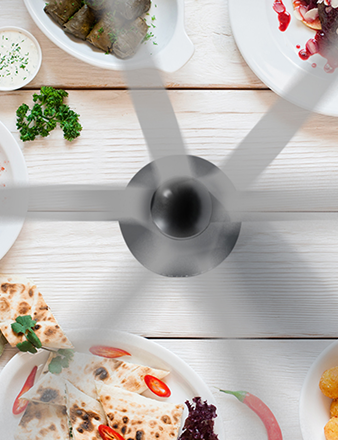
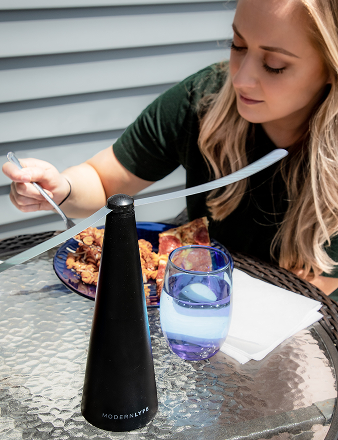
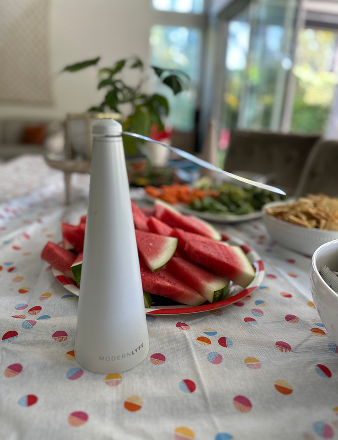
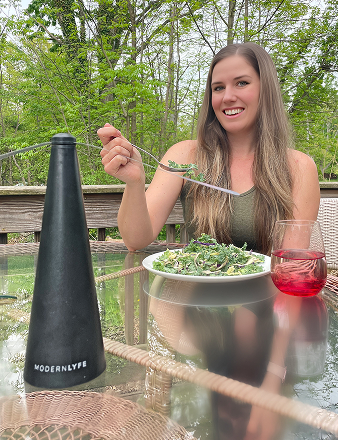
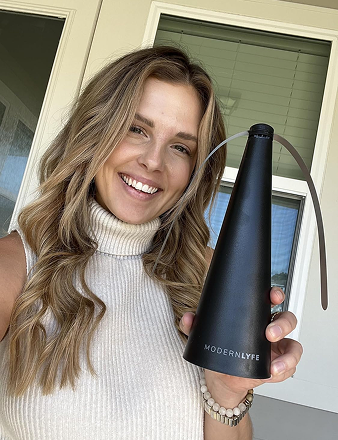
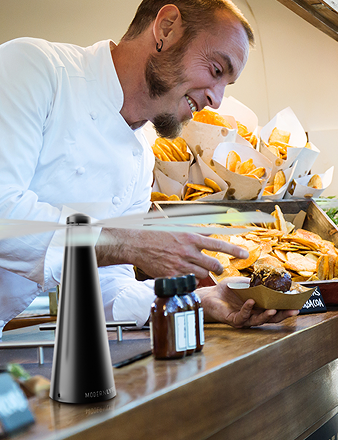
A quiet battery-operated fly fan can reinforce the airflow layer at the table without adding residue or scent, which is why it fits so well in hospitality settings. Consistency wins here. Natural fly control works best when sanitation, traps, and airflow are all doing their own job at the same time.
If you want a cleaner, more guest-friendly way to handle outdoor dining and event service, MODERN LYFE builds discreet fly fans designed for tables, patios, and catering setups. Visit them to see how a simple airflow layer can support the natural fly-control system you're already trying to run.