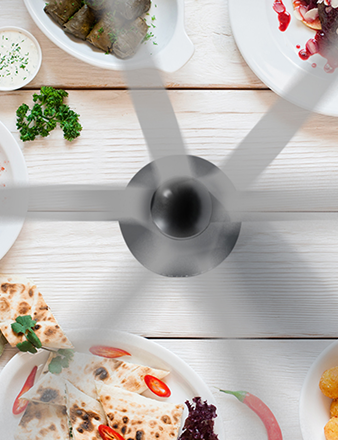
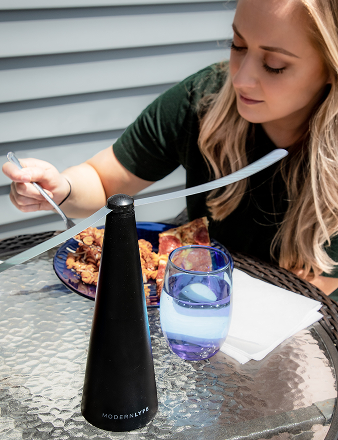
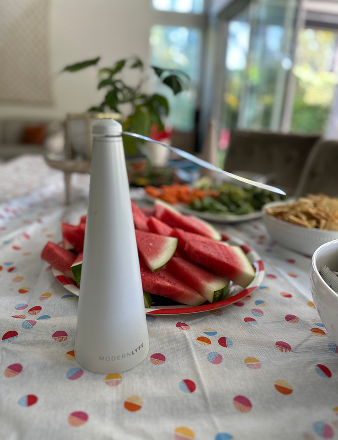
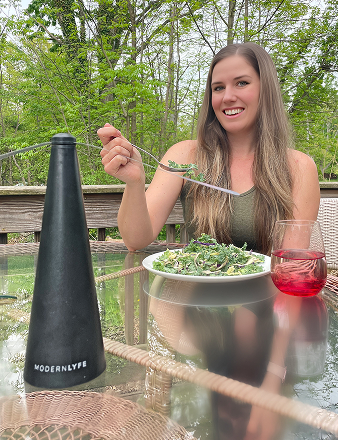
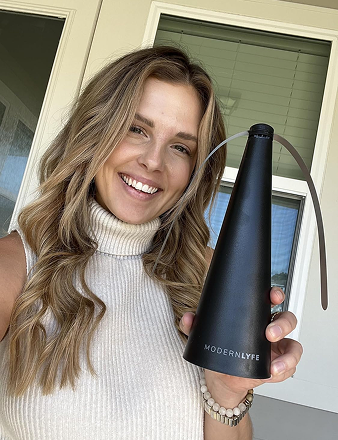
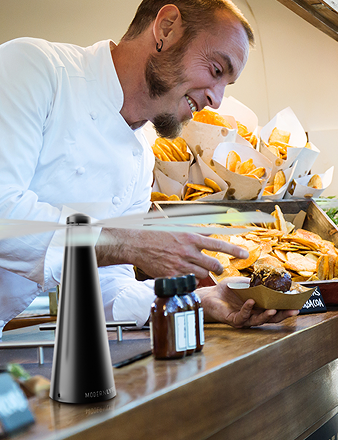
A Saturday wedding reception starts late. The buffet is beautiful, but the chafers are bunched too tight, the drink station blocks traffic, servers keep doubling back for supplies, and within minutes guests are waving away flies near the salad and fruit display. Nobody in the room says, “This event failed because the operator ignored industry best practices.” They say the service felt sloppy.
That's how hospitality works. Guests experience the result, not the checklist.
In restaurants, hotels, catering, and outdoor events, industry best practices aren't abstract management language. They're the operational habits that keep food safe, service smooth, and guests comfortable. They show up in simple details. Where the trash sits. How a buffet line flows. Whether staff know who owns a guest complaint. Whether your outdoor setup prevents pest problems before they start.
The operators who stand out rarely win on personality alone. They win because they build repeatable standards into the floor, the kitchen, the prep list, and the event diagram. They don't improvise basic execution during live service. They decide the standard in advance, train it, then check whether it held up under pressure.
An Introduction to Modern Hospitality Best Practices
A lot of operators hear “best practices” and think of binders, audits, and rules that slow the team down. On the floor, that mindset usually backfires. What slows a team down is confusion.
At a busy catered event, confusion looks familiar. A plating station gets set too close to guest traffic. Dirty plates stack near a service path. Staff can't find backups fast enough. Outdoor food sits exposed longer than planned. By the time a manager reacts, the room already feels less polished.
That's why modern hospitality best practices matter. They aren't rigid scripts. They're a working playbook for high-pressure service.
What best practice looks like in real service
In hospitality, a good standard has three traits:
- It's visible: Staff can understand it quickly during setup or service.
- It's repeatable: Different shifts and different teams can execute it the same way.
- It protects the guest experience: It prevents problems guests notice immediately, like delays, clutter, noise, or pests around food.
A weak operation reacts to whatever goes wrong first. A strong one reduces the chance that those problems show up at all.
Practical rule: If a problem happens often enough that staff have a “usual fix,” it probably needs a preventive standard, not another workaround.
The best operators I've worked with don't separate hospitality from operations. They know those are the same thing. A quiet dining room, a clean buffet, a smooth handoff between host and server, and a patio that stays comfortable through the dinner rush all come from operational discipline.
The difference between average and excellent
Average venues rely on good people to save the shift. Excellent venues give good people a system that helps them succeed.
That system usually rests on a few core disciplines:
- Food safety and hygiene
- Guest comfort and ambiance
- Proactive pest prevention
- Staff training and accountability
- Event and service flow
When these pieces work together, guests stay longer, complain less, and leave with a better impression of the brand. That's the core purpose of industry best practices in hospitality. Not paperwork. Not theory. Better service, fewer preventable issues, and a more profitable operation.
Why Best Practices Directly Impact Your Bottom Line
Owners sometimes treat standards as overhead until a bad night exposes the cost of not having them. In hospitality, loose execution usually hits profit from three directions at once. It wastes labor, damages guest perception, and creates risk that lingers after the shift ends.

The compliance side alone should get any operator's attention. Hyperproof reports that the average compliance cost across industries is $5.47 million, while financial services averages $30.9 million. The same report says a centralized data governance program saved surveyed businesses $3.01 million on average, regular compliance audits saved $2.86 million, and a corporate data security training program saved $2.54 million. It also notes that between January and July 2019, 3,813 data breaches exposed over 4.1 billion records. Those figures are why formal controls are treated as an operational necessity, not optional admin work, in Hyperproof's compliance statistics report.
Hospitality leaders don't need to become compliance specialists to understand the lesson. Informal systems get expensive.
Where the money leaks first
Most venues don't lose margin in one dramatic moment. They lose it in repeated friction.
| Operational issue | What it looks like on site | Business effect |
|---|---|---|
| Inconsistent setup | Each shift arranges stations differently | Slower service and more manager intervention |
| Poor handoffs | Host, kitchen, banquet captain, and servers aren't aligned | More guest complaints and missed details |
| Reactive pest handling | Staff swat, move plates, or improvise covers mid-service | Lower guest confidence and weaker presentation |
| Weak training | Standards live in one manager's head | Results vary by shift, team, and venue |
A best-practice system protects margin because it reduces rework. Staff spend less time fixing layout mistakes, chasing missing supplies, or explaining preventable problems to guests. Managers spend less time putting out fires and more time improving service.
Reputation is operational
A guest doesn't split your business into categories like “service issue,” “cleanliness issue,” and “setup issue.” They form one opinion. If the patio felt chaotic or the buffet attracted flies, that becomes the brand.
Clean execution looks effortless to guests because someone did the hard operational work before doors opened.
That's why standards matter even when they seem small. A clear opening checklist, a reset routine between event phases, and a rule for protecting exposed food in outdoor service all affect the memory guests take home. Better memories usually support stronger reviews, more referrals, and more repeat visits. Poor ones travel just as fast.
The operators who protect profit best are usually the ones who stop treating best practices like back-office policy and start treating them like revenue protection.
The Five Pillars of Modern Hospitality
Most hospitality problems trace back to a small number of operating disciplines. If these are solid, service usually feels controlled even on a busy night. If they're weak, the team ends up reacting all shift.

Food safety and hygiene
Food safety isn't just a kitchen issue. In hospitality, it extends into banquet lines, patio service, outdoor bars, replenishment timing, bussing routes, and storage discipline during live events.
The strongest operators build simple control points into service:
- Separate clean and dirty movement: Don't let used plate returns cross active food presentation zones.
- Protect exposed food: Buffets, grazing tables, pastry displays, and garnish stations need active oversight.
- Assign ownership: One person should own line checks during service, not “everyone.”
A hygiene failure often starts as a layout failure. If staff have to squeeze through guest traffic to reset a buffet or refill utensils, they'll rush. Rushed work leads to missed details.
Guest comfort and ambiance
Hospitality brands talk a lot about atmosphere, but comfort is usually built through operational choices, not décor alone.
A room feels better when guests can move easily, hear each other, access service without bottlenecks, and eat without annoyance. That means checking sightlines, queue points, lighting transitions, noise sources, and table spacing before service starts.
Guest comfort also has an environmental side. Outdoor dining and event service need wind planning, sun exposure planning, and pest planning. If you want useful inspiration from operators that treat environment as part of the guest experience, this Algarve guide to eco resorts is a helpful reference for how setting, comfort, and operational choices work together.
Proactive pest control
Many venues still rely on reactive habits that look bad in front of guests. Someone notices flies. Staff start swatting. Plates get moved. A manager asks for a quick fix. None of that feels premium.
A better approach is prevention by design.
Vision Zero's road-safety work makes a strong point that applies well beyond transportation. Rather than responding to incidents one by one, practitioners use a High Injury Network to identify recurring risk clusters and fix systemic hazards before harm happens. That proactive mindset is useful in hospitality too, especially for pest prevention, as described in Vision Zero Network's guidance on prioritizing for greatest impact.
For restaurants and events, that means asking:
- Where does exposed food sit longest?
- Which stations attract the most guest dwell time?
- Which outdoor zones combine warmth, sweetness, wind shifts, and slow replenishment?
- Where do staff repeatedly report pest annoyance?
If the same station gets “handled” every event, it isn't an incident. It's a design flaw.
The right response is to redesign the environment. Adjust station placement. Reduce exposure time. Improve waste handling. Add protective tabletop or buffet tools that fit the setting without making the room look improvised. This matters even more in weddings, resort functions, patios, food trucks, and mixed indoor-outdoor events, where standard indoor controls don't travel well.
For operators reviewing the compliance side of these decisions, it helps to map guest-facing prevention back to broader standards and obligations through this overview of regulatory requirements in hospitality operations.
Staff training and empowerment
Training fails when it's too broad. “Deliver great service” isn't trainable. “Reset water within two minutes of seating,” “escort rather than point,” and “check buffet edges every pass” are trainable.
Good teams also need authority within limits. A banquet server should know when to replace a messy utensil caddy without waiting. A floor lead should know when to re-route a line. A host should know how to absorb a delay without making the guest feel ignored.
Use short scenario training, not lecture-heavy sessions. Walk the actual floor. Rehearse the ugly moments. Late vendor arrival. Windy cocktail hour. Broken station flow. Guests clustering in the wrong place. Teams remember what they practice in context.
Event setup and flow
A beautiful event can still fail operationally if traffic patterns are wrong.
The most common setup mistakes are easy to spot:
- Buffets too close together
- Bars placed where guests need to pass through service routes
- Dessert stations installed before dinner traffic clears
- Trash, bussing, or backup stock visible from primary guest areas
Treat setup like choreography. Guests need intuitive movement. Staff need protected work lanes. Service equipment needs to be close enough for speed but hidden enough to preserve presentation.
One useful test is simple. Stand where a guest enters, then walk the room as if you know nothing. If the path to food, drinks, seating, and restrooms feels uncertain, the setup isn't ready.
Your Roadmap to Implementing Best Practices
Most operators don't need a total reset. They need a clear sequence. The fastest way to stall improvement is to launch ten new standards at once and expect the team to absorb them during live service.
Global guidance from the UN and OECD points in a consistent direction. Strong practice starts with documented objectives, timelines, and quality checks rather than ad hoc decisions. The UN's statistical best-practice guidance also recommends planning user consultation, design, data collection, processing, dissemination, and resource needs in advance. That broader principle translates well to hospitality operations, and it's reflected in the UN statistical best practices guidance.
Step one, audit the live operation
Don't begin with policy writing. Begin by watching a real shift.
Look for repeat friction in four places:
- Guest touchpoints: arrival, seating, ordering, buffet access, complaint handling
- Staff movement: crossing paths, dead steps, supply runs, unclear ownership
- Exposure points: outdoor food, beverage garnishes, dessert displays, waste areas
- Reset discipline: table turns, station cleanliness, replenishment timing
Use direct notes. What happened, where, and what triggered it. If you're trying to improve throughput and labor use more broadly, Solana EV's efficiency insights offer useful process thinking that applies well to hospitality workflows too.
Step two, write short SOPs people will actually use
Long manuals don't survive the dinner rush. Good SOPs are short, visible, and tied to a moment in service.
Use formats like:
- Opening checklist
- Outdoor dining setup standard
- Buffet protection checklist
- Complaint recovery steps
- Event close-down reset
Each document should answer three questions. What's the standard, who owns it, and how do we verify it happened.
Field note: If staff need a manager to interpret the SOP every time, the SOP isn't finished.
For a useful reference point on turning plans into execution habits, this guide to strategic implementation in operations fits the way hospitality teams work.
Step three, train in the environment where the work happens
A pre-shift talk helps, but it doesn't replace floor training. Walk staff through the actual layout. Show them the standard, then have them perform it.
That includes:
- Station setup drills
- Guest recovery role-play
- Outdoor service adjustments
- Buffet monitoring assignments
People retain what they repeat. If a standard matters, rehearse it where it will be tested.
Step four, equip the team to hold the standard
Tools shape behavior. If staff don't have the right equipment, they'll improvise. Improvisation is where presentation slips.

This is especially true in outdoor and mixed-service environments. If your standard is clean buffet presentation and better guest comfort, the team needs tools that support that outcome without cluttering the setup or drawing negative attention.
Implementation gets easier when every improvement has a clear owner, a written standard, and a quick way to check compliance during service.
How to Measure Your Operational Excellence
If you can't tell whether service improved, you're managing by mood. Hospitality teams need a small scorecard that shows whether their standards are reducing friction on the floor.

A useful analogy comes from industrial operations. Six Sigma aims to reduce process variation to no more than 3.4 defects per million opportunities, using a disciplined cycle to define the defect, measure current performance, analyze root causes, improve the process, and then control it through ongoing monitoring, as outlined in this overview of Six Sigma and industrial best practices. Hospitality isn't manufacturing, but the principle holds. The enemy is variation.
Focus on service defects you can observe
In a restaurant or event setting, a defect might be a late greet, a missed refill, a dirty reset, a guest complaint, or an exposed-food issue that should've been prevented.
Track a short list consistently:
| KPI | What it tells you |
|---|---|
| Guest satisfaction score | Whether service felt good from the guest side |
| Review themes | Which problems guests mention repeatedly |
| Employee retention rate | Whether your operation is stable enough to execute standards |
| Service recovery rate | How often your team resolves issues effectively |
| Food cost percentage | Whether waste and handling discipline are under control |
The goal isn't to drown managers in dashboards. It's to spot patterns early. If outdoor events generate more complaints than indoor banquets, don't shrug and say that's just the format. Look at setup, staffing, flow, and prevention standards.
Measure consistency, not one heroic night
One strong shift doesn't prove the system works. Repetition does.
Use the same review rhythm each week:
- Pick one operating area: buffet flow, patio comfort, host stand handoff
- Review what failed more than once
- Adjust one standard
- Check whether complaints or interruptions decline
For teams building a more disciplined review habit, this framework for performance metrics in operations can help connect floor observations to management decisions.
Good operators don't ask, “Did we survive service?” They ask, “Which defects showed up again, and why did the process allow them?”
That question is where continuous improvement starts.
Common Questions on Hospitality Best Practices
Operators usually understand the big principles. The harder part is adapting them when the venue isn't a standard dining room.
What if the budget is tight
Start with the standards that prevent visible guest problems. Clean setup logic, clearer staff ownership, tighter opening checks, and better protection for exposed food usually deliver the fastest operational gain.
Don't begin with expensive reinvention. Begin with repeat issues. If the same complaint appears every weekend, that's where your money and attention should go first.
What's the single best place to start
Start with one high-friction guest moment. For many venues, that's arrival, buffet flow, or outdoor dining comfort.
Choose one moment, document the standard, assign ownership, and coach it until the team executes it without reminders. A single well-run standard does more for culture than a long list nobody follows.
How do best practices change for food trucks, patios, and outdoor events
Generic advice often falls short. Businesses grow by identifying the contexts other operators ignore, especially places where standard solutions fail. Guidance on underserved markets points to the same pattern: analyze the overlooked segment, gather qualitative feedback, and look for recurring blind spots. In hospitality terms, that means paying close attention to environments like windy patios, buffet lines, temporary outdoor events, food trucks, and mixed indoor-outdoor venues, as discussed in this explanation of underserved market contexts and overlooked use cases.
The practical move is to adapt the standard to the environment.
- For patios: Check wind direction, sun exposure, table spacing, and how long food or garnish stays exposed.
- For food trucks: Build tighter rules around queue flow, waste placement, condiment control, and handoff points.
- For buffets: Focus on replenishment timing, utensil resets, traffic direction, and food protection.
- For outdoor events: Create a setup map that accounts for temperature shifts, guest clustering, and insect pressure before service starts.
How often should standards be reviewed
Review them after any service pattern changes. New menu format, new patio layout, different event type, staffing turnover, or seasonal shift all justify a fresh look.
A standard that worked in a controlled indoor dining room may fail fast at a humid garden wedding or a busy resort brunch. Good operators don't assume transferability. They test it.
How do you keep standards from feeling robotic
Train the standard, not the personality. Staff should have a clear service baseline and room for judgment inside it.
Guests don't want scripted hospitality. They want confident, smooth service. Standards make that possible because staff aren't wasting energy guessing what good looks like.
MODERN LYFE helps operators turn one of hospitality's most visible pain points into a cleaner, more polished guest experience. If you want a practical way to protect food presentation and improve comfort in patios, buffets, catered events, and other fly-prone setups, explore MODERN LYFE.