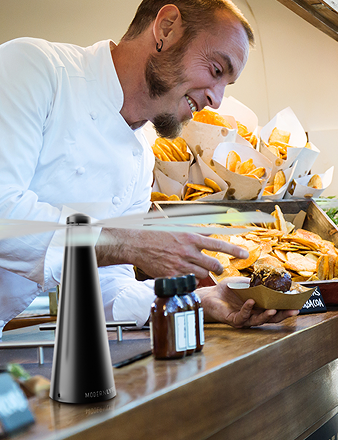
It's 7 p.m., the buffet is open, and flies are landing on the sneeze guard while a manager reaches for a spray can. Guests need protecting now, but spraying beside exposed food creates another problem without explaining where the flies came from.
Effective non-toxic pest control separates two jobs: keeping flies off tonight's plates and removing the conditions that bring them back tomorrow. A dining-table deterrent can help with the first. A clean drain, repaired doorway or properly managed dumpster handles the second. You need a record of both before calling the problem solved.
Which Non-Toxic Methods Come First and When Products Belong
Integrated pest management, or IPM, replaces the spray-first reflex with prevention, monitoring and controls matched to the pest. Start by comparing what each method does, where it belongs and what staff must maintain.
Non-toxic methods ranked by food-contact risk
| Method | Best For | Food-Contact Risk | Upkeep |
|---|---|---|---|
| Sanitation and drain cleaning | Breeding sites in drains, grease and waste | None when food is removed first | Daily to weekly |
| Screens, door sweeps and weather stripping | Keeping flies out of entries | None | Repair once, then check monthly |
| Monitoring traps placed away from food | Counting flies and locating sources | Low when placed away from food | Check and empty each morning |
| Airflow deterrent at buffet or dining edge | Fewer fly landings on served food | None, no chemicals | Clean and reposition with each service |
| Vacuum removal | Single flies at tables and counters | None | Per incident |
| Targeted bait, paste or gel in stations | Pests that persist after sanitation | Low when placed out of reach | Service as the label directs |
| Liquid sprays or foggers | Last resort only | High, avoid near food | Not recommended where food is exposed |
Read the table from top to bottom as an operational risk hierarchy, not a laboratory toxicity ranking. The risk descriptions assume correct placement, food protection and appropriate cleaning practices. A dirty vacuum nozzle or a badly positioned monitor still doesn't belong beside clean utensils.
Escalate only after correcting the basics
Start at the top and move down only when the preceding suitable control has been implemented and monitoring shows it hasn't been sufficient. Don't postpone a screen repair while testing a tabletop device. You can protect guests immediately while the maintenance team fixes the entry.
The FAO's account of integrated pest management describes a framework combining prevention, biological methods, habitat management and treatment when necessary. The USDA organic standards likewise prioritize physical, mechanical and biological practices before permitted substances, although agricultural organic standards aren't restaurant operating rules.
Non-toxic doesn't mean chemical-free, and natural ingredients aren't automatically harmless around food. A NIH pesticide-exposure case study emphasizes correcting pest-attracting conditions and favoring baits over sprays when treatment is necessary. Exposure and placement matter more than reassuring packaging.
For treatment selection, the EPA food-service IPM toolkit favors targeted bait, paste, gel and crack-and-crevice applications where appropriate, with products labeled for the pest and site. Use the label's signal word to help choose the least-toxic option that remains effective, not as permission to place it near food.
Make the purchasing decision practical
Our guide to how integrated pest management works helps turn this hierarchy into an operating plan. For teams reviewing routine cleaning habits, Gmaids' resource on a greener approach to housekeeping offers useful context, though household advice doesn't replace commercial food-service requirements.
Before any product enters a food area, answer these questions:
- Sanitation completed: Have staff removed the food, moisture and breeding material?
- Population confirmed: Has monitoring established persistent activity rather than an isolated visitor?
- Exposure prevented: Could food, utensils or food-contact surfaces contact the product through placement, spills or drift?
Sanitation That Removes What Flies Feed On
Houseflies around a service entrance and small flies around a bar usually require different investigations. Don't give every flying insect the same treatment just because guests describe them all as flies.
Sanitation comes first because capture devices can't compensate for accessible food and breeding material. The EPA's integrated pest management toolkit identifies sanitation as the first and most important control step, including immediate debris removal, leak repair, drying wet areas, routine grease removal and tightly sealed plastic, glass or metal food containers; it also recommends weekly floor-drain cleaning.
Fly source and sanitation response
| Fly Type | Typical Breeding Source | Sanitation Response |
|---|---|---|
| Drain flies and moth flies | Organic film inside floor drains | Scrub drain walls and rims, not just the surface; clean weekly |
| Fruit flies | Ripe produce, sugary residue and damp drains | Remove ripe stock, clean sinks and mop water, seal bins |
| Phorid flies | Leaks and damp organic matter under equipment | Fix leaks, dry wet zones and clean under equipment |
| Houseflies | Dumpsters, recycling and decomposing waste outdoors | Close lids, clean bins and move waste away from doors |
Treat this table as a starting point, not a species identification certificate. Persistent small flies after thorough cleaning warrant a closer inspection, particularly where inaccessible leaks or damaged drainage may be involved.
Clean the material, not just the visible opening
Clear the work area before cleaning drains. Remove exposed food and portable utensils, then use a dedicated drain brush to reach the walls, rim and accessible organic buildup. Keep that brush separate from food-contact cleaning tools, and clean and store it without contaminating the preparation area.
A pour of bleach, ammonia or hot water may affect surface material without removing deeper breeding deposits. Don't interpret a cleaner smell as proof that the drain is clean, and never mix cleaning chemicals. Physical removal of the film is the important task.
Under equipment, follow the moisture. Pull accessible mobile units safely, inspect around condensate lines and check where grease or food collects beneath feet and wheels. A mop passed across the aisle won't reach these areas.
Closing standard: A surface can look clean from standing height while the breeding material remains underneath it.
Give the closing team a checkable list
Build these tasks into your food-service hygiene standards, with a named owner and space to record unfinished work:
- Food-contact surfaces: Remove residue, complete the required cleaning and sanitizing process, and protect clean equipment.
- Under-equipment areas: Collect dropped food and remove wet debris rather than pushing it farther underneath.
- Drains: Check for film, slow drainage and missed cleaning; record completed brushing.
- Waste containers: Empty, clean and close them, including the lid undersides and surrounding floor.
- Standing water: Dry wet zones and report the leak or drainage defect responsible.
Inspect these locations during peak fly activity as well as at closing. Log recurring hotspots with an exact location, such as the drain beneath the bar ice well, so maintenance receives a repair task rather than another request to spray.
How to Seal Entries and Monitor for Fly Sources
Use a repeatable control loop: monitor, locate the source, remove the habitat, exclude re-entry and verify the result. The EPA's cafeteria pest-management guidance explains why traps alone won't resolve activity while organic matter and breeding habitat remain, and describes overnight drain monitoring and physical exclusion.
The process is easier to maintain when staff can see the sequence at a glance.
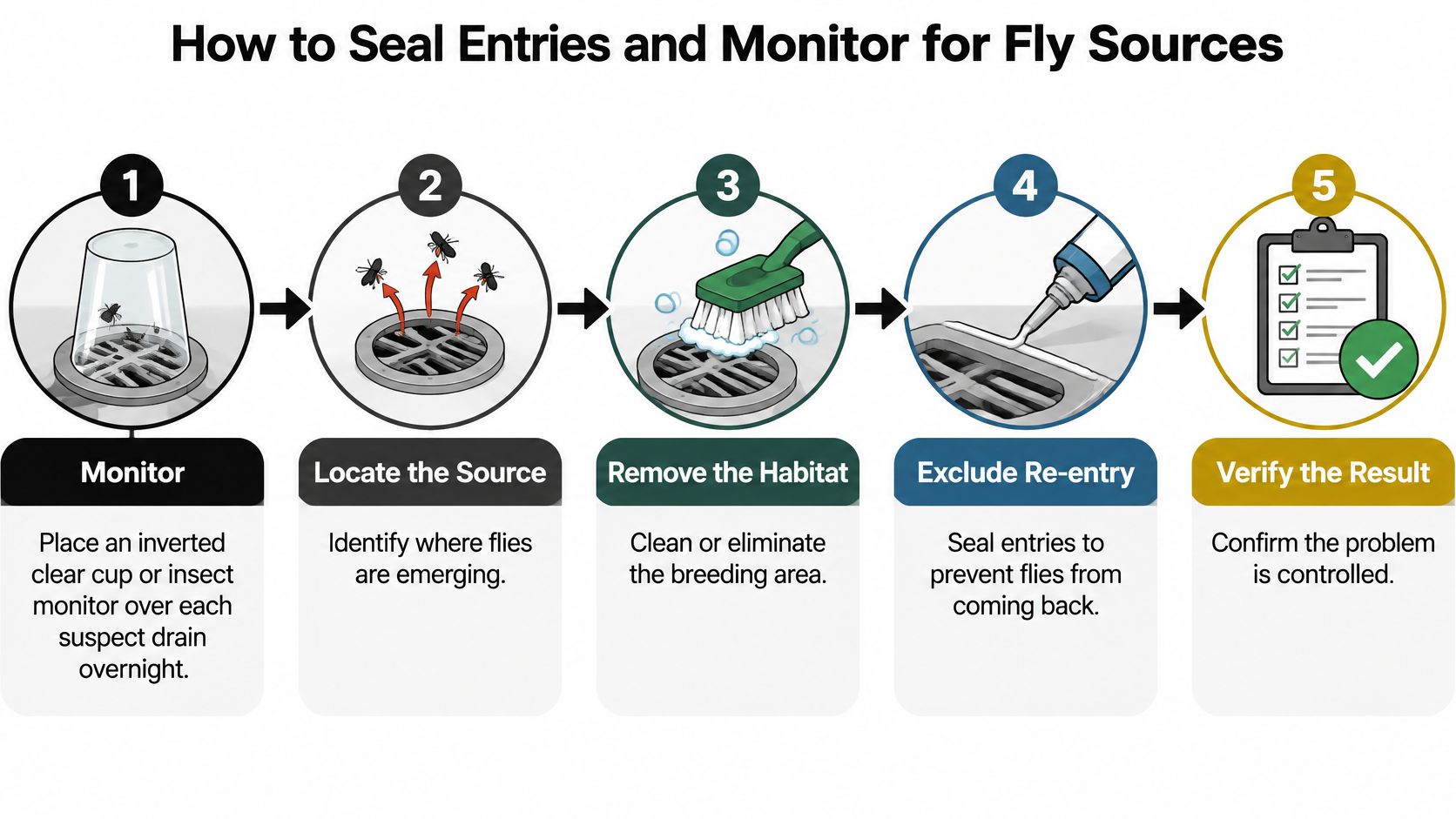
Run the inspection in a fixed order
- Monitor suspect drains overnight. Place an inverted clear cup or suitable insect monitor over the opening after service, away from food and customer contact zones. Flies found inside the next morning identify a drain needing immediate attention, rather than leaving staff to guess from daytime sightings.
- Read and log each location. Record the result each morning with the location, time and monitor condition. Keep empty results too, because a missing entry can't tell you whether staff checked the drain.
- Match activity to a likely source. Compare catches with conditions around drains, waste areas, delivery doors and standing water. Concentrated activity near a doorway calls for a different investigation from flies emerging beneath a drain cover.
- Remove the habitat. Clean the implicated drain or bin and clear decomposing material from the surrounding area. If moisture returns after drying, assign a repair rather than repeatedly asking cleaners to absorb the leak.
- Exclude re-entry. Repair torn screens, seal structural gaps and fit door sweeps and weather stripping where needed. Keep doors and windows closed when not in use, and inspect the actual closing action of delivery doors rather than assuming the hardware works.
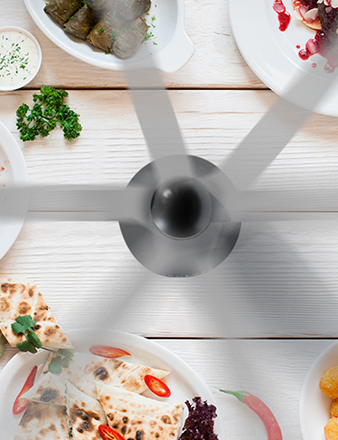
- Protect the dining boundary. Position an airflow deterrent where flies approach served food, without crowding utensils or interfering with service. This addresses landings while source-removal work takes effect, but it isn't evidence that the source has disappeared.
- Verify before adding another treatment. Use a two-week review window as an operating protocol, keeping monitor positions consistent and changing one discretionary intervention at a time. Don't delay essential hygiene repairs for the sake of an experiment; record simultaneous repairs so the results aren't attributed to the wrong device.
A trap tells you where flies are being caught. It doesn't automatically tell you where they were bred.
Where practical, remove an isolated adult fly with a vacuum instead of spraying. Keep the tool away from exposed food, and empty and clean it using a process that doesn't release captured insects or debris back into the service area.
Guest-Facing Deterrents for Buffets and Patios
A guest-facing deterrent can reduce fly landings where people eat. It can't clean a drain, close a dumpster or stop adults emerging from neglected organic waste. Judge it as plate protection, not kitchen remediation.
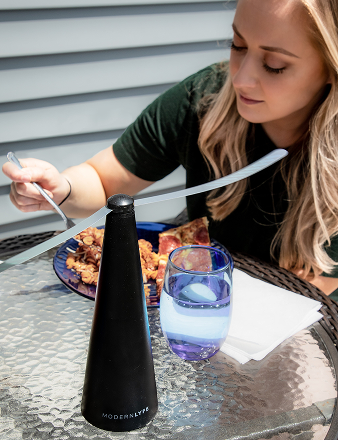
A compact tabletop arrangement should leave room for plates, glasses and the server's hands.
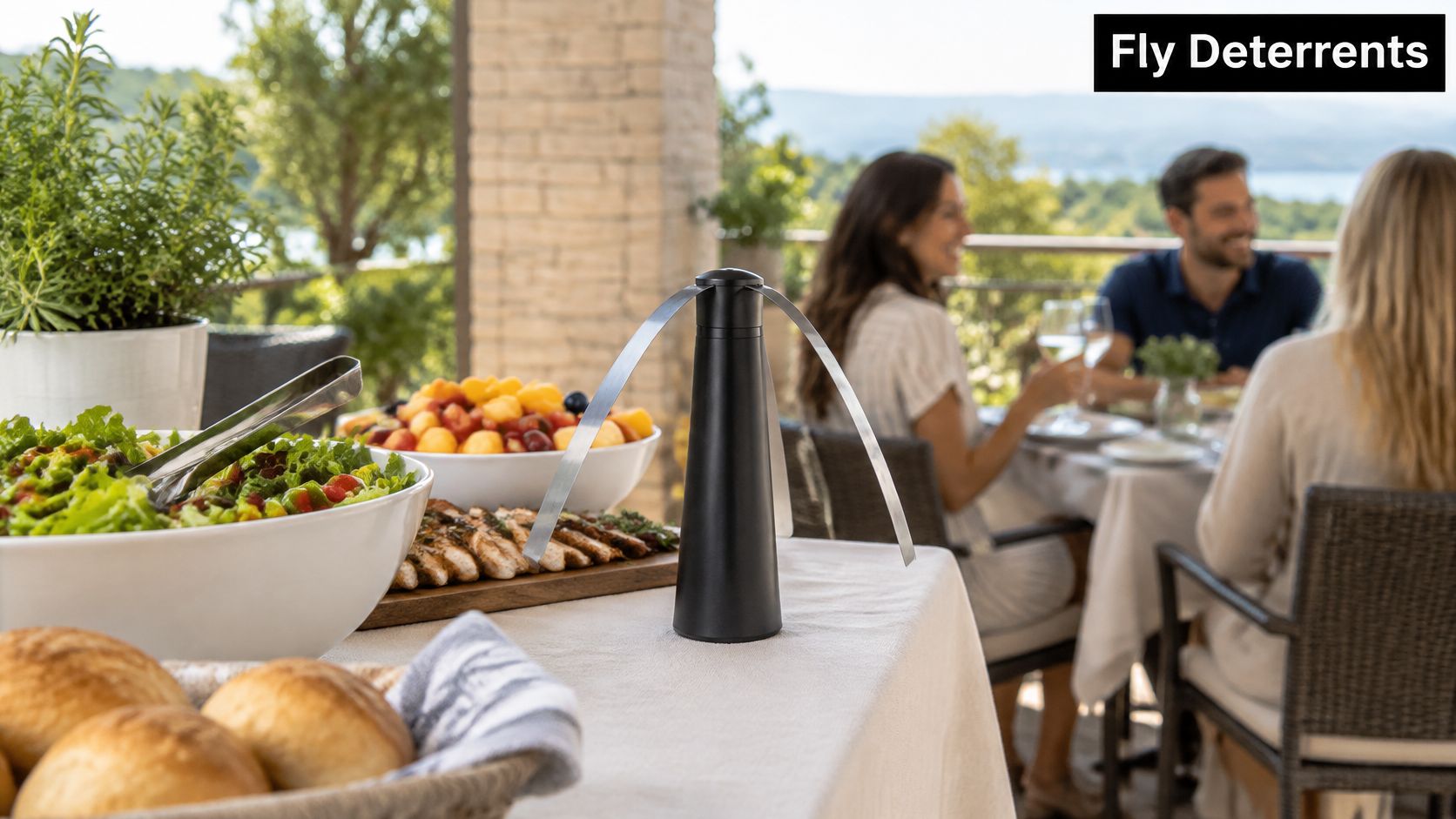
Position for the service guests actually use
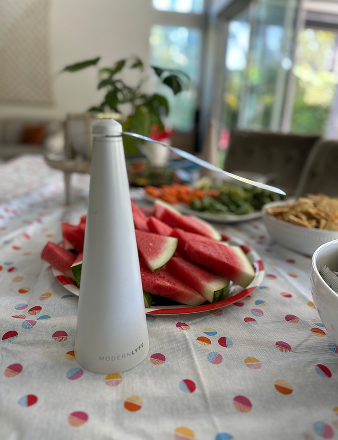
At a buffet, place the device at the boundary between served food and guests, clear of preparation work and waste collection. Check its position from the guest's side: can someone reach the serving spoon without touching it, and can staff replace a tray without moving it into food?
Dessert tables, outdoor reception tables, barbecue stations and food-truck service windows need the same practical check. Reposition the deterrent when the layout changes. A device left beside an empty tray doesn't protect the food moved to the other end of the table.
For a visual example of a dining setup, watch the device in use.
At an outdoor event, walk the route between the food station and waste area before guests arrive. Relocate bins away from serving points, close lids and make a cleanup pass for spilled drinks, dropped fruit and food scraps. Otherwise, staff are trying to protect a buffet beside an active attraction.
- Power safely: Keep charging connections dry and cords out of guest routes; don't assume an indoor electrical setup is suitable for a wet patio.
- Keep access clear: Leave serving handles, food covers and tray-changing space unobstructed.
- Check during service: Confirm the device is operating and hasn't been moved behind decorations or stacked plates.
Choose quiet, low-profile equipment that doesn't become another distraction at dinner. Guests should notice fewer flies near their food, while the operations team handles the less visible work that prevents their return.
Compliance, Labels and Records for Food-Service Venues
Compliance belongs inside the pest-control plan, not in a folder opened only when an inspector arrives. A low-odor product or discreet station can still be unsuitable for a particular preparation area.
Read the product label before purchase and before application. Confirm the listed pest, site, placement, rate and food-protection instructions. Don't assume permission for a storage room extends to an exposed-food buffet, and don't treat a botanical ingredient as an exemption from application restrictions.
Confirm permission and responsibility
Applicator licensing and permitted uses differ by jurisdiction. Confirm who may apply the proposed product, whether a licensed applicator is required and which formulations must stay outside preparation and food-contact zones. Ask the venue or pest-control contractor to identify planned treatments before an event, not after the caterer has set out food.
Keep bait stations inaccessible to food and utensils. Store pest-control chemicals locked away and separated from food, and protect ingredients in sealed containers. Build these responsibilities into your food-safety compliance procedures.
Keep a usable inspection file
Prepare records that explain both prevention and response:
- Written IPM plan: Responsible staff, inspection locations, monitoring methods and escalation decisions.
- Provider service reports: Findings, products applied, placement details and follow-up requirements.
- Closing checklists: Completed sanitation tasks and exceptions passed to the next shift.
- Monitor logs: Consistent locations, observations and dates.
- Corrective-action notes: The repair or cleaning performed, its owner and verification result.
A preventive plan describes what staff intend to do. A treatment record documents what someone did. Neither proves a recurring leak or dirty drain was corrected.
Repeated entries at the same hotspot can indicate an unresolved problem, especially when nobody records completed corrective work. Before the next service, confirm local documentation, pesticide-use and applicator requirements with your health authority.
Worked Examples from Drains, Patios and Caterers
A fly landing on a plate during patio service calls for a different response than small flies breeding near a drain. Integrated pest management programs in agriculture have been associated with reduced reliance on chemical pesticides, but those results do not predict outcomes in a food-service venue. Here, separate guest-facing deterrence from source control and judge each by its own evidence.
Illustrative scenarios, not reported results
Restaurant bar with small flies. Staff receive repeated complaints beside the ice well. An overnight cup monitor catches flies at a floor drain, so the closing team brushes the drain wall and rim rather than pouring bleach across the opening. Later monitor results can show whether activity at that location changed after the cleaning.
Hotel patio with houseflies. An uncovered dumpster sits a few metres from the terrace, while staff move a deterrent between tables. Moving the bins, closing their lids and cleaning the waste area address the attraction. Positioning the deterrent at the buffet edge protects food during service. Compare activity near the device with activity after the waste-area changes; a deterrent can protect plates without resolving the source.
Caterer with recurring fruit flies. Ripe stock remains on the prep bench between events, and dirty mop water stands in the sink. The caterer rotates stock, removes overripe items, empties the water and cleans the sink before setup. If activity returns, check whether those conditions have recurred before adding another product.
Diagnostic question: What changed at the source, and what changed only where guests could see it?
For a useful scenario record, note the complaint, suspected source, monitor finding, corrective action and follow-up observation at fixed locations. That sequence helps distinguish a change in breeding conditions from a temporary reduction in flies around guests' food.
Prove the Plan Works and Set Up Your Next Event
A quiet dining room at lunch isn't proof of control. Measure immediate interception, reduced food contact and sustained removal of breeding conditions separately, using operating targets rather than impressions.
Metrics that show control is working
| Metric | How to Record It | Signal of Success |
|---|---|---|
| Fly count at fixed locations | Log counts at the same spots each morning | Downward trend over two to four weeks |
| Drain monitor catches | Overnight monitor per drain, logged by location | Catches fall after cleaning; any catch triggers same-day cleaning |
| Food-contact sightings | Staff log during service | Zero sightings near served food |
| Breeding-source findings | Weekly inspection log of drains and waste zones | No recurring hotspot after corrective work |
| Guest fly complaints | Front-of-house log by event | Complaints decline week over week |
These are proposed management targets, not guaranteed timelines or regulatory thresholds. A falling count is encouraging, but food-contact sightings still require an immediate operational response.
Record enough context to interpret the result
Quality Assurance & Food Safety's food-service fly guidance distinguishes small-fly breeding in organic drain buildup from larger flies associated with outdoor waste areas. That distinction matters when a dining deterrent appears effective but source inspections remain unchanged.
Record weather and service times alongside counts because heat, humidity and operating conditions can shift activity. Change one discretionary intervention at a time, while continuing essential sanitation, so staff can make a reasonable connection between an action and the result.
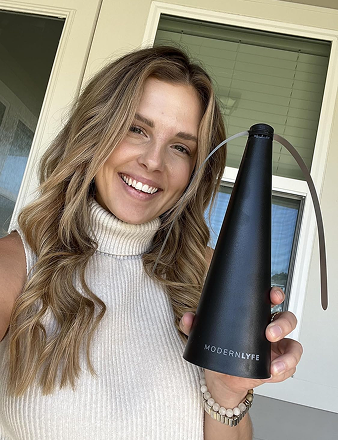
Our Fly Fan for Tables is rechargeable for indoor and outdoor use, keeps flies and pests away from food, and is an odor-free alternative to bug repellents. It also has an automatic safety stop. Those features support dining-area use, but source inspection and monitoring still determine whether the wider pest-control plan is working.
Set up the next event before service begins
- Schedule sanitation: Assign drains, bins, grease accumulation and food-storage checks to named staff.
- Complete exclusion repairs: Check screens, door sweeps and delivery-door closure before setup.
- Place monitors: Keep them away from food and give each location a consistent name.
- Protect the dining edge: Position an airflow deterrent without obstructing service.
- Prepare the log: Give staff a simple place to record counts, food-contact sightings and complaints.
Run the next event with the full setup, then review the trend before adding equipment or treatment. Use two to four weeks as a practical review period rather than declaring success after a good night. Any recurring hotspot deserves renewed source investigation, not another unexplained entry in the log.
MODERN LYFE offers rechargeable fly fans for indoor dining, patios and event tables, helping keep flies away from food without repellent odors. Visit MODERN LYFE to choose a fan for your next service, and pair it with a completed sanitation checklist and fixed-location monitoring log.